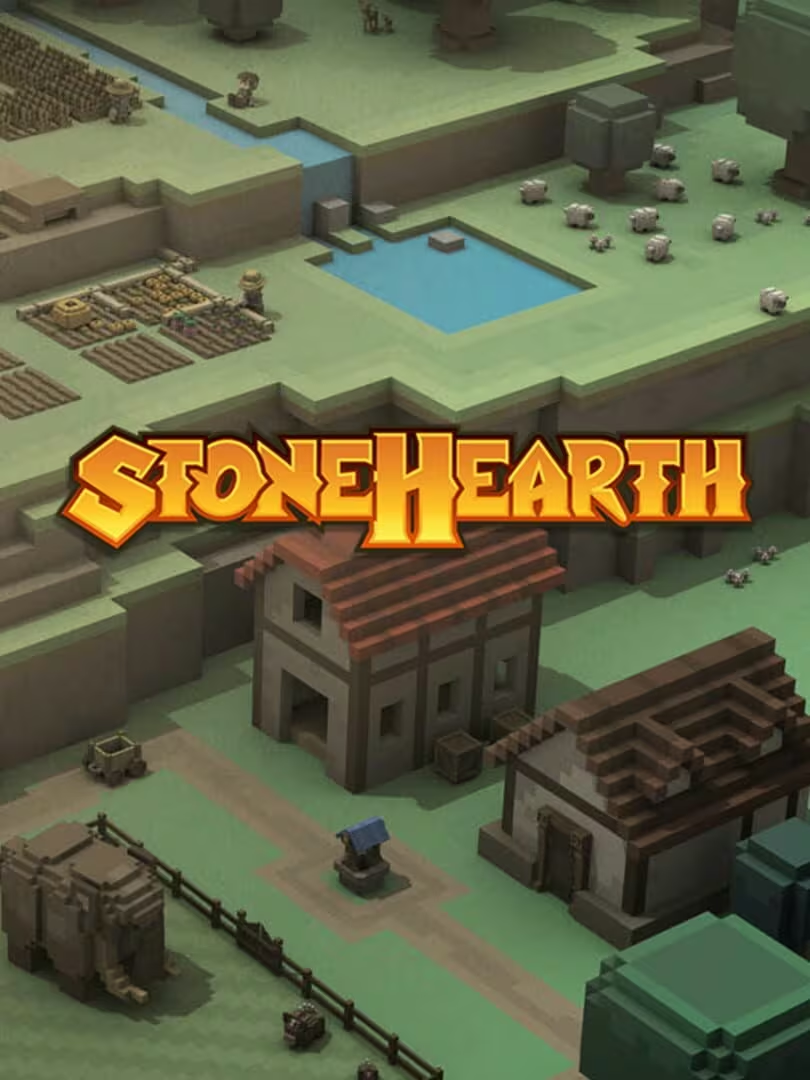
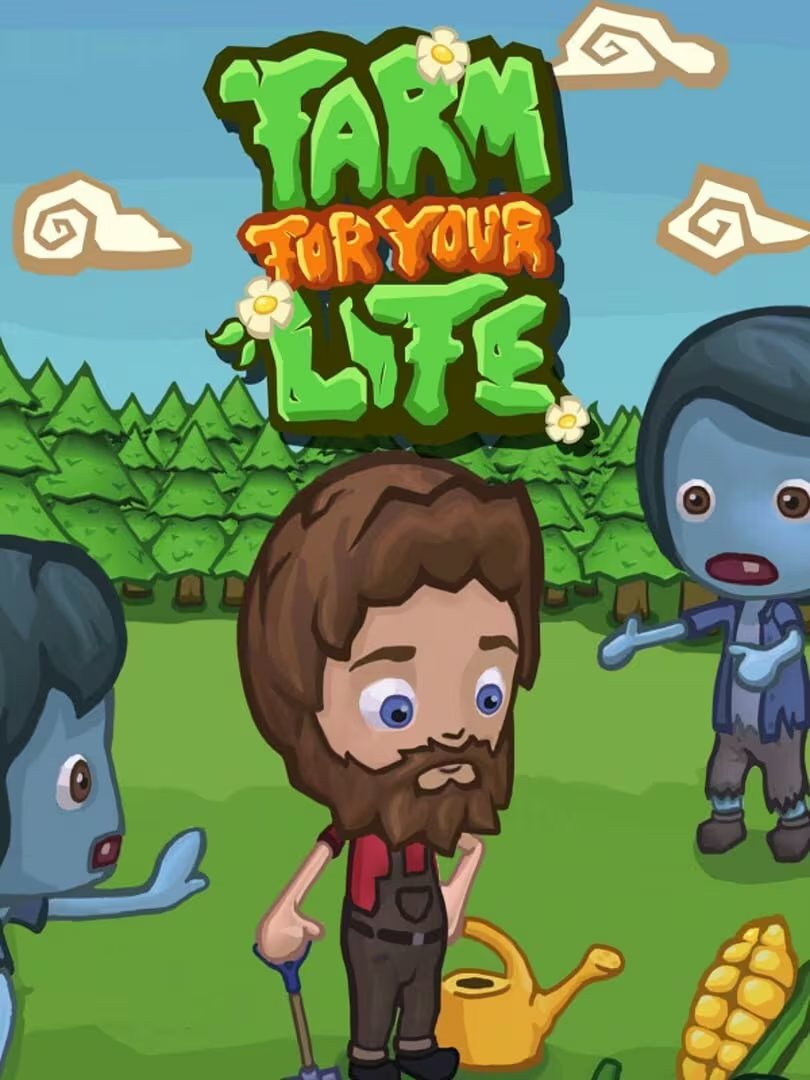
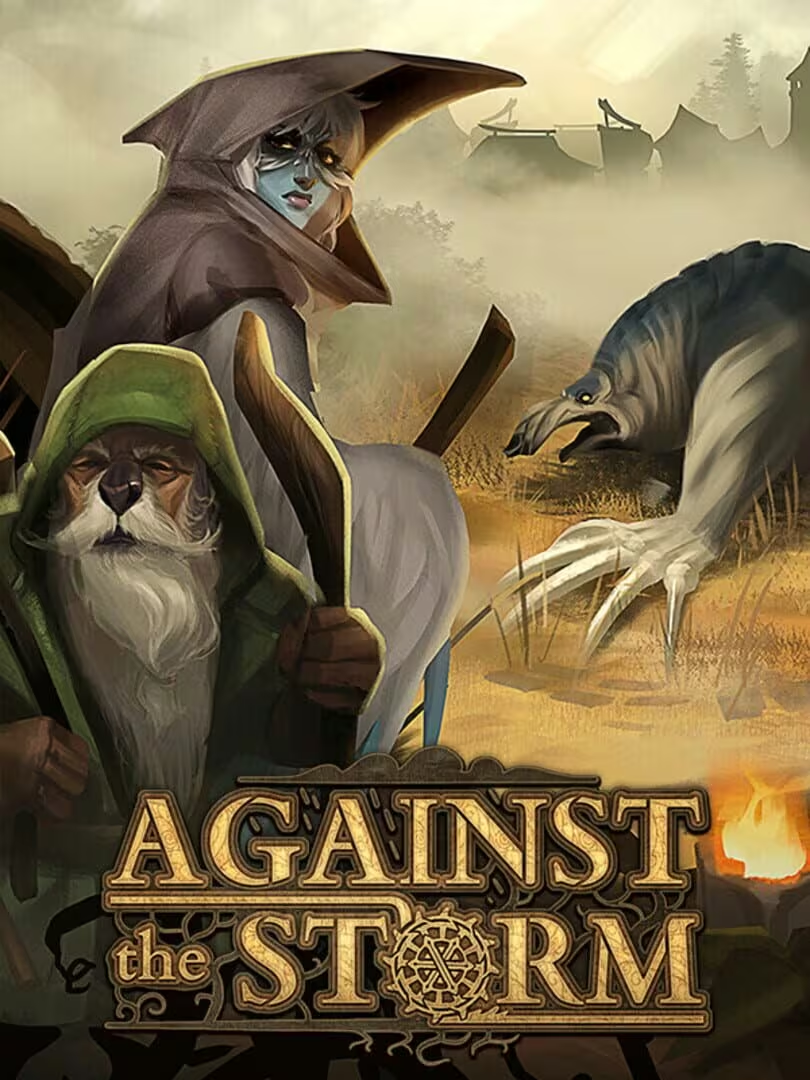
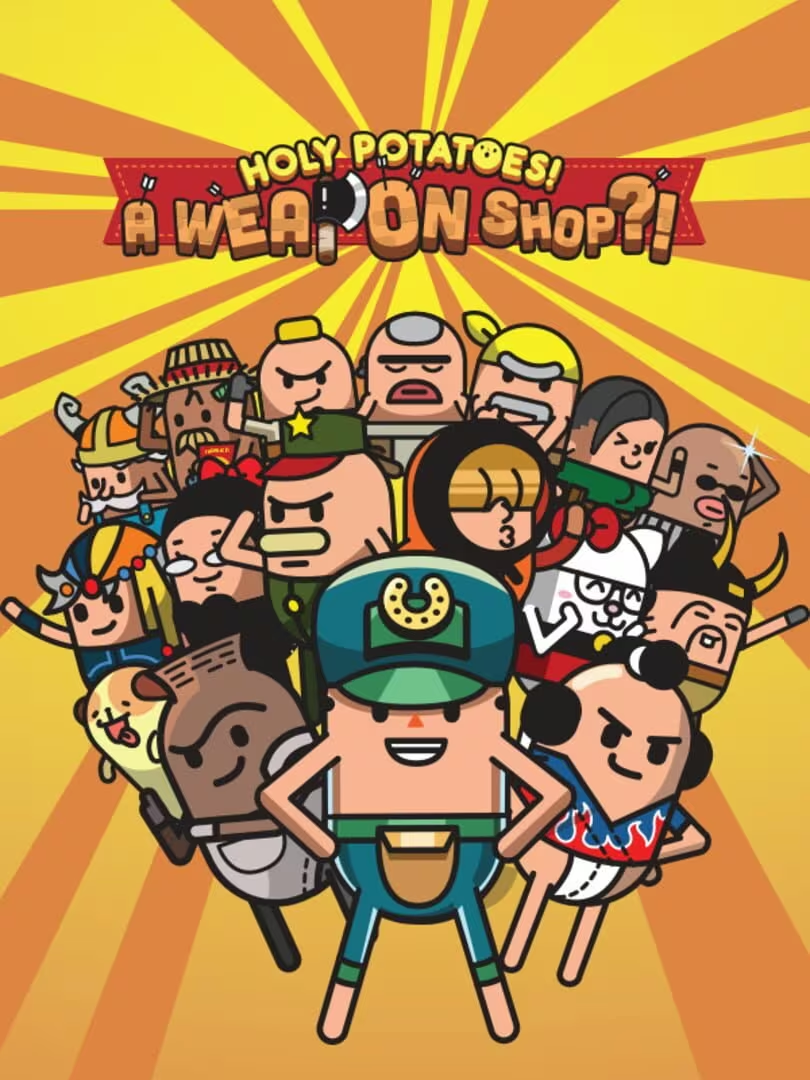
Tavern Keeper 🍻 Thumbnail

Tavern Keeper 🍻 similar games & best alternatives
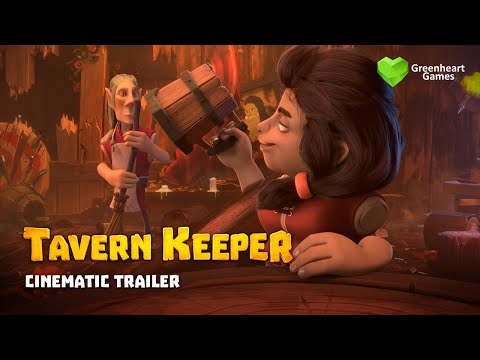
Tavern Keeper 🍻

PC (Microsoft Windows) • 2025

Related articles

Quick resume

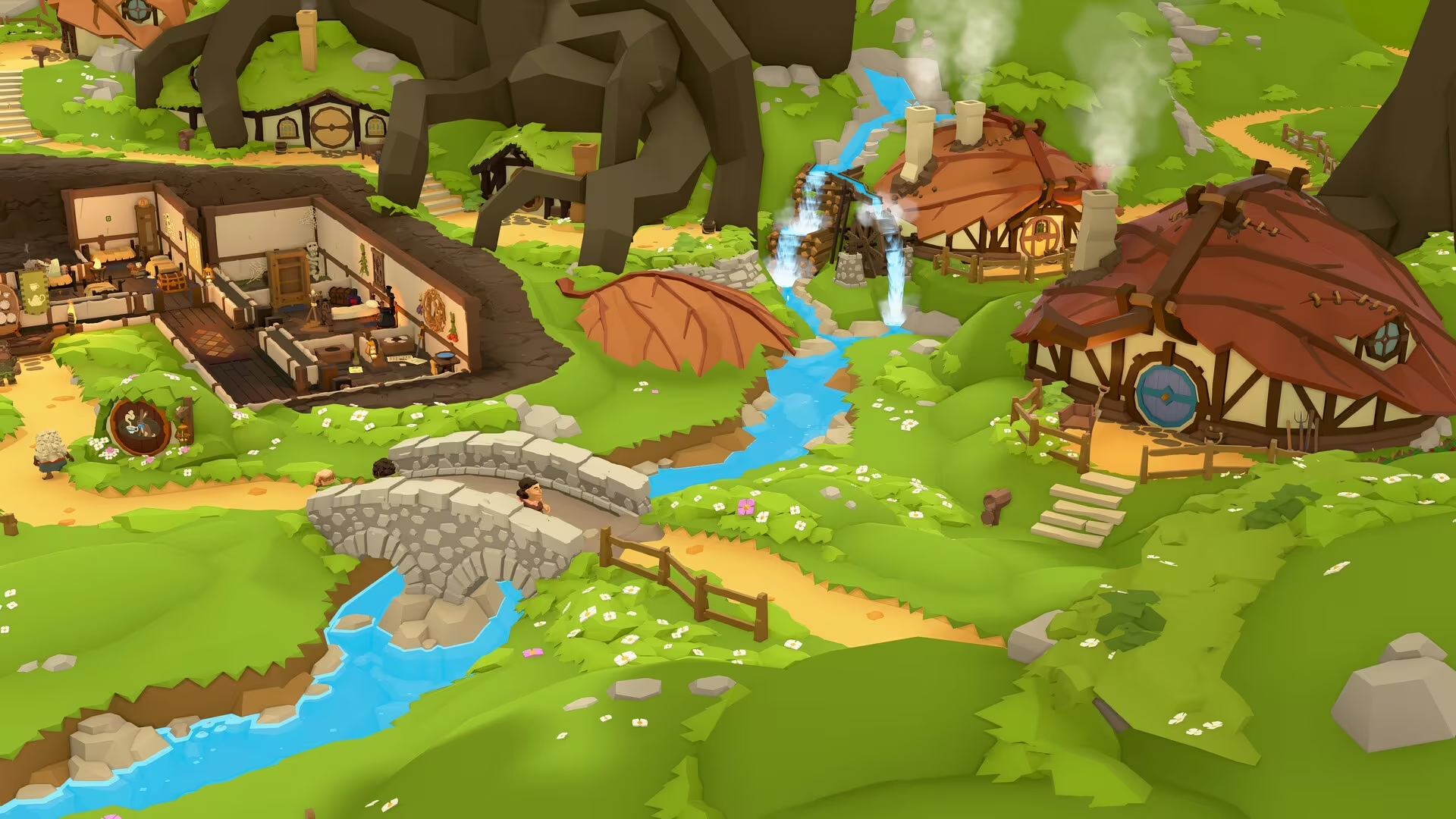
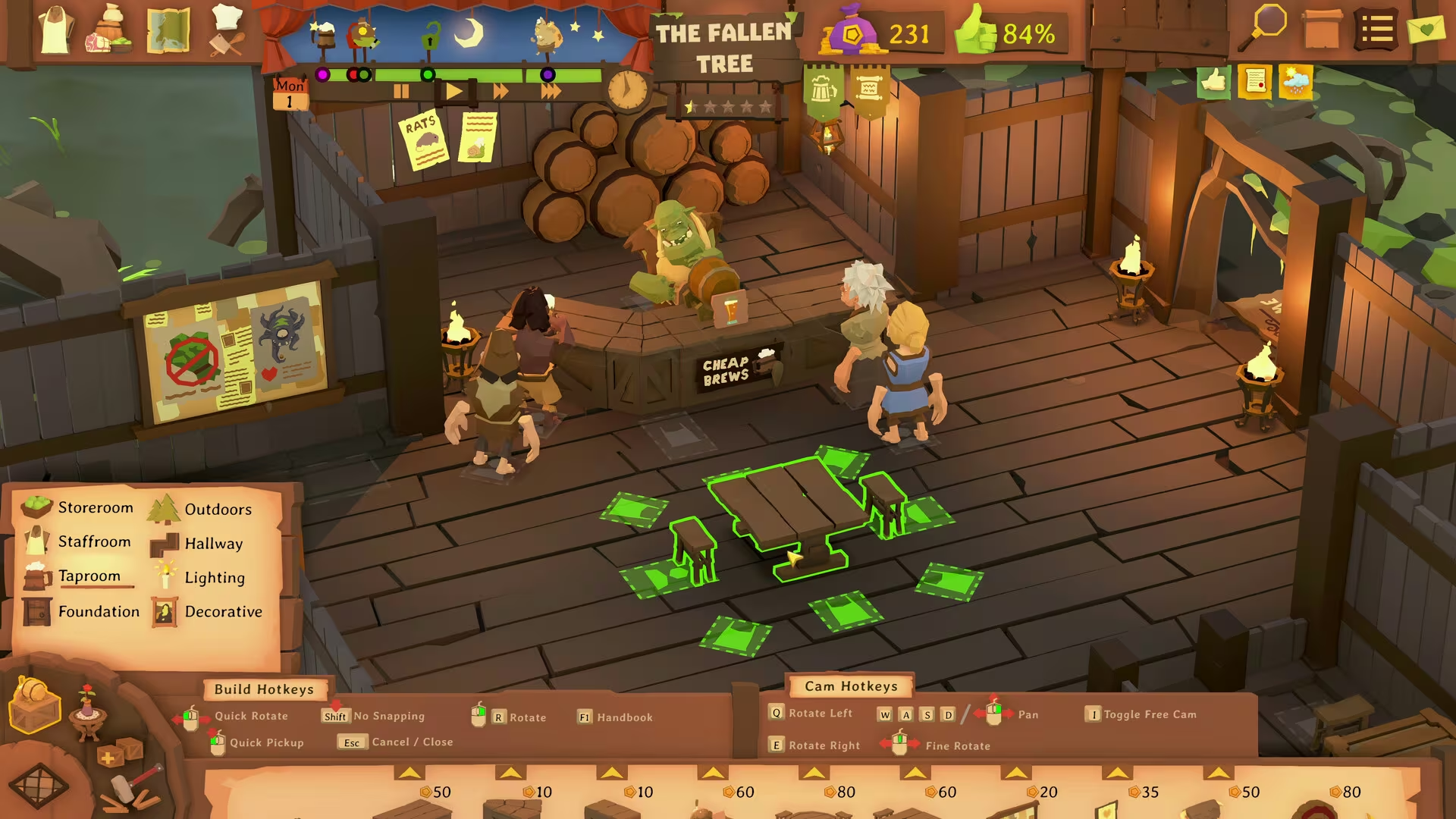
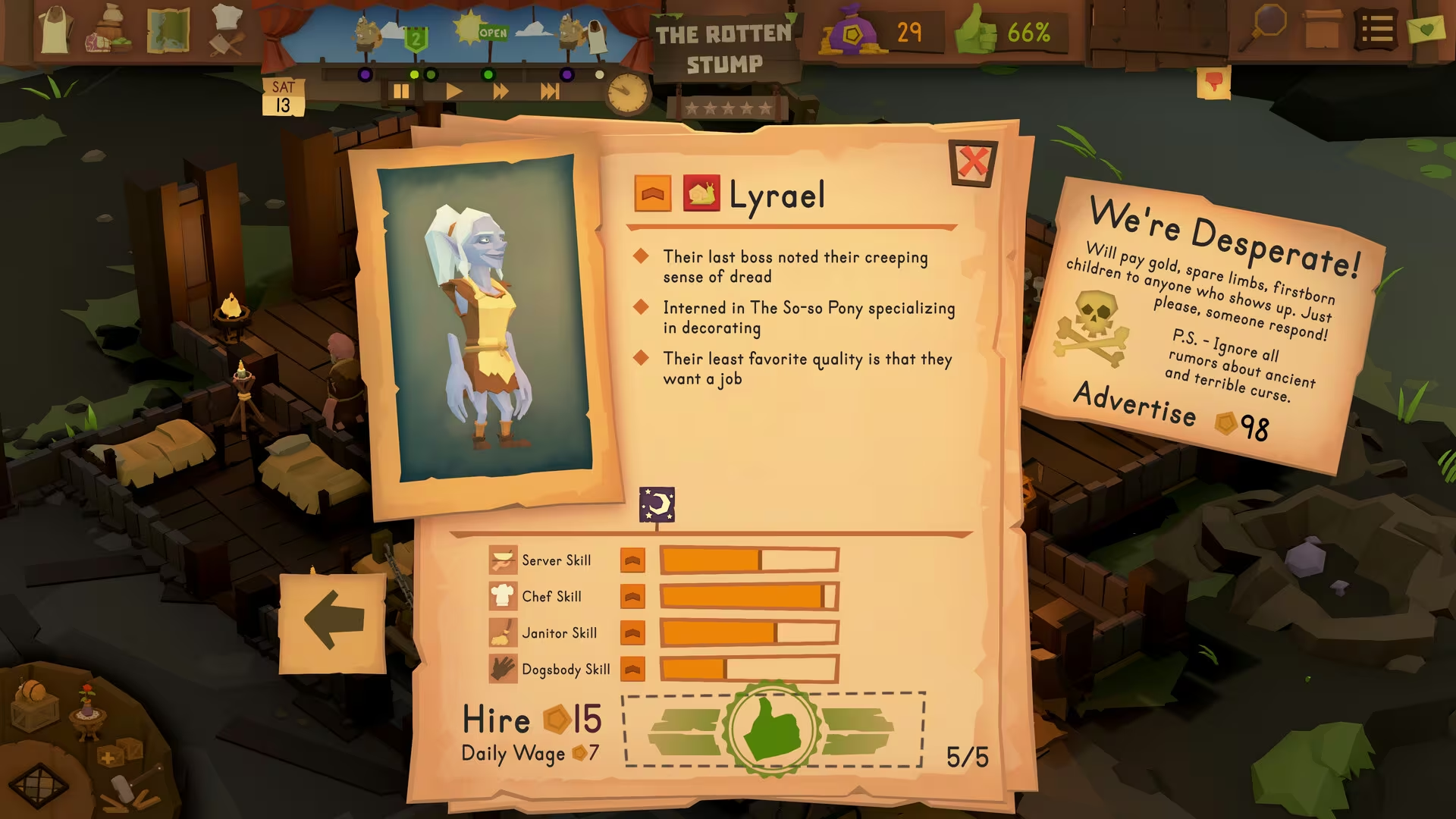
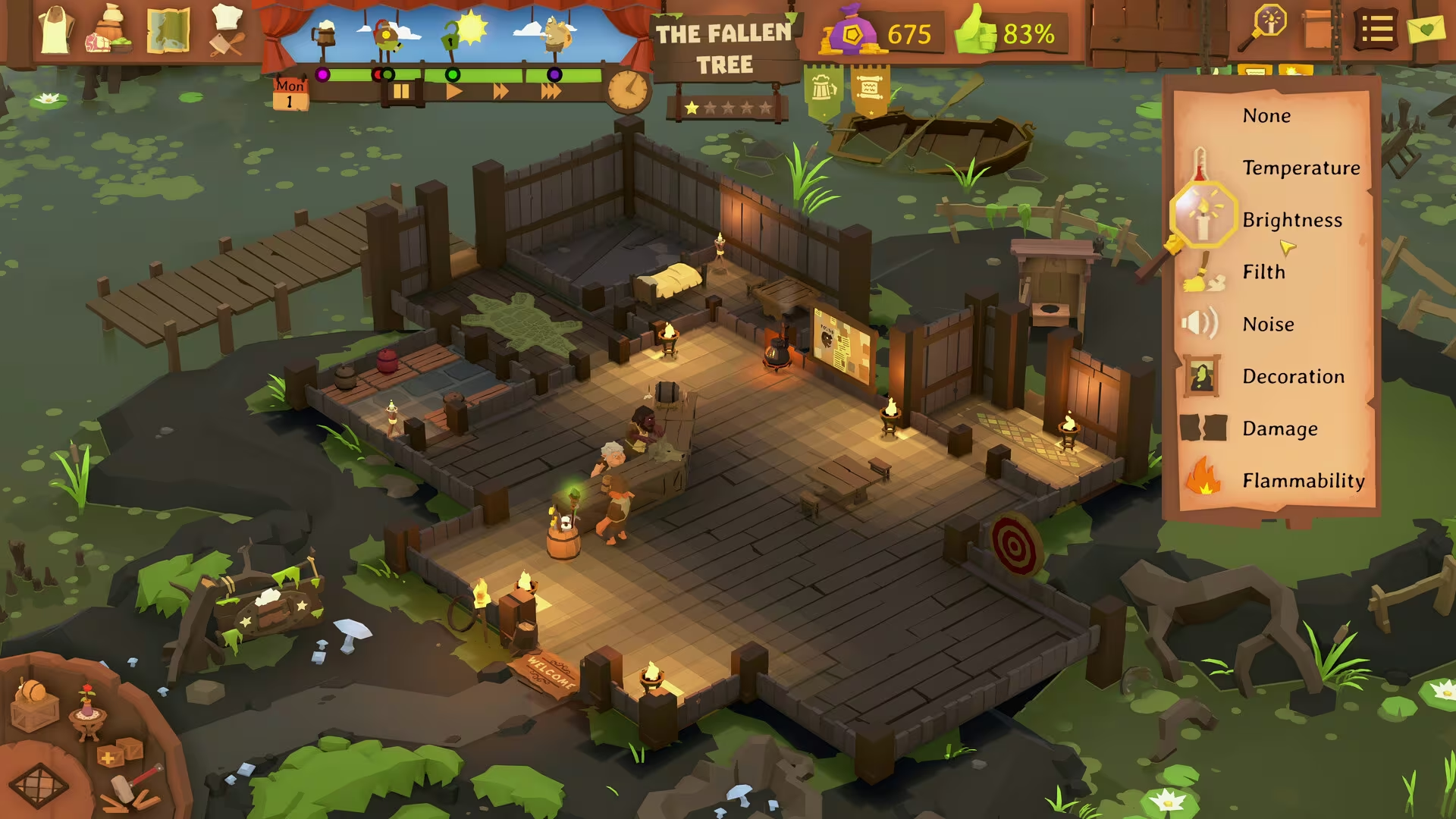
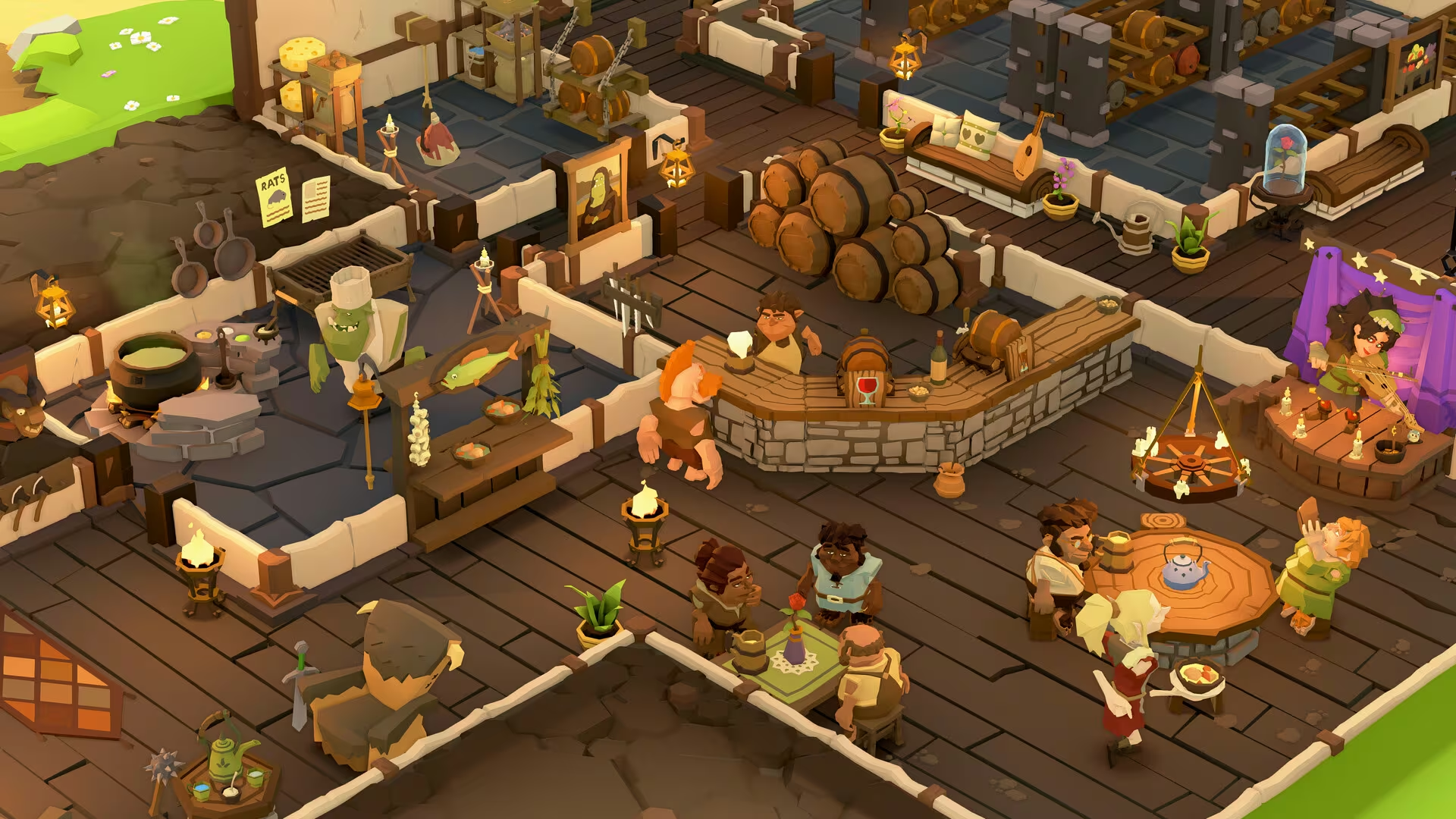
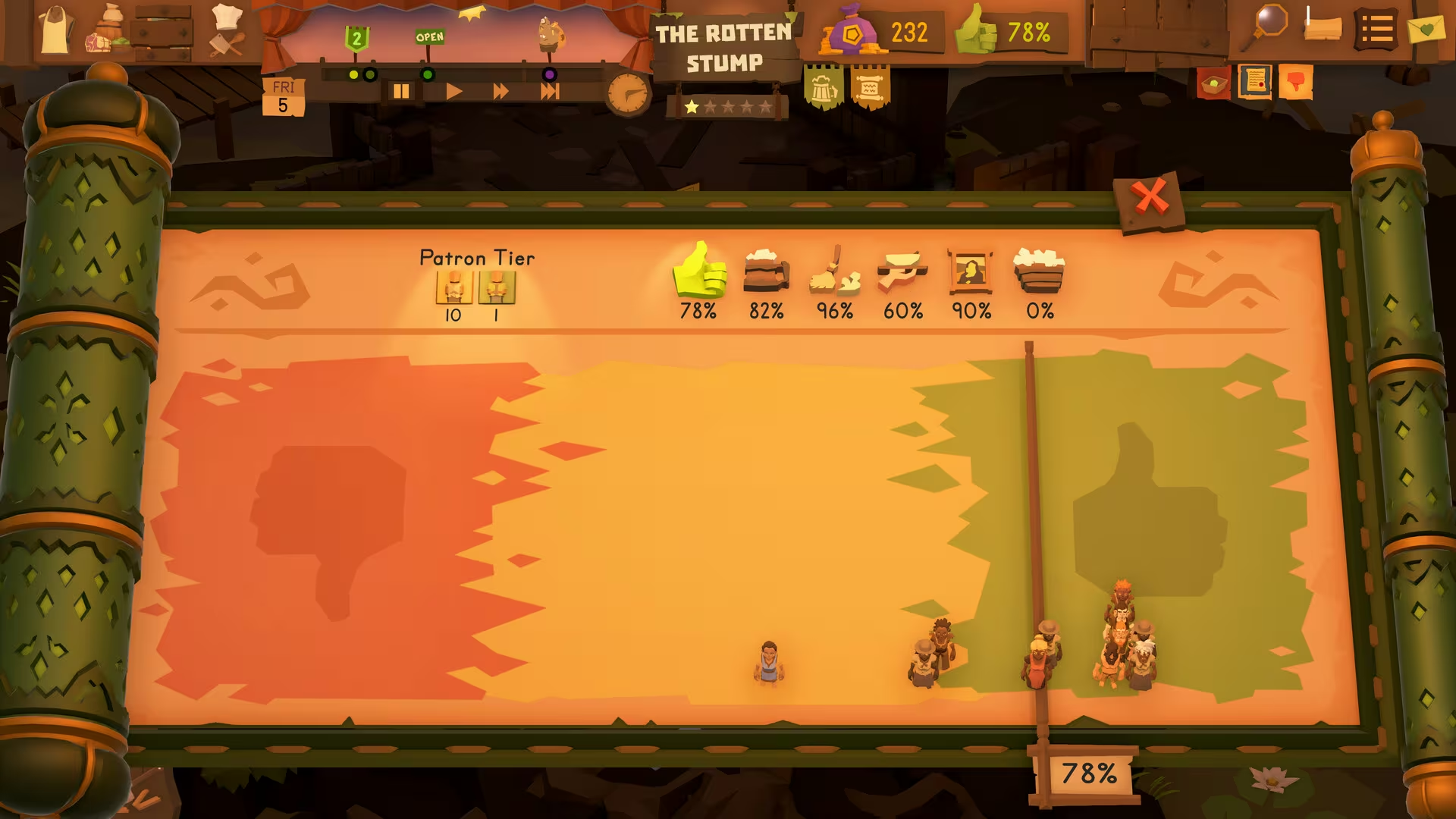
From the creators of Game Dev Tycoon comes Tavern Keeper 🍻, a cosy-chaotic management sim, featuring a powerful decoration sandbox and a magical storybook RPG!

Global score

95/100

Genres

Indie, Role-playing (RPG), Simulator, Strategy, Early Access

Similar games

    Pros

    • Deep and engaging tavern management gameplay
    • Extensive customization and creative building tools
    • Charming fantasy setting with strong narrative and voice acting
    • Addictive and immersive gameplay loop
    • Active developer support and frequent updates

    Cons

    • Some ai and pathfinding issues
    • Limited tavern space and management depth in early access
    • Staff micromanagement can be hectic and stressful
    • Performance drops with large taverns
    • Story content currently limited to three scenarios

    Analysis

    Less representative of its motivational profile, with noticeable differences. Motivations that often define this kind of title include Leadership, Survival, Violence, Strategy. Here, the score leans higher than usual among comparable games on Expression, Story. It leans lower than usual among comparable games on Violence.

    How to use the graph
    Similar games map

    Each dot is a game. They are arranged from the same motivation profile as in the “Motivations” section below. Closer dots usually mean more similar reasons to play (exploration, competition, relaxation, etc.)—not that one game is “better” than another.

    • Larger dot with a light outline: the game you are viewing.
    • Colour: groups of games with comparable motivation patterns (statistical clusters).
    • Hover a dot to see the game name; click to open its page.
    • Scroll or double-click the chart to zoom out and see more games.

    Why don’t the axes read like a score? This view uses t-SNE: it only keeps who is close to whom. The scales are not “good to bad” or hours played—they separate groups on the map. Read distance between dots, not the axis numbers.

    Motivations

    • Autonomy
      4

      "Players have extensive freedom to customize tavern layout, furniture, decorations, and staff management, allowing personal control over gameplay and creative expression."

    • Competence
      3

      "The game offers a satisfying management challenge with skill checks, staff scheduling, inventory control, and balancing multiple systems, though some tasks can become routine."

    • Competition
      -4

      "Focus is on personal progress and management without competitive or ranked multiplayer elements; players set their own pace."

    • Continuation
      4

      "Players report long play sessions, addictive gameplay loops, and habitual engagement with the game and its scenarios."

    • Cooperation
      -3

      "Gameplay centers on individual tavern management and personal decision-making; multiplayer or cooperative play is not mentioned."

    • Creativity
      5

      "Robust building and design tools allow players to create and customize furniture, decorations, and tavern layouts extensively."

    • Domination
      -5

      "Interactions emphasize shared storytelling and management without exerting control or superiority over others."

    • Escapism
      5

      "Players use the game as a cozy, immersive fantasy escape with charming stories, humor, and a relaxing atmosphere."

    • Expectation
      -4

      "Players engage voluntarily out of intrinsic interest and enjoyment; no indication of obligation or external pressure."

    • Experimenting
      4

      "Players explore new mechanics, experiment with tavern designs, and try different management strategies and story choices."

    • Exploration
      3

      "Players discover new regions and scenarios with unique challenges and customer types, encouraging curiosity and adaptation."

    • Expression
      5

      "Extensive avatar, furniture, and environment customization supports strong self-expression and personalization."

    • Fantasy
      5

      "Set in a whimsical fantasy world with orcs, elves, and magical storytelling, emphasizing imaginative fiction."

    • Fellowship
      -3

      "Social interaction is minimal; players mainly engage solo with limited community connection beyond sharing designs."

    • Growth
      3

      "Players develop management skills and learn game systems progressively through scenarios and freeplay."

    • Health
      -5

      "Gameplay is sedentary and focused on screen-based management without physical activity."

    • Idle
      -4

      "Requires constant attention and micromanagement; players cannot easily disengage or leave tasks unattended."

    • Intimacy
      -4

      "Interactions with NPCs are scripted and humorous but lack deep emotional or close relationship building."

    • Leadership
      3

      "Players lead and manage staff with scheduling and task assignments, exercising authority within the tavern."

    • Progression
      4

      "Players accumulate upgrades, unlock new regions, and improve tavern ratings and facilities over time."

    • Relaxation
      2

      "While cozy and charming, the game can be stressful and hectic due to micromanagement and time pressures."

    • Sensation
      3

      "Enjoyable art style, music, and narration provide sensory stimulation and emotional engagement."

    • Status
      -4

      "Recognition is internal and personal; no social status or leaderboard systems are present."

    • Story
      5

      "Strong narrative immersion with voice-narrated stories, character interactions, and evolving plotlines."

    • Strategy
      4

      "Players engage in complex problem solving, resource management, and planning to optimize tavern success."

    • Thrill
      1

      "Some suspense from managing fires, infestations, and customer impatience, but overall controlled environment."

    • Value
      4

      "Players perceive strong value for time and money with deep gameplay and frequent updates."

    • Violence
      -5

      "Gameplay focuses on constructive management and creativity rather than combat or destruction."

    • Survival
      2

      "Players must manage threats like fires and infestations, balancing risk and resource allocation."

    Last update: 29/04/2026