The Wandering Village Thumbnail

The Wandering Village similar games & best alternatives
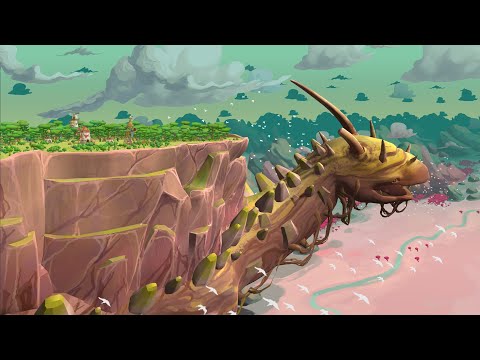
The Wandering Village

PC (Microsoft Windows), Mac, PlayStation 4, Xbox One, Xbox Series X|S, Nintendo Switch, PlayStation 5, Linux • 2025

Related articles

Quick resume

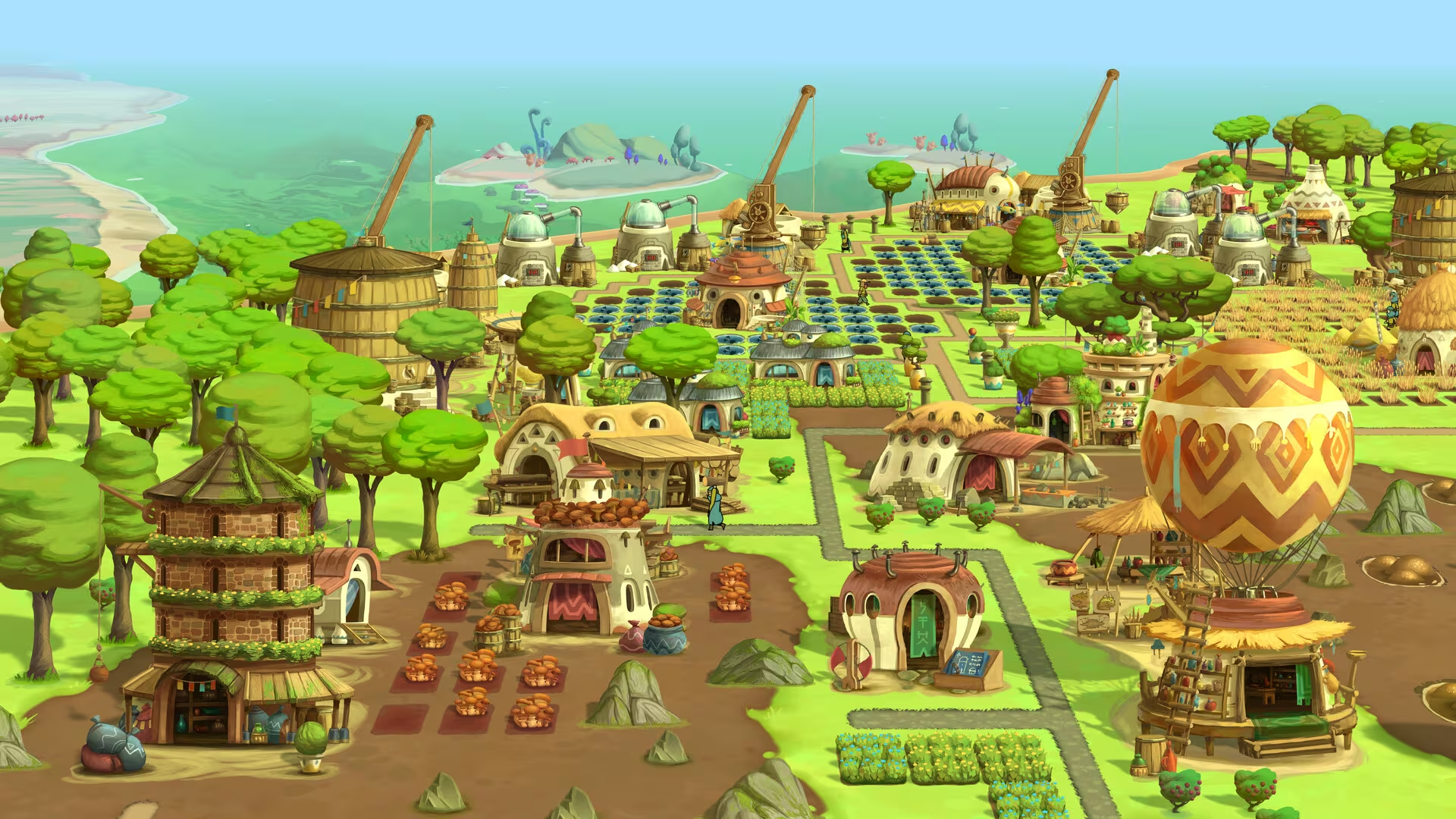
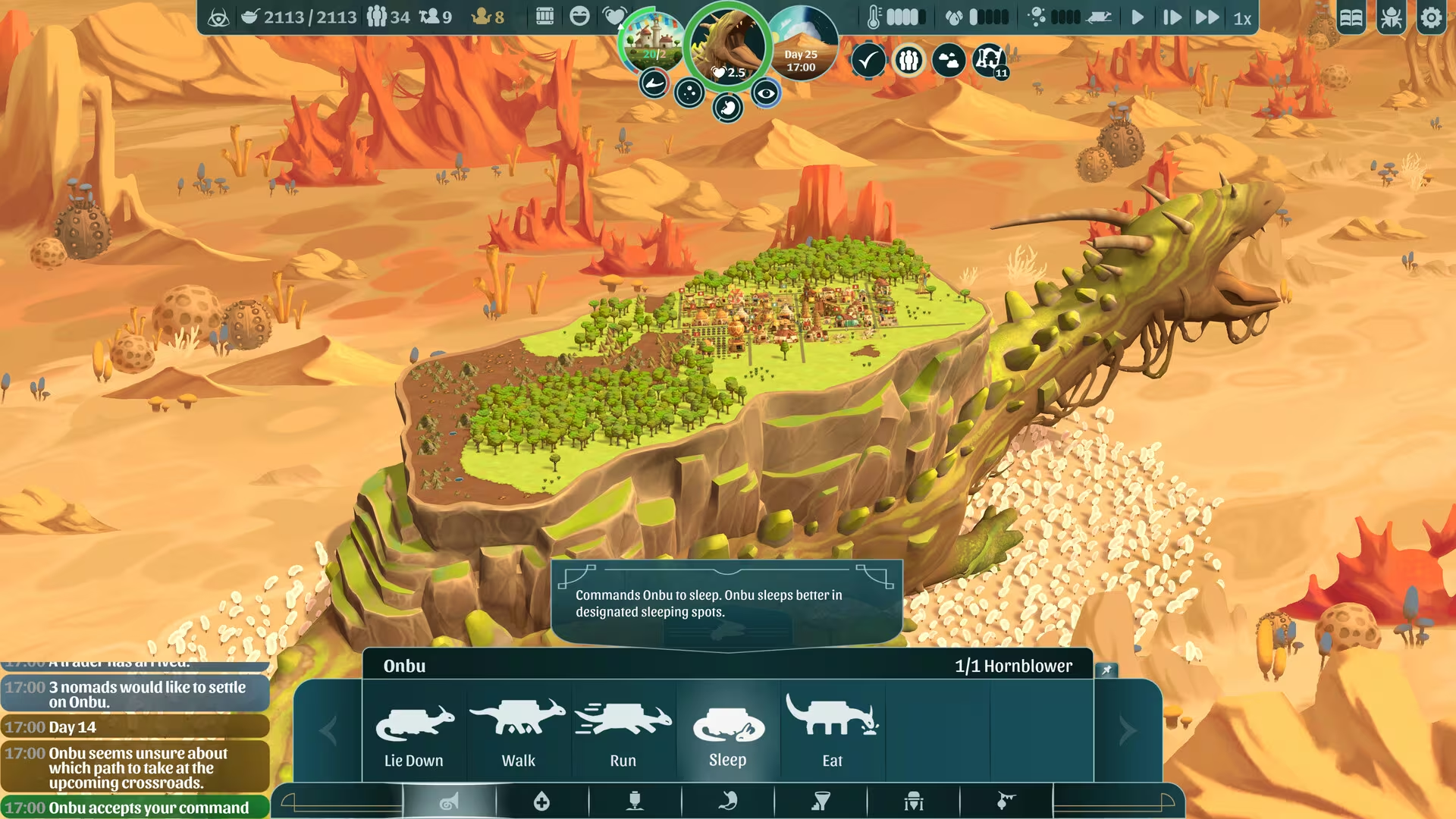
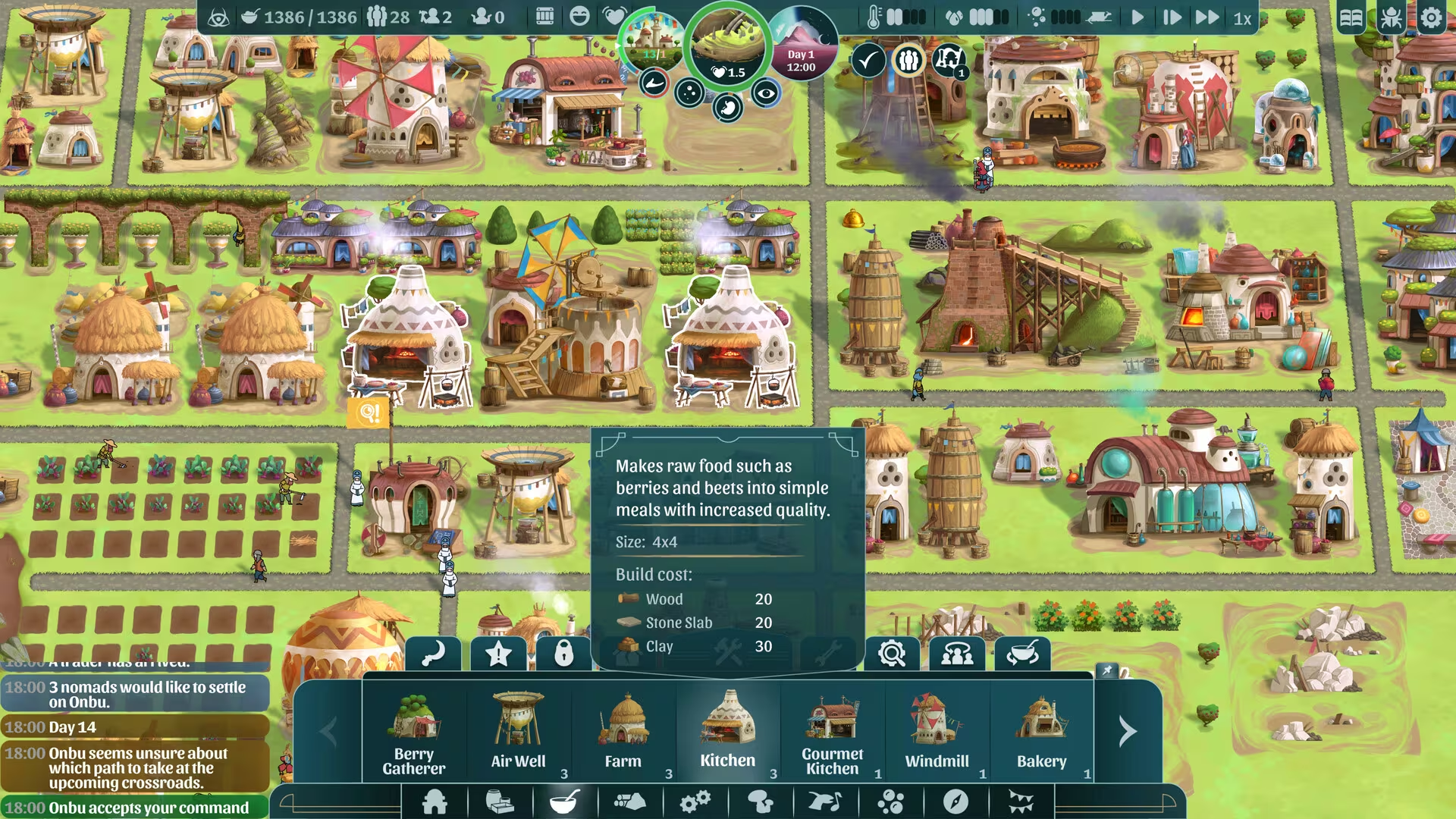
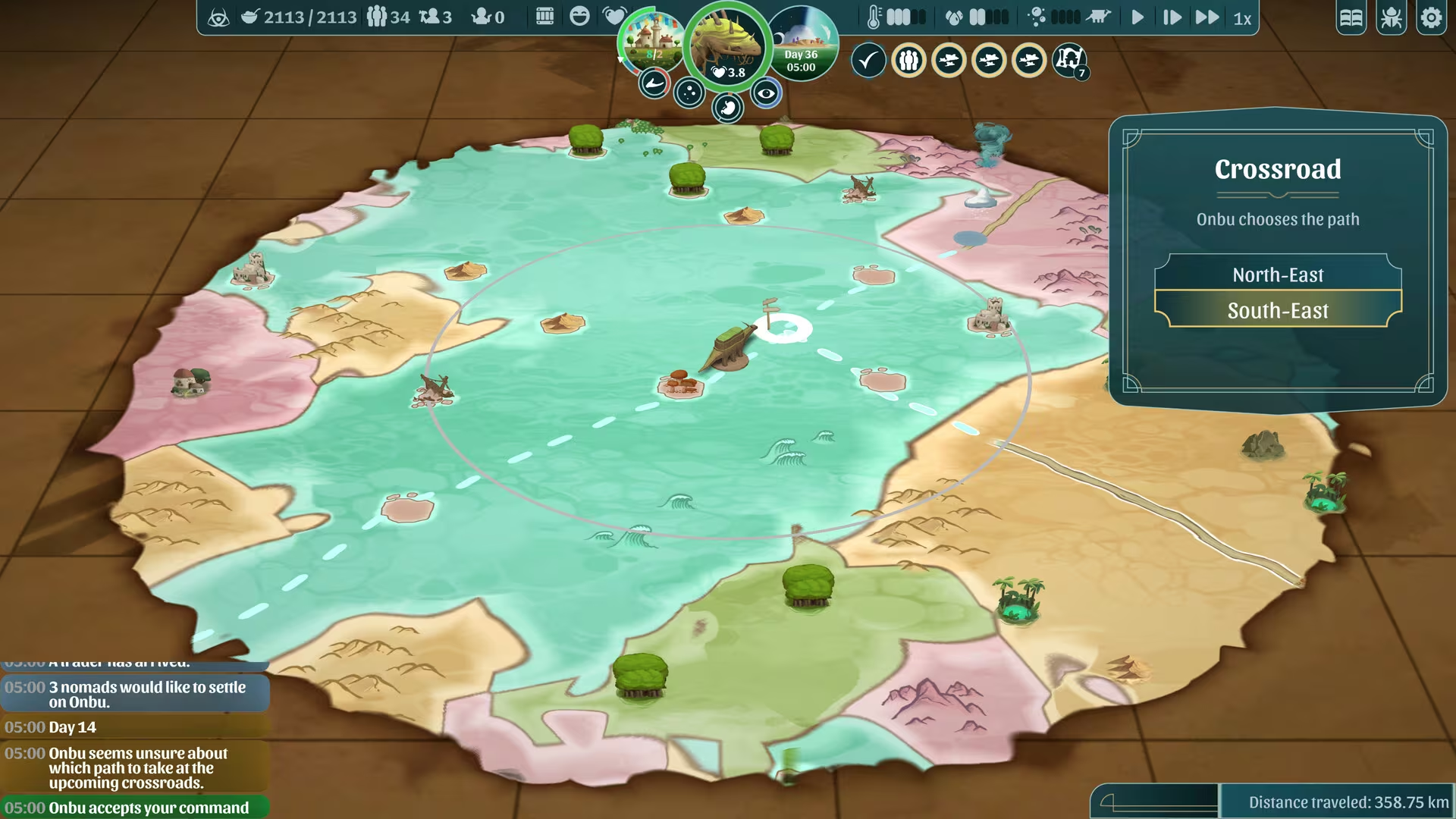
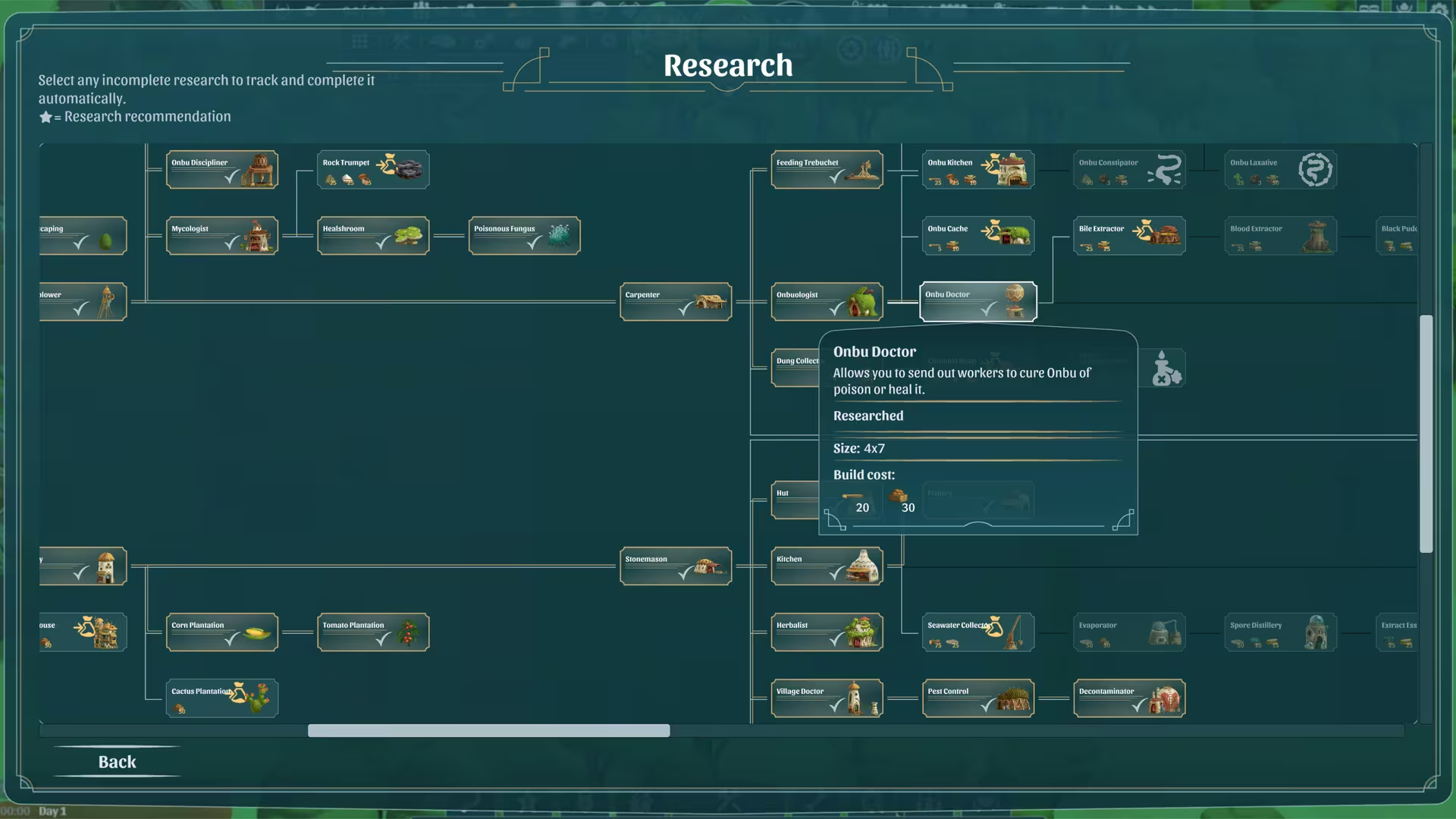
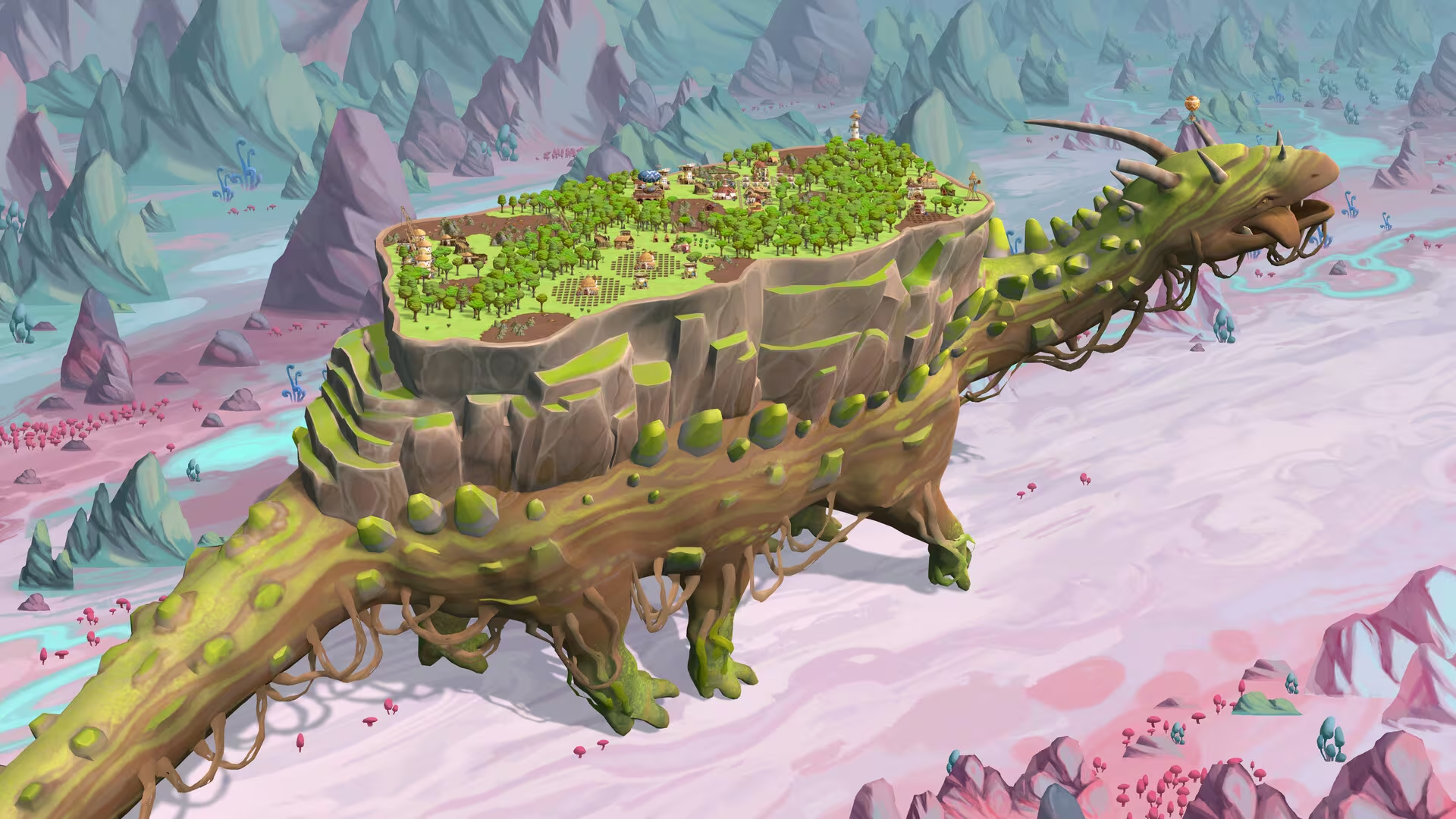
The Wandering Village is a city-building simulation game on the back of a giant, wandering creature. Build your settlement and form a symbiotic relationship with the colossus. Will you survive together in this hostile, yet beautiful post-apocalyptic world, contaminated by poisonous plants?

Global score

92/100

Genres

Simulator, Strategy, Indie

Similar games

    Pros

    • Unique and charming concept
    • Beautiful art style and music
    • Engaging resource and hazard management
    • Relaxing yet challenging gameplay
    • Active developer support and updates

    Cons

    • Limited endgame content and replayability
    • Some ui and quality of life issues
    • Lack of biome variety
    • No multiplayer or social features
    • Price considered high by some players

    Analysis

    Less representative of its motivational profile, with noticeable differences. Motivations that often define this kind of title include Leadership, Survival, Violence, Strategy. It leans lower than usual among comparable games on Violence, Value, Cooperation.

    How to use the graph
    Similar games map

    Each dot is a game. They are arranged from the same motivation profile as in the “Motivations” section below. Closer dots usually mean more similar reasons to play (exploration, competition, relaxation, etc.)—not that one game is “better” than another.

    • Larger dot with a light outline: the game you are viewing.
    • Colour: groups of games with comparable motivation patterns (statistical clusters).
    • Hover a dot to see the game name; click to open its page.
    • Scroll or double-click the chart to zoom out and see more games.

    Why don’t the axes read like a score? This view uses t-SNE: it only keeps who is close to whom. The scales are not “good to bad” or hours played—they separate groups on the map. Read distance between dots, not the axis numbers.

    Motivations

    • Autonomy
      4

      "Players direct village building, resource management, and Onbu's path and actions, with meaningful choices and control."

    • Competence
      3

      "Requires managing multiple systems, adapting to changing biomes and hazards, and balancing resources effectively."

    • Competition
      -4

      "Focuses on personal progress and survival without ranked modes or direct player-vs-player competition."

    • Continuation
      3

      "Players report long sessions and habitual play, though some note limited endgame content reduces replayability."

    • Cooperation
      -5

      "Single-player experience focused on individual management without multiplayer or cooperative gameplay."

    • Creativity
      3

      "Players customize village layout and strategy, but within predefined buildings and limited modification options."

    • Domination
      -5

      "No evidence of exerting control over others; interactions are with AI and environment, not other players."

    • Escapism
      4

      "Players use the game for relaxation, stress relief, and immersion in a calming, imaginative world."

    • Expectation
      -4

      "Players engage voluntarily out of interest and enjoyment, not obligation or external pressure."

    • Experimenting
      3

      "Players try different strategies, tech paths, and adapt to biome changes, though some routines exist."

    • Exploration
      3

      "Game features multiple biomes and map exploration, though biome variety is somewhat limited currently."

    • Expression
      2

      "Some self-expression through village design and Onbu interaction, but limited character customization."

    • Fantasy
      4

      "Strong fantasy elements with giant creature, post-apocalyptic setting, and imaginative world."

    • Fellowship
      -5

      "No social or community gameplay; experience is solitary and focused on individual play."

    • Growth
      3

      "Players develop skills in resource management and strategic planning as they progress."

    • Health
      -5

      "Sedentary gameplay with no physical activity or health-related mechanics."

    • Idle
      -3

      "Requires active management and attention; not suitable for casual or background play."

    • Intimacy
      -5

      "No evidence of forming close social relationships; interactions are with AI and environment only."

    • Leadership
      3

      "Players lead and manage their village and Onbu, making strategic decisions and directing actions."

    • Progression
      3

      "Players accumulate resources, unlock tech, and upgrade village and Onbu capabilities."

    • Relaxation
      3

      "Generally relaxing and meditative gameplay with some tension from resource and hazard management."

    • Sensation
      3

      "Enjoyable art style, music, and animations provide pleasant sensory stimulation."

    • Status
      -5

      "No social recognition or status systems; achievements are personal and not publicly ranked."

    • Story
      2

      "Some lore and narrative elements exist but are minimal; focus is on gameplay rather than story."

    • Strategy
      4

      "Strong strategic planning required to manage resources, biomes, and Onbu's health and path."

    • Thrill
      2

      "Some suspense from environmental hazards and resource scarcity, but overall moderate tension."

    • Value
      0

      "Mixed player opinions on value; some feel price is high for current content, others find it worthwhile."

    • Violence
      -4

      "Gameplay focuses on building and care rather than combat or destruction."

    • Survival
      4

      "Core gameplay involves managing threats, resource scarcity, and keeping villagers and Onbu alive."

    Last update: 29/04/2026