The Sapling Thumbnail

The Sapling similar games & best alternatives
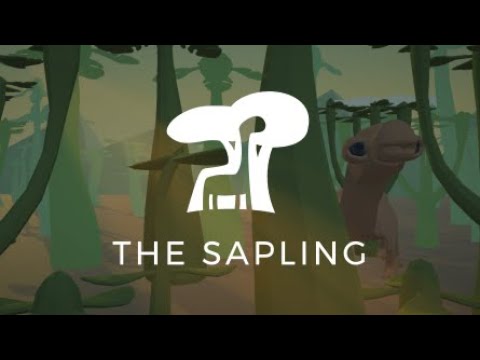
The Sapling

PC (Microsoft Windows), Linux • 2019

Related articles

Quick resume

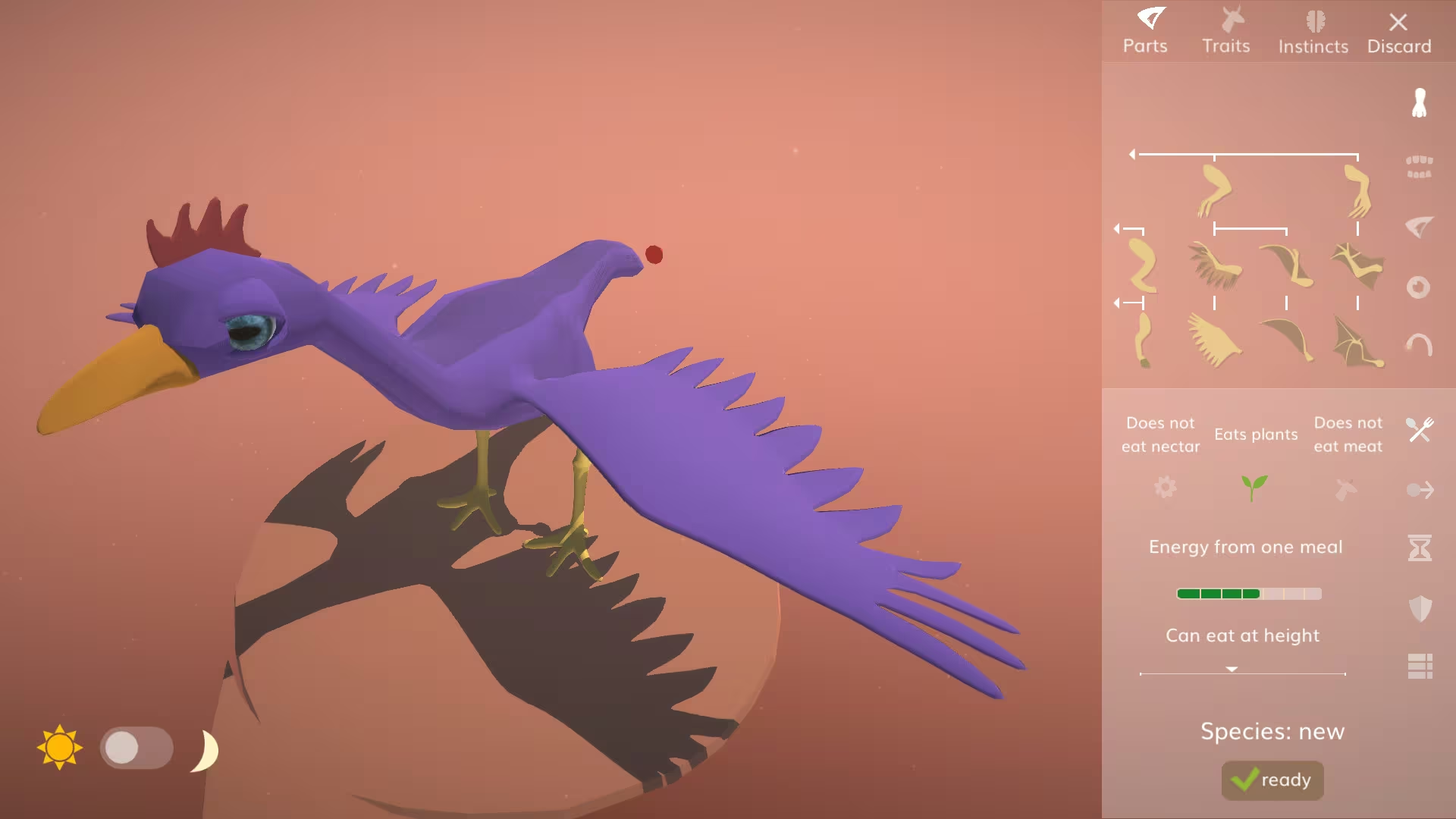
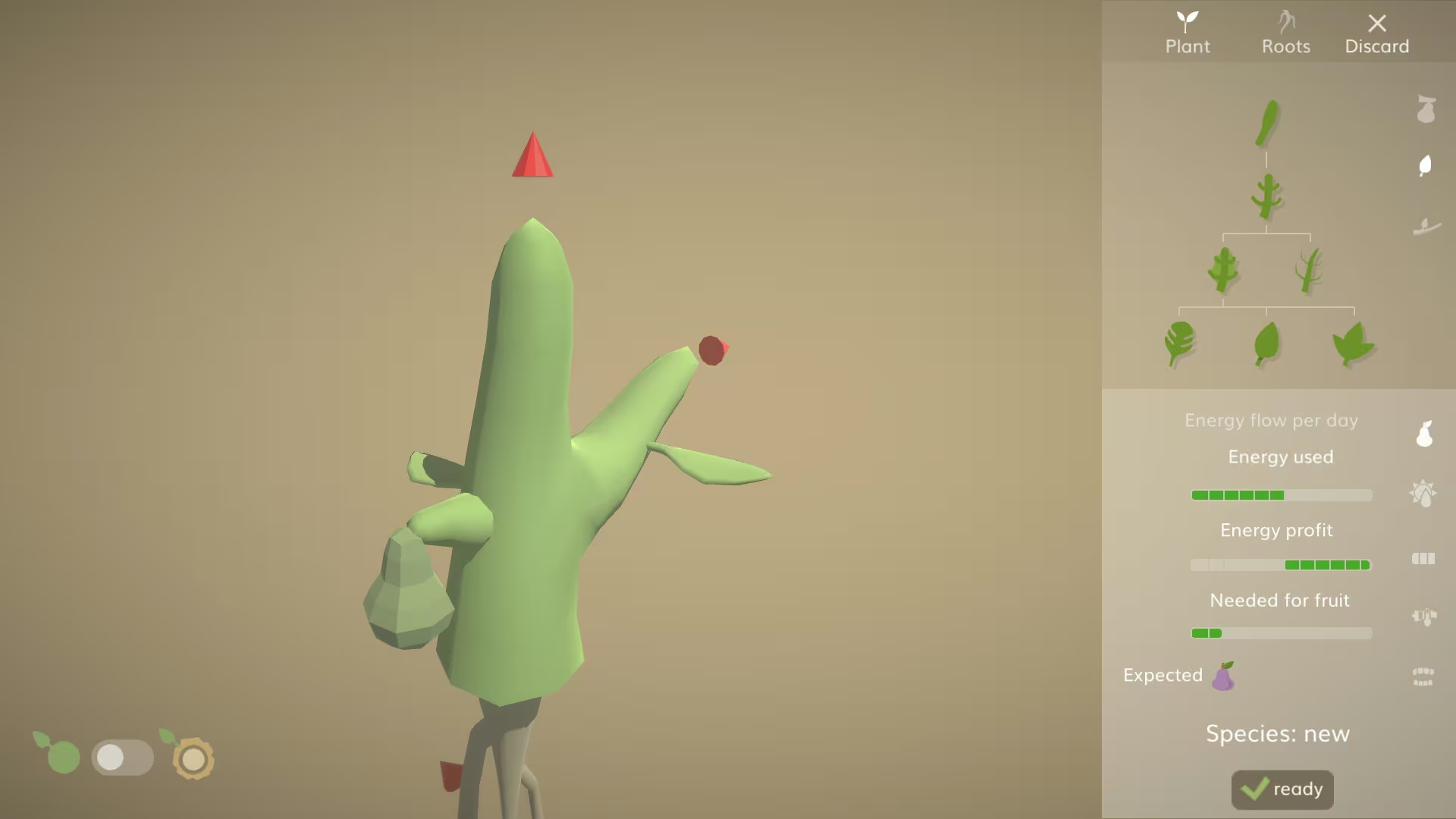
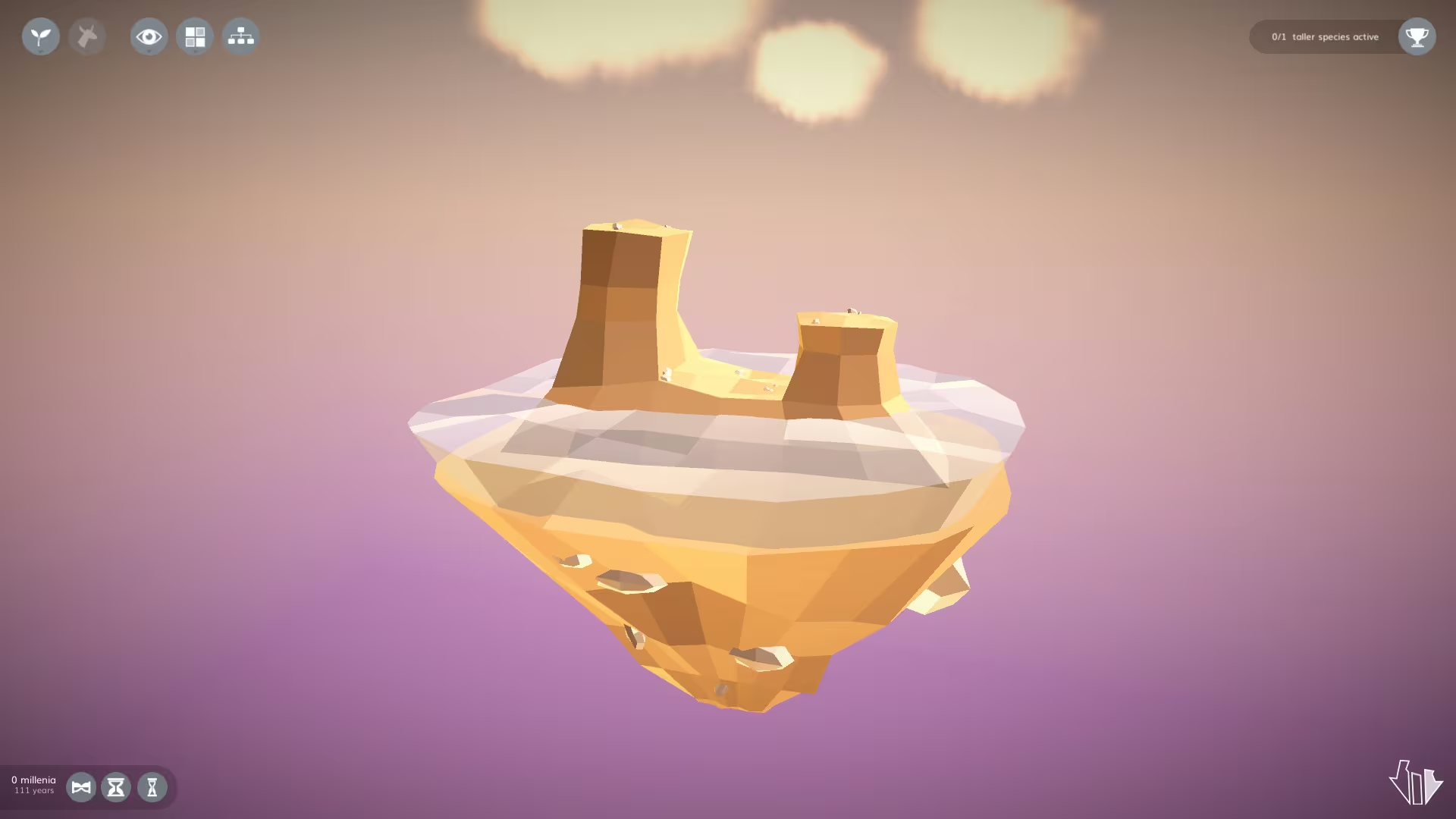
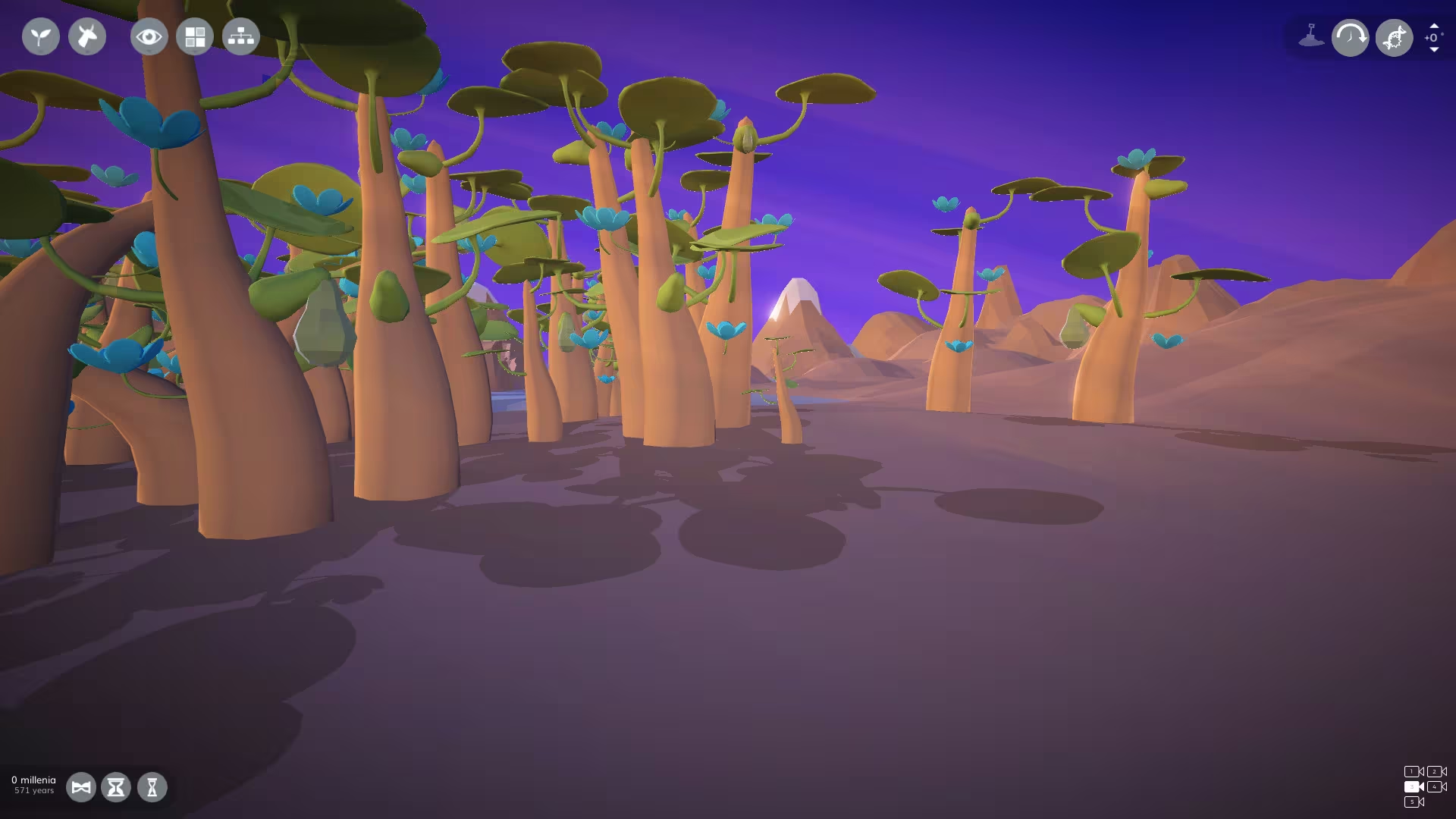
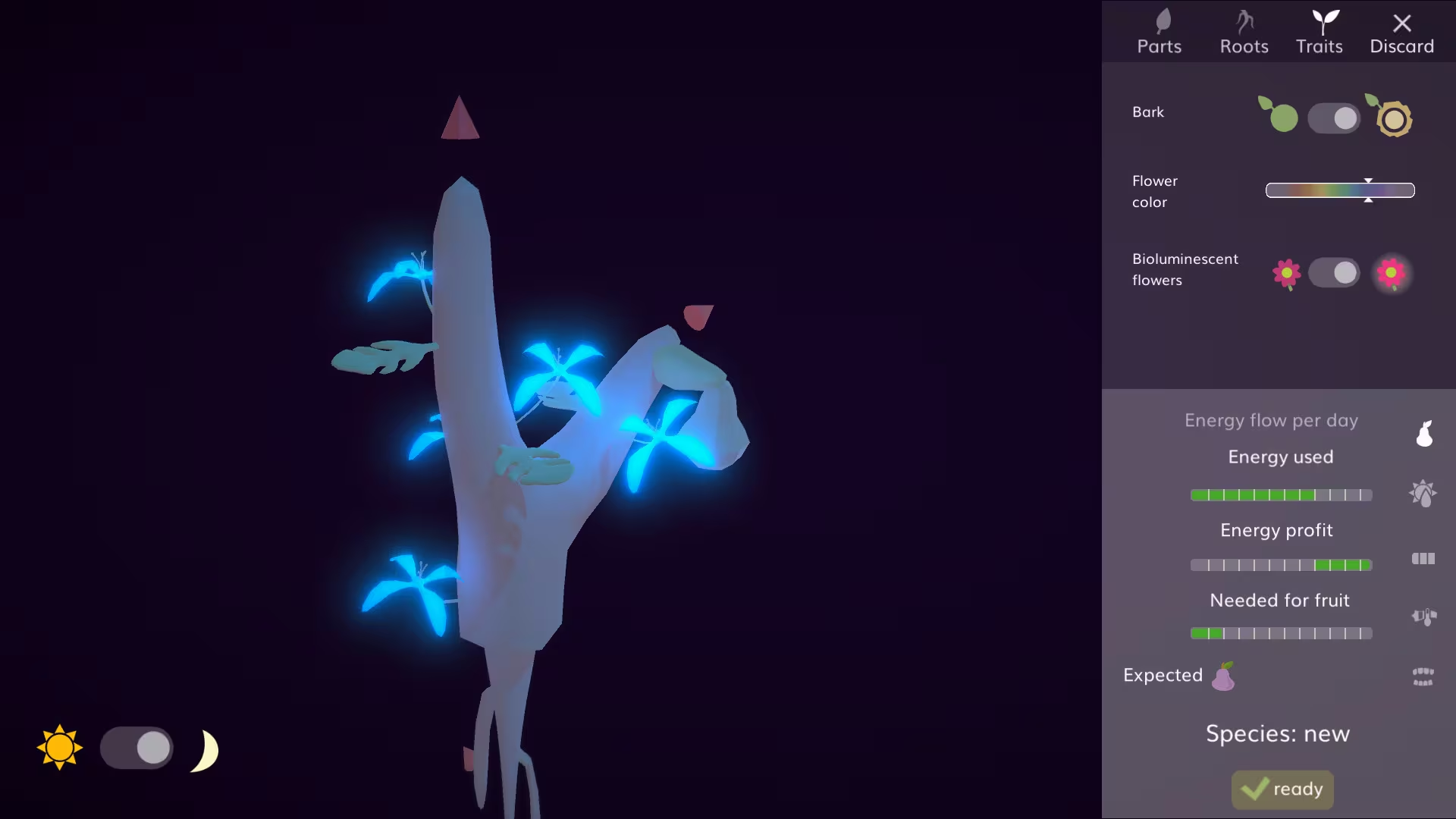
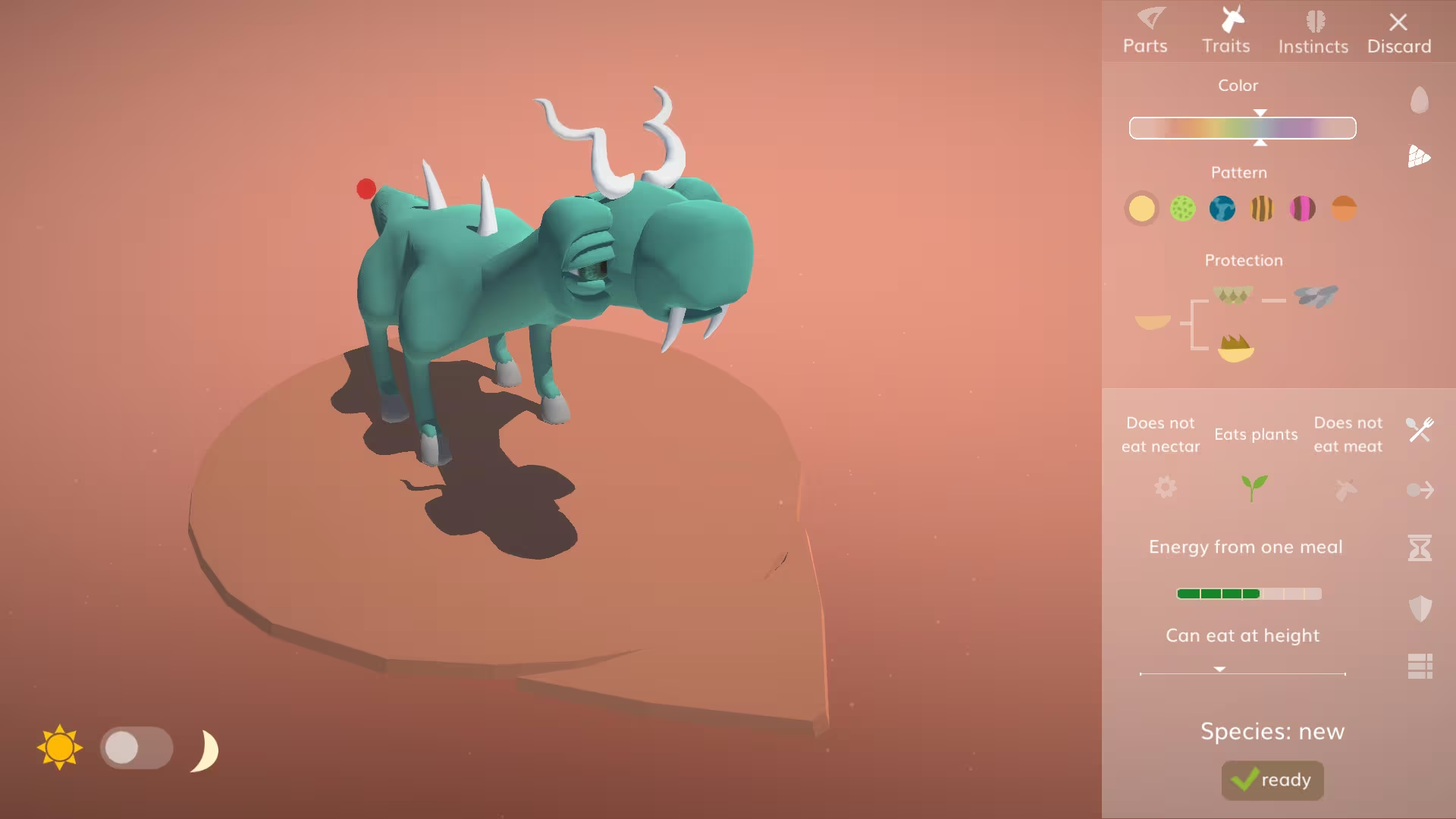
The Sapling is a short simulation game where you design your own plants and animals, and put them in a world together. Or you turn on random mutations, and see what evolution does to your ecosystem!

Global score

90/100

Genres

Simulator, Early Access

Pros

  • Deep and creative organism customization
  • Realistic and engaging evolution simulation
  • Relaxing and immersive gameplay
  • Frequent developer updates
  • Educational and intellectually stimulating

Cons

  • Performance issues and crashes
  • Clunky camera and controls
  • Limited map size and ecosystem scale
  • Some bugs affecting gameplay
  • Lack of multiplayer or social features

Motivations

  • Autonomy
    4

    "Players have extensive freedom to create and customize organisms, ecosystems, and environmental parameters, directing their own evolutionary experiments."

  • Competence
    3

    "Players engage in thoughtful design and problem solving to create viable species and balanced ecosystems, though some find controls clunky and the learning curve steep."

  • Competition
    -4

    "Focus is on personal experimentation and ecosystem management rather than competing against other players."

  • Continuation
    3

    "Many players report long play sessions and habitual engagement, though crashes and performance issues sometimes interrupt play."

  • Cooperation
    -5

    "Gameplay is primarily single-player and independent, with no evidence of multiplayer or cooperative mechanics."

  • Creativity
    5

    "Strong emphasis on creative freedom in designing plants, animals, and ecosystems with detailed customization."

  • Domination
    -5

    "No indications of dominance or power over other players; interactions are ecological and simulation-based."

  • Escapism
    4

    "Players use the game as a relaxing and immersive escape into a simulated natural world, enjoying stress relief and fascination with evolution."

  • Expectation
    -4

    "Players engage voluntarily out of personal interest and intrinsic motivation rather than obligation or external pressure."

  • Experimenting
    5

    "Core gameplay revolves around experimenting with mutations, traits, and environmental variables to observe evolutionary outcomes."

  • Exploration
    3

    "Players explore new species designs and ecosystem dynamics, though map sizes are limited and environments are somewhat constrained."

  • Expression
    4

    "Customization of organism appearance and traits allows for personal expression, though some limitations exist in scaling and color options."

  • Fantasy
    -3

    "Game emphasizes realistic ecological and evolutionary processes rather than fantastical or mythical elements."

  • Fellowship
    -5

    "No social or community features reported; play is solitary and self-directed."

  • Growth
    4

    "Players learn about evolutionary biology and ecology through gameplay and scenarios, developing understanding and skills."

  • Health
    -5

    "Gameplay is sedentary with no physical activity or health-related features."

  • Idle
    3

    "Players often leave simulations running to observe long-term evolution, allowing for intermittent attention."

  • Intimacy
    -5

    "No evidence of close social relationships or emotional sharing; interactions are with the simulation only."

  • Leadership
    -5

    "No leadership or group management roles; players act independently."

  • Progression
    3

    "Players progress by unlocking traits and evolving species, though some feel progression is limited by game constraints."

  • Relaxation
    4

    "Game provides a relaxing experience with a balance of challenge and flow, despite occasional frustration from bugs."

  • Sensation
    2

    "Visual and auditory elements are pleasant but not highly stimulating; the focus is on intellectual engagement."

  • Status
    -5

    "No social recognition or status systems present."

  • Story
    2

    "Includes scenario modes with objectives that provide some narrative context, but largely sandbox and simulation focused."

  • Strategy
    4

    "Players must plan and strategize species traits and ecosystem balance to succeed in scenarios and sandbox challenges."

  • Thrill
    -2

    "Game is low risk and low suspense; focus is on steady simulation rather than excitement or tension."

  • Value
    3

    "Many players feel the game offers good value for price, especially given ongoing updates and depth."

  • Violence
    0

    "Game includes predation and survival interactions but not focused on violence or destruction for its own sake."

  • Survival
    4

    "Core gameplay involves species survival, resource management, and overcoming environmental challenges."

Similar games

    Last update: 06/03/2026