Thrive Thumbnail

Thrive similar games & best alternatives

Thrive

PC (Microsoft Windows), iOS, Android • 2021

Related articles

Quick resume

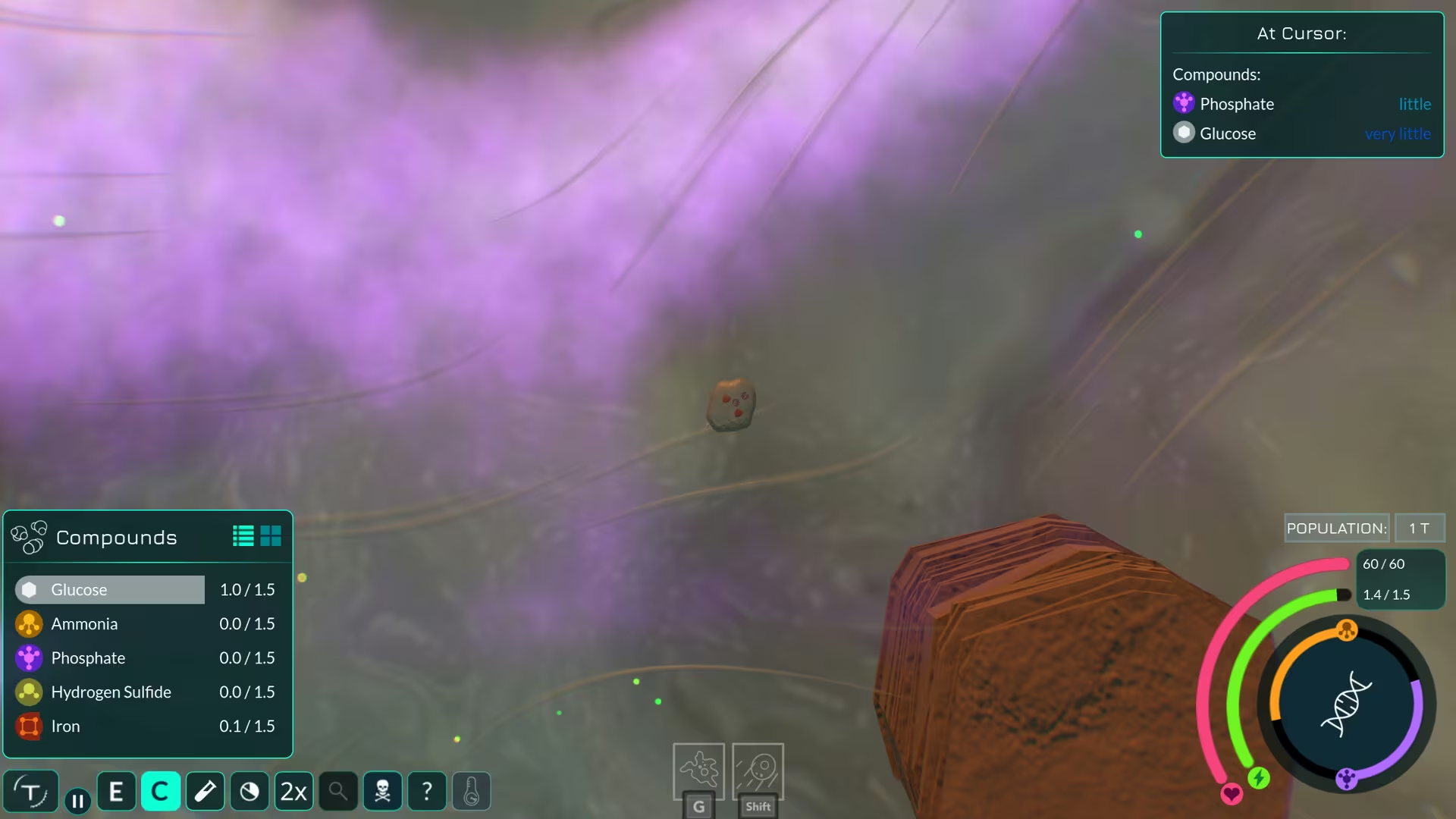
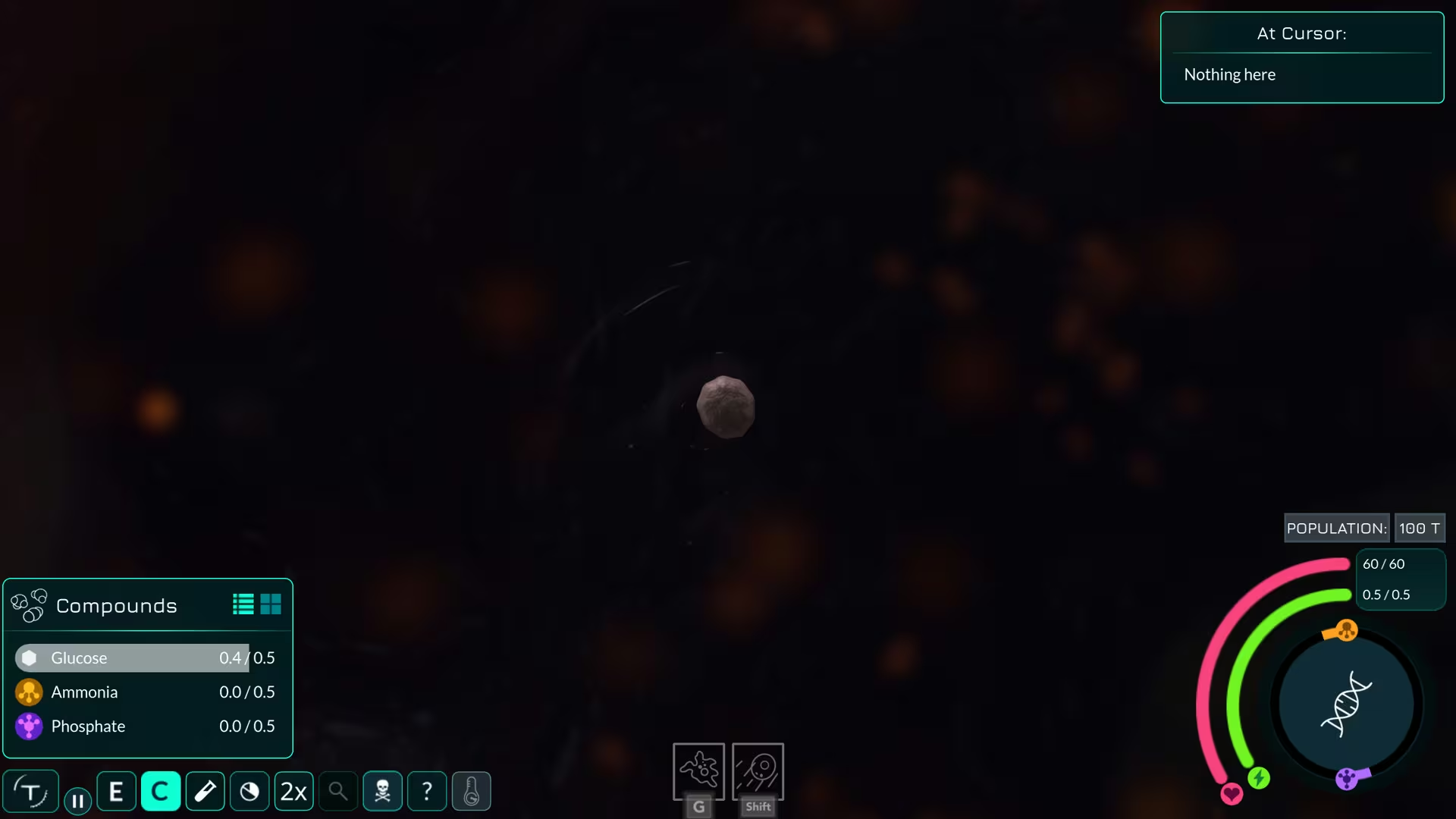
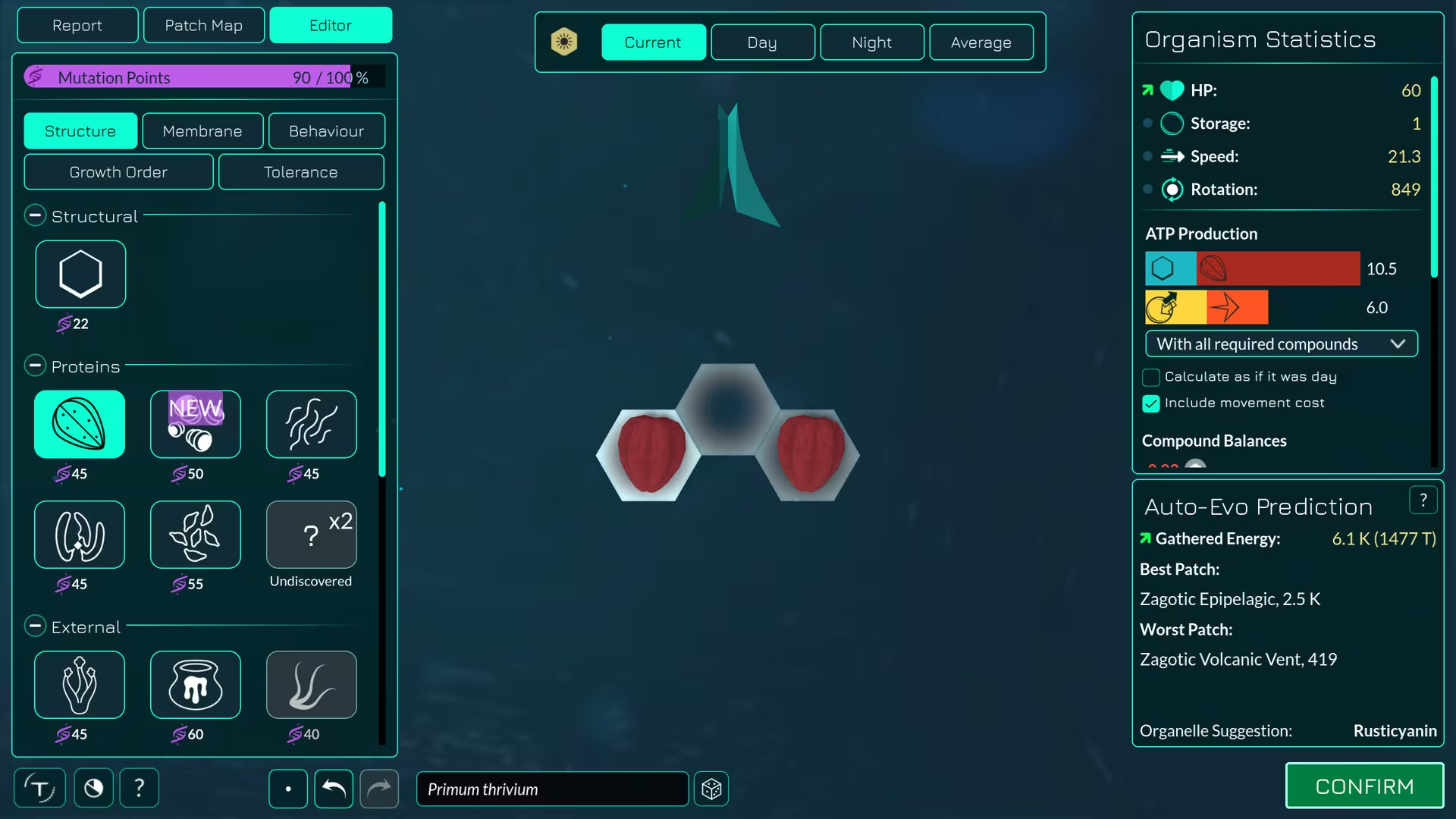
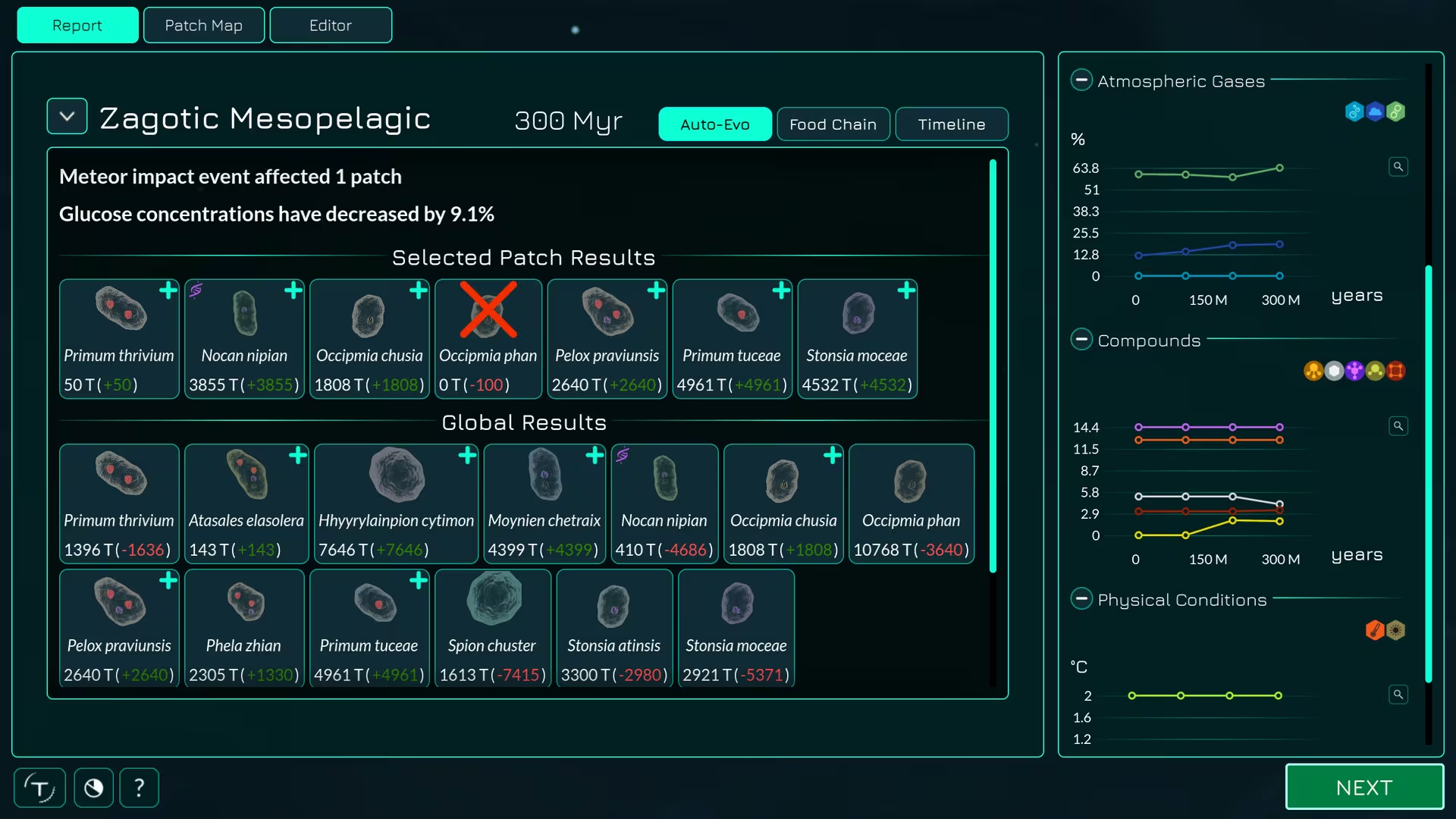
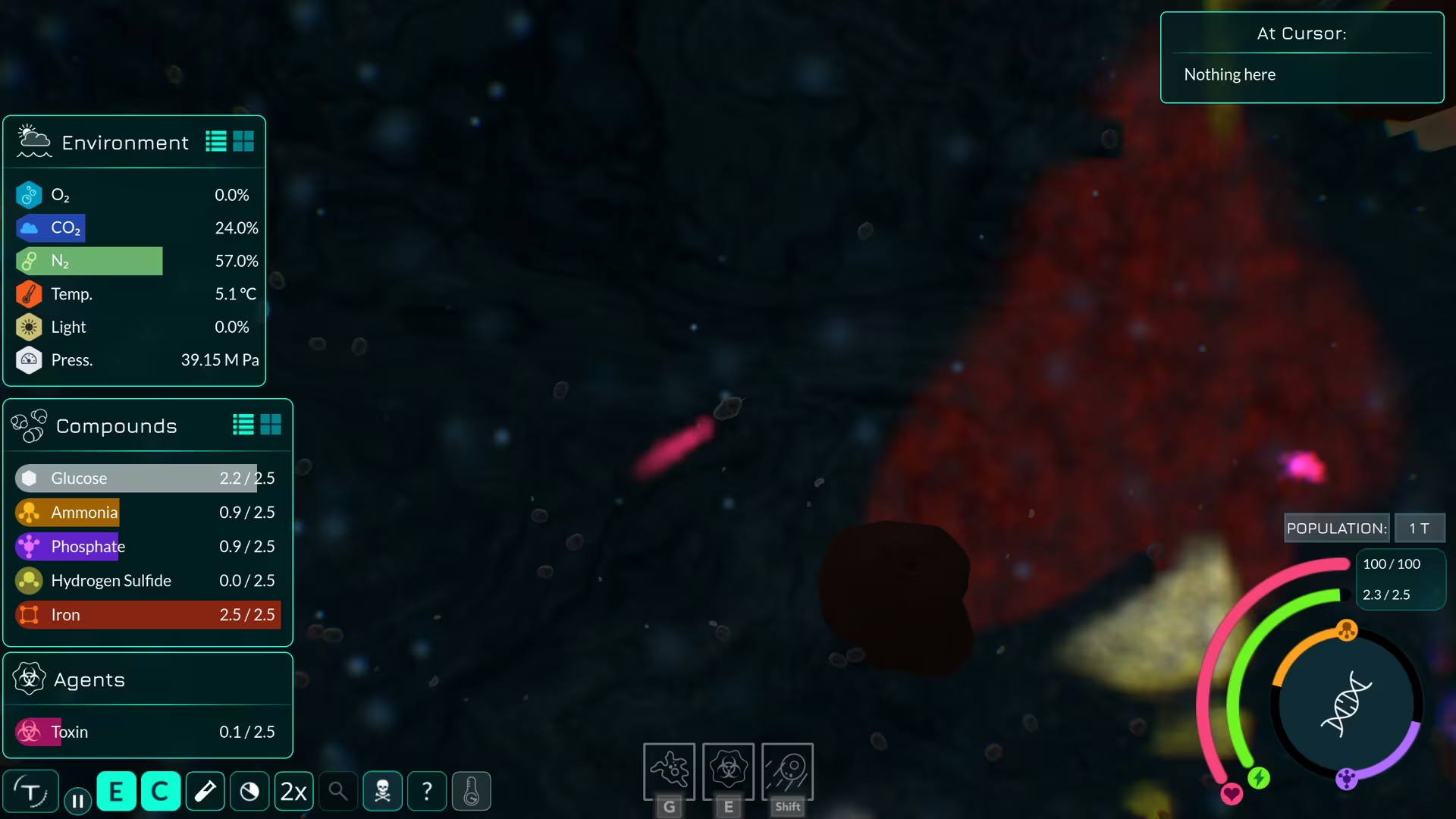
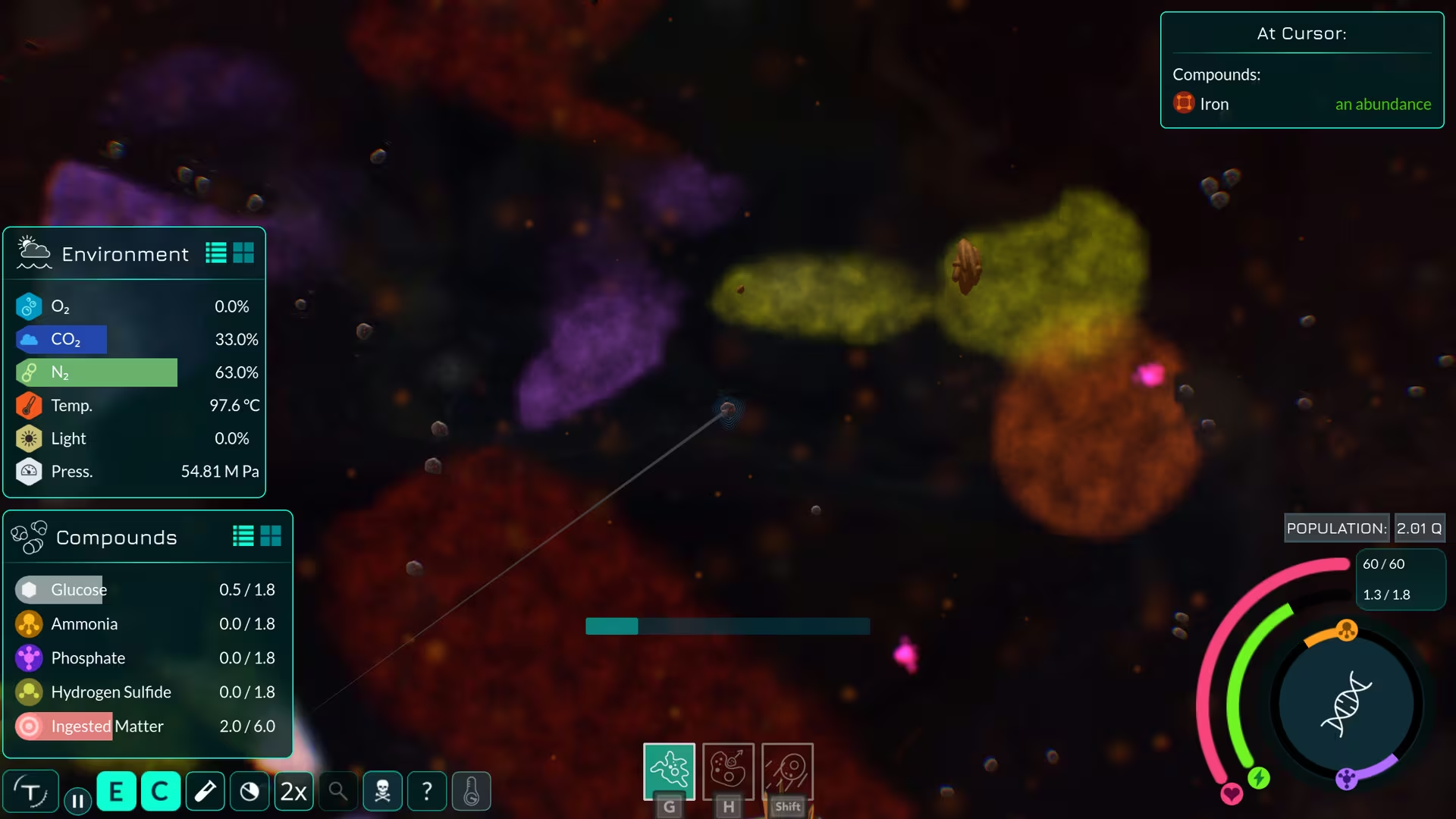
An evolution simulation game. Take control of your species in the environment and edit your species as a whole. Compete with other evolving species for resources on an alien planet.

Global score

92/100

Genres

Casual, Indie, Simulator, Early Access, Card & Board Game

Similar games

    Pros

    • Scientifically accurate and educational
    • Deep and complex cell customization
    • Relaxing and immersive gameplay
    • Active and passionate development team
    • Affordable price with free version available

    Cons

    • Game is incomplete with limited stages
    • Performance issues and occasional bugs
    • Slow progression and grind in multicellular stage
    • Limited social or cooperative features
    • Resource scarcity can cause frustration

    Analysis

    Broadly representative of its motivational profile, with a few distinct shifts. Motivations that often define this kind of title include Fantasy, Violence, Story, Thrill. Here, the score leans higher than usual among comparable games on Survival, Violence, Story.

    How to use the graph
    Similar games map

    Each dot is a game. They are arranged from the same motivation profile as in the “Motivations” section below. Closer dots usually mean more similar reasons to play (exploration, competition, relaxation, etc.)—not that one game is “better” than another.

    • Larger dot with a light outline: the game you are viewing.
    • Colour: groups of games with comparable motivation patterns (statistical clusters).
    • Hover a dot to see the game name; click to open its page.
    • Scroll or double-click the chart to zoom out and see more games.

    Why don’t the axes read like a score? This view uses t-SNE: it only keeps who is close to whom. The scales are not “good to bad” or hours played—they separate groups on the map. Read distance between dots, not the axis numbers.

    Motivations

    • Autonomy
      4

      "Players have significant control over cell evolution, organelle choices, and strategies, allowing personal freedom in gameplay."

    • Competence
      3

      "The game involves managing complex biological systems and balancing resources, requiring skill and strategic thinking."

    • Competition
      -2

      "Focus is largely on survival and adaptation at personal pace rather than direct competition or leaderboards."

    • Continuation
      2

      "Players show attachment and willingness to support long development, but gameplay can be short or repetitive currently."

    • Cooperation
      -3

      "Gameplay centers on individual cell or species survival with limited multiplayer or cooperative elements."

    • Creativity
      4

      "Extensive customization of cells and organelles allows creative experimentation and unique organism design."

    • Domination
      -4

      "Interactions emphasize ecological balance and survival rather than exerting control or superiority over others."

    • Escapism
      3

      "Players use the game as a relaxing, immersive experience to explore biology and evolution, providing distraction from real life."

    • Expectation
      -4

      "Players engage voluntarily out of interest and support for the ambitious project rather than obligation or pressure."

    • Experimenting
      4

      "Strong emphasis on trying new cell configurations, evolutionary strategies, and exploring mechanics."

    • Exploration
      3

      "Players explore different biomes and resource patches, discovering new environments and niches."

    • Expression
      3

      "Customizing cell parts and appearance allows personal expression within biological constraints."

    • Fantasy
      -3

      "Game focuses on realistic biology and evolution rather than imaginative or mythical elements."

    • Fellowship
      -4

      "Minimal social or community features; gameplay is primarily solitary and self-directed."

    • Growth
      4

      "Players learn biological concepts and develop strategies, gaining knowledge and skills over time."

    • Health
      -4

      "Gameplay is sedentary with no physical activity or health-related mechanics."

    • Idle
      -3

      "Requires focused attention and active management rather than background or casual play."

    • Intimacy
      -5

      "No evidence of close social relationships or emotional sharing; interactions are minimal and surface-level."

    • Leadership
      -4

      "Players manage their own species but do not lead or direct other players; no group leadership roles."

    • Progression
      4

      "Strong progression through evolving cells, acquiring organelles, and advancing evolutionary stages."

    • Relaxation
      3

      "Gameplay is described as relaxing and low-key, with a calming soundtrack and immersive experience."

    • Sensation
      2

      "Visual and auditory elements are pleasant but not highly stimulating; focus is on thoughtful gameplay."

    • Status
      -5

      "Achievements and progress are personal with little to no social recognition or status systems."

    • Story
      2

      "Narrative emerges from evolutionary progress and ecological interactions, though no traditional story."

    • Strategy
      4

      "Requires planning, resource management, and problem solving to survive and evolve effectively."

    • Thrill
      1

      "Some tension from survival challenges but overall experience is more contemplative than thrilling."

    • Value
      4

      "Players perceive good value for price given the depth, educational content, and ongoing development."

    • Violence
      1

      "Includes predation and combat at cellular level but balanced with constructive growth and survival."

    • Survival
      4

      "Core gameplay revolves around avoiding extinction, managing resources, and adapting to threats."

    Last update: 29/04/2026