Niche - a genetics survival game Thumbnail

Niche - a genetics survival game similar games & best alternatives
Niche - a genetics survival game

PC (Microsoft Windows), Mac, PlayStation 4, Xbox One, Nintendo Switch, Linux • 2017

Related articles

Quick resume

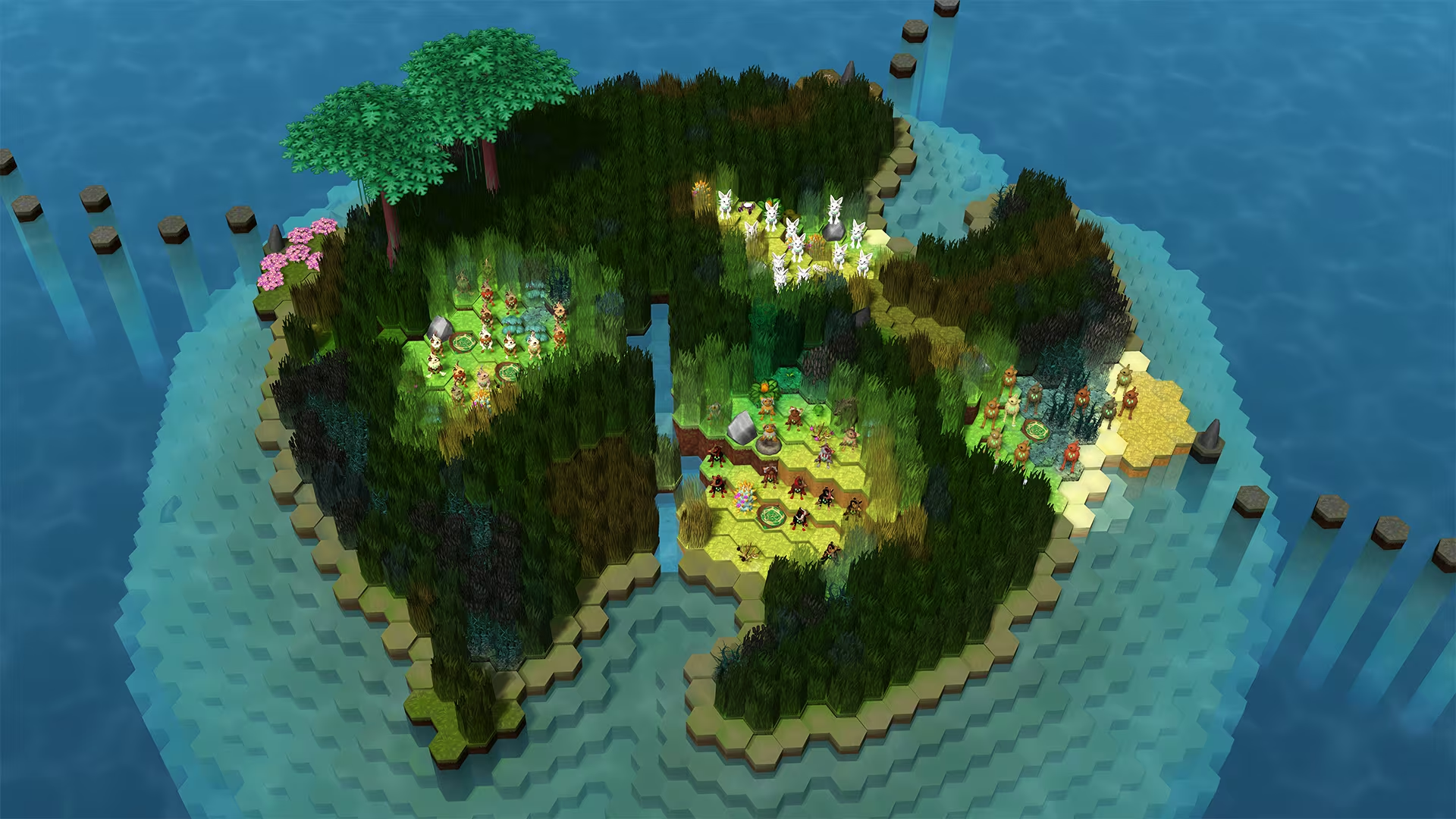
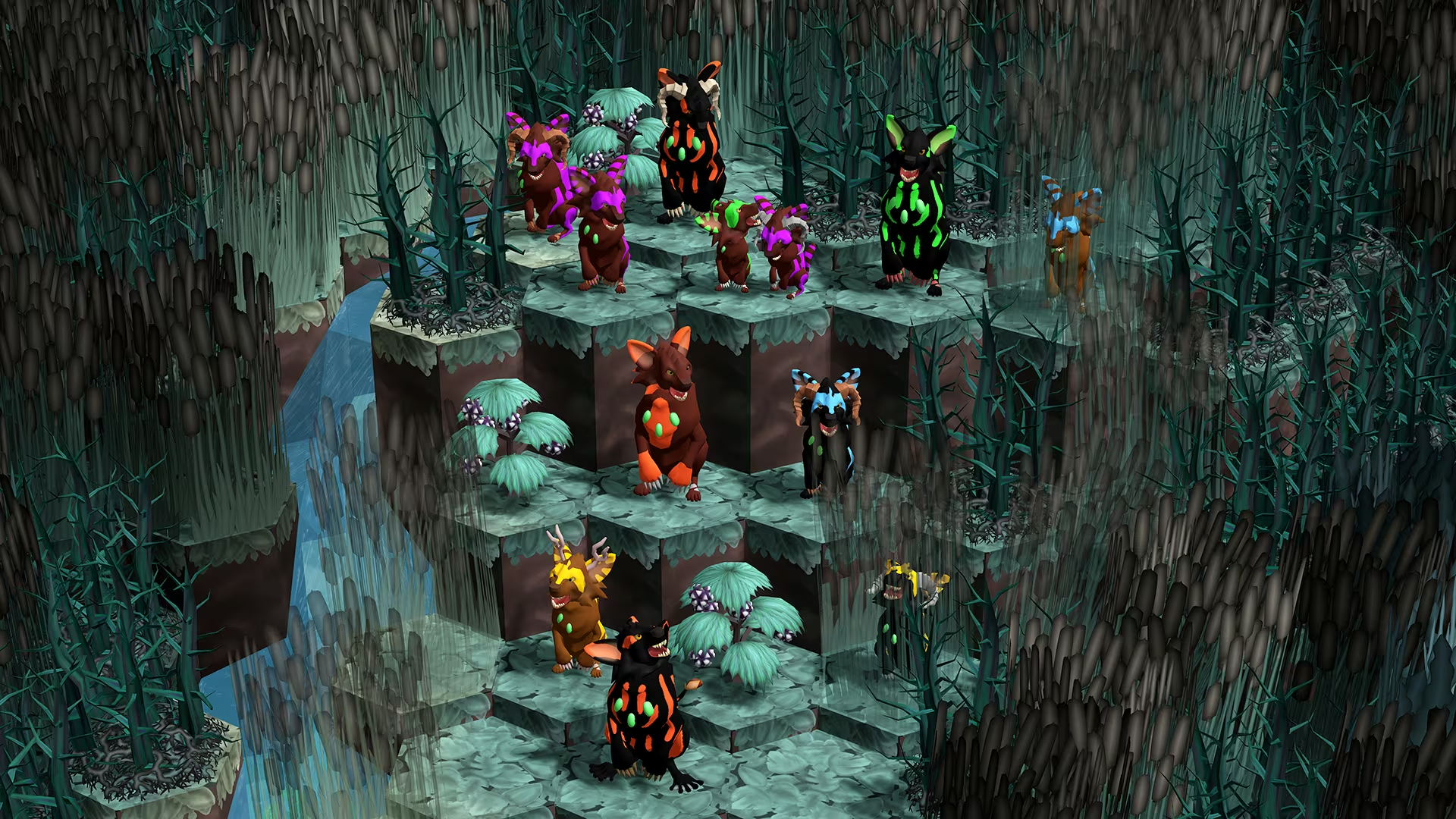
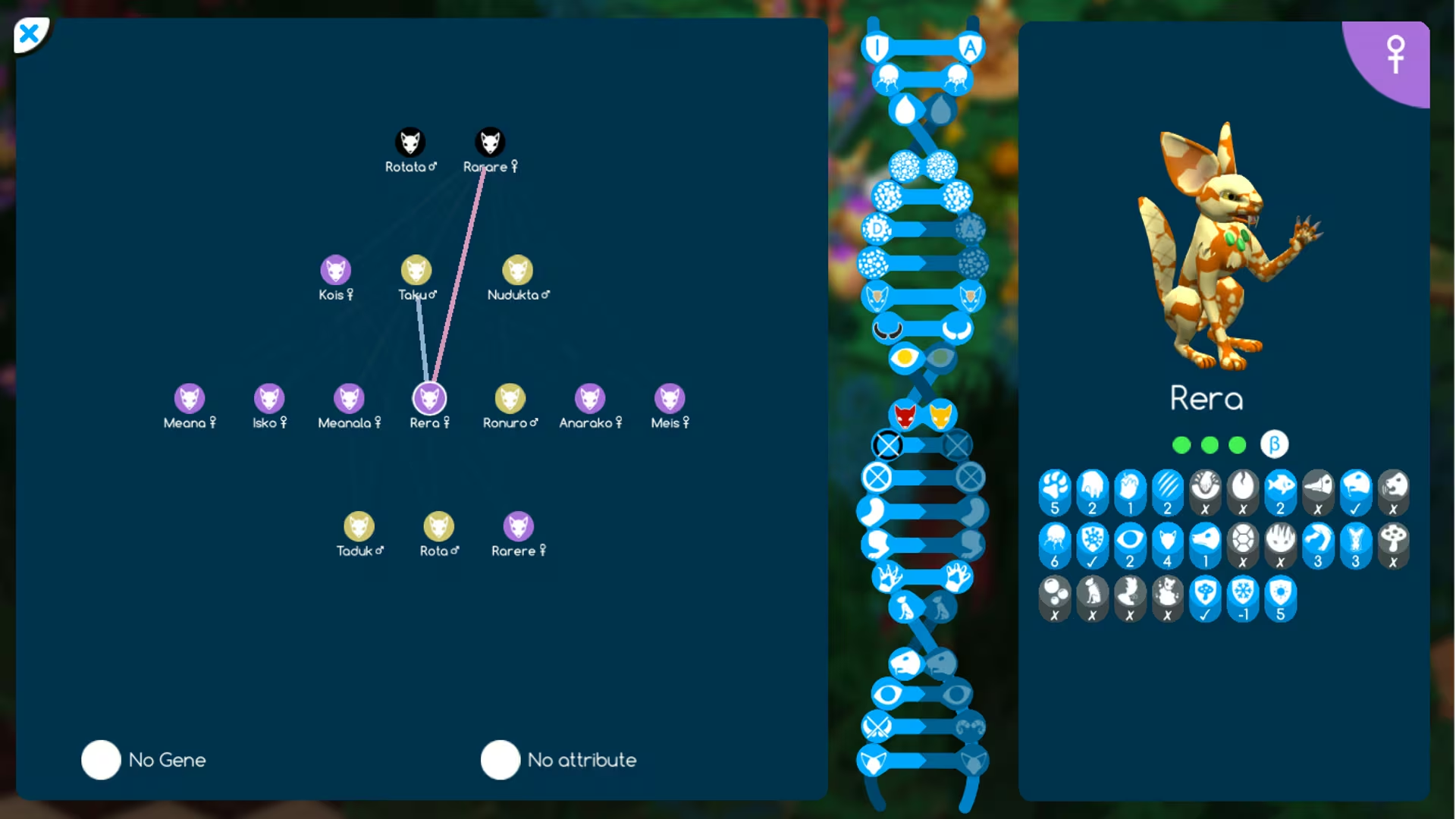
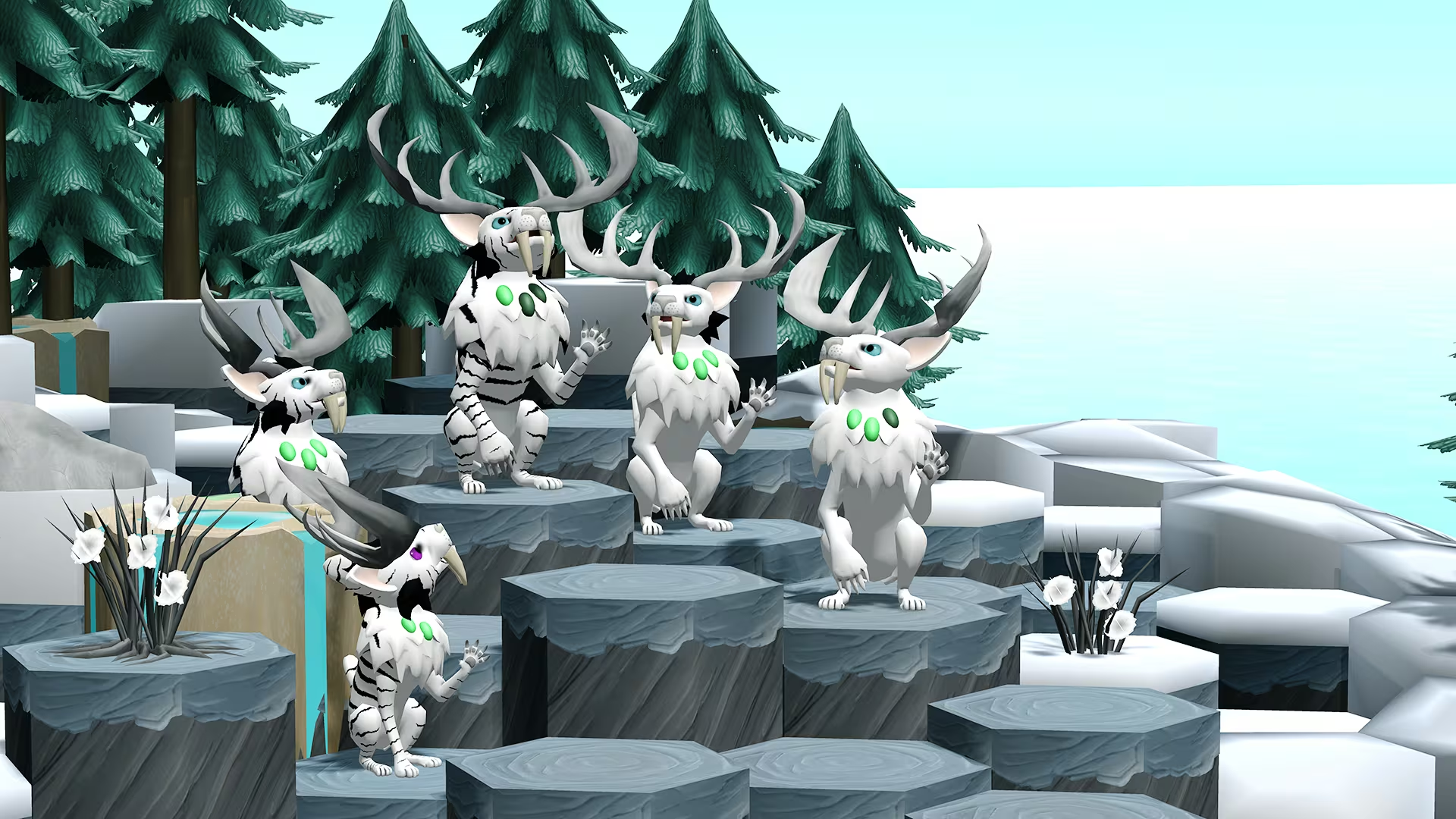
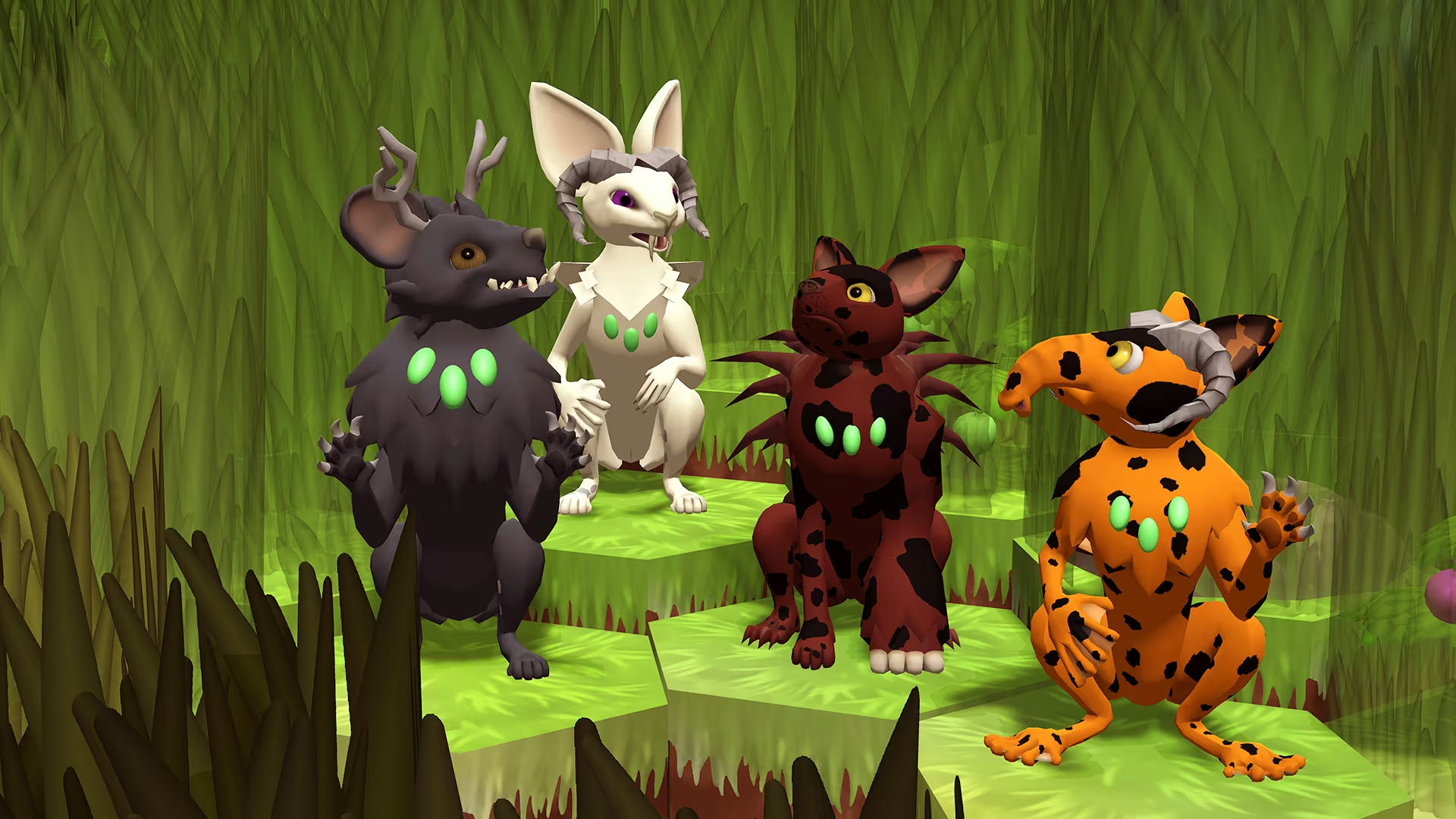
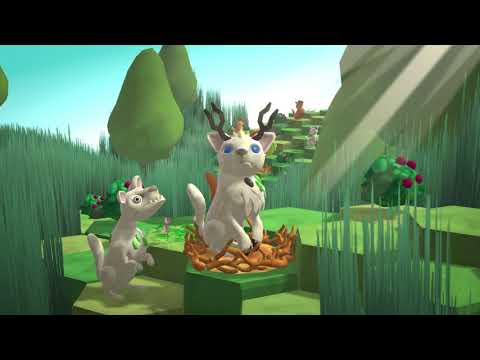
Niche - a genetics survival game is a turn-based strategy game combined with simulation and roguelike elements. Shape your own species of animals based on real genetics. Keep your species alive against all odds, such as predators, climate change and spreading sickness.

Global score

86/100

Genres

Indie, Simulator, Strategy, Card & Board Game

Similar games

    Pros

    • Unique genetics-based gameplay
    • Engaging survival strategy
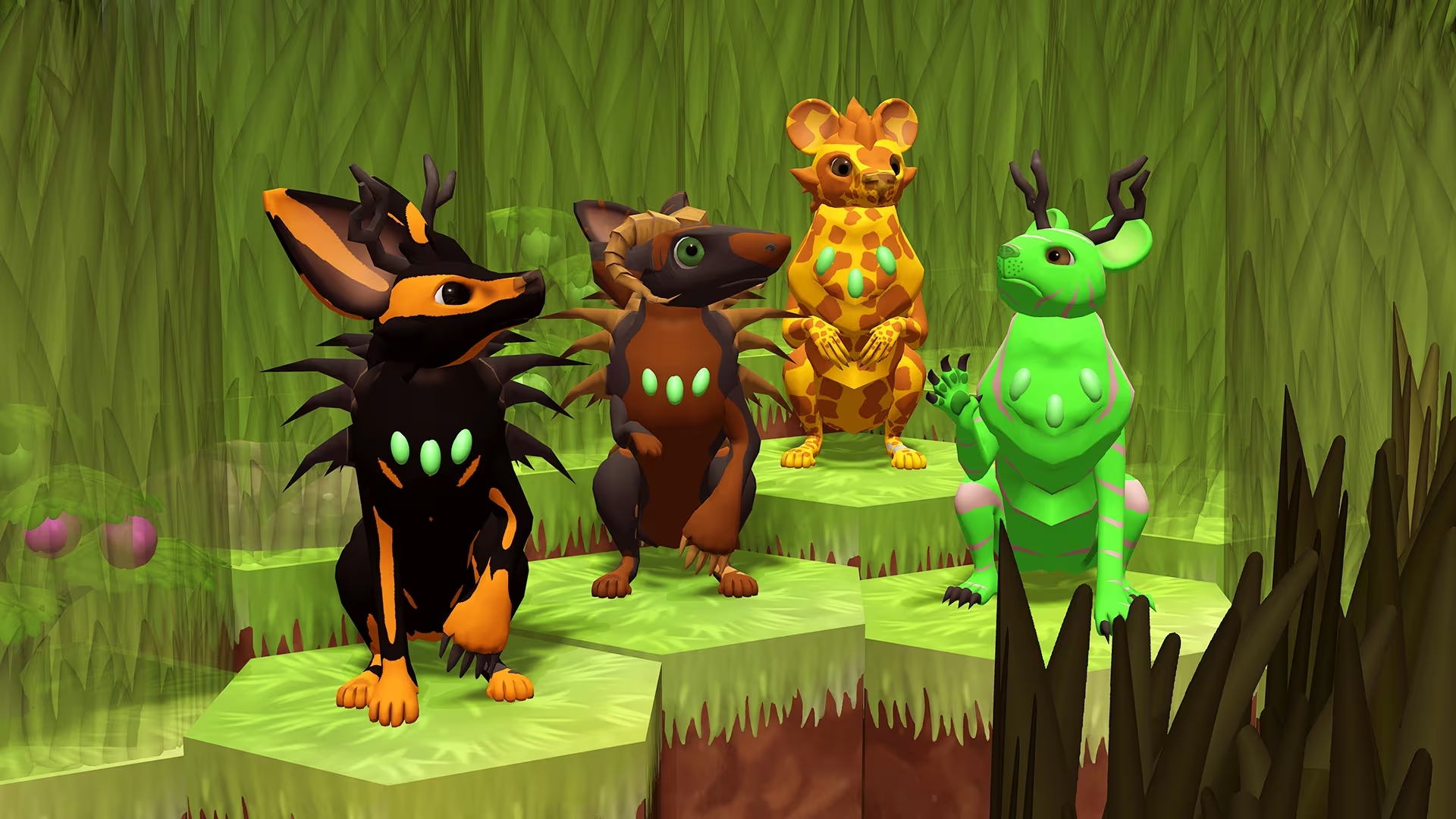
    • Adorable creature design
    • Educational content on genetics
    • Frequent updates and active development

    Cons

    • Lack of multiplayer or cooperative modes
    • Some repetitiveness over long play sessions
    • Limited variety in environments and predators
    • Interface and tutorial could be improved
    • Short lifespan of creatures can frustrate some players

    Analysis

    Broadly representative of its motivational profile, with a few distinct shifts. Motivations that often define this kind of title include Leadership, Survival, Violence, Strategy. Here, the score leans higher than usual among comparable games on Relaxation. It leans lower than usual among comparable games on Fantasy, Violence.

    How to use the graph
    Similar games map

    Each dot is a game. They are arranged from the same motivation profile as in the “Motivations” section below. Closer dots usually mean more similar reasons to play (exploration, competition, relaxation, etc.)—not that one game is “better” than another.

    • Larger dot with a light outline: the game you are viewing.
    • Colour: groups of games with comparable motivation patterns (statistical clusters).
    • Hover a dot to see the game name; click to open its page.
    • Scroll or double-click the chart to zoom out and see more games.

    Why don’t the axes read like a score? This view uses t-SNE: it only keeps who is close to whom. The scales are not “good to bad” or hours played—they separate groups on the map. Read distance between dots, not the axis numbers.

    Motivations

    • Autonomy
      4

      "Players have control over breeding choices, gene mutations, and strategic decisions about survival and migration."

    • Competence
      3

      "Game involves overcoming survival challenges, managing genetics, and planning breeding strategies with feedback on success."

    • Competition
      -3

      "Focus is on personal survival and genetic management rather than direct competition with other players."

    • Continuation
      4

      "Many players report habitual play, long sessions, and repeated attempts to improve their tribes."

    • Cooperation
      -4

      "Single-player game focused on managing own tribe; no multiplayer or cooperative modes currently."

    • Creativity
      4

      "Players creatively breed and mutate creatures, customize traits, and develop unique tribes."

    • Domination
      -4

      "Interactions are balanced and cooperative within the tribe; no evidence of dominance over others."

    • Escapism
      4

      "Players use the game as a relaxing, immersive escape with engaging storylines and animal care."

    • Expectation
      -4

      "Players engage voluntarily out of interest and intrinsic motivation, not obligation."

    • Experimenting
      4

      "Strong emphasis on trying new genetic combinations, mutations, and survival strategies."

    • Exploration
      4

      "Players explore multiple islands with different biomes and challenges, discovering new resources and creatures."

    • Expression
      3

      "Players customize appearance and traits of creatures, expressing personal preferences in breeding."

    • Fantasy
      -2

      "Game is based on simplified but realistic genetics and survival, with some stylized animal designs."

    • Fellowship
      -4

      "Primarily a single-player experience with minimal social interaction or community involvement."

    • Growth
      4

      "Players learn genetics, survival tactics, and develop strategic skills over time."

    • Health
      -4

      "Sedentary gameplay typical of turn-based strategy; no physical activity involved."

    • Idle
      -3

      "Requires focused attention and micromanagement; not designed for idle or background play."

    • Intimacy
      -4

      "Limited to no social or emotional connections beyond personal attachment to creatures."

    • Leadership
      3

      "Player leads and manages the tribe, making strategic decisions and directing actions."

    • Progression
      4

      "Players accumulate genes, unlock traits, and expand their tribe through breeding and exploration."

    • Relaxation
      3

      "Described as relaxing and calming, though some tension arises from survival challenges."

    • Sensation
      2

      "Enjoyable visual style and sound design provide sensory pleasure without overwhelming stimulation."

    • Status
      -4

      "No social status or recognition systems; focus is on individual play and personal goals."

    • Story
      3

      "Includes a light narrative and story mode; players create their own stories through gameplay."

    • Strategy
      4

      "Strong strategic elements in genetics management, resource allocation, and survival planning."

    • Thrill
      2

      "Some suspense and tension from survival threats, but overall a controlled and thoughtful pace."

    • Value
      3

      "Generally considered worth the price with frequent updates and educational content."

    • Violence
      -2

      "Combat exists but is limited and tactical; emphasis is more on survival and breeding than violence."

    • Survival
      5

      "Core gameplay revolves around avoiding extinction, managing resources, and overcoming threats."

    Last update: 29/04/2026