TM - Prologue similar games & best alternatives
Should you play it?
Tavern Master is all about managing your medieval tavern. You start with a very small room, couple of benches and tables and build your way up to a huge successful tavern with a kitchen, rooms for guests, group of loyal staff and much more!
What works
- Relaxing and charming atmosphere
- Intuitive and accessible management gameplay
- Polished graphics and music
- Customizable tavern layout and staff
- Promising progression and research system
Things to keep in mind
- Limited content in prologue/demo
- Some bugs and ai pathing issues
- Lack of challenge and depth
- No multiplayer or social features
- Slow progression speed and repetitive gameplay
What to play next
Similar games, hidden gems, and fresh directions from this game.
Top picks
Games that feel the closest overall
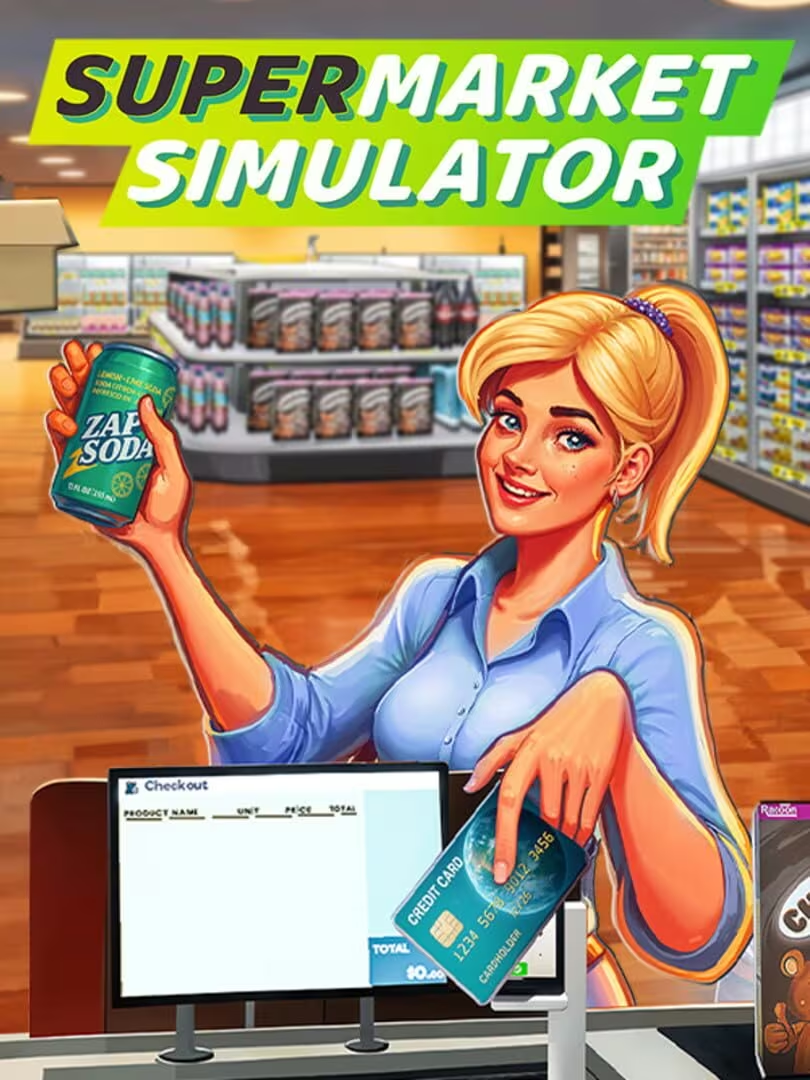
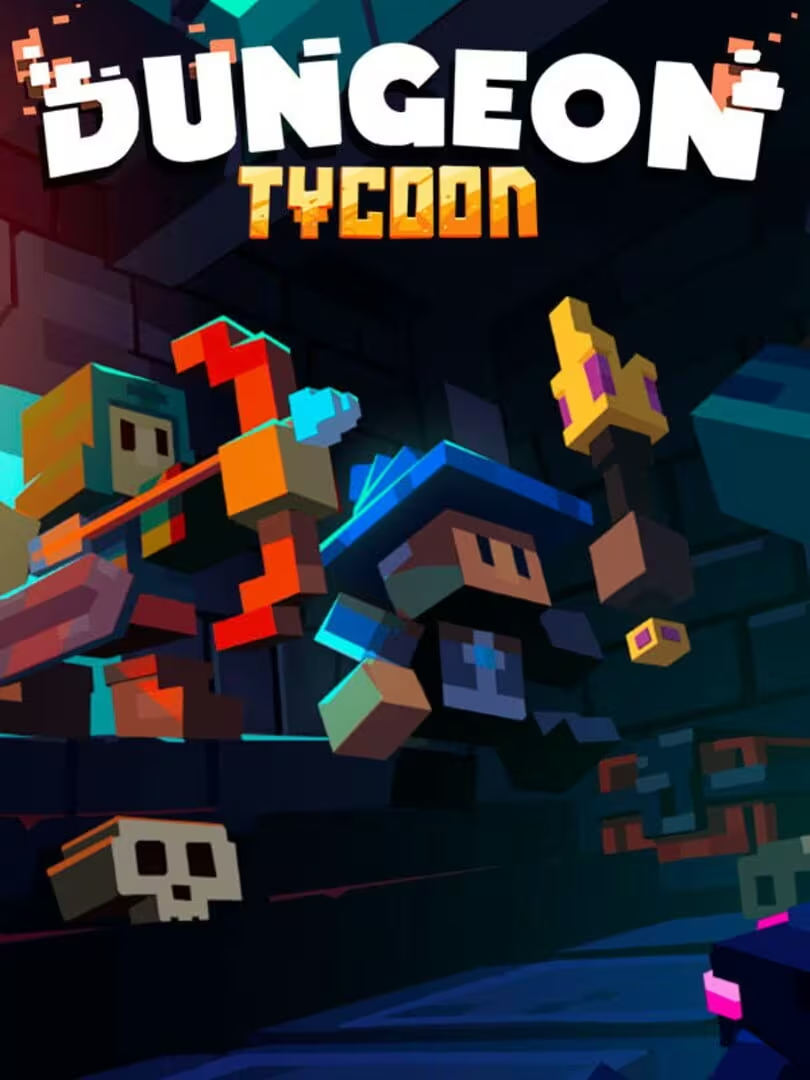
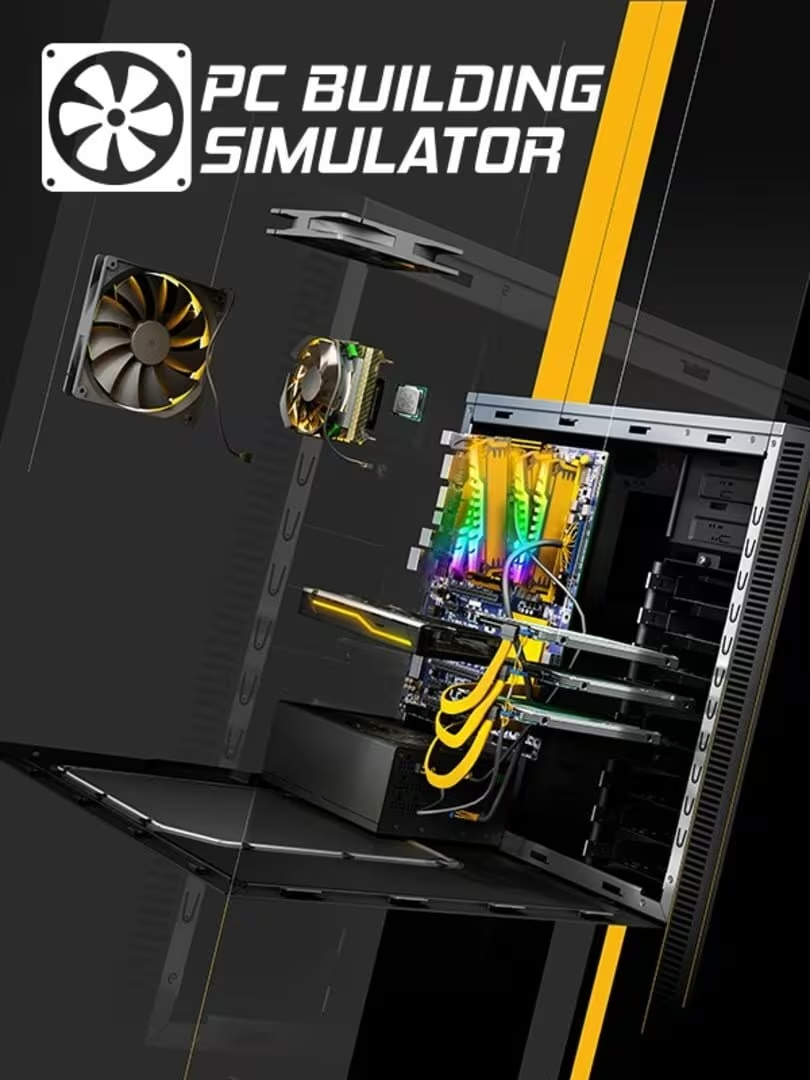
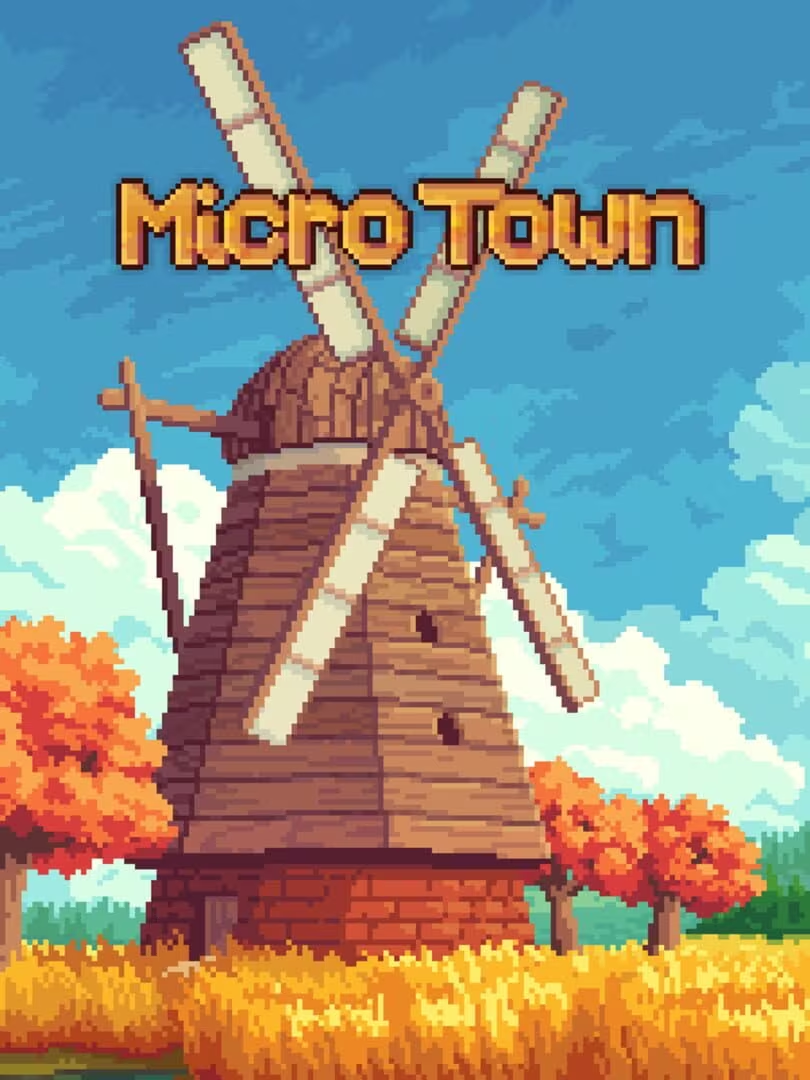
Hidden Gems
Less popular games with surprisingly high similarity
If you liked…
Recommendations by what you enjoyed most
Similarity map
Explore nearby similar games and see why they’re close.
TM - Prologue: Broadly representative of its motivational profile, with a few distinct shifts. Motivations that often define this kind of title include Violence, Fantasy, Story, Thrill. Here, the score leans higher than usual among comparable games on Leadership, Idle, Fantasy.
Why this game works
A motivational profile of the game, with the closest similar game for each player motivation.
-
Autonomy
Game with the same Autonomy vibe
3"Players can freely choose how to manage tavern tasks, explore the world, and decide when to open or close the tavern, though some fixed tavern layout elements limit full customization."
 Ale & Tale Tavern
"Players can freely build and customize tavern layout, manage staff and finances, showing control over decisions."
-
Competence
Game with the same Competence vibe
2"Game involves skillful character creation and some strategic planning, but gameplay is currently simple and lacks complex challenges."
 inZOI
inZOI
"Game involves some strategic management and optimization but overall gameplay is simple and lacks deep challenge."
-
Competition
Game with the same Competition vibe
-4"Focus is on personal pace and individual management without competitive or ranked elements."
 Sunset Motel: Prologue
"Focus is on personal pace and management without competitive or ranked elements."
-
Continuation
Game with the same Continuation vibe
3"Players report long play sessions and high engagement; demo convinces many to buy full game and keep playing."
 Monster Hunter Rise: Sunbreak Demo
"Players report spending hours and wanting to keep playing despite limited demo content."
-
Cooperation
Game with the same Cooperation vibe
-5"Single player management game with no multiplayer or cooperative gameplay elements."
 Farm Manager 2021
"Single player management game with no multiplayer or cooperative features."
-
Creativity
Game with the same Creativity vibe
3"Players can customize tavern layout, character appearance, and experiment with recipes, showing creative expression."
 Ale & Tale Tavern: First Pints
"Players can design tavern layout, decorate, and customize staff pay and roles."
-
Domination
Game with the same Domination vibe
-5"No evidence of exerting control over others; interactions are individual and management-focused."
 Megaquarium
"No evidence of exerting control over others beyond managing staff in a balanced way."
-
Escapism
Game with the same Escapism vibe
4"Players use the game as a relaxing, stress-relieving escape with immersive medieval tavern atmosphere."
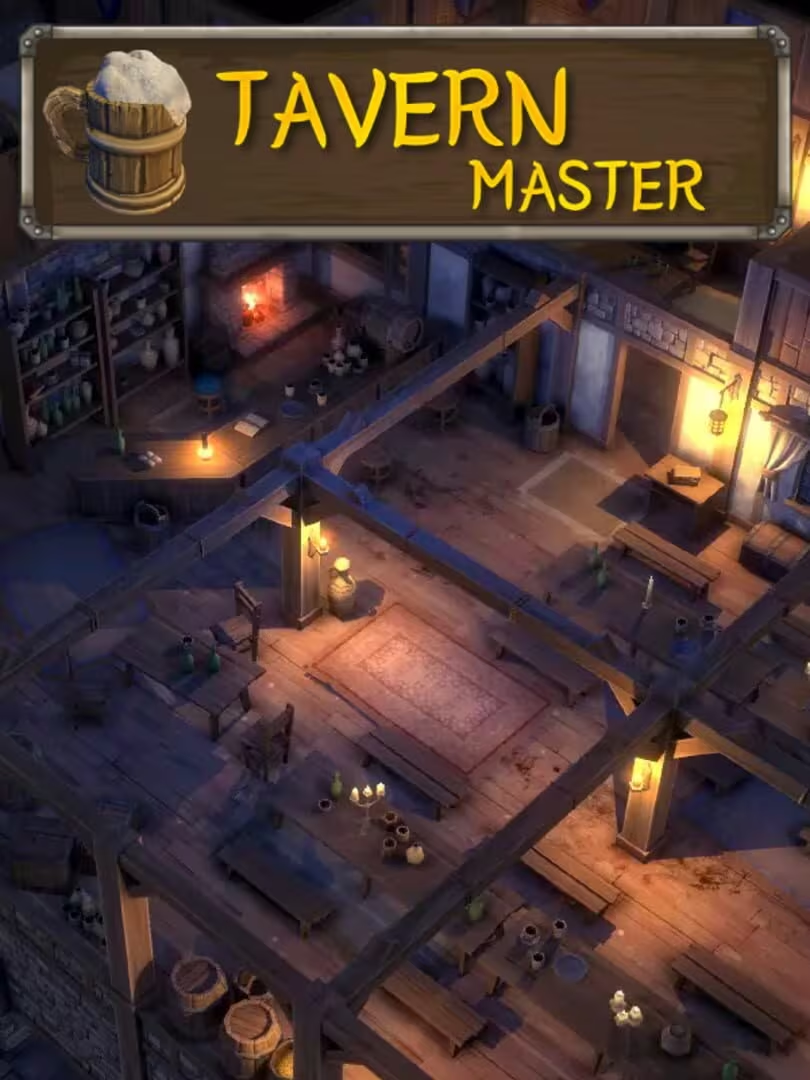 Tavern Master
"Players use the game as a relaxing, immersive medieval tavern simulation to unwind."
-
Expectation
Game with the same Expectation vibe
-4"Players engage voluntarily out of personal interest and enjoyment, no obligation or pressure."
 Bugtopia
"Players engage voluntarily out of personal interest and enjoyment, no pressure or obligation."
-
Experimenting
Game with the same Experimenting vibe
2"Players experiment with different tavern layouts, staff assignments, and strategies within the sandbox environment."
Tavern Master
"Some experimentation with tavern layouts and staff management, but limited by demo scope."
-
Exploration
Game with the same Exploration vibe
-3"Gameplay occurs in a fixed environment with no exploration of new areas or secrets."
 Intake
"Gameplay confined to a single tavern environment with no exploration of new areas."
-
Expression
Game with the same Expression vibe
3"Character customization and tavern decoration allow players to express individuality and style."
Ale & Tale Tavern: First Pints
"Players customize tavern design and staff pay, though character customization is limited."
-
Fantasy
Game with the same Fantasy vibe
3"Set in a medieval fantasy tavern setting with adventurers and quests, though gameplay is grounded in management."
Tavern Master
"Medieval tavern setting with fantasy elements like elves and adventurers, but grounded in simulation."
-
Fellowship
Game with the same Fellowship vibe
-5"No social or community features; purely single player experience."
 Blacksad: Under the Skin
"No social or community features; purely single player experience."
-
Growth
Game with the same Growth vibe
3"Players develop their tavern and staff skills over time, unlocking new features and upgrades."
Tavern Master
"Players develop their tavern, staff skills, and unlock research upgrades over time."
-
Health
Game with the same Health vibe
-5"Sedentary gameplay with no physical activity or health-related features."
 DRAGON BALL Z: KAKAROT
"Sedentary gameplay with no physical activity or health-related features."
-
Idle
Game with the same Idle vibe
4"Gameplay involves waiting periods and semi-idle mechanics, suitable for background play."
 Bugaboo Pocket
"Gameplay involves waiting during tavern operation phases with limited active input."
-
Intimacy
Game with the same Intimacy vibe
-5"No close relationships or emotional social interactions described."
 Angvik
"No close social relationships or emotional connections described."
-
Leadership
Game with the same Leadership vibe
2"Players manage staff and assign tasks, but no leadership over other players."
 RollerCoaster Tycoon® 3: Complete Edition
"Players manage and direct staff but without complex leadership dynamics."
-
Progression
Game with the same Progression vibe
4"Clear progression through research, unlocking new items, and expanding tavern capabilities."
Tavern Master
"Clear progression through research tree, tavern expansion, and staff leveling."
-
Relaxation
Game with the same Relaxation vibe
4"Game praised for relaxing atmosphere, soothing music, and low stress gameplay."
 Koala Kids
"Game praised for relaxing atmosphere, music, and low stress gameplay."
-
Sensation
Game with the same Sensation vibe
2"Enjoyment from visual and auditory details, but sensory stimulation is moderate and calming."
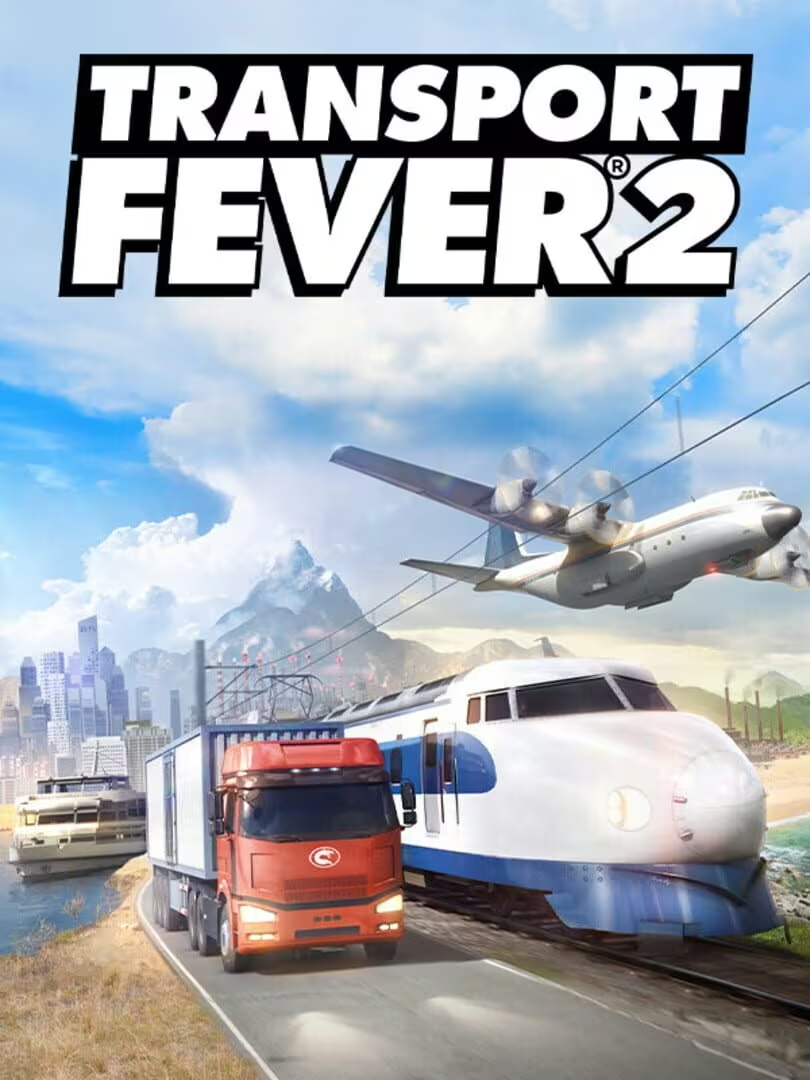 Transport Fever 2
"Enjoyable visuals and music but sensory stimulation is moderate and calming."
-
Status
Game with the same Status vibe
-5"No social recognition or status systems present."
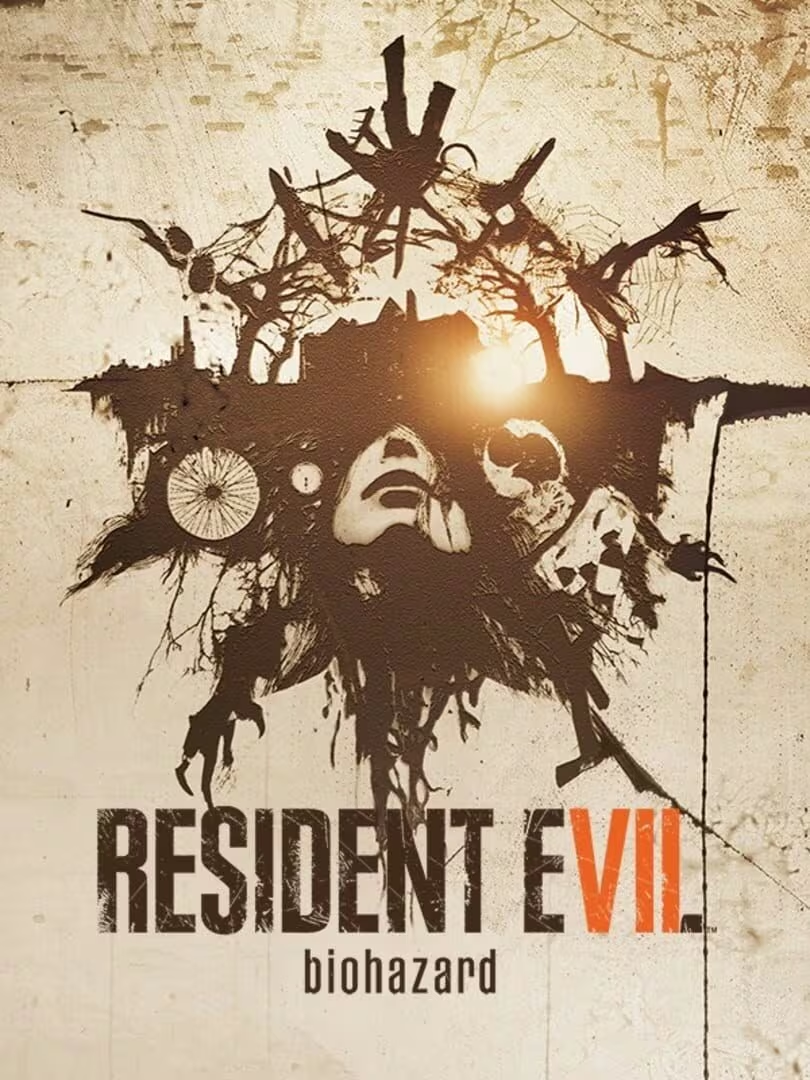 Resident Evil 7 Biohazard
"No social recognition or status systems present."
-
Story
Game with the same Story vibe
-3"Minimal narrative; focus is on management and simulation rather than immersive storytelling."
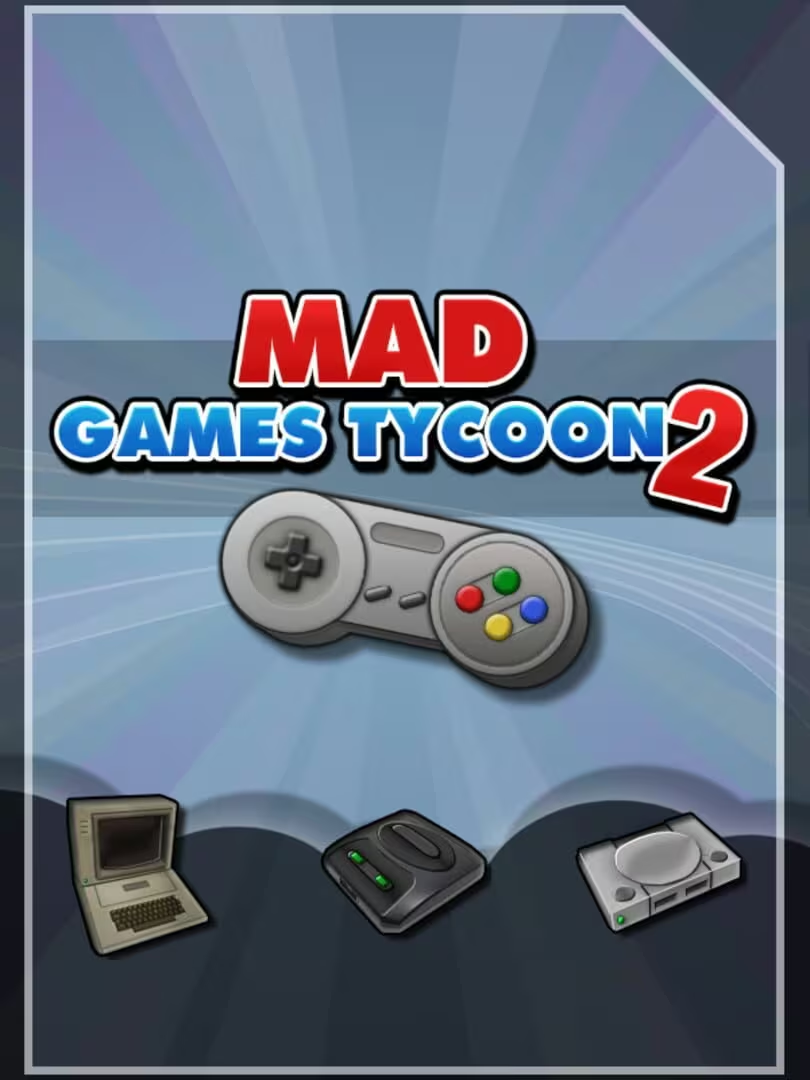 Mad Games Tycoon 2
"Minimal narrative or plot; focus is on simulation and management."
-
Strategy
Game with the same Strategy vibe
2"Some planning required for tavern layout and staff management, but overall gameplay is straightforward."
 Love Tavern
"Some strategic decisions in staff management and tavern layout but overall simple."
-
Thrill
Game with the same Thrill vibe
-4"Gameplay is calm and predictable without suspense or risk."
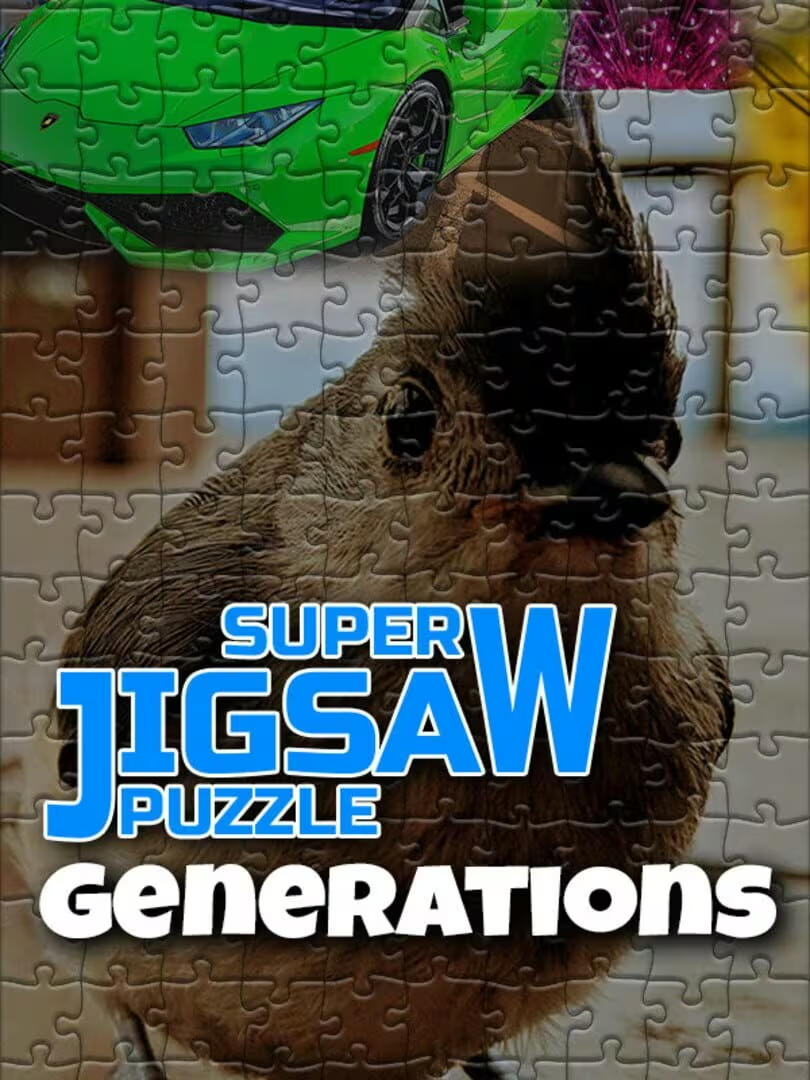 Super Jigsaw Puzzle: Generations
"Gameplay is calm and predictable without suspense or risk."
-
Value
Game with the same Value vibe
3"Players feel the demo offers good value as a relaxing, unique experience and anticipate full game."
 Exo One: Prologue
"Players find good value in the demo and anticipate worthwhile full release."
-
Violence
Game with the same Violence vibe
-5"No combat or destructive gameplay elements."
 To the Moon
"No combat or destructive gameplay elements."
-
Survival
Game with the same Survival vibe
-4"Stable, low-risk environment without threats or failure conditions."
 Wingspan
"Stable, low-risk environment without threats or failure conditions."
Last update: 01/06/2026