RollerCoaster Tycoon® 3: Complete Edition Thumbnail

RollerCoaster Tycoon® 3: Complete Edition similar games & best alternatives

RollerCoaster Tycoon® 3: Complete Edition

PC (Microsoft Windows) • 2020

Related articles

Quick resume

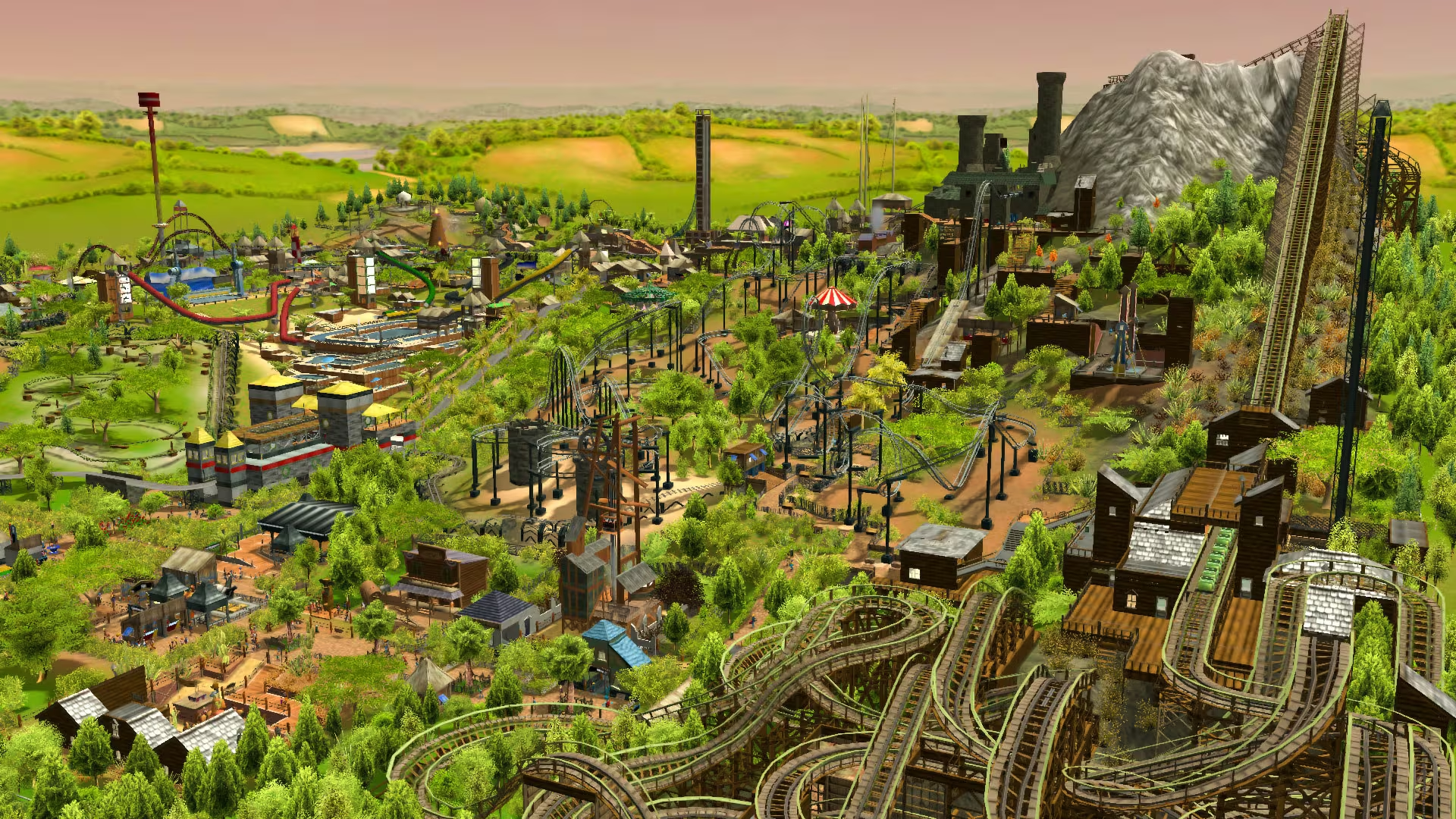
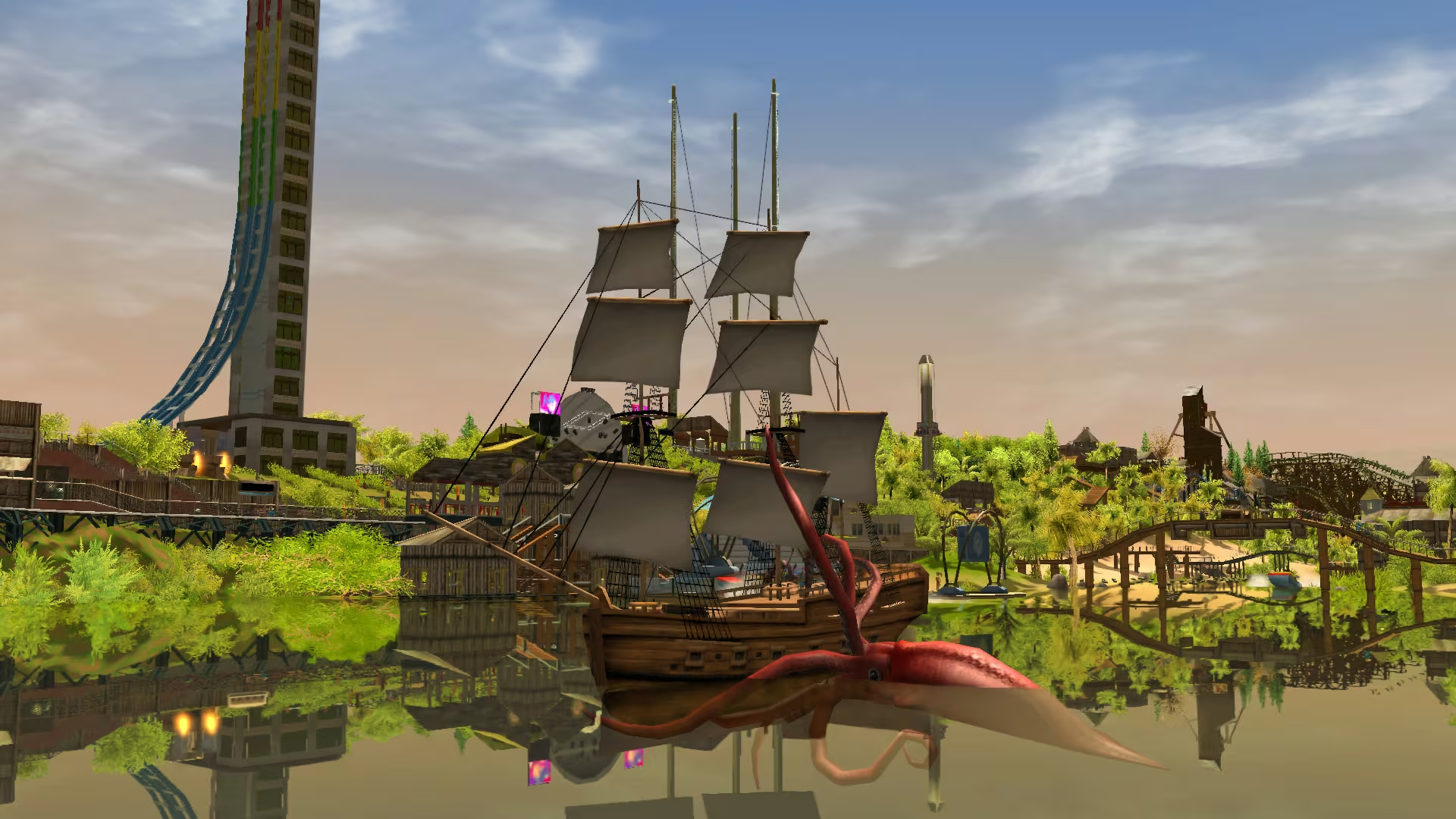
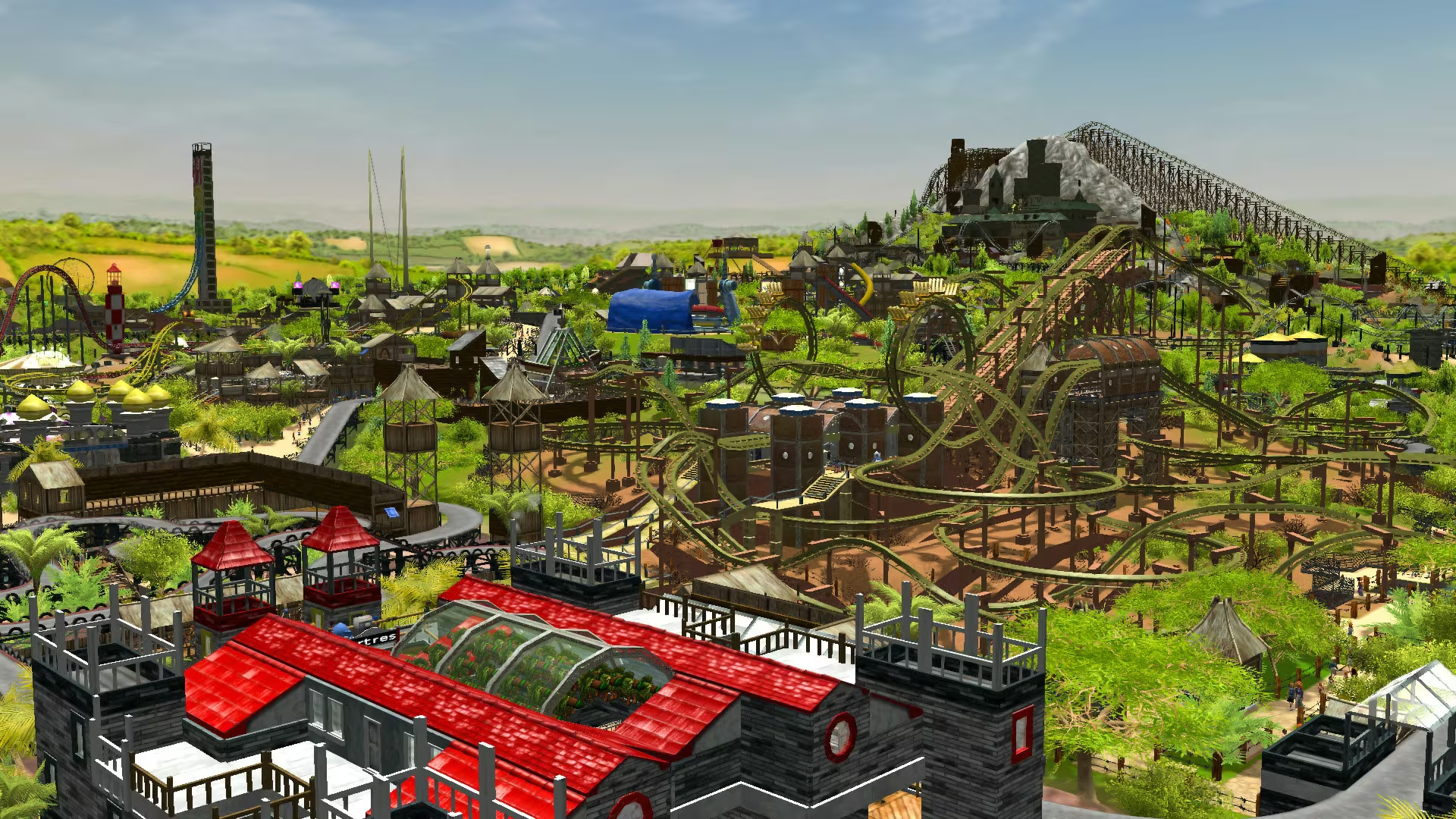
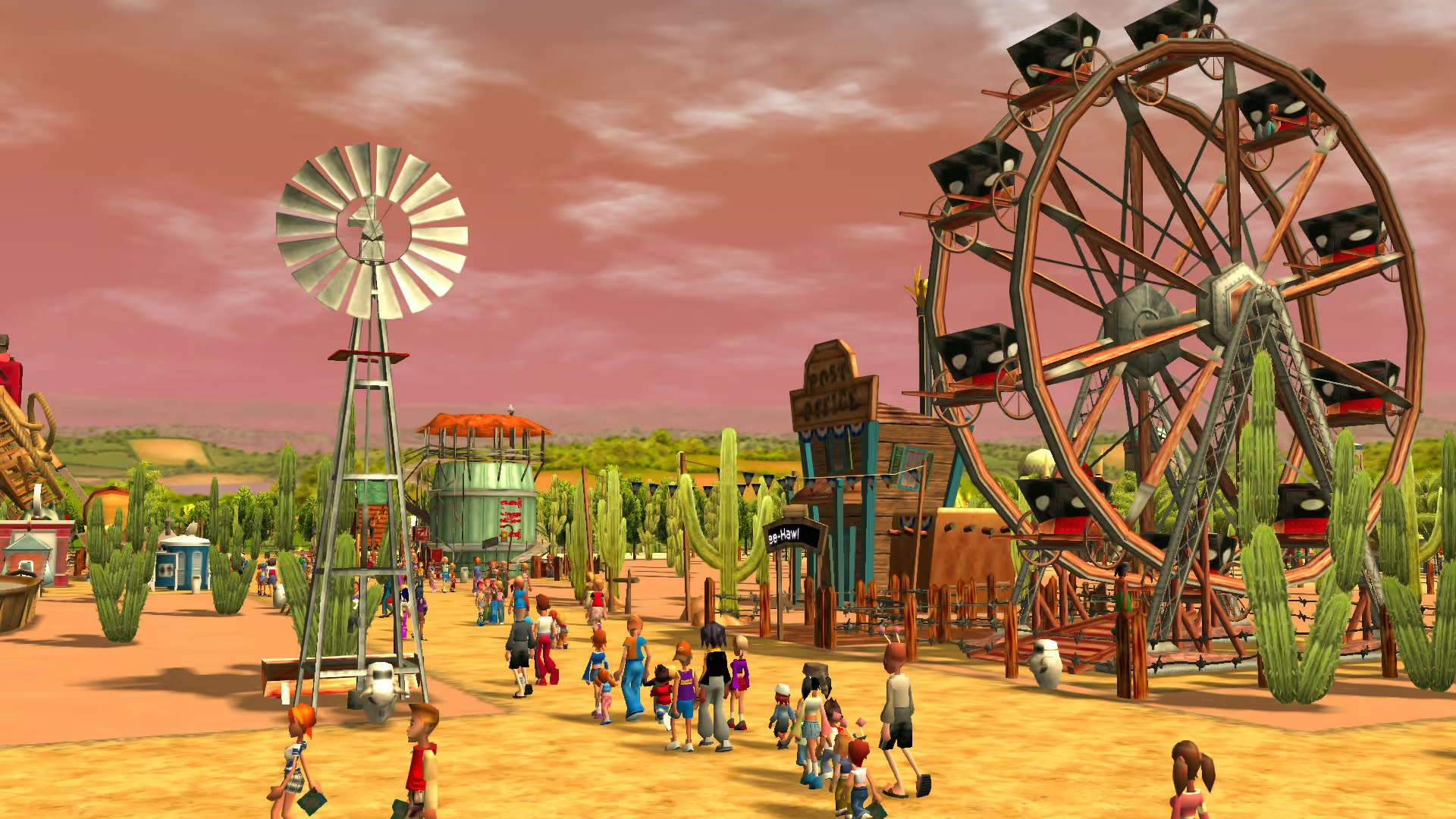
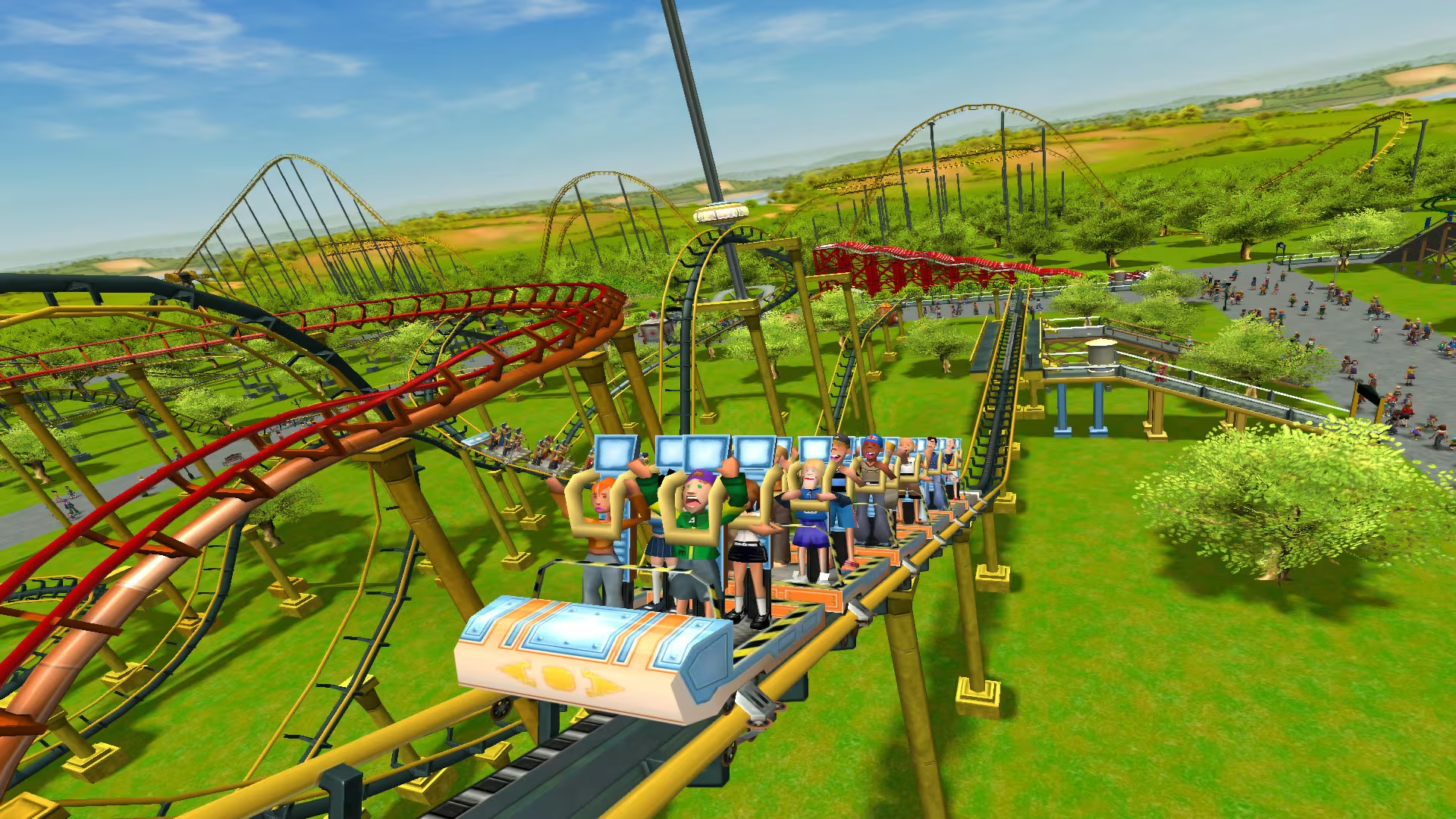
Build the park of a lifetime and rediscover the critically acclaimed rollercoaster simulation bestseller. Feel the thrill of a genre-defining classic, complete with two huge expansion packs.

Global score

87/100

Genres

Simulator, Strategy

Similar games

    Pros

    • Nostalgic and timeless gameplay
    • Extensive creative freedom in park and coaster design
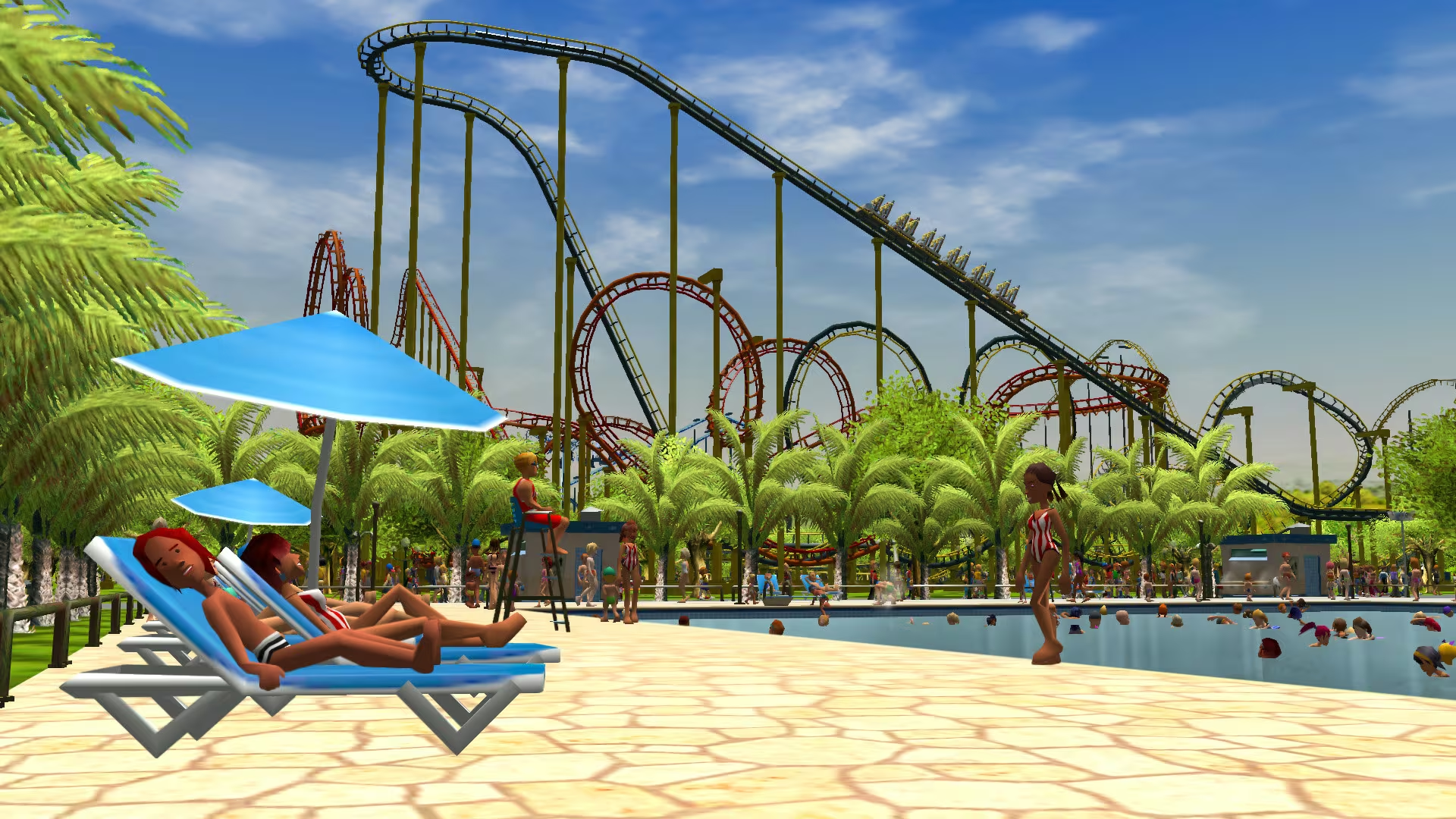
    • Includes all expansions (water parks and zoos)
    • Runs well on modest hardware
    • Good balance of management and creativity

    Cons

    • No multiplayer or cooperative modes
    • Ui and graphics are dated and lack modern scaling
    • Limited resolution support beyond 1080p
    • Terrain editing can be unintuitive and frustrating
    • Some bugs and occasional crashes reported

    Analysis

    Broadly representative of its motivational profile, with a few distinct shifts. Motivations that often define this kind of title include Leadership, Survival, Violence, Strategy. Here, the score leans higher than usual among comparable games on Expression. It leans lower than usual among comparable games on Violence, Cooperation.

    How to use the graph
    Similar games map

    Each dot is a game. They are arranged from the same motivation profile as in the “Motivations” section below. Closer dots usually mean more similar reasons to play (exploration, competition, relaxation, etc.)—not that one game is “better” than another.

    • Larger dot with a light outline: the game you are viewing.
    • Colour: groups of games with comparable motivation patterns (statistical clusters).
    • Hover a dot to see the game name; click to open its page.
    • Scroll or double-click the chart to zoom out and see more games.

    Why don’t the axes read like a score? This view uses t-SNE: it only keeps who is close to whom. The scales are not “good to bad” or hours played—they separate groups on the map. Read distance between dots, not the axis numbers.

    Motivations

    • Autonomy
      4

      "Players have significant freedom to design parks, coasters, and manage various aspects independently."

    • Competence
      3

      "Game offers challenges in park management and coaster building with feedback, though some tasks can be repetitive."

    • Competition
      -4

      "Focus is on personal creativity and management without competitive or ranked modes."

    • Continuation
      4

      "Many users report long play sessions and habitual return due to nostalgia and creative engagement."

    • Cooperation
      -5

      "Single-player experience with no multiplayer or cooperative gameplay."

    • Creativity
      5

      "Strong emphasis on building, customizing coasters, parks, and scenarios with extensive creative tools."

    • Domination
      -5

      "No evidence of exerting control over others; gameplay is individual and non-confrontational."

    • Escapism
      4

      "Players use the game as a nostalgic escape and stress relief through creative park building."

    • Expectation
      -4

      "Players engage voluntarily out of personal interest and nostalgia rather than obligation."

    • Experimenting
      4

      "Players experiment with coaster designs, park layouts, and scenario creation."

    • Exploration
      2

      "Some exploration of scenarios and creative possibilities, but limited new area discovery."

    • Expression
      5

      "Extensive customization of rides, coasters, colors, and park elements for self-expression."

    • Fantasy
      3

      "Imaginative theme park and coaster building with some whimsical elements, though grounded in simulation."

    • Fellowship
      -4

      "Minimal social interaction; primarily a solo experience with limited community engagement."

    • Growth
      3

      "Players develop skills in management, coaster design, and problem solving over time."

    • Health
      -5

      "Sedentary gameplay with no physical activity component."

    • Idle
      -3

      "Requires focused attention and active management rather than passive or background play."

    • Intimacy
      -5

      "No close social or emotional relationships formed within the game."

    • Leadership
      2

      "Players manage staff and assign tasks, but no leadership over other players."

    • Progression
      4

      "Players accumulate rides, upgrades, and park improvements as part of gameplay progression."

    • Relaxation
      3

      "Many players find the game relaxing and a good way to unwind despite some challenging scenarios."

    • Sensation
      2

      "Visual and auditory stimuli are present but dated; some players enjoy the charm and novelty."

    • Status
      -4

      "No social status or recognition mechanics within gameplay."

    • Story
      1

      "Includes scenarios with objectives but limited narrative immersion or character interaction."

    • Strategy
      3

      "Requires planning and problem solving in park management and coaster design."

    • Thrill
      2

      "Some thrill from coaster design and ride experiences, but overall controlled gameplay."

    • Value
      2

      "Generally considered good value especially for nostalgic players; some complaints about price."

    • Violence
      -5

      "Gameplay focuses on building and management without violent or destructive elements."

    • Survival
      1

      "Some challenge in managing park resources and guest satisfaction but low risk of failure."

    Last update: 29/04/2026