Tower Wizard Thumbnail

Tower Wizard similar games & best alternatives
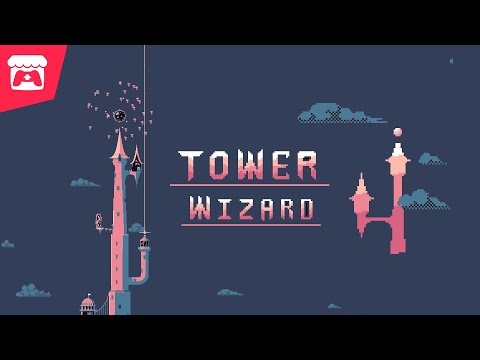
Tower Wizard

PC (Microsoft Windows), Web browser • 2025

Related articles

Quick resume

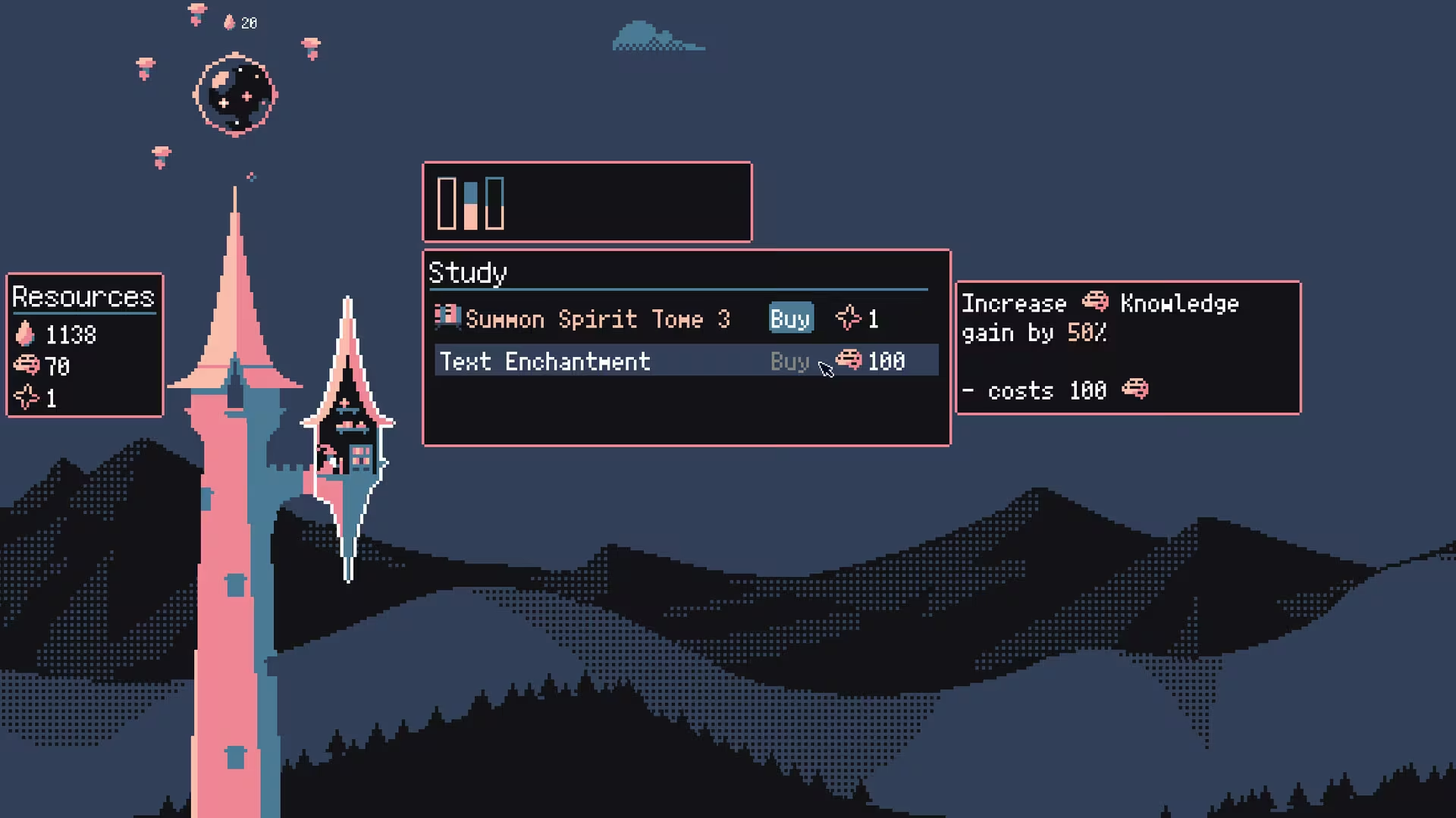
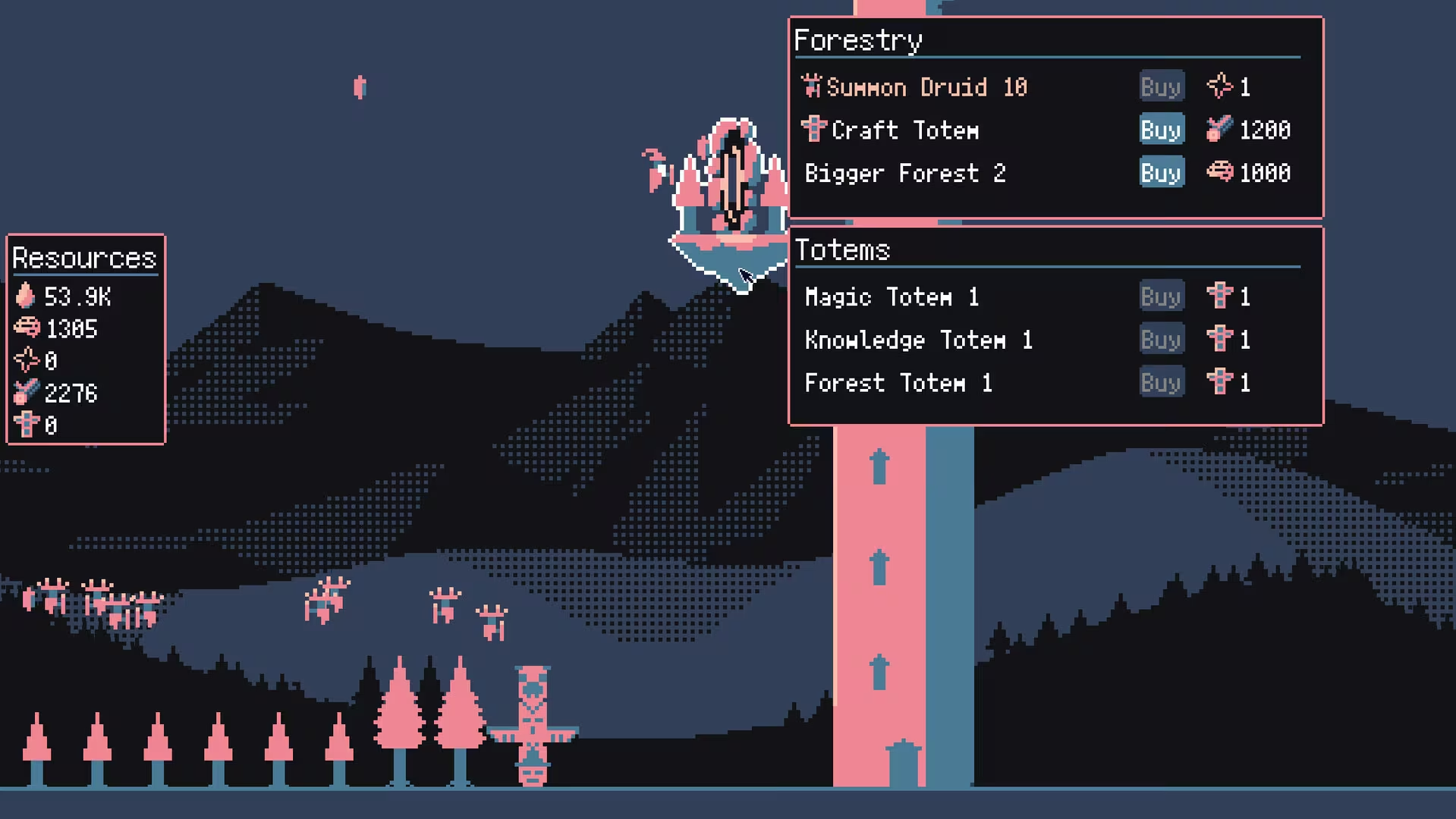
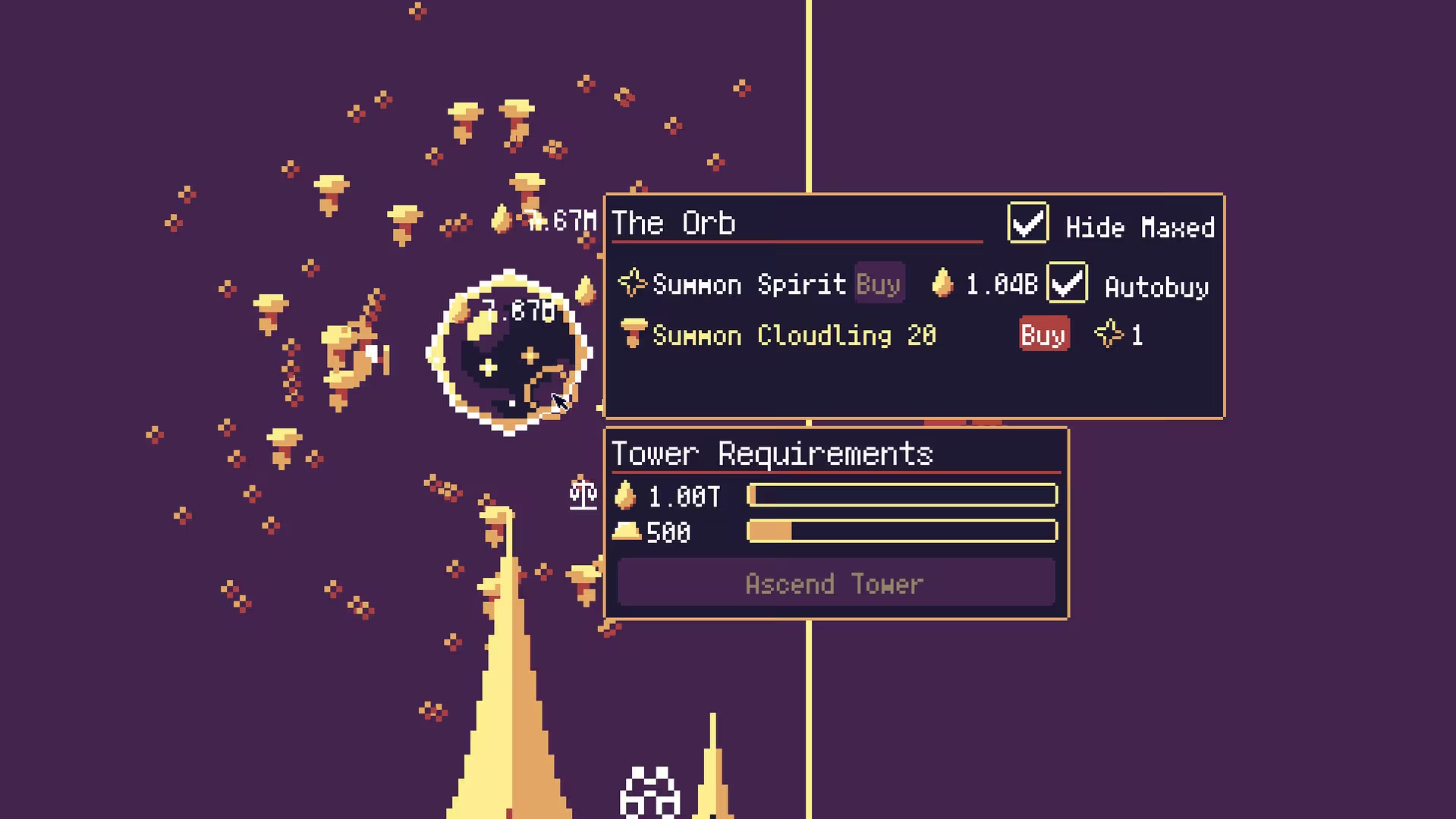
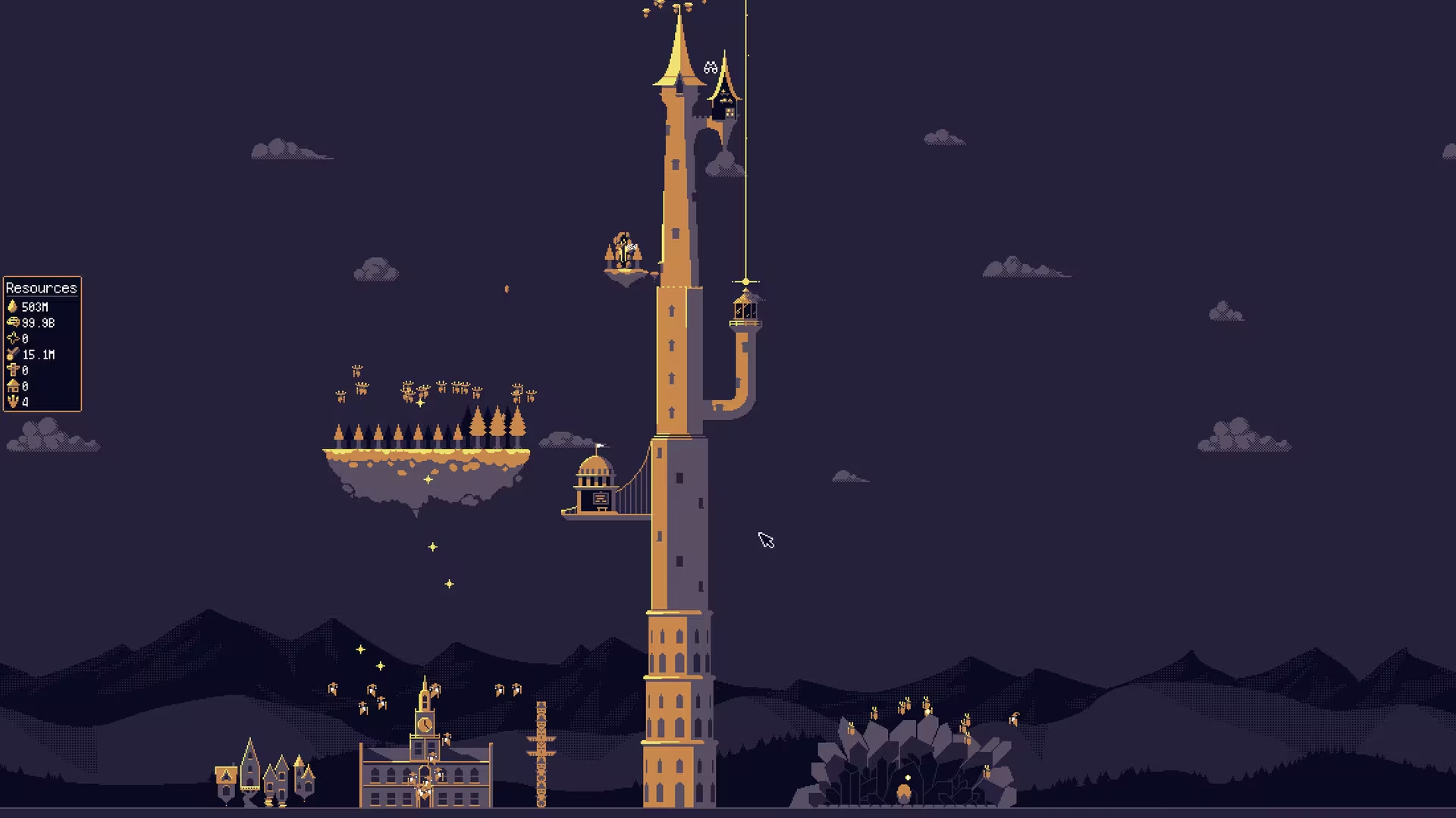
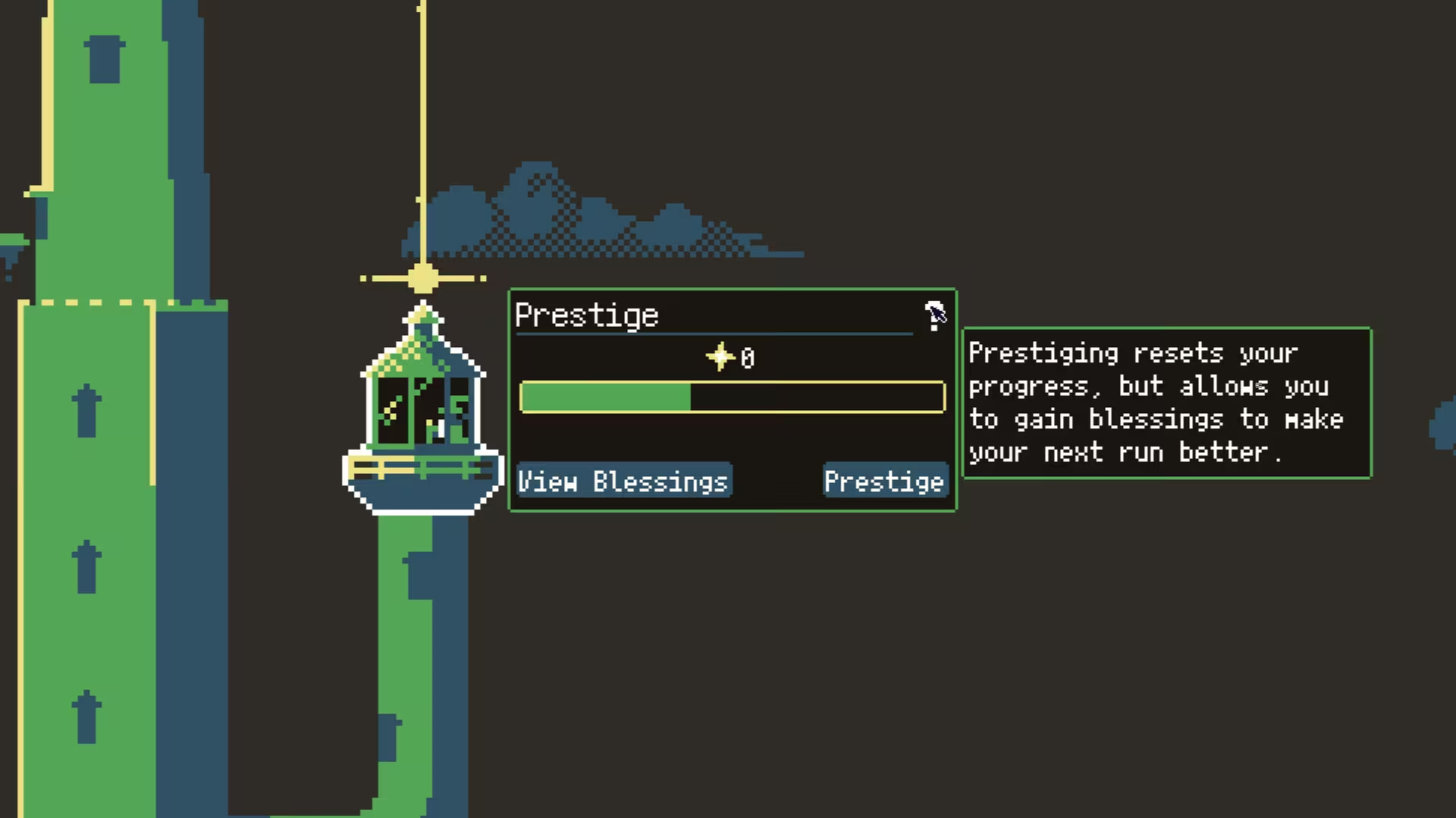
Help a wizard build and upgrade a wizard tower in this incremental game! Use the tower to study magic, summon spirits, create buildings, and influence the world.

Global score

97/100

Genres

Indie, Role-playing (RPG), Simulator, Strategy

Similar games

    Pros

    • Well-paced progression
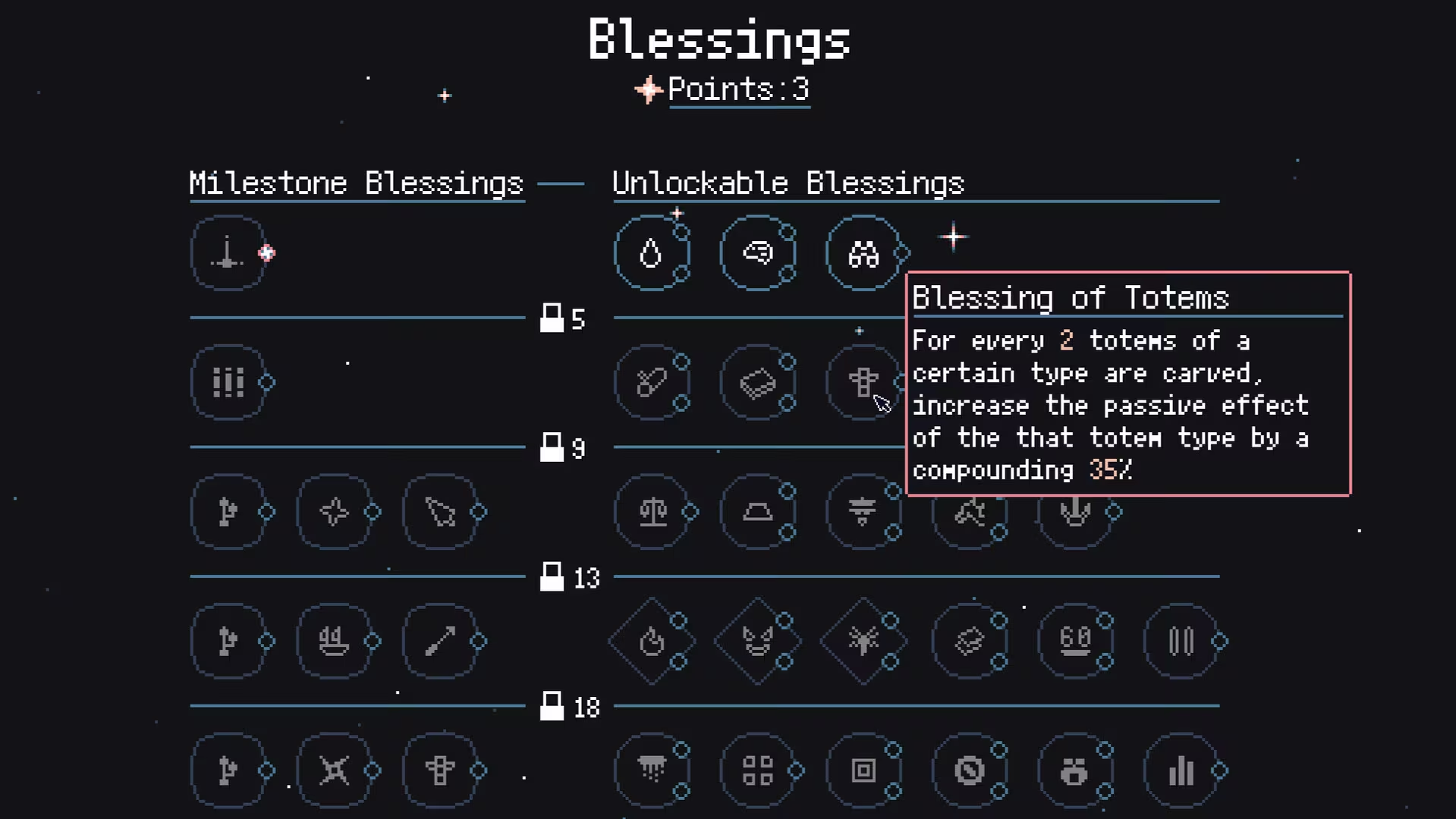
    • Engaging prestige system
    • Charming pixel art and music
    • Reasonable price and value
    • Relaxing and satisfying gameplay

    Cons

    • Short length and limited replayability
    • Minimal narrative
    • Some late-game grind
    • Lack of multiplayer or social features
    • Combat mechanics underdeveloped

    Analysis

    A very typical example of its motivational profile. Motivations that often define this kind of title include Idle, Thrill, Violence, Survival. It leans lower than usual among comparable games on Idle, Story, Fellowship.

    How to use the graph
    Similar games map

    Each dot is a game. They are arranged from the same motivation profile as in the “Motivations” section below. Closer dots usually mean more similar reasons to play (exploration, competition, relaxation, etc.)—not that one game is “better” than another.

    • Larger dot with a light outline: the game you are viewing.
    • Colour: groups of games with comparable motivation patterns (statistical clusters).
    • Hover a dot to see the game name; click to open its page.
    • Scroll or double-click the chart to zoom out and see more games.

    Why don’t the axes read like a score? This view uses t-SNE: it only keeps who is close to whom. The scales are not “good to bad” or hours played—they separate groups on the map. Read distance between dots, not the axis numbers.

    Motivations

    • Autonomy
      4

      "Players can freely assign spirits to buildings and choose upgrade paths, with some strategic decisions on resource allocation and prestige upgrades."

    • Competence
      3

      "The game involves managing resources, optimizing upgrades, and overcoming progression walls, providing a satisfying sense of skill and effectiveness."

    • Competition
      -3

      "Focus is on personal progression and pacing without competitive modes or leaderboards, though some users suggested a leaderboard as a future addition."

    • Continuation
      2

      "Players engage in multiple runs with prestige resets and some replay value, but the game has a definite ending and is relatively short."

    • Cooperation
      -5

      "The game is a single-player incremental experience with no multiplayer or cooperative elements."

    • Creativity
      2

      "Players experiment with different upgrade combinations and strategies in the prestige system, though within a defined structure."

    • Domination
      -5

      "No evidence of exerting control or superiority over others; interactions are individual and self-directed."

    • Escapism
      3

      "Players use the game as a relaxing distraction and stress relief, enjoying a chill experience with dopamine hits from progression."

    • Expectation
      -4

      "Players engage voluntarily out of intrinsic interest and enjoyment, with no obligation or external pressure reported."

    • Experimenting
      3

      "The prestige system and upgrade choices encourage trying new builds and strategies to optimize progression."

    • Exploration
      1

      "Some discovery of new buildings, features, and upgrades occurs, but the environment is limited and familiar."

    • Expression
      1

      "Players can choose from multiple color themes and customize some visual aspects, though limited to preset options."

    • Fantasy
      3

      "The game features a fantasy setting with wizards, magic, spirits, and mythical creatures, providing an imaginative experience."

    • Fellowship
      -5

      "No social or community features; gameplay is entirely solo."

    • Growth
      4

      "Players learn and improve through managing resources, understanding synergies, and optimizing prestige upgrades."

    • Health
      -5

      "The game is a sedentary experience with no physical activity or health-related features."

    • Idle
      1

      "The game supports some idle progression but requires active management and attention for optimal play."

    • Intimacy
      -5

      "No evidence of forming close relationships or emotional social interactions."

    • Leadership
      -5

      "No leadership or group management roles; gameplay is individual."

    • Progression
      5

      "Strong focus on accumulating resources, upgrades, and prestige points to advance and unlock new features."

    • Relaxation
      4

      "Players describe the game as relaxing, chill, and satisfying, with a good balance of challenge and flow."

    • Sensation
      2

      "Enjoyable pixel art, sound effects, and music provide sensory stimulation and emotional enjoyment."

    • Status
      -5

      "No social recognition or status systems present."

    • Story
      -3

      "Minimal narrative present; story is mostly flavor text and background context rather than immersive plot."

    • Strategy
      3

      "Requires planning and reasoning about resource allocation, upgrade synergies, and prestige choices."

    • Thrill
      -3

      "The game is low risk and relaxing, with little suspense or tension."

    • Value
      5

      "Players widely agree the game offers excellent value for its low price and playtime."

    • Violence
      -2

      "Some combat elements exist (e.g., dealing damage to obstacles), but focus is more on resource management and building."

    • Survival
      -3

      "No significant threat or failure conditions; gameplay is stable and focused on steady progression."

    Last update: 29/04/2026