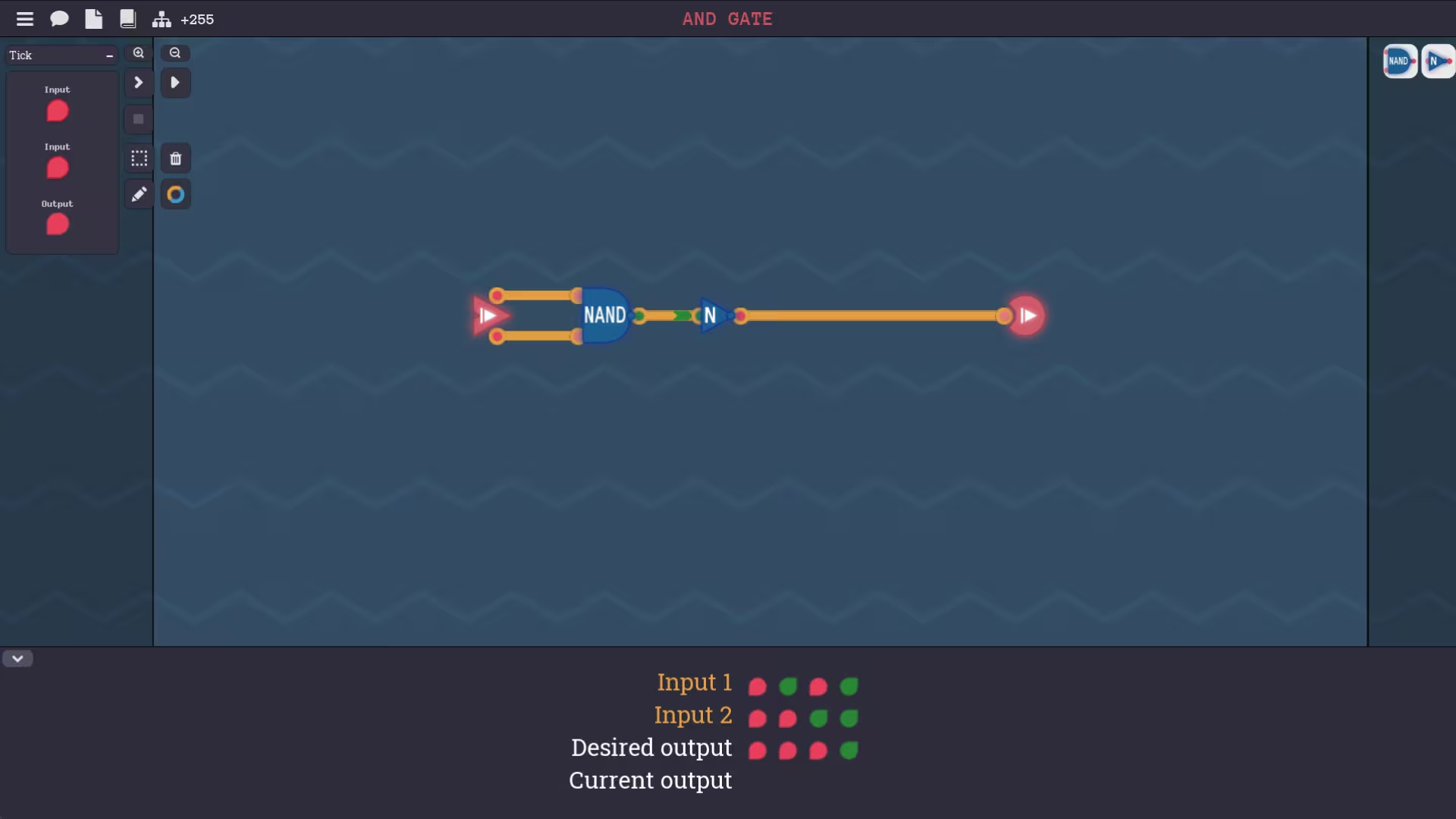
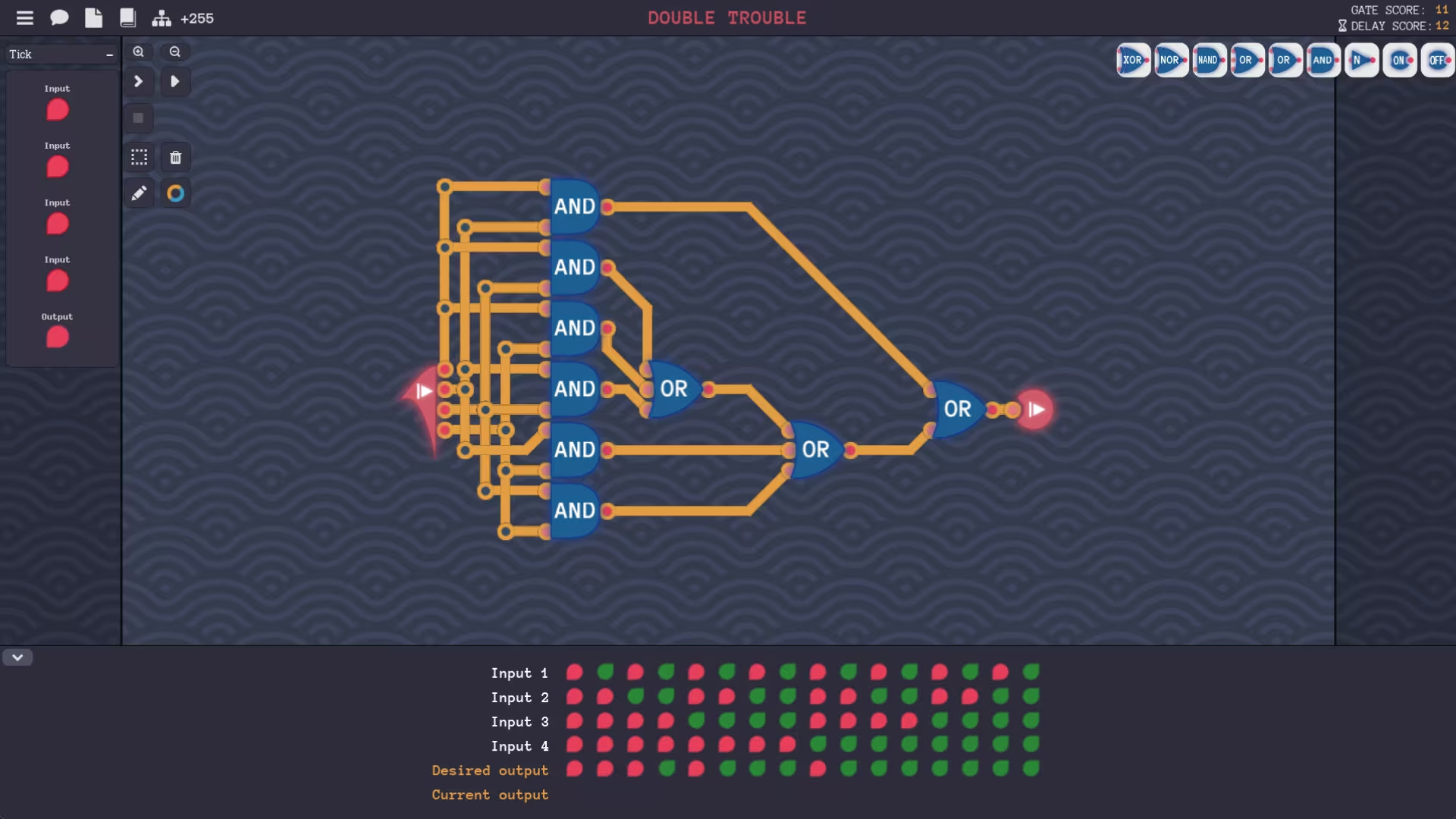
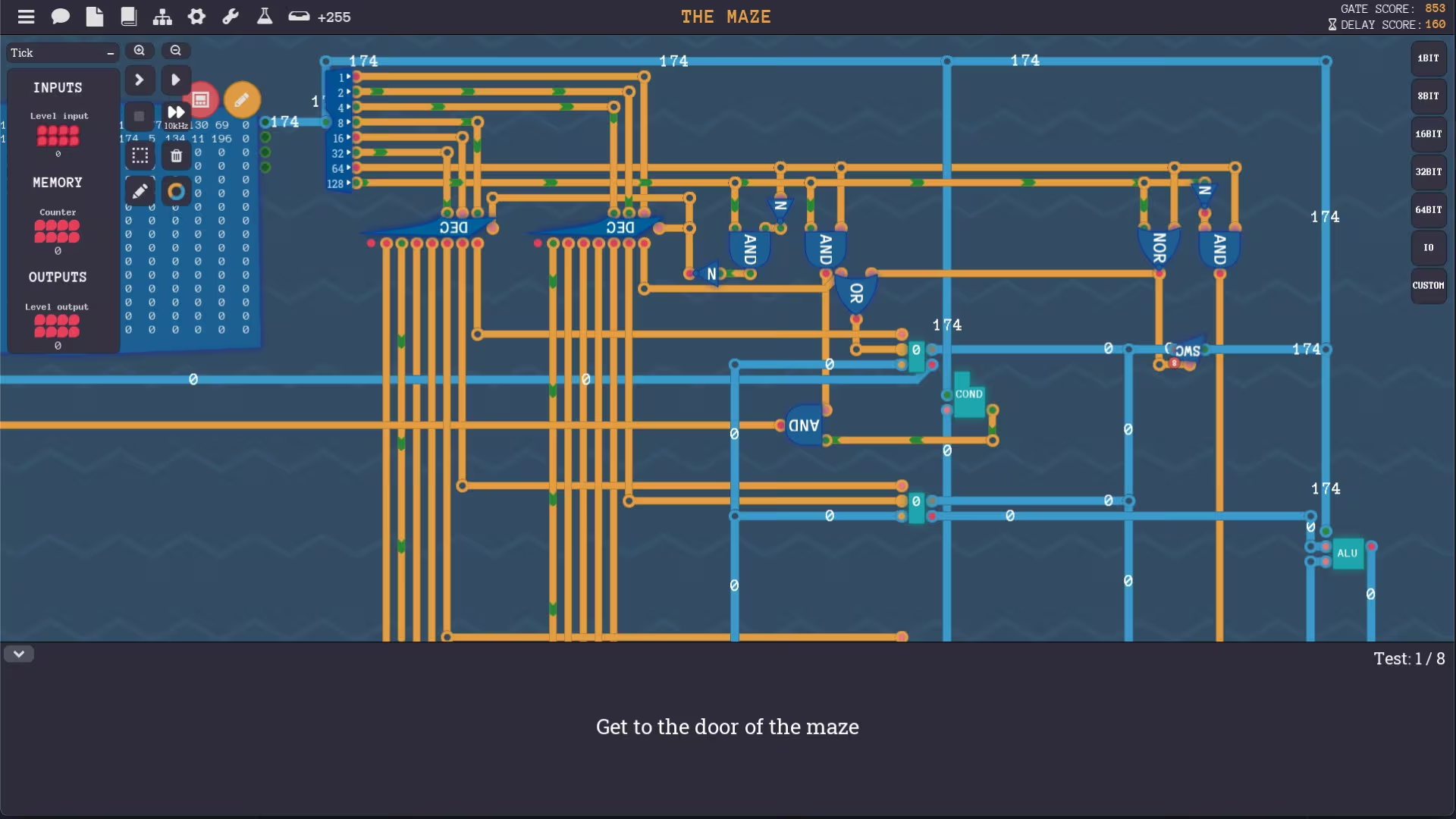
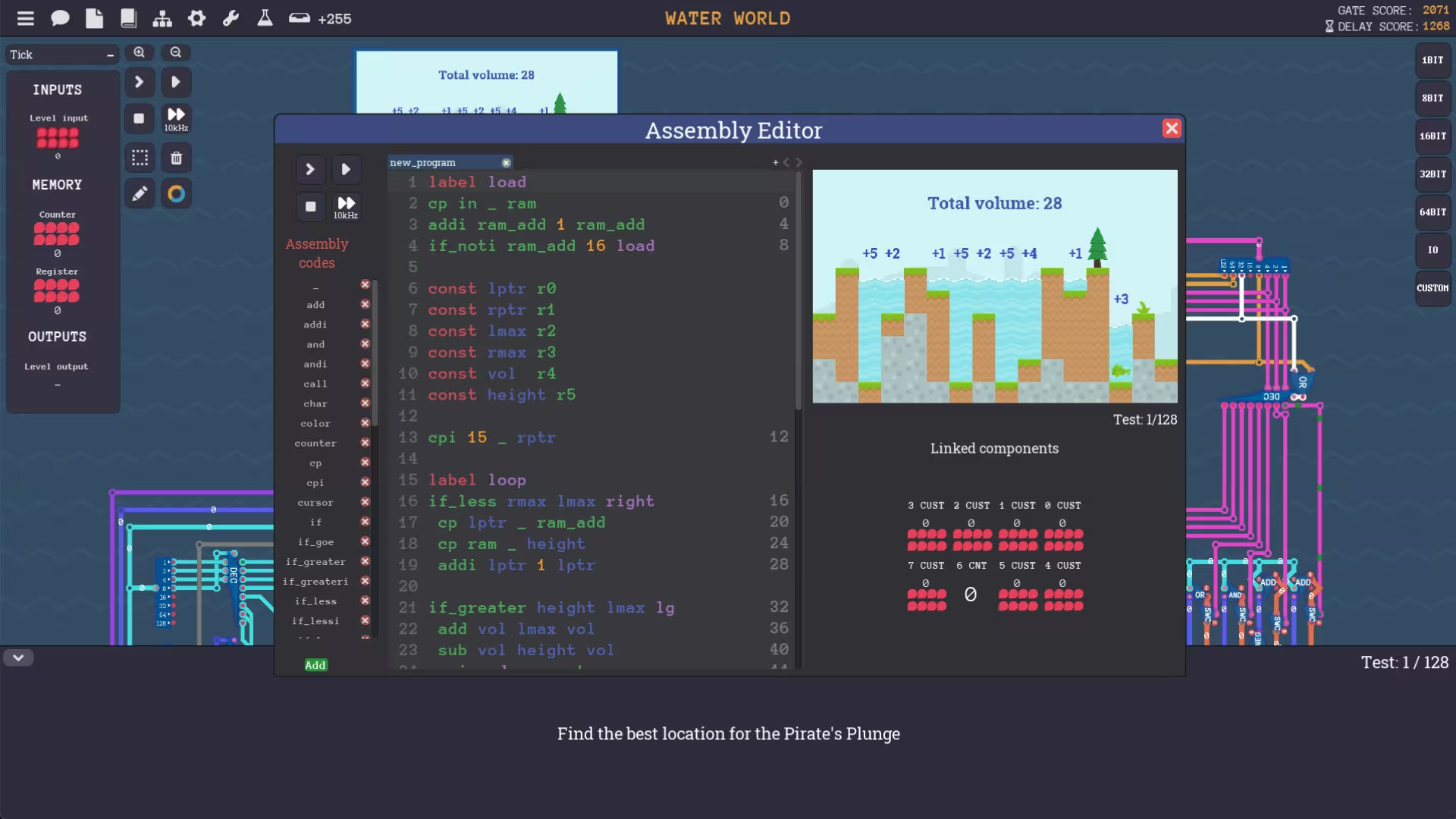
Turing Complete Thumbnail

Turing Complete similar games & best alternatives
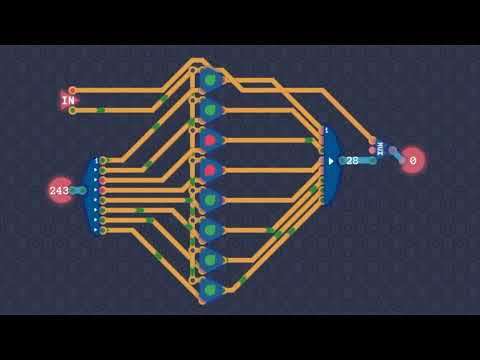
Turing Complete

Mac, PC (Microsoft Windows), Linux • 2021

Related articles

Quick resume

Learn CPU architecture with puzzles

Global score

96/100

Genres

Simulator, Early Access, Puzzle

Pros

  • Deep educational content
  • Highly challenging and rewarding puzzles
  • Freedom to design custom cpus and assembly languages
  • Well-structured learning progression
  • Active developer support

Cons

  • Steep learning curve for beginners
  • Some ui and quality-of-life issues
  • Lack of hints or tutorials for novices
  • Early access bugs and crashes
  • Limited social or multiplayer features

Motivations

  • Autonomy
    5

    "Players design every component from logic gates to full CPU architecture and create their own assembly language, allowing full control over their creations."

  • Competence
    5

    "The game challenges players with complex puzzles that require skillful logic design, circuit building, and programming, with clear feedback on performance."

  • Competition
    -4

    "Focus is on individual learning and puzzle solving without leaderboards or direct player comparison."

  • Continuation
    4

    "Many players report long sessions and habitual play due to the game's depth and learning curve."

  • Cooperation
    -5

    "The game is primarily a solo experience with no multiplayer or cooperative gameplay elements."

  • Creativity
    5

    "Players create and customize circuits, CPUs, and assembly languages, with freedom to design unique architectures."

  • Domination
    -5

    "Interactions are individual and respectful; no evidence of exerting control or superiority over others."

  • Escapism
    3

    "Players use the game as a stimulating intellectual escape and learning tool, though it is mentally demanding rather than purely relaxing."

  • Expectation
    -4

    "Engagement is driven by intrinsic interest and personal desire to learn and solve puzzles, not obligation."

  • Experimenting
    5

    "The game encourages trying new designs, architectures, and programming approaches extensively."

  • Exploration
    3

    "Players explore new circuit designs and programming solutions, though within a structured puzzle progression."

  • Expression
    4

    "Players express themselves through custom circuit layouts, assembler mnemonics, and architectural choices."

  • Fantasy
    -4

    "The game is grounded in realistic computer architecture and logic design, with no fantasy elements."

  • Fellowship
    -4

    "Minimal social connection; players mostly engage individually without community integration in gameplay."

  • Growth
    5

    "Strong focus on learning, skill acquisition, and personal development in computer science and logic."

  • Health
    -5

    "Sedentary gameplay with no physical activity or health-related features."

  • Idle
    -4

    "Requires continuous focus and problem solving; not suited for casual or background play."

  • Intimacy
    -5

    "No evidence of close social relationships or emotional sharing within the game."

  • Leadership
    Insufficient data
  • Progression
    5

    "Players accumulate increasingly complex components and capabilities, progressing from gates to full CPUs."

  • Relaxation
    -3

    "The game is mentally challenging and can induce frustration; not primarily designed for relaxation."

  • Sensation
    2

    "Visual and auditory feedback is functional and satisfying but not highly stimulating or flashy."

  • Status
    -4

    "Achievements exist but the game lacks social status or popularity mechanics."

  • Story
    2

    "There is a light humorous narrative framing the puzzles but the focus is on technical learning."

  • Strategy
    5

    "High mental challenge involving logic, planning, and problem solving throughout the game."

  • Thrill
    -3

    "The game is intellectually stimulating but lacks suspense or risk-based excitement."

  • Value
    5

    "Players report very high perceived value for time and money due to educational content and depth."

  • Violence
    -5

    "No combat or destructive gameplay; focus is on constructive circuit building."

  • Survival
    -5

    "No survival or threat avoidance elements; stable and controlled environment."

Similar games

    Last update: 06/03/2026