while True: learn() Thumbnail

while True: learn() similar games & best alternatives

while True: learn()

PC (Microsoft Windows), Mac, iOS, PlayStation 4, Xbox One, Android, Nintendo Switch, Linux • 2019

Related articles

Quick resume

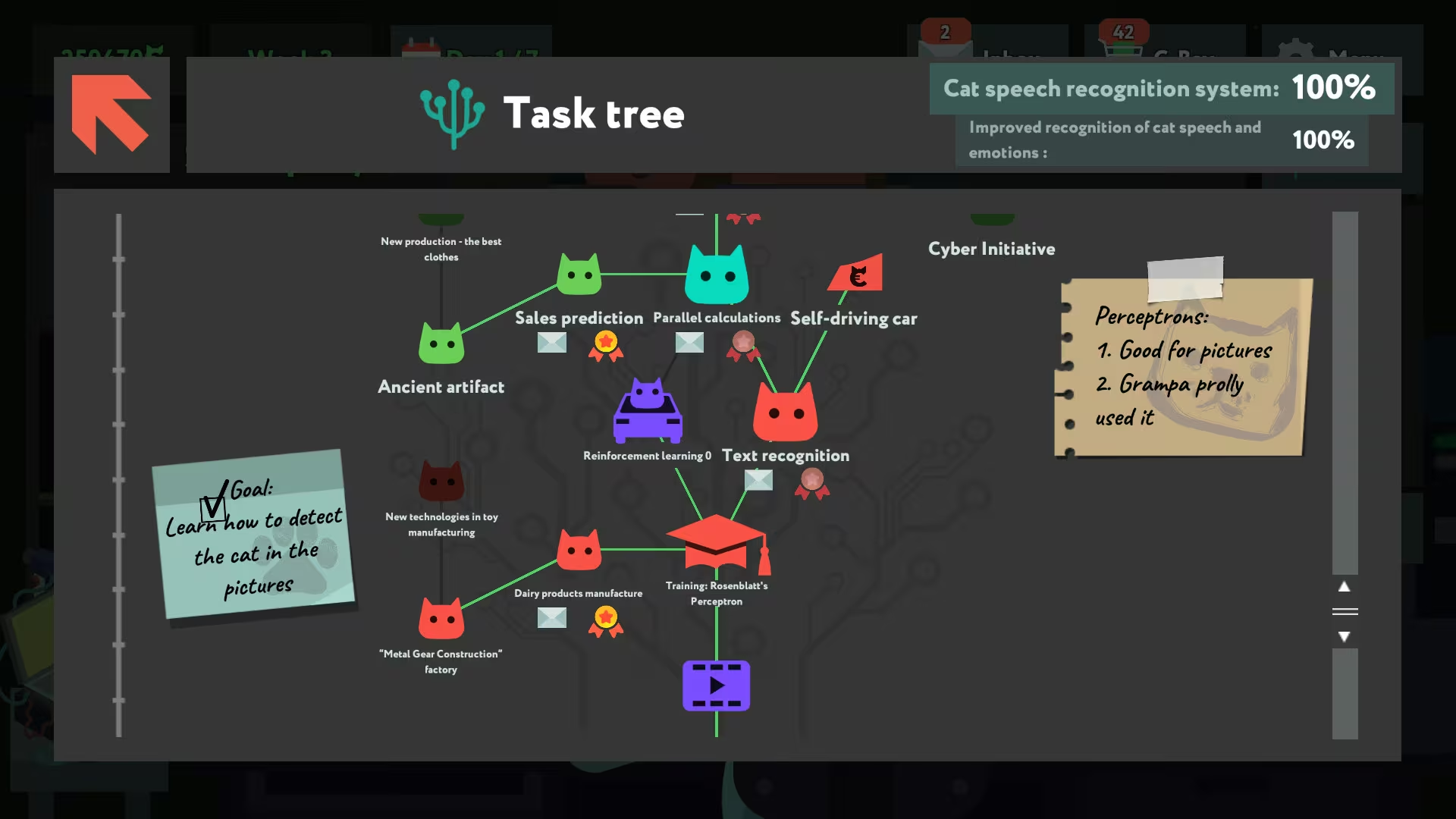
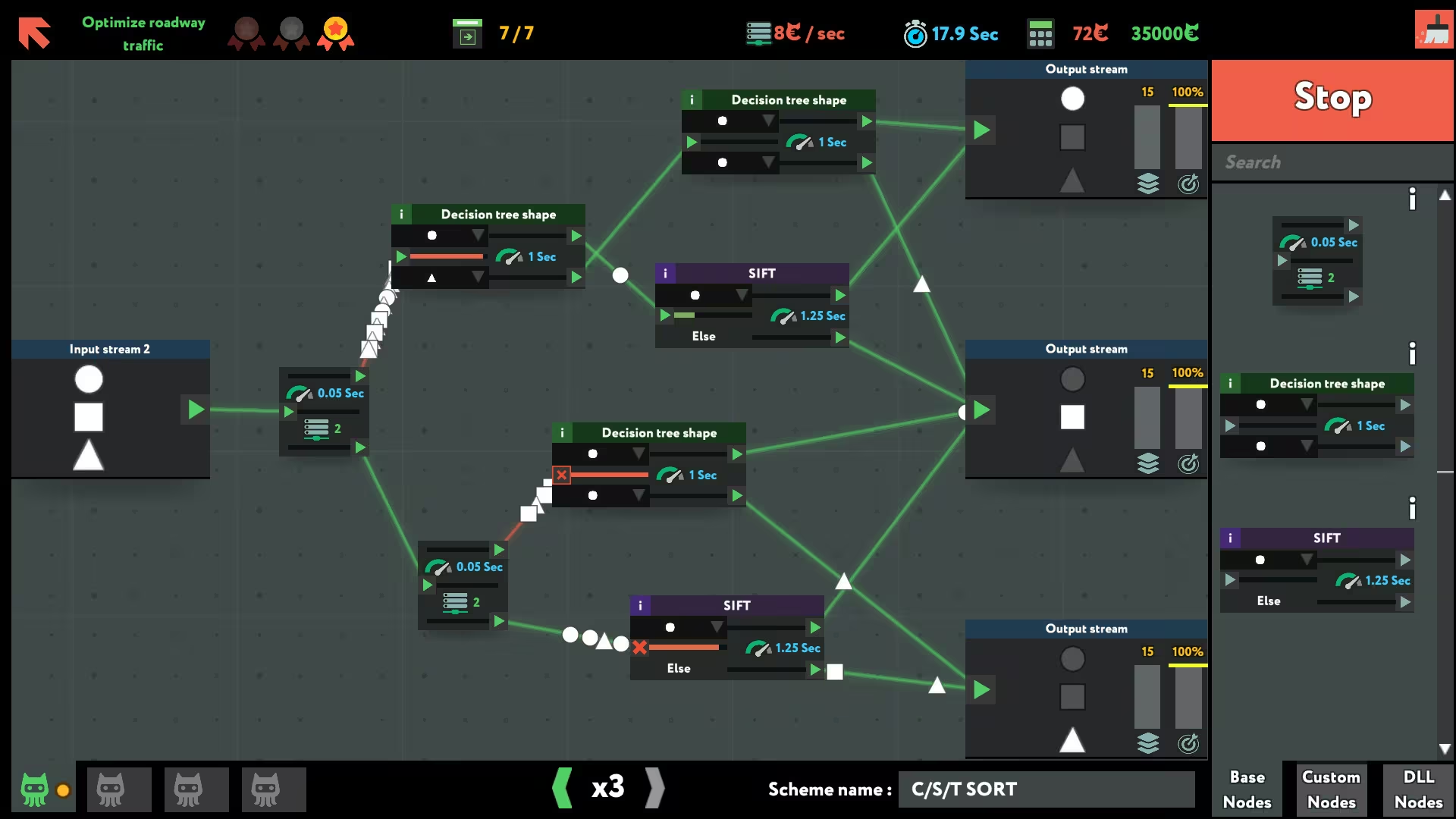
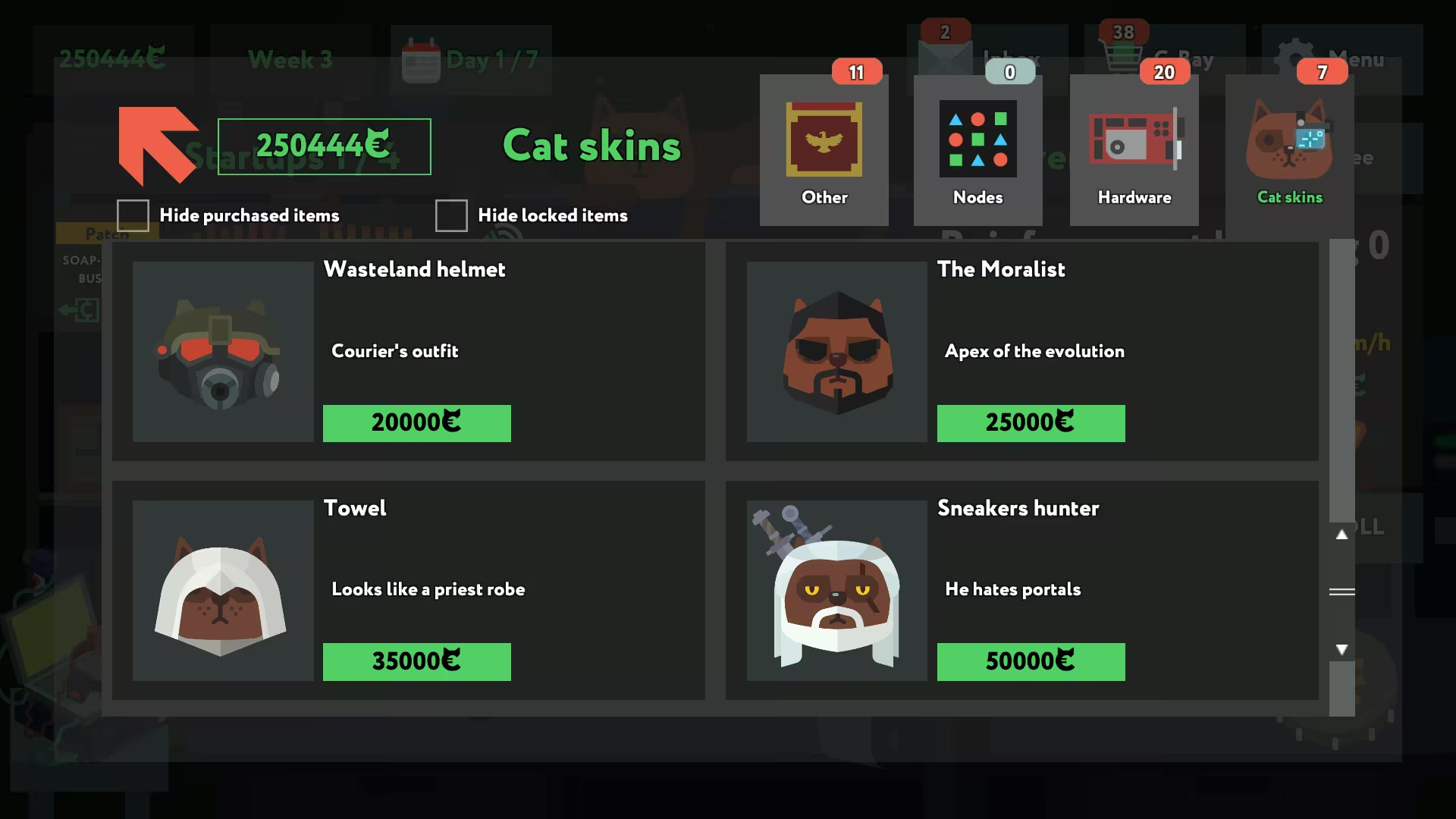
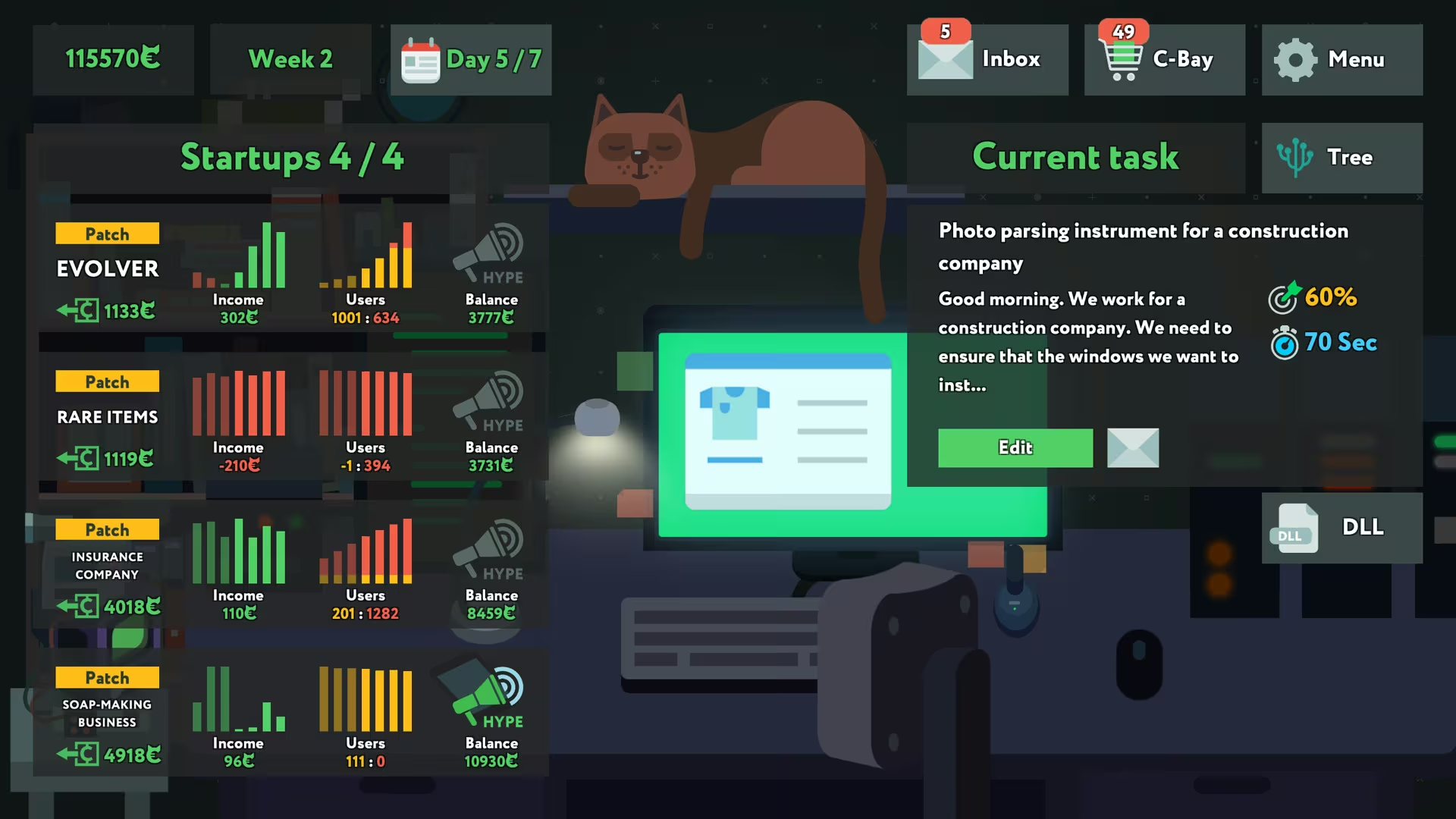
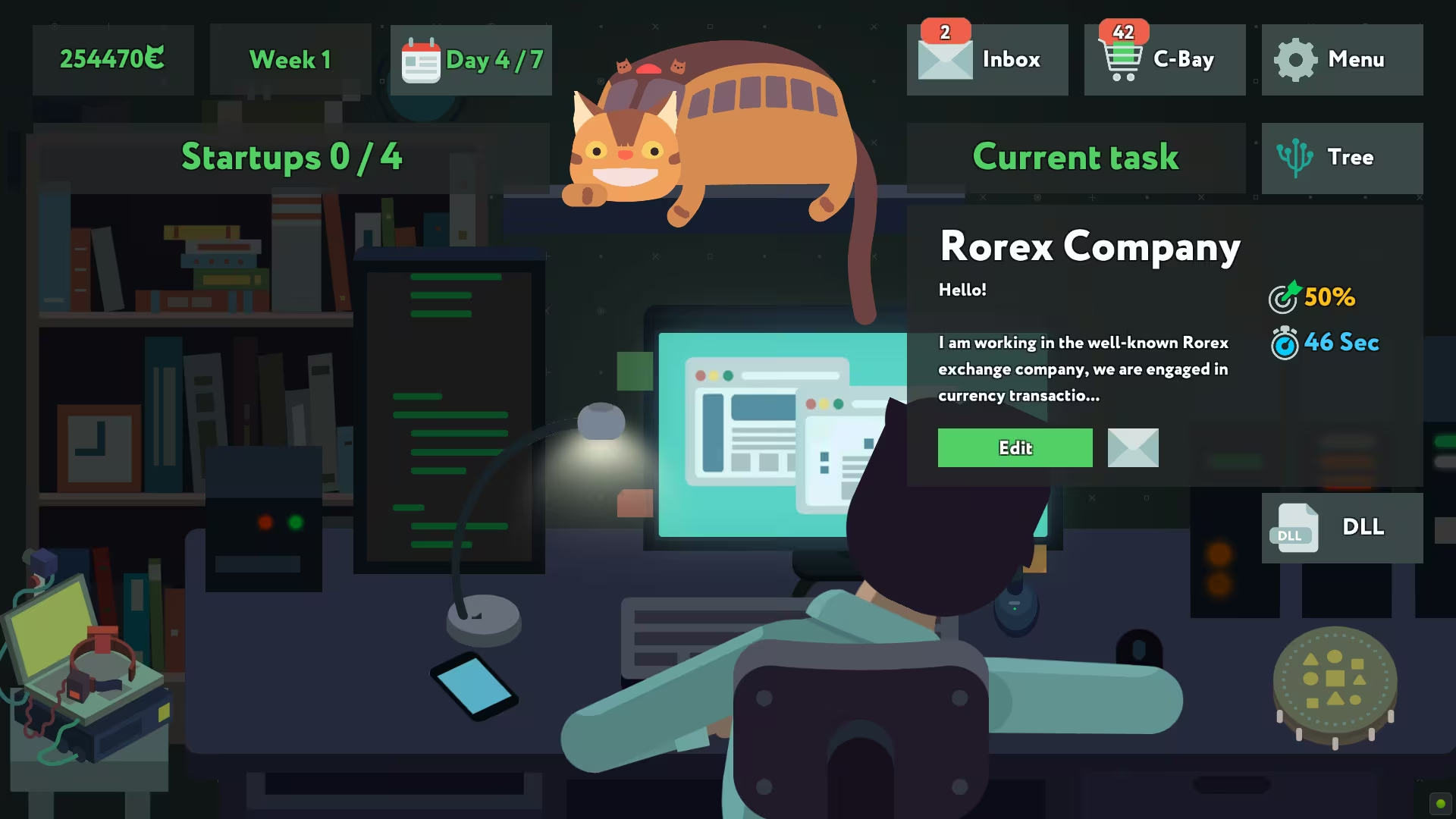
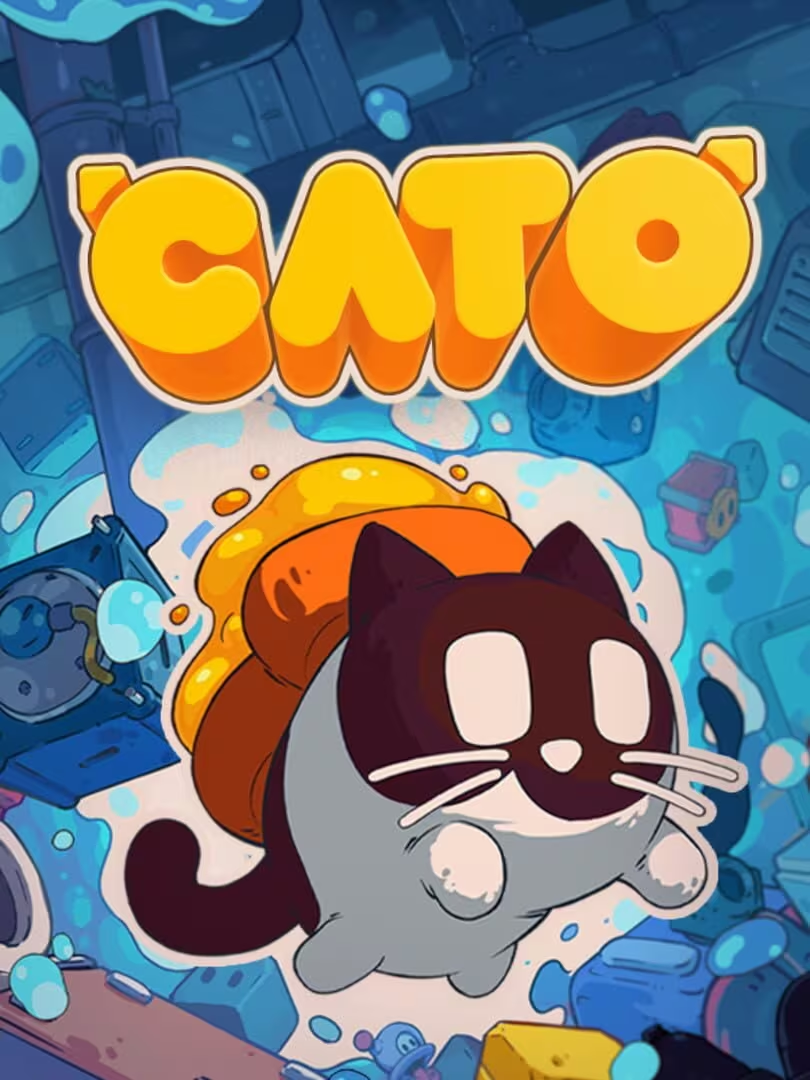
You’re a machine learning specialist who makes neural networks but your cat seems to be better at it. Now you must solve puzzles to build a cat-to-human translation system (who knows what else this cat is capable of!). Earn a fortune, buy kickass cat outfits, learn how machine learning really works!

Global score

91/100

Genres

Indie, Simulator, Puzzle

Similar games

    Pros

    • Engaging and challenging puzzles
    • Educational introduction to machine learning concepts
    • Creative problem-solving with reusable components
    • Humorous story and charming cat theme
    • Good value for price

    Cons

    • Some ui clunkiness and bugs reported
    • Limited depth in actual programming education
    • Short overall game length
    • Lack of multiplayer or social features
    • Some puzzles can be frustrating due to unclear instructions or balancing

    Analysis

    A very typical example of its motivational profile. Motivations that often define this kind of title include Fantasy, Violence, Story, Thrill. Here, the score leans higher than usual among comparable games on Story. It leans lower than usual among comparable games on Leadership, Survival.

    How to use the graph
    Similar games map

    Each dot is a game. They are arranged from the same motivation profile as in the “Motivations” section below. Closer dots usually mean more similar reasons to play (exploration, competition, relaxation, etc.)—not that one game is “better” than another.

    • Larger dot with a light outline: the game you are viewing.
    • Colour: groups of games with comparable motivation patterns (statistical clusters).
    • Hover a dot to see the game name; click to open its page.
    • Scroll or double-click the chart to zoom out and see more games.

    Why don’t the axes read like a score? This view uses t-SNE: it only keeps who is close to whom. The scales are not “good to bad” or hours played—they separate groups on the map. Read distance between dots, not the axis numbers.

    Motivations

    • Autonomy
      4

      "Players freely design and modify flowcharts and algorithms to solve puzzles, reflecting high control over their actions and decisions."

    • Competence
      3

      "The game offers challenging puzzles requiring logical thinking and optimization, providing feedback through performance ratings."

    • Competition
      -3

      "Focus is on personal puzzle solving and self-improvement rather than direct competition or leaderboards."

    • Continuation
      3

      "Players report addictive gameplay and desire to replay puzzles for better ratings, indicating habitual engagement."

    • Cooperation
      -4

      "Gameplay is primarily single-player with individual problem-solving and no multiplayer or cooperative modes."

    • Creativity
      4

      "Players create custom node arrangements and reusable libraries, encouraging creative problem-solving and design."

    • Domination
      -5

      "No evidence of exerting control or superiority over others; interactions are individual and respectful."

    • Escapism
      3

      "Players use the game as a relaxing and engaging distraction, often enjoying the humorous story and cat theme."

    • Expectation
      -4

      "Engagement is driven by intrinsic interest in puzzles and machine learning concepts rather than obligation."

    • Experimenting
      4

      "Players experiment with different node configurations and optimization strategies to solve puzzles."

    • Exploration
      2

      "Some exploration of new puzzle mechanics and startup challenges, though environments are consistent."

    • Expression
      2

      "Limited cosmetic customization mainly via cat outfits and accessories, allowing some self-expression."

    • Fantasy
      -2

      "Game is grounded in realistic programming and machine learning concepts, with a light humorous story."

    • Fellowship
      -4

      "Minimal social interaction; players mostly engage solo without community or group identity focus."

    • Growth
      4

      "Strong emphasis on learning machine learning concepts and improving puzzle-solving skills."

    • Health
      -5

      "Typical sedentary puzzle gameplay with no physical activity component."

    • Idle
      -3

      "Requires focused attention to solve puzzles; not suited for casual or background play."

    • Intimacy
      -4

      "No evidence of close social relationships or emotional sharing; interactions are individual."

    • Leadership
      -5

      "No leadership or group management roles; gameplay is solitary puzzle solving."

    • Progression
      3

      "Players accumulate new nodes, upgrades, and reusable libraries as they progress through puzzles."

    • Relaxation
      3

      "Many players find the game relaxing and enjoyable despite occasional challenge-induced tension."

    • Sensation
      2

      "Pleasant visuals, music, and humorous story provide moderate sensory and emotional enjoyment."

    • Status
      -4

      "Achievements and progress are mostly personal with little social recognition or visibility."

    • Story
      3

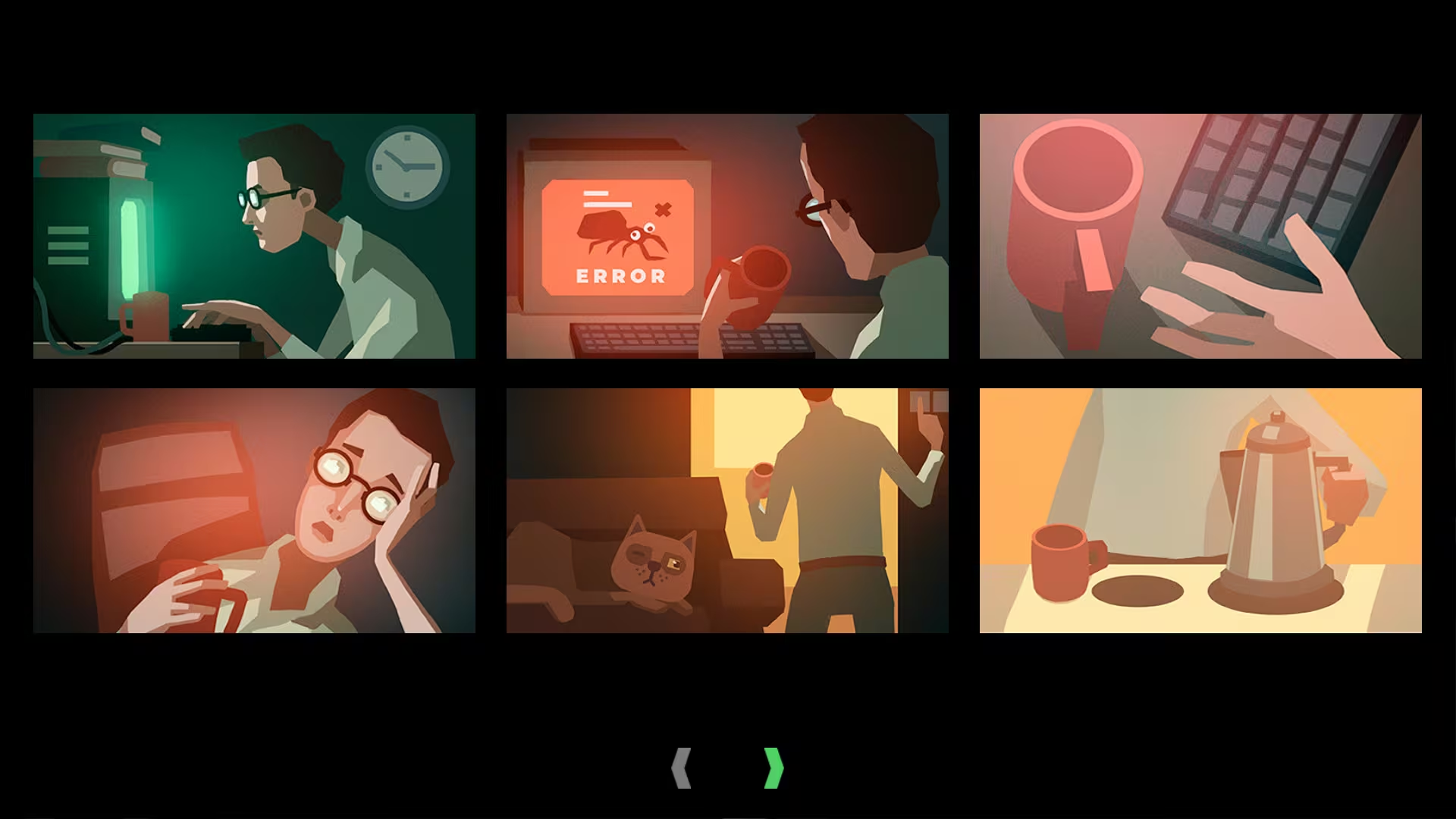
      "The game includes a light, humorous narrative about programming and cats that adds engagement."

    • Strategy
      4

      "Puzzles require logical planning, optimization, and problem solving using programming concepts."

    • Thrill
      -2

      "Gameplay is mostly controlled and predictable; challenge comes from puzzle complexity rather than risk."

    • Value
      4

      "Players feel the game offers good educational and entertainment value for its price."

    • Violence
      -5

      "No violent content; gameplay focuses on constructive puzzle solving and programming logic."

    • Survival
      -4

      "No survival or threat avoidance elements; gameplay occurs in stable, low-risk conditions."

    Last update: 29/04/2026