The Signal State similar games & best alternatives
The Signal State
2021
Related articles
Quick resume
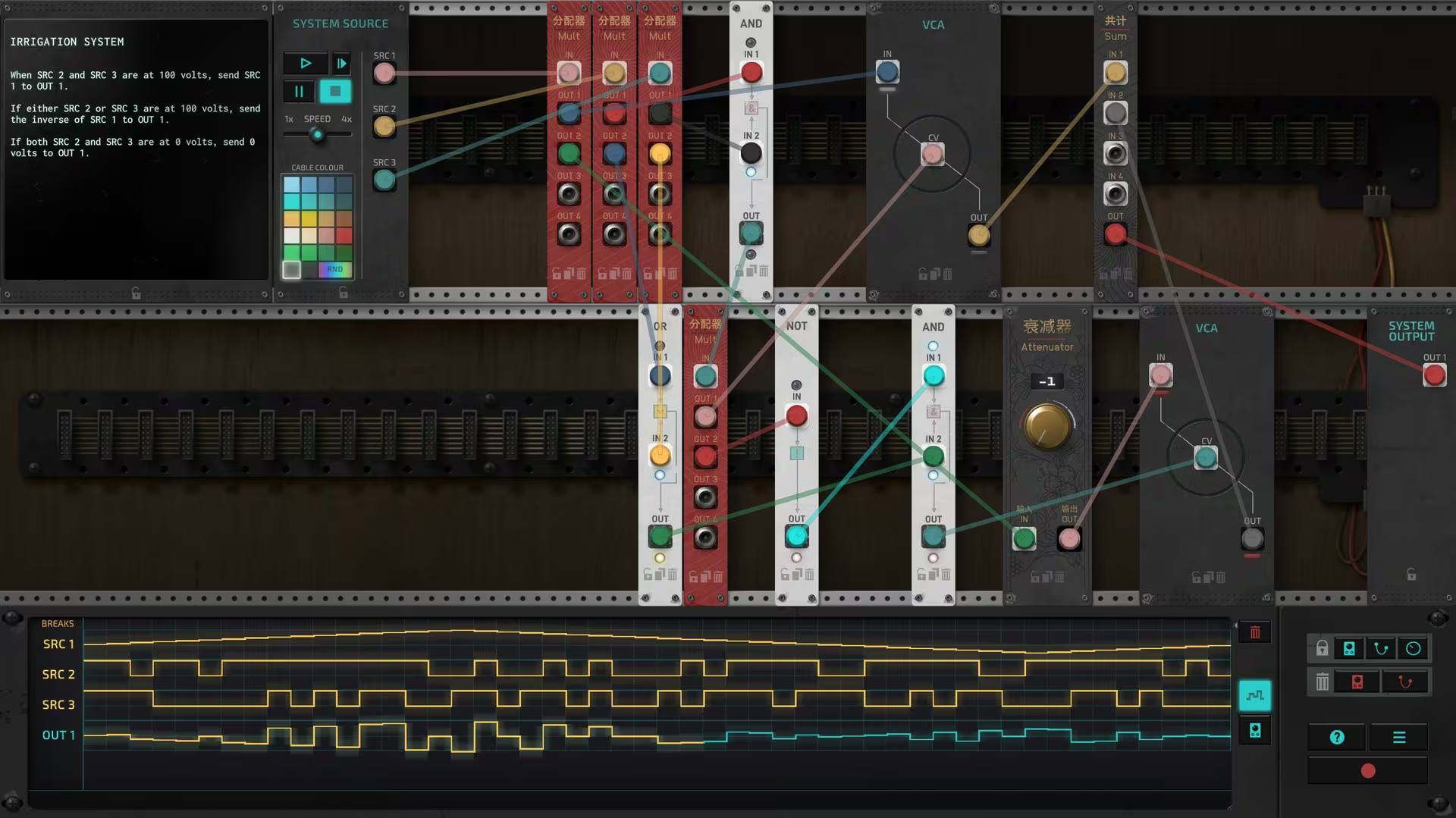
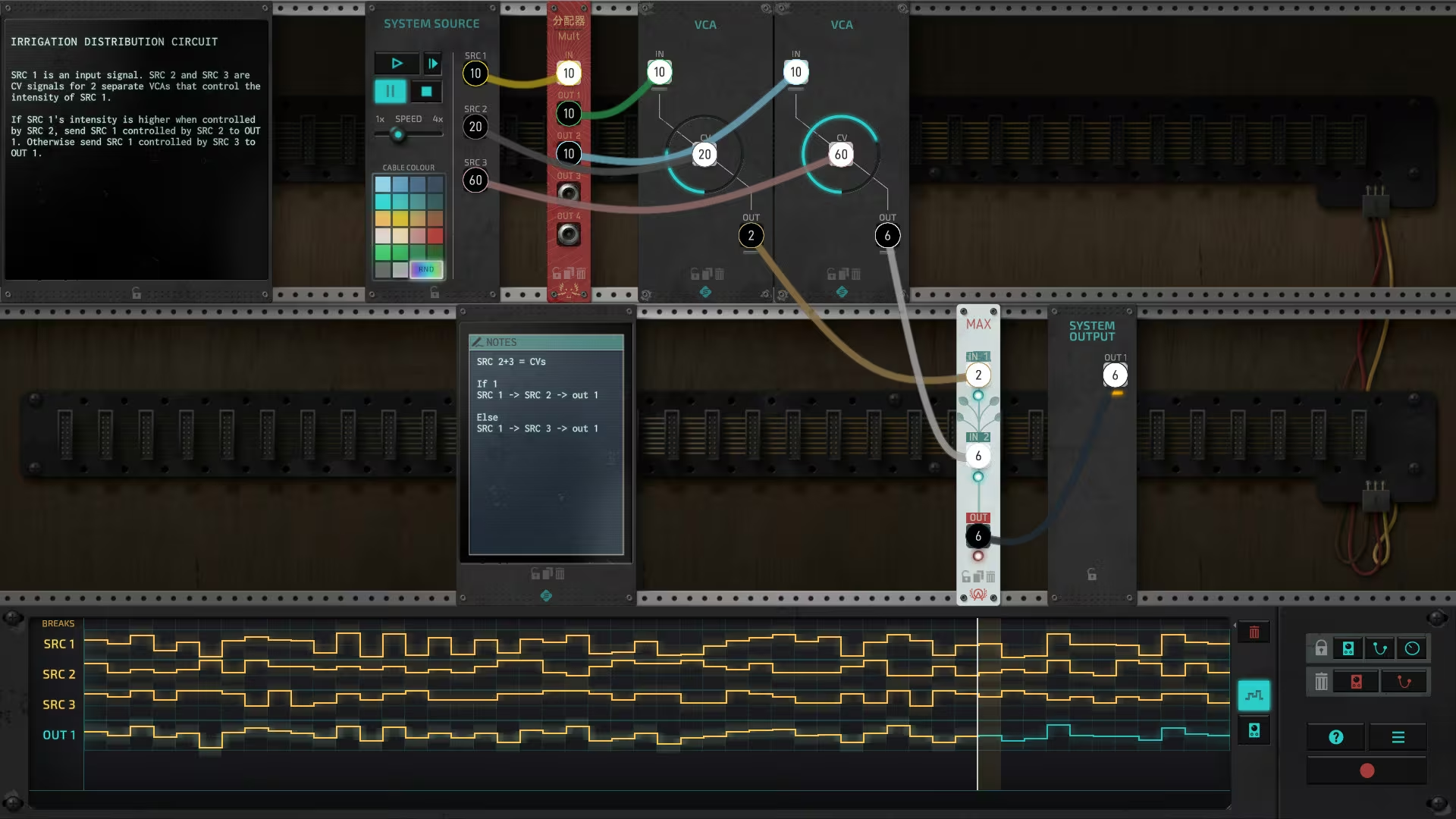
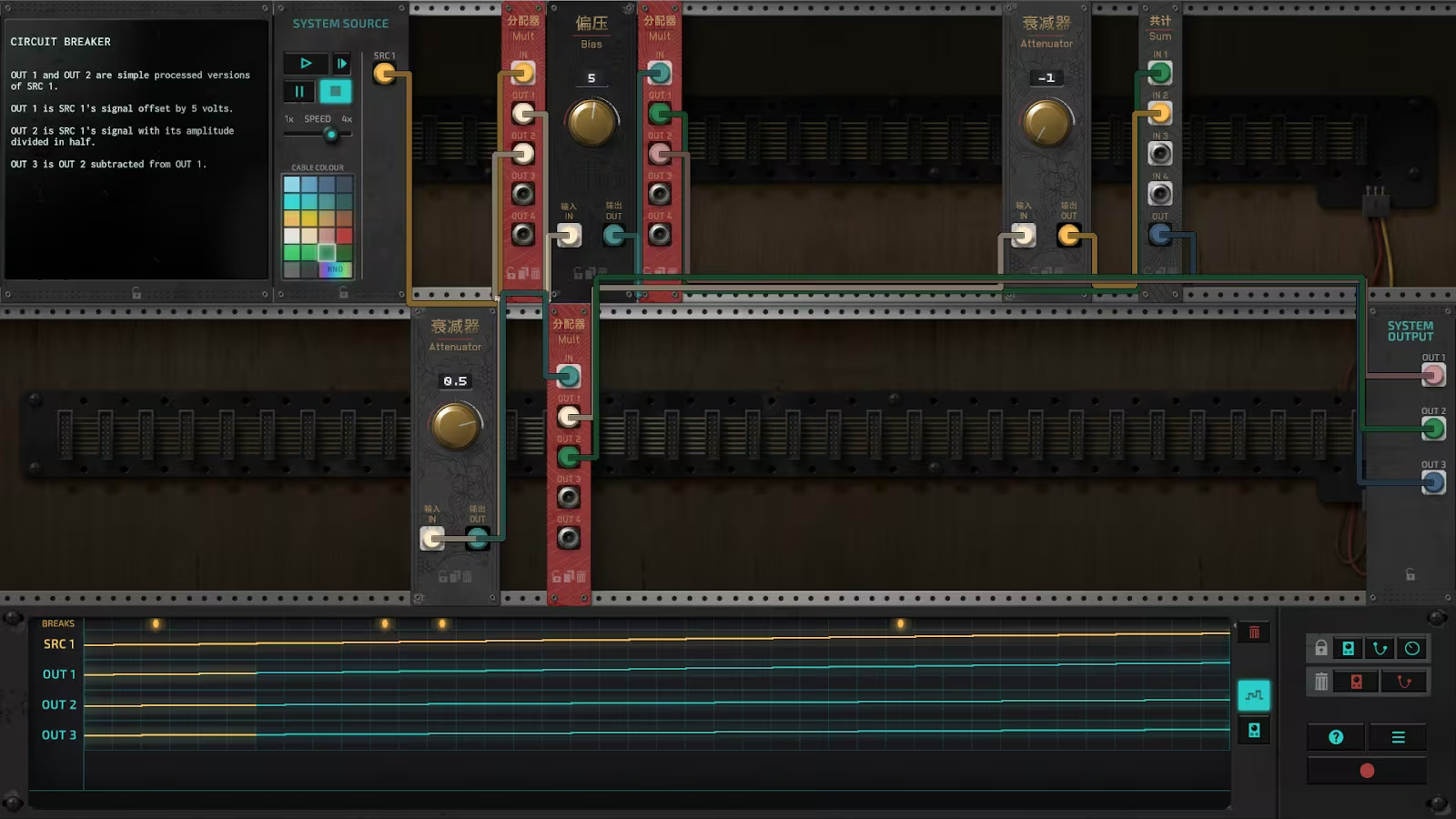
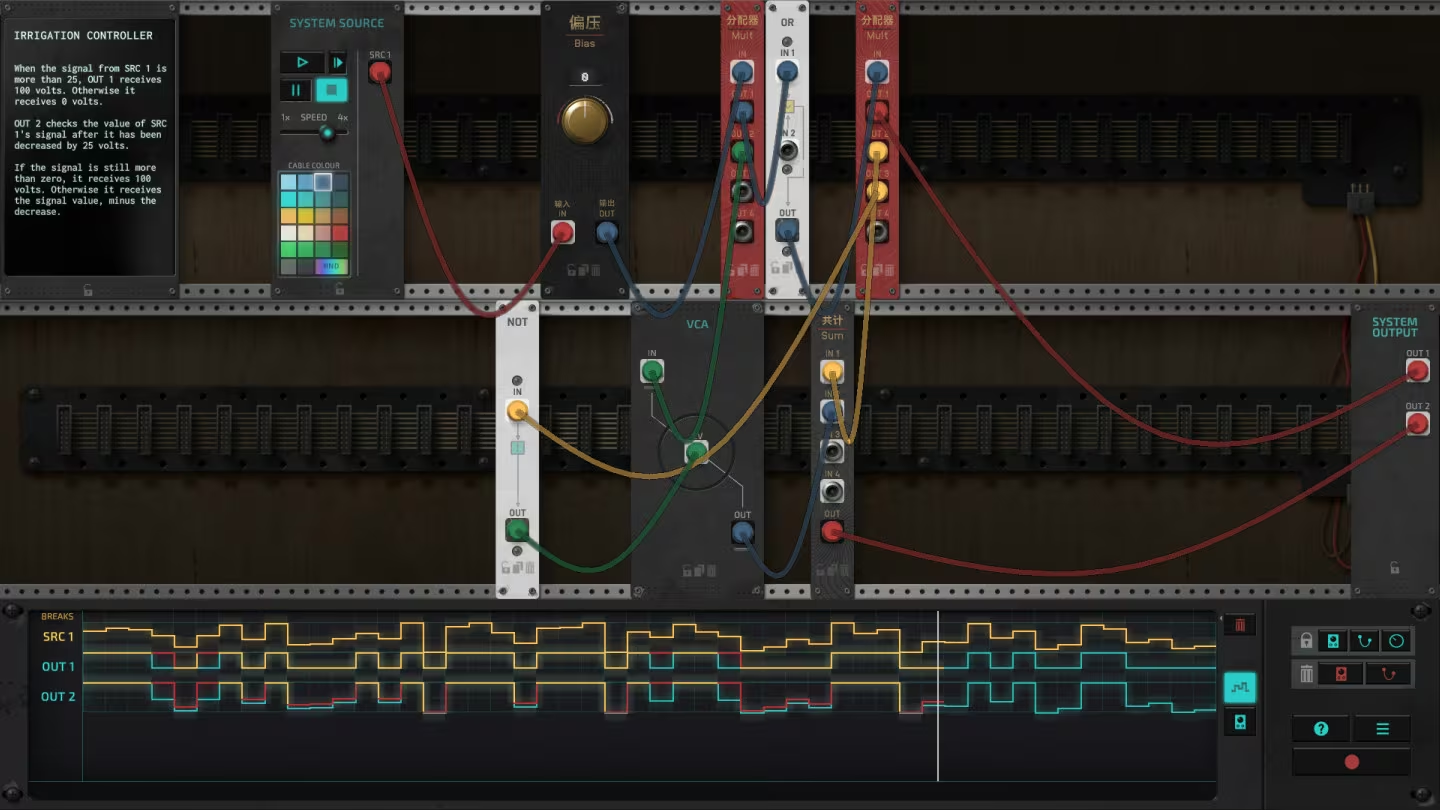
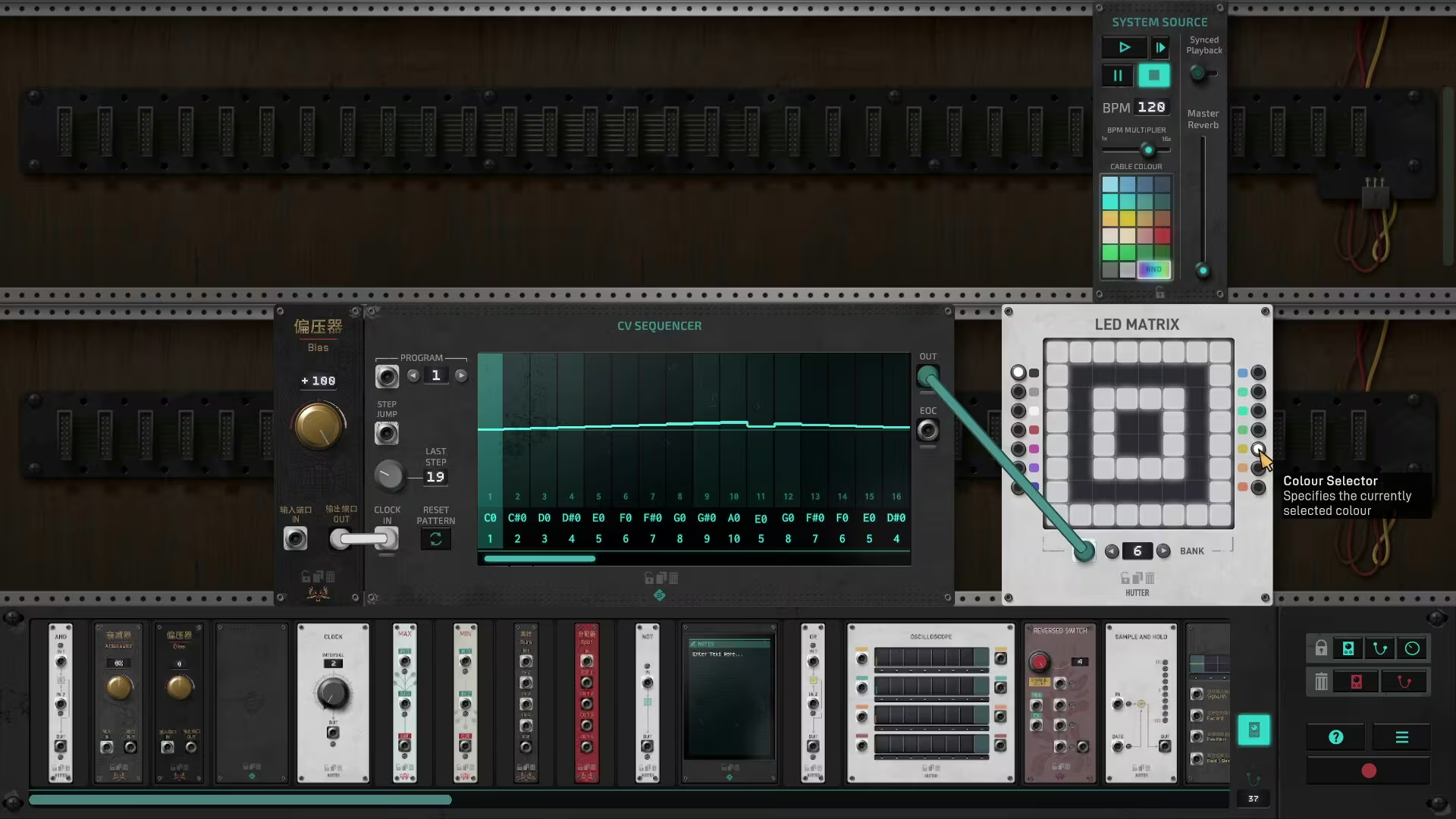
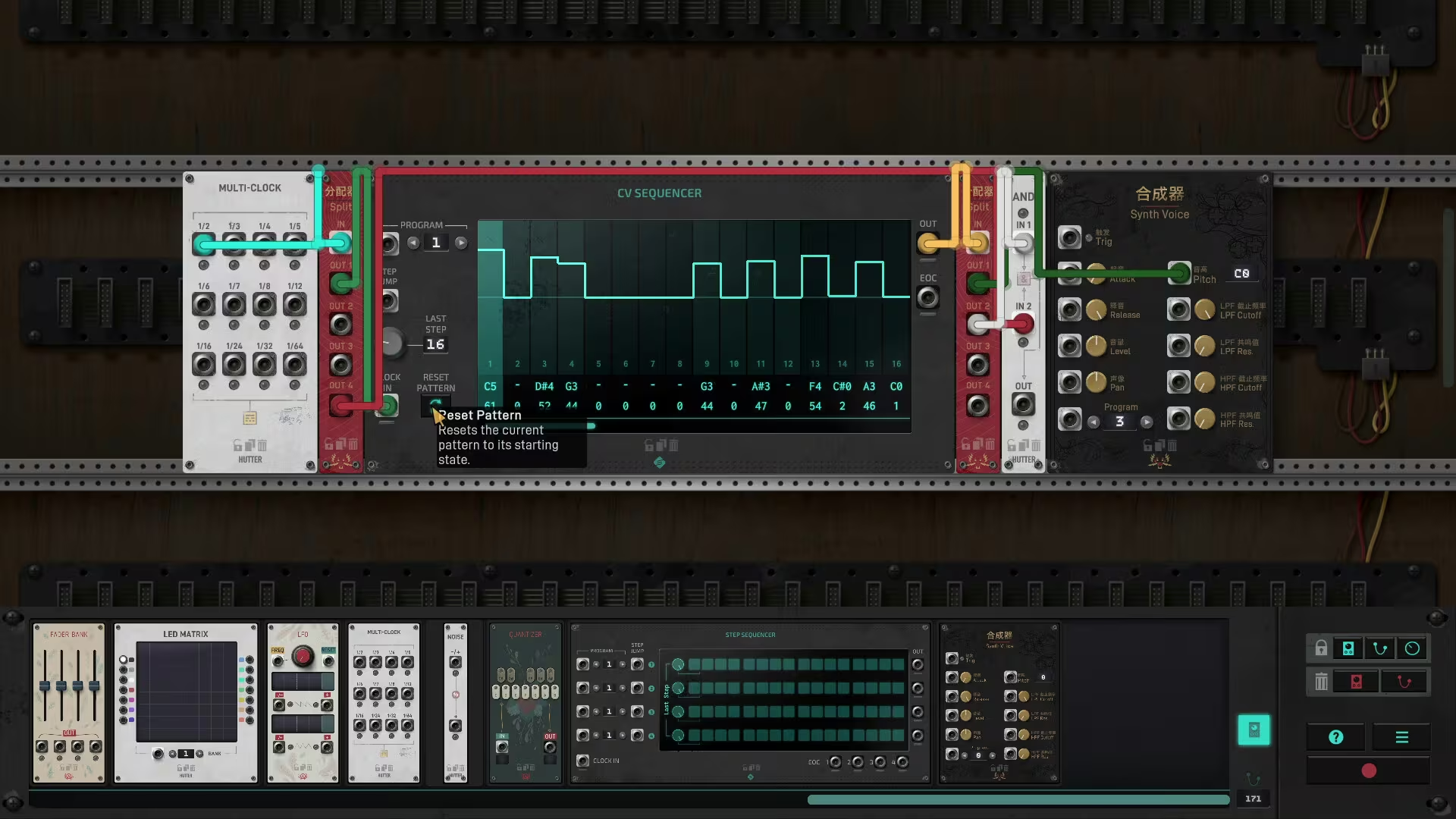
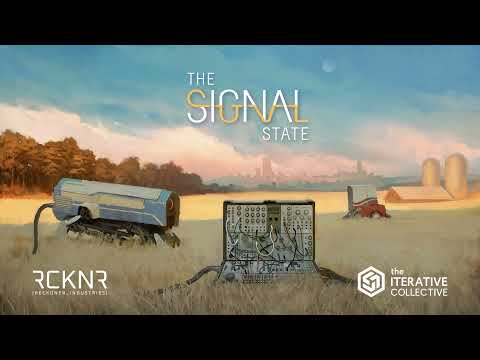
Set in a post-apocalyptic future, The Signal State puts your logic skills to the test with complex puzzles inspired by modular synthesizers. Repair machines, rebuild an abandoned farm, and be part of a revolution that will change the fate of agriculture once and for all.
Global score
87/100
Genres
Simulator, Puzzle
Similar games
Pros
- Challenging and well-designed puzzles
- Innovative modular synth-based mechanics
- Engaging learning curve for logic and synthesis
- Polished interface and visuals
- Active developer support and planned workshop
Cons
- Relatively short main campaign
- Some ui and qol limitations (no undo, fiddly wiring)
- Story is minimal and not immersive
- Leaderboards can be confusing due to ng+ mixing
- Music can be repetitive or distracting
Analysis
Broadly representative of its motivational profile, with a few distinct shifts. Motivations that often define this kind of title include Fantasy, Violence, Story, Thrill. Here, the score leans higher than usual among comparable games on Competition, Status, Story.
How to use the graph
Similar games map
Each dot is a game. They are arranged from the same motivation profile as in the “Motivations” section below. Closer dots usually mean more similar reasons to play (exploration, competition, relaxation, etc.)—not that one game is “better” than another.
- Larger dot with a light outline: the game you are viewing.
- Colour: groups of games with comparable motivation patterns (statistical clusters).
- Hover a dot to see the game name; click to open its page.
- Scroll or double-click the chart to zoom out and see more games.
Why don’t the axes read like a score? This view uses t-SNE: it only keeps who is close to whom. The scales are not “good to bad” or hours played—they separate groups on the map. Read distance between dots, not the axis numbers.
Motivations
-
Autonomy4
"Players freely design and optimize their own circuit solutions with modular components, allowing high control over actions and decisions."
-
Competence4
"The game offers challenging puzzles that require skillful logic and optimization, with feedback via leaderboards and metrics."
-
Competition2
"Leaderboards and scoring encourage comparison, but some players focus on personal optimization and casual play."
-
Continuation1
"Some players engage in extended optimization and replaying puzzles, but the main campaign is relatively short."
-
Cooperation-3
"Gameplay is primarily single-player puzzle solving with limited direct cooperation; some social interaction occurs on Discord."
-
Creativity4
"Players create custom circuit designs and optimize solutions, with sandbox mode and workshop support enhancing creativity."
-
Domination-4
"Interactions are balanced and respectful; no evidence of exerting control or superiority over others."
-
Escapism3
"Players use the game as a mental challenge and distraction, with some enjoying the immersive puzzle experience."
-
Expectation-4
"Players engage voluntarily out of intrinsic interest and enjoyment rather than obligation or pressure."
-
Experimenting4
"The game encourages trying new puzzle approaches, tinkering with modules, and exploring optimization strategies."
-
Exploration1
"Some discovery of new modules and puzzle mechanics occurs, but environments and puzzles are mostly predefined."
-
Expression-2
"Limited customization beyond puzzle solutions; no avatar personalization or cosmetic modifications."
-
Fantasy1
"Set in a post-apocalyptic fictional world, but gameplay focuses on realistic logic and signal processing."
-
Fellowship-3
"Primarily solo play with minimal social connection; community interaction mostly via external Discord."
-
Growth4
"Players learn logic, modular synthesis concepts, and improve problem-solving skills throughout the game."
-
Health-5
"Sedentary gameplay with no physical activity or health-related features."
-
Idle-3
"Requires focused attention and sustained engagement to solve puzzles; not suited for casual idle play."
-
Intimacy-4
"No evidence of close relationships or emotional sharing; social interactions are limited and surface-level."
-
Leadership-4
"No leadership or authoritative roles; players act independently without managing or guiding others."
-
Progression3
"Players accumulate new modules and unlock puzzles, progressing through increasingly complex challenges."
-
Relaxation1
"Music and atmosphere provide some relaxation, but puzzle difficulty and frustration can create tension."
-
Sensation2
"Visuals and music contribute to sensory enjoyment, though some find music repetitive or distracting."
-
Status1
"Leaderboards offer recognition, but social status is limited and not a primary motivation."
-
Story1
"There is a narrative backdrop, but it is minimal and not deeply integrated into gameplay."
-
Strategy4
"Strong emphasis on mental challenge, problem solving, and devising efficient circuit strategies."
-
Thrill-1
"Puzzle solving involves moderate challenge without high suspense or risk."
-
Value2
"Players find good value in the puzzle content and learning experience, though some note the game is short."
-
Violence-5
"No combat or destructive gameplay; focus is on constructive logic and puzzle solving."
-
Survival-5
"No survival elements; gameplay occurs in stable, low-risk puzzle environments."
Last update: 29/04/2026