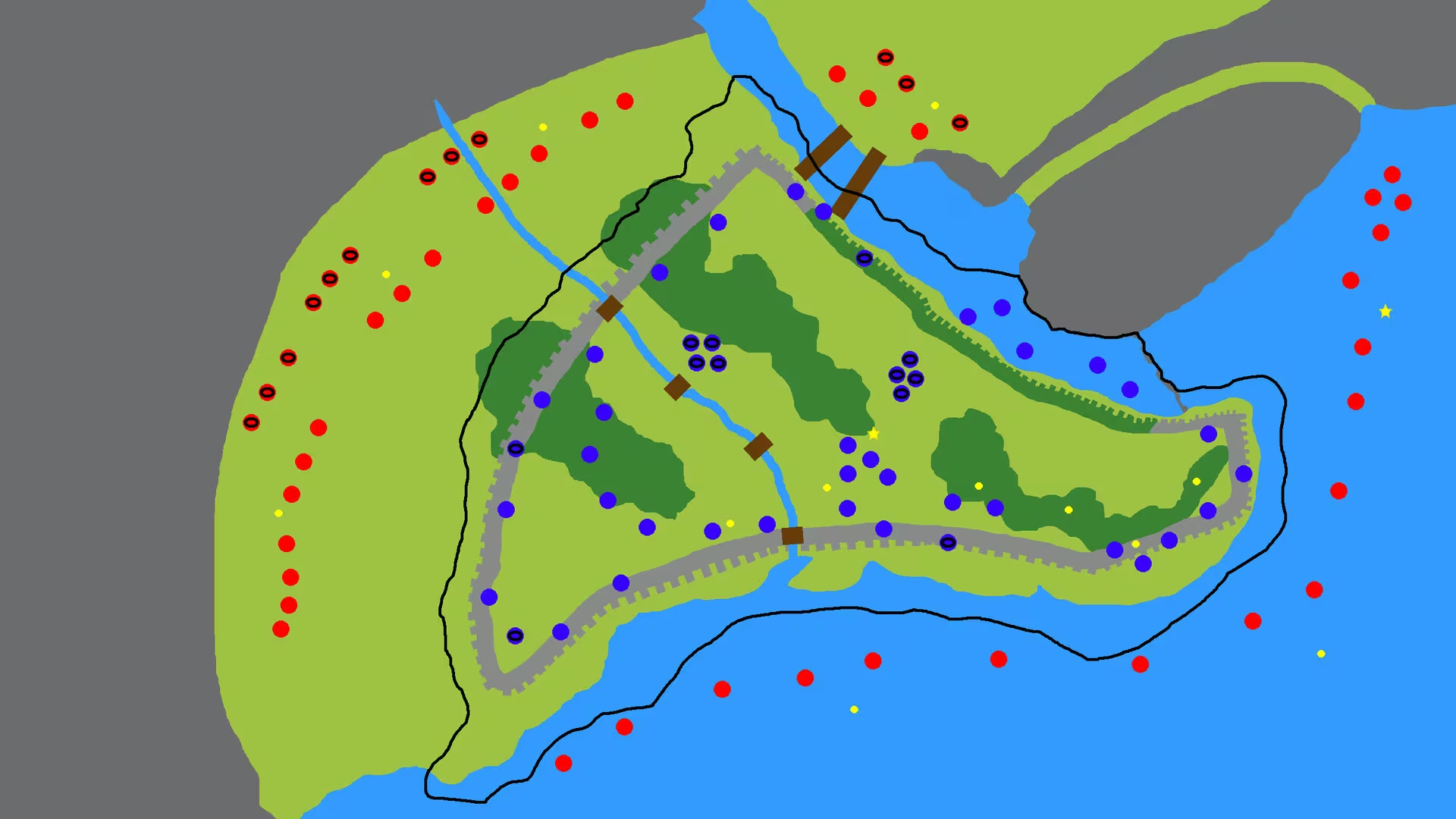
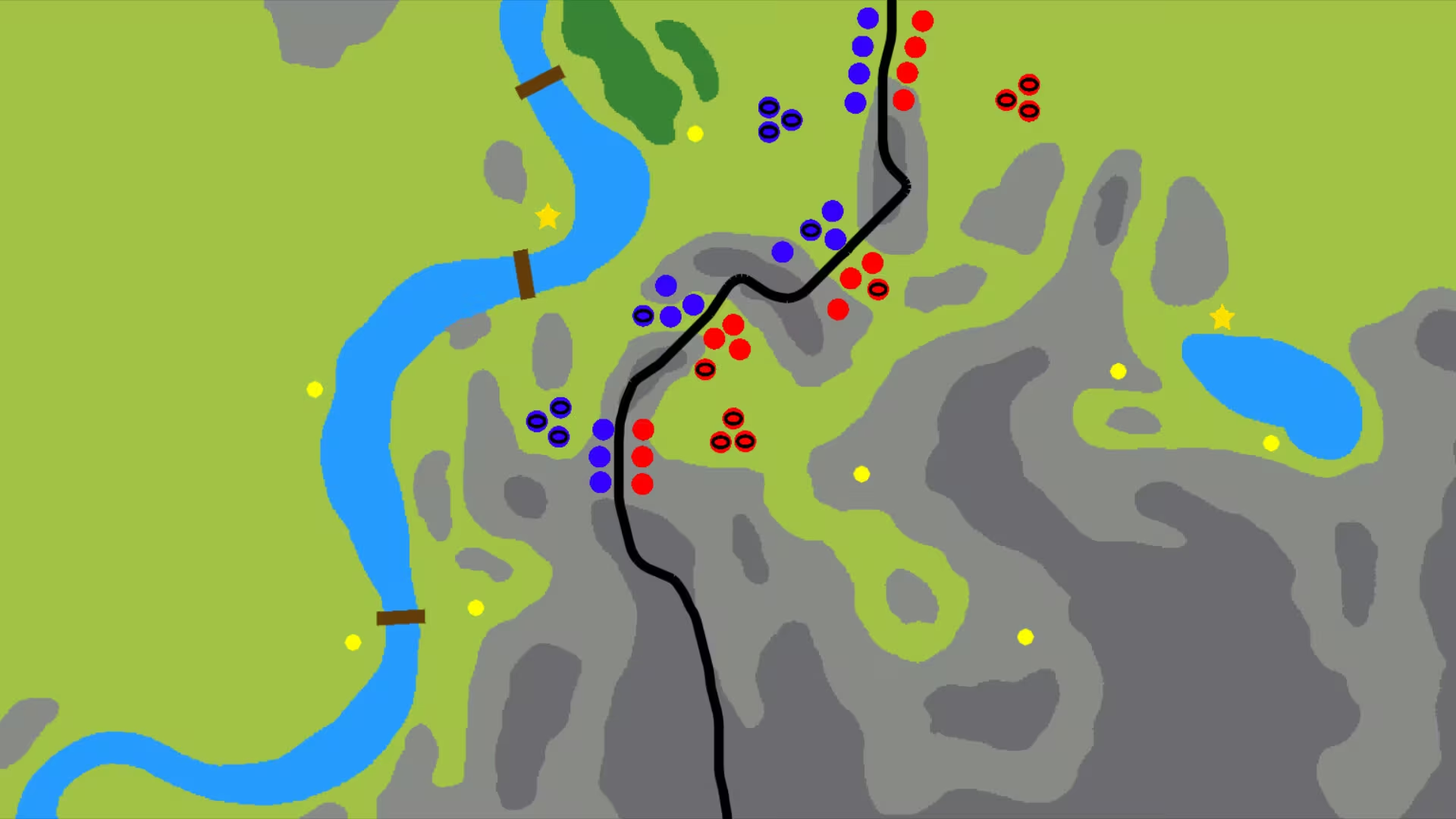
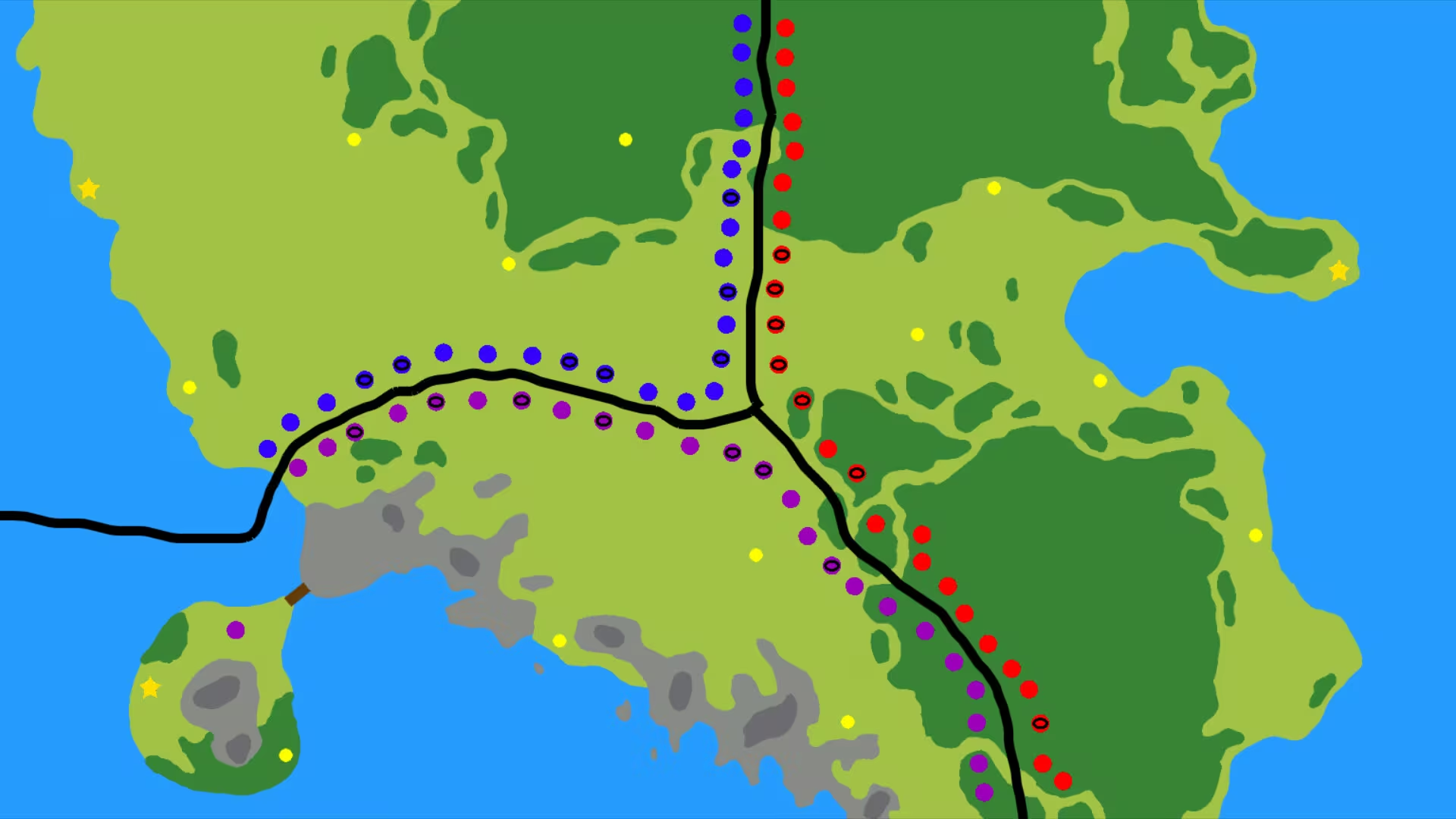
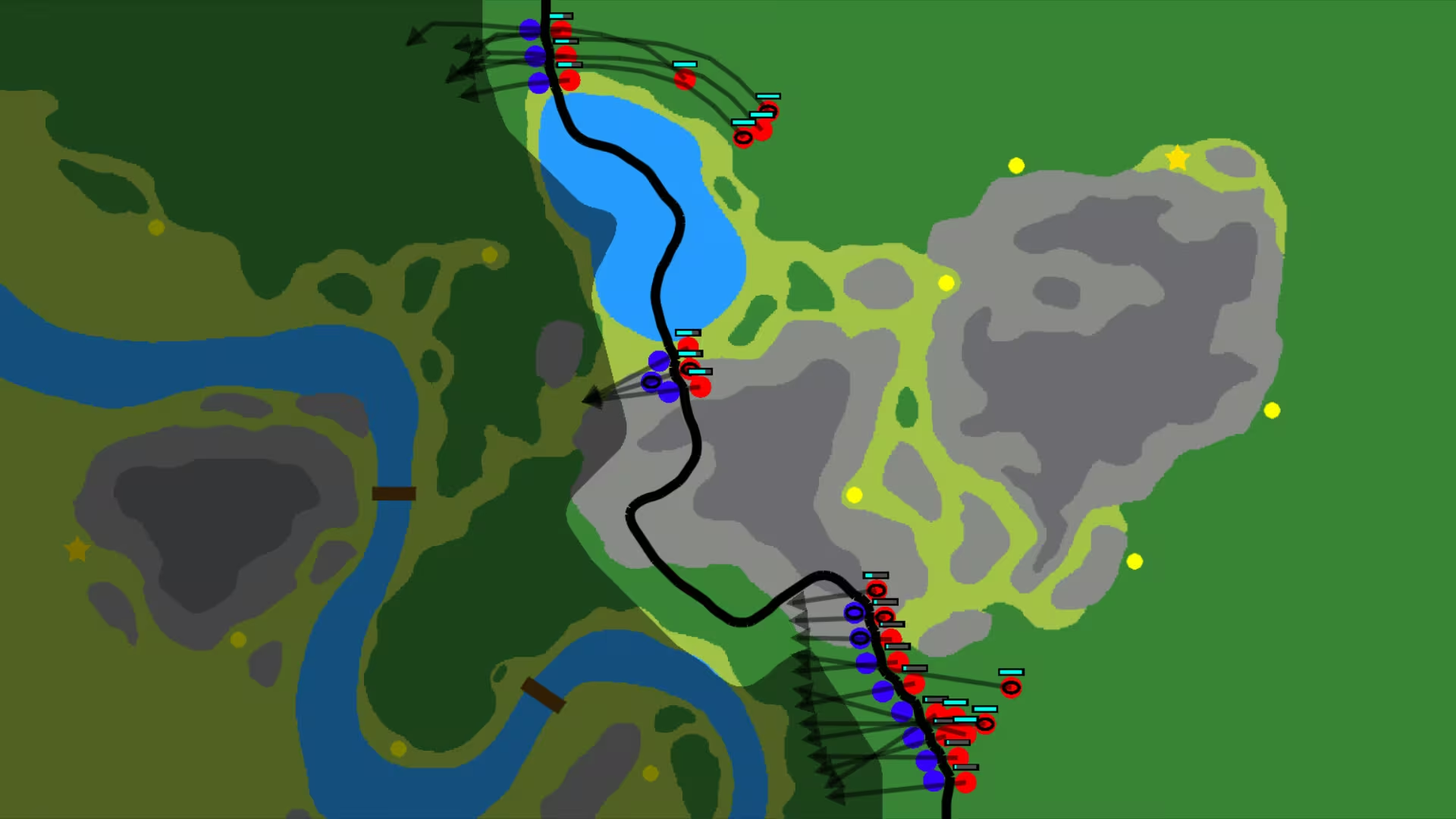
War of Dots Thumbnail

War of Dots similar games & best alternatives

War of Dots

PC (Microsoft Windows) • 2026

Related articles

Quick resume

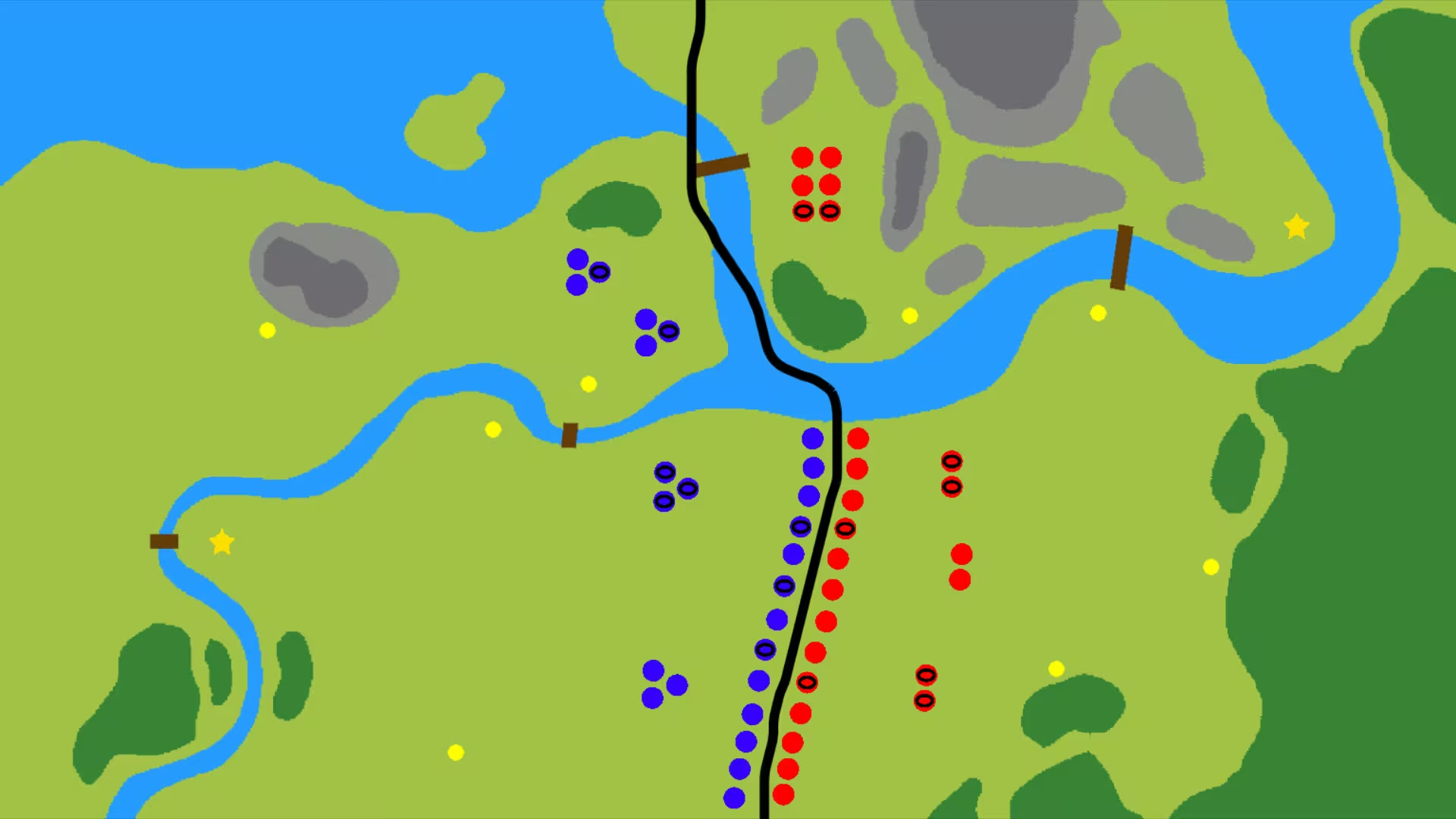
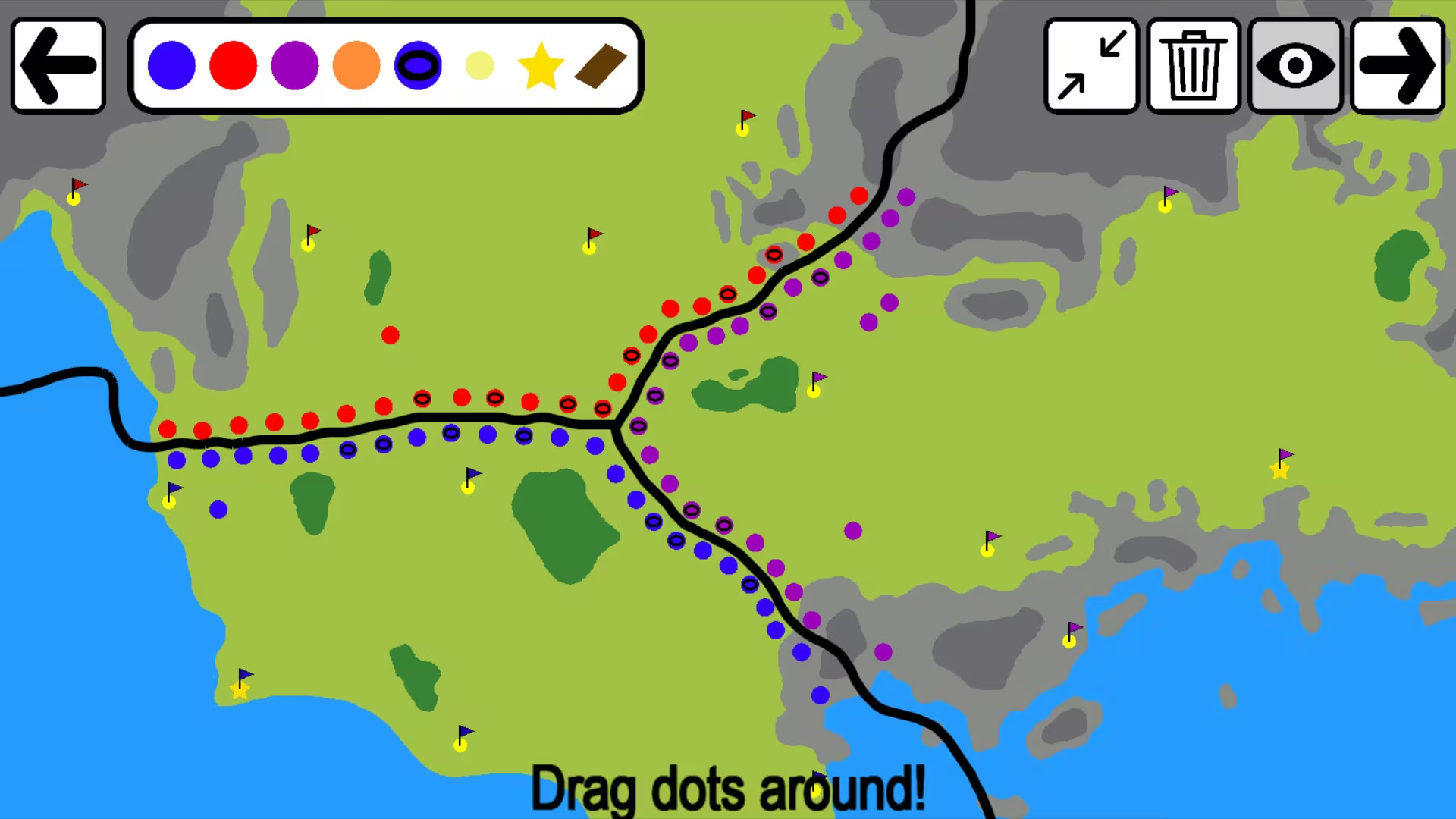
Easy to learn, hard to master. A simple & free RTS game.

Global score

81/100

Genres

Casual, Indie, Strategy, Free To Play, Real Time Strategy (RTS)

Similar games

    Pros

    • Free to play
    • Simple yet deep strategic gameplay
    • Competitive multiplayer and leaderboards
    • Custom map creation and modding potential
    • Engaging tactical challenges

    Cons

    • Clunky and unintuitive controls
    • Ui and menu issues
    • Bugs with unit pathfinding and frontlines
    • Lack of pause function
    • Multiplayer account creation problems

    Analysis

    Broadly representative of its motivational profile, with a few distinct shifts. Motivations that often define this kind of title include Competition, Fellowship, Domination, Status. It leans lower than usual among comparable games on Cooperation, Fantasy, Intimacy.

    How to use the graph
    Similar games map

    Each dot is a game. They are arranged from the same motivation profile as in the “Motivations” section below. Closer dots usually mean more similar reasons to play (exploration, competition, relaxation, etc.)—not that one game is “better” than another.

    • Larger dot with a light outline: the game you are viewing.
    • Colour: groups of games with comparable motivation patterns (statistical clusters).
    • Hover a dot to see the game name; click to open its page.
    • Scroll or double-click the chart to zoom out and see more games.

    Why don’t the axes read like a score? This view uses t-SNE: it only keeps who is close to whom. The scales are not “good to bad” or hours played—they separate groups on the map. Read distance between dots, not the axis numbers.

    Motivations

    • Autonomy
      3

      "Players have freedom to direct unit movements and tactics, but constrained by some clunky controls and UI limitations."

    • Competence
      4

      "Game offers skill-based tactical challenges and rewards thoughtful play and micro-management."

    • Competition
      4

      "Includes multiplayer with ranked leaderboards and competitive matches against AI and other players."

    • Continuation
      3

      "Players report long sessions and habitual play, though some frustration with bugs may limit engagement."

    • Cooperation
      -2

      "Focus is primarily on individual play and personal tactics; limited evidence of cooperative gameplay."

    • Creativity
      3

      "Players can create custom maps and suggest modding support, enabling creative expression."

    • Domination
      2

      "Competitive multiplayer and encirclement tactics imply exerting superiority, but no toxic behavior strongly reported."

    • Escapism
      3

      "Players use game as a distraction and stress relief with immersive strategic gameplay."

    • Expectation
      -3

      "Players engage voluntarily out of intrinsic interest and enjoyment rather than obligation."

    • Experimenting
      3

      "Players explore different tactics, unit compositions, and map strategies; some desire for new modes."

    • Exploration
      1

      "Some discovery in custom maps and tactical possibilities, but limited environmental exploration."

    • Expression
      2

      "Customization mainly through map creation and some cosmetic options; limited avatar personalization."

    • Fantasy
      -2

      "Game simulates realistic military strategy and tactics rather than imaginative or fictional scenarios."

    • Fellowship
      1

      "Some community interaction via multiplayer and Discord, but mostly individual gameplay focus."

    • Growth
      4

      "Players report learning curve and skill improvement; tactical depth encourages personal development."

    • Health
      -5

      "Standard sedentary gameplay with no physical activity or health-related features."

    • Idle
      -3

      "Requires continuous attention and micro-management; not suited for background or idle play."

    • Intimacy
      -3

      "Social interactions are surface-level, limited to multiplayer matches and community chat."

    • Leadership
      2

      "Players manage units and direct strategies, but no evidence of formal leadership or group management roles."

    • Progression
      3

      "Players accumulate control over cities and units; some desire for more upgrades and unit types."

    • Relaxation
      1

      "Game can be relaxing but also induces tension due to micro-management and competitive pressure."

    • Sensation
      1

      "Simple graphics and sounds provide moderate sensory stimulation; focus is on strategic gameplay."

    • Status
      3

      "Leaderboards and multiplayer rankings provide social recognition and status."

    • Story
      0

      "Minimal lore and narrative; gameplay is mostly context-free strategy matches."

    • Strategy
      5

      "Core gameplay centers on tactical positioning, planning, and problem solving."

    • Thrill
      3

      "Players experience suspense and excitement from battles and close matches."

    • Value
      5

      "Free to play with substantial content and replayability, perceived as excellent value."

    • Violence
      3

      "Combat and destruction of enemy units are central gameplay elements."

    • Survival
      3

      "Players must manage threats and avoid defeat through tactical defense and resource control."

    Last update: 29/04/2026