Asgard's Fall: Origins Thumbnail

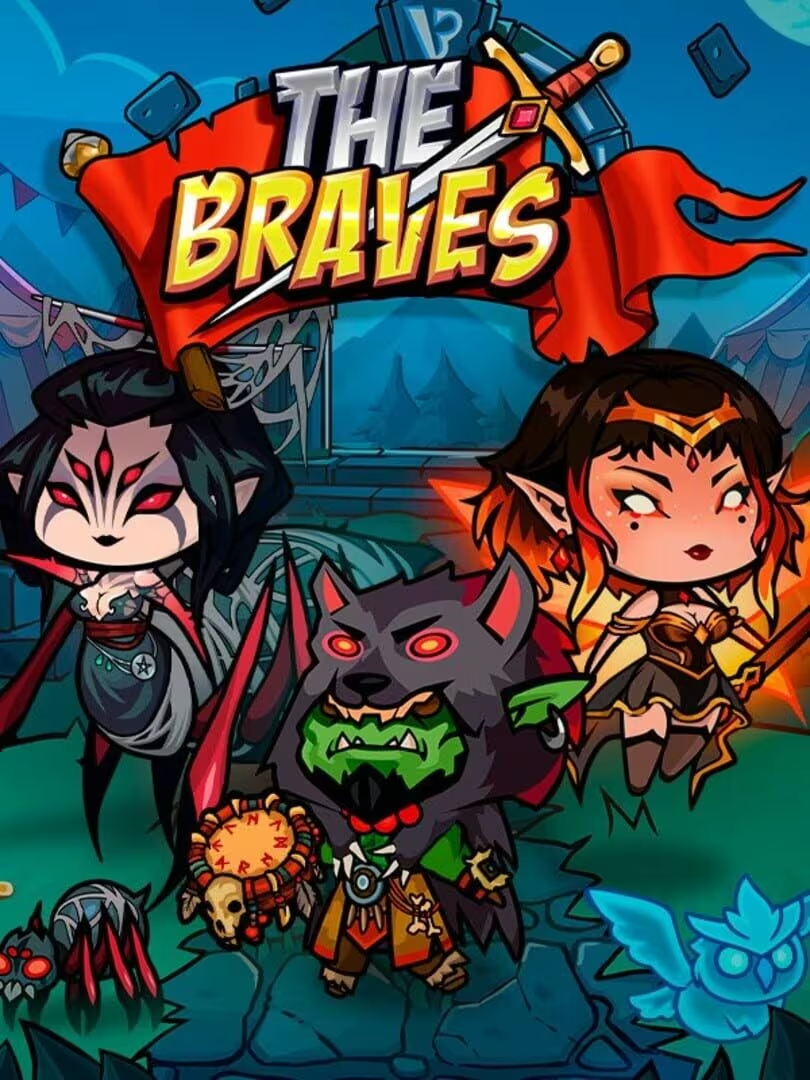
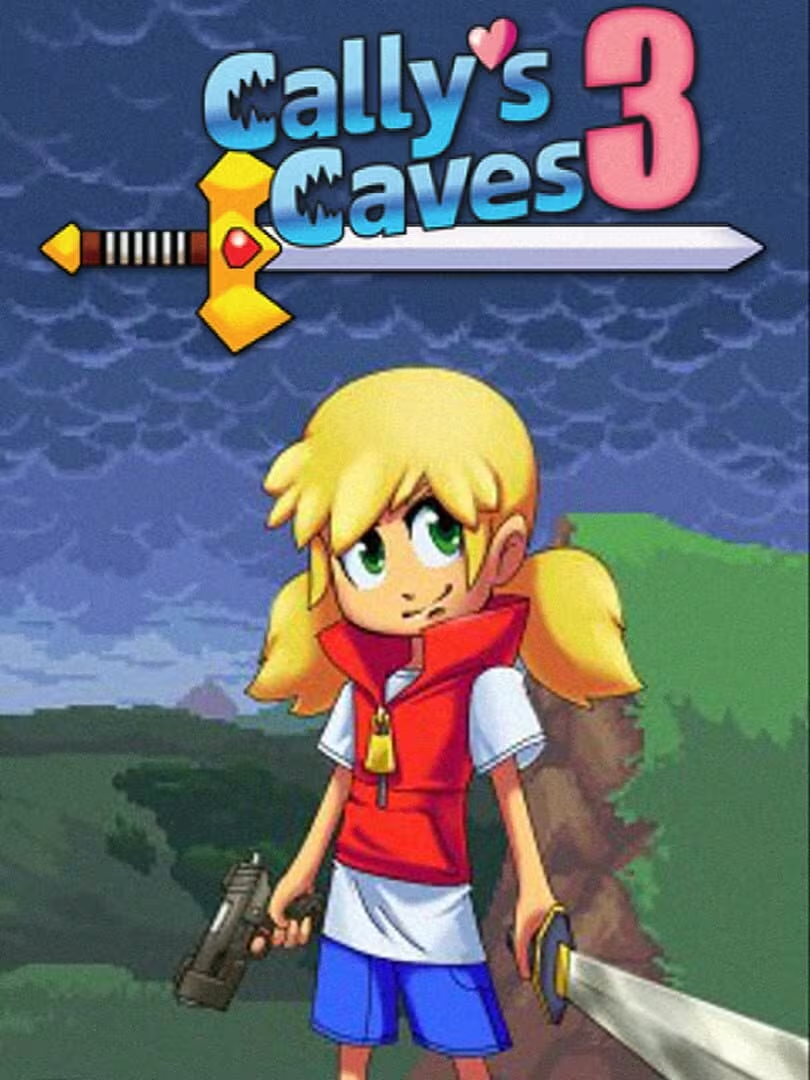
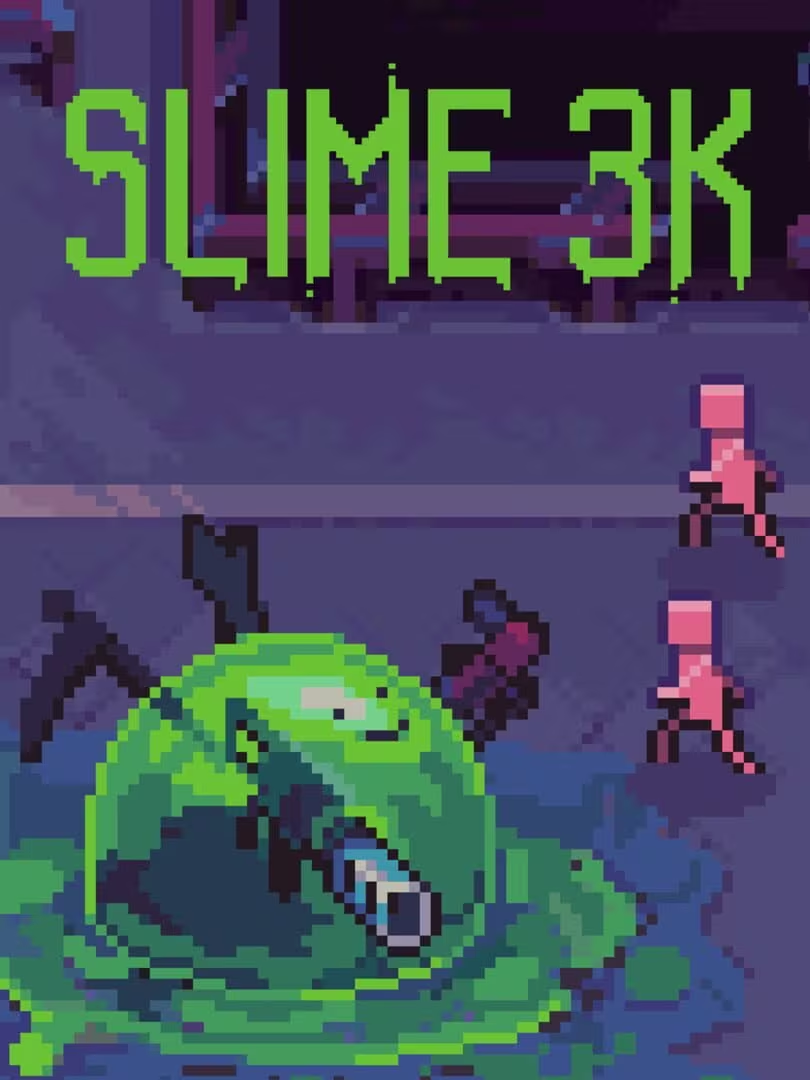
Asgard's Fall: Origins similar games & best alternatives

Asgard's Fall: Origins

PC (Microsoft Windows) • 2024

Related articles

Quick resume

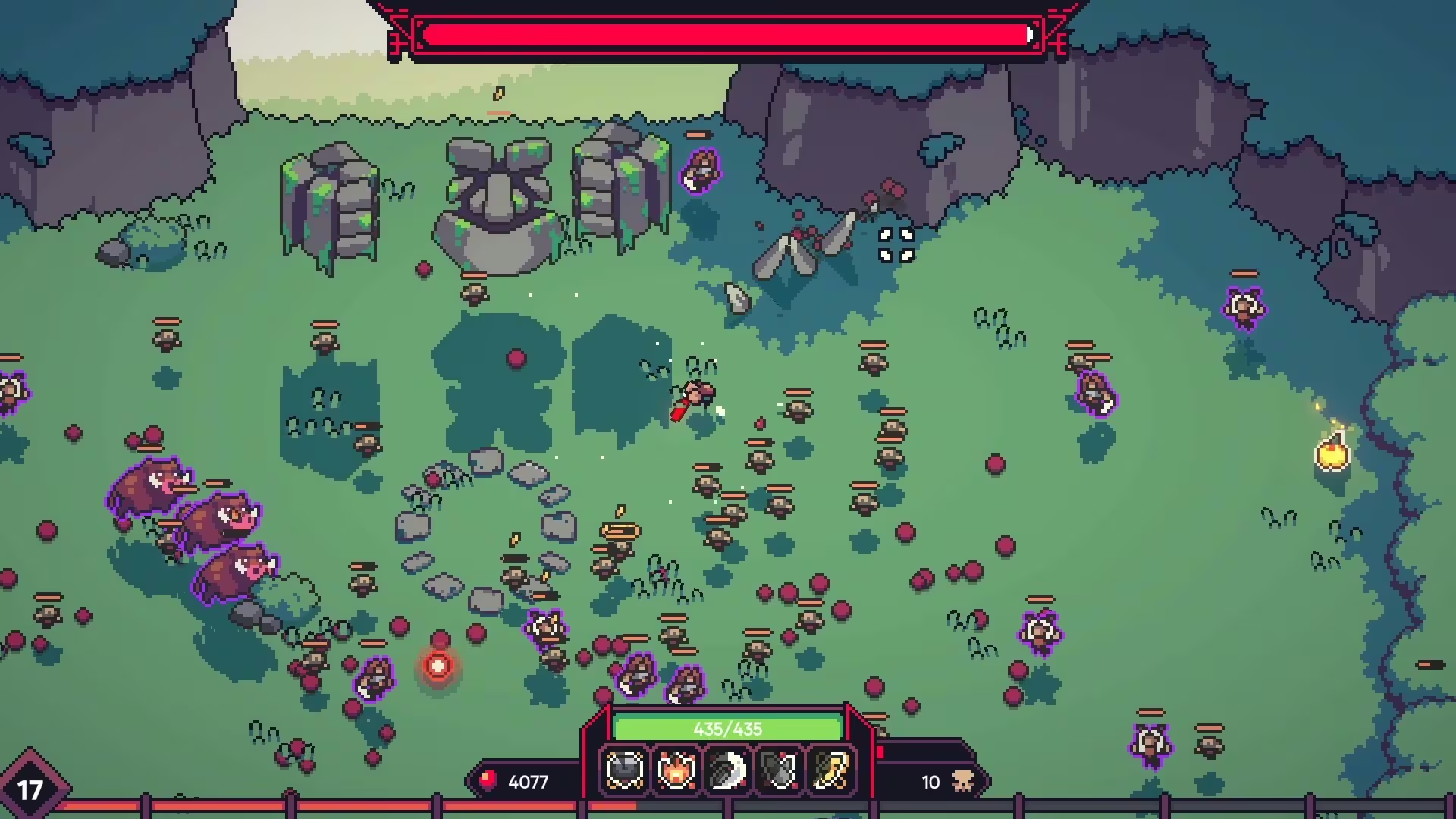
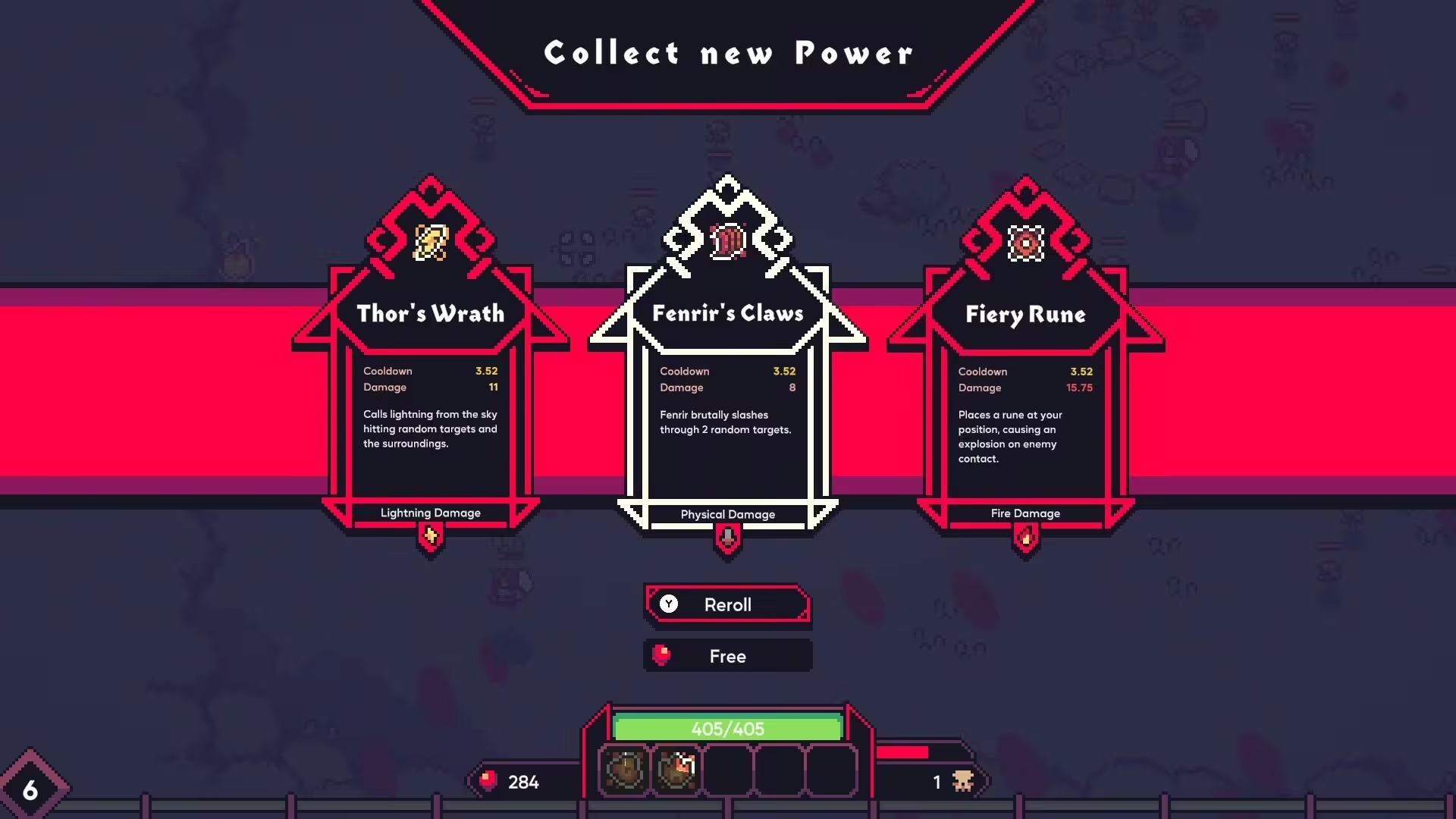
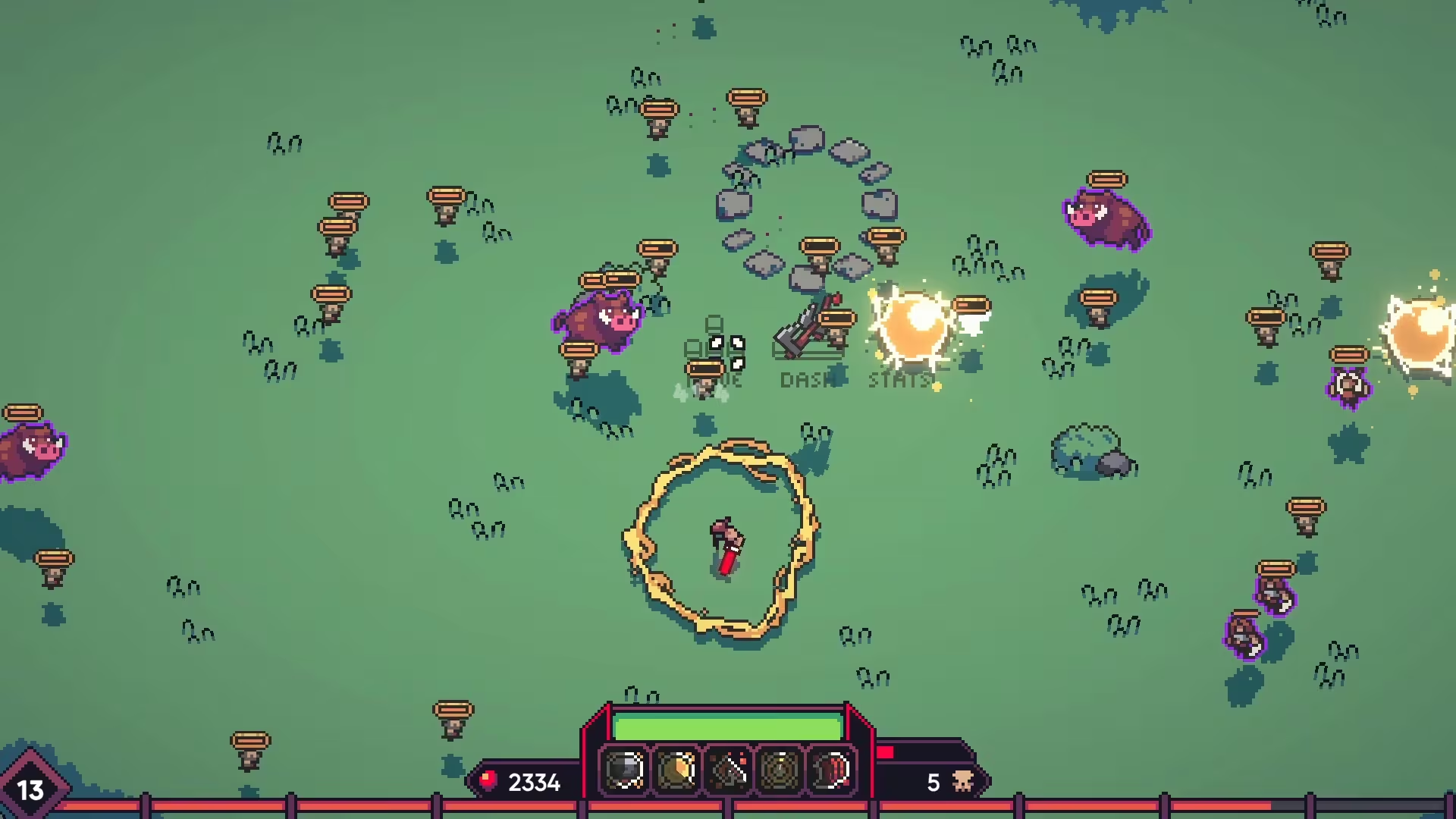
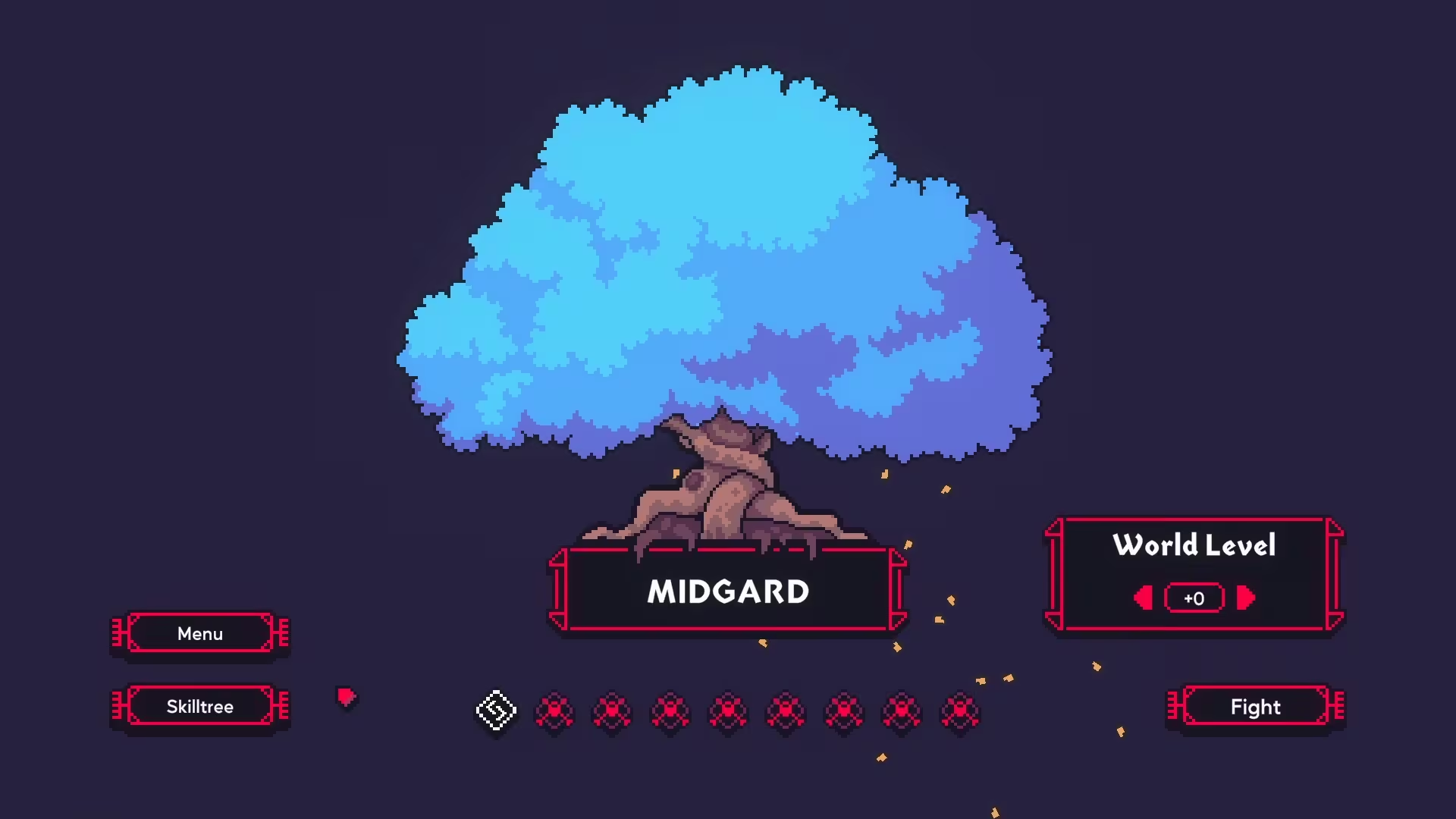
Embark on an epic saga in Asgard's Fall, a Norse Survivors-like Roguelite. Fight your way through hordes of creatures and let the gods feel your relentless wrath. How will your saga unfold?

Global score

88/100

Genres

Action, Adventure, Casual, Indie, Role-playing (RPG), Strategy, Free To Play

Similar games

    Pros

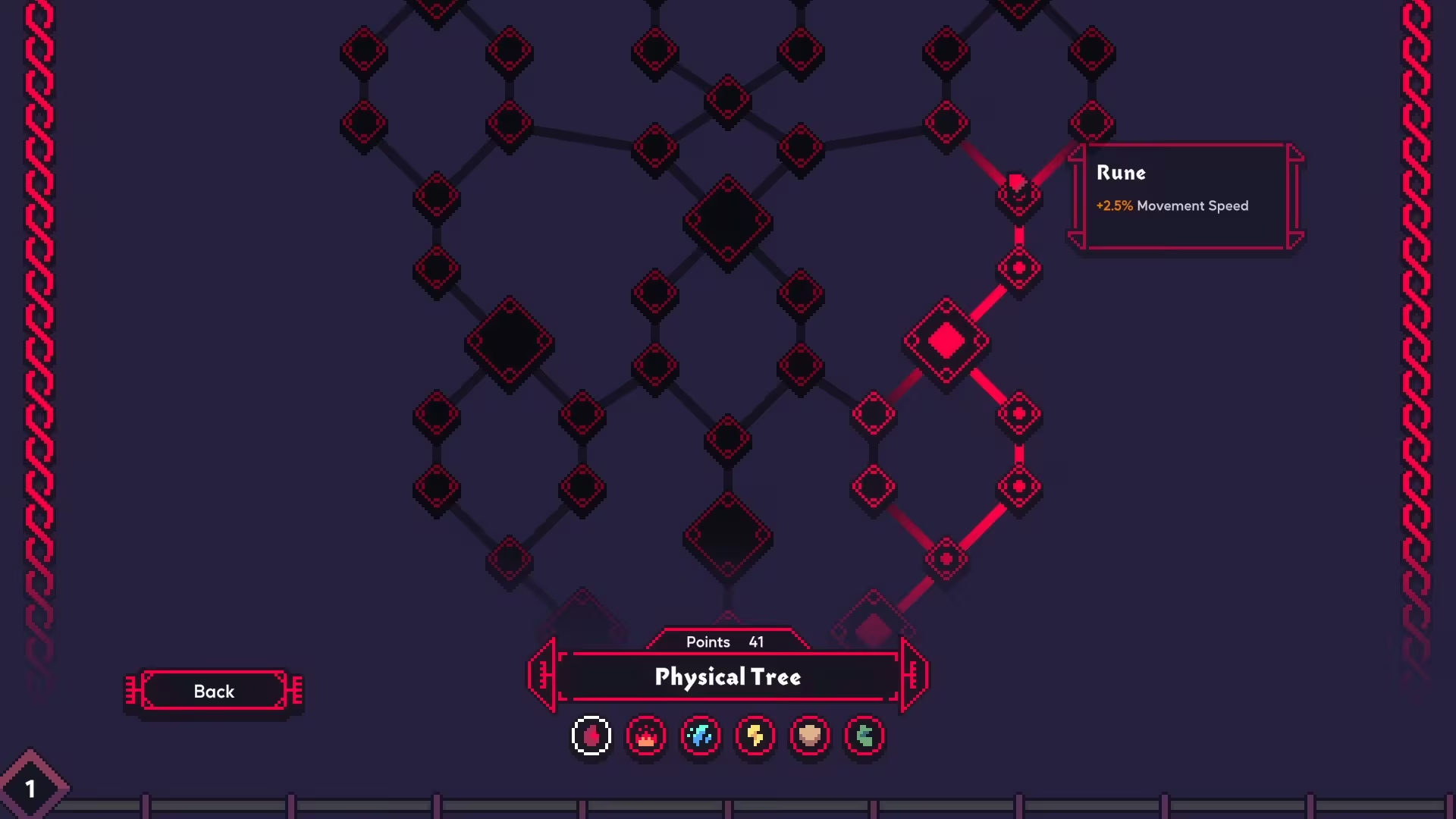
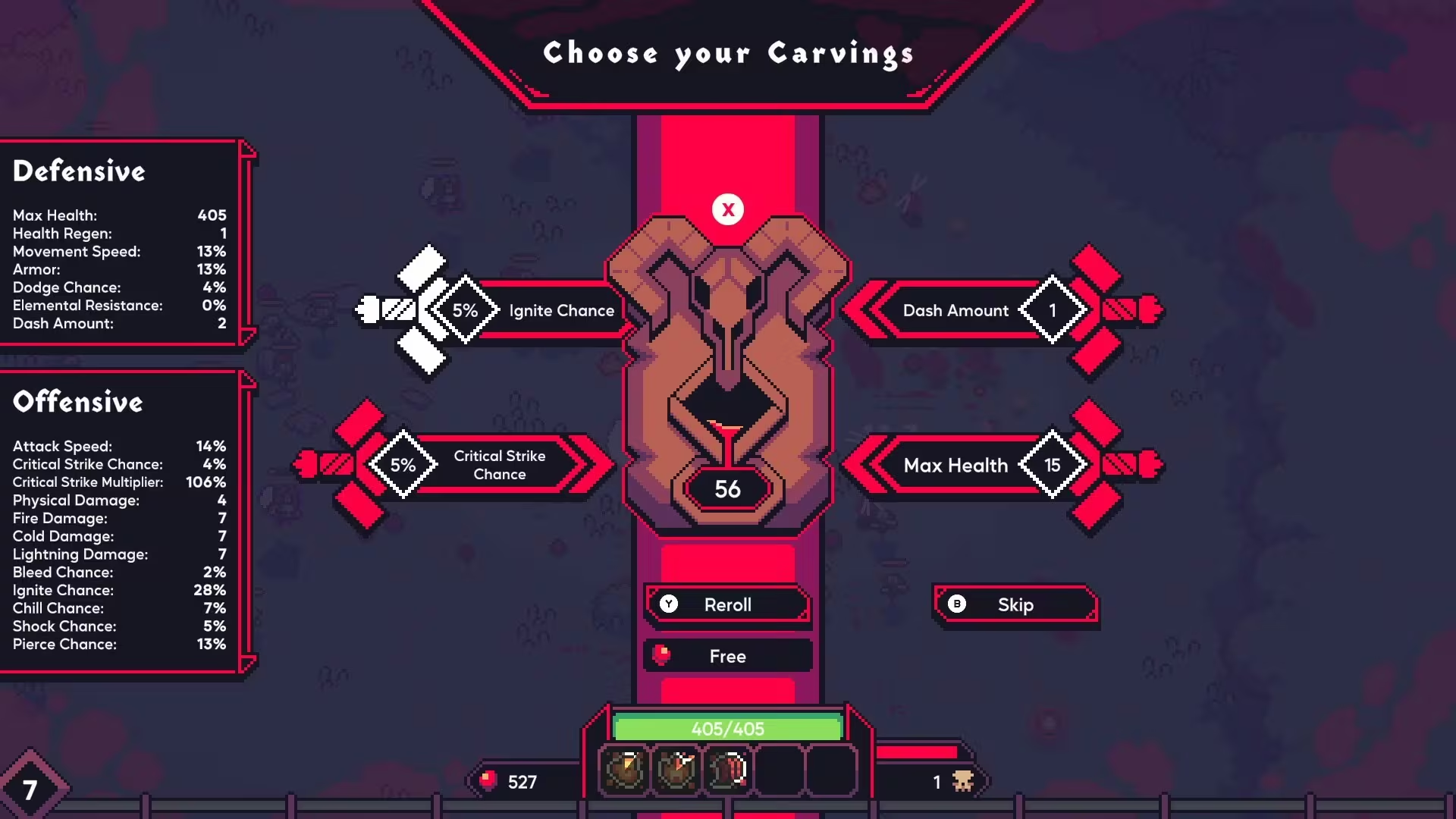
    • Engaging skill tree and upgrade system
    • Appealing norse fantasy art style
    • Smooth controls and satisfying combat
    • Free demo with promising content
    • Good replayability and progression mechanics

    Cons

    • Repetitive gameplay and limited enemy variety
    • Difficulty scaling issues and balance problems
    • Lack of content and maps in demo
    • Some ui and control quirks
    • No multiplayer or social features

    Analysis

    Broadly representative of its motivational profile, with a few distinct shifts. Motivations that often define this kind of title include Expression, Fellowship, Cooperation, Competition. Here, the score leans higher than usual among comparable games on Value. It leans lower than usual among comparable games on Story, Exploration.

    How to use the graph
    Similar games map

    Each dot is a game. They are arranged from the same motivation profile as in the “Motivations” section below. Closer dots usually mean more similar reasons to play (exploration, competition, relaxation, etc.)—not that one game is “better” than another.

    • Larger dot with a light outline: the game you are viewing.
    • Colour: groups of games with comparable motivation patterns (statistical clusters).
    • Hover a dot to see the game name; click to open its page.
    • Scroll or double-click the chart to zoom out and see more games.

    Why don’t the axes read like a score? This view uses t-SNE: it only keeps who is close to whom. The scales are not “good to bad” or hours played—they separate groups on the map. Read distance between dots, not the axis numbers.

    Motivations

    • Autonomy
      3

      "Players have control over ability choices and skill trees, with some freedom in upgrading and playstyle."

    • Competence
      2

      "Game involves skill upgrades and some challenge, but many players find it easy or repetitive after progression."

    • Competition
      -4

      "Focus is on personal progression and individual runs; no mention of ranked modes or direct player comparison."

    • Continuation
      3

      "Players report hours of play and desire to keep upgrading and progressing, though some find it repetitive."

    • Cooperation
      -5

      "Game is single-player focused with no cooperative elements mentioned."

    • Creativity
      2

      "Skill trees and ability combinations allow some customization, though upgrades are mostly stat increases."

    • Domination
      -5

      "No evidence of exerting control over others; gameplay is individual and self-focused."

    • Escapism
      3

      "Players use the game as a fun distraction and time filler, enjoying its art and gameplay."

    • Expectation
      -4

      "Players engage voluntarily for fun and personal interest, not out of obligation."

    • Experimenting
      3

      "Players experiment with different skill trees and ability builds, though some upgrades are repetitive."

    • Exploration
      -3

      "Currently limited to one map in demo; players desire more variety and new areas in full release."

    • Expression
      -2

      "Some customization via skill trees and ability choices, but no avatar or cosmetic personalization."

    • Fantasy
      4

      "Norse mythology theme with fantasy elements like gods, magic, and mythical creatures."

    • Fellowship
      -5

      "No social or community features described; gameplay is solo."

    • Growth
      3

      "Players develop skills and knowledge of builds and strategies; meta-progression through skill trees."

    • Health
      -5

      "No physical activity or health-related features; typical sedentary gameplay."

    • Idle
      -3

      "Requires player attention and active control; some players find it repetitive but not idle."

    • Intimacy
      -5

      "No evidence of close social relationships or emotional sharing."

    • Leadership
      -5

      "No leadership or group management roles; single-player focus."

    • Progression
      4

      "Strong emphasis on accumulating upgrades, skill points, and character power over runs."

    • Relaxation
      1

      "Some players find it relaxing and satisfying; others find it repetitive or slow."

    • Sensation
      2

      "Enjoyable art, sound, and satisfying combat effects provide sensory stimulation."

    • Status
      -5

      "No social recognition or leaderboard features mentioned."

    • Story
      -3

      "Minimal narrative or lore in demo; focus is on gameplay loops rather than story."

    • Strategy
      2

      "Some strategic choices in skill and stat upgrades, but gameplay largely involves straightforward combat."

    • Thrill
      1

      "Some tension from survival and boss fights, but many find difficulty low or enemies predictable."

    • Value
      4

      "Free demo praised for value; players appreciate content for time invested."

    • Violence
      3

      "Combat and destruction of enemies are core gameplay elements."

    • Survival
      2

      "Players manage health and avoid death in waves of enemies; survival is a gameplay focus."

    Last update: 29/04/2026