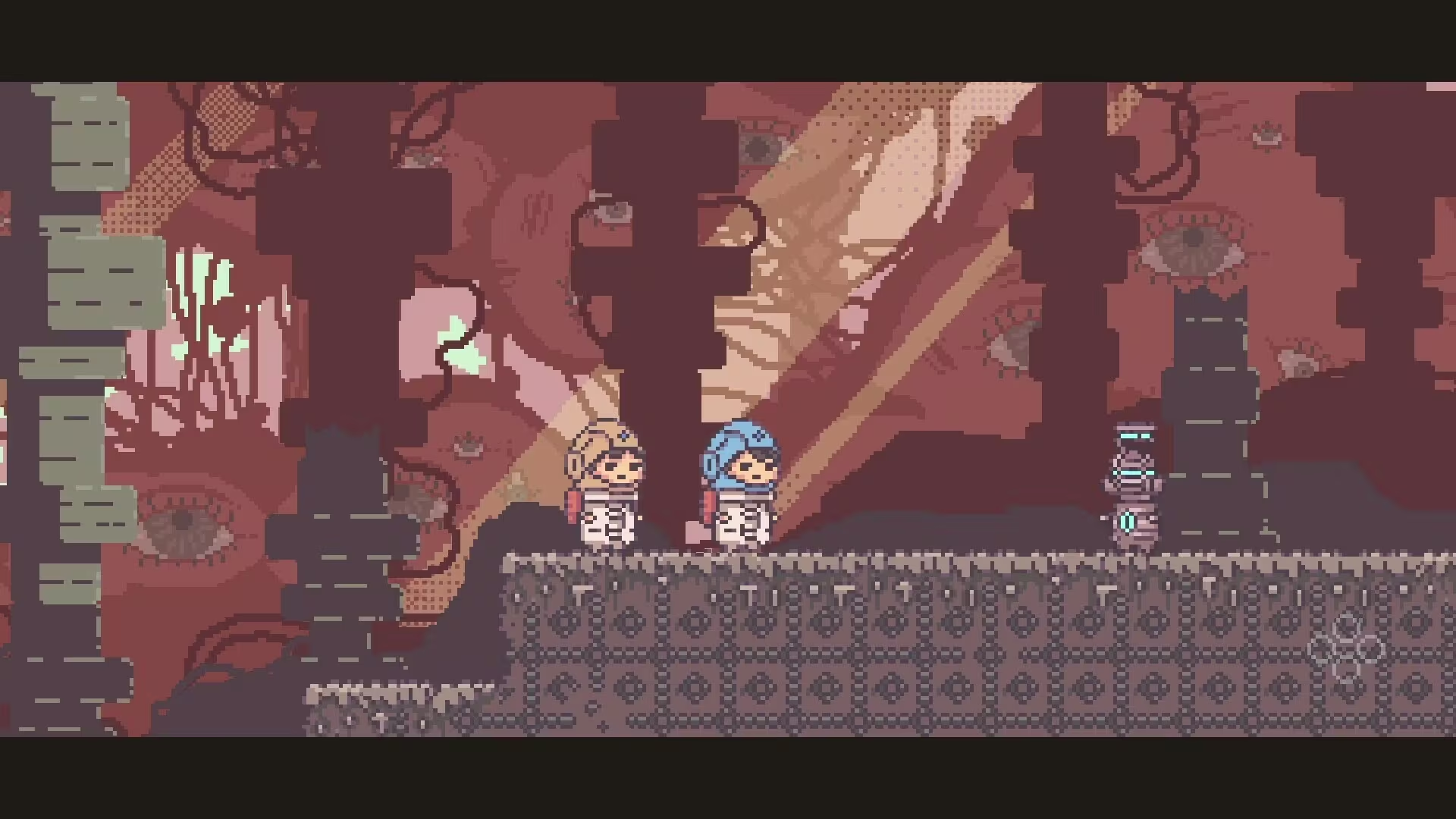
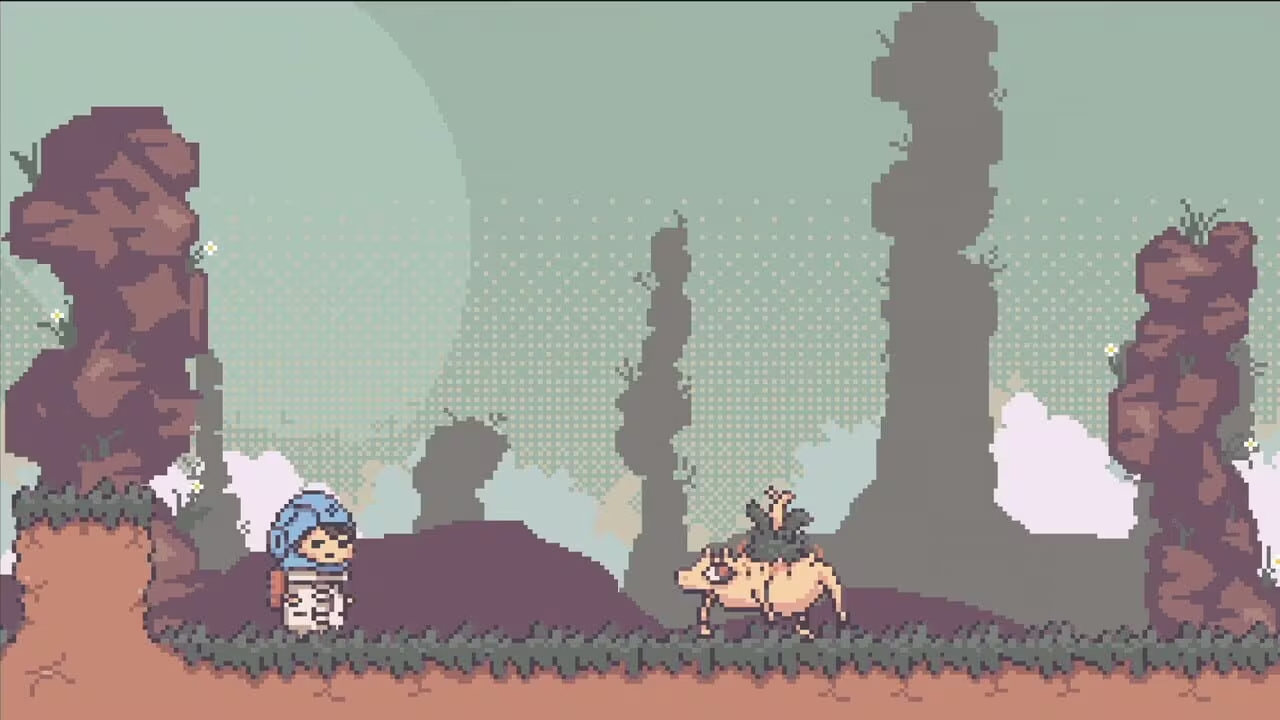
BOKURA: planet Thumbnail

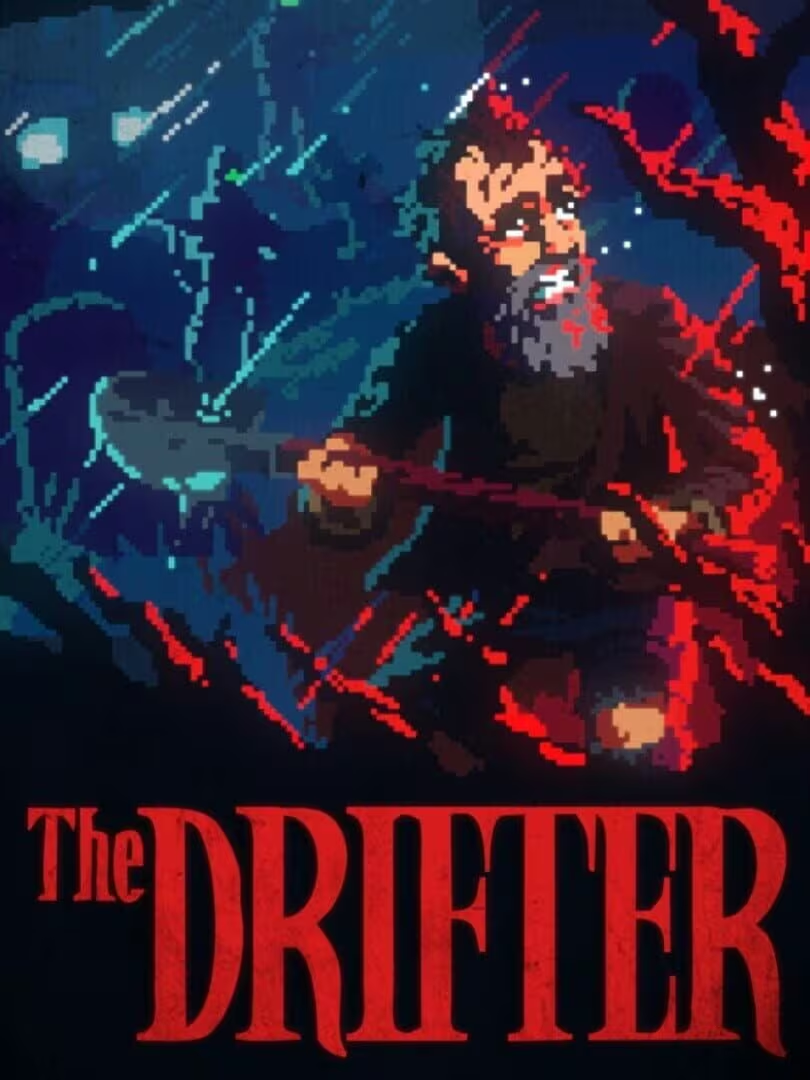
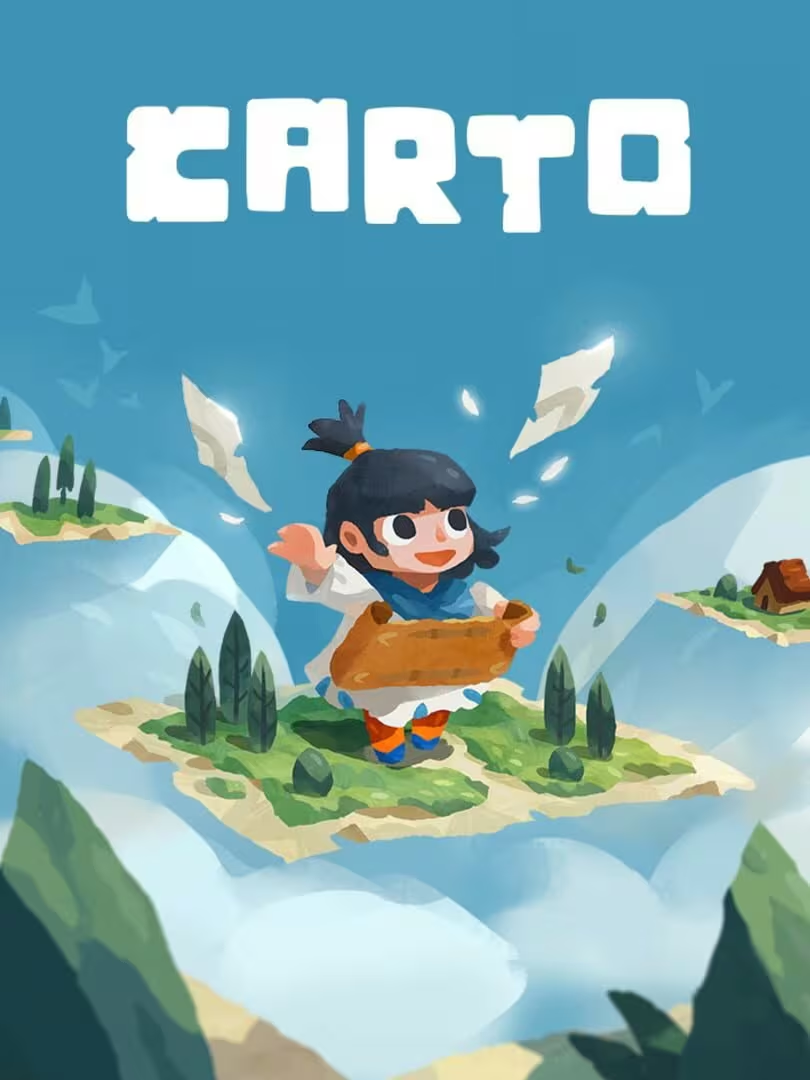
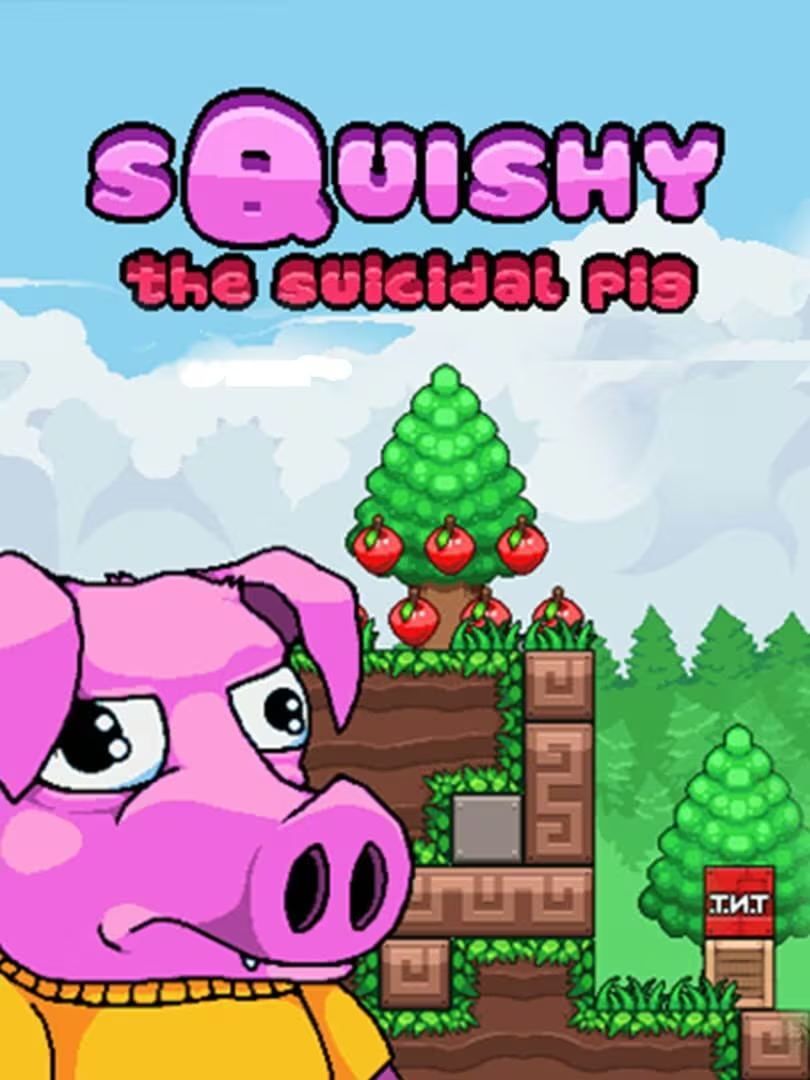
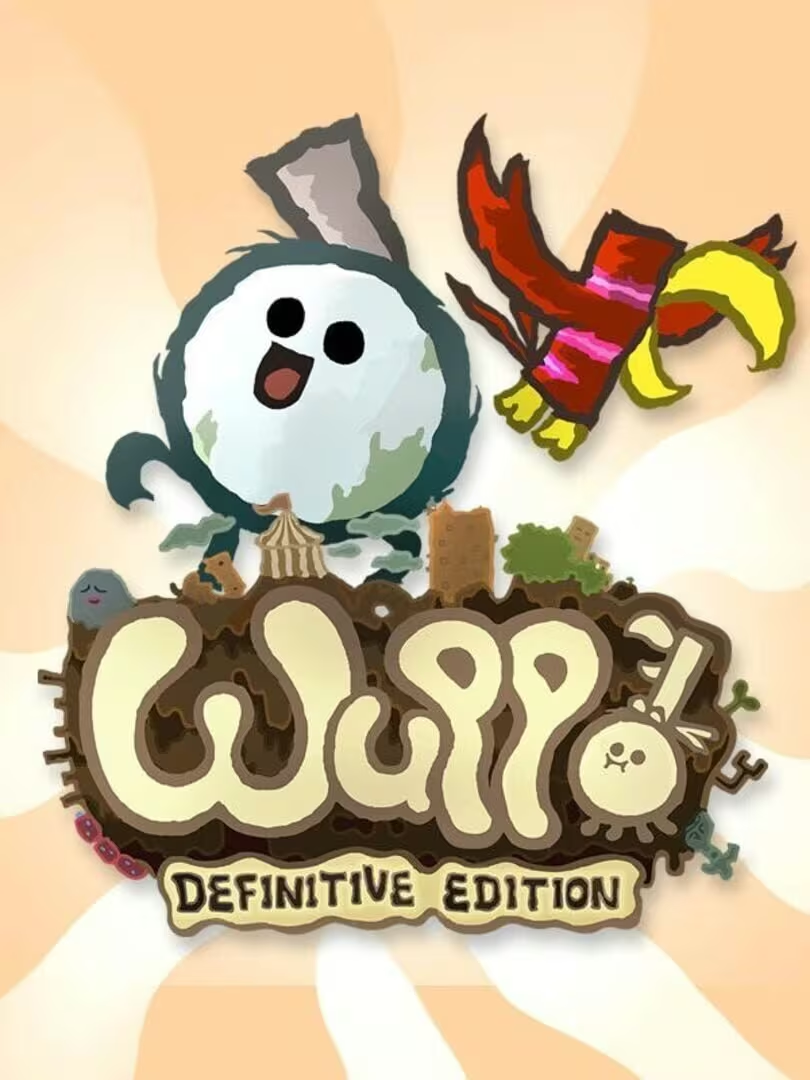
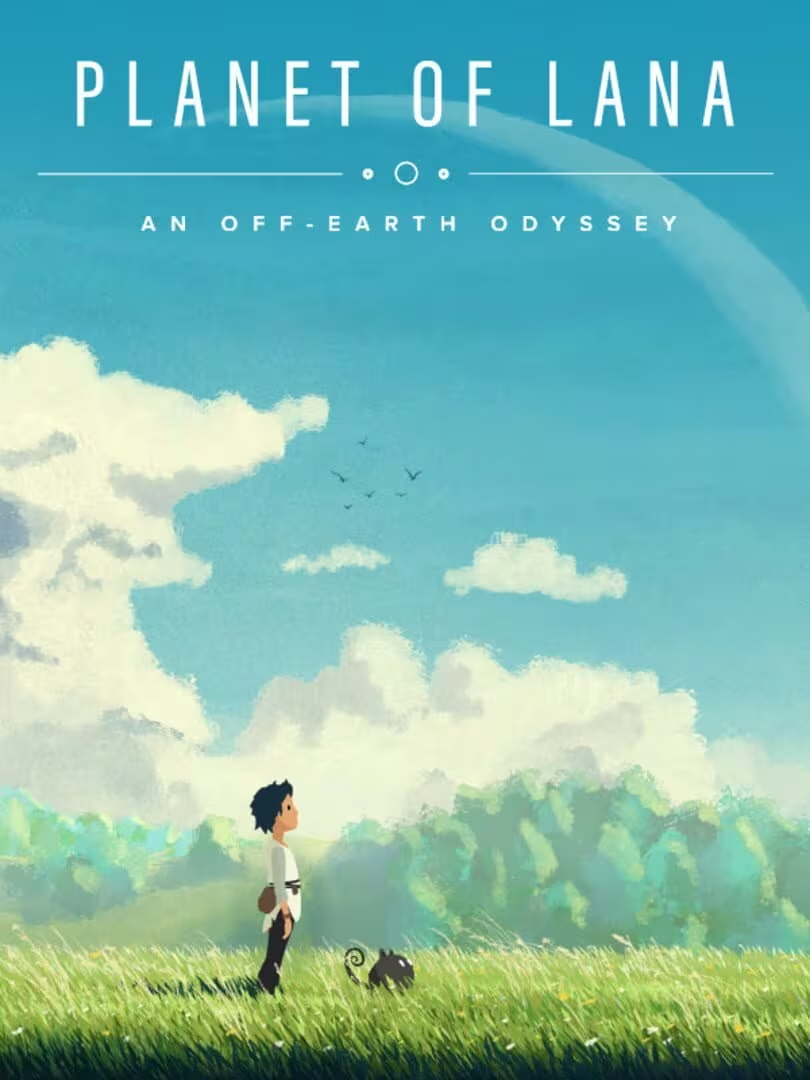
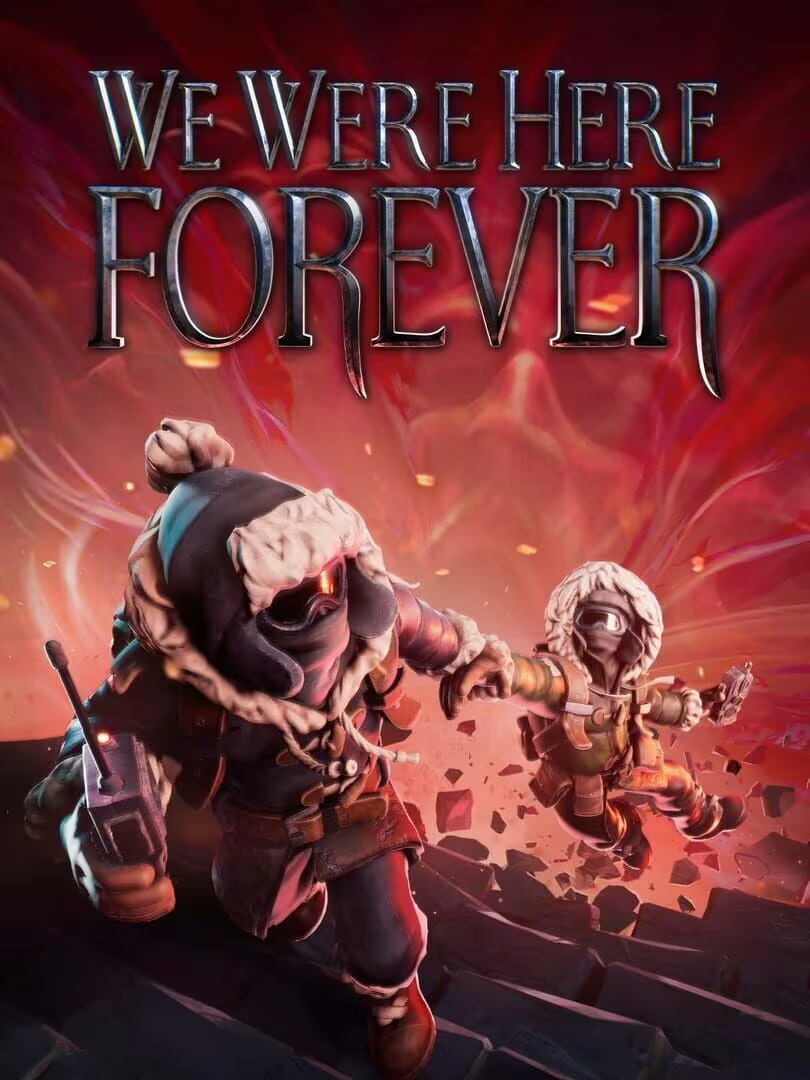
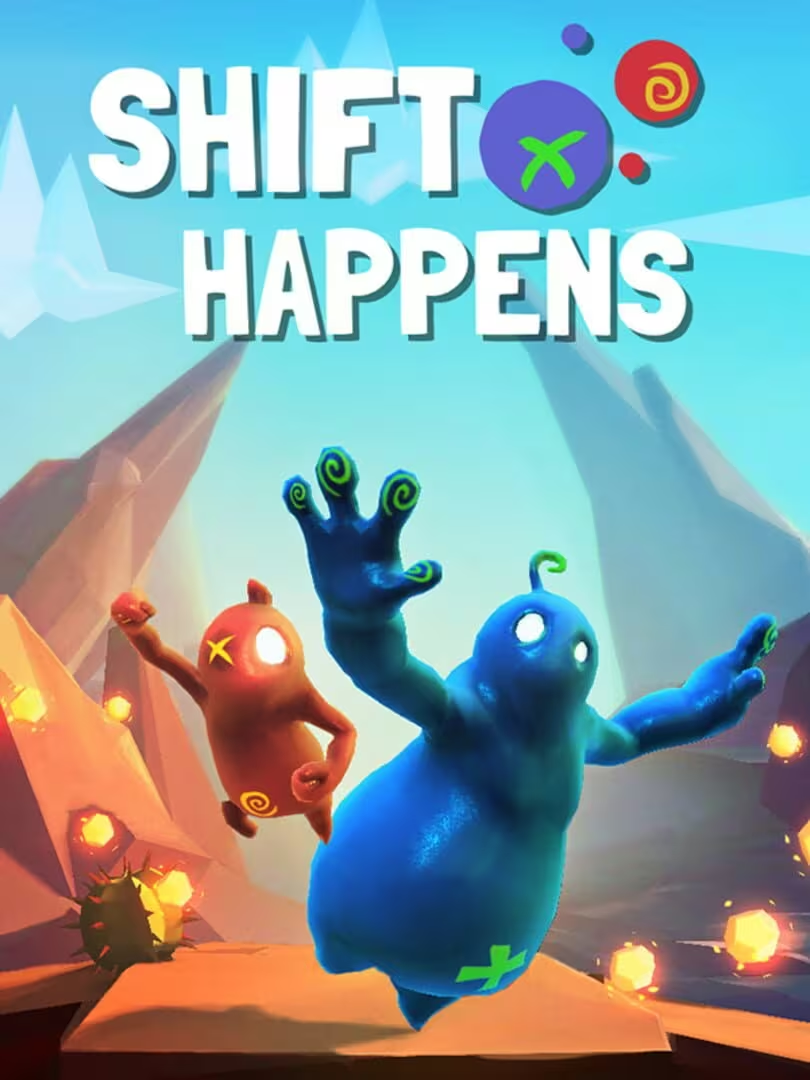
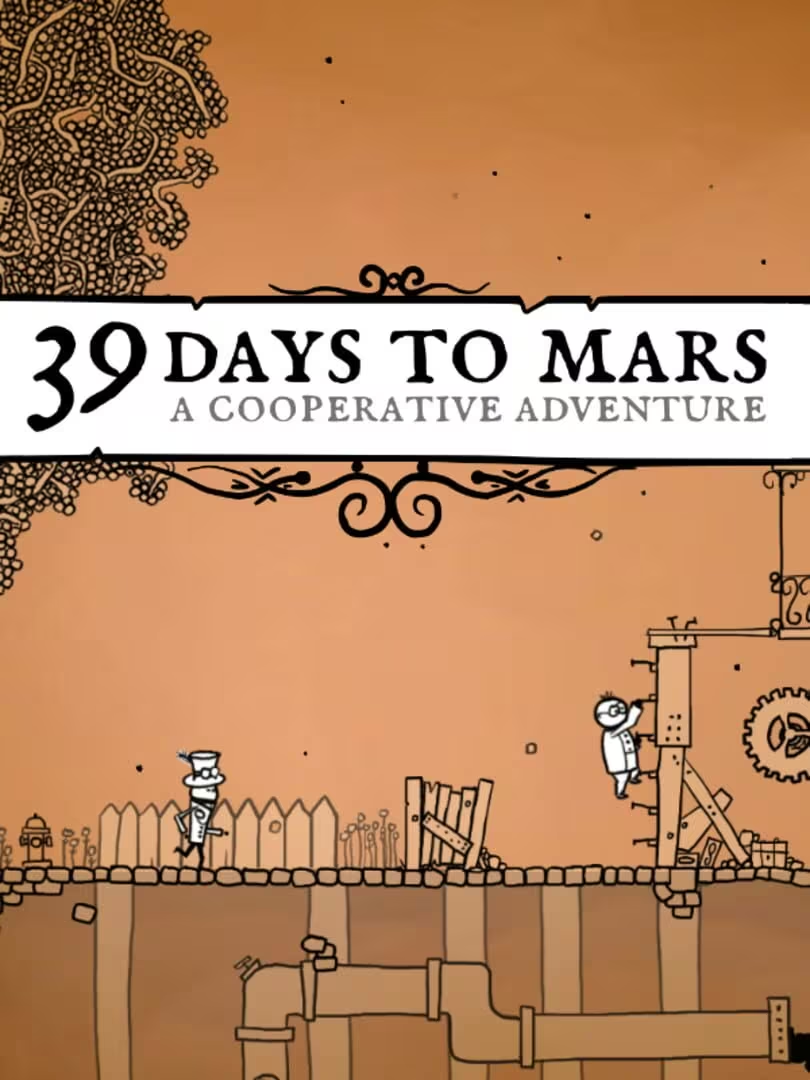
BOKURA: planet similar games & best alternatives

BOKURA: planet

PC (Microsoft Windows), Nintendo Switch 2, Nintendo Switch, Mac • 2025

Related articles

Quick resume

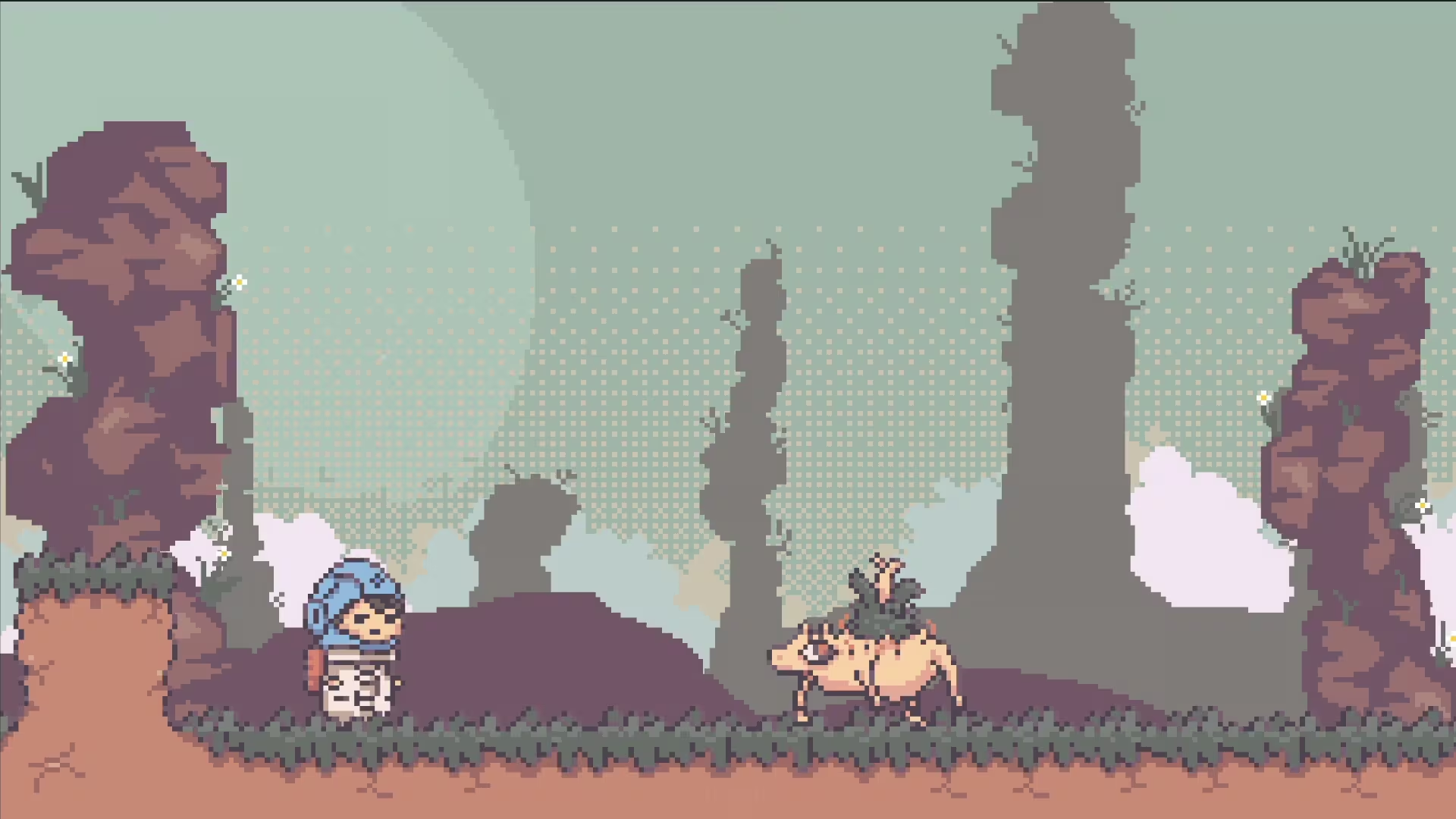
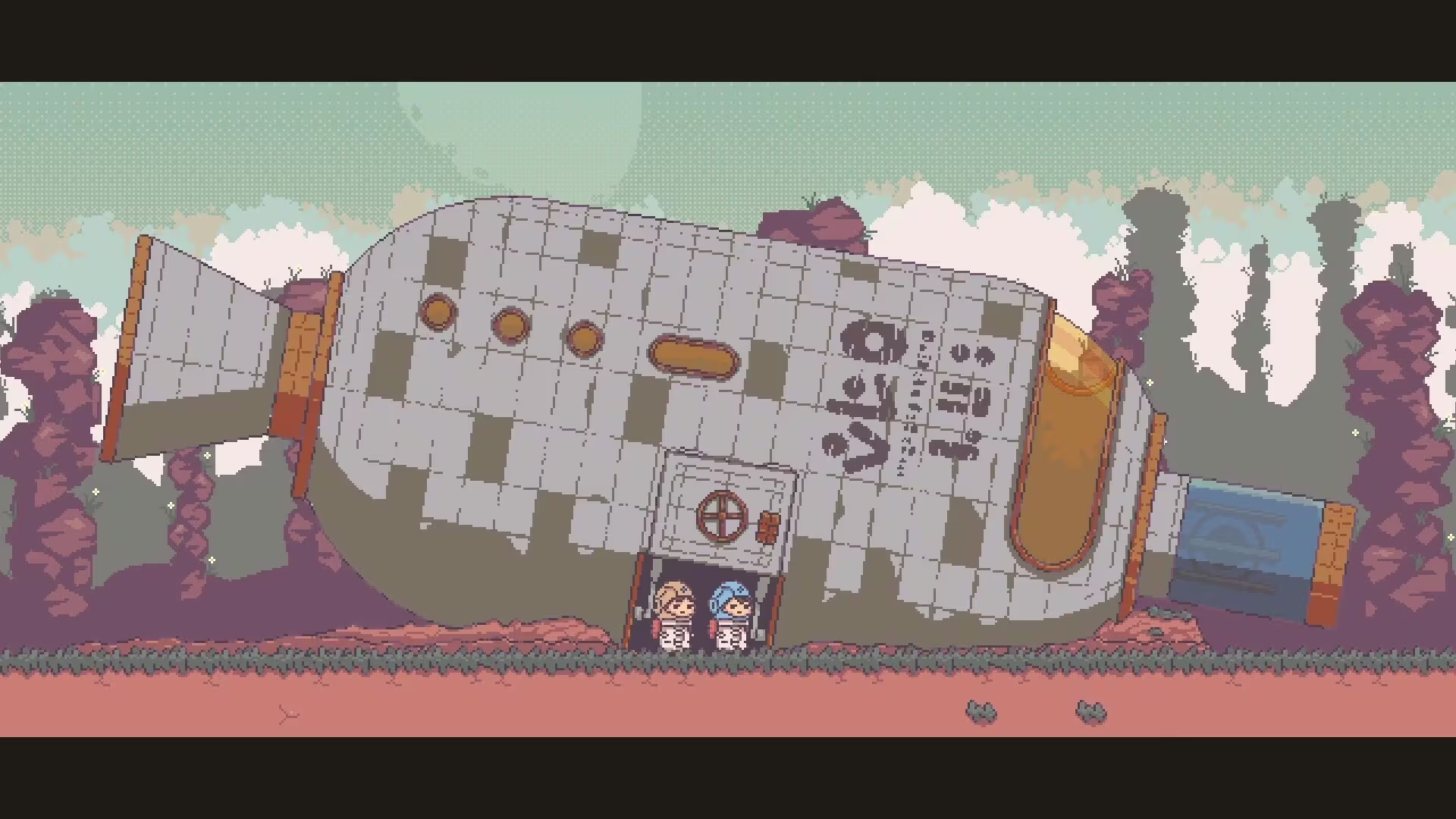
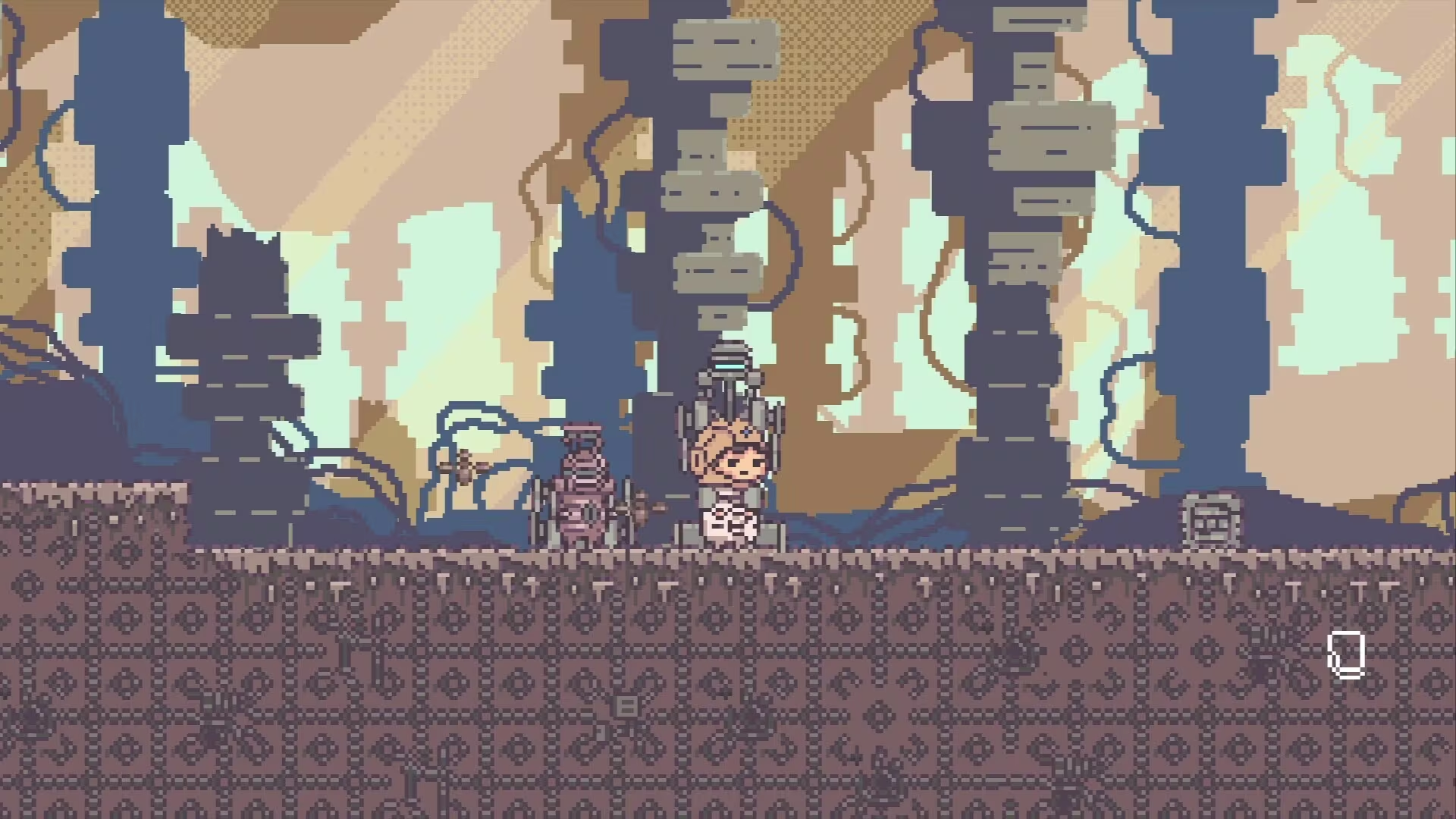
"There's something I can't tell you..." Explore new frontiers of co-op gaming in BOKURA: planet, a puzzle adventure game that you can only play with two players. Take on the role of a spaceship's exploration crew and try to escape from the red planet you crash-landed on.

Global score

75/100

Genres

Action, Adventure, Casual, Indie, Puzzle

Similar games

    Pros

    • Engaging cooperative puzzles
    • Strong narrative with plot twists
    • Affordable price
    • Unique dual-perspective gameplay
    • Great soundtrack and art style

    Cons

    • Story considered weaker or disturbing by some
    • Some puzzles confusing or tedious
    • Lack of meaningful impact from choices
    • Requires two players owning the game
    • Shorter length compared to predecessor

    Analysis

    Less representative of its motivational profile, with noticeable differences. Motivations that often define this kind of title include Cooperation, Fellowship, Intimacy, Leadership. It leans lower than usual among comparable games on Survival, Expression, Status.

    How to use the graph
    Similar games map

    Each dot is a game. They are arranged from the same motivation profile as in the “Motivations” section below. Closer dots usually mean more similar reasons to play (exploration, competition, relaxation, etc.)—not that one game is “better” than another.

    • Larger dot with a light outline: the game you are viewing.
    • Colour: groups of games with comparable motivation patterns (statistical clusters).
    • Hover a dot to see the game name; click to open its page.
    • Scroll or double-click the chart to zoom out and see more games.

    Why don’t the axes read like a score? This view uses t-SNE: it only keeps who is close to whom. The scales are not “good to bad” or hours played—they separate groups on the map. Read distance between dots, not the axis numbers.

    Motivations

    • Autonomy
      3

      "Players have control over puzzle solving and story decisions, but within a cooperative framework and some fixed narrative elements."

    • Competence
      3

      "Puzzles are challenging and require skillful communication and problem solving, though some are considered confusing or tedious."

    • Competition
      -4

      "Focus is on cooperative play with a friend, no competitive elements or leaderboards."

    • Continuation
      3

      "Players often replay the game multiple times to experience different perspectives and endings."

    • Cooperation
      5

      "Game is designed exclusively for two players working together to solve puzzles and progress."

    • Creativity
      3

      "Players engage in creative problem solving and communication to overcome puzzles, though game world and puzzles are predefined."

    • Domination
      -3

      "Interactions emphasize mutual cooperation and communication; pushing mechanic is playful rather than about control or superiority."

    • Escapism
      3

      "Players use the game to immerse in a unique story and cooperative puzzle experience, providing distraction and engagement."

    • Expectation
      -4

      "Players engage voluntarily out of intrinsic interest and enjoyment, often with friends."

    • Experimenting
      3

      "Players explore puzzle mechanics and story secrets, with some novelty in cooperative interactions."

    • Exploration
      2

      "Some discovery of story secrets and puzzle solutions, though environments are mostly familiar and limited."

    • Expression
      -3

      "Limited customization; players use preset characters and environments without much personal modification."

    • Fantasy
      3

      "Game features imaginative fiction with surreal story elements and unusual characters."

    • Fellowship
      5

      "Strong sense of community and shared experience through cooperative play and story sharing."

    • Growth
      3

      "Players develop communication skills and puzzle-solving abilities through gameplay."

    • Health
      -5

      "Game involves sedentary play with no physical activity."

    • Idle
      -3

      "Requires focused attention and communication throughout cooperative puzzle solving."

    • Intimacy
      4

      "Encourages close social interaction and emotional connection through shared story and gameplay."

    • Leadership
      -2

      "Players collaborate as equals without explicit leadership roles."

    • Progression
      3

      "Players progress through story and puzzles, unlocking new areas and narrative developments."

    • Relaxation
      1

      "Game balances challenge and flow but includes tense and disturbing story moments."

    • Sensation
      2

      "Enjoyable art, music, and atmosphere provide sensory engagement, though some find it unsettling."

    • Status
      -5

      "No social status or recognition systems; focus is on private cooperative experience."

    • Story
      4

      "Strong narrative immersion with plot twists, character development, and multiple endings."

    • Strategy
      3

      "Requires logical thinking, planning, and communication to solve puzzles cooperatively."

    • Thrill
      2

      "Some suspense and emotional tension from story and puzzle challenges."

    • Value
      4

      "Affordable price and replayability provide good value for time and money."

    • Violence
      1

      "Includes some violent or disturbing story elements but gameplay focuses on puzzle solving."

    • Survival
      -3

      "Game operates in stable puzzle environments without survival or resource management."

    Last update: 29/04/2026