Bright Memory Thumbnail

Bright Memory similar games & best alternatives

Bright Memory

PC (Microsoft Windows), Xbox Series X|S • 2020

Related articles

Quick resume

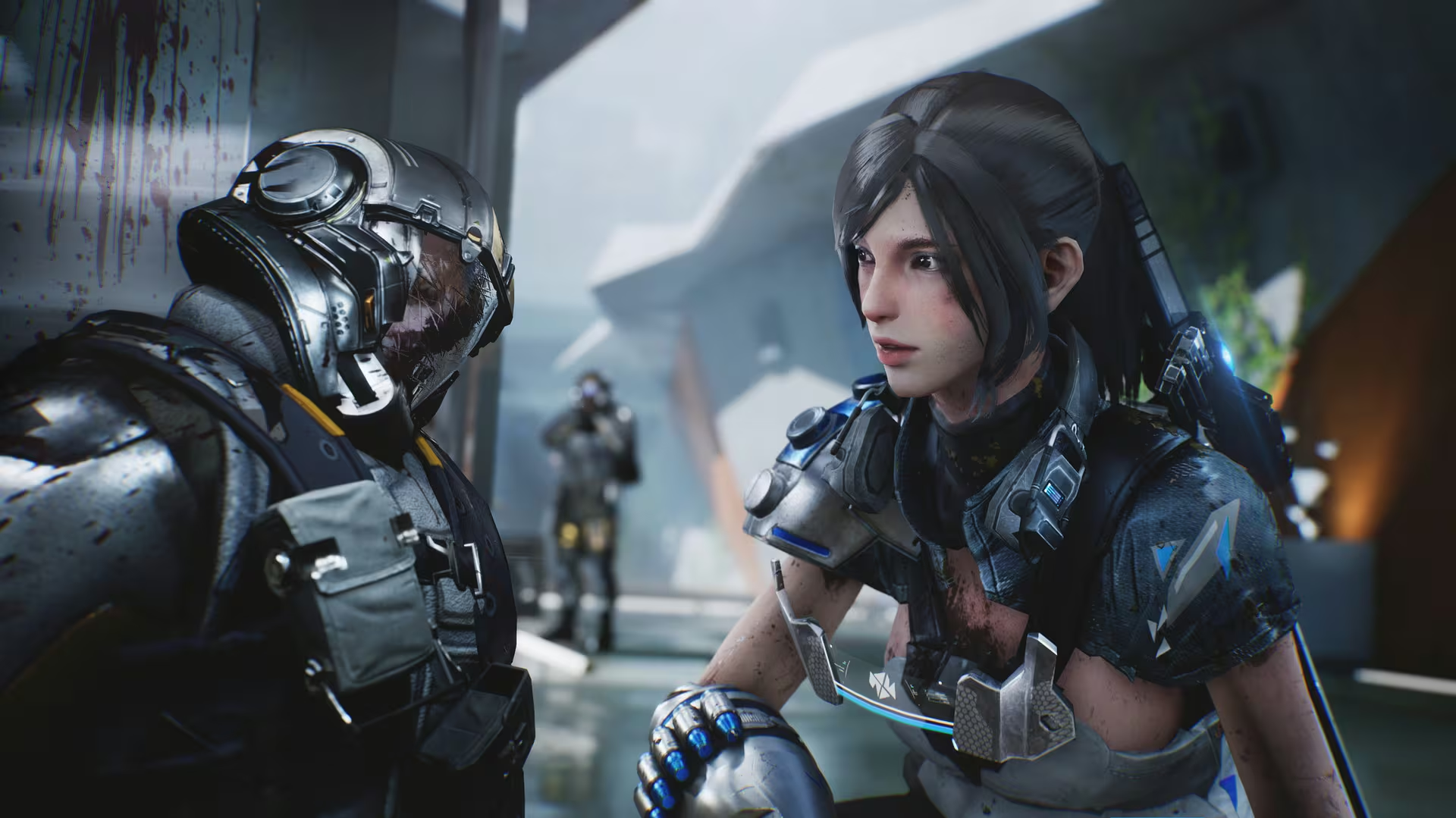
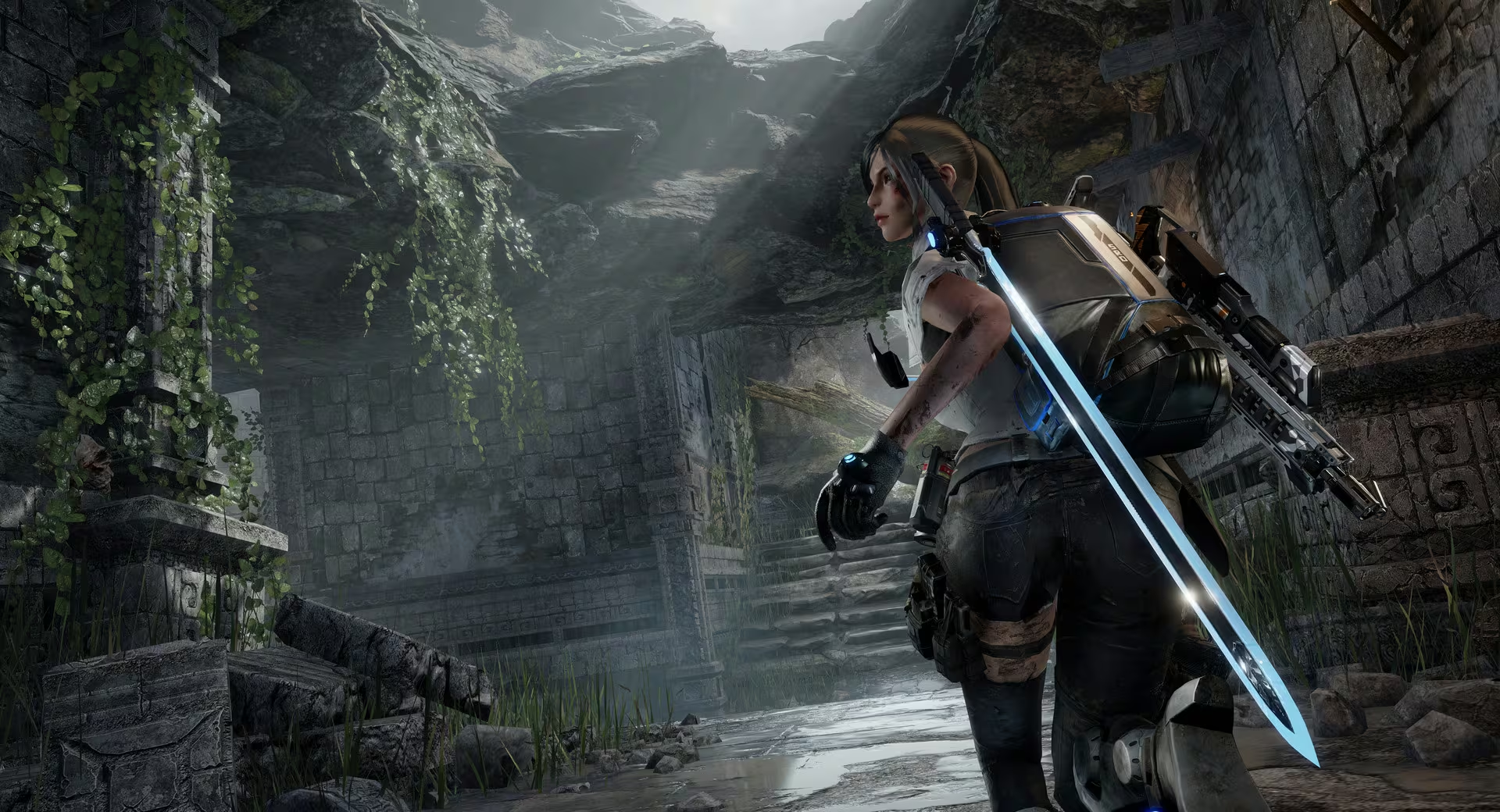
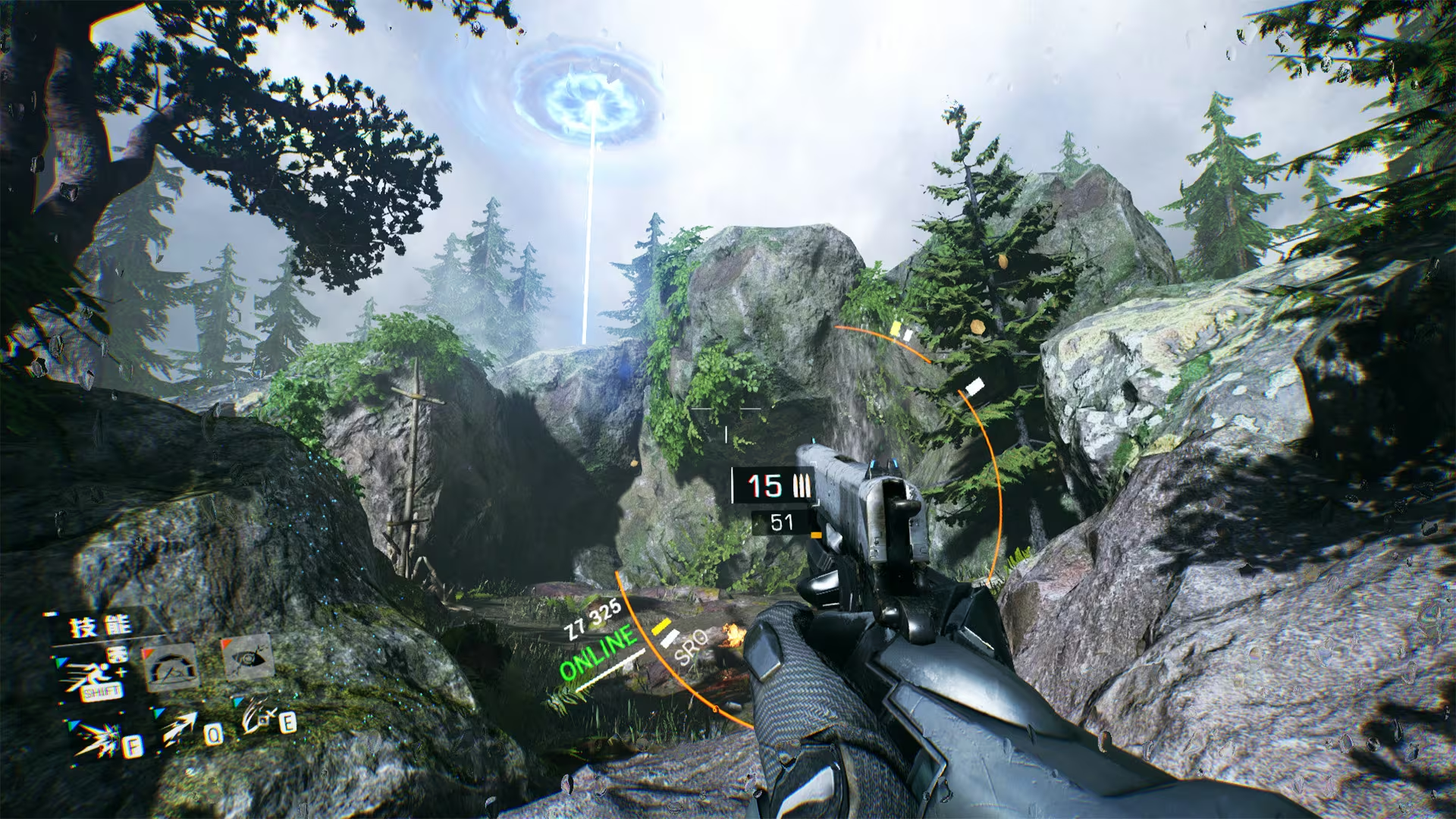
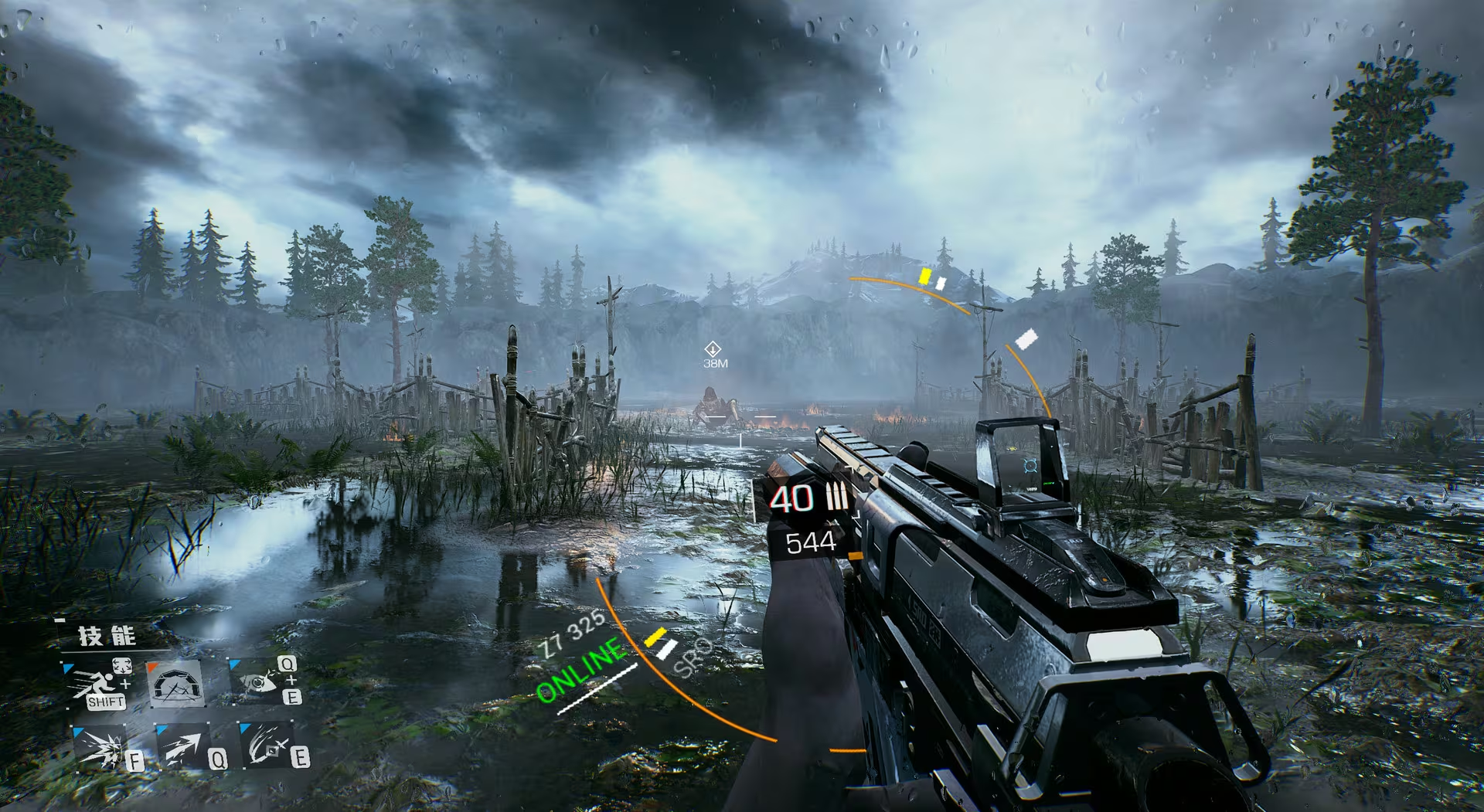
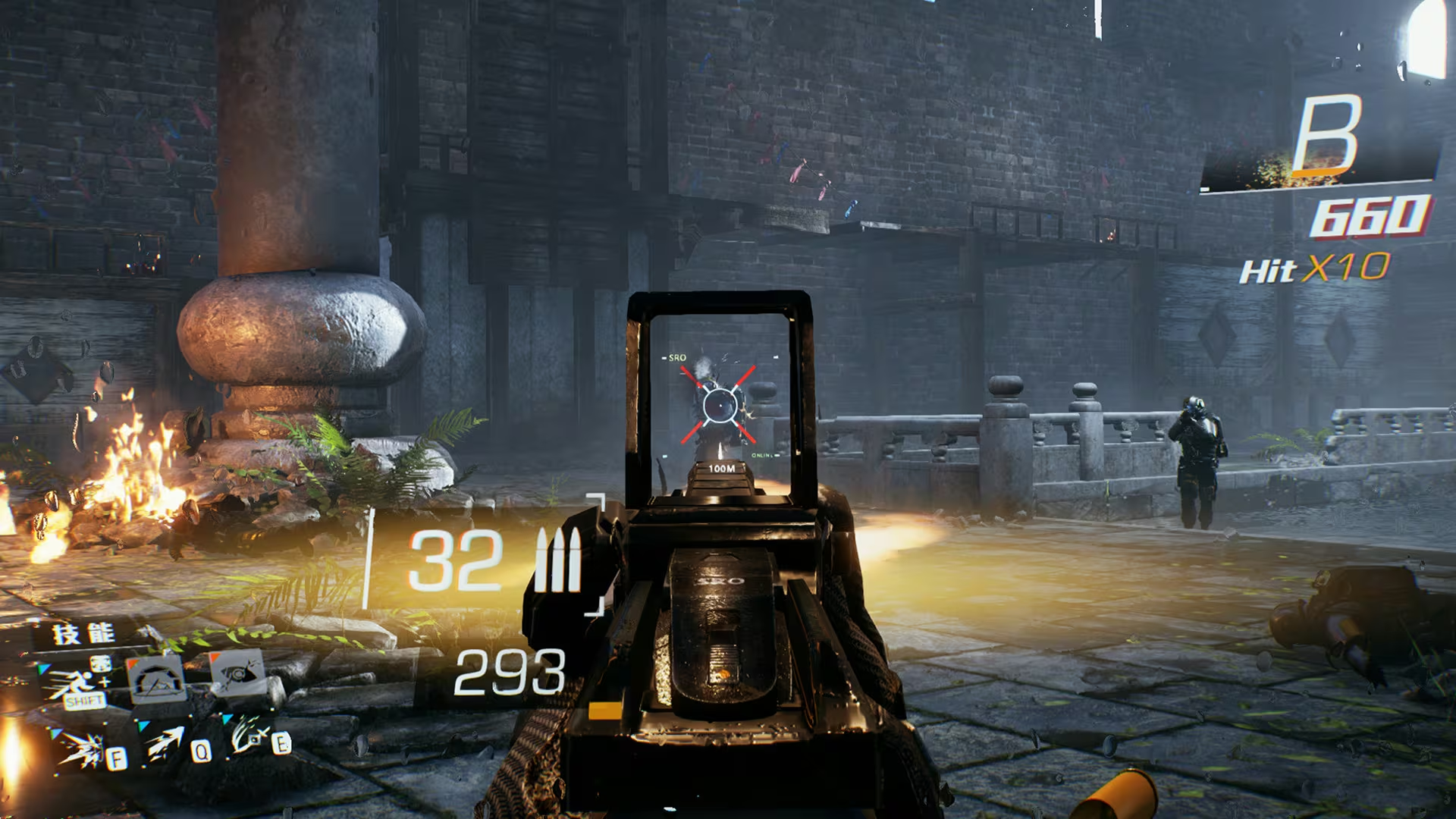
Bright Memory is a lightning-fast fusion of the FPS and action genres, created by one-man development studio FYQD using Unreal Engine. Combine a wide variety of skills and abilities to unleash dazzling combo attacks.

Global score

90/100

Genres

Action, Adventure, Indie, Shooter

Similar games

    Pros

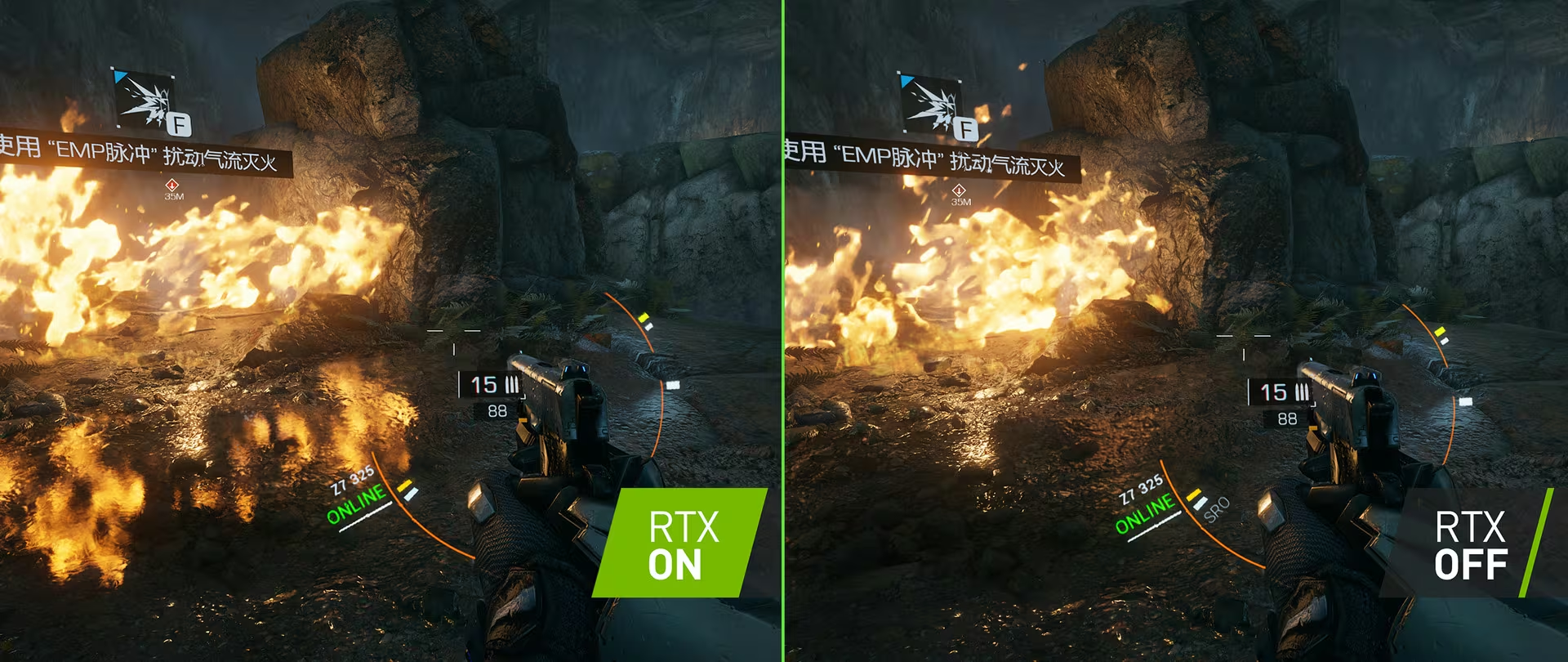
    • Impressive graphics and visual effects
    • Fast-paced and skillful combat
    • Unique blend of fps and hack-and-slash
    • Developed by a single passionate developer
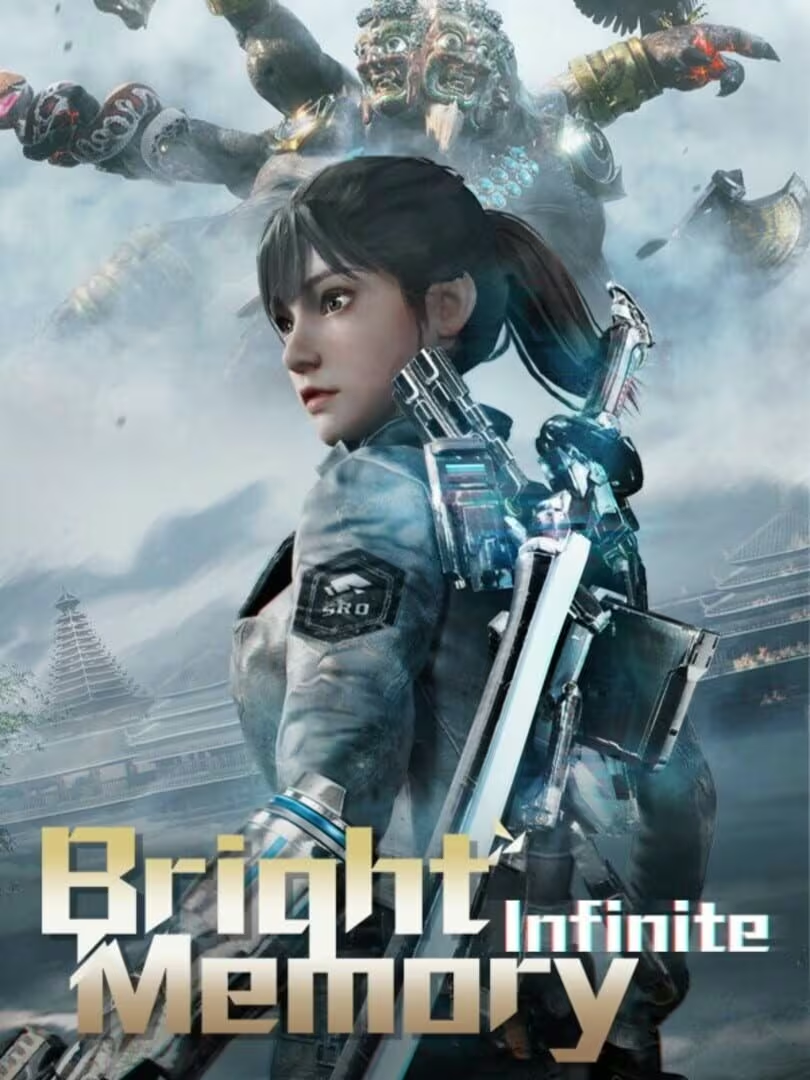
    • Free upgrade to full sequel bright memory: infinite

    Cons

    • Very short gameplay duration (~30-45 minutes)
    • Minimal and confusing story
    • Lack of key rebinding and controller support issues
    • Some bugs and technical glitches
    • Linear level design with limited exploration

    Analysis

    Broadly representative of its motivational profile, with a few distinct shifts. Motivations that often define this kind of title include Expression, Fellowship, Cooperation, Competition. Here, the score leans higher than usual among comparable games on Violence. It leans lower than usual among comparable games on Exploration, Relaxation.

    How to use the graph
    Similar games map

    Each dot is a game. They are arranged from the same motivation profile as in the “Motivations” section below. Closer dots usually mean more similar reasons to play (exploration, competition, relaxation, etc.)—not that one game is “better” than another.

    • Larger dot with a light outline: the game you are viewing.
    • Colour: groups of games with comparable motivation patterns (statistical clusters).
    • Hover a dot to see the game name; click to open its page.
    • Scroll or double-click the chart to zoom out and see more games.

    Why don’t the axes read like a score? This view uses t-SNE: it only keeps who is close to whom. The scales are not “good to bad” or hours played—they separate groups on the map. Read distance between dots, not the axis numbers.

    Motivations

    • Autonomy
      3

      "Players can choose different weapons, skills, and combos freely, though the game is linear and some controls are fixed (e.g. no key rebinding)."

    • Competence
      4

      "Gameplay is challenging with skill-based combat, dodging, parrying, and combo mechanics requiring mastery."

    • Competition
      -3

      "Focus is on single-player experience without leaderboards or PvP; players set personal goals like achievements."

    • Continuation
      1

      "Short game encourages replaying for achievements and skill improvement, but overall playtime is limited."

    • Cooperation
      -5

      "Entirely single-player with no cooperative or multiplayer features."

    • Creativity
      2

      "Players can combine skills and weapons in various ways to create combos, though within a linear structure."

    • Domination
      -5

      "No social or competitive dominance elements; gameplay is individual and cooperative-free."

    • Escapism
      4

      "Fast-paced action and fantasy elements provide strong distraction and immersion away from real life."

    • Expectation
      -4

      "Players engage voluntarily for fun and interest; no obligation or external pressure noted."

    • Experimenting
      3

      "Players experiment with different skill combos and weapon uses to optimize combat style."

    • Exploration
      -2

      "Linear levels with limited exploration; some light puzzles and platforming but no open-world discovery."

    • Expression
      -3

      "Minimal customization; some cosmetic skins available but no deep avatar personalization."

    • Fantasy
      4

      "Futuristic sci-fi setting mixed with supernatural powers and mythical creatures creates strong fantasy experience."

    • Fellowship
      -5

      "No community or social features; purely solo play."

    • Growth
      3

      "Players learn and improve combat skills and unlock new abilities through experience and upgrades."

    • Health
      -5

      "Standard sedentary gameplay with no physical activity or health-related features."

    • Idle
      -4

      "Requires focused attention and continuous engagement; fast-paced combat demands active play."

    • Intimacy
      -5

      "No social or emotional relationship building; isolated single-player experience."

    • Leadership
      -5

      "No leadership or group management roles; solo gameplay only."

    • Progression
      3

      "Players accumulate experience points to upgrade skills and unlock new abilities, showing clear progression."

    • Relaxation
      -2

      "Gameplay is intense and challenging, with sustained tension rather than relaxation or flow."

    • Sensation
      4

      "High sensory stimulation with impressive graphics, fast action, and dynamic combat effects."

    • Status
      -4

      "No social recognition or ranking systems; achievements are personal and not publicly ranked."

    • Story
      1

      "Some narrative elements and lore exist but story is minimal and often confusing; focus is on gameplay."

    • Strategy
      3

      "Combat requires tactical use of skills, dodging, and timing; some puzzle solving also present."

    • Thrill
      3

      "Fast-paced combat and boss fights create suspense and excitement with risk and reward dynamics."

    • Value
      0

      "Mixed opinions on value; short length balanced by low price and free upgrade to full sequel."

    • Violence
      4

      "Combat focused on shooting, melee attacks, and destruction of enemies; violent gameplay central."

    • Survival
      2

      "Players must avoid damage and manage combat threats; no complex resource management or survival mechanics."

    Last update: 29/04/2026