Chess Evolved Online Thumbnail

Chess Evolved Online similar games & best alternatives
Chess Evolved Online

PC (Microsoft Windows) • 2021

Related articles

Quick resume

secretly the most overpowered game in existence

Global score

92/100

Genres

Free To Play, Strategy, Early Access, Turn-based strategy (TBS), Indie, Tactical, Card & Board Game

Similar games

    Pros

    • Deep and creative strategy
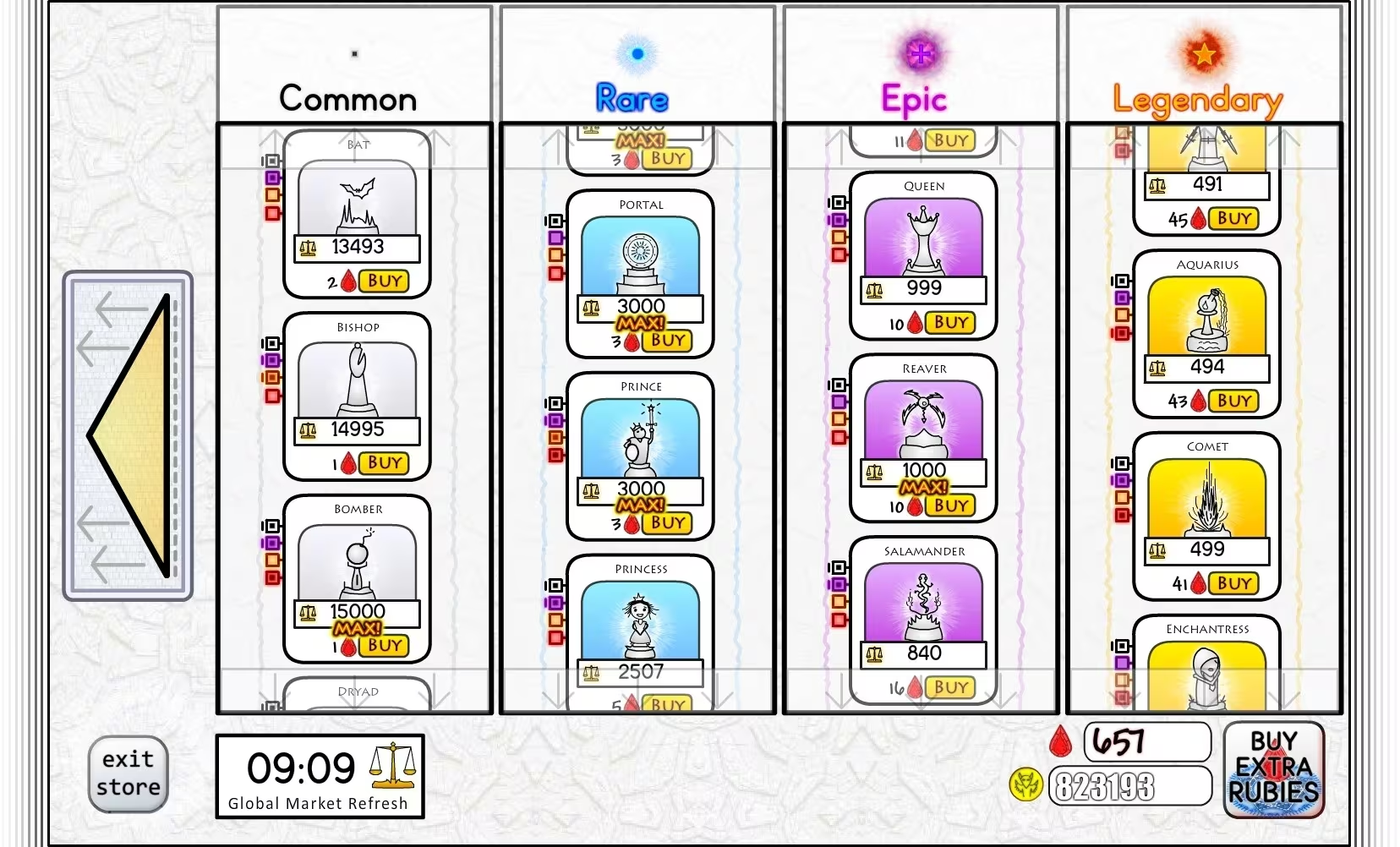
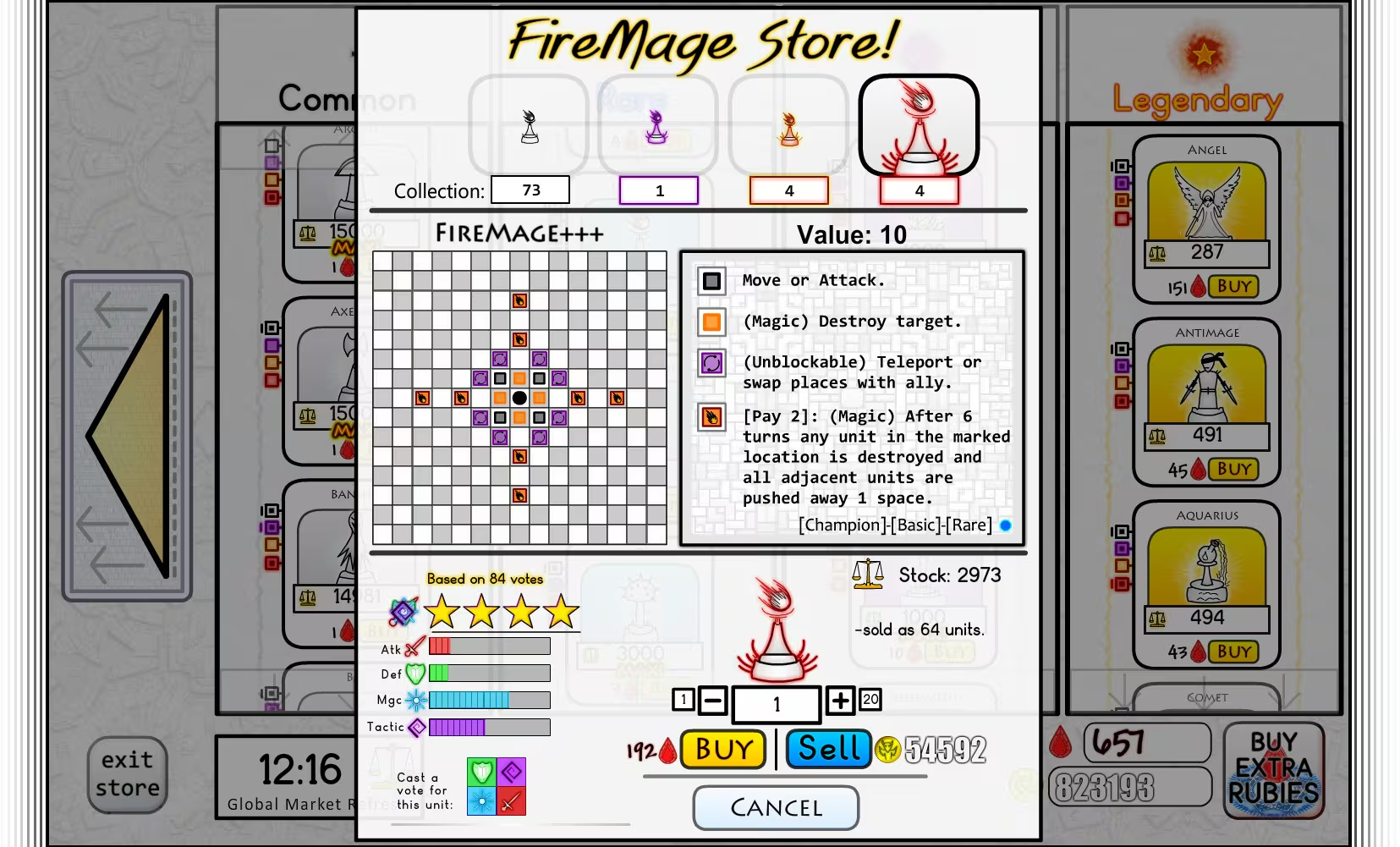
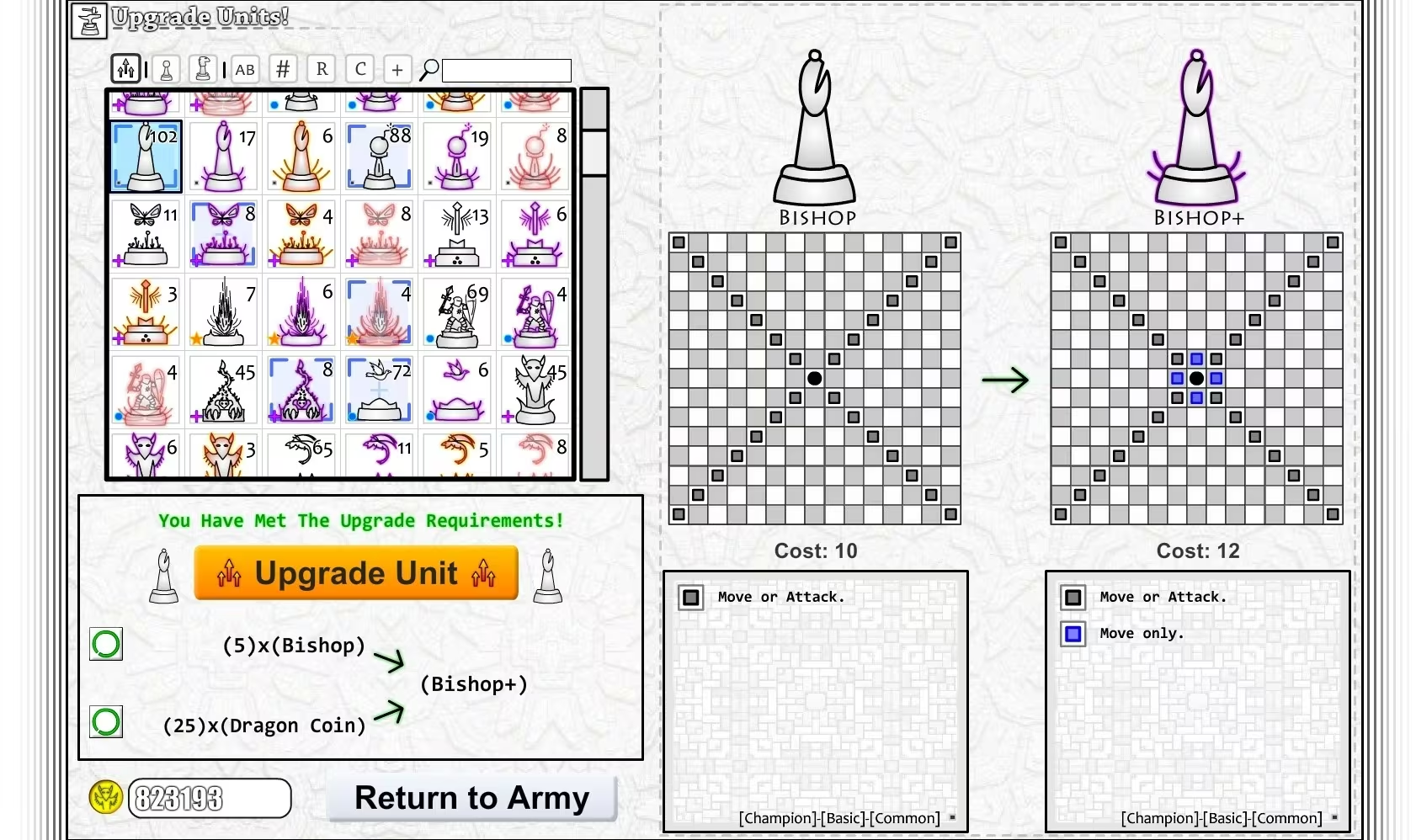
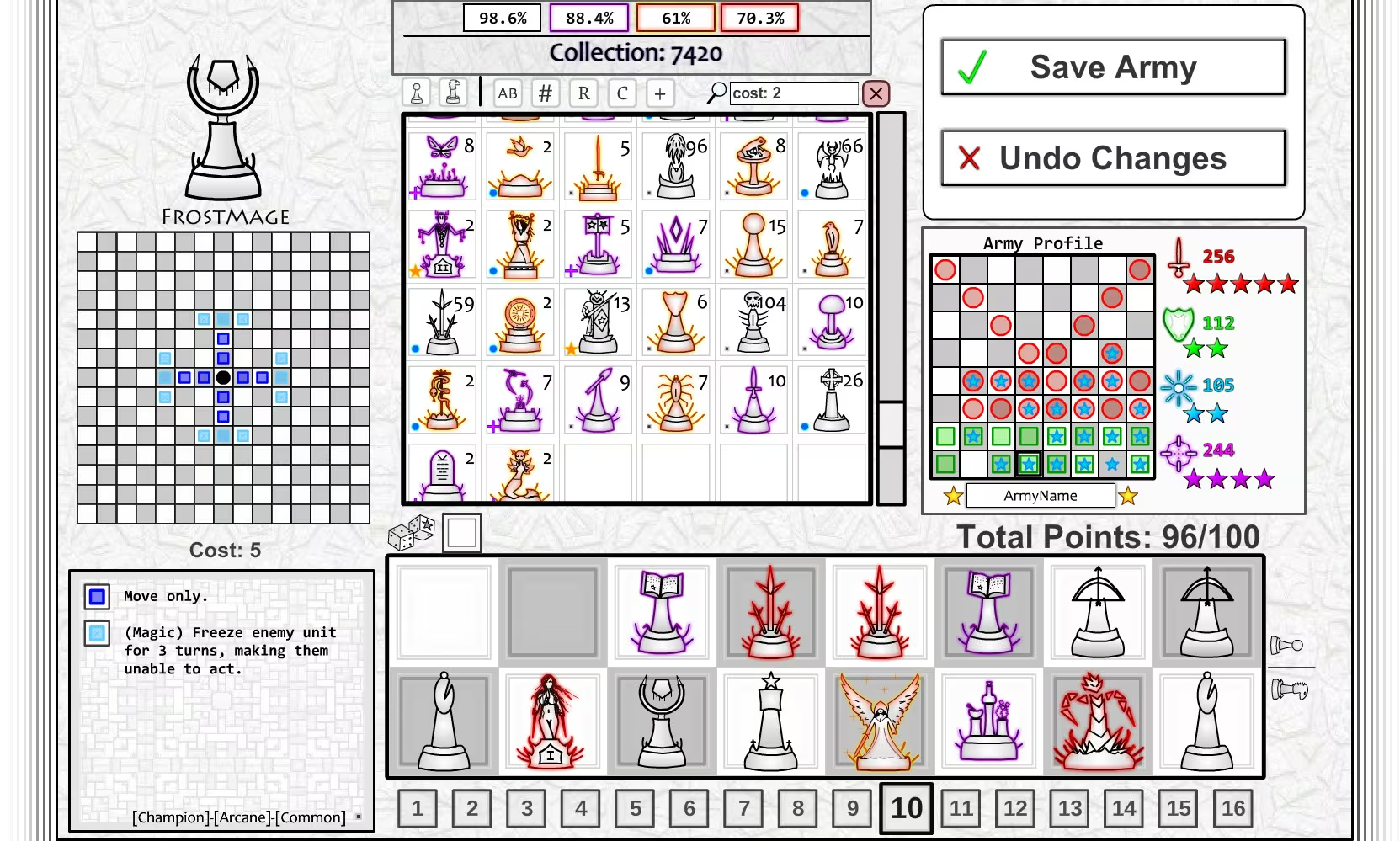
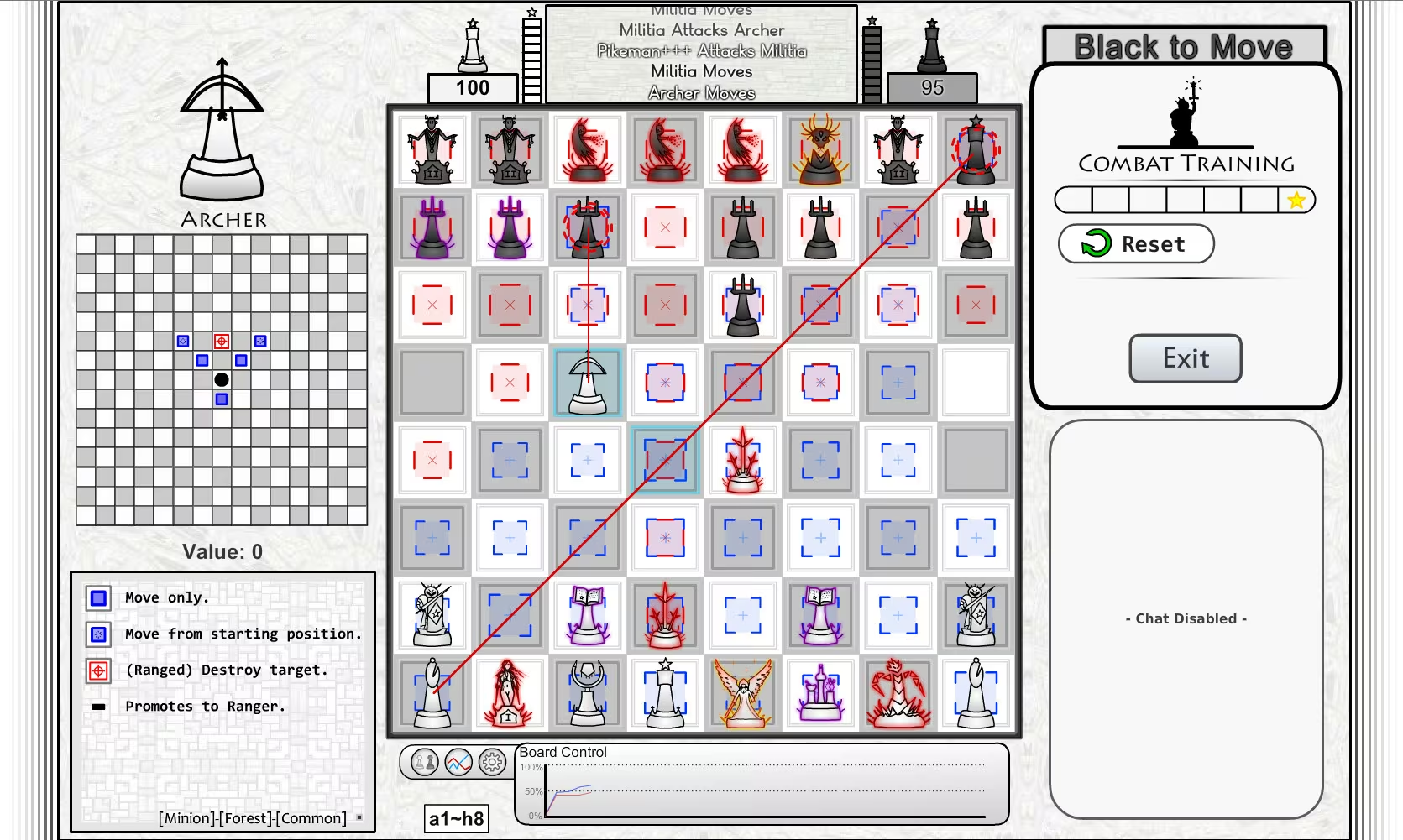
    • Extensive piece variety and customization
    • Free to play with fair progression
    • Engaging ranked competitive play
    • Active community and discord

    Cons

    • Small player base leading to frequent ai matches
    • Outdated ui and graphics
    • Balance issues with some overpowered strategies
    • Grindy progression for some pieces
    • Lack of local multiplayer and social features

    Analysis

    Less representative of its motivational profile, with noticeable differences. Motivations that often define this kind of title include Competition, Fellowship, Domination, Status. It leans lower than usual among comparable games on Cooperation, Leadership, Intimacy.

    How to use the graph
    Similar games map

    Each dot is a game. They are arranged from the same motivation profile as in the “Motivations” section below. Closer dots usually mean more similar reasons to play (exploration, competition, relaxation, etc.)—not that one game is “better” than another.

    • Larger dot with a light outline: the game you are viewing.
    • Colour: groups of games with comparable motivation patterns (statistical clusters).
    • Hover a dot to see the game name; click to open its page.
    • Scroll or double-click the chart to zoom out and see more games.

    Why don’t the axes read like a score? This view uses t-SNE: it only keeps who is close to whom. The scales are not “good to bad” or hours played—they separate groups on the map. Read distance between dots, not the axis numbers.

    Motivations

    • Autonomy
      4

      "Players build and customize their own armies with a wide variety of pieces, allowing significant control over their strategies and playstyle."

    • Competence
      5

      "The game demands high skill in tactical thinking, army building, and adapting to complex piece abilities; players report a steep learning curve and deep strategic gameplay."

    • Competition
      4

      "Ranked ladder and matchmaking against other players and bots emphasize competitive play and skill comparison."

    • Continuation
      3

      "Many players report long-term engagement with hundreds or thousands of hours played, though some mention grind and slow progression."

    • Cooperation
      -4

      "Gameplay is primarily 1v1 competitive with minimal cooperative or team-based elements."

    • Creativity
      5

      "Strong emphasis on creativity through deckbuilding, army customization, and experimenting with hundreds of unique pieces."

    • Domination
      2

      "Some players mention bullying lower ranked players, but overall interactions appear balanced with mutual respect."

    • Escapism
      3

      "Players use the game as a deep mental challenge and distraction, with some describing intense emotional investment."

    • Expectation
      -4

      "Players engage voluntarily out of intrinsic interest and enjoyment; no evidence of obligation or pressure."

    • Experimenting
      5

      "High experimentation encouraged by diverse pieces and army compositions; players enjoy testing new strategies."

    • Exploration
      3

      "Players explore new combinations and piece abilities, though the board environment remains constant."

    • Expression
      4

      "Customization of armies and piece upgrades allows personal expression within gameplay."

    • Fantasy
      3

      "Fantasy elements like magical pieces and abilities add imaginative fiction beyond traditional chess."

    • Fellowship
      1

      "Some community interaction via Discord and forums, but mostly individual play."

    • Growth
      4

      "Players develop skills in strategy, tactics, and army building; progression through ranks and piece upgrades."

    • Health
      -5

      "Purely sedentary gameplay with no physical activity involved."

    • Idle
      -3

      "Requires focused attention and strategic thinking during matches; not suitable for casual idle play."

    • Intimacy
      -4

      "Social interactions are limited and mostly surface-level; no evidence of close emotional relationships formed through the game."

    • Leadership
      -4

      "No leadership or group management roles; gameplay is individual and competitive."

    • Progression
      4

      "Strong progression system with unlocking and upgrading pieces, increasing army strength and options."

    • Relaxation
      -2

      "Game can be mentally intense and challenging, causing stress for some players rather than relaxation."

    • Sensation
      1

      "Visuals are simple and functional; sensory stimulation is minimal but gameplay is engaging."

    • Status
      3

      "Ranked ladder and community recognition provide social status and visibility."

    • Story
      -4

      "No narrative or story elements; gameplay is context-free and focused on strategy."

    • Strategy
      5

      "Core gameplay revolves around deep mental challenge, planning, and problem solving."

    • Thrill
      3

      "Competitive matches and tactical surprises provide suspense and excitement."

    • Value
      3

      "Free to play with fair monetization; players feel they get good value for time invested despite some grind."

    • Violence
      1

      "Combat is abstract and symbolic; some pieces have destructive abilities but overall non-graphic."

    • Survival
      4

      "Morale mechanic and piece loss create pressure to avoid failure and manage resources strategically."

    Last update: 29/04/2026