Card Quest similar games & best alternatives
Card Quest
2017
Related articles
Quick resume
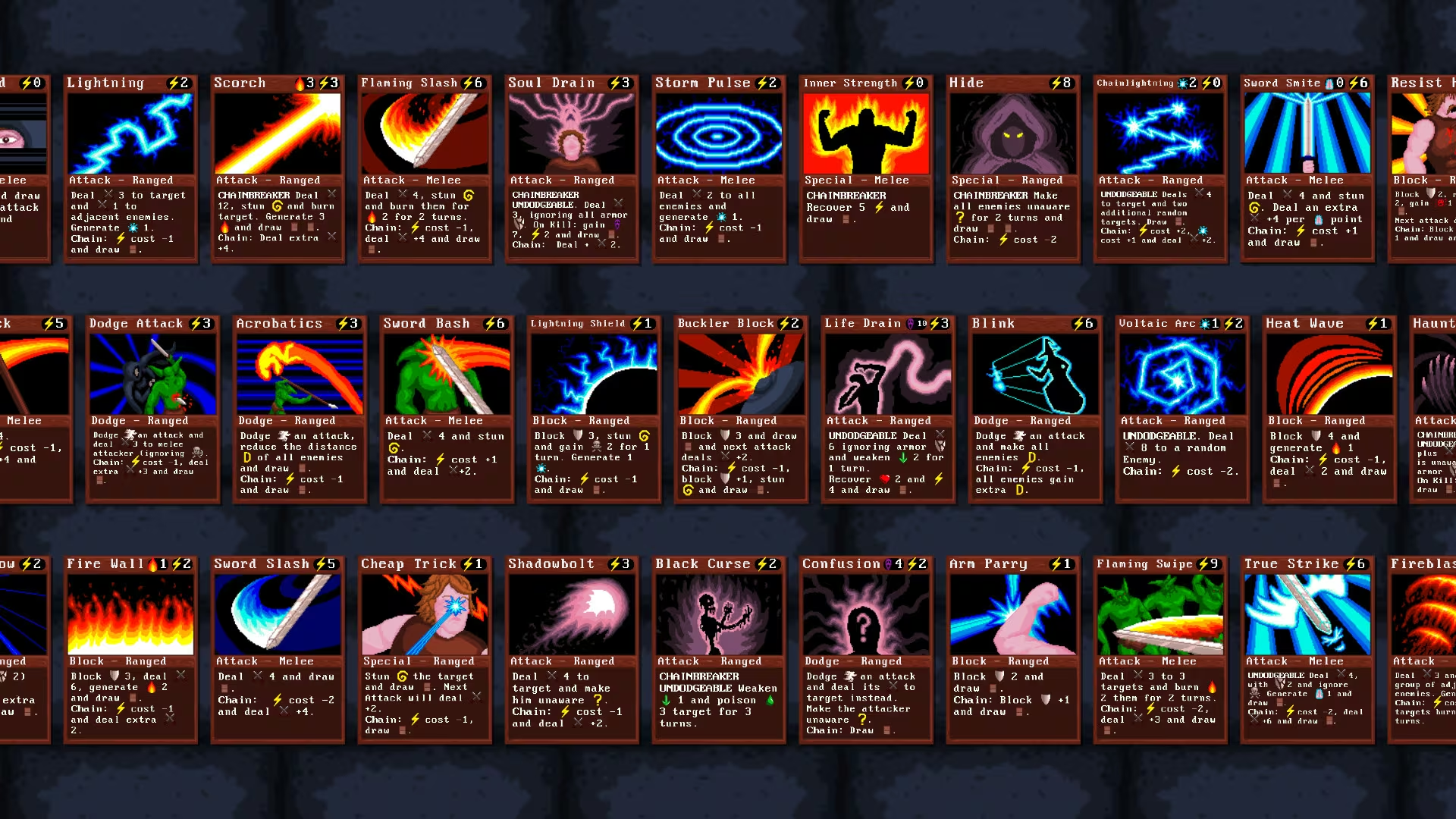
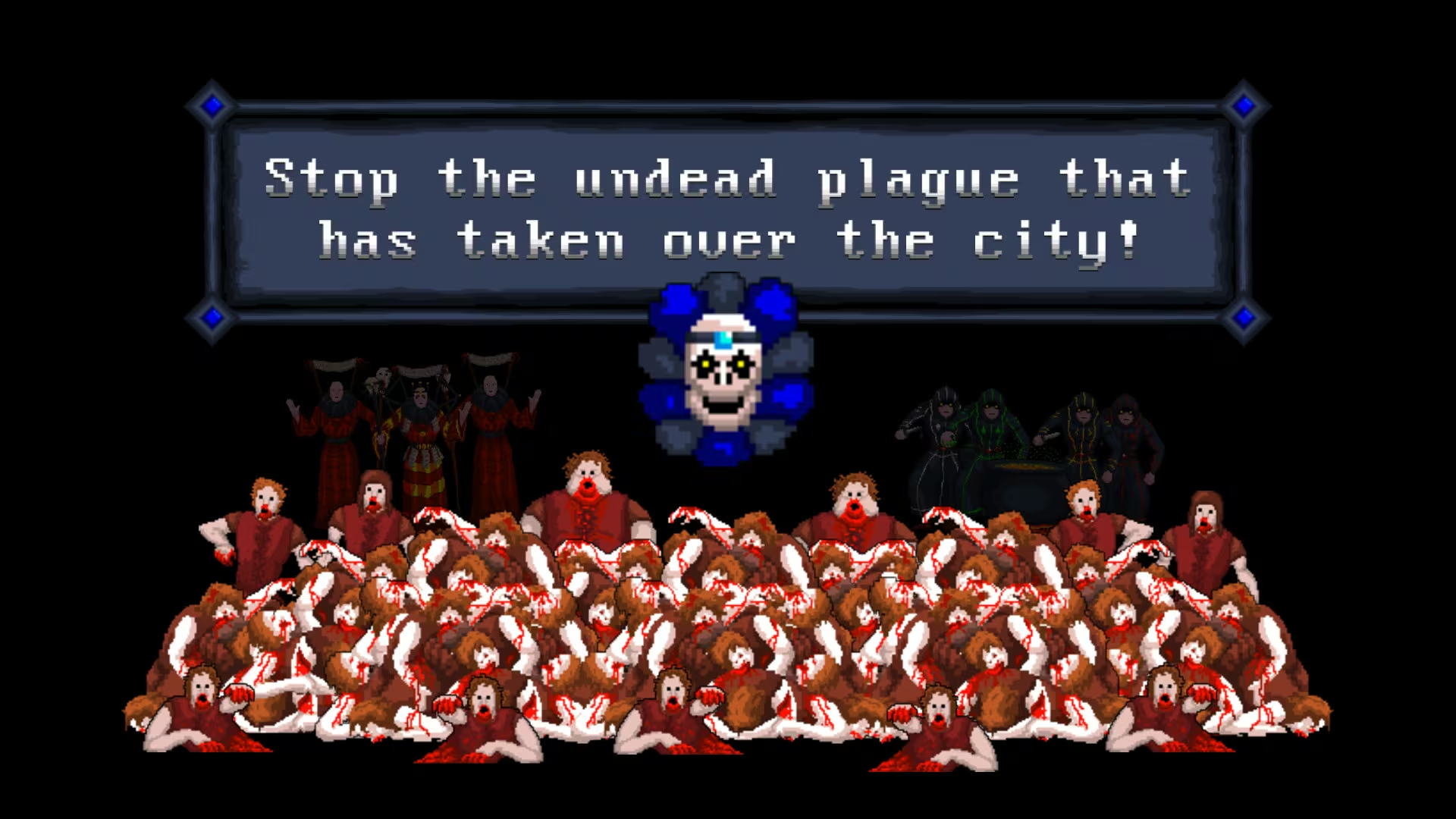
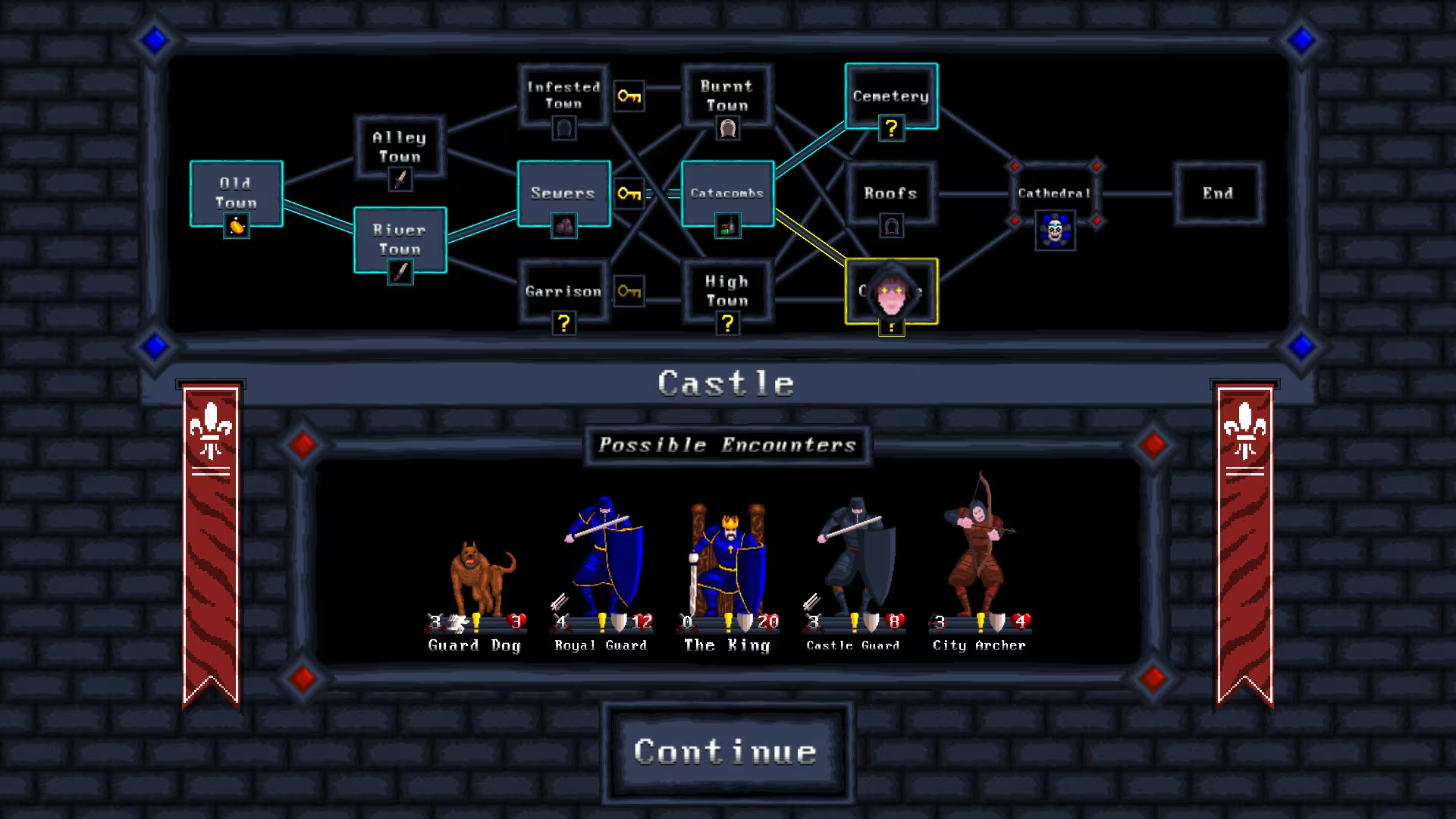
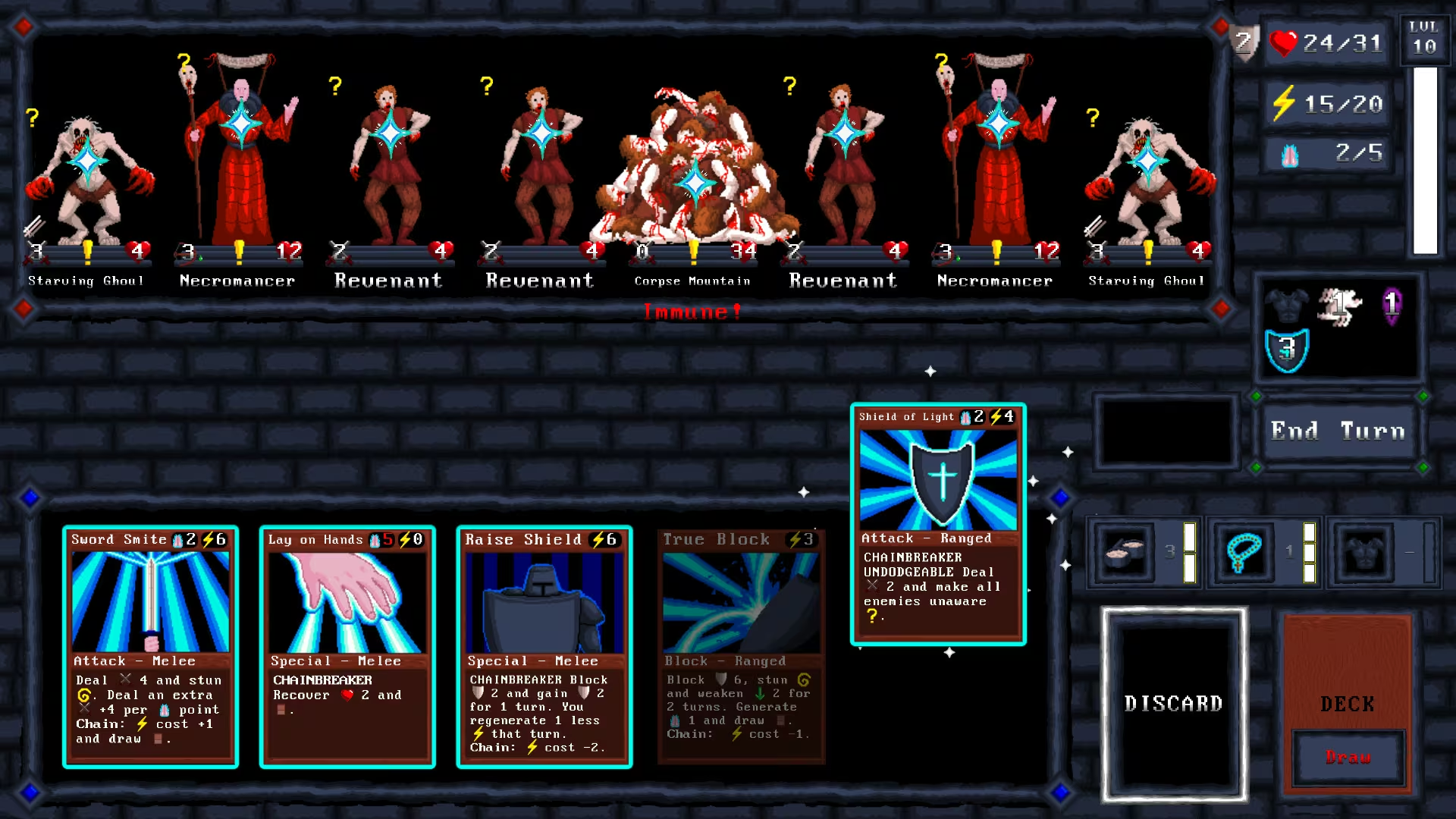
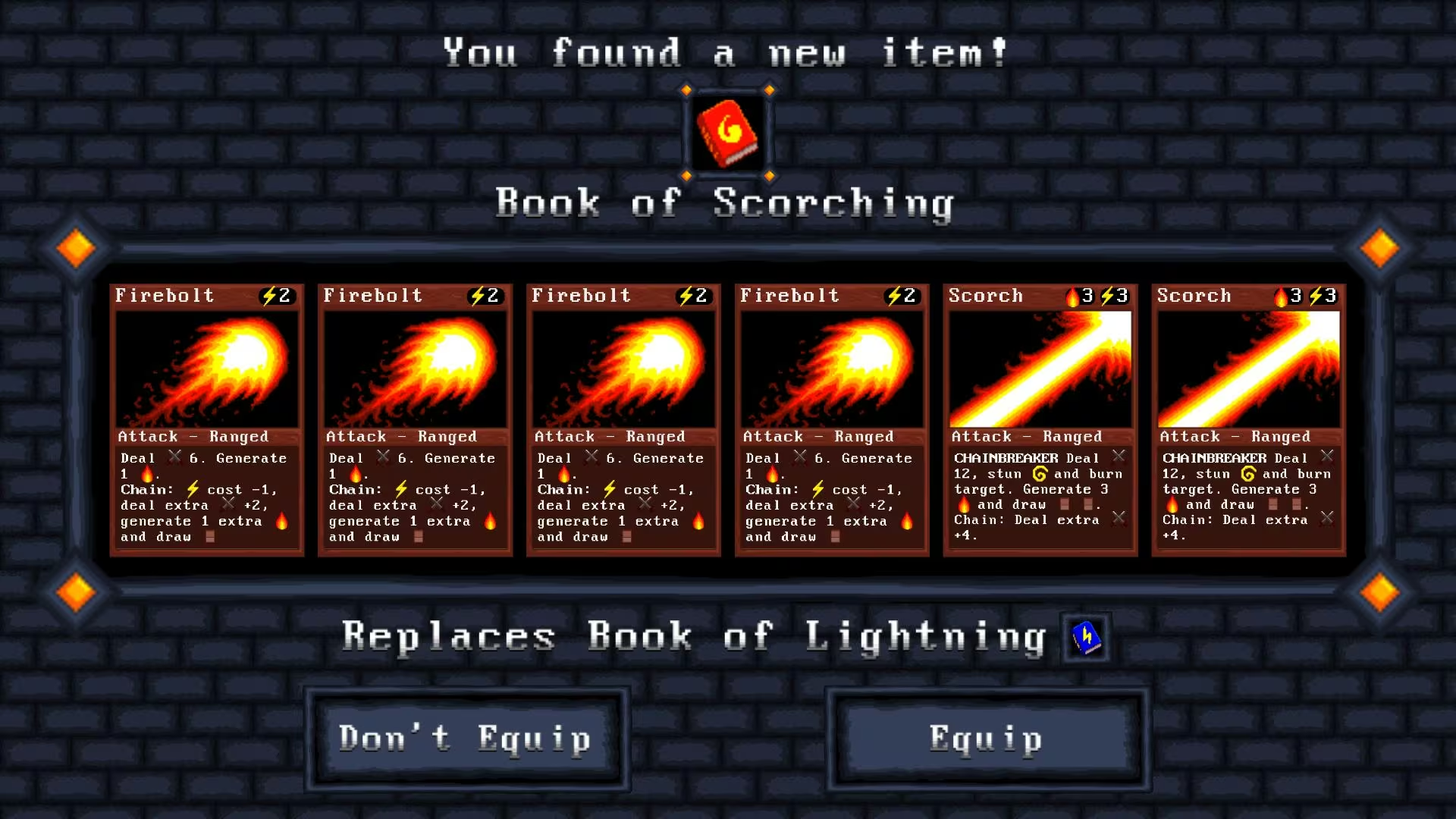
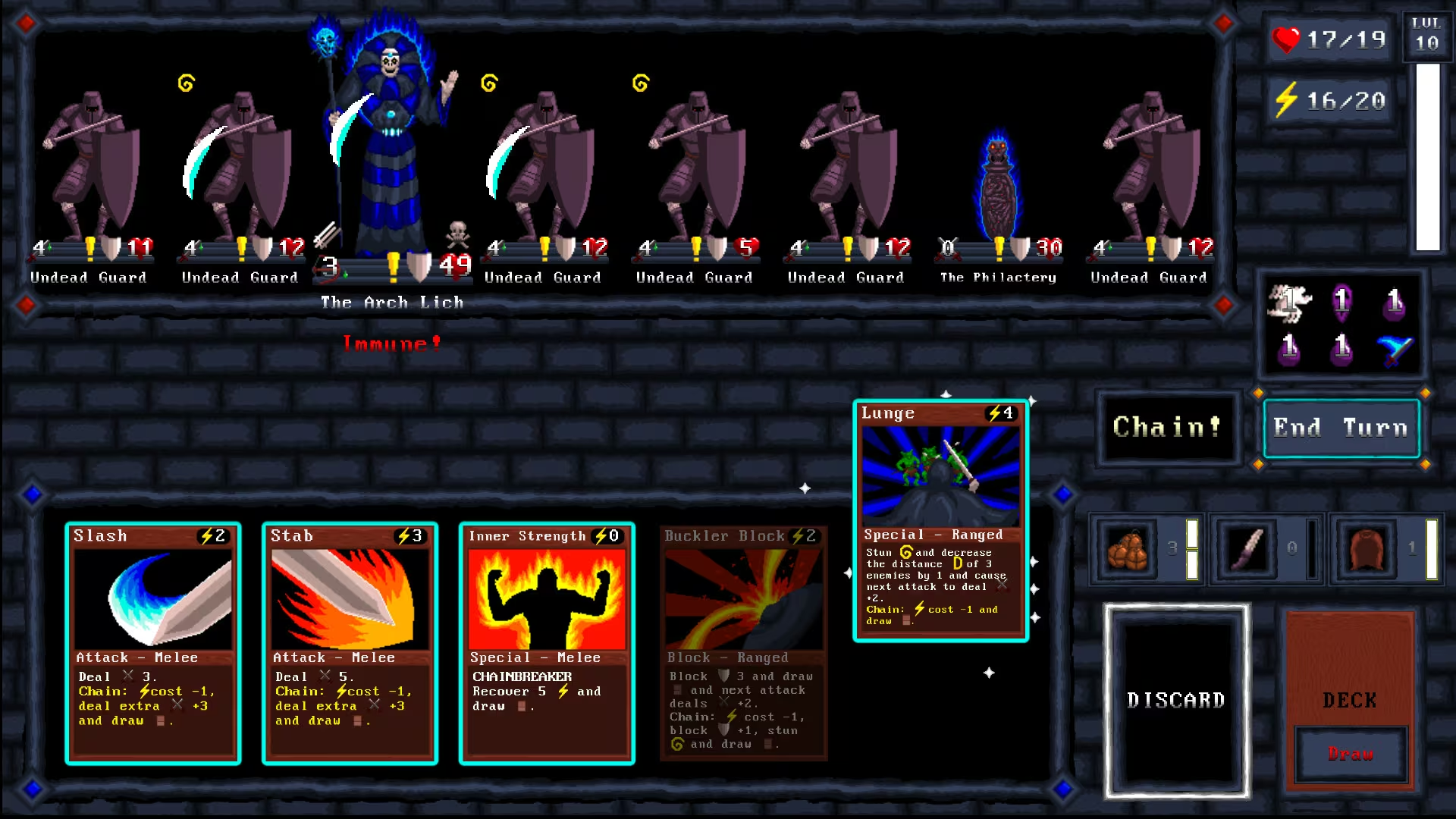
Card Quest is a dungeon crawling adventure game with unique card combat. Play with a variety of unique character classes, and customize decks to fit your playstyle. Explore the strategic depth of tactical roguelike gameplay, and crush the undead plague.
Global score
86/100
Genres
Indie, Role-playing (RPG), Strategy, Card & Board Game
Similar games
Pros
- Deep and challenging gameplay
- High replayability with multiple classes and unlocks
- Unique equipment-based deck customization
- Well-balanced strategic combat
- Active developer support and updates
Cons
- Graphics and presentation are simple and may deter some players
- Steep learning curve and punishing difficulty early on
- Some grind required for progression and unlocks
- Lack of multiplayer or social features
- Repetitive encounters and fixed boss fights
Analysis
Broadly representative of its motivational profile, with a few distinct shifts. Motivations that often define this kind of title include Relaxation, Survival, Violence, Fellowship. Here, the score leans higher than usual among comparable games on Expression, Experimenting. It leans lower than usual among comparable games on Status.
How to use the graph
Similar games map
Each dot is a game. They are arranged from the same motivation profile as in the “Motivations” section below. Closer dots usually mean more similar reasons to play (exploration, competition, relaxation, etc.)—not that one game is “better” than another.
- Larger dot with a light outline: the game you are viewing.
- Colour: groups of games with comparable motivation patterns (statistical clusters).
- Hover a dot to see the game name; click to open its page.
- Scroll or double-click the chart to zoom out and see more games.
Why don’t the axes read like a score? This view uses t-SNE: it only keeps who is close to whom. The scales are not “good to bad” or hours played—they separate groups on the map. Read distance between dots, not the axis numbers.
Motivations
-
Autonomy4
"Players choose classes, equipment, and paths freely, allowing personal control over playstyle and strategy."
-
Competence5
"The game is challenging and requires skillful resource and card management, rewarding mastery and strategic thinking."
-
Competition-3
"Focus is on personal progression and overcoming game challenges rather than competing against other players."
-
Continuation5
"High replayability with multiple classes, unlocks, and branching paths encourages long-term engagement."
-
Cooperation-5
"Single-player experience focused on individual play without multiplayer or cooperative elements."
-
Creativity4
"Players customize decks via equipment loadouts and experiment with many unique combinations and subclasses."
-
Domination-5
"No evidence of exerting control or superiority over others; gameplay is solo and self-directed."
-
Escapism4
"Provides immersive fantasy gameplay and distraction through strategic card battles and roguelike progression."
-
Expectation-4
"Players engage voluntarily out of intrinsic interest and enjoyment, not obligation or external pressure."
-
Experimenting5
"Strong emphasis on trying new equipment combinations, subclasses, and strategies to overcome challenges."
-
Exploration3
"Branching maps and multiple campaigns encourage discovering new paths and enemy encounters."
-
Expression3
"Customization of character decks and builds allows personal expression within gameplay constraints."
-
Fantasy5
"Strong fantasy setting with classes like mage, rogue, and warrior, and thematic enemies and lore."
-
Fellowship-5
"No social or community features; gameplay is solitary and focused on individual experience."
-
Growth5
"Players learn mechanics, improve skills, and unlock new items and subclasses, supporting personal development."
-
Health-5
"Typical sedentary gameplay with no physical activity or health-related features."
-
Idle-4
"Requires focused attention and strategic planning; not designed for passive or background play."
-
Intimacy-5
"No evidence of forming close relationships or emotional social interactions within the game."
-
Leadership-5
"No leadership or group management roles; purely individual gameplay."
-
Progression5
"Strong progression system with unlockable equipment, skills, and subclasses enhancing player power."
-
Relaxation-2
"Game is challenging and punishing, creating tension rather than pure relaxation or flow."
-
Sensation2
"Visual and auditory elements are simple but effective, providing moderate sensory stimulation."
-
Status-5
"No social recognition or status systems; achievements are personal and not publicly ranked."
-
Story3
"Includes narrative elements and lore with multiple campaigns and thematic settings."
-
Strategy5
"Core gameplay revolves around strategic resource management, card combos, and tactical decision-making."
-
Thrill3
"Challenging encounters and risk of failure create suspense and excitement during battles."
-
Value4
"Players report high value for price due to depth, replayability, and content volume."
-
Violence3
"Combat involves defeating enemies with attacks and spells, typical for fantasy card games."
-
Survival4
"Gameplay emphasizes avoiding damage and managing limited resources to survive encounters."
Last update: 29/04/2026