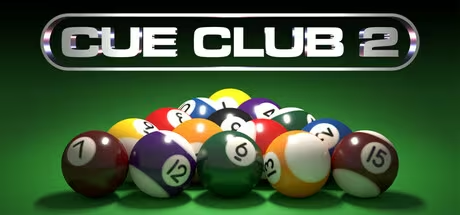
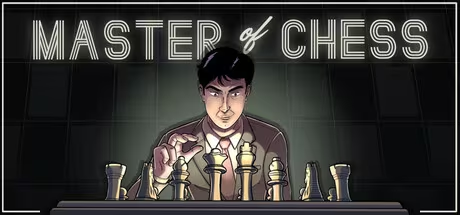
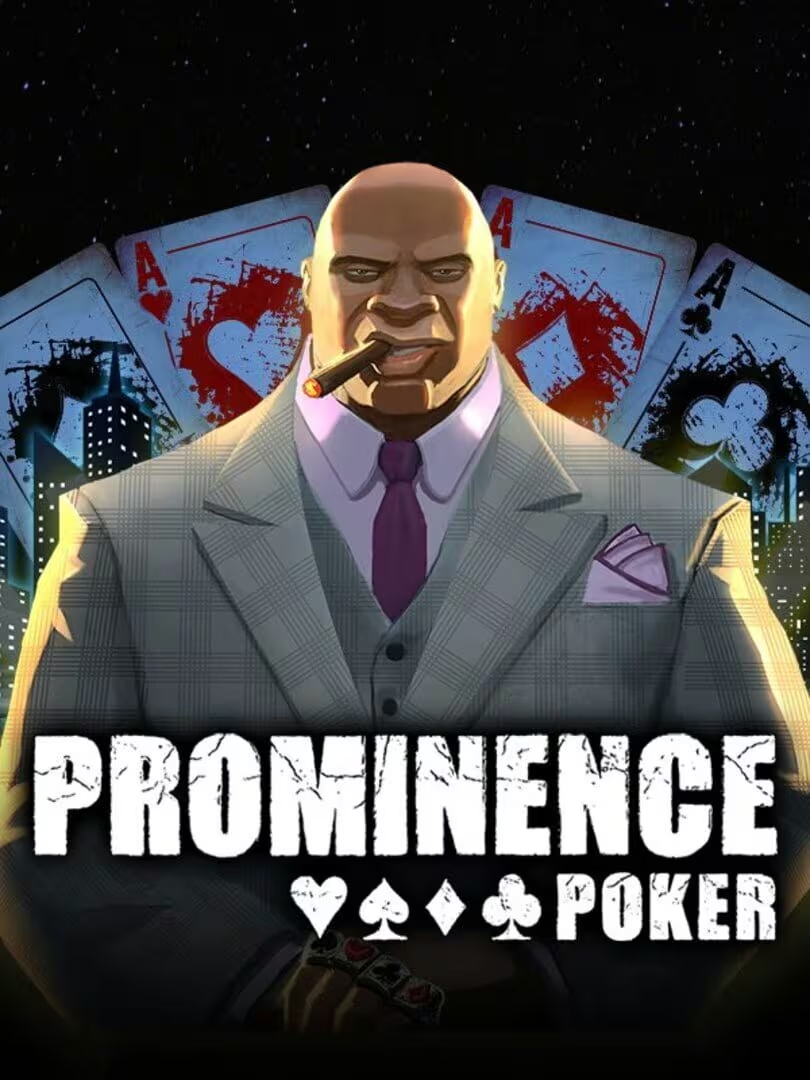
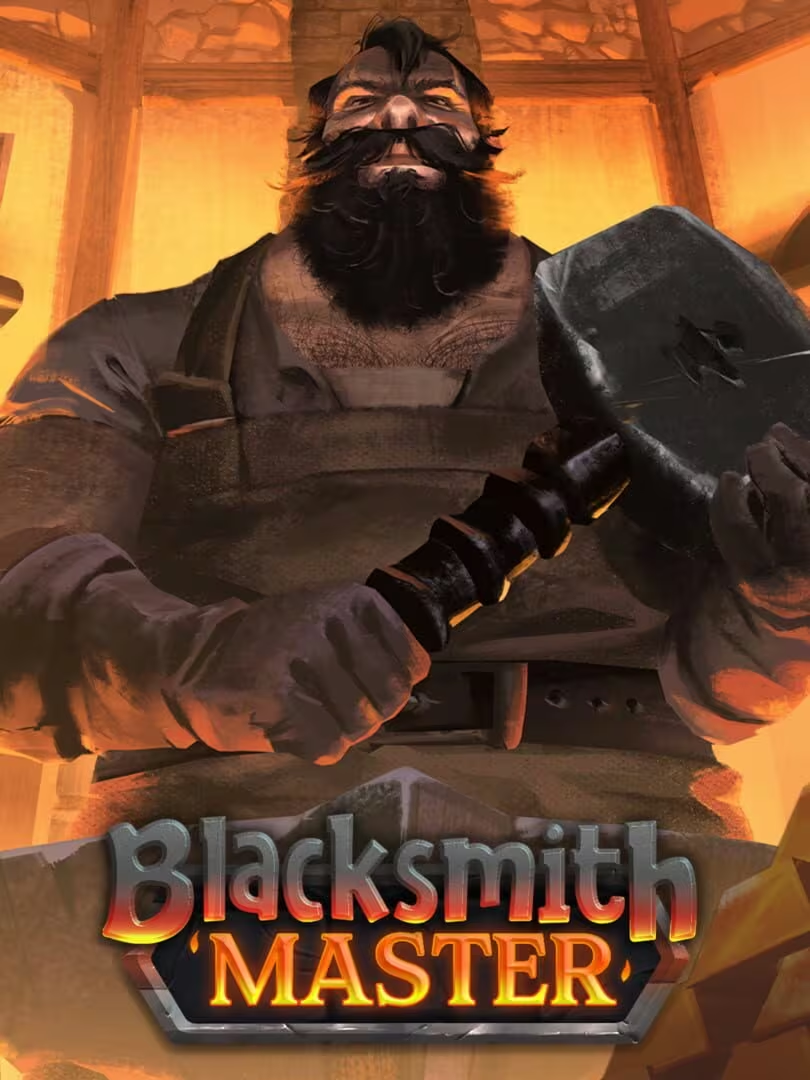
Chess Ultra Thumbnail

Chess Ultra similar games & best alternatives
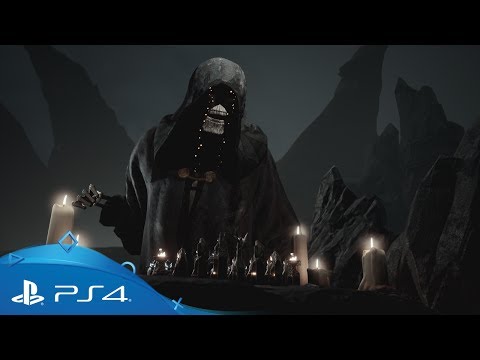
Chess Ultra

PC (Microsoft Windows) • 2017

Related articles

Quick resume

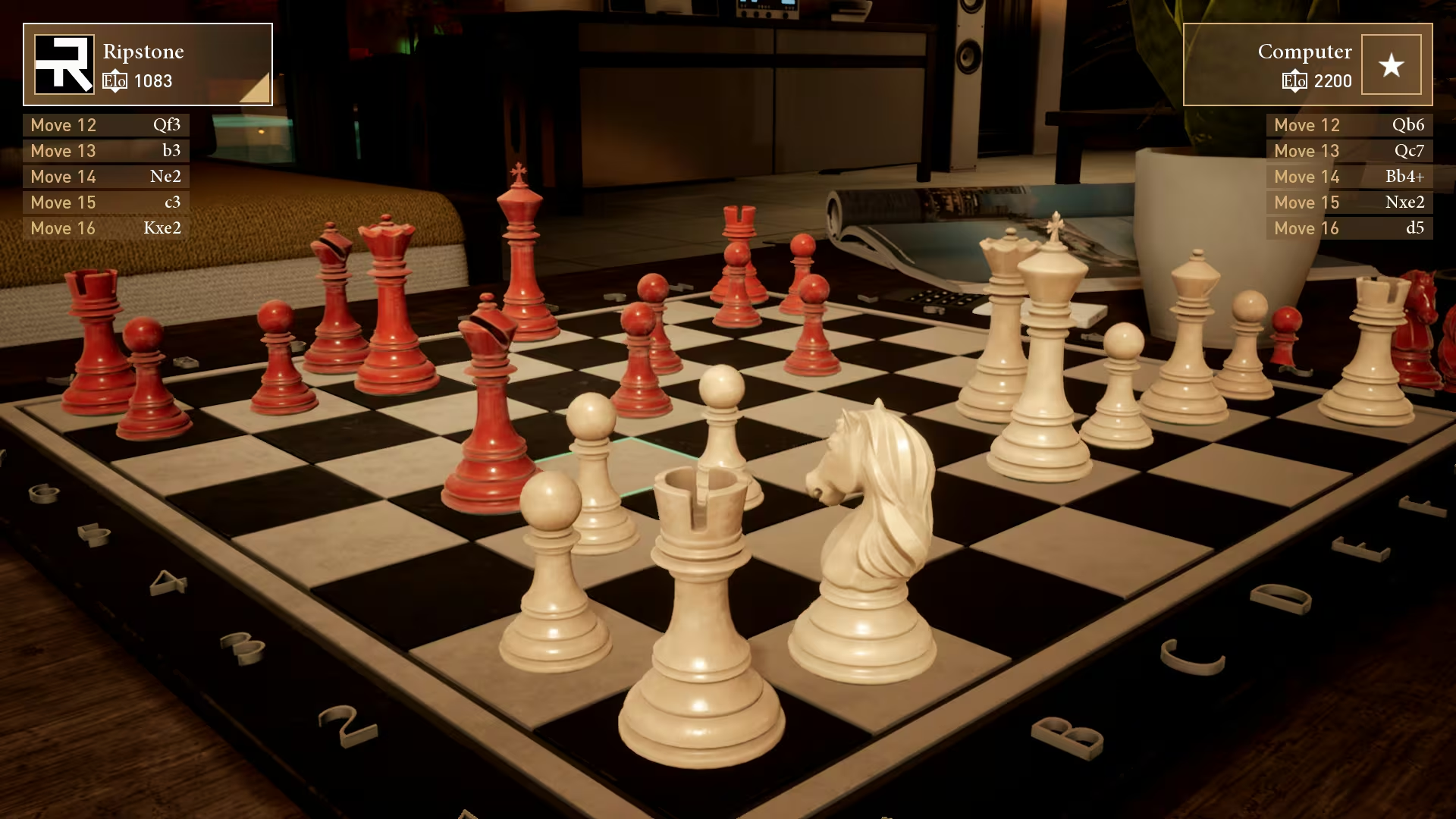
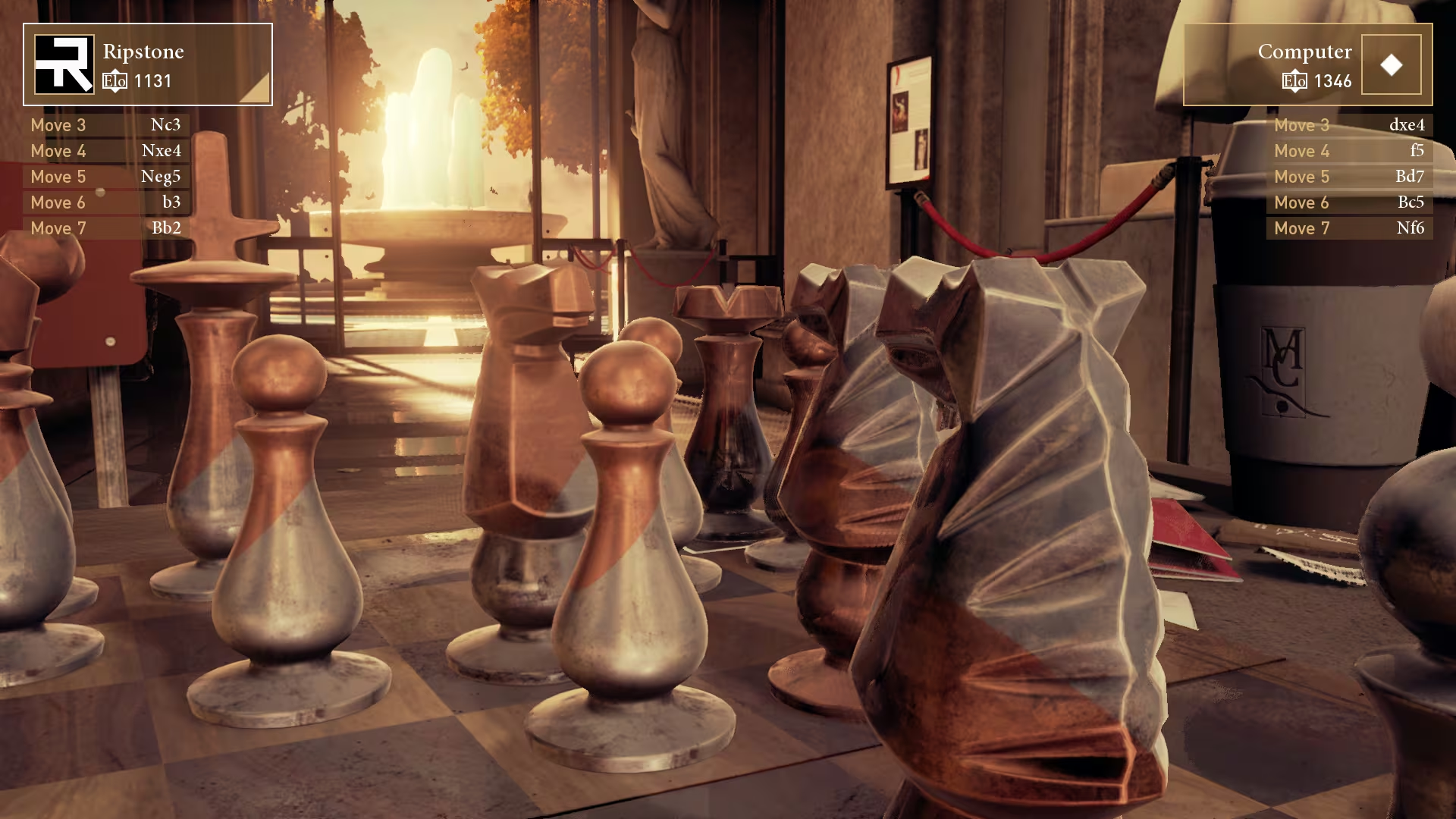
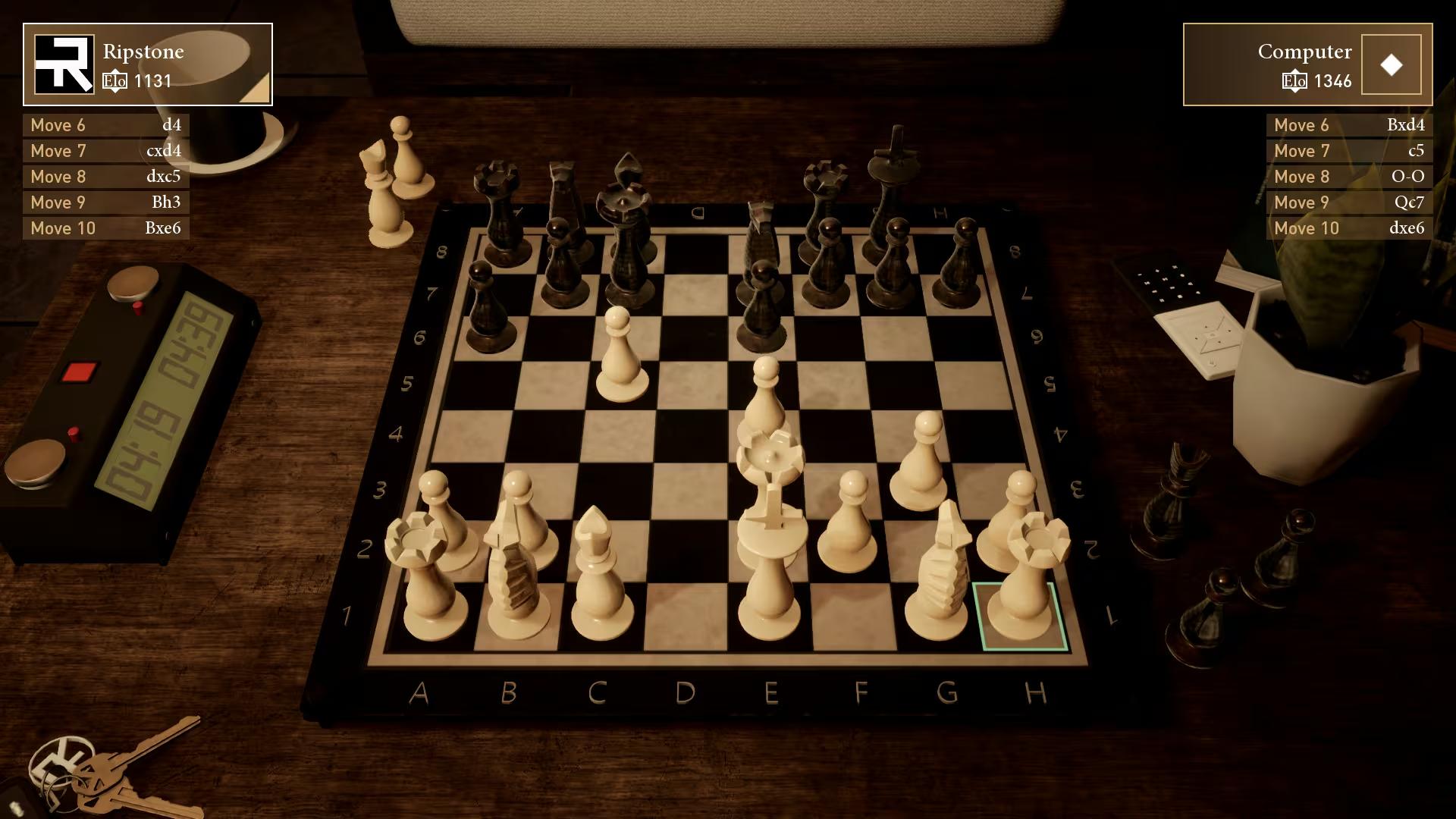
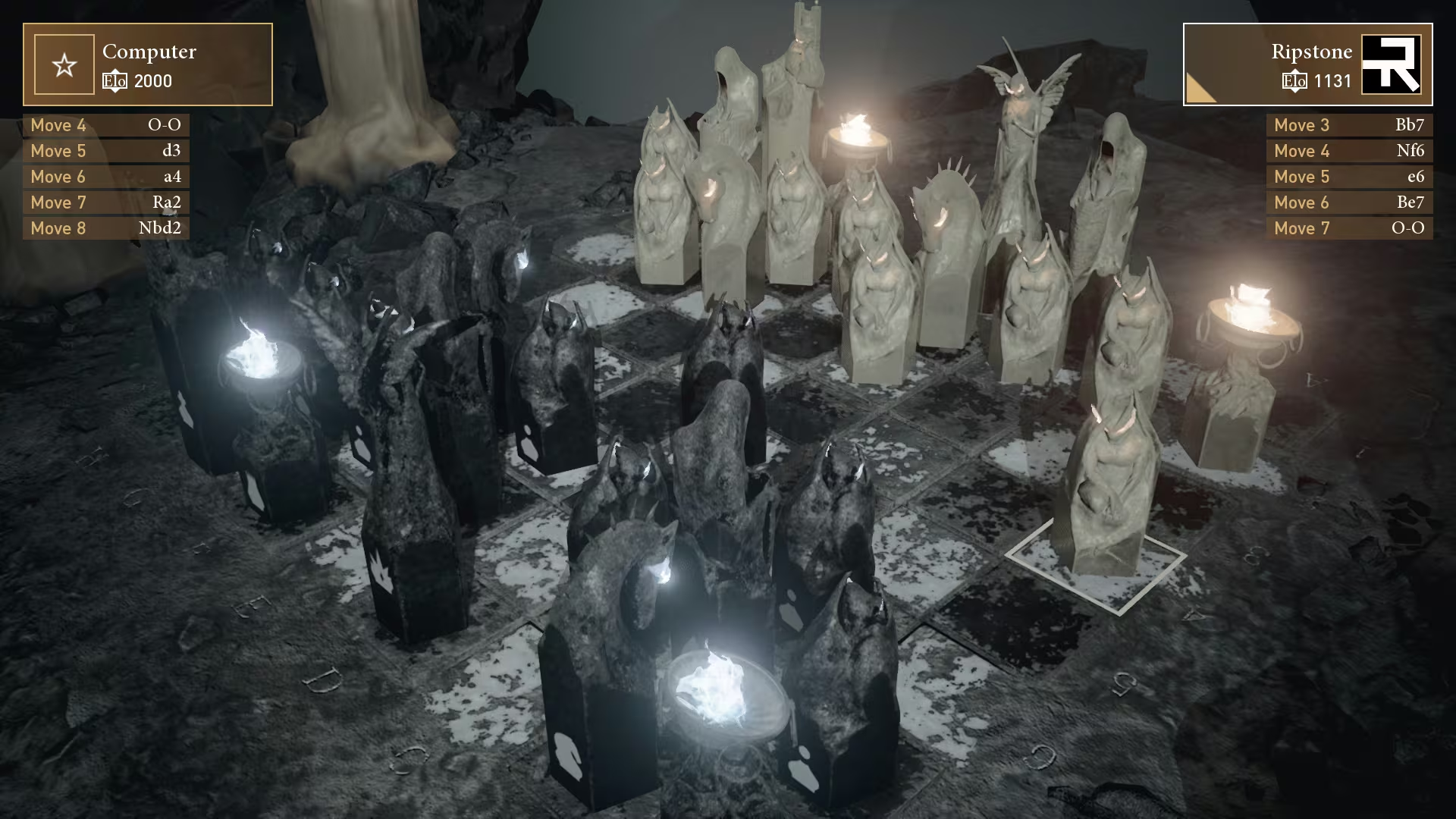
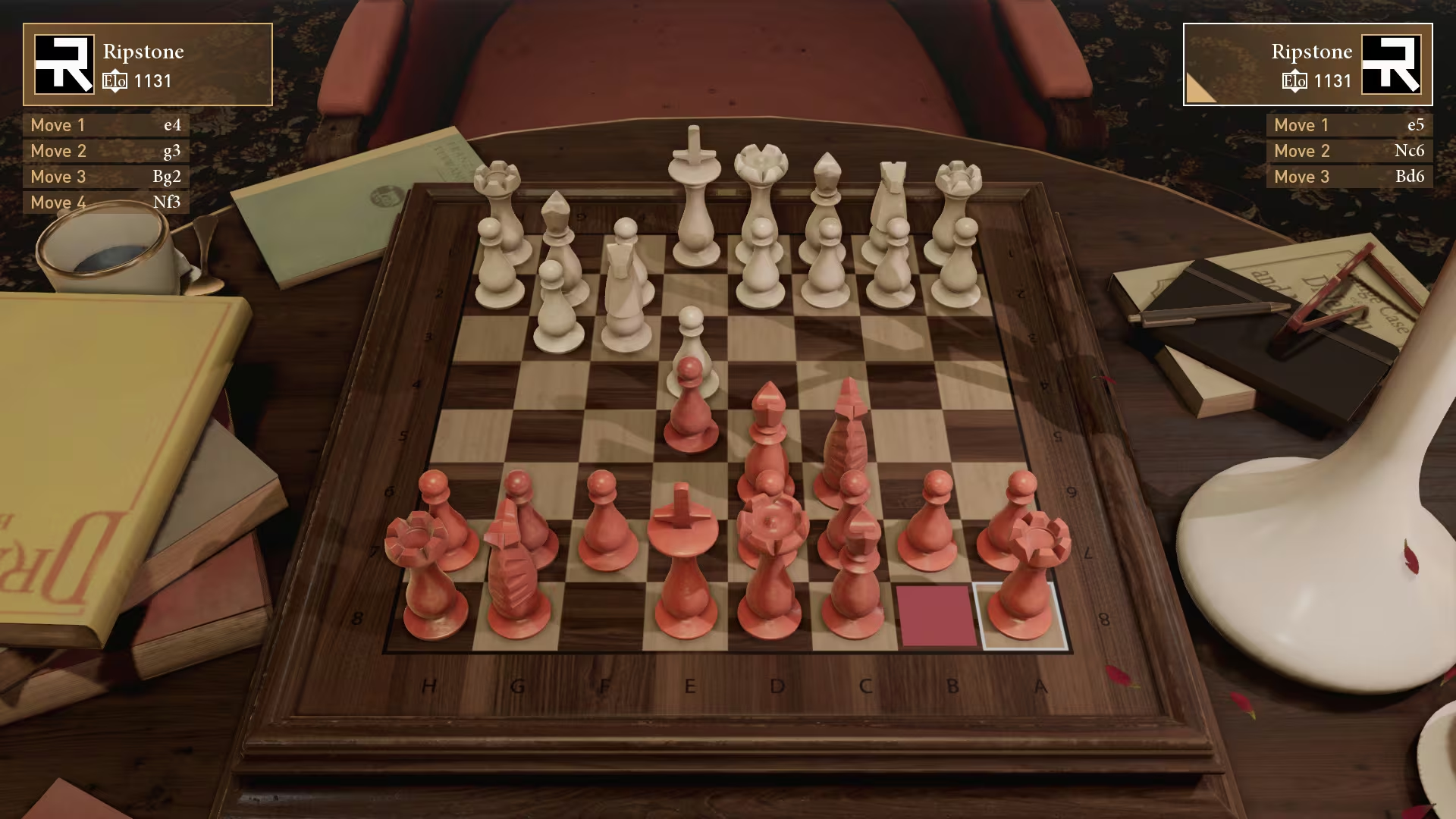
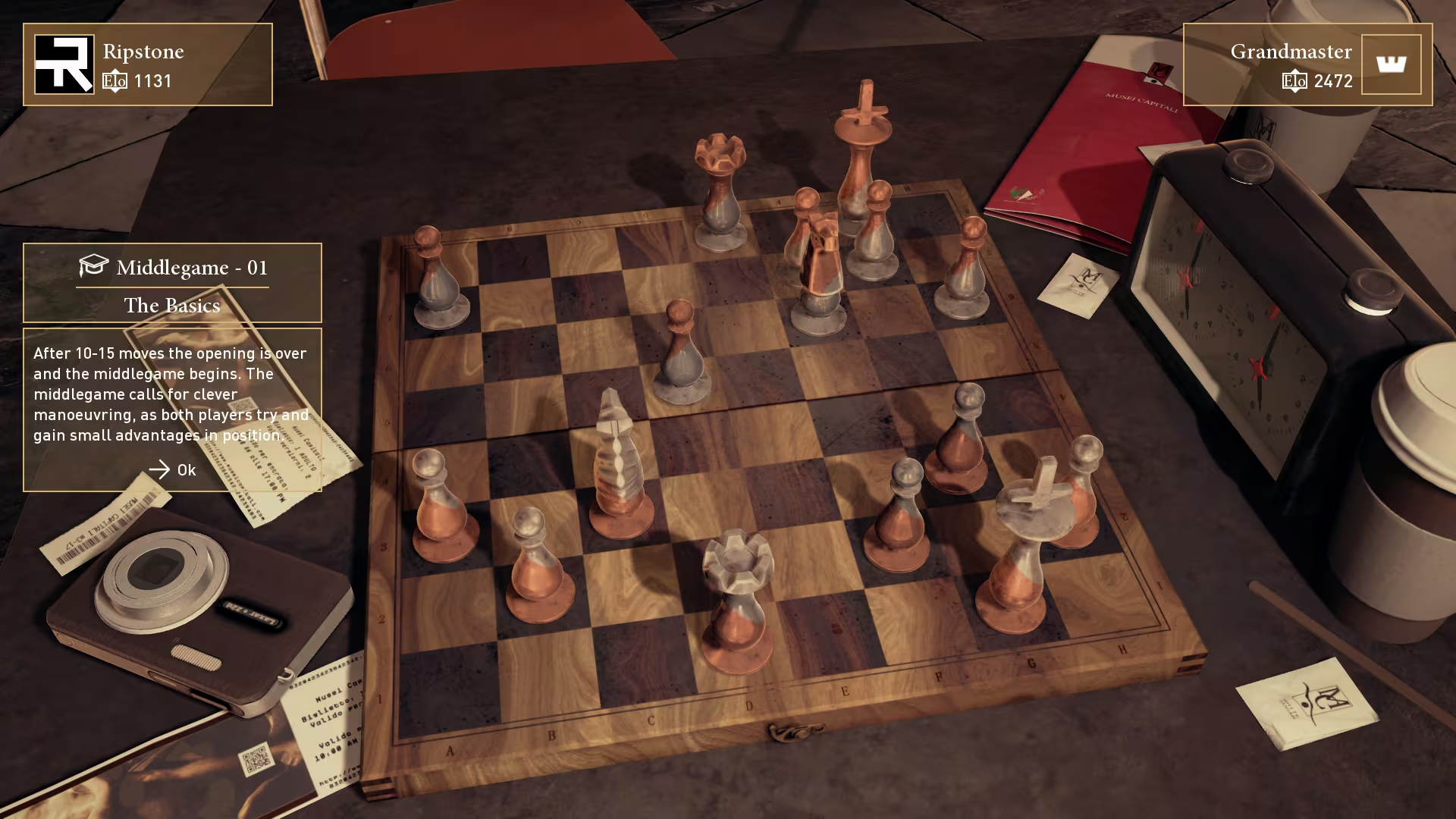
Introducing Chess Ultra; the most breathtaking chess game ever made. Experience stunning 4K visuals, seamless online multiplayer, Grandmaster approved AI and full VR compatibility.

Global score

75/100

Genres

Action, Adventure, Casual, Indie, Role-playing (RPG), Simulator, Sport, Strategy

Similar games

    Pros

    • Stunning graphics and immersive environments
    • Relaxing music and atmosphere
    • Multiple ai difficulty levels and puzzles
    • Customizable chess sets and boards
    • Vr support and online multiplayer

    Cons

    • Limited online player base and matchmaking issues
    • Lack of advanced analysis or training tools
    • No support for importing external chess engines
    • Some camera control limitations
    • Dlc pricing considered high by some players

    Analysis

    Less representative of its motivational profile, with noticeable differences. Motivations that often define this kind of title include Competition, Status, Story, Expression. It leans lower than usual among comparable games on Survival, Fantasy, Violence.

    How to use the graph
    Similar games map

    Each dot is a game. They are arranged from the same motivation profile as in the “Motivations” section below. Closer dots usually mean more similar reasons to play (exploration, competition, relaxation, etc.)—not that one game is “better” than another.

    • Larger dot with a light outline: the game you are viewing.
    • Colour: groups of games with comparable motivation patterns (statistical clusters).
    • Hover a dot to see the game name; click to open its page.
    • Scroll or double-click the chart to zoom out and see more games.

    Why don’t the axes read like a score? This view uses t-SNE: it only keeps who is close to whom. The scales are not “good to bad” or hours played—they separate groups on the map. Read distance between dots, not the axis numbers.

    Motivations

    • Autonomy
      4

      "Players can freely choose game settings, piece sets, boards, and difficulty levels, allowing control over their chess experience."

    • Competence
      3

      "The game offers multiple AI difficulty levels and puzzles that challenge players to improve their chess skills."

    • Competition
      2

      "Includes online multiplayer, tournaments, and ELO rating system, but online player base is small and matchmaking can be slow."

    • Continuation
      3

      "Players report habitual play, enjoying long sessions and repeated games against AI or friends."

    • Cooperation
      -3

      "Focus is primarily on individual play against AI or asynchronous multiplayer; limited real-time cooperative gameplay."

    • Creativity
      2

      "Customization of chess sets and boards is available, enhancing personal expression within the game."

    • Domination
      -4

      "Interactions emphasize fair play and mutual respect; no evidence of trash talk or dominance behaviors."

    • Escapism
      4

      "Players enjoy the relaxing atmosphere, music, and immersive environments as a way to unwind and escape daily stress."

    • Expectation
      -4

      "Players engage voluntarily out of personal interest and enjoyment, not due to obligation or pressure."

    • Experimenting
      1

      "Some experimentation with different piece sets and boards, but gameplay follows traditional chess rules without novel mechanics."

    • Exploration
      -2

      "Exploration is limited to selecting different visual themes; core gameplay occurs on familiar chess boards."

    • Expression
      3

      "Customization of chess pieces and environments allows players to express personal aesthetic preferences."

    • Fantasy
      -3

      "The game simulates realistic chess play with no fantasy or roleplaying elements."

    • Fellowship
      1

      "Some social interaction through online multiplayer and playing with friends, but limited by small player base."

    • Growth
      3

      "Tutorials, puzzles, and AI difficulty scaling support learning and skill development."

    • Health
      -5

      "Sedentary gameplay with no physical activity involved."

    • Idle
      -3

      "Requires focused attention during matches; not designed for background or idle play."

    • Intimacy
      -4

      "Social interactions are minimal and surface-level, mostly limited to online play without voice chat or deep connections."

    • Leadership
      -4

      "No leadership or management roles; players engage as equals in matches."

    • Progression
      2

      "ELO rating system and unlocking cosmetic DLC provide some sense of progression."

    • Relaxation
      4

      "The game is praised for its relaxing music, atmosphere, and pacing, promoting a calm experience."

    • Sensation
      3

      "High-quality graphics, sound, and immersive environments provide sensory enjoyment."

    • Status
      1

      "ELO ratings and leaderboards offer some recognition, but limited by small online community."

    • Story
      -4

      "No narrative or plot; gameplay is context-free chess matches."

    • Strategy
      5

      "Chess inherently involves deep strategic thinking, planning, and problem solving."

    • Thrill
      1

      "Some suspense in timed matches and close games, but overall a controlled and calm experience."

    • Value
      3

      "Players find good value especially when purchased on sale, appreciating the quality and features."

    • Violence
      -5

      "No violence; gameplay is constructive and intellectual."

    • Survival
      -4

      "No survival elements; stable, low-risk environment focused on skillful play."

    Last update: 29/04/2026