Command: Modern Operations Thumbnail

Command: Modern Operations similar games & best alternatives

Command: Modern Operations

PC (Microsoft Windows) • 2019

Related articles

Quick resume

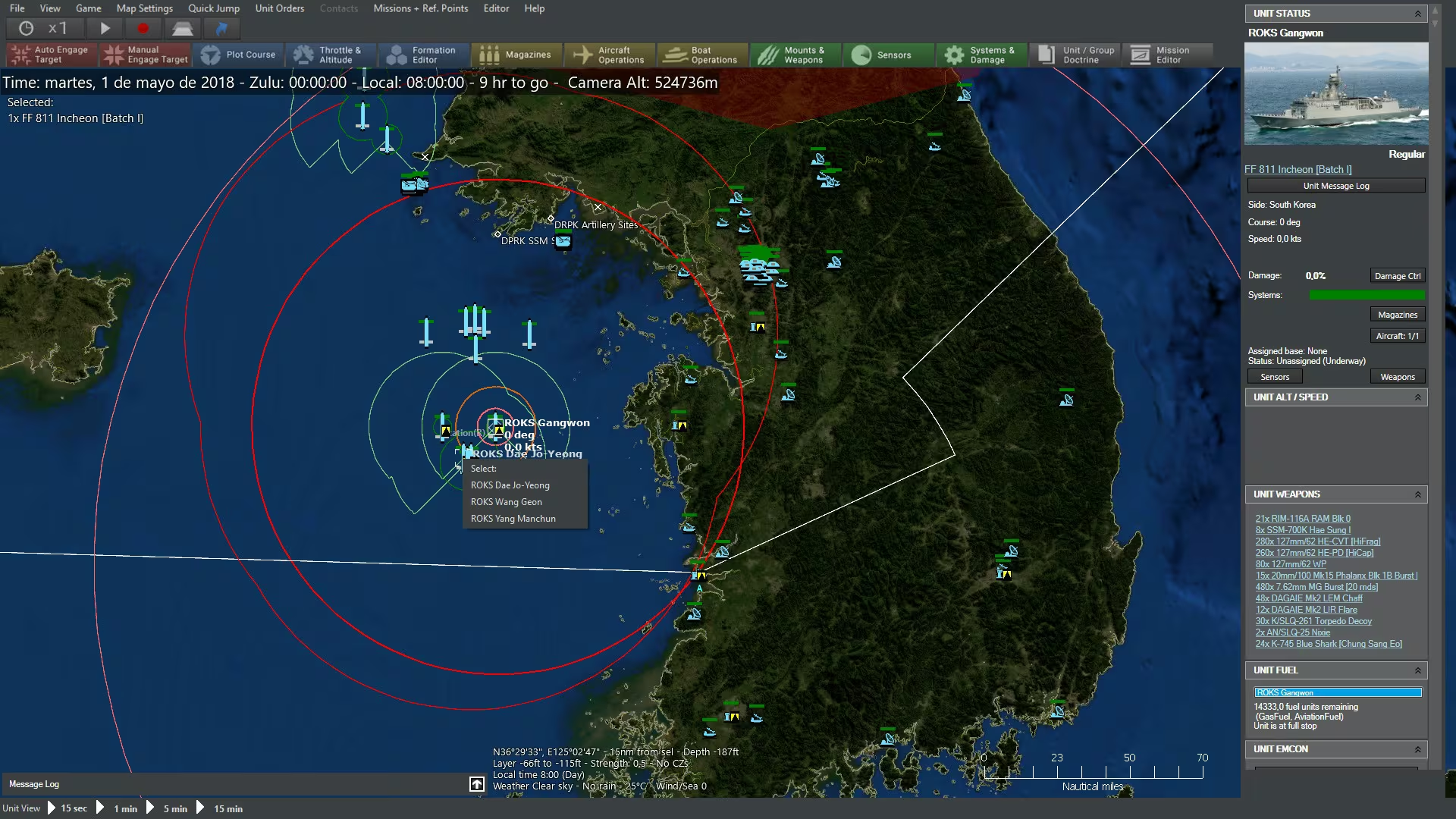
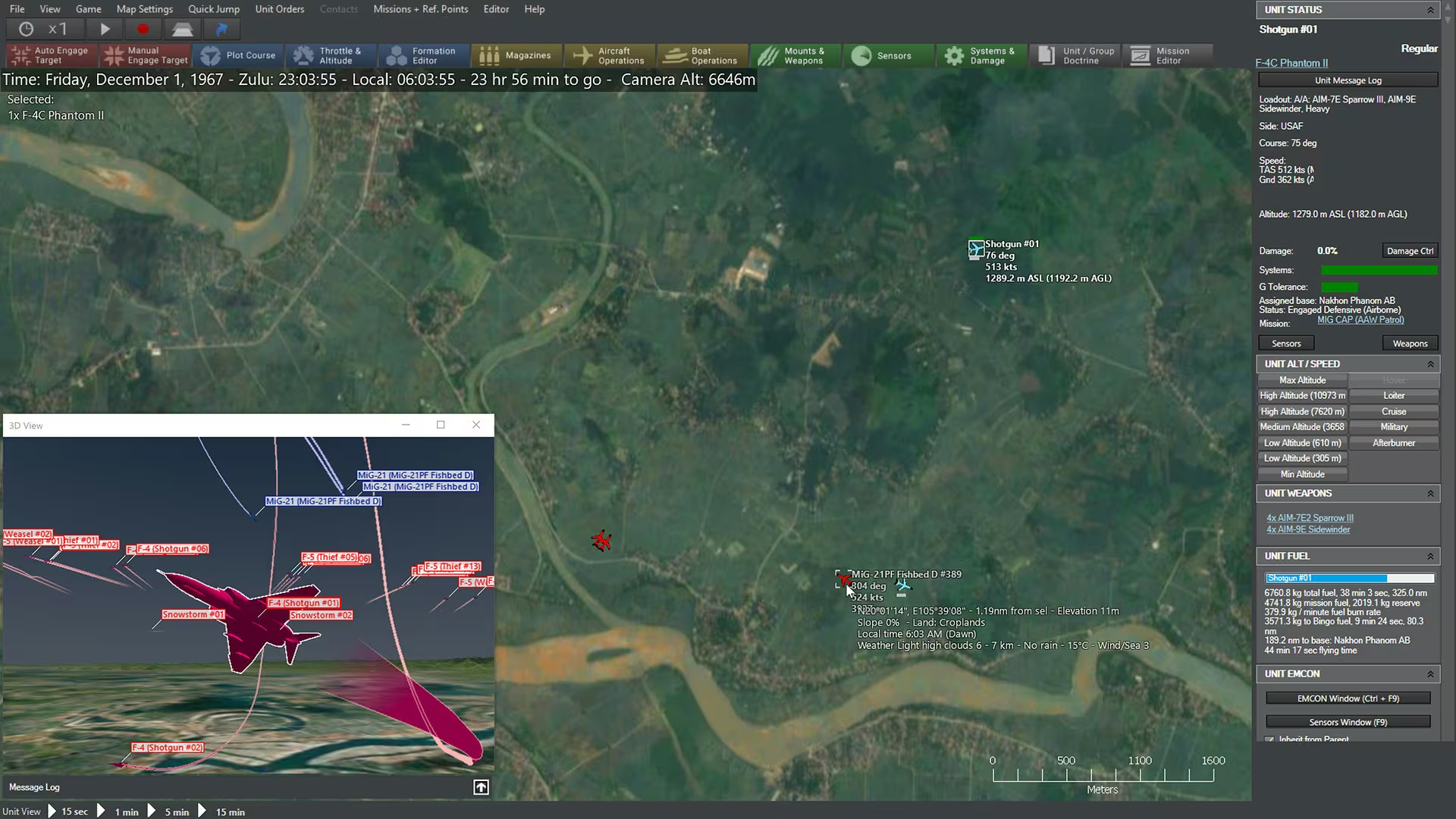
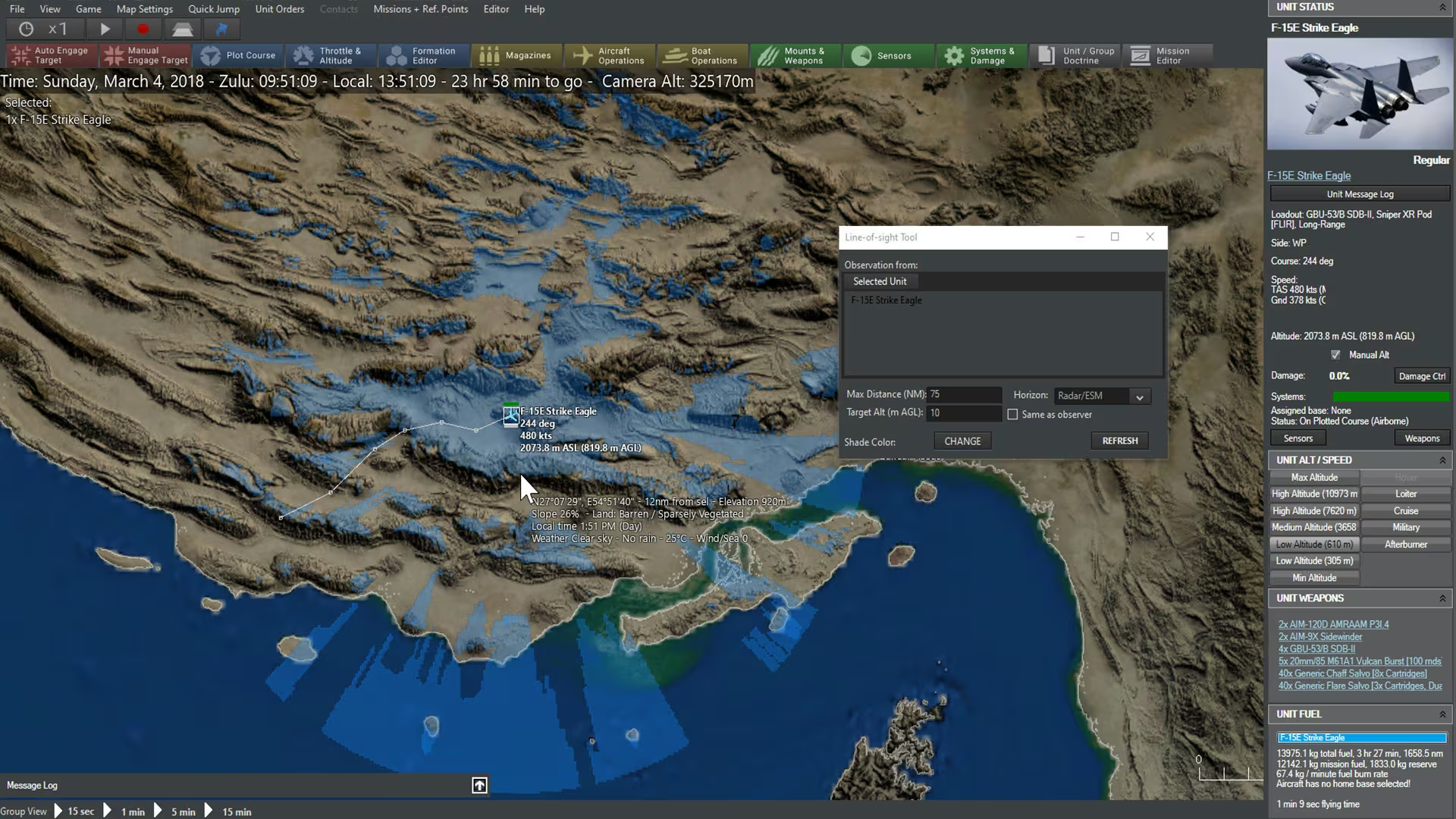
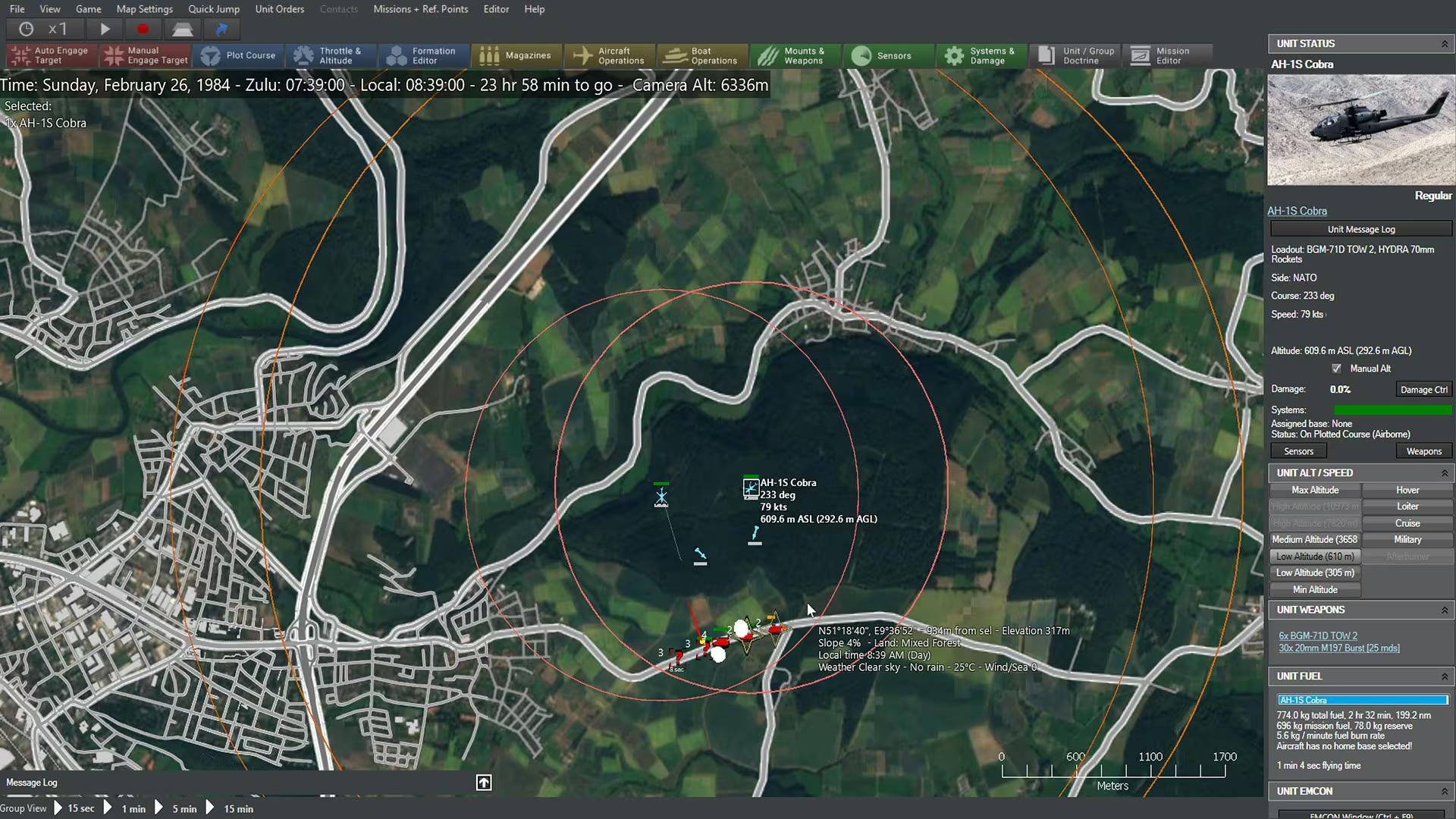
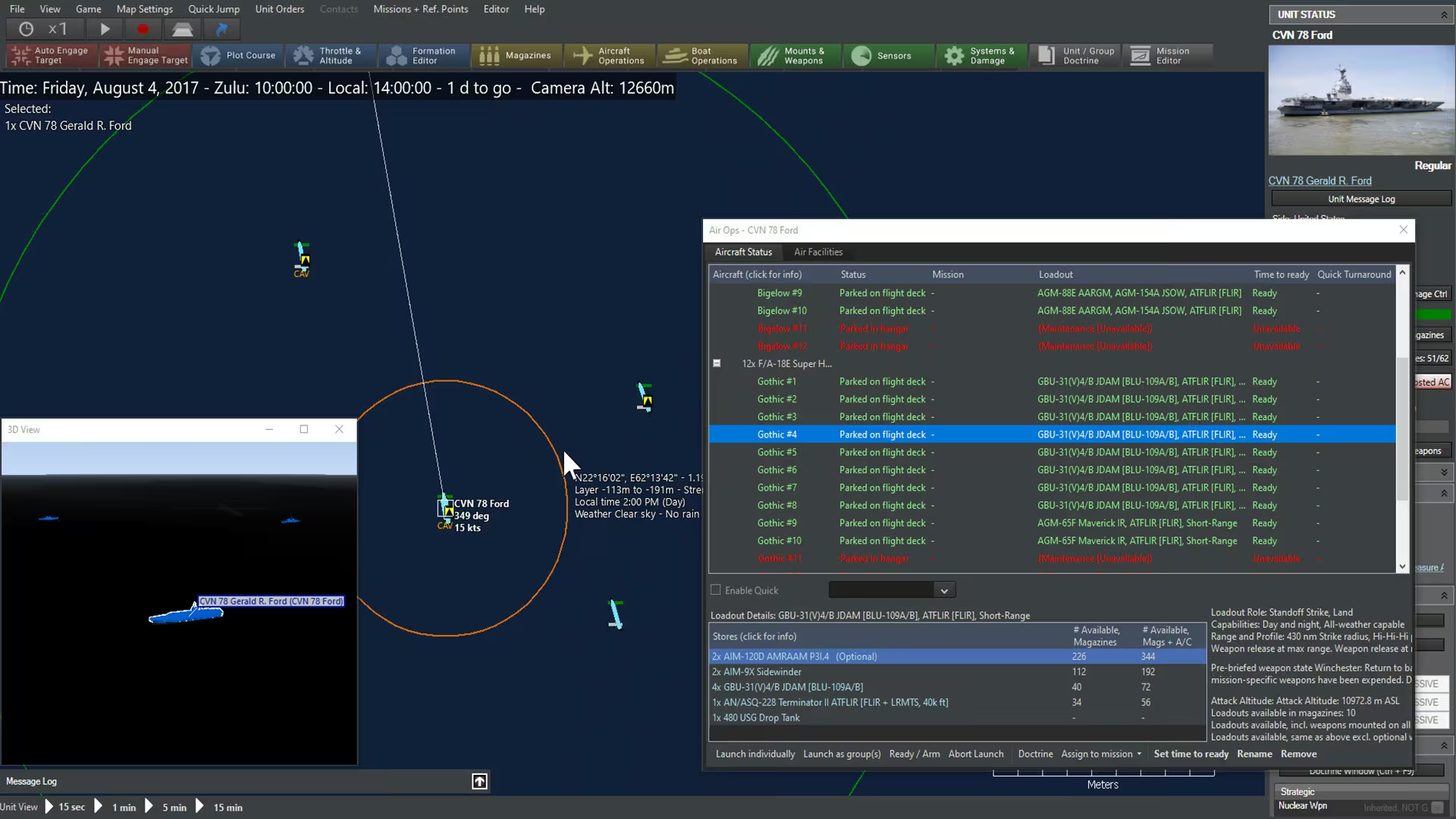
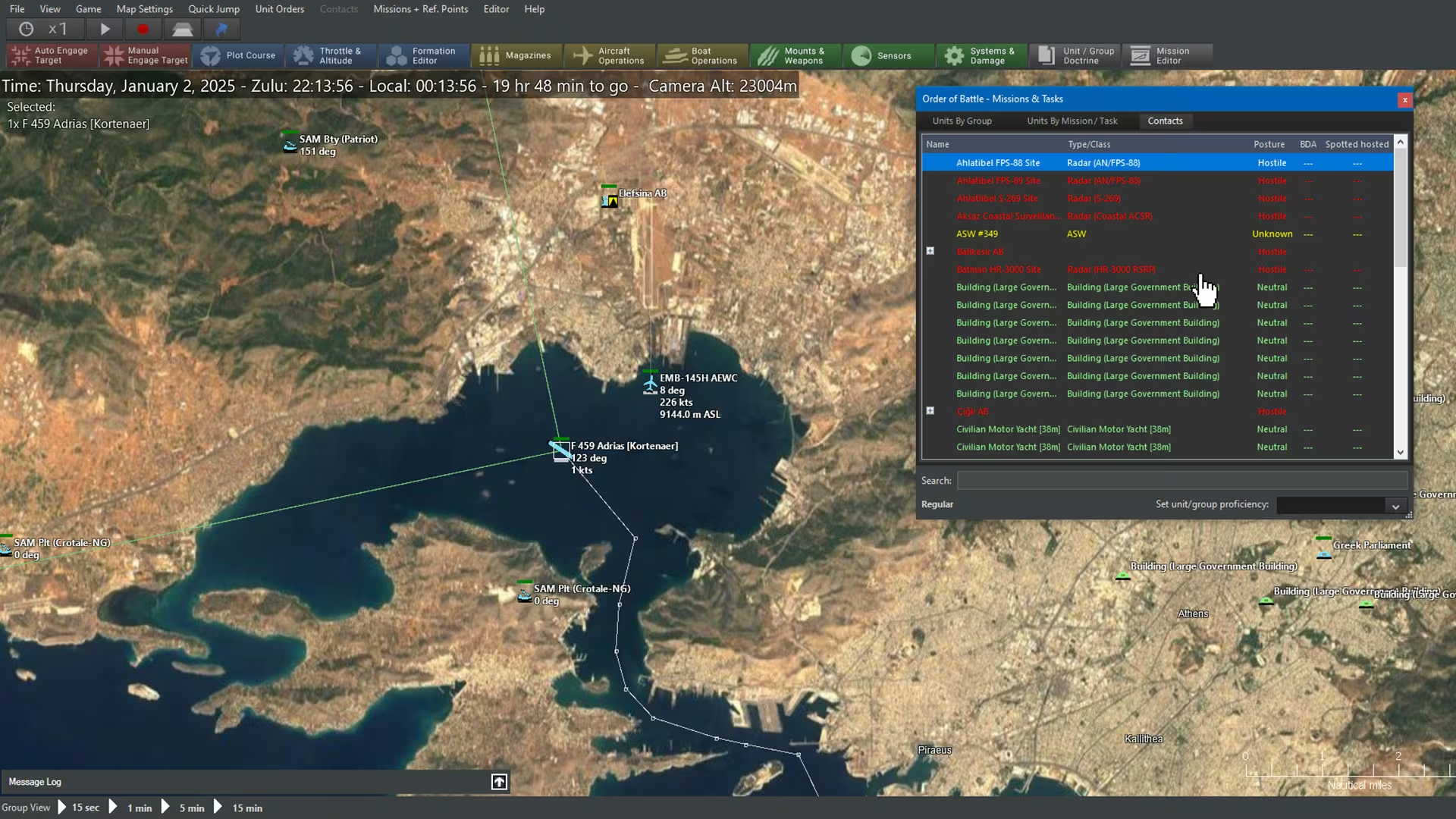
Command: Modern Operations is the next generation in cross-domain modern wargaming. It enables you to simulate every military engagement from post World War II to the present day and beyond. The scale is primarily tactical/operational, although strategic scale operations are also possible.

Global score

85/100

Genres

Simulator, Strategy

Similar games

    Pros

    • Extremely detailed and realistic military simulation
    • Massive database of units and weapons
    • Robust scenario editor and community content
    • Active developer support and updates
    • High replayability and learning depth

    Cons

    • Steep learning curve and complex ui
    • High price and expensive dlcs
    • Limited ground combat simulation
    • Minimal graphical and sensory stimulation
    • Some bugs and occasional performance issues

    Analysis

    Less representative of its motivational profile, with noticeable differences. Motivations that often define this kind of title include Leadership, Survival, Violence, Strategy. Here, the score leans higher than usual among comparable games on Fellowship. It leans lower than usual among comparable games on Fantasy, Sensation.

    How to use the graph
    Similar games map

    Each dot is a game. They are arranged from the same motivation profile as in the “Motivations” section below. Closer dots usually mean more similar reasons to play (exploration, competition, relaxation, etc.)—not that one game is “better” than another.

    • Larger dot with a light outline: the game you are viewing.
    • Colour: groups of games with comparable motivation patterns (statistical clusters).
    • Hover a dot to see the game name; click to open its page.
    • Scroll or double-click the chart to zoom out and see more games.

    Why don’t the axes read like a score? This view uses t-SNE: it only keeps who is close to whom. The scales are not “good to bad” or hours played—they separate groups on the map. Read distance between dots, not the axis numbers.

    Motivations

    • Autonomy
      5

      "Players have full control over unit actions, mission planning, and rules of engagement, with extensive freedom to direct operations and create custom scenarios."

    • Competence
      5

      "The game demands high skill and knowledge of military systems, tactics, and complex UI, rewarding mastery and strategic thinking."

    • Competition
      -2

      "Focus is primarily on solo play and scenario completion; multiplayer exists but is niche and not the main motivation."

    • Continuation
      5

      "Players invest hundreds to thousands of hours; the game has deep replayability and community content encouraging long-term engagement."

    • Cooperation
      -3

      "Gameplay centers on individual command and control; limited evidence of cooperative multiplayer or teamwork."

    • Creativity
      5

      "Robust scenario editor and Lua scripting allow extensive creation and modification of scenarios and missions."

    • Domination
      -3

      "Interactions are mostly simulation-driven with no emphasis on social dominance or trash talk."

    • Escapism
      3

      "Players use the game to immerse themselves in complex military scenarios, providing intellectual escape from real life."

    • Expectation
      -4

      "Engagement is voluntary and driven by intrinsic interest in military simulation and strategy."

    • Experimenting
      4

      "Players experiment with different tactics, unit loadouts, and scenario designs extensively."

    • Exploration
      3

      "Exploration of global maps, various historical and hypothetical conflicts, and discovery of unit capabilities."

    • Expression
      2

      "Limited cosmetic customization but players express themselves through scenario creation and tactical choices."

    • Fantasy
      -4

      "Strong emphasis on realistic, historically accurate military simulation rather than fictional or fantastical elements."

    • Fellowship
      2

      "Active community sharing scenarios and providing support, though social interaction is limited."

    • Growth
      5

      "Steep learning curve with continuous knowledge acquisition about military technology and tactics."

    • Health
      -5

      "Sedentary gameplay with no physical activity involved."

    • Idle
      -3

      "Requires sustained attention and focus during long scenarios; not suited for casual or background play."

    • Intimacy
      -4

      "Minimal social or emotional connection; interactions are mostly individual and technical."

    • Leadership
      4

      "Players act as commanders directing multiple units and making strategic decisions."

    • Progression
      3

      "Players accumulate knowledge, unlock scenarios, and manage units and upgrades over time."

    • Relaxation
      -2

      "High cognitive load and tension due to complexity and realism; not primarily for relaxation."

    • Sensation
      -3

      "Visuals are functional and minimalistic; sensory stimulation is low and focused on data and maps."

    • Status
      -3

      "Little emphasis on social recognition or popularity; achievements are personal and technical."

    • Story
      2

      "Includes scenarios with historical or hypothetical narratives, but no overarching story-driven campaigns."

    • Strategy
      5

      "Core motivation is strategic planning, problem solving, and tactical decision making."

    • Thrill
      2

      "Some suspense from uncertain outcomes and complex engagements, but not focused on adrenaline or risk."

    • Value
      2

      "High perceived value for enthusiasts due to depth and extensive content, though price is considered steep by some."

    • Violence
      4

      "Simulation of combat and destruction is central, including missile strikes, naval battles, and air combat."

    • Survival
      4

      "Players must manage threats, resource constraints, and unit survival in complex combat scenarios."

    Last update: 29/04/2026