Making History: The Great War Thumbnail

Making History: The Great War similar games & best alternatives

Making History: The Great War

PC (Microsoft Windows), Mac, Linux • 2015

Related articles

Quick resume

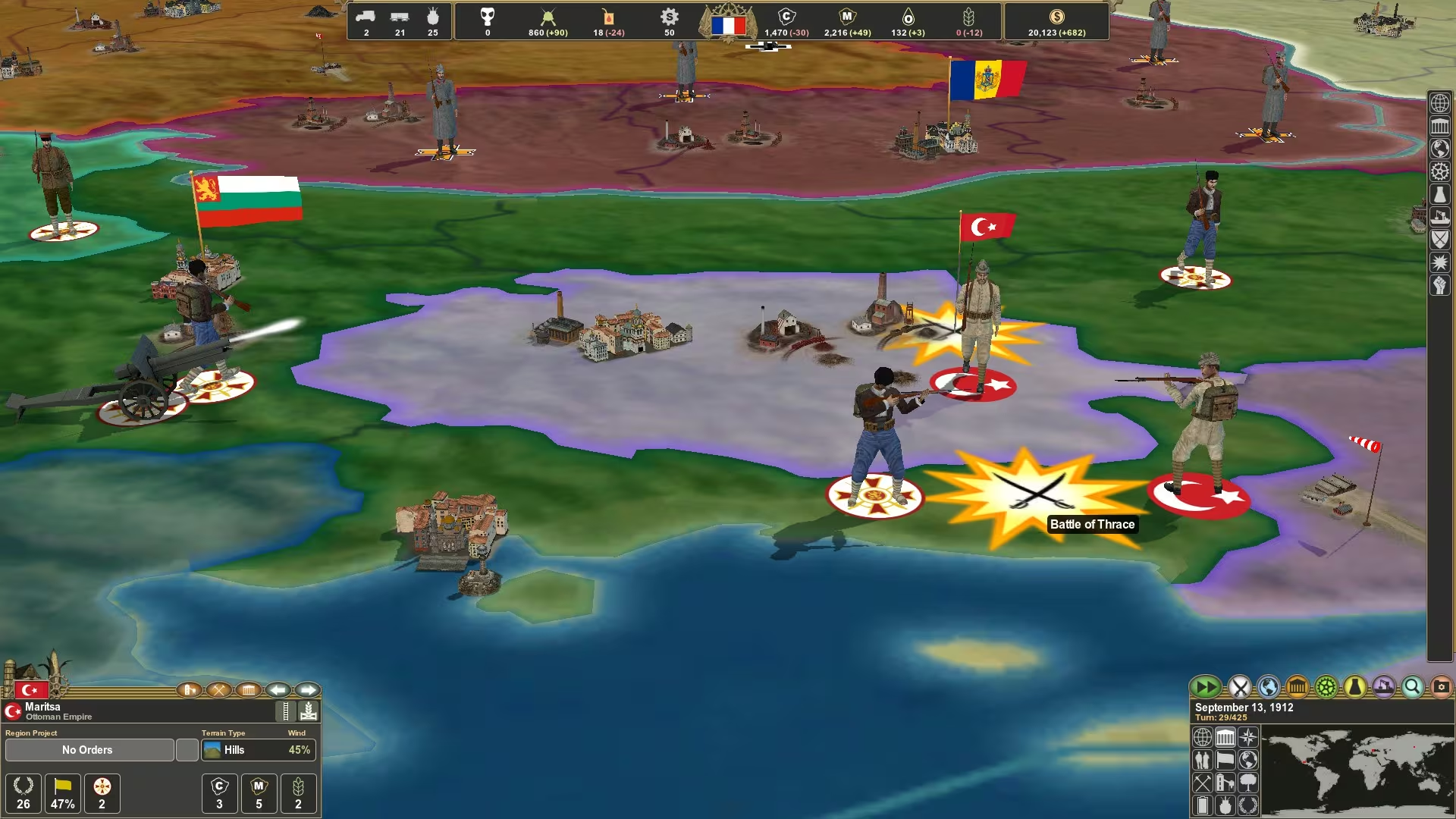
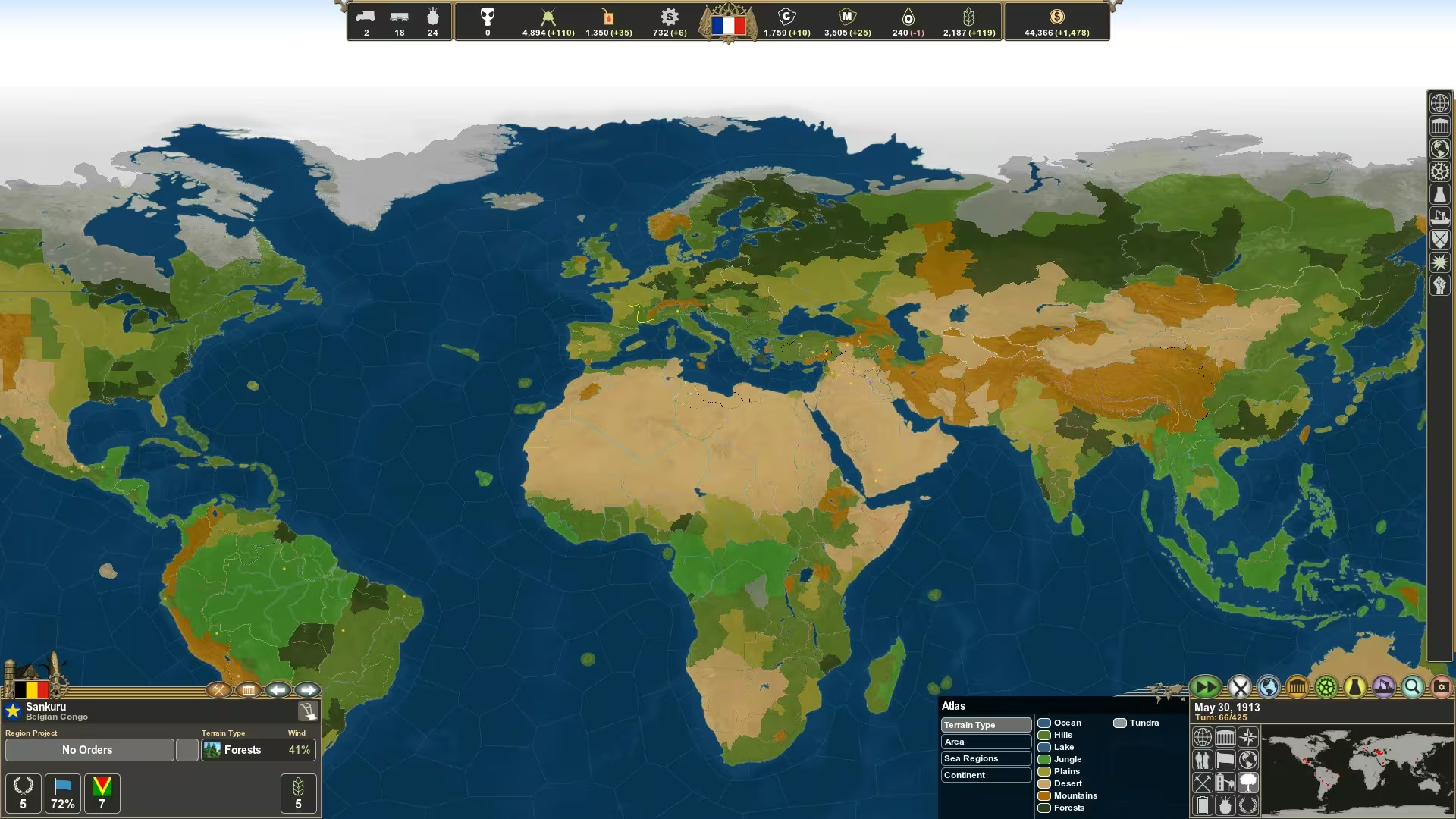
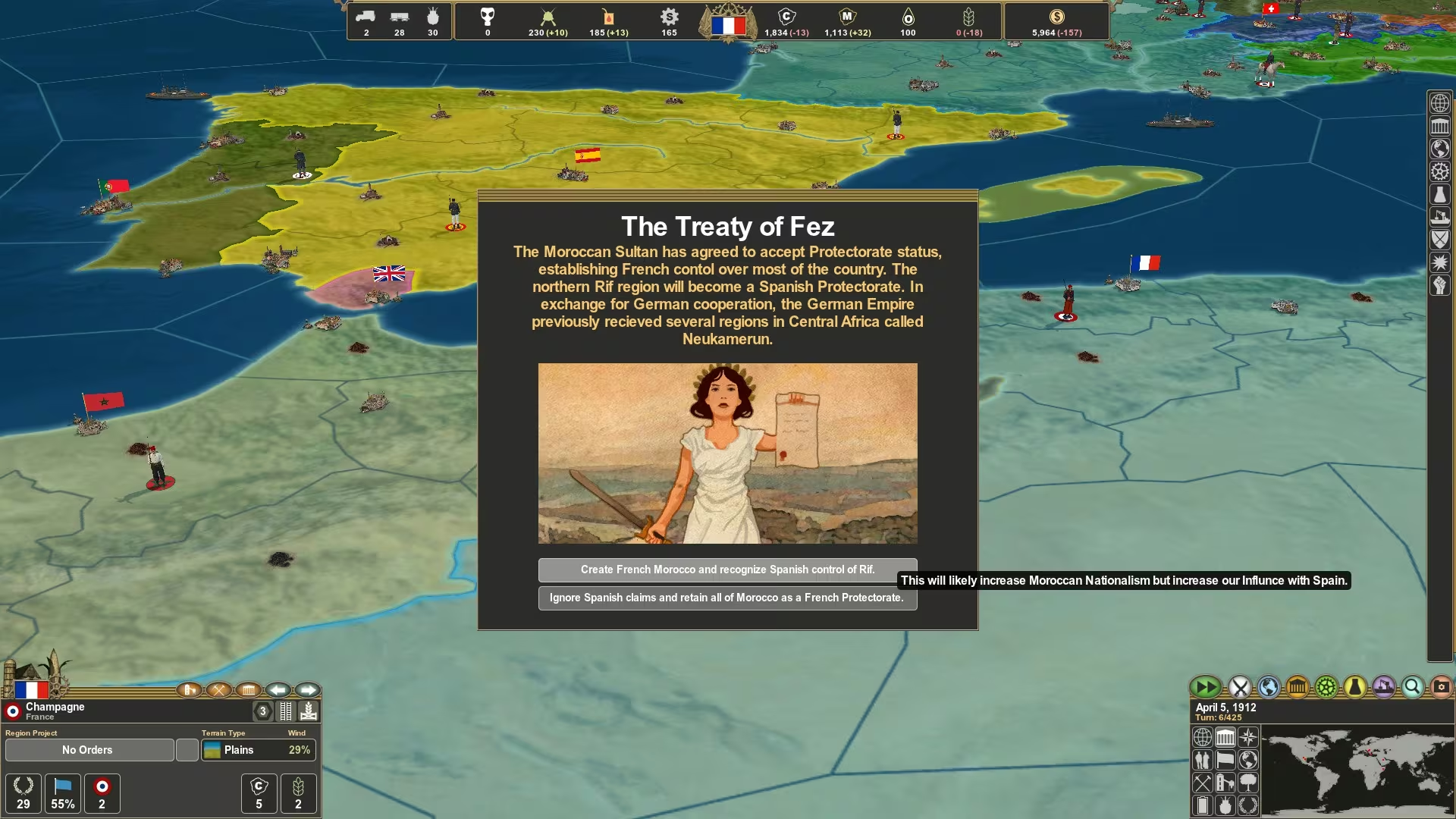
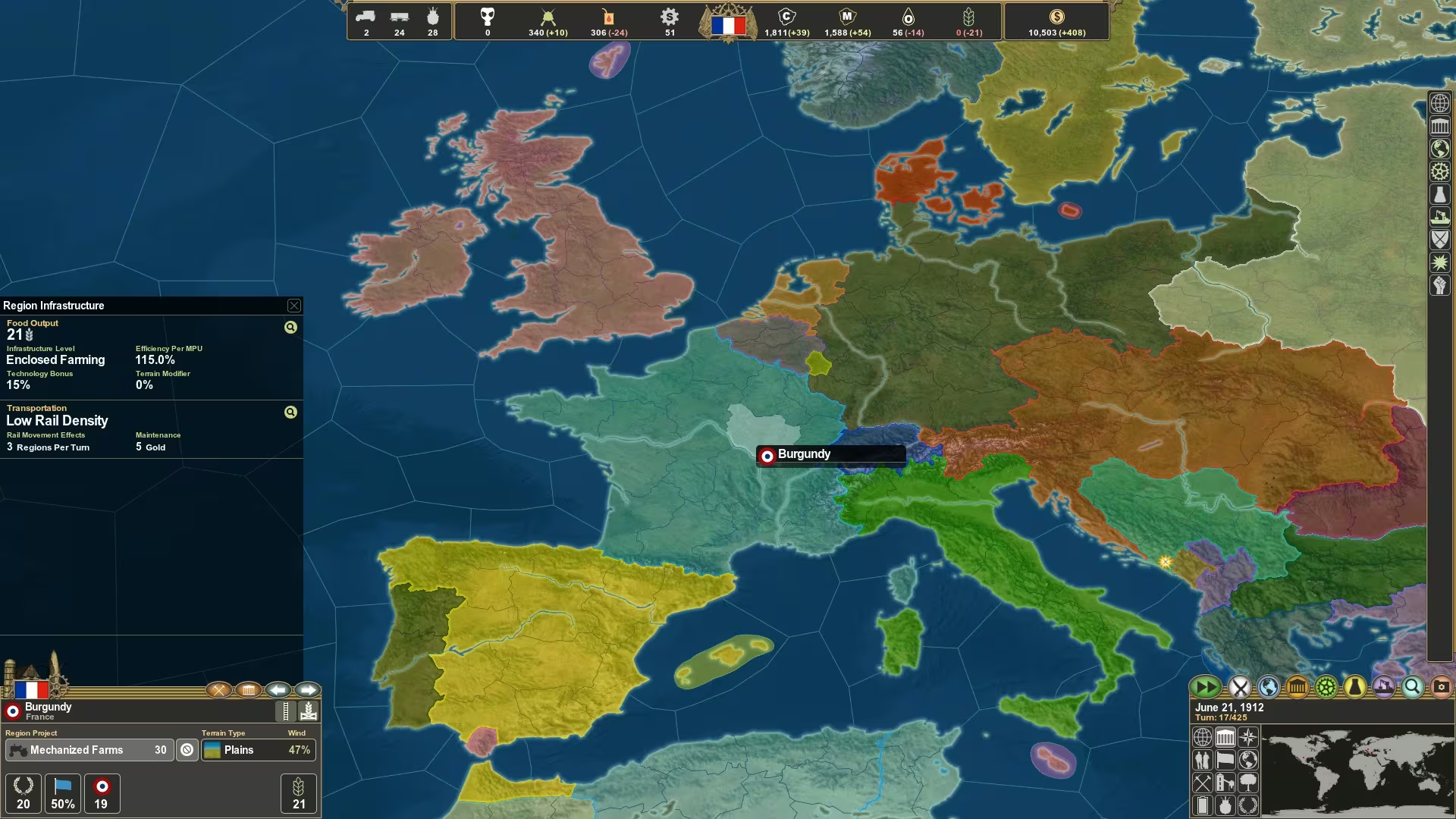
The Great War is a turn-based grand strategy game based on the epic struggles of the WWI era. Experience the battles of attrition and punishing artillery barrages. Play as any nation of the period as the modern world of industrialized warfare replaces an age of kings with a struggle of ideologies.

Global score

76/100

Genres

Indie, Simulator, Strategy

Similar games

    Pros

    • Deep and complex grand strategy gameplay
    • Extensive scenario editor and modding support
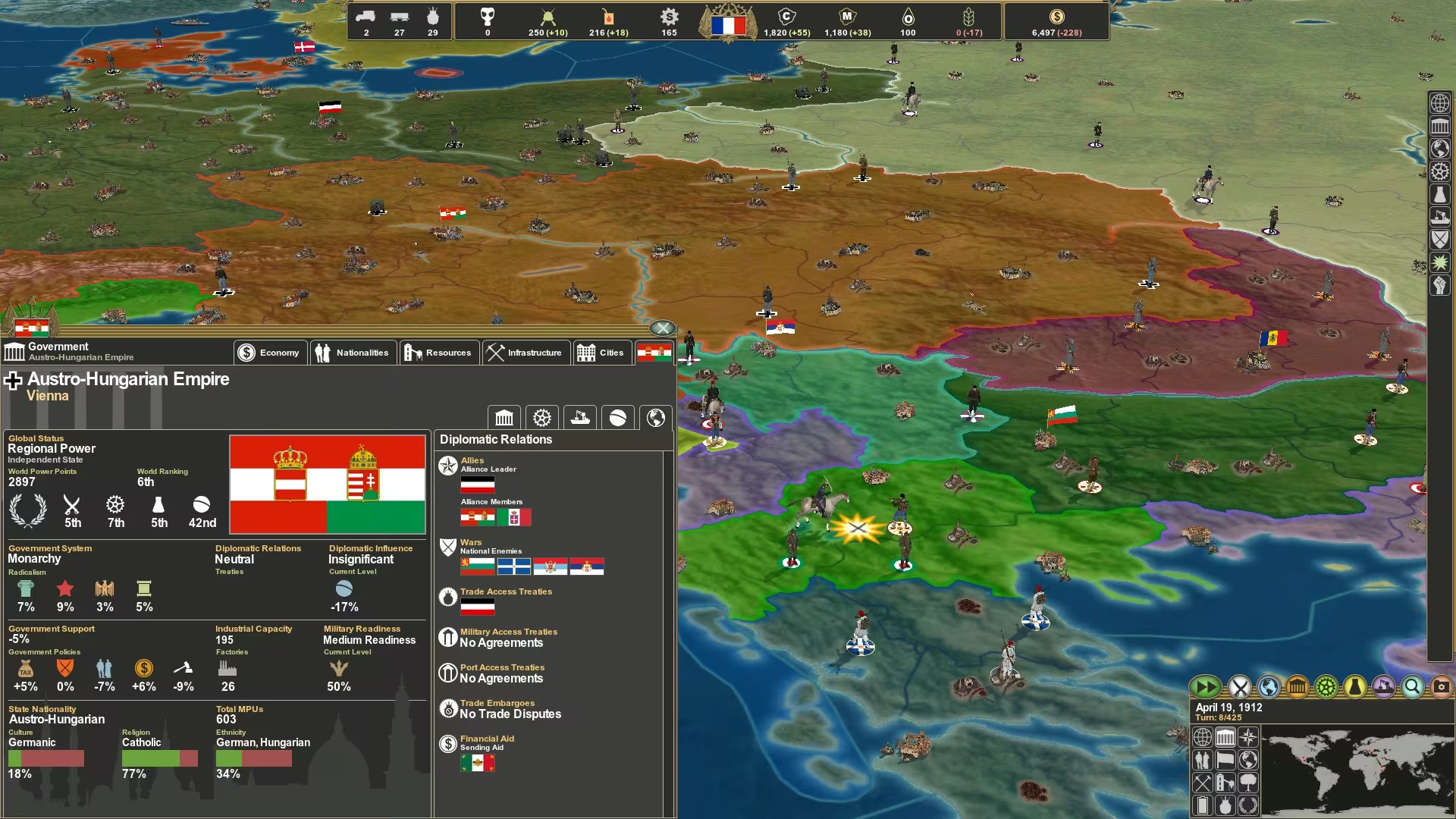
    • Play as any nation with detailed economic and military management
    • Active developer support and community engagement
    • Historical accuracy with alternate history possibilities

    Cons

    • Some bugs and technical issues especially in early access
    • Ai can be weak or illogical
    • Steep learning curve and complex ui
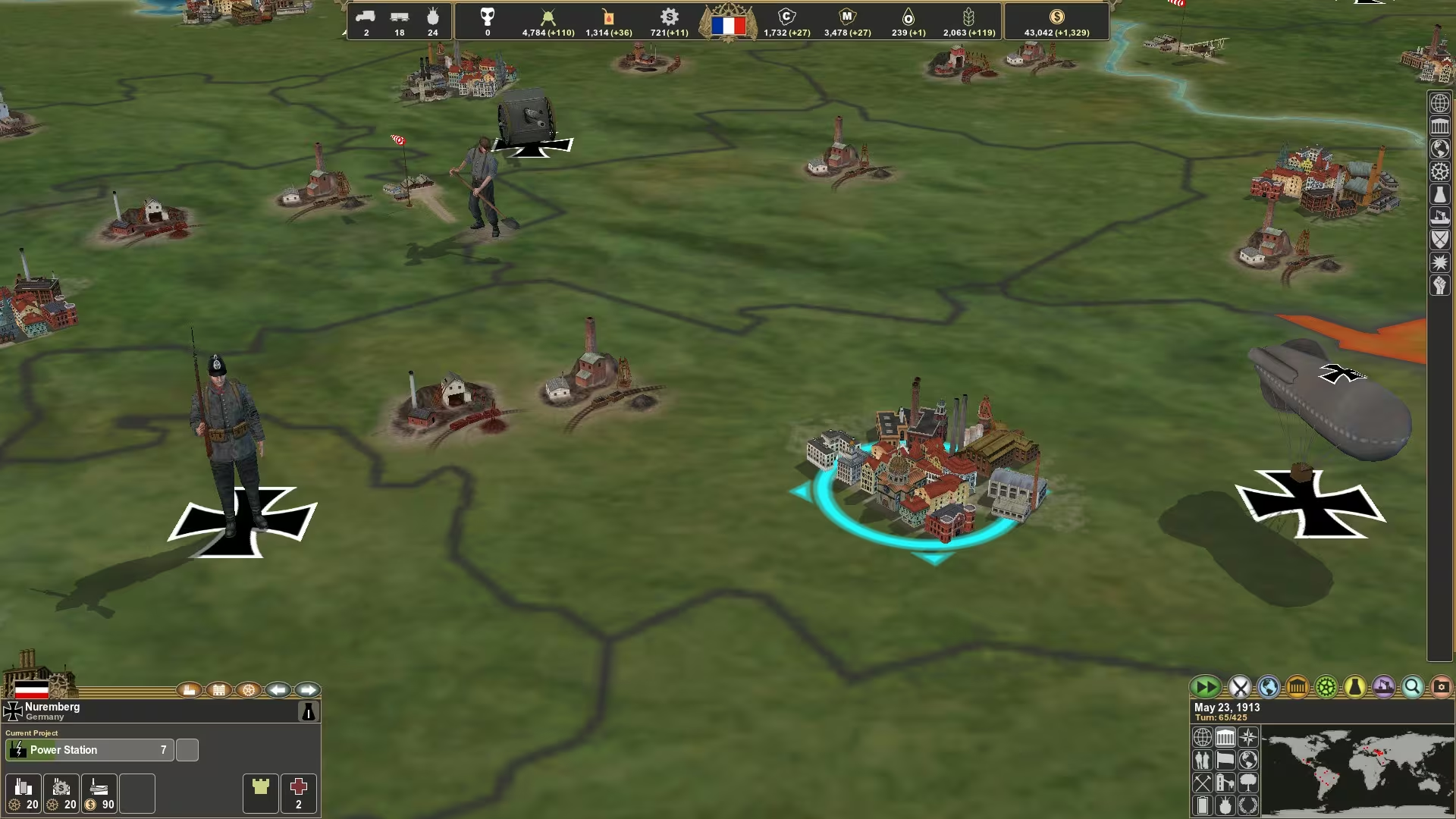
    • Graphics and sound are functional but dated
    • Limited multiplayer player base and social interaction

    Analysis

    Less representative of its motivational profile, with noticeable differences. Motivations that often define this kind of title include Competition, Fellowship, Domination, Status. Here, the score leans higher than usual among comparable games on Story. It leans lower than usual among comparable games on Intimacy, Status.

    How to use the graph
    Similar games map

    Each dot is a game. They are arranged from the same motivation profile as in the “Motivations” section below. Closer dots usually mean more similar reasons to play (exploration, competition, relaxation, etc.)—not that one game is “better” than another.

    • Larger dot with a light outline: the game you are viewing.
    • Colour: groups of games with comparable motivation patterns (statistical clusters).
    • Hover a dot to see the game name; click to open its page.
    • Scroll or double-click the chart to zoom out and see more games.

    Why don’t the axes read like a score? This view uses t-SNE: it only keeps who is close to whom. The scales are not “good to bad” or hours played—they separate groups on the map. Read distance between dots, not the axis numbers.

    Motivations

    • Autonomy
      5

      "Players have full control over their chosen country, including economic, military, diplomatic, and political decisions, with an internal editor for custom scenarios."

    • Competence
      4

      "The game offers complex management of resources, economy, military, and diplomacy, requiring skill and strategic thinking to succeed."

    • Competition
      3

      "There is multiplayer support and competitive play against AI, but many players focus on single-player and personal strategy without heavy emphasis on ranked competition."

    • Continuation
      5

      "Players report long sessions, habitual play, and strong attachment, often playing for dozens of hours continuously."

    • Cooperation
      2

      "Some multiplayer and alliance mechanics exist, but much of the gameplay is focused on individual country management and strategy."

    • Creativity
      5

      "The internal editor allows players to create new countries, scenarios, and alternate histories, fostering high creativity."

    • Domination
      2

      "Players exert control over other countries through conquest and puppeting, but interactions are mostly strategic rather than social domination."

    • Escapism
      4

      "Players use the game to immerse themselves in alternate history and complex world management, escaping real life through deep strategic engagement."

    • Expectation
      -3

      "Players engage voluntarily out of interest and passion for grand strategy and history, with little evidence of obligation or pressure."

    • Experimenting
      4

      "The game encourages trying new strategies, alternate history scenarios, and modding, supporting experimentation."

    • Exploration
      3

      "Players explore different countries, alternate historical paths, and new scenarios, though the map and setting are historically based."

    • Expression
      3

      "Customization through scenario and country creation allows self-expression, though in-game character or avatar customization is limited."

    • Fantasy
      -1

      "The game is grounded in historical simulation with some alternate history possibilities, but largely realistic rather than purely imaginative fantasy."

    • Fellowship
      2

      "Community and multiplayer exist, with active forums and mod sharing, but many players focus on solo play."

    • Growth
      4

      "Players learn complex mechanics, improve strategic skills, and develop understanding of historical and economic systems."

    • Health
      -5

      "The game is sedentary and played on PC with no physical activity involved."

    • Idle
      -4

      "Requires constant attention and micromanagement; not suitable for casual or background play."

    • Intimacy
      -4

      "Social interactions are limited to strategic alliances and multiplayer; no evidence of close emotional relationships."

    • Leadership
      4

      "Players lead entire nations, managing all aspects of governance, military, and diplomacy."

    • Progression
      4

      "Players accumulate resources, build infrastructure, upgrade units, and expand territory over time."

    • Relaxation
      2

      "Turn-based gameplay allows for thoughtful pacing, but the complexity and micromanagement can create tension."

    • Sensation
      1

      "Visuals and sound are functional but not highly stimulating; focus is on strategic depth rather than sensory excitement."

    • Status
      -2

      "Recognition is mostly within niche communities; the game lacks broad social status or popularity mechanisms."

    • Story
      3

      "Historical events and alternate history scenarios provide narrative context, though gameplay is largely sandbox style."

    • Strategy
      5

      "The game is deeply strategic, requiring planning, problem solving, and complex decision making."

    • Thrill
      2

      "Some suspense and tension arise from warfare and diplomacy, but the turn-based nature moderates emotional highs."

    • Value
      4

      "Players find strong value in the game's depth, replayability, and developer support, though some note bugs and early access status."

    • Violence
      3

      "Combat and warfare are central mechanics, with detailed military units and battles."

    • Survival
      4

      "Players must manage threats, resource scarcity, and political stability to keep their nation alive and prosperous."

    Last update: 29/04/2026