Unity of Command II similar games & best alternatives
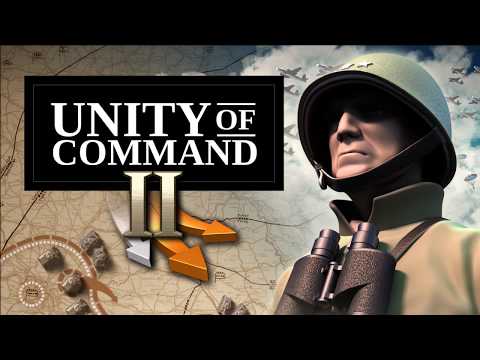
Unity of Command II
2019
Related articles
Quick resume
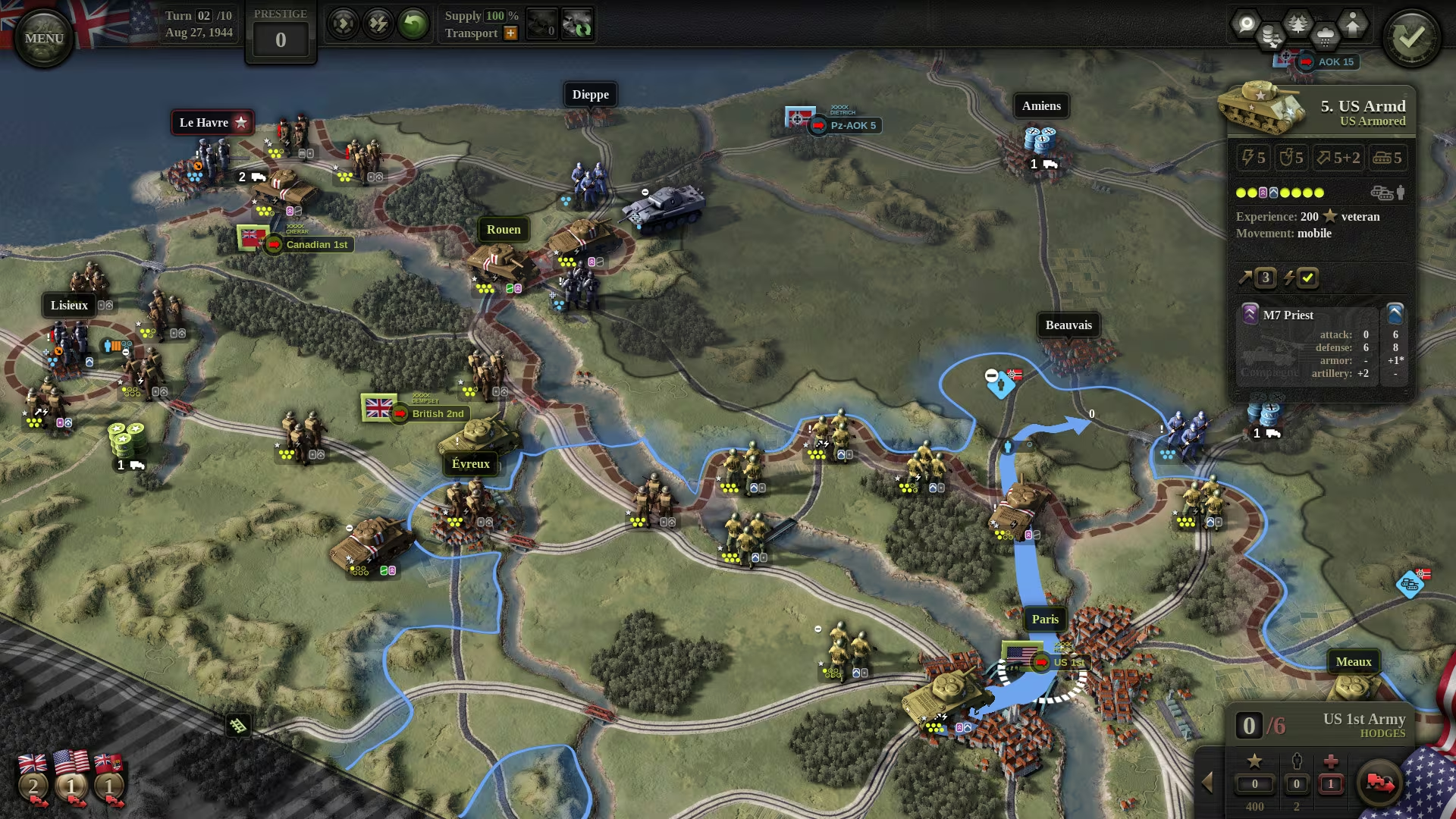
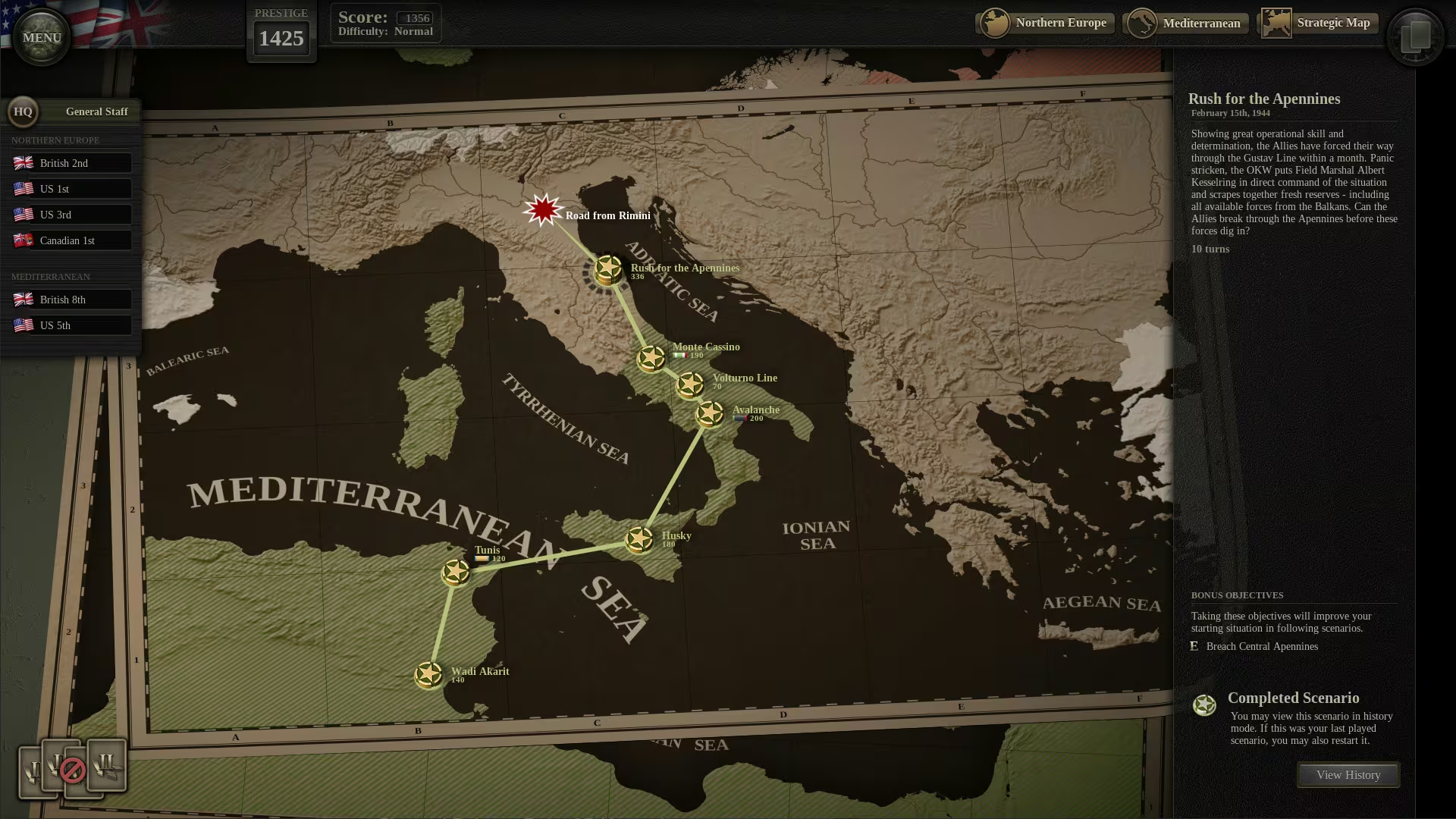
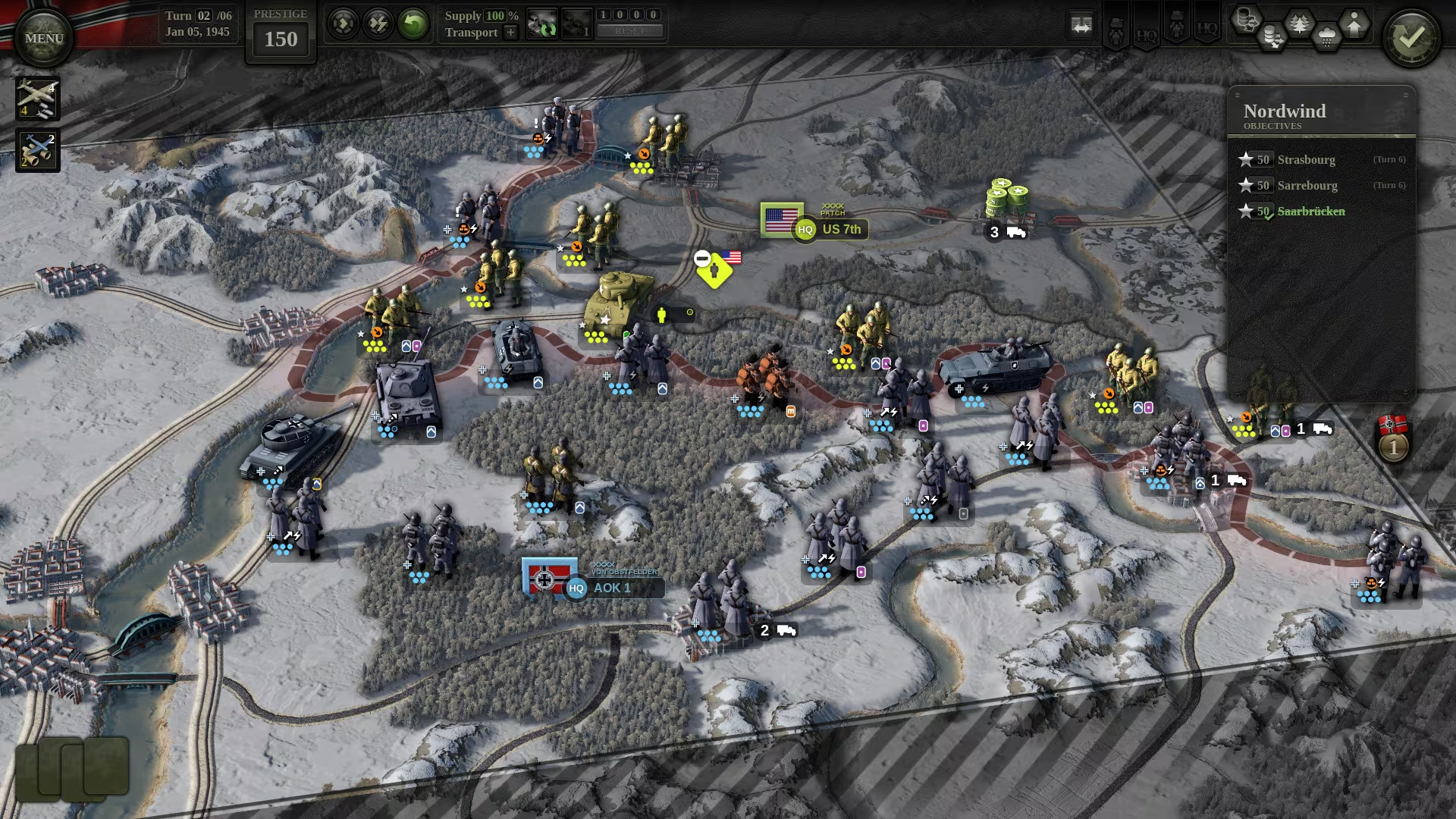
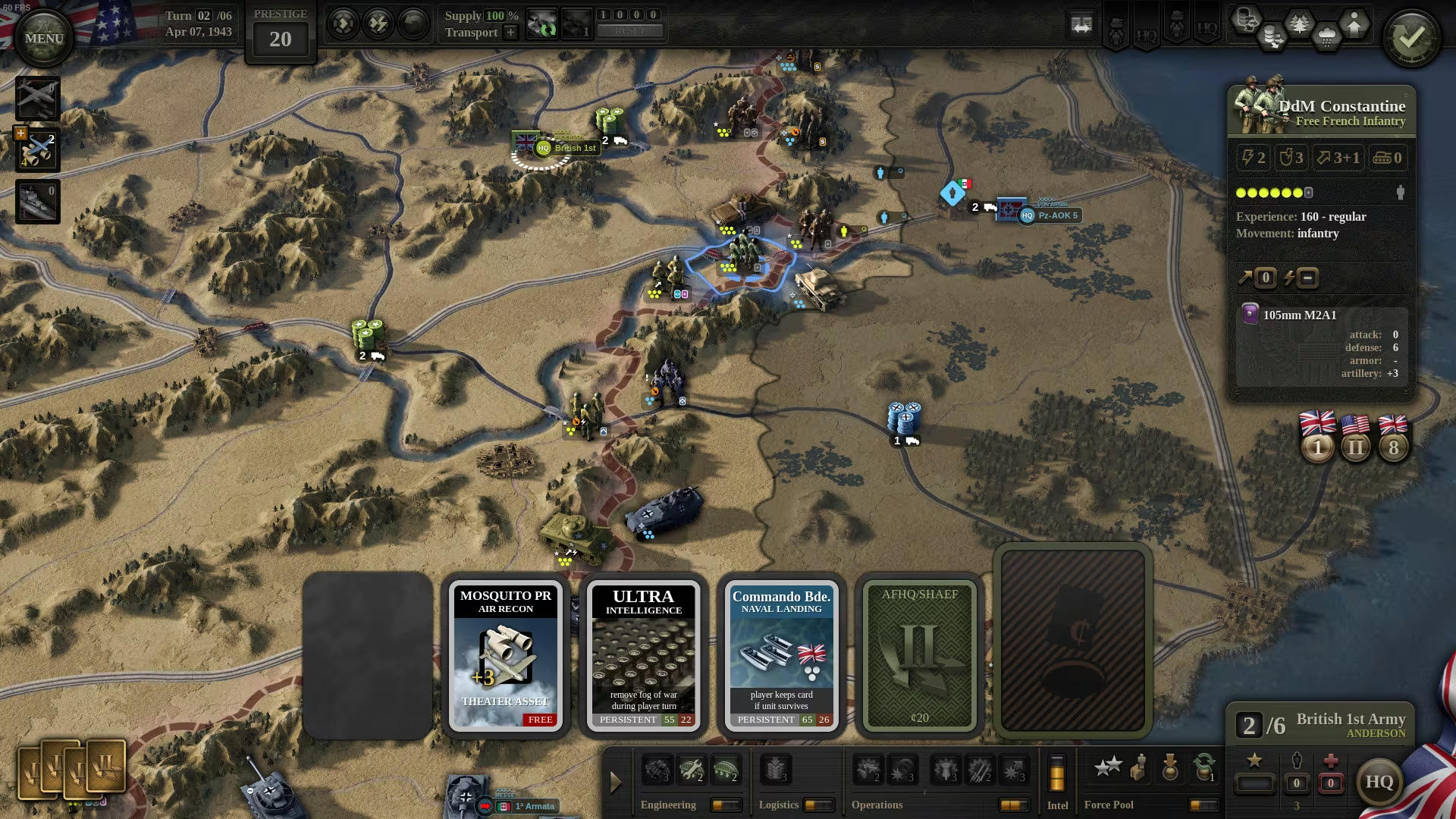
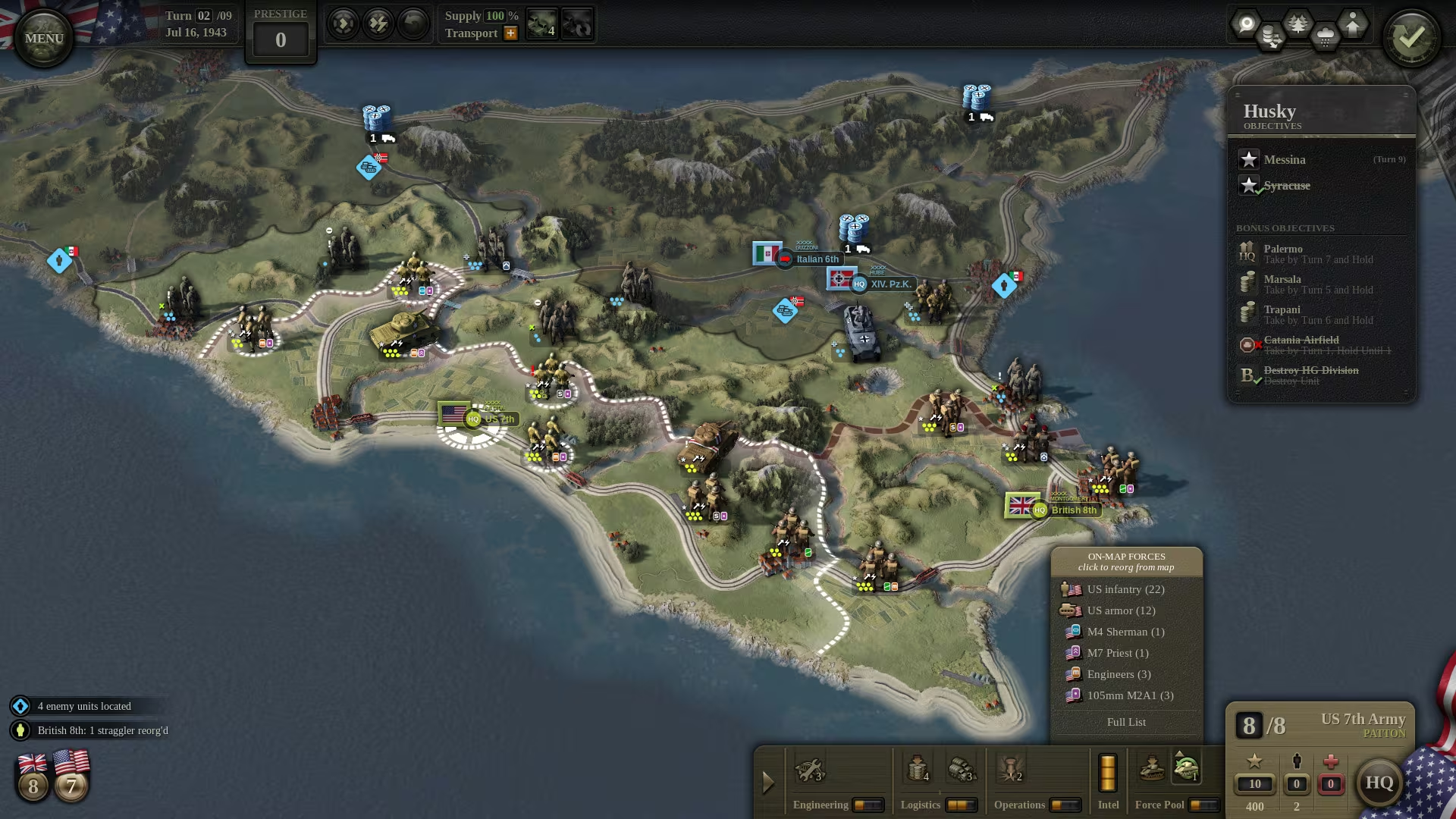
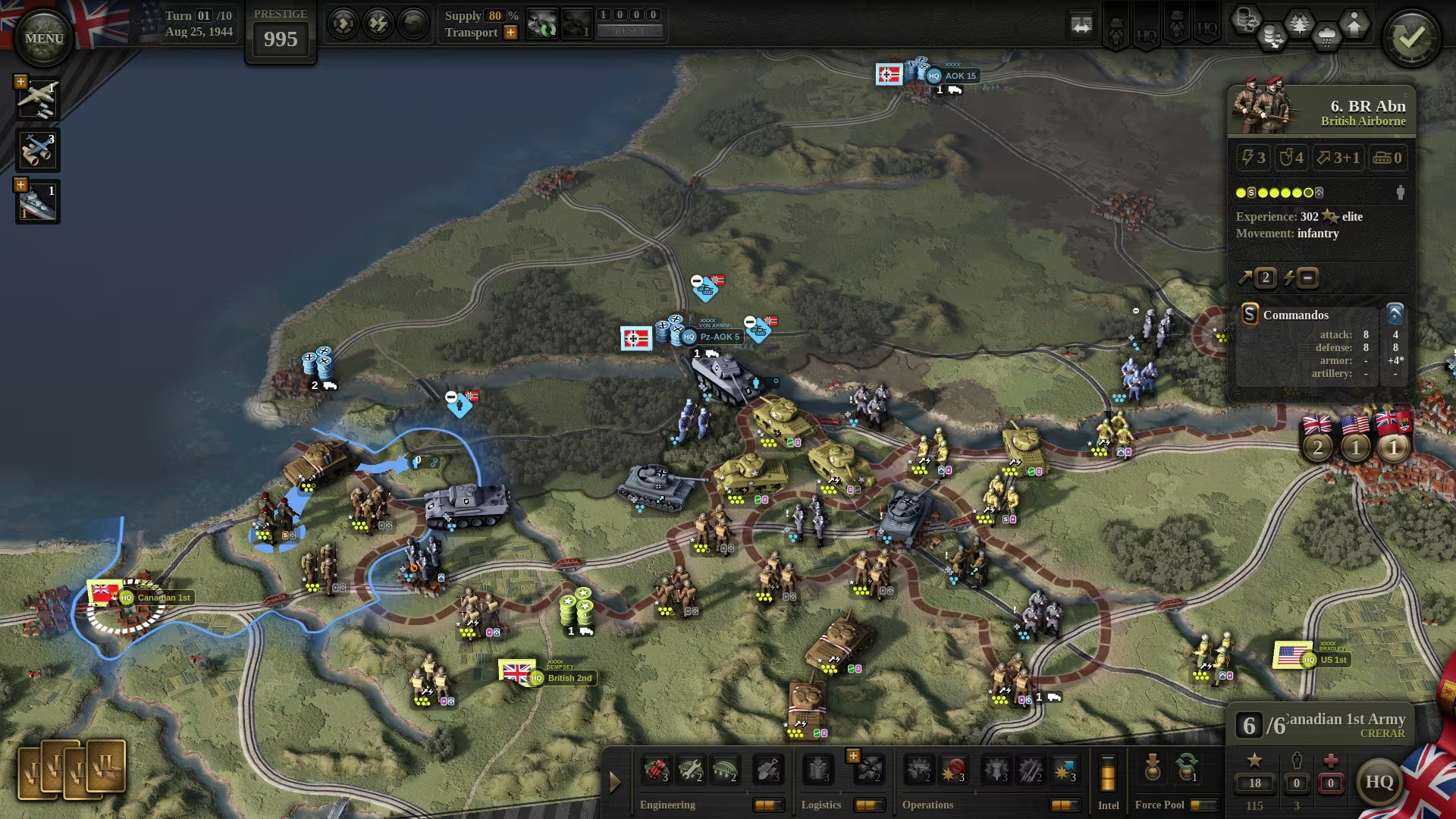
Unity of Command II is the sequel to one of the most critically acclaimed strategy games of all time; a game critics called 'the perfect gateway' into computer war games.
Global score
80/100
Genres
Indie, Simulator, Strategy, Turn-based strategy (TBS)
Similar games
Pros
- Deep and challenging gameplay
- Innovative supply and logistics system
- Historical accuracy and immersive scenarios
- High replayability with dlcs
- Intelligent and punishing ai
Cons
- Steep learning curve and complex mechanics
- Limited tutorial and manual accessibility
- Some scenarios feel rigid or puzzle-like
- No multiplayer or social features
- Turn limits can cause frustration
Analysis
Less representative of its motivational profile, with noticeable differences. Motivations that often define this kind of title include Leadership, Survival, Violence, Strategy. It leans lower than usual among comparable games on Fantasy, Exploration, Relaxation.
How to use the graph
Similar games map
Each dot is a game. They are arranged from the same motivation profile as in the “Motivations” section below. Closer dots usually mean more similar reasons to play (exploration, competition, relaxation, etc.)—not that one game is “better” than another.
- Larger dot with a light outline: the game you are viewing.
- Colour: groups of games with comparable motivation patterns (statistical clusters).
- Hover a dot to see the game name; click to open its page.
- Scroll or double-click the chart to zoom out and see more games.
Why don’t the axes read like a score? This view uses t-SNE: it only keeps who is close to whom. The scales are not “good to bad” or hours played—they separate groups on the map. Read distance between dots, not the axis numbers.
Motivations
-
Autonomy4
"Players have significant control over unit movements, supply depots, HQ upgrades, and tactical decisions, though scenarios have some fixed starting conditions."
-
Competence5
"The game demands skillful management of logistics, unit positioning, and timing under turn limits, with a steep learning curve and rewarding mastery."
-
Competition-3
"Focus is on single-player against AI with no multiplayer; players compete against scenario objectives and AI rather than other players."
-
Continuation4
"Players report long playtimes, replayability through campaigns and DLCs, and habitual engagement despite difficulty."
-
Cooperation-4
"Gameplay is primarily single-player with no indication of cooperative multiplayer or teamwork with others."
-
Creativity3
"Players customize units with specialists, upgrade HQs, and choose strategic approaches, though within scenario constraints."
-
Domination-4
"Interactions are with AI opponents; no social dominance or player-to-player power dynamics reported."
-
Escapism3
"Players use the game as a challenging distraction and immersive historical experience, escaping real life through strategic play."
-
Expectation-4
"Players engage voluntarily out of interest and passion for wargames and history, not due to obligation or pressure."
-
Experimenting3
"Players try different strategies, unit compositions, and approaches to scenarios, though some maps have optimal solutions."
-
Exploration-2
"Scenarios are fixed and historically based with limited exploration; some alternate history paths provide variation."
-
Expression2
"Customization of units and HQs allows some personal expression, but visual customization is minimal."
-
Fantasy-4
"Strong emphasis on historical accuracy and realistic WWII operational warfare; minimal fantasy elements."
-
Fellowship-4
"Primarily a single-player experience with minimal social interaction or community involvement in gameplay."
-
Growth4
"Players develop strategic skills, learn complex mechanics, and improve over time through repeated play and study."
-
Health-5
"Typical sedentary computer game with no physical activity or health-related features."
-
Idle-4
"Requires focused attention and strategic planning; not suited for casual or background play."
-
Intimacy-5
"No close social relationships or emotional sharing involved; gameplay is solitary."
-
Leadership3
"Players manage multiple HQs and units, making strategic decisions and directing forces, simulating leadership roles."
-
Progression4
"Units gain experience and upgrades persist across scenarios; HQs can be improved and players accumulate prestige."
-
Relaxation-2
"Game is challenging and sometimes stressful due to turn limits and punishing AI, but also rewarding and engaging."
-
Sensation1
"Visuals and sounds are pleasant but not highly stimulating; focus is on strategic depth rather than sensory excitement."
-
Status-4
"Achievements exist but social recognition or popularity is not a major motivator; focus is on personal accomplishment."
-
Story3
"Campaigns follow historical and alternate history narratives with scenario progression and some cutscenes."
-
Strategy5
"Core gameplay revolves around deep strategic and tactical decision-making, logistics, and problem-solving."
-
Thrill2
"Turn limits and AI unpredictability create tension and excitement, though gameplay is generally controlled and methodical."
-
Value4
"Players report high replay value, extensive content, and satisfaction with the game's depth and challenge."
-
Violence3
"Combat and destruction are central to gameplay, with emphasis on unit losses and battlefield maneuvers."
-
Survival4
"Maintaining supply and avoiding encirclement are critical to unit survival and mission success."
Last update: 29/04/2026