Darwinia Thumbnail

Darwinia similar games & best alternatives
Darwinia

PC (Microsoft Windows), Mac, Linux • 2012

Related articles

Quick resume

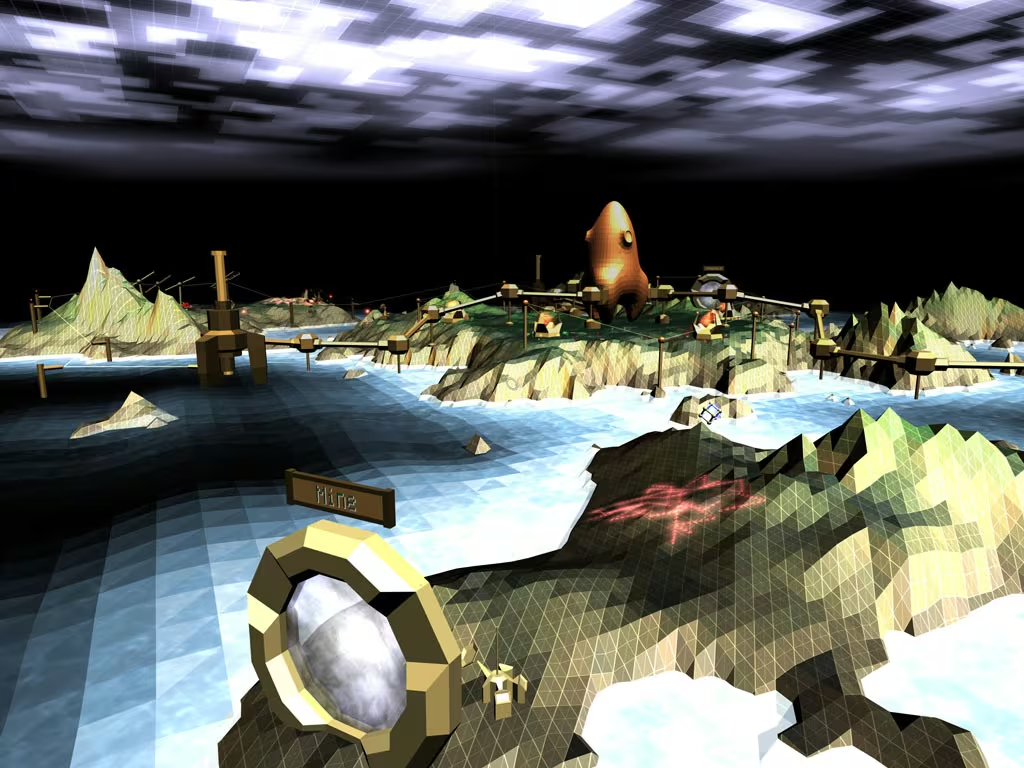
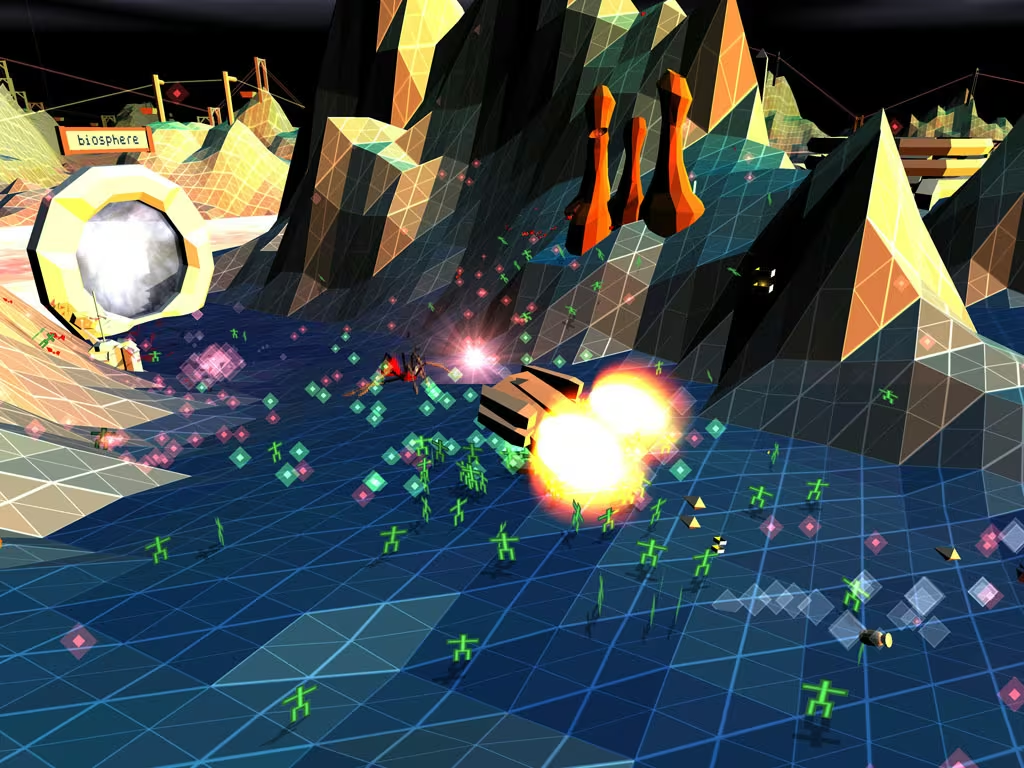
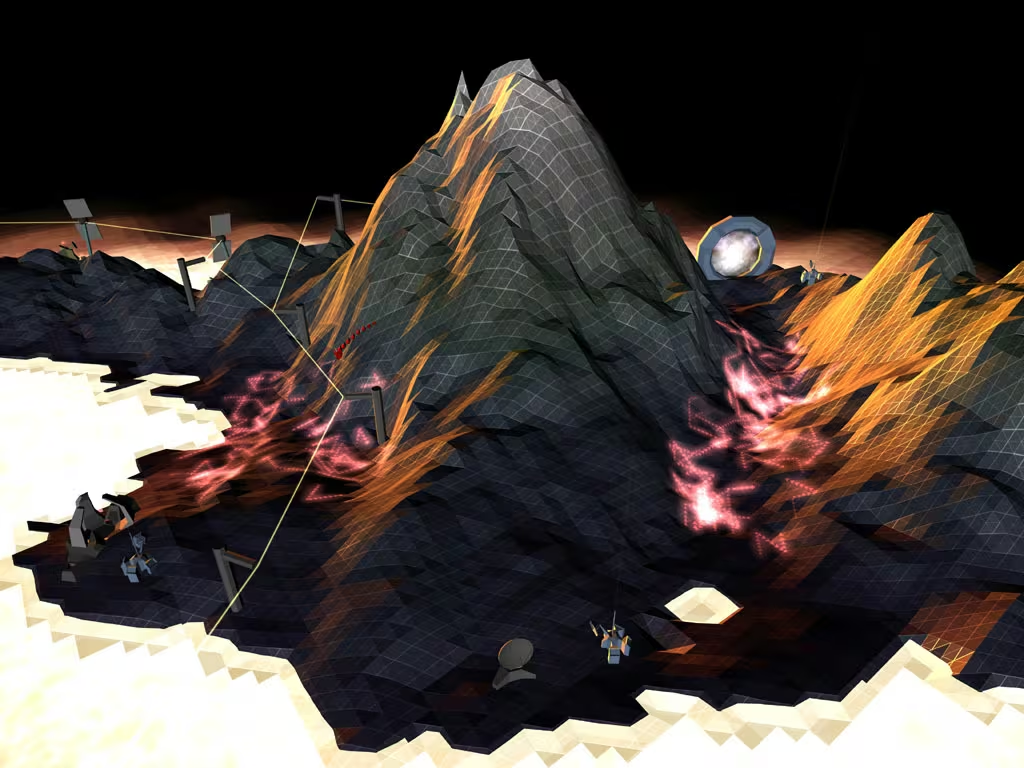
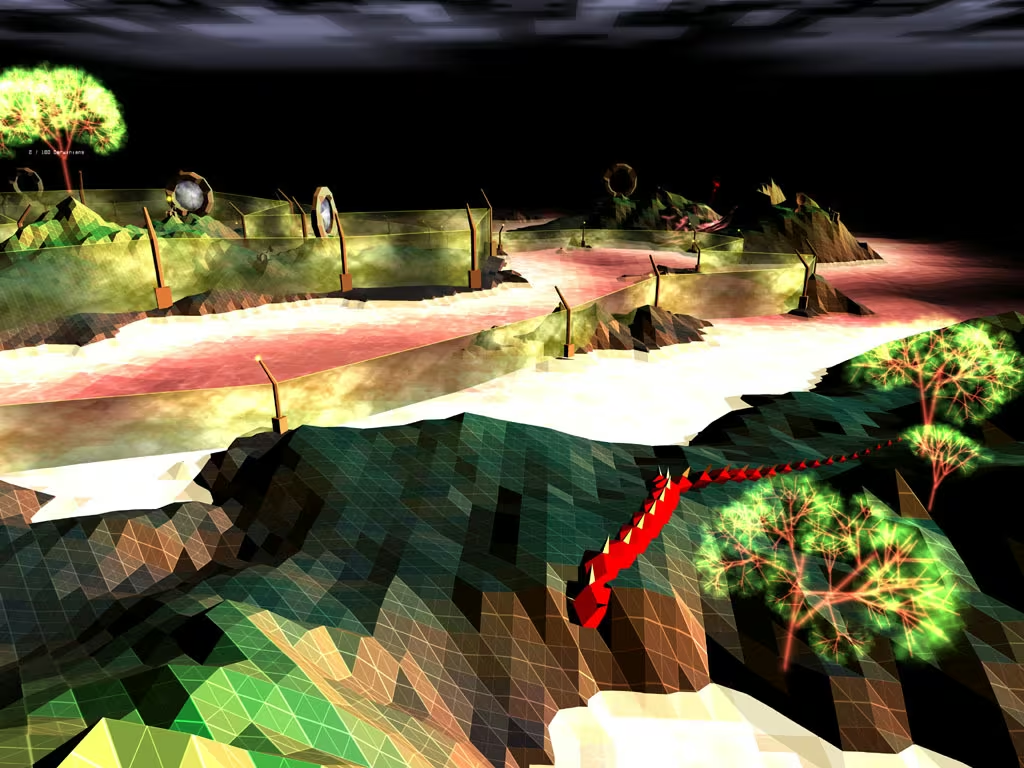
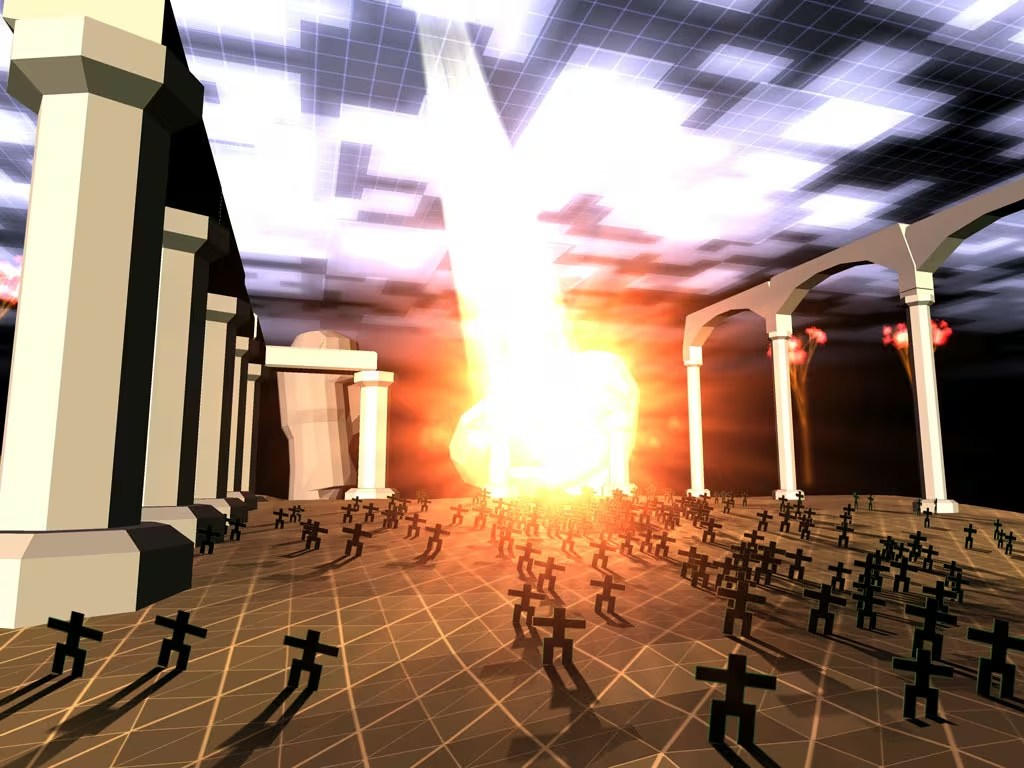
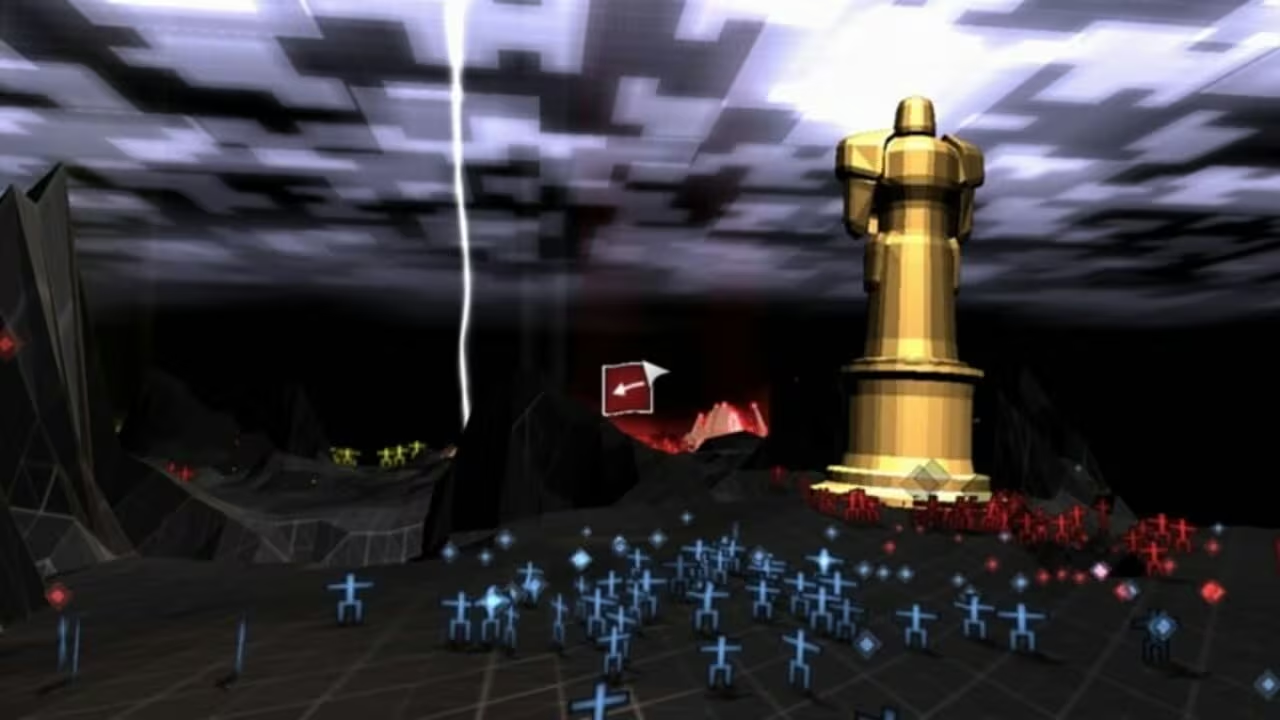
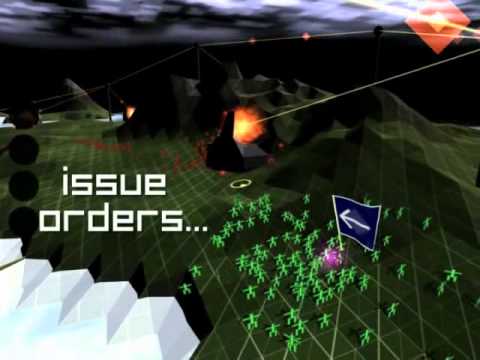
Darwinia blends real-time strategy, action, and puzzles with a unique gesture-based control system. Save the Darwinians, battle viruses, and restore order in a retro-inspired digital world. Winner of multiple prestigious  awards, including the Seumas McNally Grand Prize at IGF 2006.

Global score

80/100

Genres

Indie, Strategy, Tactical, Real Time Strategy (RTS)

Similar games

    Pros

    • Unique and innovative gameplay
    • Engaging retro aesthetic and soundtrack
    • Emotional attachment to characters
    • Accessible rts mechanics
    • Good replay value and level editor

    Cons

    • Limited unit control and micromanagement can be tedious
    • Short campaign length
    • Some bugs and clunky controls reported
    • Lack of multiplayer or social features
    • Graphics may feel outdated to some

    Analysis

    A very typical example of its motivational profile. Motivations that often define this kind of title include Leadership, Survival, Violence, Strategy. Here, the score leans higher than usual among comparable games on Relaxation. It leans lower than usual among comparable games on Expression, Cooperation.

    How to use the graph
    Similar games map

    Each dot is a game. They are arranged from the same motivation profile as in the “Motivations” section below. Closer dots usually mean more similar reasons to play (exploration, competition, relaxation, etc.)—not that one game is “better” than another.

    • Larger dot with a light outline: the game you are viewing.
    • Colour: groups of games with comparable motivation patterns (statistical clusters).
    • Hover a dot to see the game name; click to open its page.
    • Scroll or double-click the chart to zoom out and see more games.

    Why don’t the axes read like a score? This view uses t-SNE: it only keeps who is close to whom. The scales are not “good to bad” or hours played—they separate groups on the map. Read distance between dots, not the axis numbers.

    Motivations

    • Autonomy
      3

      "Players direct squads and programs with some freedom, but unit AI and limited control options impose constraints."

    • Competence
      3

      "Game offers strategic challenges and micromanagement requiring skillful control and tactical decisions."

    • Competition
      -4

      "Single-player focused with no multiplayer in base game; emphasis on personal progress rather than competing with others."

    • Continuation
      4

      "Players report replaying the game multiple times over years, indicating strong habitual engagement."

    • Cooperation
      -5

      "Entirely single-player experience with no cooperative multiplayer elements."

    • Creativity
      3

      "Players can experiment with different strategies and use a level editor after completion to create custom content."

    • Domination
      -4

      "No evidence of exerting control over other players; gameplay is solo and cooperative social dominance is absent."

    • Escapism
      4

      "Players describe immersion in a unique digital world and emotional attachment to virtual characters, indicating escapism."

    • Expectation
      -4

      "Players engage voluntarily out of interest and nostalgia, with no obligation or external pressure."

    • Experimenting
      3

      "Game encourages trying different tactics and strategies; players mention experimenting with unit upgrades and approaches."

    • Exploration
      2

      "Players explore interconnected digital worlds and unlock new levels, though exploration is structured within missions."

    • Expression
      -3

      "Limited customization; players control units and squads but no avatar personalization or cosmetic modifications."

    • Fantasy
      4

      "Set in an imaginative digital world with AI lifeforms and virus threats, evoking a strong fictional fantasy theme."

    • Fellowship
      -4

      "Minimal social interaction; primarily a solo experience without community or group identity features."

    • Growth
      3

      "Players learn game mechanics, improve micromanagement skills, and unlock upgrades during progression."

    • Health
      -5

      "Typical sedentary computer gameplay with no physical activity or health-related features."

    • Idle
      -3

      "Requires focused attention and micromanagement; not designed for casual or background play."

    • Intimacy
      -4

      "No evidence of forming close social relationships; interactions are limited to solo gameplay."

    • Leadership
      2

      "Players lead squads and manage units strategically, though leadership is limited to single-player control."

    • Progression
      4

      "Players unlock upgrades, new units, and abilities; progression is a core gameplay element."

    • Relaxation
      3

      "Generally described as chill and slow-paced with a relaxing retro atmosphere, though some tension exists."

    • Sensation
      2

      "Retro visuals and chiptune soundtrack provide moderate sensory stimulation and nostalgic enjoyment."

    • Status
      -4

      "No social status or recognition systems; achievements and leaderboards are absent."

    • Story
      3

      "Engaging narrative about digital lifeforms and virus infection, though story is not dominant."

    • Strategy
      4

      "Strong emphasis on tactical decision-making, resource management, and problem solving."

    • Thrill
      2

      "Some suspense in combat and managing threats, but overall gameplay is calm and controlled."

    • Value
      4

      "Players find the game worth the price, especially on sale, with many hours of enjoyable content."

    • Violence
      3

      "Combat involves destroying virus enemies and managing squads, with some violent elements."

    • Survival
      3

      "Players must protect Darwinians and maintain control of territory to avoid losing, involving survival elements."

    Last update: 29/04/2026