Vietnam ‘65 similar games & best alternatives

Vietnam ‘65
2015
Related articles
Quick resume
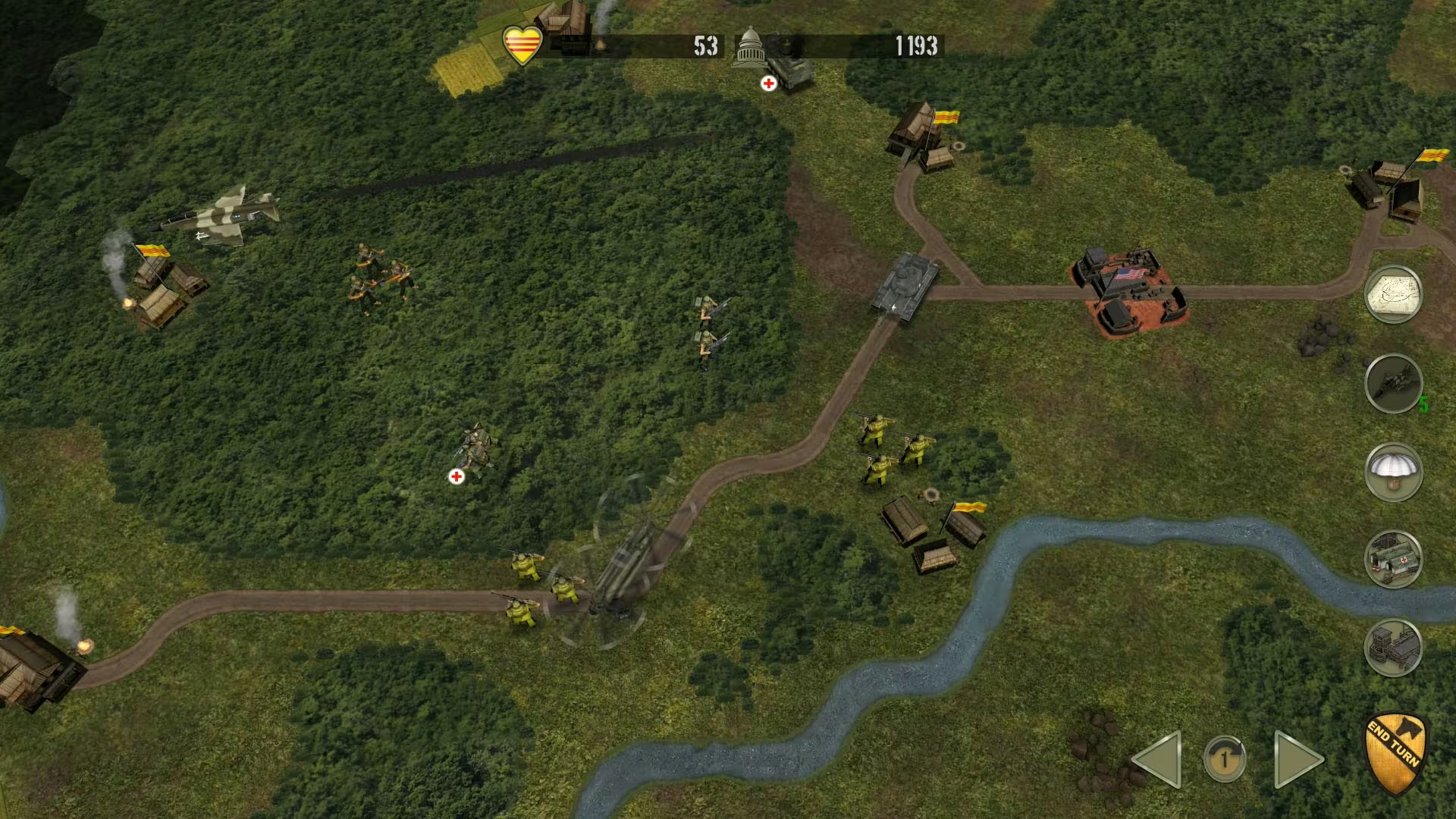
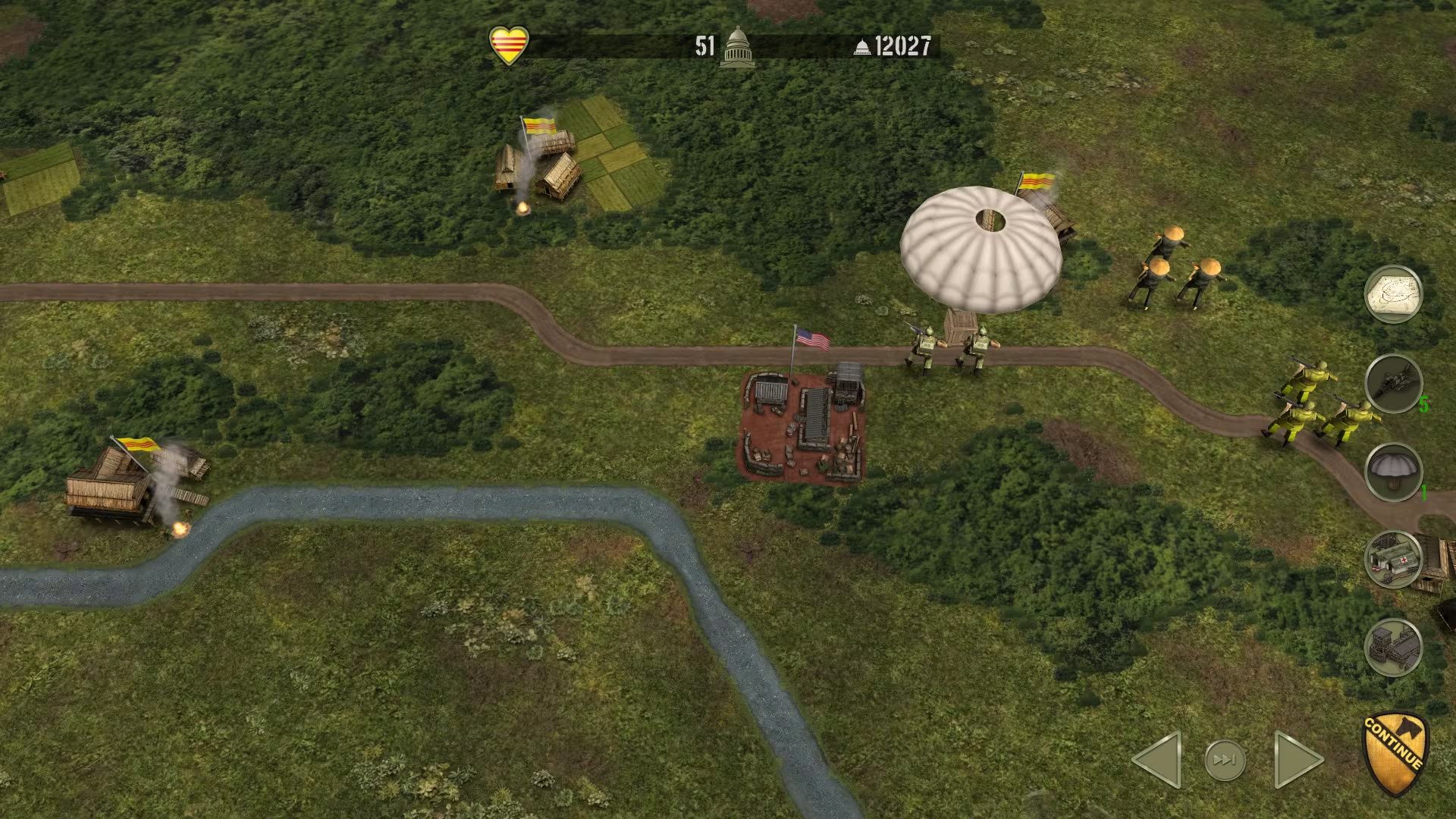
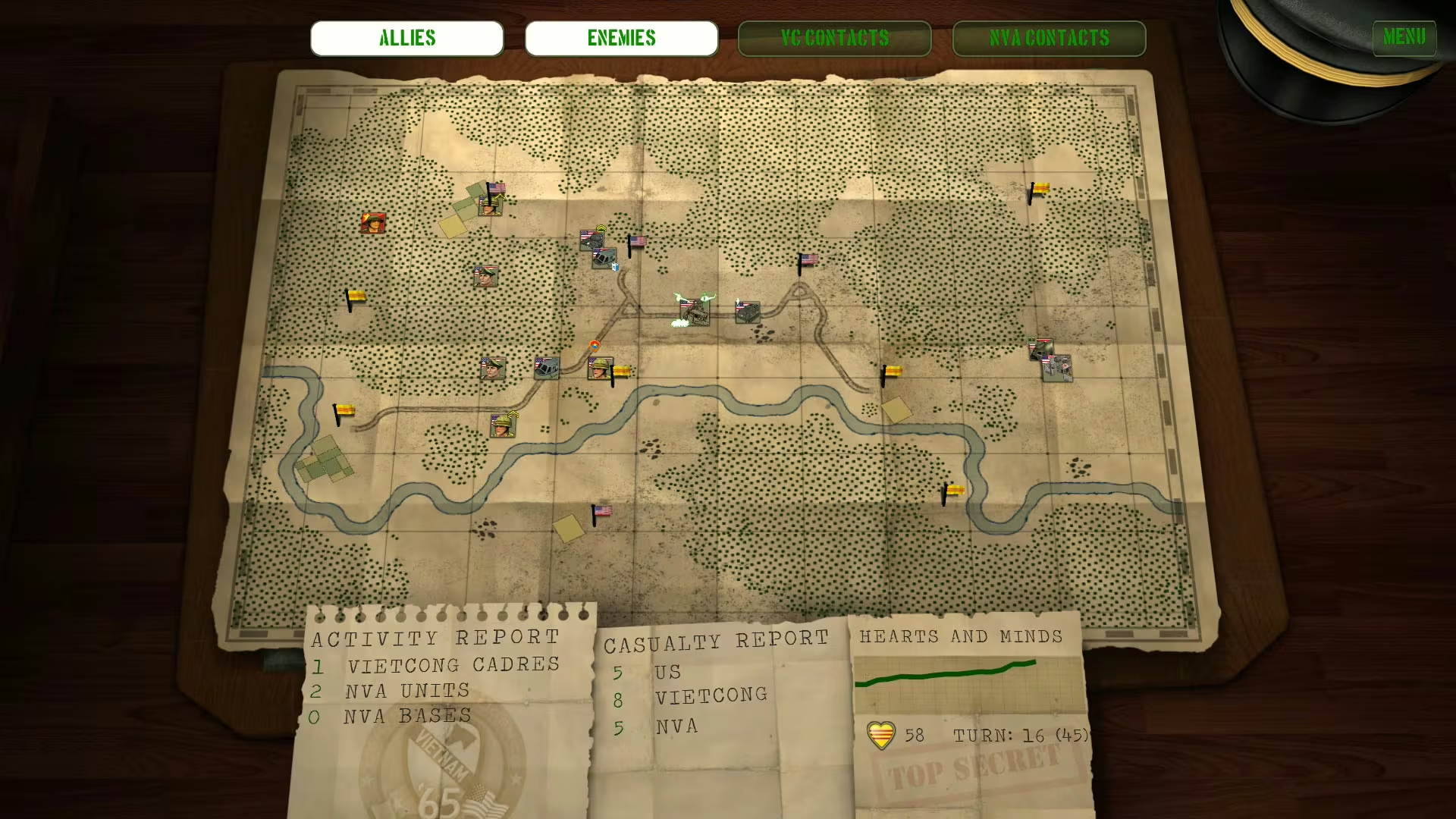
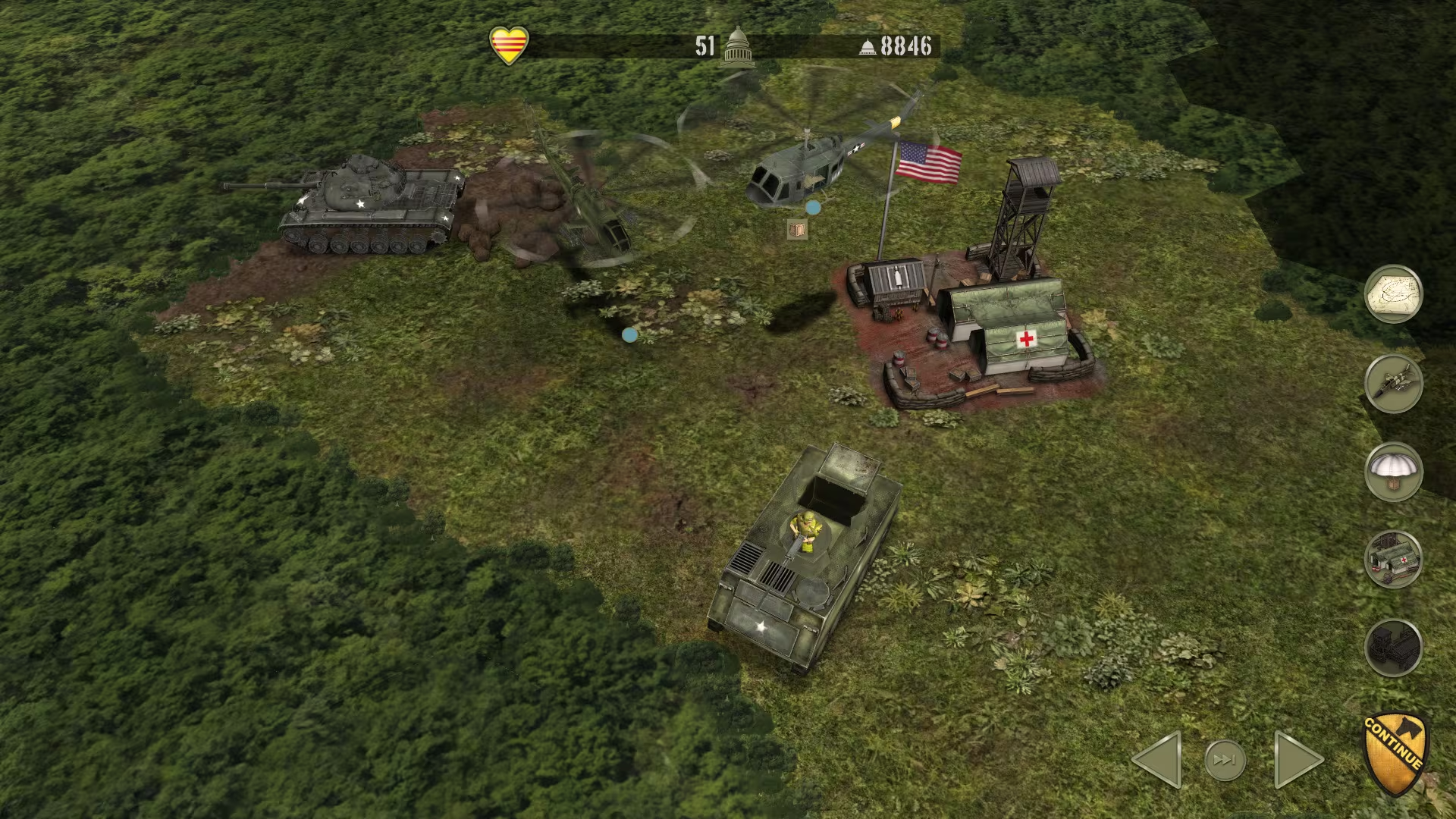
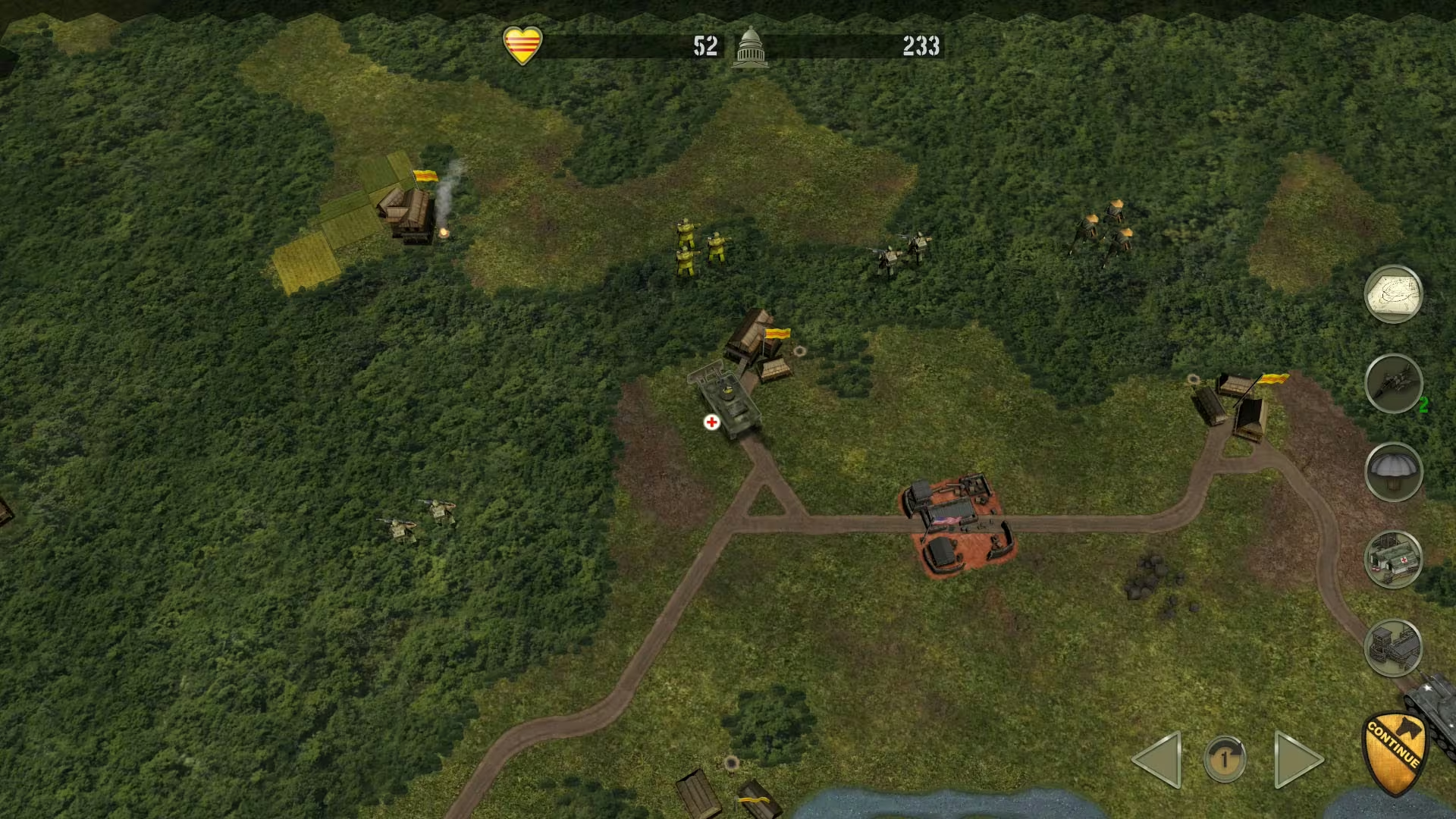
It is 1965 and the US ground war in Vietnam is in full swing. As a US Army commander, wage a counter-insurgency (COIN) war to secure the Ia Drang valley, on the border with Cambodia.
Global score
83/100
Genres
Strategy
Similar games
Pros
- Engaging and challenging logistics and tactical gameplay
- Randomized maps increase replayability
- Historical vietnam war setting with focus on counterinsurgency
- Well-balanced units and strategic depth
- Active developer support and community engagement
Cons
- Limited unit variety and game modes
- No multiplayer or cooperative play
- Some ui and control clunkiness
- Lack of music and limited sound variety
- Potential repetitiveness over long-term play
Analysis
Less representative of its motivational profile, with noticeable differences. Motivations that often define this kind of title include Leadership, Survival, Violence, Strategy. It leans lower than usual among comparable games on Fantasy, Expression, Relaxation.
How to use the graph
Similar games map
Each dot is a game. They are arranged from the same motivation profile as in the “Motivations” section below. Closer dots usually mean more similar reasons to play (exploration, competition, relaxation, etc.)—not that one game is “better” than another.
- Larger dot with a light outline: the game you are viewing.
- Colour: groups of games with comparable motivation patterns (statistical clusters).
- Hover a dot to see the game name; click to open its page.
- Scroll or double-click the chart to zoom out and see more games.
Why don’t the axes read like a score? This view uses t-SNE: it only keeps who is close to whom. The scales are not “good to bad” or hours played—they separate groups on the map. Read distance between dots, not the axis numbers.
Motivations
-
Autonomy4
"Players have control over strategic decisions such as unit deployment, base building, and supply management, with freedom to choose tactics and resource allocation."
-
Competence4
"The game challenges players with logistics, intelligence gathering, and tactical combat requiring skillful planning and execution."
-
Competition-3
"Focus is on single-player against AI with no multiplayer; gameplay centers on personal strategic progress rather than competing against others."
-
Continuation3
"Randomized maps and replayability encourage repeated play sessions, though some players note potential repetitiveness over time."
-
Cooperation-4
"Primarily a single-player experience with no multiplayer or cooperative modes; players act independently managing their own forces."
-
Creativity2
"Players can build and position bases and choose unit deployment strategies, but unit types and mechanics are limited and predefined."
-
Domination-4
"Interactions are balanced and focused on strategic management rather than exerting superiority or dominance over others."
-
Escapism3
"Players engage in a historical war setting that offers distraction and immersion from real life through strategic gameplay."
-
Expectation-4
"Players engage voluntarily out of interest and enjoyment; no indication of obligation or external pressure to play."
-
Experimenting3
"Random map generation and multiple tactical approaches encourage players to try different strategies and adapt."
-
Exploration3
"Randomized maps and the need to scout and discover enemy positions promote exploration within each game."
-
Expression-3
"Limited customization options; players use predefined units and structures with minimal avatar or environment personalization."
-
Fantasy-4
"Strongly grounded in realistic historical Vietnam War scenarios and military operations without fictional elements."
-
Fellowship-4
"Single-player focus with minimal social interaction or community involvement within gameplay."
-
Growth3
"Players learn to manage logistics, supply lines, and tactical combat, improving skills over repeated playthroughs."
-
Health-5
"Typical sedentary PC gameplay with no physical activity or health-related features."
-
Idle-3
"Requires continuous attention to supply, unit movement, and strategy; not suited for passive or background play."
-
Intimacy-5
"No social or emotional relationship building; gameplay is solitary and task-focused."
-
Leadership4
"Players lead and manage military units and bases, making authoritative strategic decisions."
-
Progression3
"Players accumulate political points to purchase units and upgrades; units gain experience levels."
-
Relaxation-2
"Gameplay involves tension and challenge, especially managing supply and enemy ambushes, limiting relaxation."
-
Sensation1
"Sound effects and visuals provide moderate sensory stimulation but are generally simple and functional."
-
Status-4
"Achievements exist but social recognition or popularity is minimal; focus is on individual gameplay."
-
Story2
"Set in a historical context with some narrative elements, but lacks a deep overarching plot or campaign."
-
Strategy5
"Core gameplay revolves around strategic planning, logistics, and tactical problem solving."
-
Thrill2
"Tension from ambushes and supply management creates moments of suspense and relief."
-
Value4
"Players report good value for price with engaging gameplay and replayability."
-
Violence3
"Combat and destruction of enemy units are central to gameplay, though abstracted and tactical."
-
Survival4
"Managing unit survival through supply and avoiding ambushes is a key gameplay element."
Last update: 29/04/2026