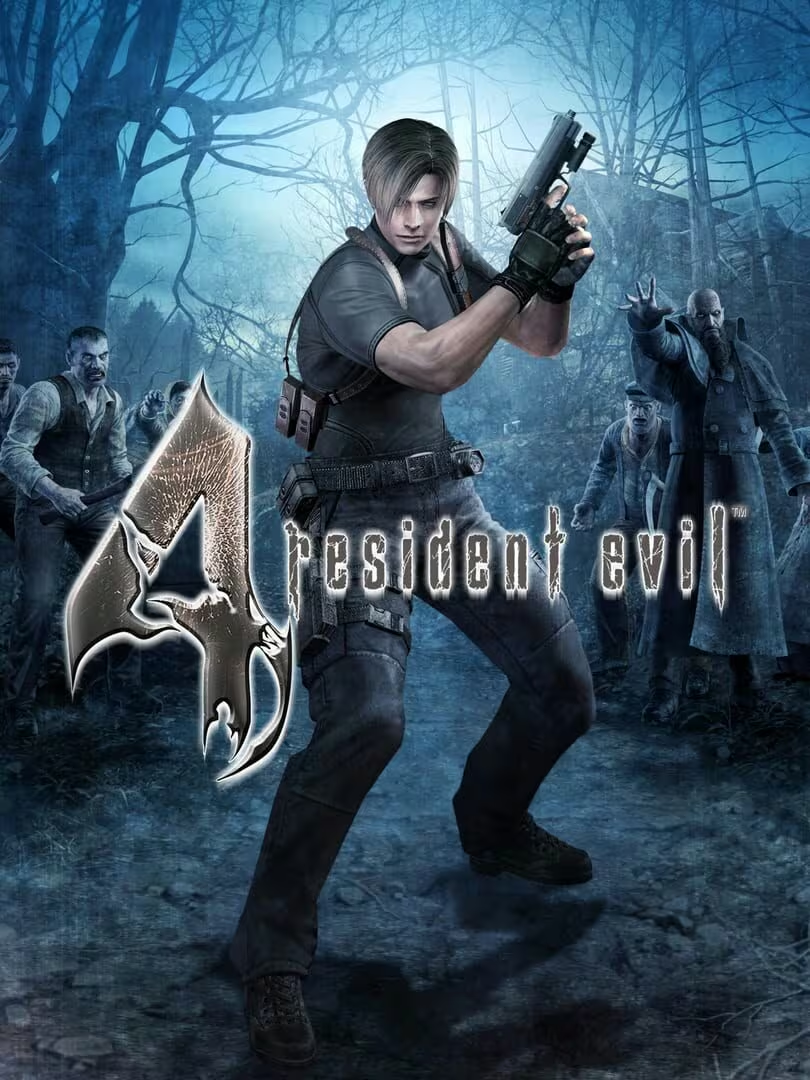
Resident Evil 2 Thumbnail

Resident Evil 2 similar games & best alternatives

Resident Evil 2

PC (Microsoft Windows), Handheld Electronic LCD • 2019

Related articles

Quick resume

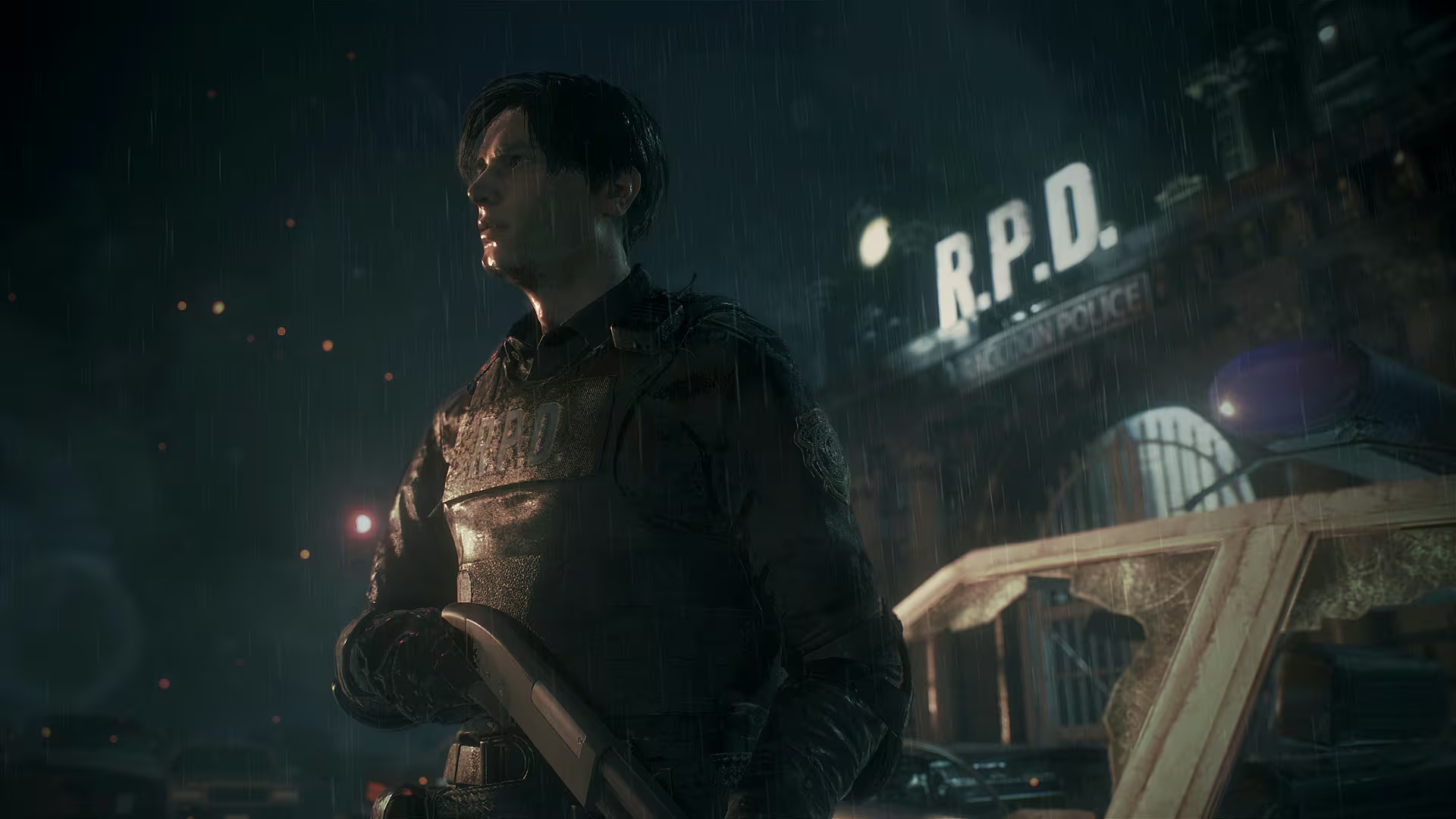
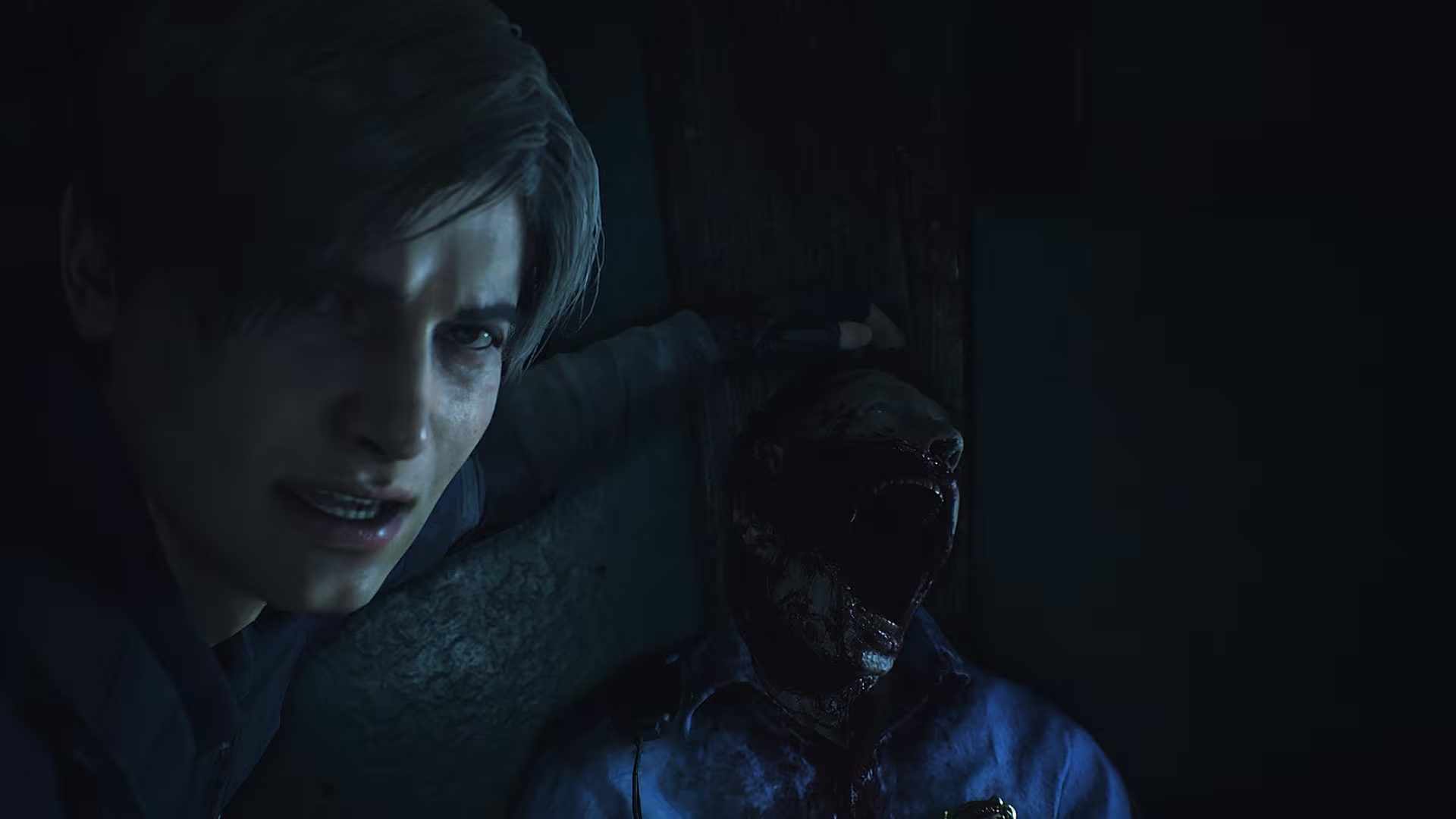
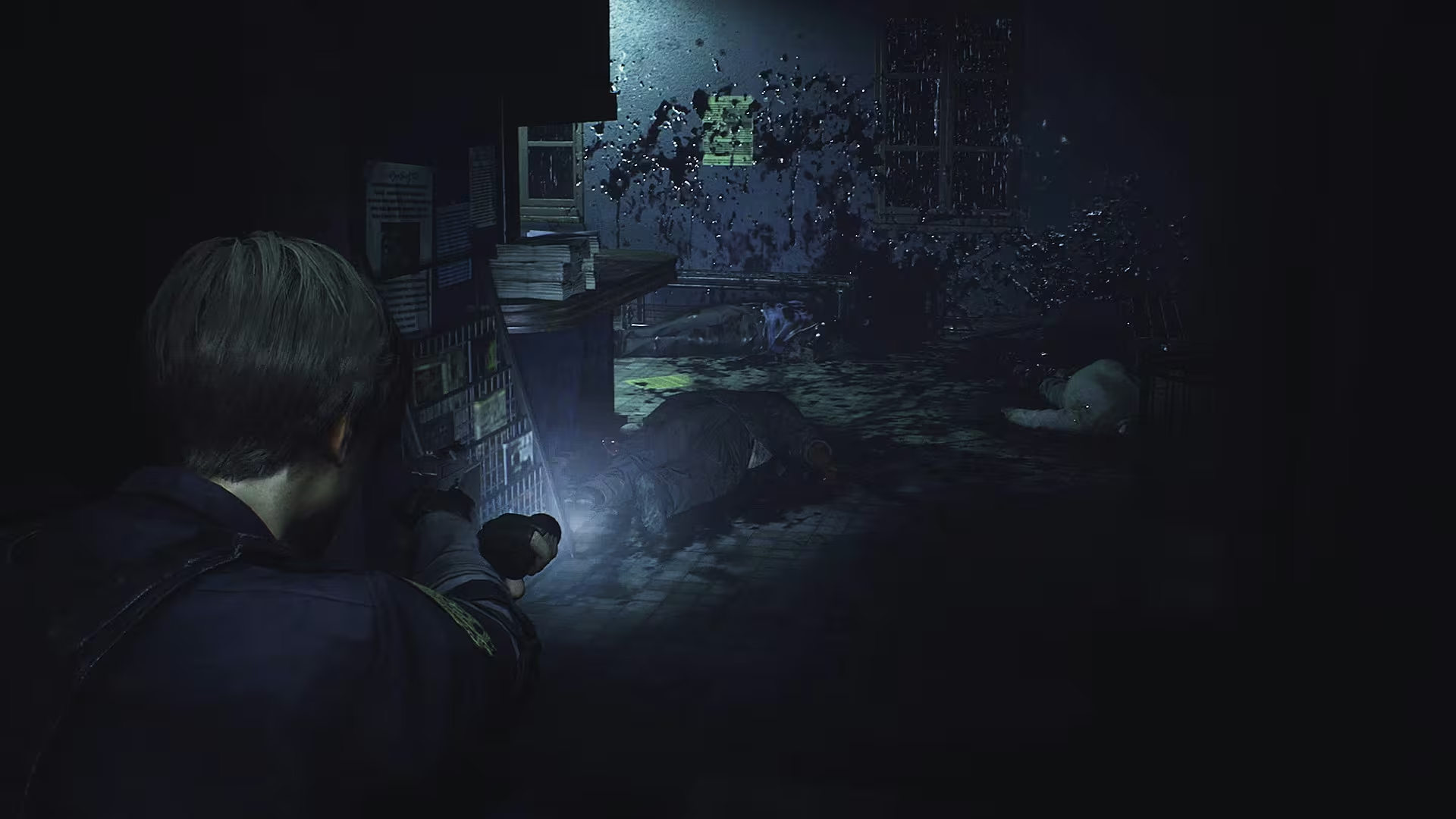
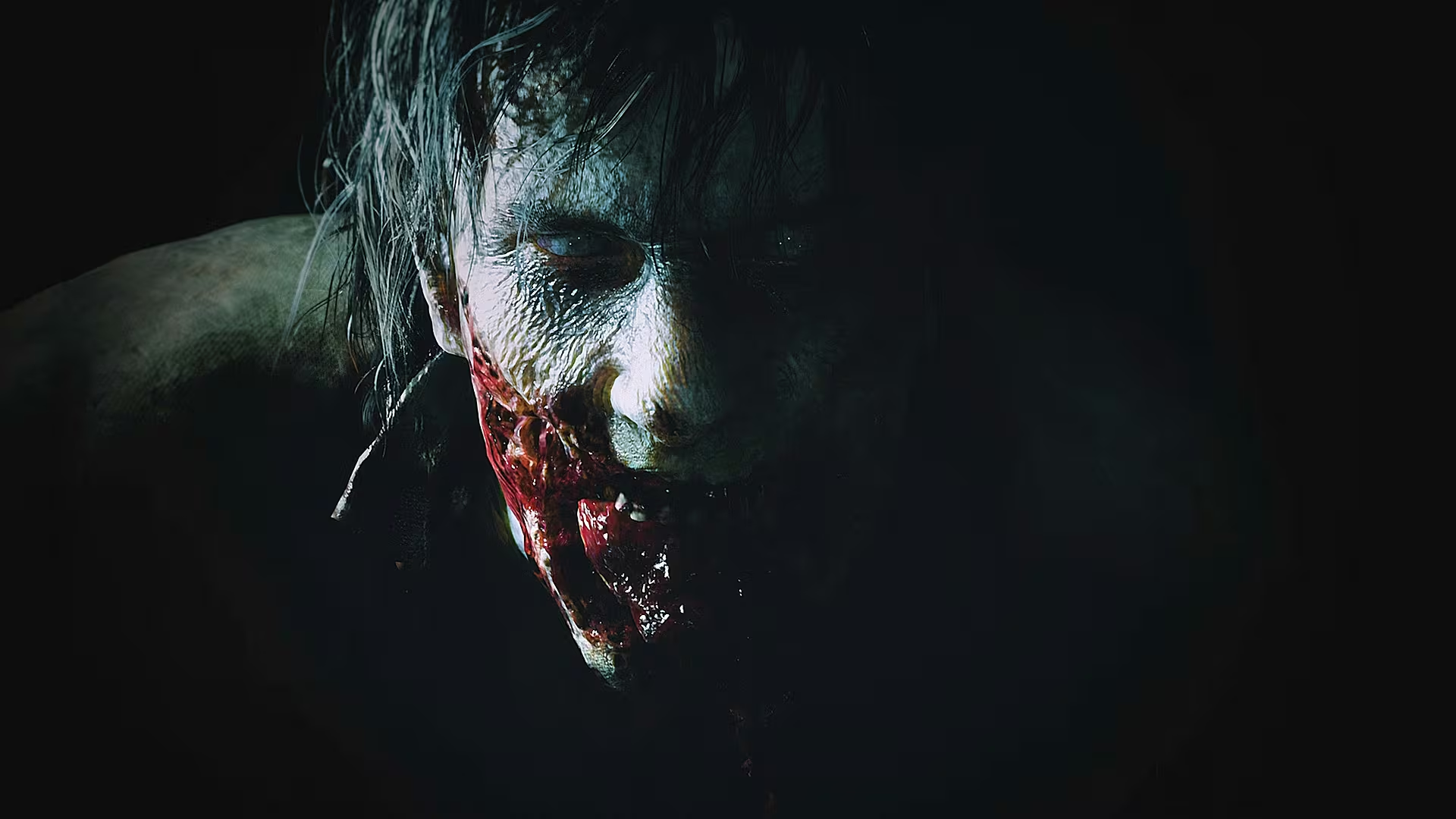
A deadly virus engulfs the residents of Raccoon City in September of 1998, plunging the city into chaos as flesh eating zombies roam the streets for survivors. An unparalleled adrenaline rush, gripping storyline, and unimaginable horrors await you. Witness the return of Resident Evil 2.

Global score

97/100

Genres

Action, Arcade

Similar games

    Pros

    • Stunning graphics and sound design
    • Engaging and immersive story
    • Challenging puzzles and combat
    • High replayability with multiple campaigns
    • Tense and atmospheric horror experience

    Cons

    • Some repetitive enemy respawns
    • Limited differentiation between character campaigns
    • Lack of cooperative or multiplayer modes
    • Frustration from constant enemy pursuit (mr. x)
    • Shorter game length for some players

    Analysis

    Broadly representative of its motivational profile, with a few distinct shifts. Motivations that often define this kind of title include Relaxation, Survival, Violence, Fellowship. Here, the score leans higher than usual among comparable games on Story, Exploration. It leans lower than usual among comparable games on Relaxation.

    How to use the graph
    Similar games map

    Each dot is a game. They are arranged from the same motivation profile as in the “Motivations” section below. Closer dots usually mean more similar reasons to play (exploration, competition, relaxation, etc.)—not that one game is “better” than another.

    • Larger dot with a light outline: the game you are viewing.
    • Colour: groups of games with comparable motivation patterns (statistical clusters).
    • Hover a dot to see the game name; click to open its page.
    • Scroll or double-click the chart to zoom out and see more games.

    Why don’t the axes read like a score? This view uses t-SNE: it only keeps who is close to whom. The scales are not “good to bad” or hours played—they separate groups on the map. Read distance between dots, not the axis numbers.

    Motivations

    • Autonomy
      4

      "Players have freedom to explore the police station and other areas, solve puzzles, and choose how to approach combat and resource management."

    • Competence
      4

      "The game challenges players with puzzles, resource management, and combat requiring skill and strategy, especially on higher difficulties."

    • Competition
      -3

      "Focus is on single-player experience with no mention of competitive multiplayer or leaderboards; players set personal goals."

    • Continuation
      4

      "High replayability with multiple campaigns, difficulty modes, and extra content encourages repeated playthroughs."

    • Cooperation
      -5

      "Entirely single-player experience with no cooperative multiplayer elements."

    • Creativity
      2

      "Players solve puzzles and plan routes, but within a largely predefined environment and story structure."

    • Domination
      -4

      "No evidence of exerting control over other players; interactions are solo and narrative-driven."

    • Escapism
      5

      "Strong horror atmosphere and immersive story provide escape from real life through intense fictional experience."

    • Expectation
      -4

      "Players engage voluntarily out of interest and enjoyment, not due to obligation or external pressure."

    • Experimenting
      3

      "Players experiment with different strategies, routes, and puzzle solutions, though within a structured game world."

    • Exploration
      4

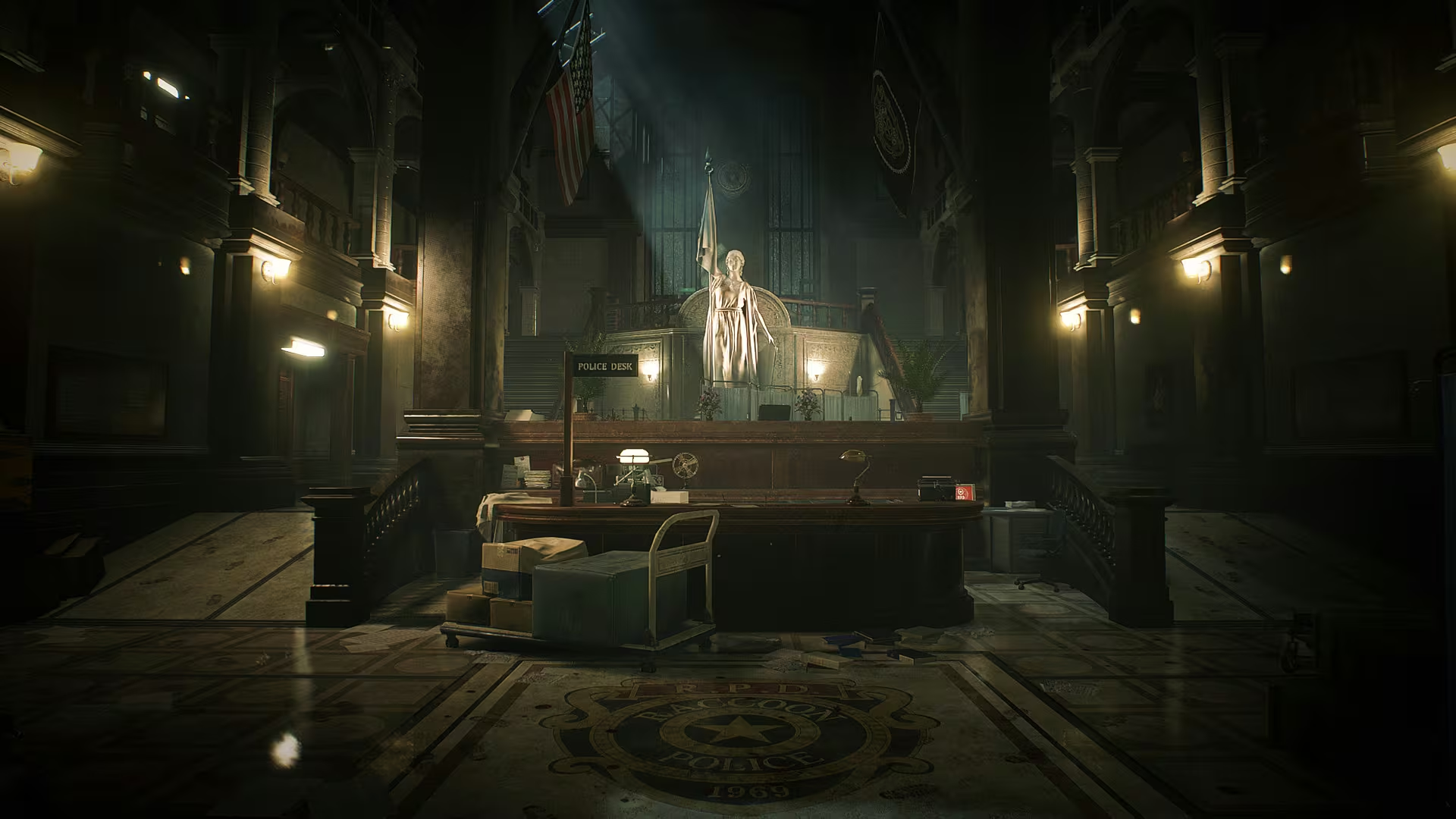
      "Exploration of detailed environments like the police station and sewers is a core gameplay element."

    • Expression
      1

      "Some character and weapon customization and unlockables exist, but limited compared to games focused on self-expression."

    • Fantasy
      5

      "Engages players in a fictional horror world with zombies, mutants, and supernatural elements."

    • Fellowship
      -5

      "Single-player game with minimal social interaction or community involvement."

    • Growth
      3

      "Players develop skills in puzzle solving, resource management, and combat tactics over multiple playthroughs."

    • Health
      -4

      "Sedentary gameplay typical of single-player PC games; no physical activity or health-related features."

    • Idle
      -4

      "Requires continuous attention and focus due to tense atmosphere and resource management."

    • Intimacy
      -4

      "Limited to narrative character relationships; no player-to-player emotional connections."

    • Leadership
      -5

      "No leadership or group management roles; solo gameplay."

    • Progression
      4

      "Players collect weapons, ammo, and upgrades, and unlock new content through multiple playthroughs."

    • Relaxation
      -4

      "Sustained tension and fear are central to the experience; not designed for relaxation."

    • Sensation
      4

      "Strong sensory stimulation through graphics, sound design, and horror atmosphere."

    • Status
      -4

      "No social status or recognition systems; focus is on personal achievement."

    • Story
      5

      "Engaging narrative with multiple character perspectives and rich lore."

    • Strategy
      4

      "Requires planning routes, managing resources, and solving puzzles strategically."

    • Thrill
      5

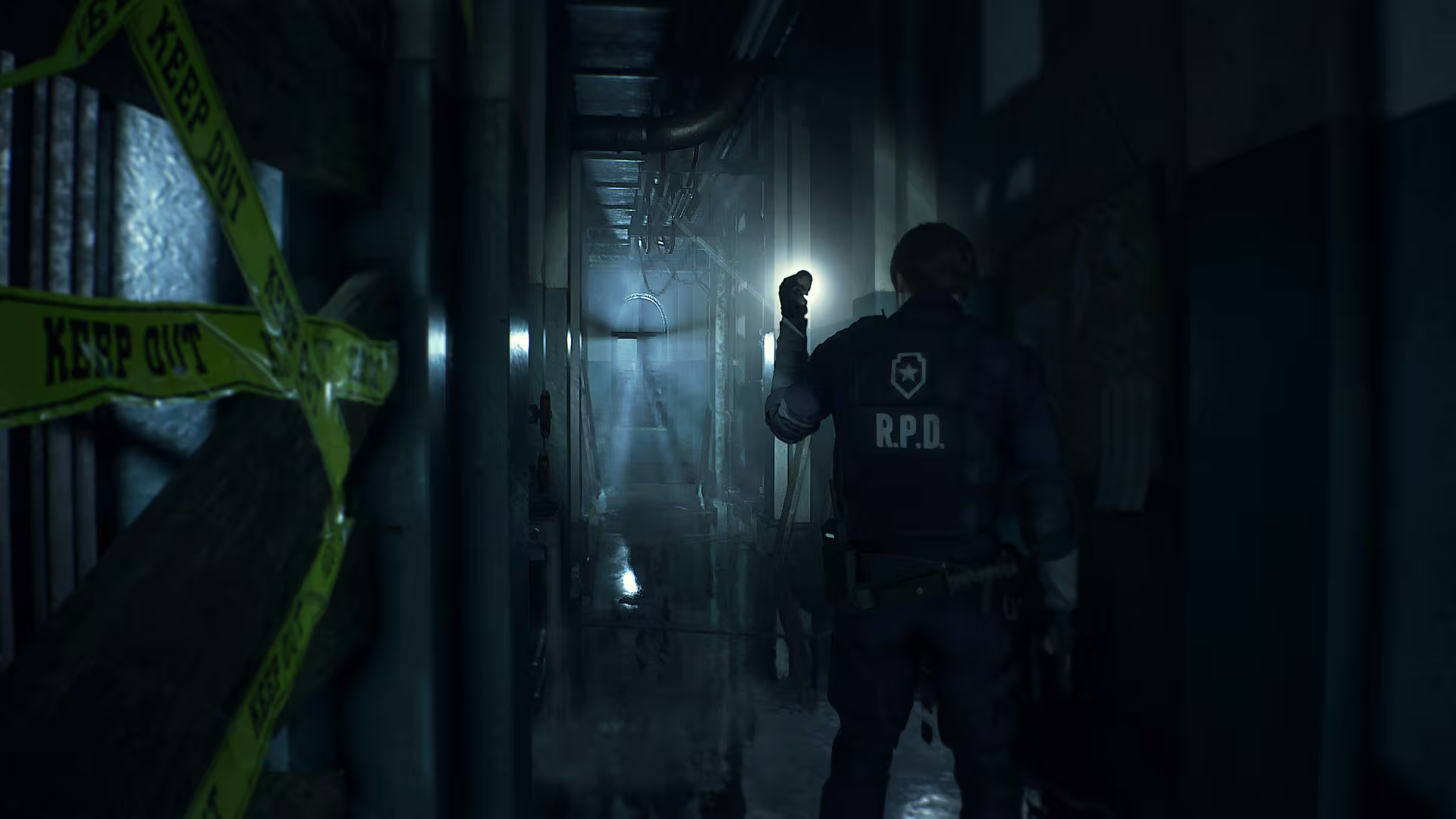
      "High suspense and fear from enemies like Mr. X and tense survival situations."

    • Value
      4

      "Highly praised for content, replayability, and quality; considered worth the price."

    • Violence
      4

      "Combat against zombies and monsters with gunplay and melee; violence is a core gameplay element."

    • Survival
      5

      "Strong survival mechanics including resource scarcity, threat avoidance, and strategic defense."

    Last update: 29/04/2026