Tower of Time Thumbnail

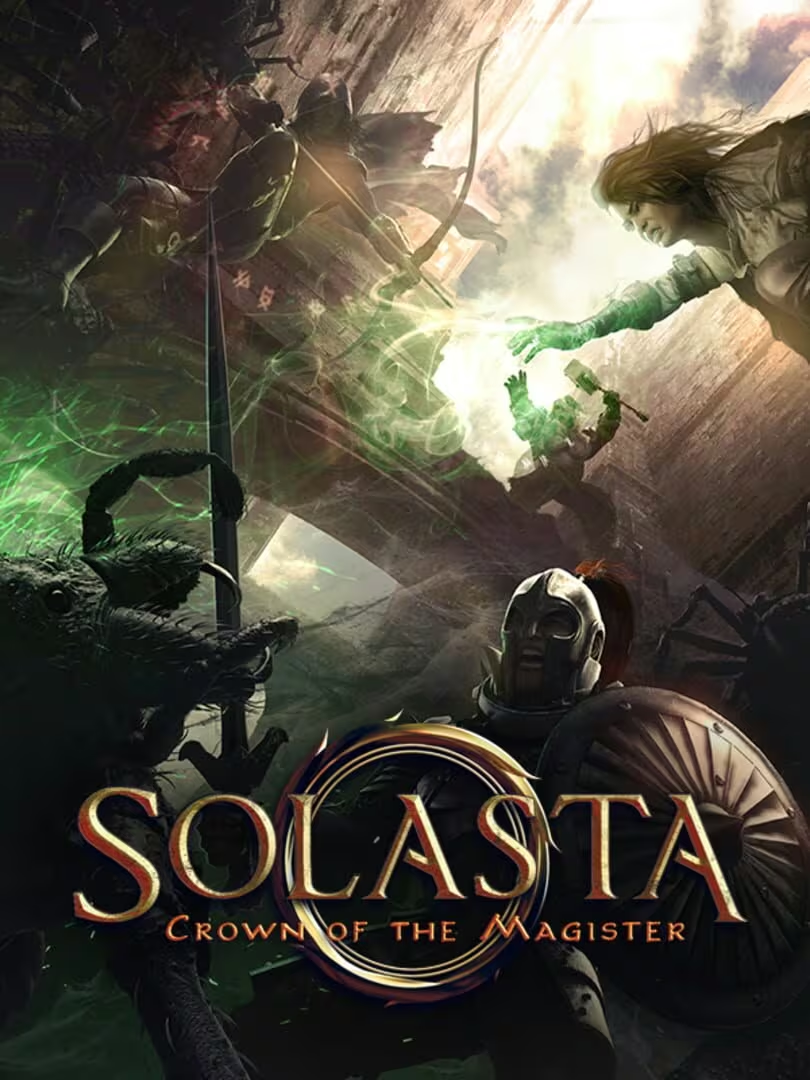
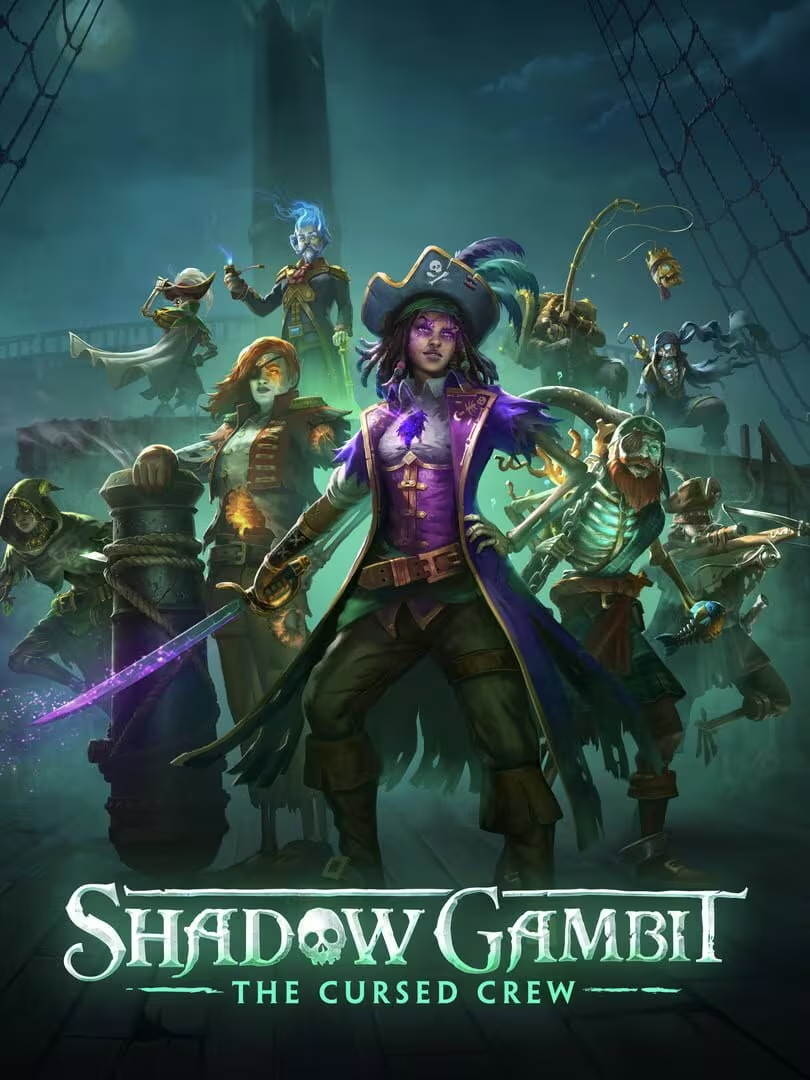
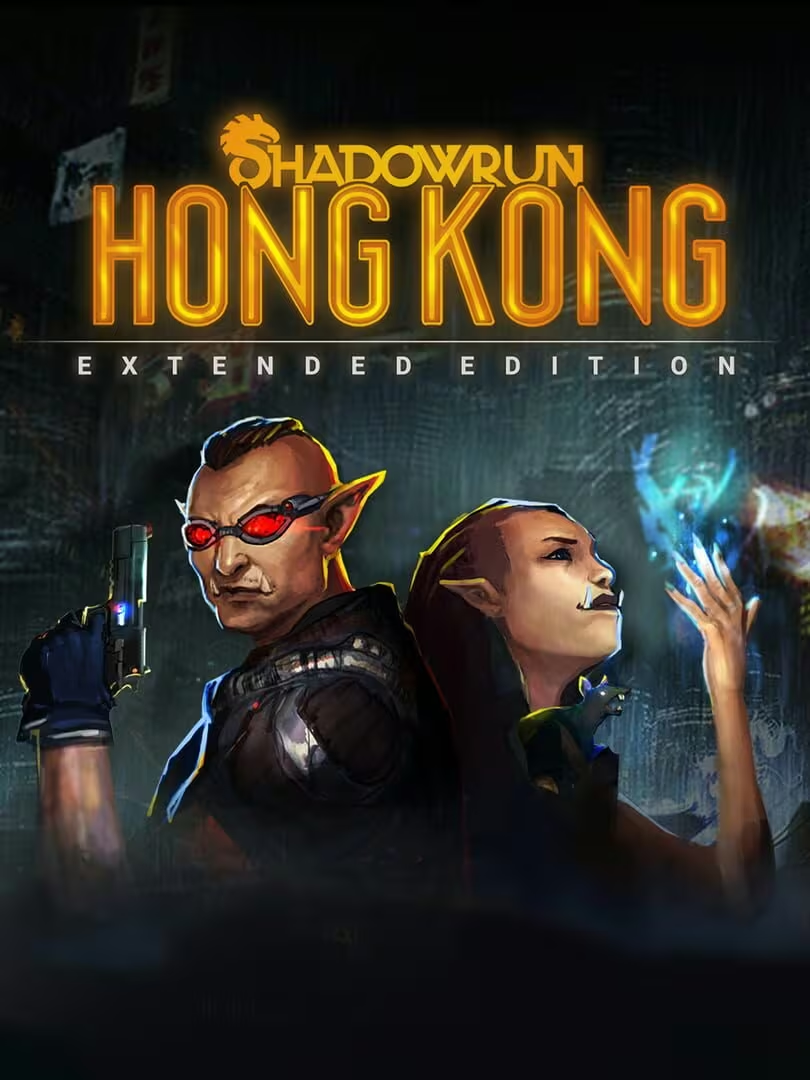
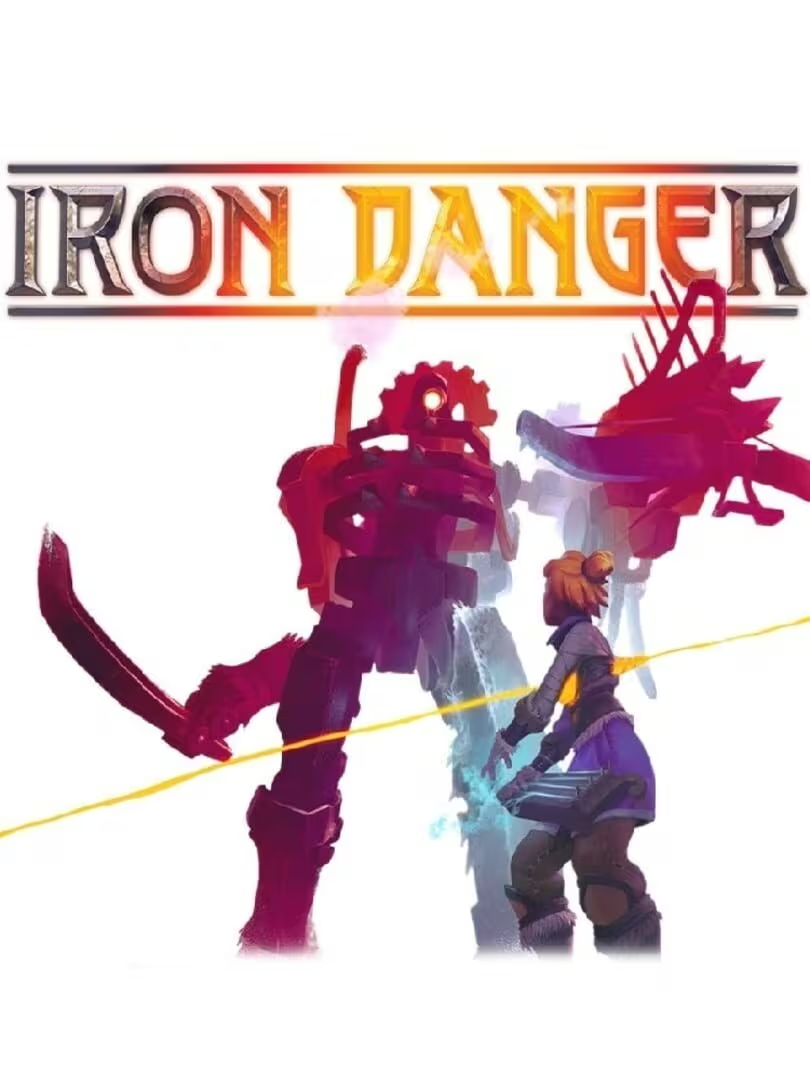
Tower of Time similar games & best alternatives

Tower of Time

PC (Microsoft Windows), iOS, Xbox One, PlayStation 4, Nintendo Switch, Linux • 2018

Related articles

Quick resume

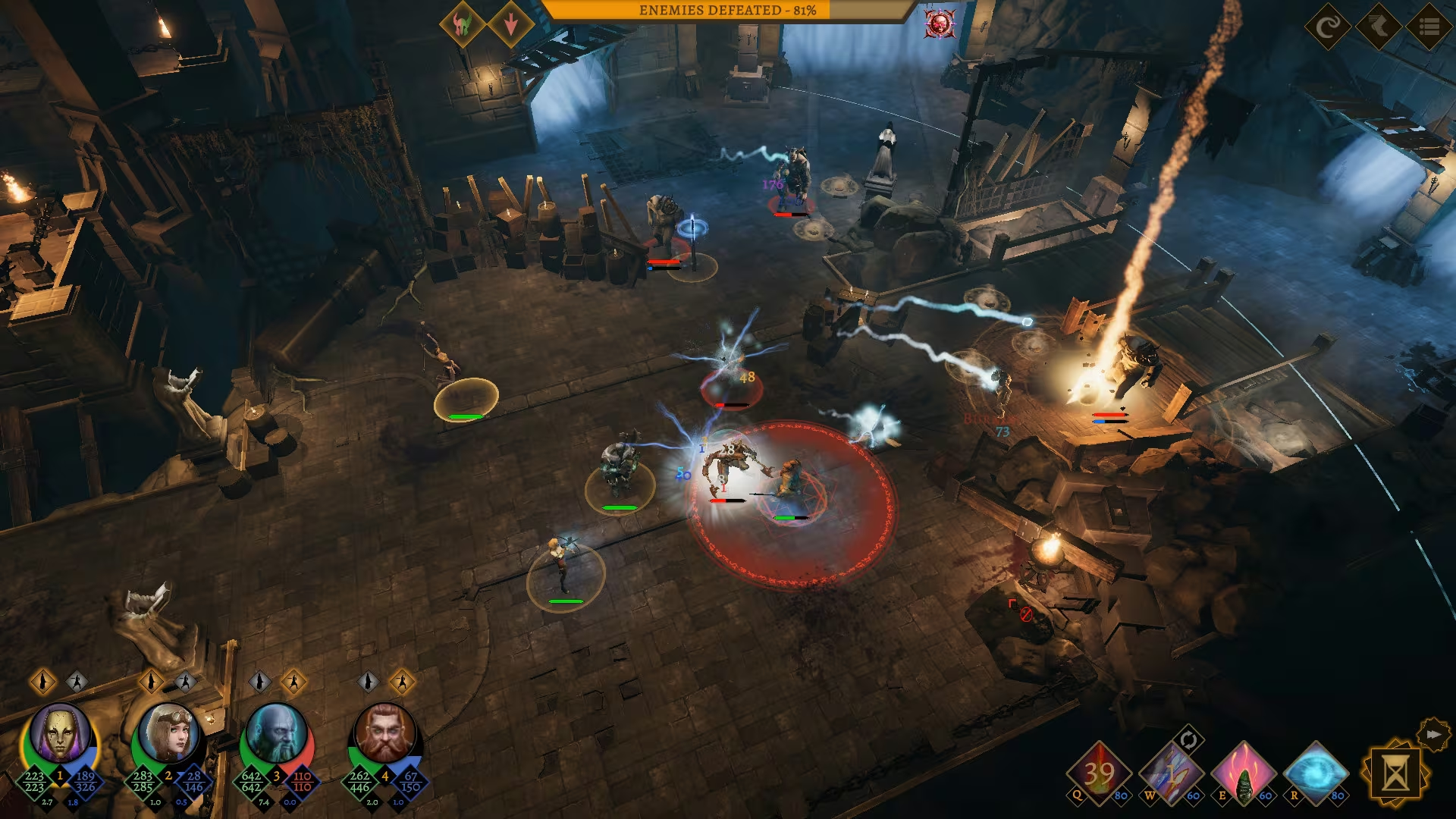
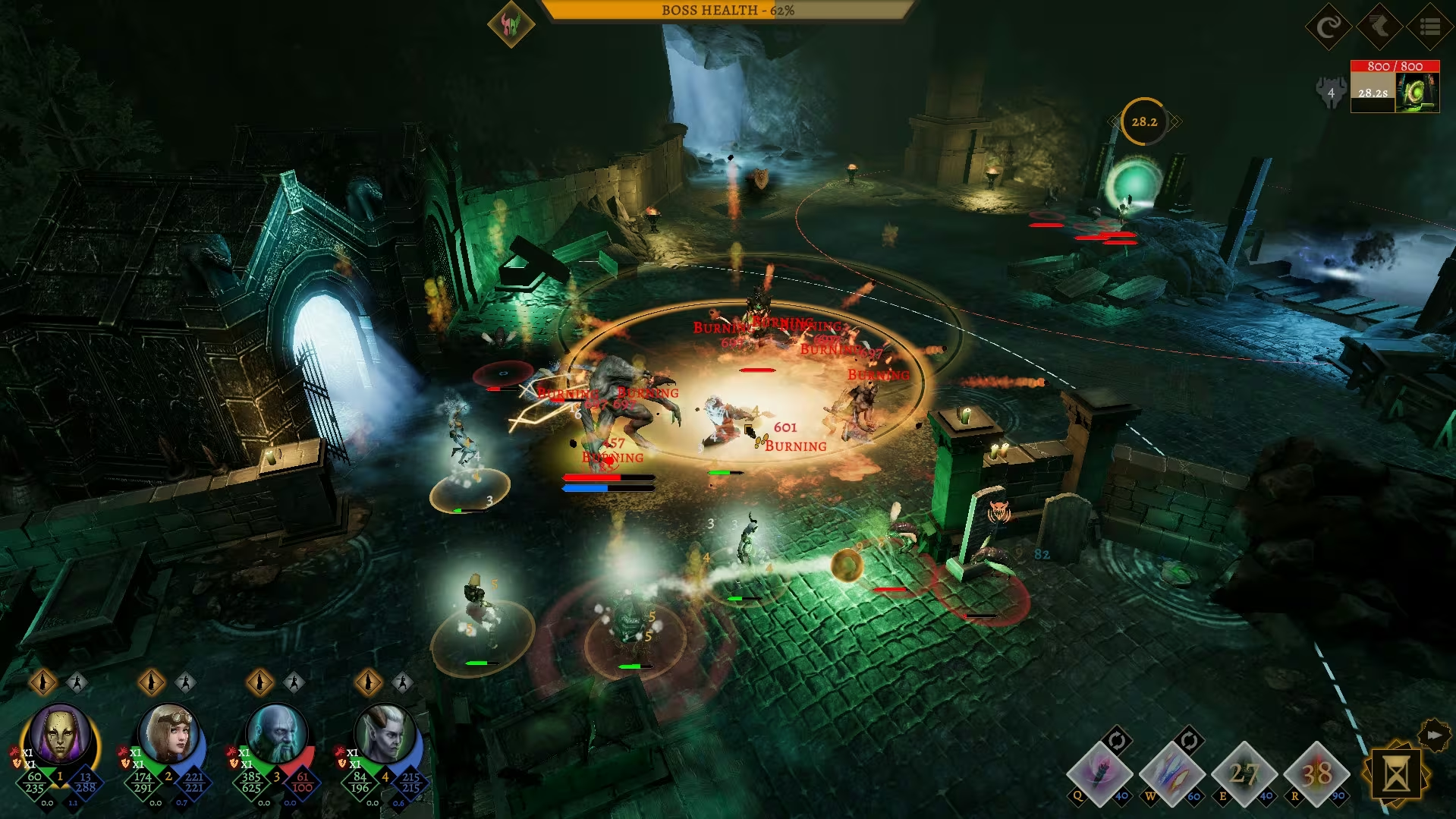
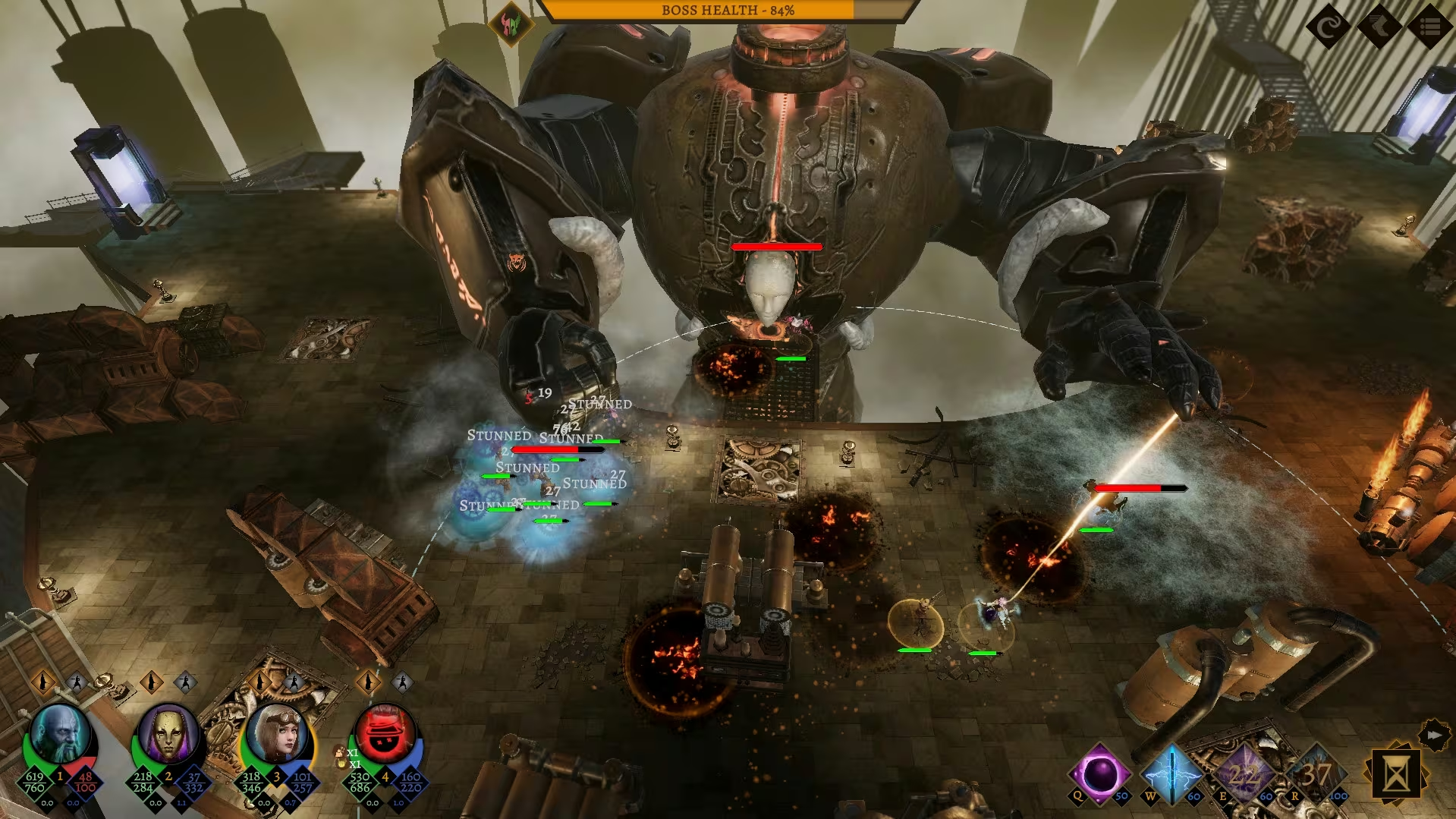
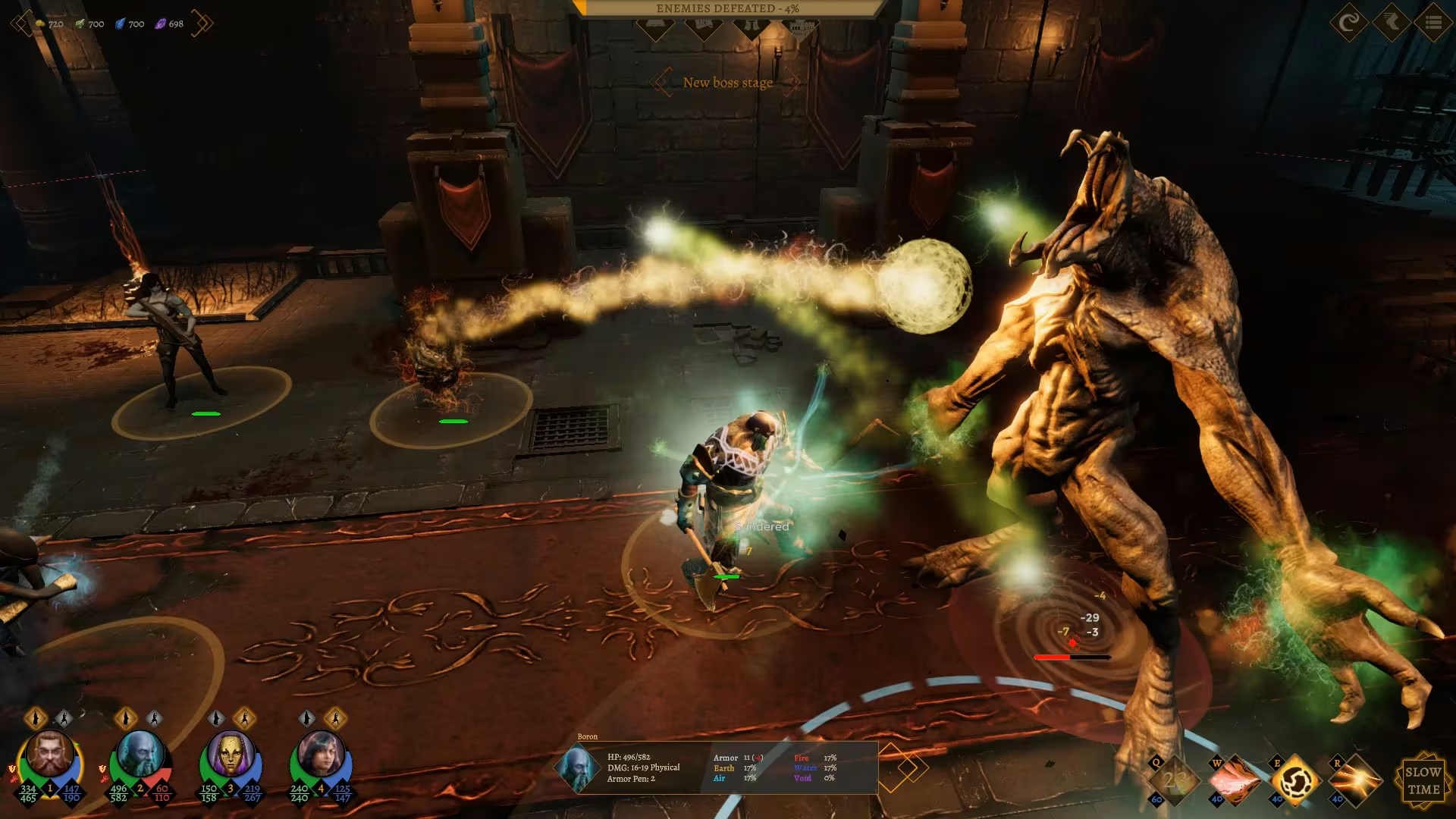
A new kind of RPG awaits you. A story-rich dungeon crawler with innovative real-time combat that lets you pause or slow time. Tactical thinking is essential to succeed. Now with RPGlite and Permadeath for fast-paced game.

Global score

83/100

Genres

Indie, Role-playing (RPG), Strategy, Adventure, Real Time Strategy (RTS), Tactical

Similar games

    Pros

    • Engaging tactical combat
    • Deep character customization and crafting
    • Immersive story and lore
    • Beautiful graphics and music
    • Long playtime and replayability

    Cons

    • Combat encounters can feel repetitive
    • Some text/dialogue quality issues
    • Linear progression with limited player choice in story
    • No multiplayer or social features
    • Some ui and quality of life improvements desired

    Analysis

    A very typical example of its motivational profile. Motivations that often define this kind of title include Leadership, Survival, Violence, Strategy. Here, the score leans higher than usual among comparable games on Relaxation. It leans lower than usual among comparable games on Status, Domination.

    How to use the graph
    Similar games map

    Each dot is a game. They are arranged from the same motivation profile as in the “Motivations” section below. Closer dots usually mean more similar reasons to play (exploration, competition, relaxation, etc.)—not that one game is “better” than another.

    • Larger dot with a light outline: the game you are viewing.
    • Colour: groups of games with comparable motivation patterns (statistical clusters).
    • Hover a dot to see the game name; click to open its page.
    • Scroll or double-click the chart to zoom out and see more games.

    Why don’t the axes read like a score? This view uses t-SNE: it only keeps who is close to whom. The scales are not “good to bad” or hours played—they separate groups on the map. Read distance between dots, not the axis numbers.

    Motivations

    • Autonomy
      3

      "Players control a party of predefined characters with flexible skill and equipment customization, allowing strategic choices and personal freedom in combat and progression."

    • Competence
      4

      "Combat requires tactical thinking, positioning, and skill management; character builds and itemization add depth and challenge."

    • Competition
      -3

      "Focus is on single-player experience with no mention of ranked modes or leaderboards; gameplay centers on personal progression and story."

    • Continuation
      4

      "Players report long playtimes (40-90+ hours), engagement with story and exploration, and repeated playthroughs."

    • Cooperation
      -4

      "Gameplay is single-player controlling a party; no multiplayer or cooperative play mentioned."

    • Creativity
      3

      "Players customize characters' skills, builds, and equipment; crafting and enchanting systems allow creative itemization."

    • Domination
      -5

      "No evidence of exerting control or superiority over others; interactions are single-player and cooperative within party."

    • Escapism
      4

      "Immersive story, atmospheric music, and exploration provide strong escape from real life."

    • Expectation
      -4

      "Players engage voluntarily out of interest and enjoyment; no indication of obligation or pressure."

    • Experimenting
      4

      "Players experiment with different character builds, skill combinations, and equipment setups; tactical combat encourages trying new strategies."

    • Exploration
      4

      "Game features large, diverse tower levels with secrets, puzzles, and lore to discover; exploration is a key motivator."

    • Expression
      2

      "Character builds and equipment customization allow some self-expression, though characters are predefined."

    • Fantasy
      4

      "Set in a fantasy world with magic, races, and lore; story and setting are imaginative and immersive."

    • Fellowship
      -4

      "Single-player experience with minimal social interaction beyond party members' dialogue."

    • Growth
      4

      "Players develop characters through leveling, skill trees, and equipment upgrades; learning and adapting tactics is important."

    • Health
      -4

      "Typical sedentary computer RPG gameplay with no physical activity elements."

    • Idle
      -4

      "Requires focused attention during exploration and combat; not designed for background or idle play."

    • Intimacy
      -4

      "Interactions limited to scripted party dialogue; no close social relationships or multiplayer connections."

    • Leadership
      3

      "Player directs and manages party members' actions and builds, guiding tactical decisions."

    • Progression
      4

      "Character and equipment progression through leveling, crafting, and skill upgrades is central to gameplay."

    • Relaxation
      3

      "Atmospheric music and story provide immersion and flow, though combat can be challenging and tense."

    • Sensation
      2

      "Visuals and music are praised for atmosphere; combat provides excitement but not extreme sensory stimulation."

    • Status
      -5

      "No social status or recognition systems; focus is on individual experience."

    • Story
      4

      "Strong narrative immersion with detailed lore, character dialogue, and plot development."

    • Strategy
      4

      "Combat and character builds require strategic planning, tactical positioning, and problem solving."

    • Thrill
      2

      "Combat provides moments of tension and challenge, but overall pacing is moderate."

    • Value
      4

      "Players report high value for money with many hours of gameplay and content."

    • Violence
      3

      "Combat involves fighting and defeating enemies; violence is part of gameplay but not gratuitous."

    • Survival
      3

      "Combat requires managing threats and staying alive; difficulty settings allow adjusting challenge."

    Last update: 29/04/2026