Dicey Dungeons Thumbnail

Dicey Dungeons similar games & best alternatives

Dicey Dungeons

PC (Microsoft Windows), Mac, iOS, PlayStation 4, Xbox One, Android, Xbox Series X|S, Nintendo Switch, PlayStation 5, Linux • 2019

Related articles

Quick resume

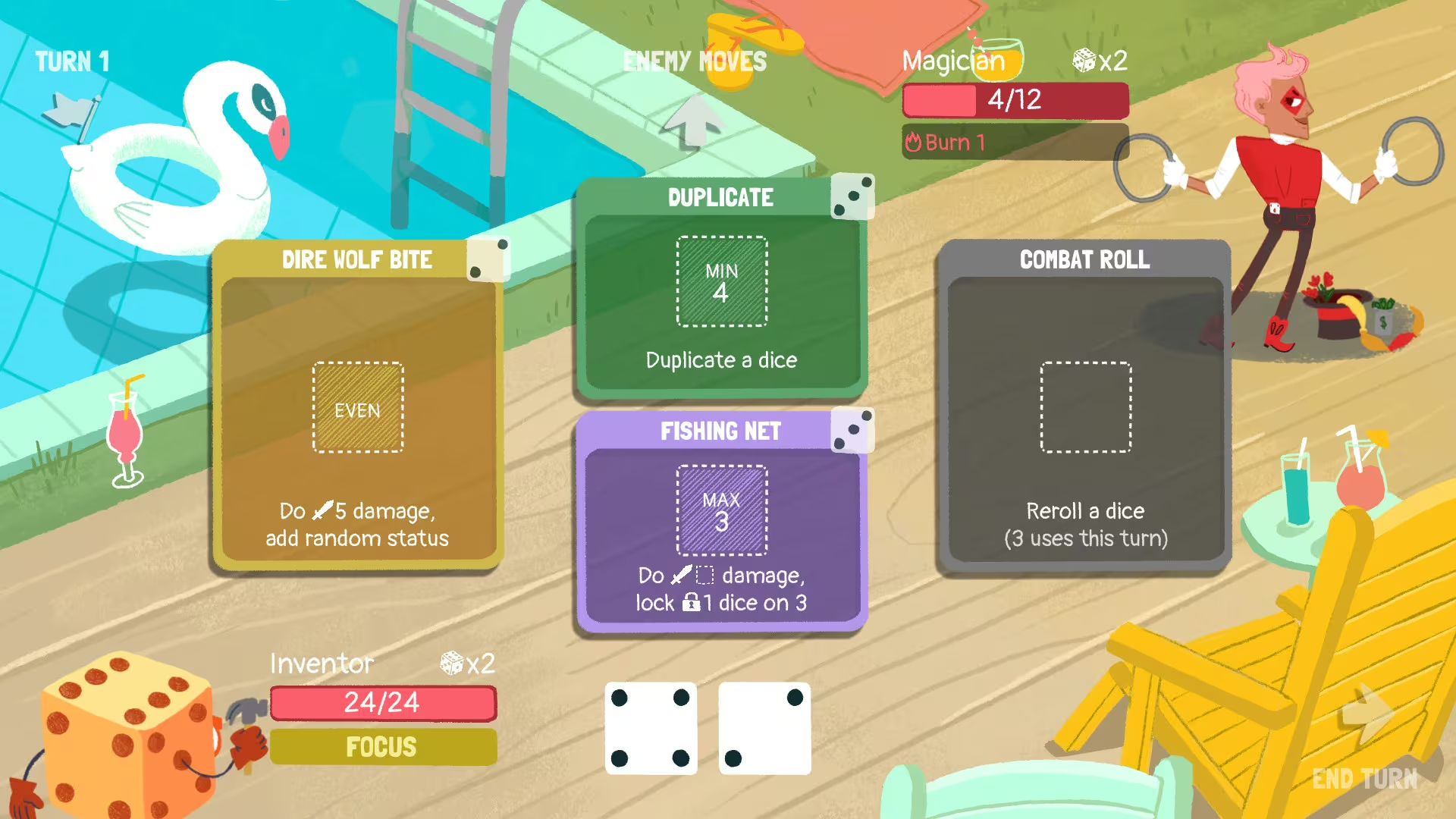
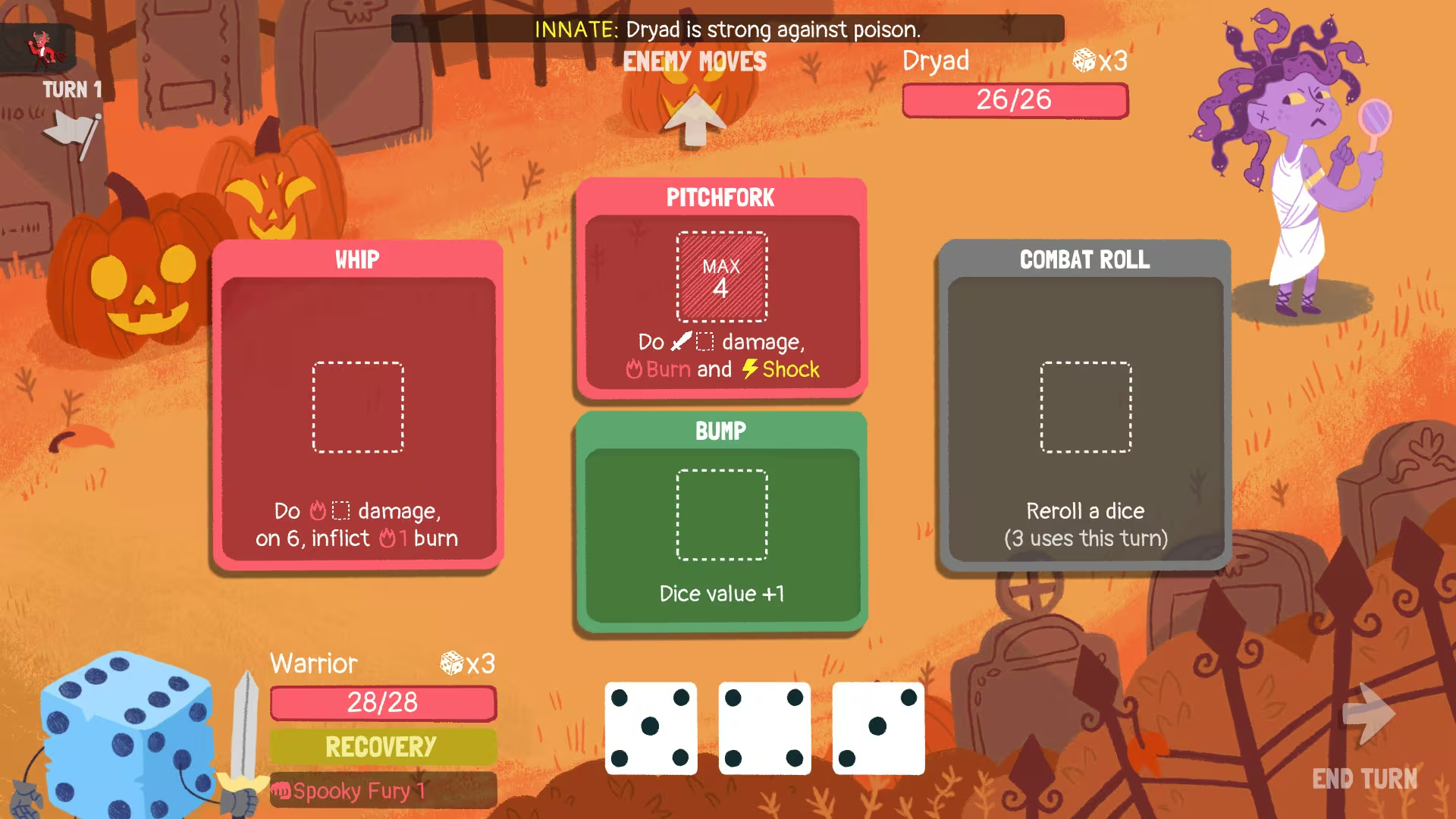
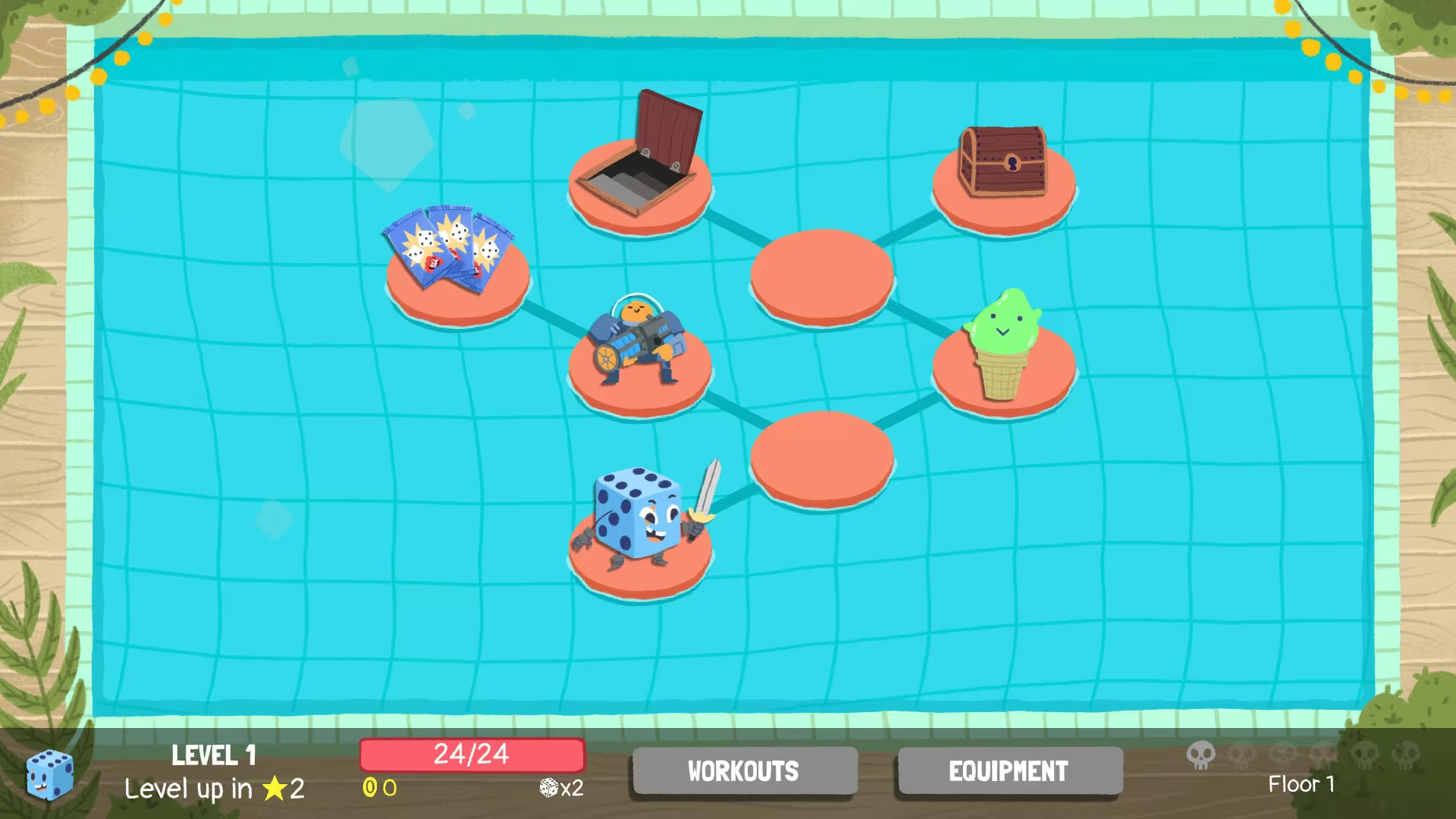
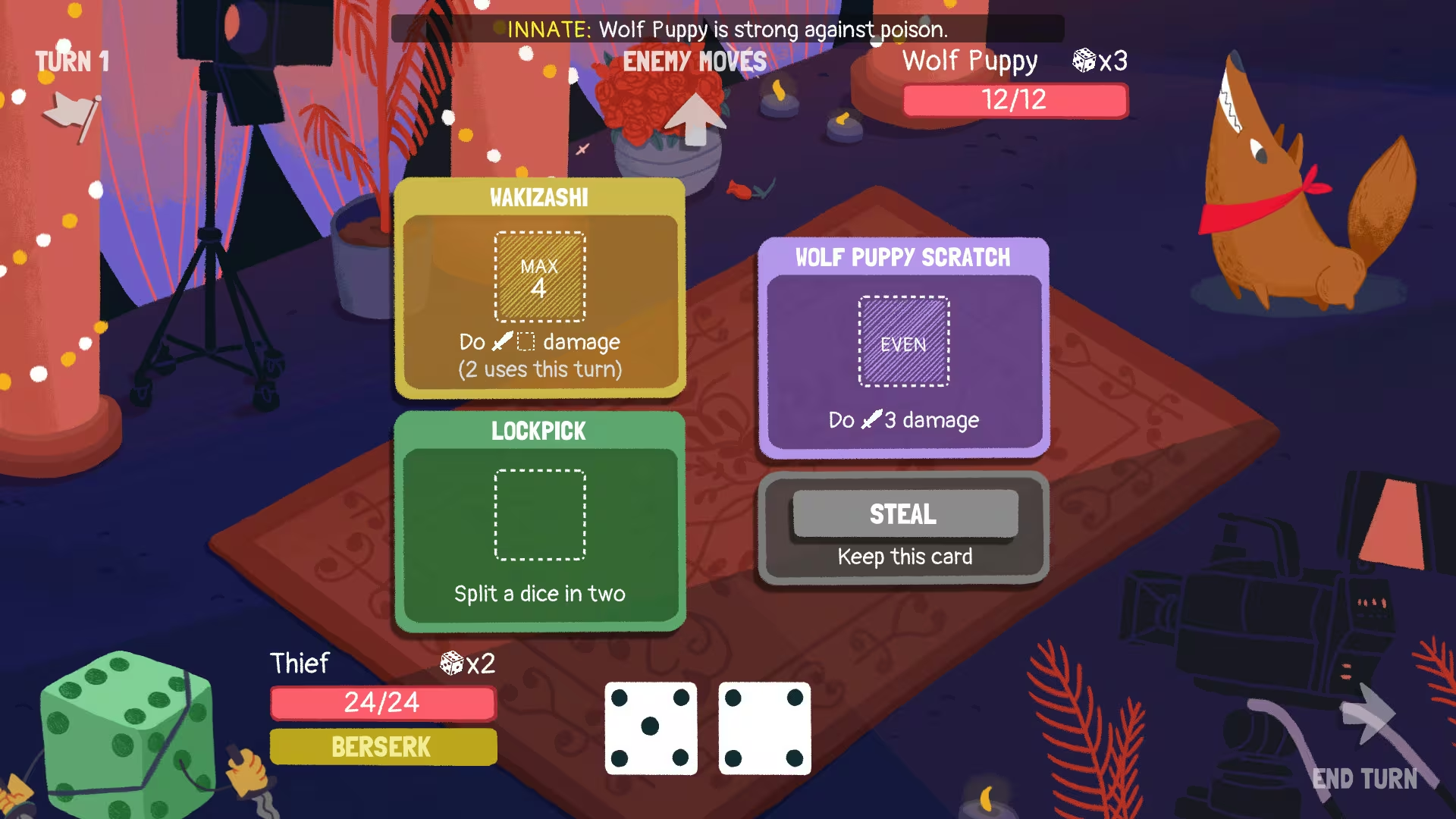
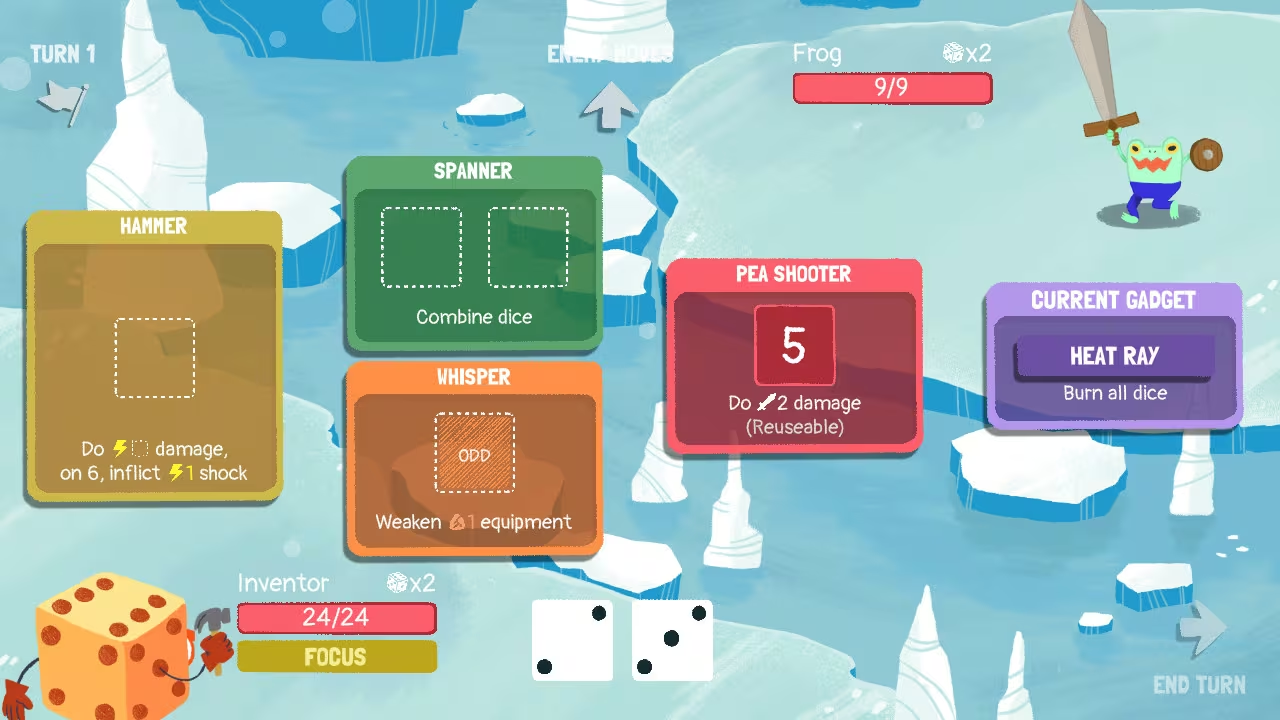
Become a giant walking dice, explore dungeons and defy Lady Luck in this dice powered roguelike! Now featuring "Reunion", a free DLC with six brand-new episodes!

Global score

89/100

Genres

Indie, Strategy, Adventure, Role-playing (RPG), Card & Board Game

Similar games

    Pros

    • Addictive and deep gameplay
    • Unique dice-based mechanics
    • Charming art and music
    • Varied characters and episodes
    • Fairly forgiving run lengths

    Cons

    • High rng can frustrate some players
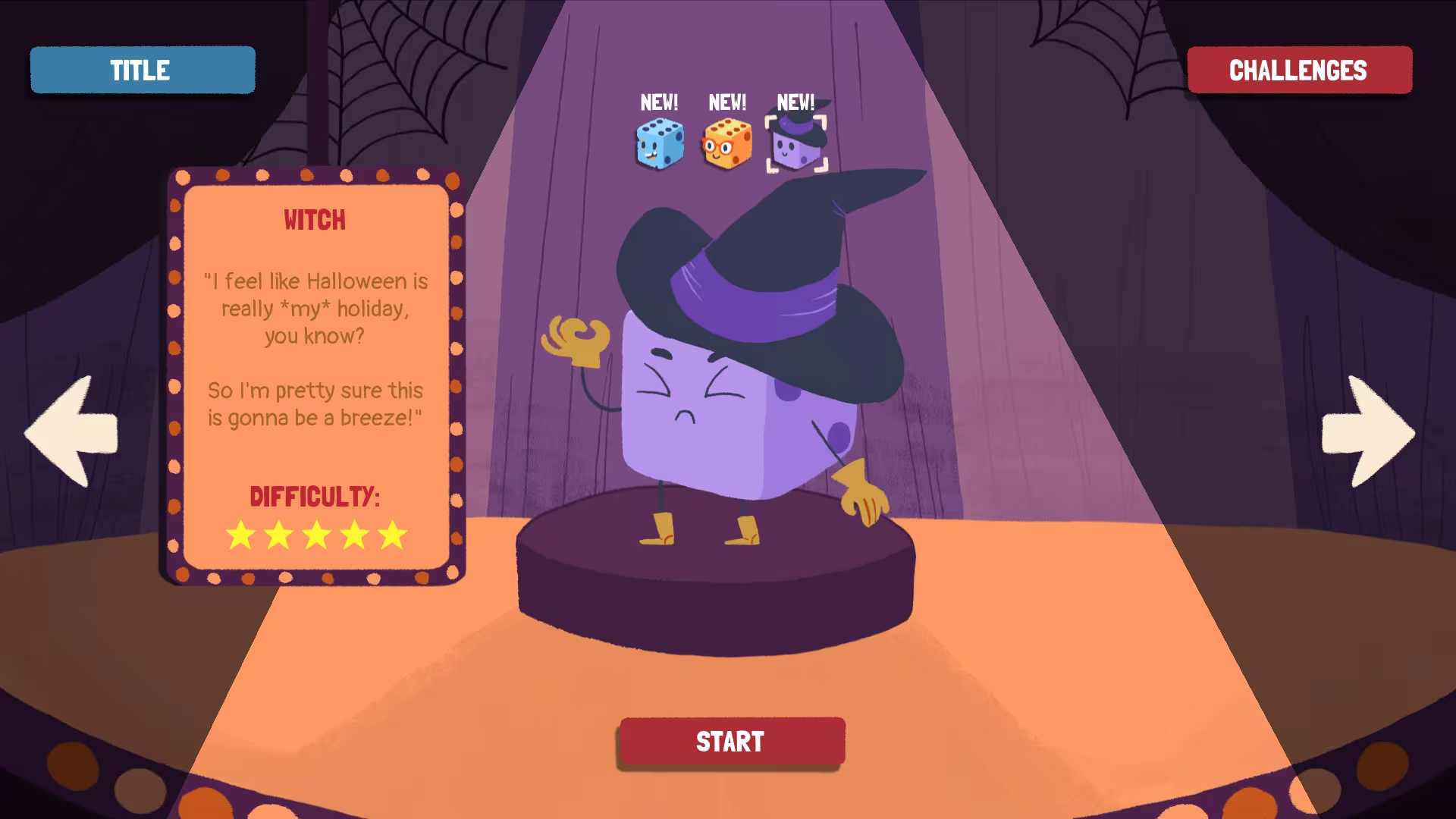
    • Witch character is notably difficult
    • Some repetition in enemies and environments
    • Lack of multiplayer or social features
    • Progression tied to playing all characters

    Analysis

    A very typical example of its motivational profile. Motivations that often define this kind of title include Fellowship, Cooperation, Leadership, Violence. Here, the score leans higher than usual among comparable games on Strategy, Continuation, Experimenting.

    How to use the graph
    Similar games map

    Each dot is a game. They are arranged from the same motivation profile as in the “Motivations” section below. Closer dots usually mean more similar reasons to play (exploration, competition, relaxation, etc.)—not that one game is “better” than another.

    • Larger dot with a light outline: the game you are viewing.
    • Colour: groups of games with comparable motivation patterns (statistical clusters).
    • Hover a dot to see the game name; click to open its page.
    • Scroll or double-click the chart to zoom out and see more games.

    Why don’t the axes read like a score? This view uses t-SNE: it only keeps who is close to whom. The scales are not “good to bad” or hours played—they separate groups on the map. Read distance between dots, not the axis numbers.

    Motivations

    • Autonomy
      4

      "Players freely choose characters, equipment, and strategies each run, adapting to RNG and episode modifiers."

    • Competence
      4

      "Requires skillful planning, dice management, and strategic decision-making to overcome challenges and bosses."

    • Competition
      -3

      "Focuses on individual runs and personal mastery rather than direct player-vs-player competition."

    • Continuation
      5

      "Highly addictive with many players engaging in long sessions and habitual play to unlock all content."

    • Cooperation
      -5

      "Entirely single-player experience with no cooperative or multiplayer elements."

    • Creativity
      4

      "Players experiment with different equipment combos, character builds, and strategies across episodes."

    • Domination
      -5

      "No social dominance or power over others; gameplay is solitary and self-directed."

    • Escapism
      4

      "Players use the game as a fun distraction and stress relief with its whimsical style and engaging gameplay."

    • Expectation
      -4

      "Players engage voluntarily out of intrinsic interest and enjoyment, not obligation or pressure."

    • Experimenting
      5

      "Strong emphasis on trying new builds, equipment synergies, and adapting to changing episode rules."

    • Exploration
      2

      "Some discovery in learning character mechanics and episode variations, though environments are limited."

    • Expression
      2

      "Limited character customization but players express style through equipment choices and strategies."

    • Fantasy
      3

      "Light fantasy setting with anthropomorphic dice characters and whimsical story elements."

    • Fellowship
      -5

      "No social or community gameplay; experience is solitary."

    • Growth
      4

      "Players learn and improve skills, strategies, and understanding of mechanics over time."

    • Health
      -5

      "Sedentary gameplay with no physical activity or health-related features."

    • Idle
      -3

      "Requires focused attention during runs; not designed for passive or background play."

    • Intimacy
      -5

      "No social or emotional relationship building; purely individual gameplay."

    • Leadership
      -5

      "No leadership or group management roles; single-player experience."

    • Progression
      4

      "Players accumulate equipment, upgrades, and unlock new episodes and characters."

    • Relaxation
      3

      "Despite challenge and RNG, many find gameplay flow relaxing and enjoyable with good pacing."

    • Sensation
      3

      "Engaging audiovisual experience with catchy music and charming visuals."

    • Status
      -4

      "Achievements exist but social recognition or popularity is minimal and not a focus."

    • Story
      2

      "Simple, lighthearted narrative with charming characters and humorous dialogue."

    • Strategy
      5

      "Core gameplay revolves around strategic dice allocation, equipment synergy, and adapting to modifiers."

    • Thrill
      3

      "Tension from RNG and challenging episodes creates suspense and excitement."

    • Value
      4

      "Players report high replay value and content for price, especially with free DLC updates."

    • Violence
      1

      "Combat involves defeating enemies but is cartoonish and non-graphic, focusing on dice mechanics."

    • Survival
      3

      "Players must manage health and resources to survive increasingly difficult dungeon episodes."

    Last update: 29/04/2026