Nitro Kid Thumbnail

Nitro Kid similar games & best alternatives
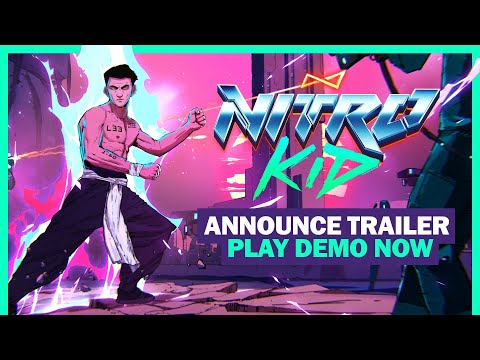
Nitro Kid

PC (Microsoft Windows) • 2022

Related articles

Quick resume

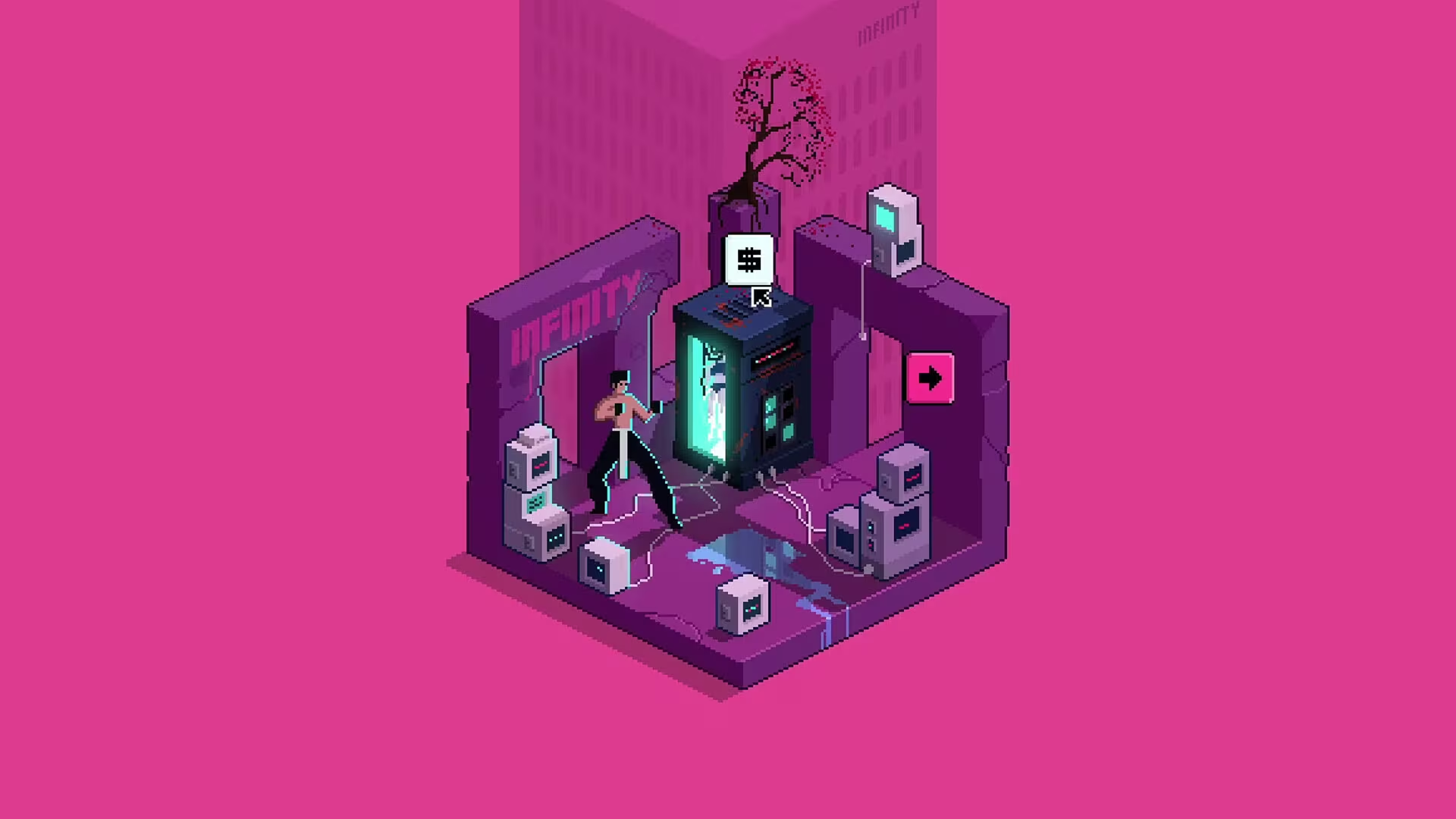
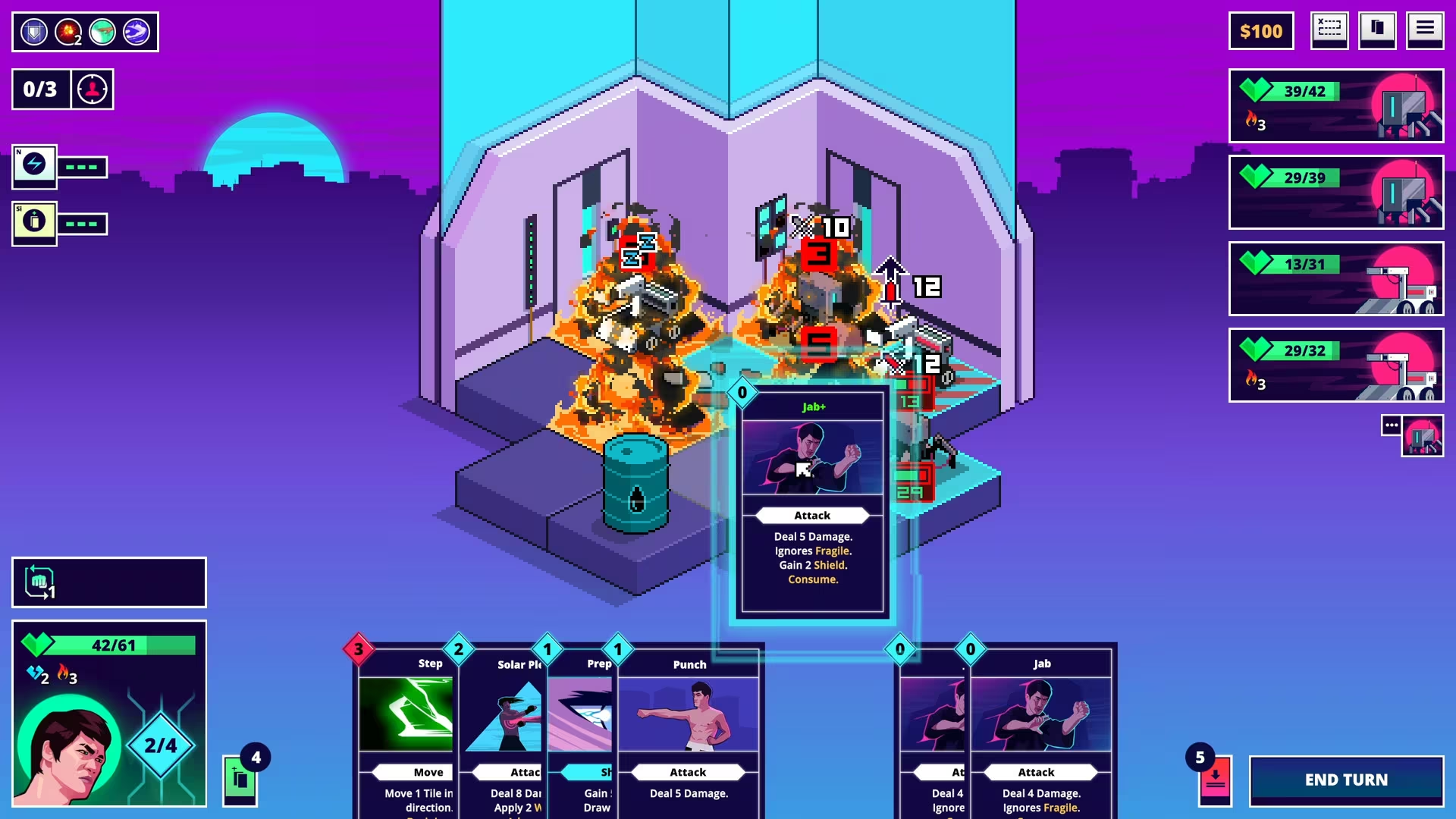
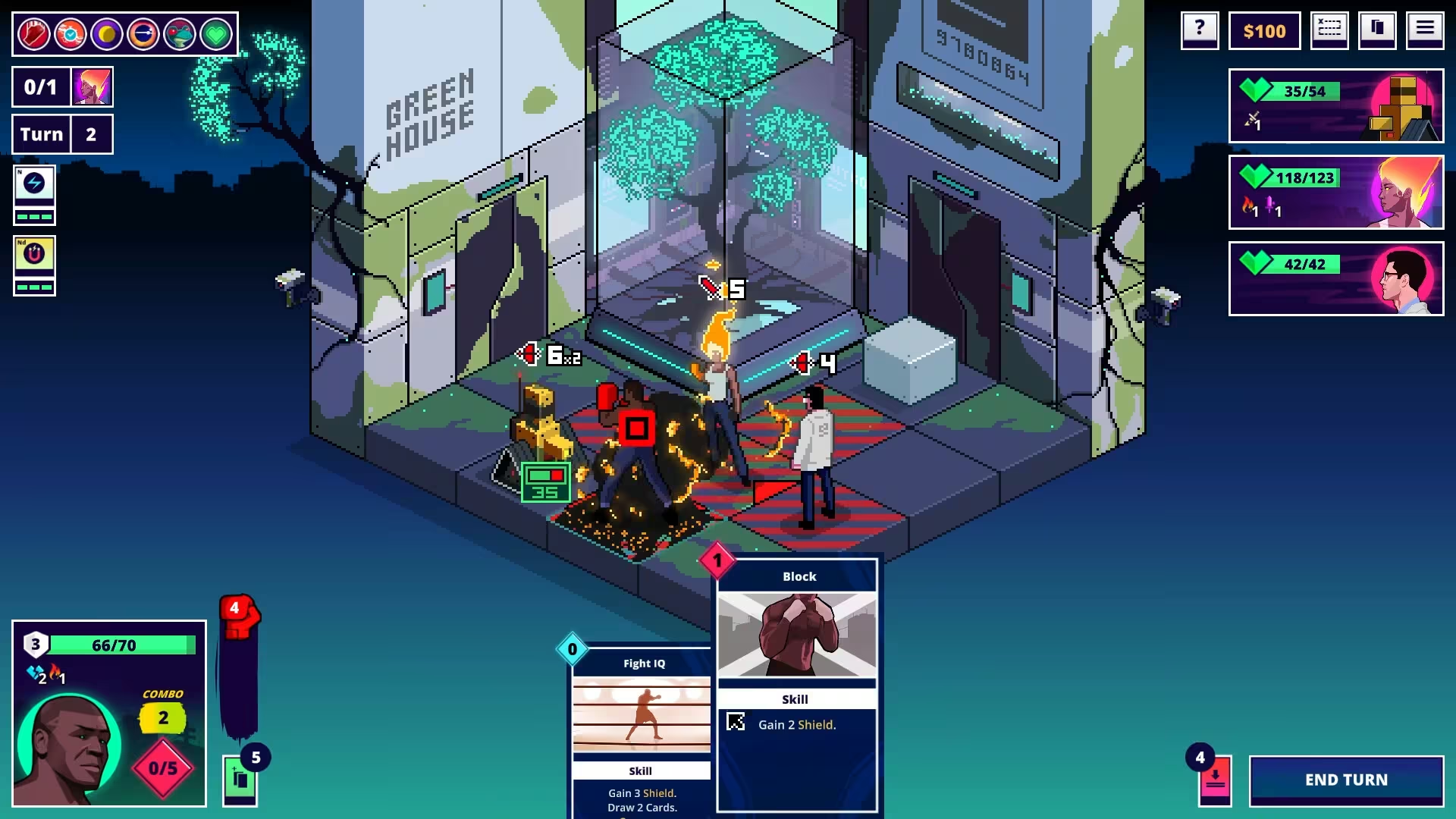
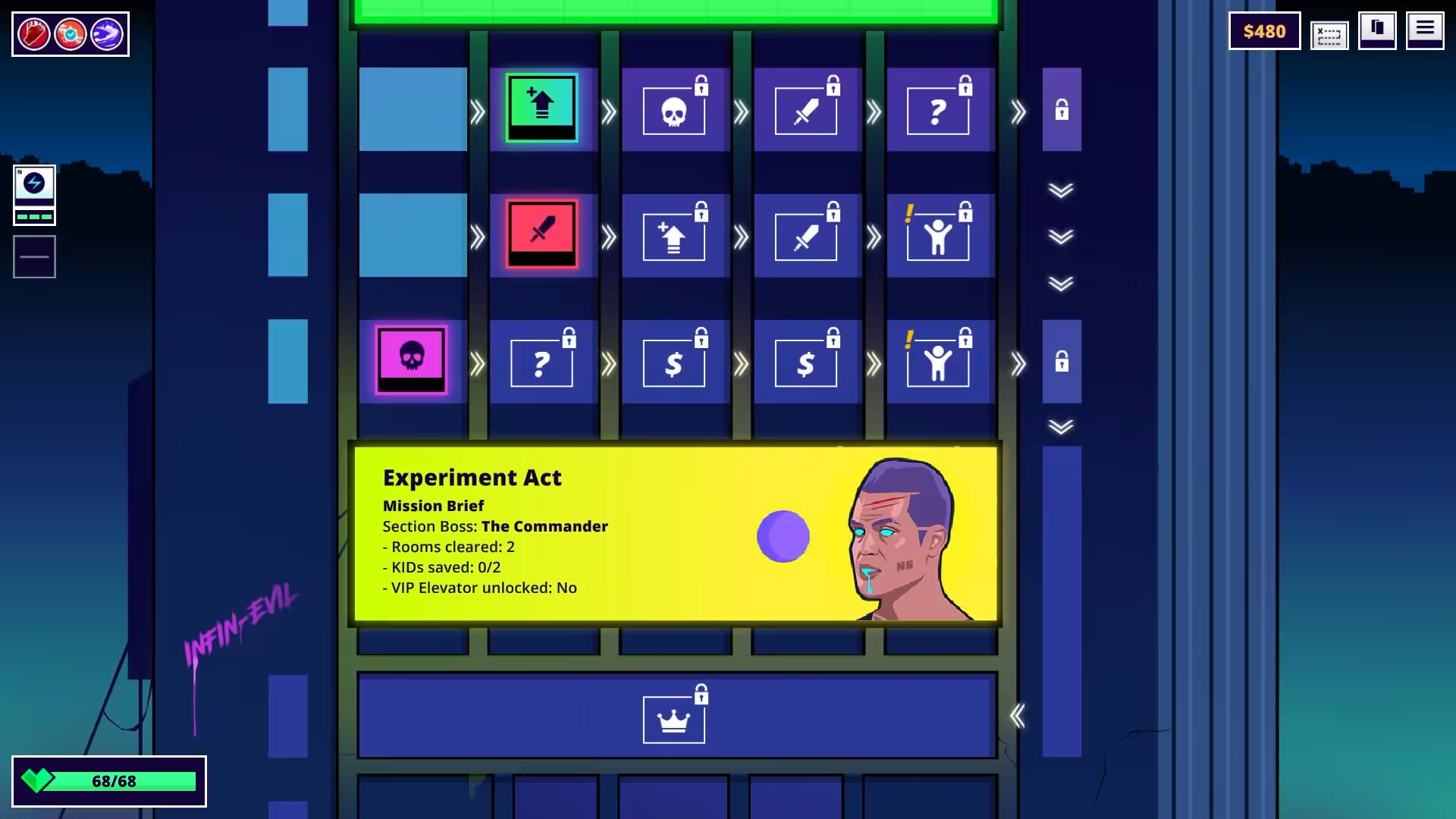
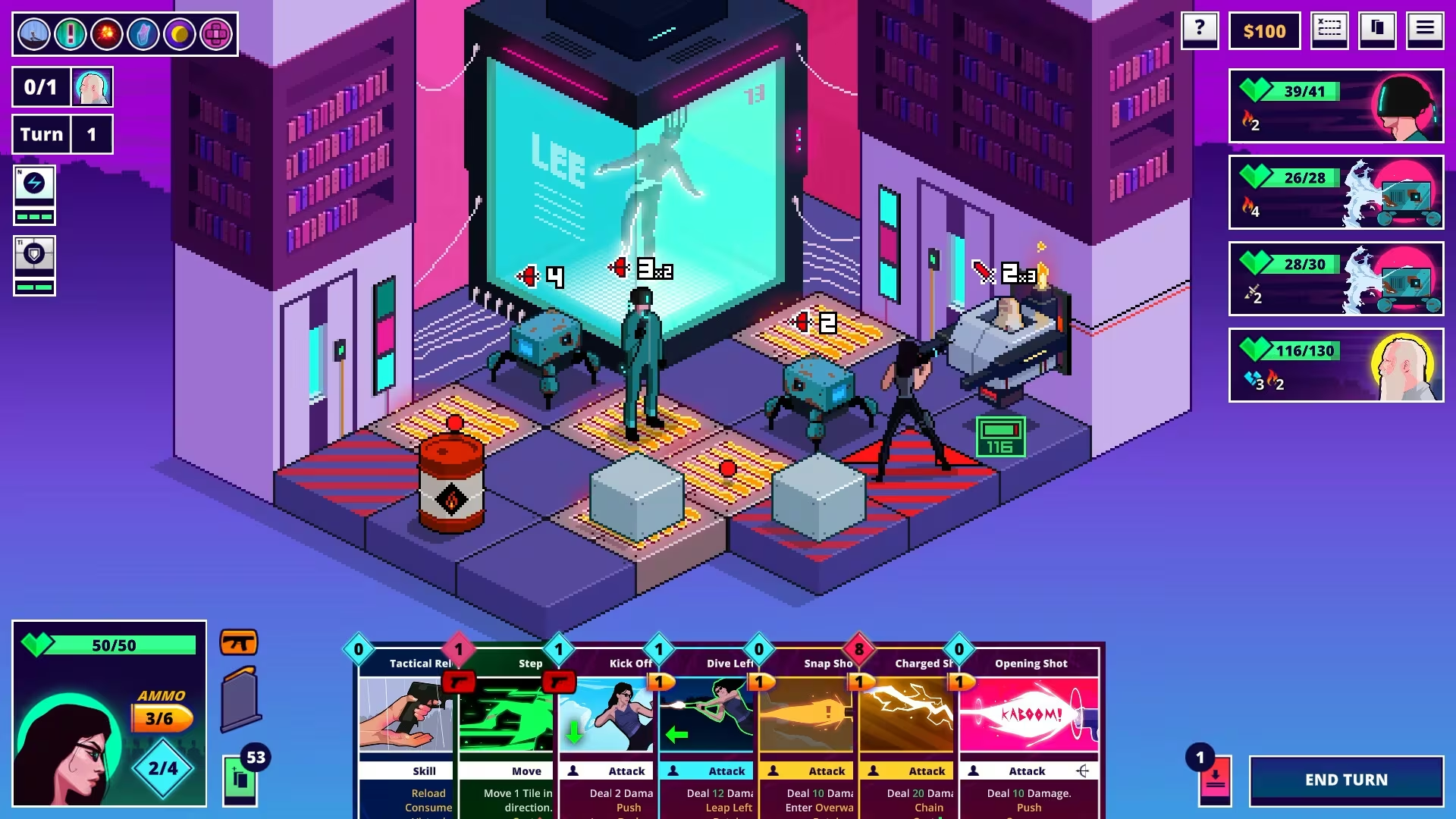
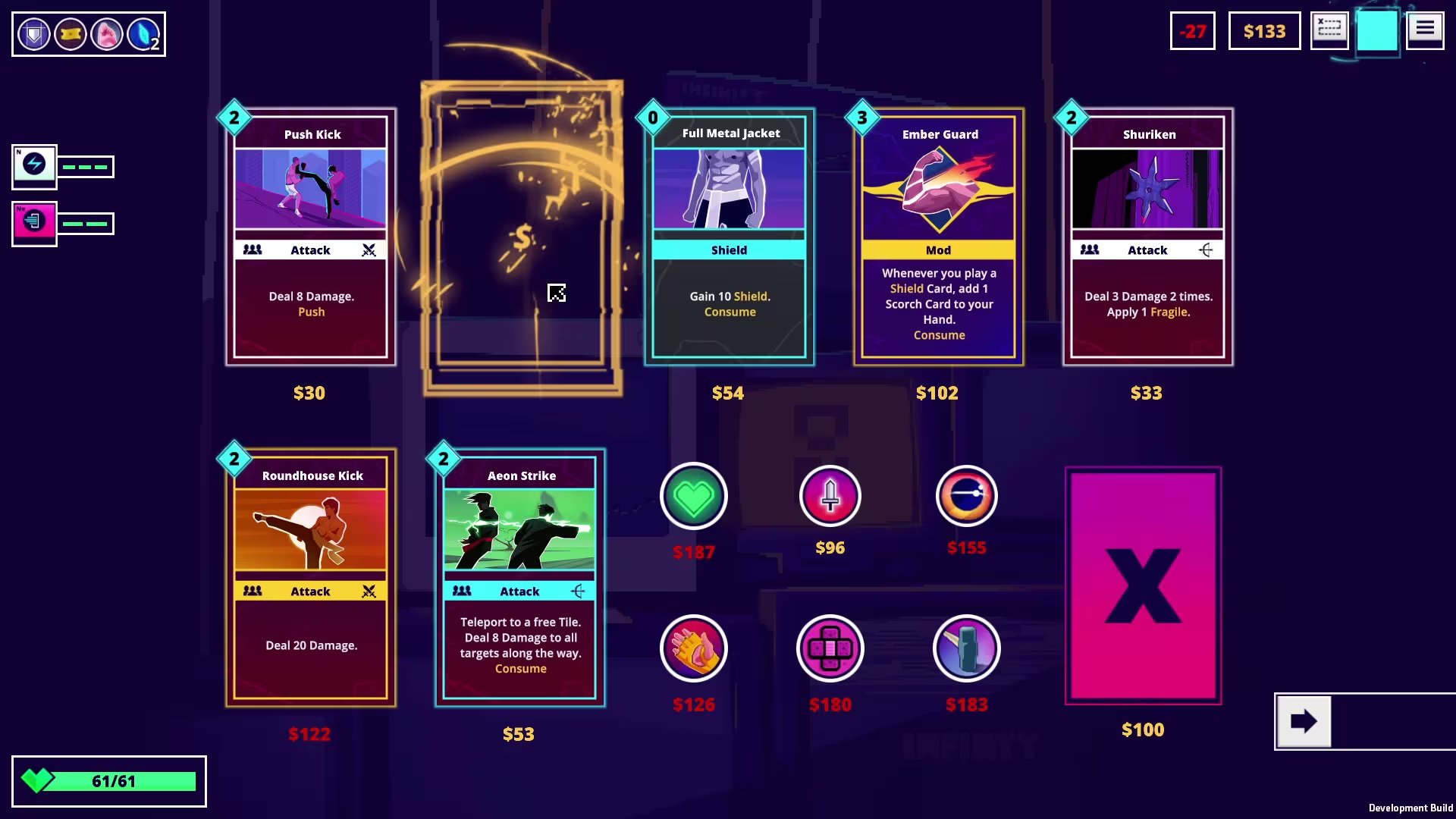
Synthwave roguelike deckbuilder set in the neon 80's. Pick your agent. Build your deck. Hit card combos and fight through the floors of INFINITY tower. Featuring 30+ fresh Synthwave tracks by LudoWic, Tonebox and Jules Reves.

Global score

88/100

Genres

Indie, Strategy, Turn-based strategy (TBS), Tactical, Card & Board Game

Similar games

    Pros

    • Engaging deckbuilding and tactical combat
    • Unique 80s retro-futuristic aesthetic
    • Excellent synthwave soundtrack
    • High replayability with multiple characters
    • Well-polished ui and gameplay

    Cons

    • Some balance issues with certain characters and enemies
    • Lack of controller support at launch
    • Short overall campaign length
    • Limited story depth and lore
    • No multiplayer or social features

    Analysis

    A very typical example of its motivational profile. Motivations that often define this kind of title include Fellowship, Cooperation, Leadership, Violence. Here, the score leans higher than usual among comparable games on Survival, Strategy, Violence.

    How to use the graph
    Similar games map

    Each dot is a game. They are arranged from the same motivation profile as in the “Motivations” section below. Closer dots usually mean more similar reasons to play (exploration, competition, relaxation, etc.)—not that one game is “better” than another.

    • Larger dot with a light outline: the game you are viewing.
    • Colour: groups of games with comparable motivation patterns (statistical clusters).
    • Hover a dot to see the game name; click to open its page.
    • Scroll or double-click the chart to zoom out and see more games.

    Why don’t the axes read like a score? This view uses t-SNE: it only keeps who is close to whom. The scales are not “good to bad” or hours played—they separate groups on the map. Read distance between dots, not the axis numbers.

    Motivations

    • Autonomy
      4

      "Players have meaningful choices in deck building, character selection, and path progression, allowing control over strategy and playstyle."

    • Competence
      4

      "The game offers challenging tactical combat and deckbuilding that requires skillful planning and adaptation, with feedback on performance."

    • Competition
      -3

      "Focus is primarily on solo runs and personal progression without ranked modes or direct player comparison."

    • Continuation
      4

      "Players report high replayability and habitual return to the game, with many hours logged and multiple runs."

    • Cooperation
      -5

      "The game is single-player focused with no cooperative multiplayer elements."

    • Creativity
      3

      "Deck building and character customization allow creative strategic combinations, though within defined card sets."

    • Domination
      -5

      "No evidence of exerting control over others; gameplay is individual and non-confrontational in social terms."

    • Escapism
      4

      "The immersive retro-futuristic aesthetic and engaging gameplay provide a strong escape from real life."

    • Expectation
      -4

      "Players engage voluntarily out of intrinsic interest and enjoyment rather than obligation or external pressure."

    • Experimenting
      4

      "Players experiment with different decks, characters, and strategies to find effective combinations."

    • Exploration
      2

      "Some exploration of story elements and lore through optional text and events, but gameplay is mostly structured."

    • Expression
      2

      "Players can express themselves through deck choices and character selection, though cosmetic customization is limited."

    • Fantasy
      4

      "Strongly themed around 80s retro-futuristic and cyberpunk fantasy with exaggerated characters and scenarios."

    • Fellowship
      -4

      "Minimal social interaction; players primarily engage individually without community integration in gameplay."

    • Growth
      3

      "Players develop skills and knowledge of game mechanics over time, improving through repeated runs."

    • Health
      -5

      "No physical activity involved; sedentary gameplay."

    • Idle
      -3

      "Requires focused attention and strategic thinking; not suited for passive or background play."

    • Intimacy
      -5

      "No evidence of close social relationships or emotional sharing within the game."

    • Leadership
      -5

      "No leadership or group management roles; gameplay is individual."

    • Progression
      4

      "Strong progression through unlocking cards, patches, and character upgrades across runs."

    • Relaxation
      3

      "While challenging, the game provides flow and satisfying gameplay that many find relaxing and enjoyable."

    • Sensation
      4

      "Vibrant neon visuals and a highly praised synthwave soundtrack provide strong sensory stimulation."

    • Status
      -4

      "Achievements and recognition are mostly personal; no social status or leaderboards reported."

    • Story
      2

      "There is a narrative and lore that players can explore, but story depth is limited and optional."

    • Strategy
      5

      "High emphasis on tactical positioning, deckbuilding, and resource management requiring deep strategic thinking."

    • Thrill
      3

      "Challenging encounters and risk-reward decisions create suspense and excitement."

    • Value
      4

      "Players report good value for money due to replayability, quality, and content."

    • Violence
      3

      "Combat and defeating enemies are core gameplay elements involving attacks and damage."

    • Survival
      4

      "Players must manage health and avoid defeat through strategic play and resource management."

    Last update: 29/04/2026