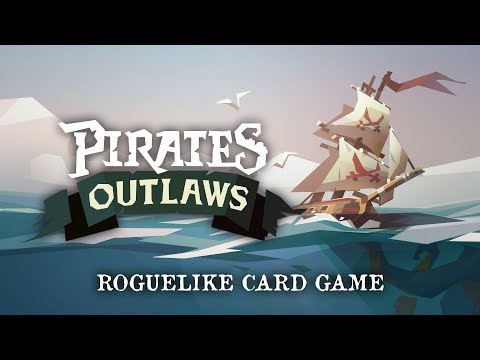
Pirates Outlaws Thumbnail

Pirates Outlaws similar games & best alternatives
Pirates Outlaws

PC (Microsoft Windows), Mac, iOS, PlayStation 4, Xbox One, Android, Nintendo Switch • 2020

Related articles

Quick resume

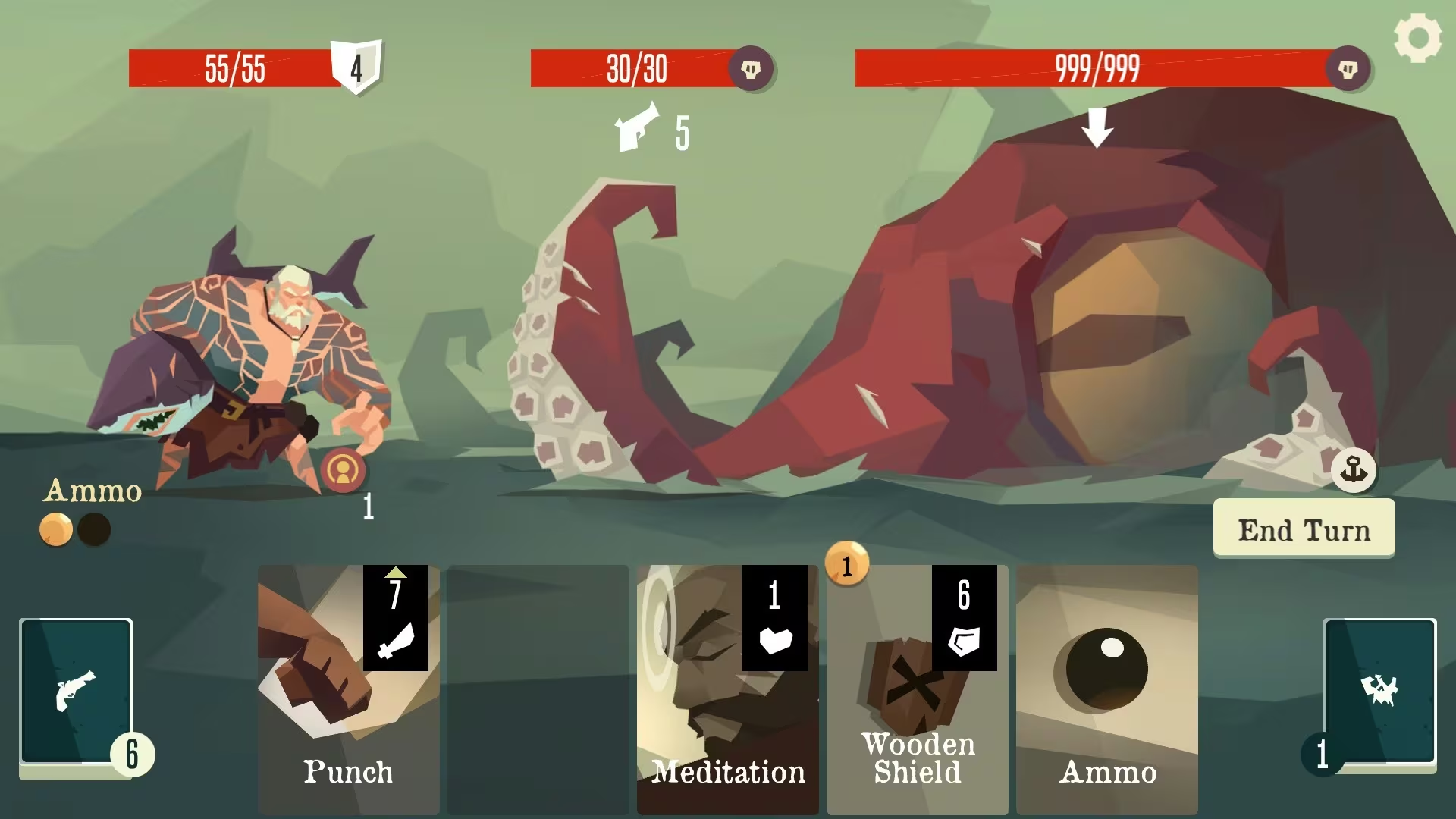
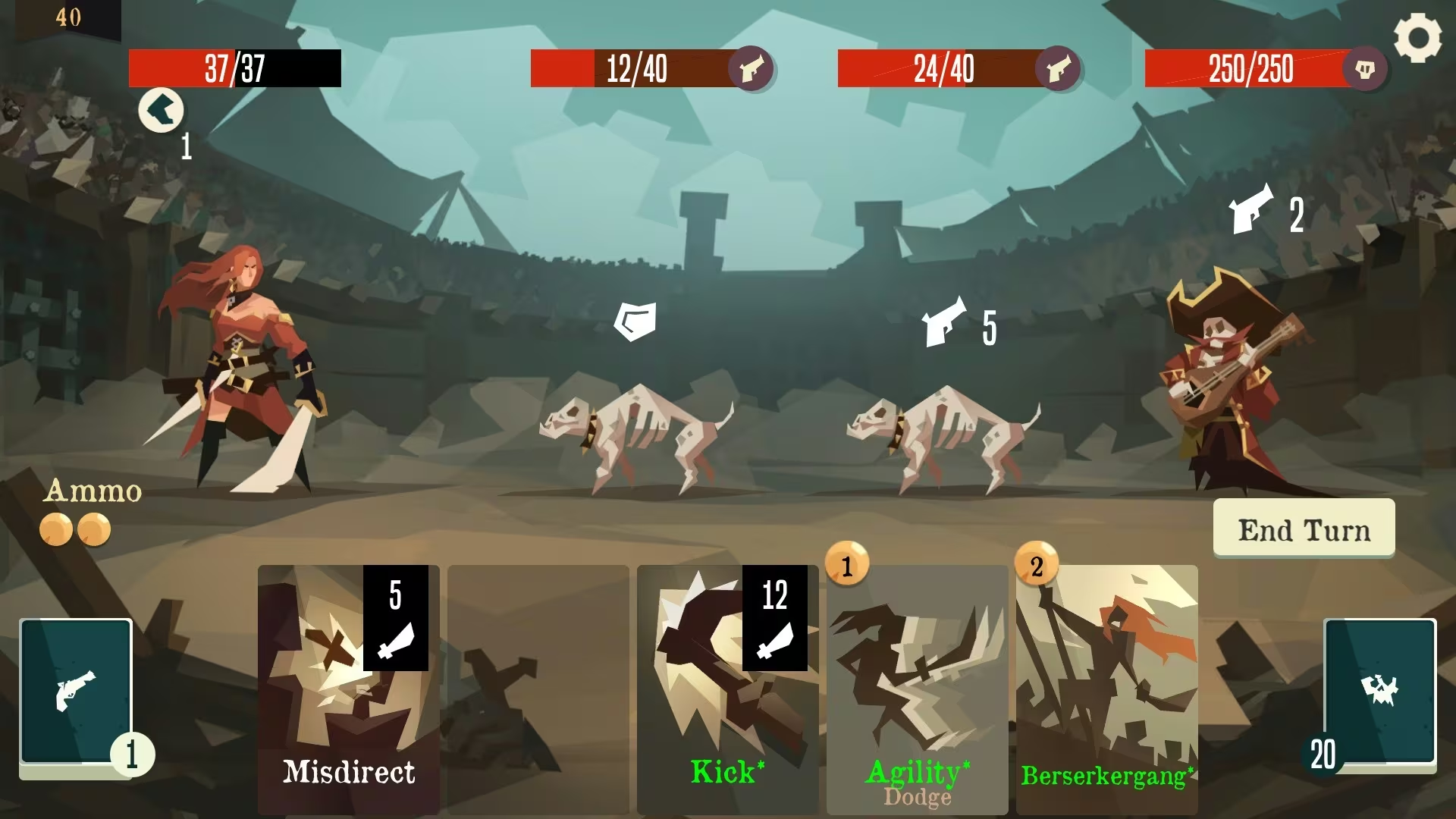
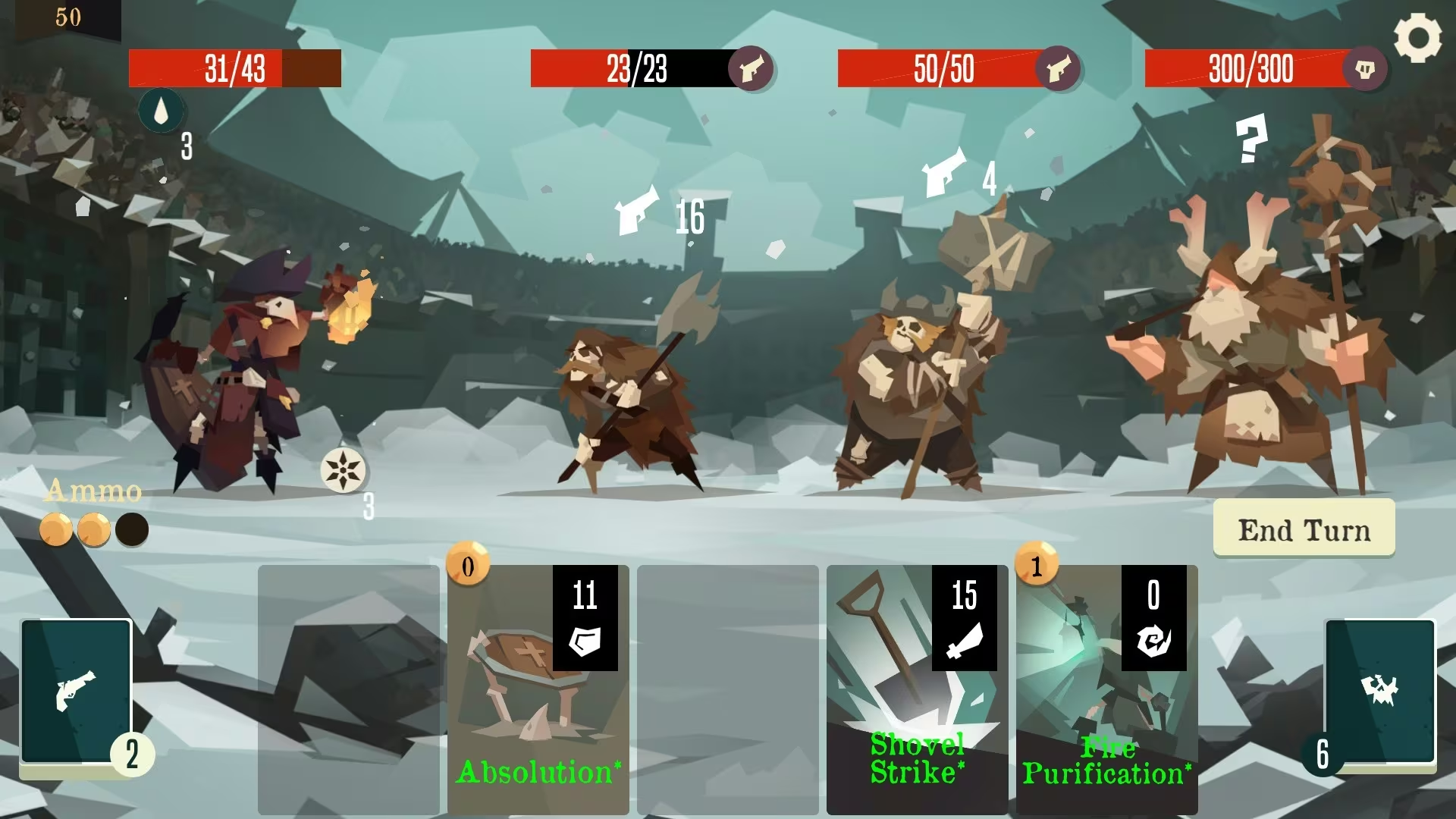
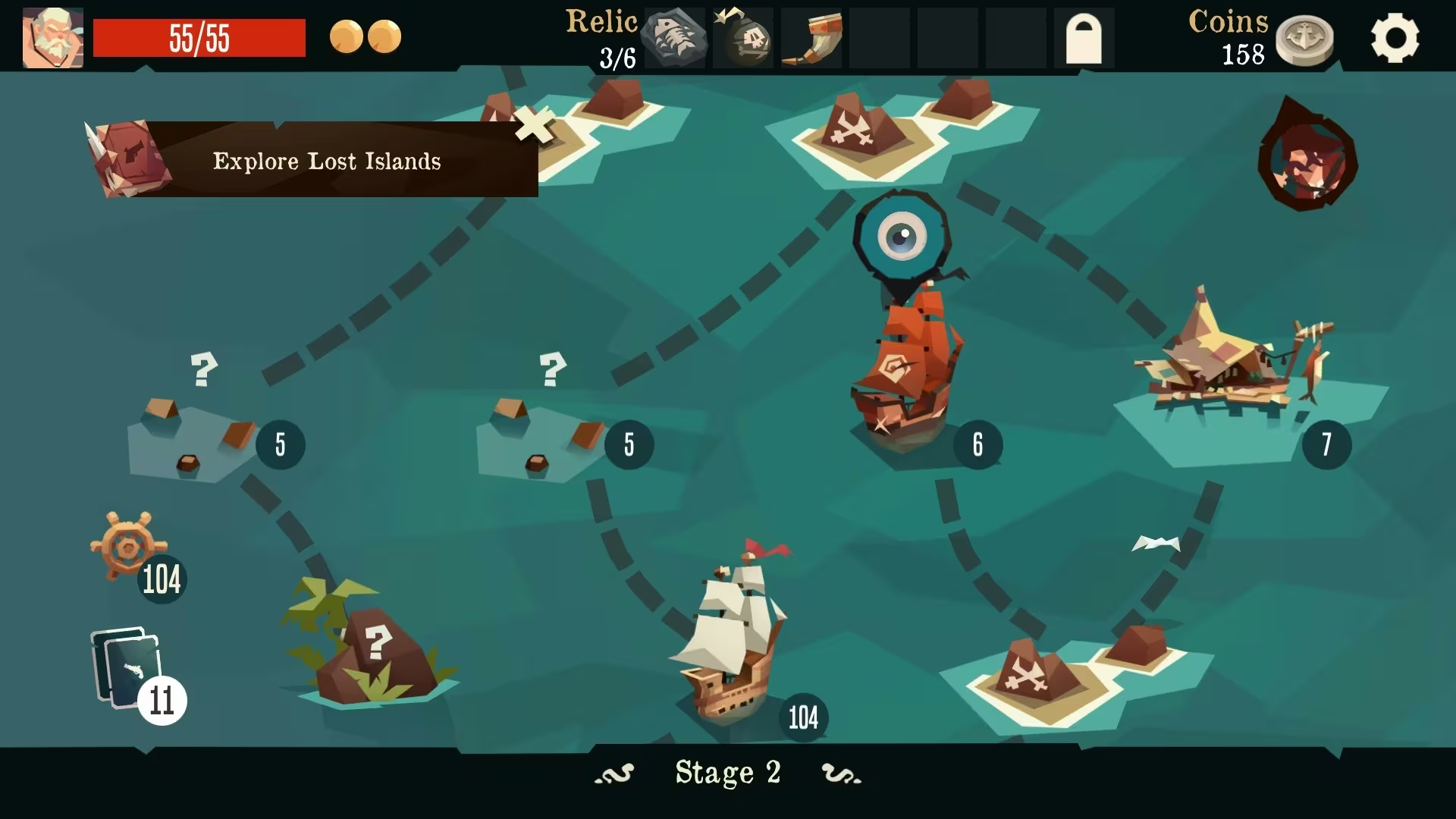
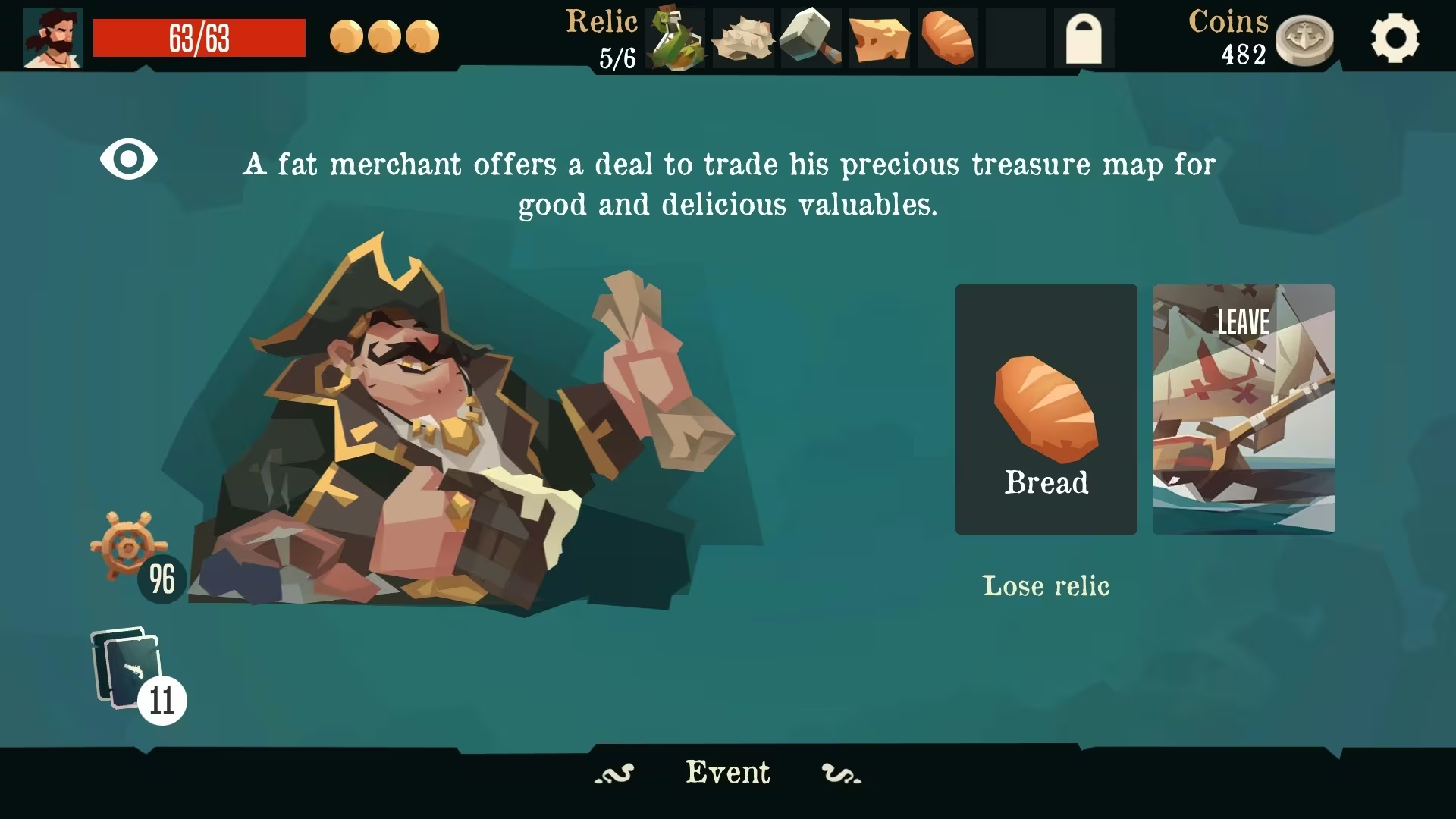
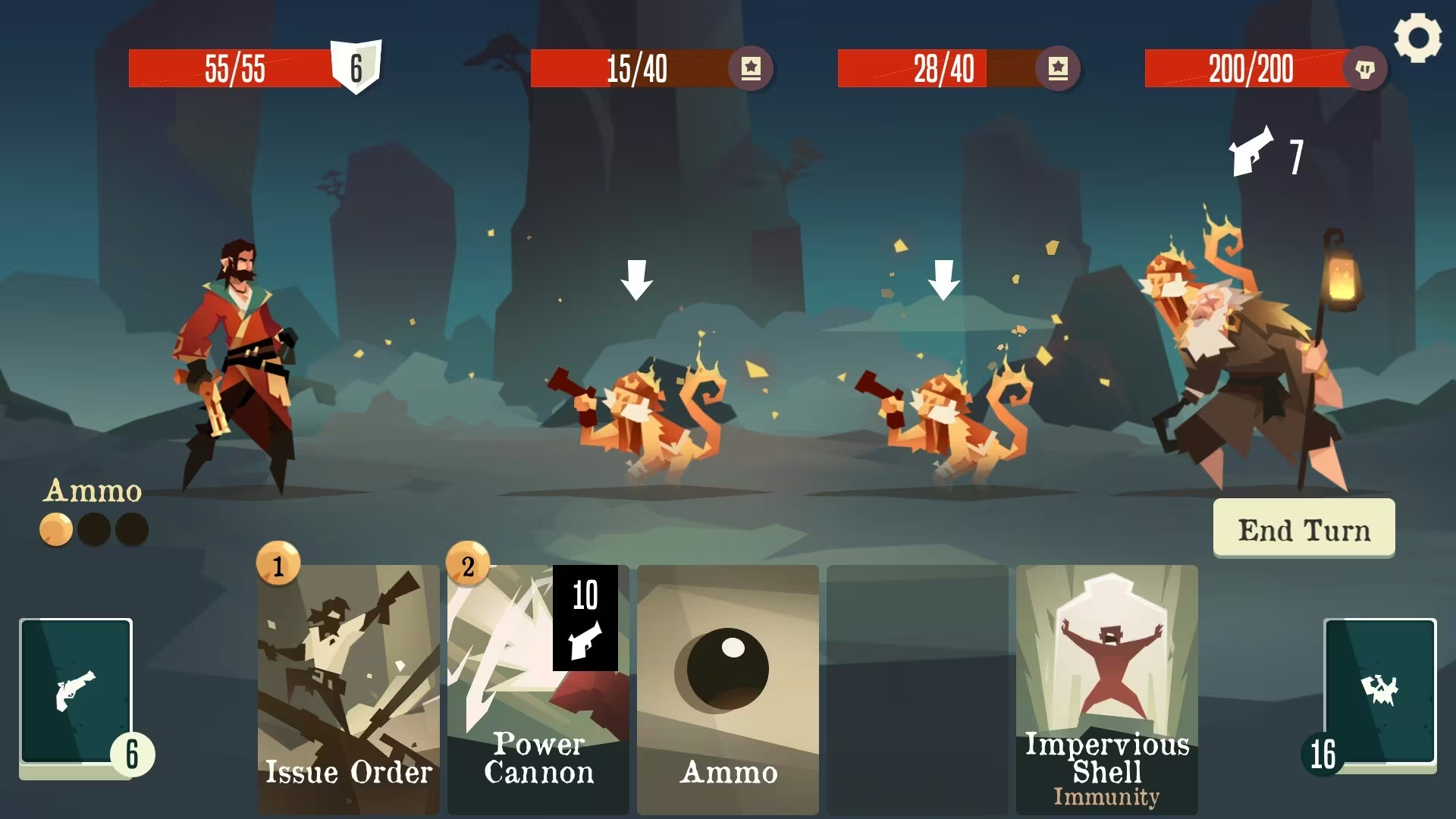
Pirates Outlaws is a roguelike card game in which you navigate dangerous seas and challenge their masters. Your expedition will be full of ambushes and will not be easy. Build your deck and combos to become a reputed pirate.

Global score

83/100

Genres

Adventure, Casual, Indie, Strategy, Role-playing (RPG), Card & Board Game

Similar games

    Pros

    • Large variety of characters and playstyles
    • High replayability with many unlockables and quests
    • Engaging strategic deck-building and combat
    • Appealing pirate theme and art style
    • Responsive developers with ongoing content updates

    Cons

    • Steep grind for unlocking content
    • Lack of clear information on enemy abilities and card effects
    • Some frustrating rng elements affecting fairness
    • Limited character-specific cards and synergy
    • No multiplayer or social features

    Analysis

    A very typical example of its motivational profile. Motivations that often define this kind of title include Fellowship, Cooperation, Leadership, Violence. Here, the score leans higher than usual among comparable games on Survival, Strategy, Continuation.

    How to use the graph
    Similar games map

    Each dot is a game. They are arranged from the same motivation profile as in the “Motivations” section below. Closer dots usually mean more similar reasons to play (exploration, competition, relaxation, etc.)—not that one game is “better” than another.

    • Larger dot with a light outline: the game you are viewing.
    • Colour: groups of games with comparable motivation patterns (statistical clusters).
    • Hover a dot to see the game name; click to open its page.
    • Scroll or double-click the chart to zoom out and see more games.

    Why don’t the axes read like a score? This view uses t-SNE: it only keeps who is close to whom. The scales are not “good to bad” or hours played—they separate groups on the map. Read distance between dots, not the axis numbers.

    Motivations

    • Autonomy
      4

      "Players have freedom to choose characters, paths on maps, and deck-building decisions, with some strategic resource management like ammo and action points."

    • Competence
      4

      "The game offers challenging turn-based combat requiring skillful card and resource management, with a learning curve and feedback through progression and unlocks."

    • Competition
      -3

      "Focus is mainly on solo play and personal progression; no mention of ranked modes or direct player-vs-player competition."

    • Continuation
      5

      "High replayability with many characters, maps, quests, and unlockables encouraging long-term habitual play."

    • Cooperation
      -5

      "Entirely single-player experience with no cooperative multiplayer elements."

    • Creativity
      3

      "Players create and modify decks and builds; some customization with skins and relic choices, though card pool is shared across characters."

    • Domination
      -5

      "No evidence of exerting control or superiority over others; gameplay is individual and self-directed."

    • Escapism
      4

      "Players use the game as a stress relief and distraction, enjoying the pirate theme and immersive roguelike experience."

    • Expectation
      -4

      "Players engage voluntarily out of intrinsic interest and enjoyment rather than obligation or pressure."

    • Experimenting
      4

      "Encourages trying new characters, builds, and strategies; players experiment with different cards and relics."

    • Exploration
      3

      "Randomized maps and multiple biomes encourage discovery of new areas and secrets."

    • Expression
      2

      "Some character skins and ship customizations allow for personal expression, though limited."

    • Fantasy
      4

      "Strong pirate theme with fantasy elements like ghosts, skeletons, and mythical bosses."

    • Fellowship
      -5

      "No social or community features; gameplay is solo."

    • Growth
      4

      "Players learn new strategies, unlock cards and characters, and improve skills over time."

    • Health
      -4

      "Primarily sedentary gameplay with no physical activity components."

    • Idle
      -3

      "Requires focused attention during runs; not designed for background or idle play."

    • Intimacy
      -5

      "No close social interactions or relationship-building features."

    • Leadership
      -5

      "No leadership or group management roles; purely individual gameplay."

    • Progression
      5

      "Strong progression system with unlocking characters, cards, relics, and skins driving motivation."

    • Relaxation
      3

      "Offers a balance of challenge and flow, with relaxing music and art style, though some frustration due to RNG."

    • Sensation
      2

      "Enjoyable art style and music provide sensory stimulation, though graphics are minimalist."

    • Status
      -4

      "No social recognition or ranking systems; achievements are personal."

    • Story
      2

      "Some narrative elements and quests exist, but story is minimal and secondary to gameplay."

    • Strategy
      5

      "High strategic depth in deck-building, resource management, and combat tactics."

    • Thrill
      3

      "Combat involves suspense and risk, with RNG elements adding unpredictability."

    • Value
      3

      "Players perceive good value due to large content and replayability, though some feel price is high."

    • Violence
      3

      "Combat involves attacking enemies with weapons and abilities, fitting pirate combat theme."

    • Survival
      4

      "Players must manage health, ammo, and resources to survive challenging encounters."

    Last update: 29/04/2026