Die in the Dungeon Thumbnail

Die in the Dungeon similar games & best alternatives
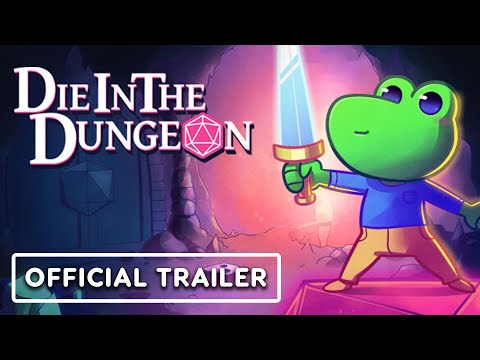
Die in the Dungeon

Mac, PC (Microsoft Windows), Linux • 2025

Related articles

Quick resume

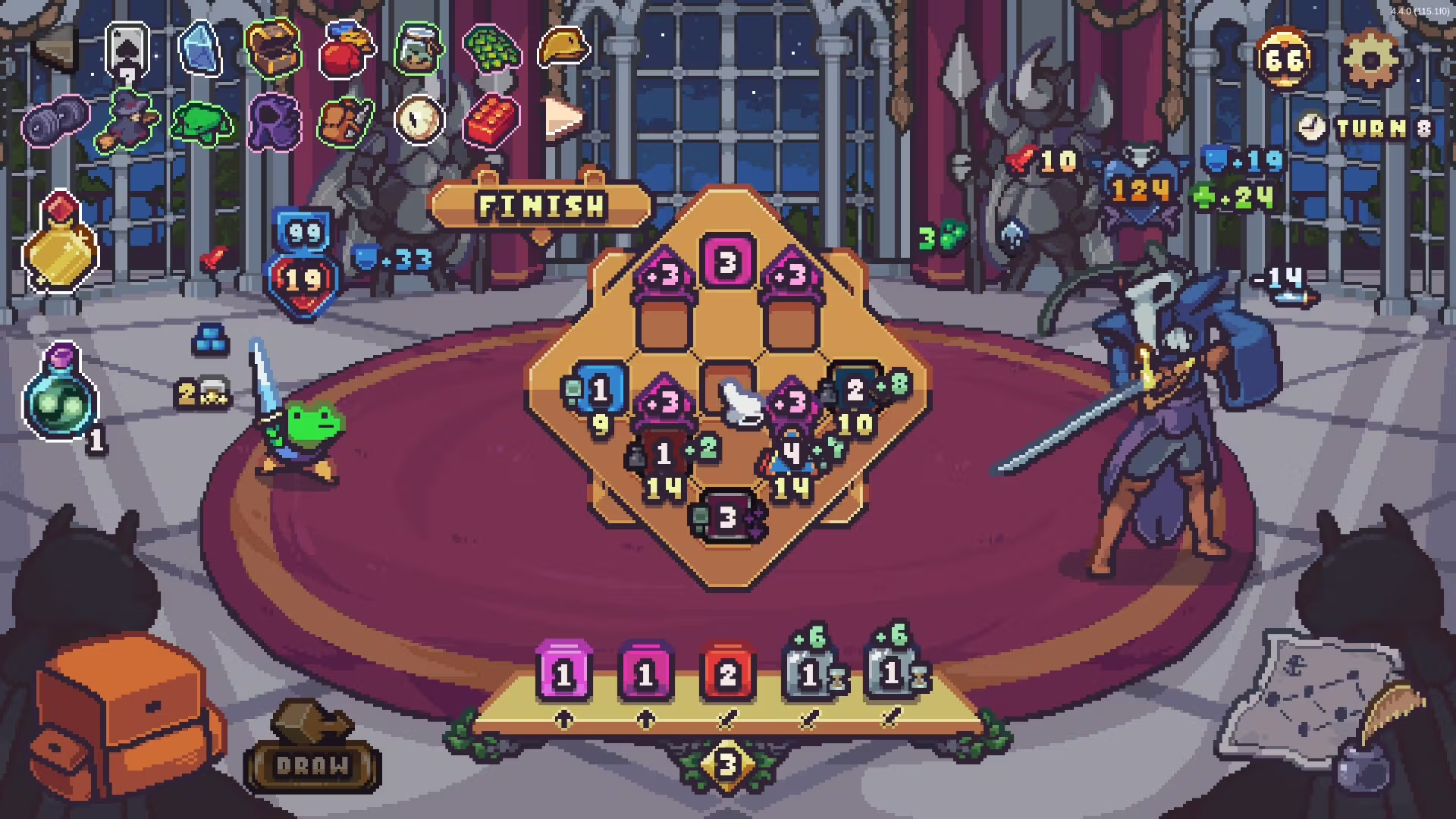
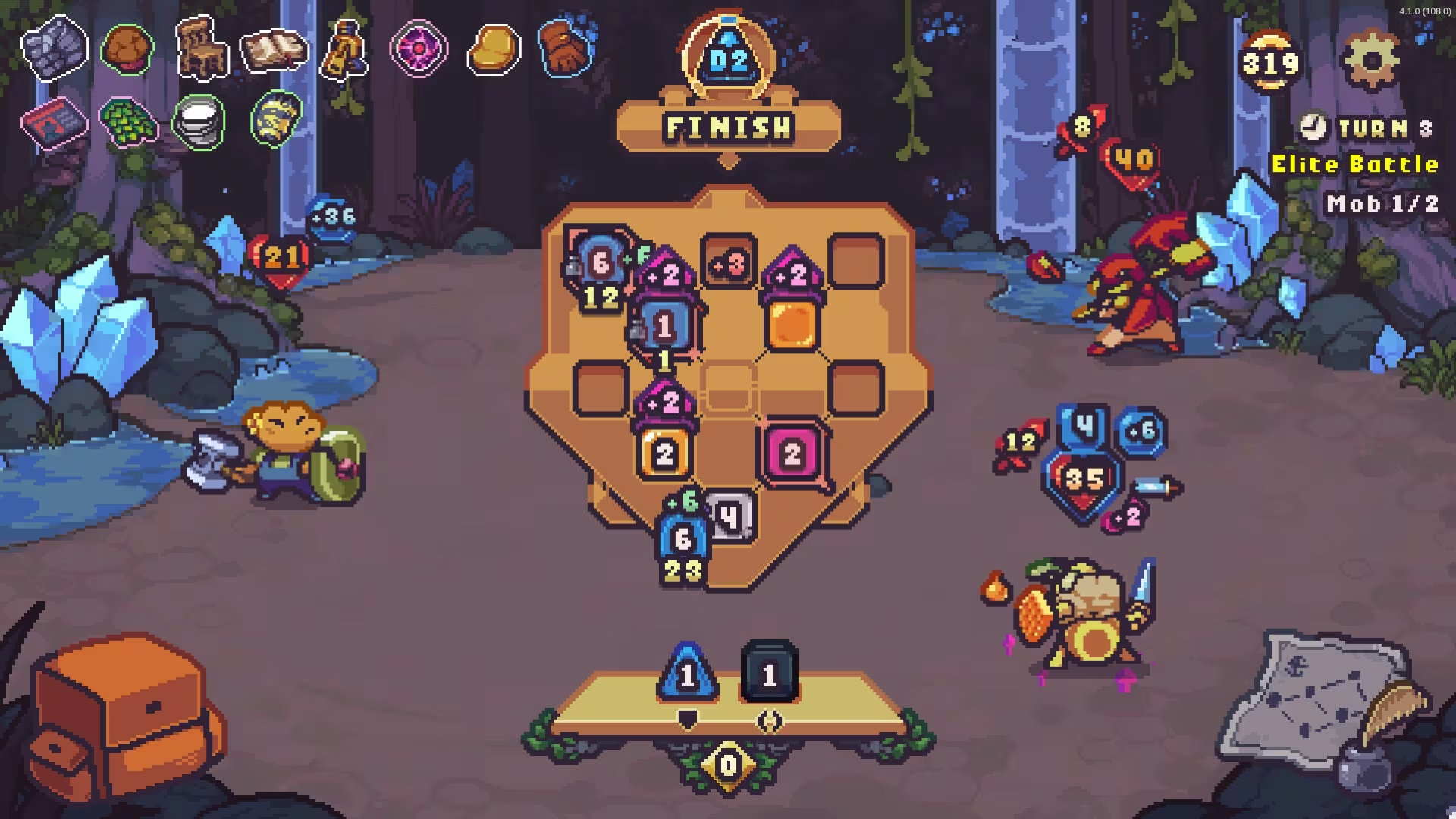
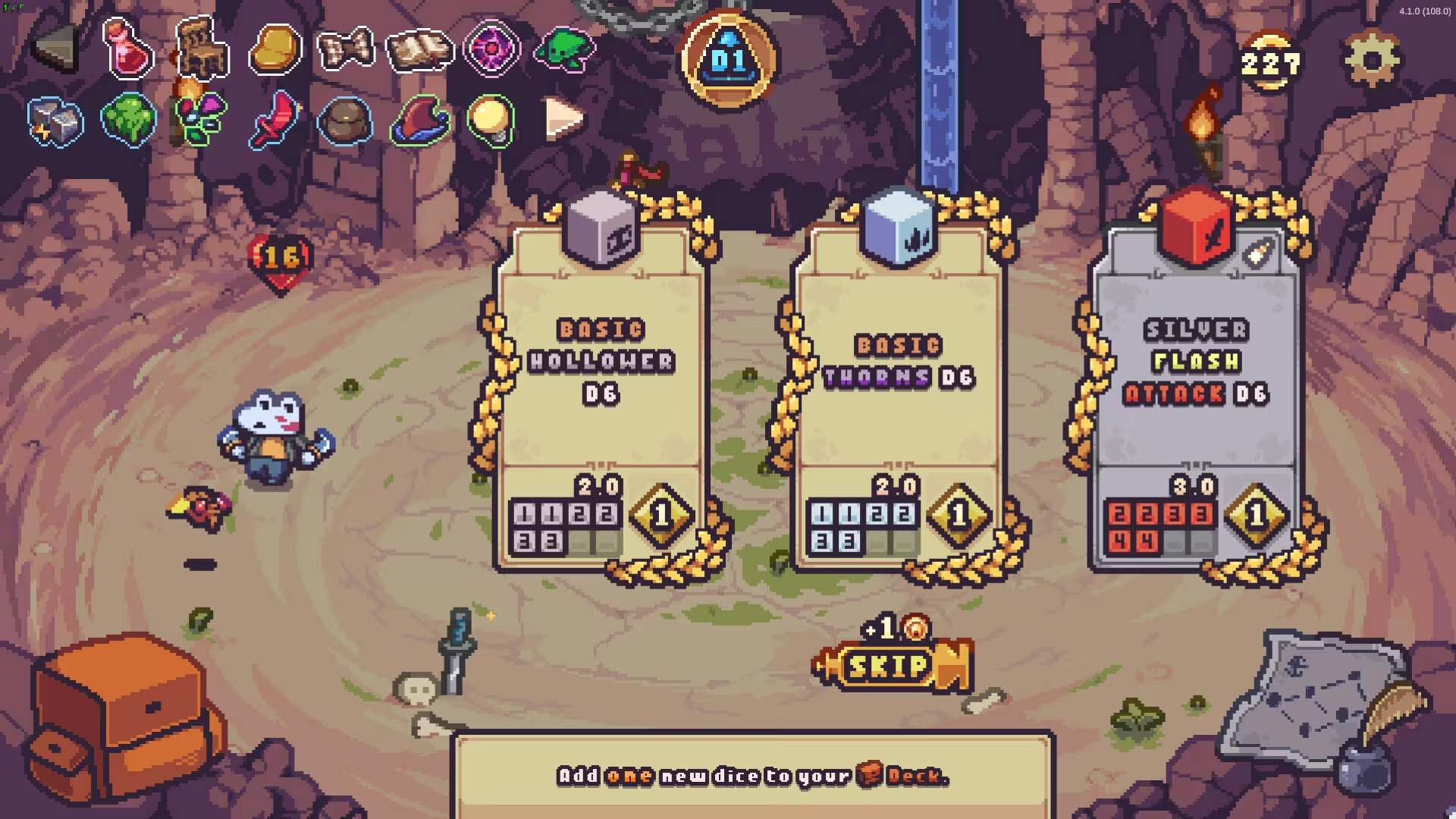
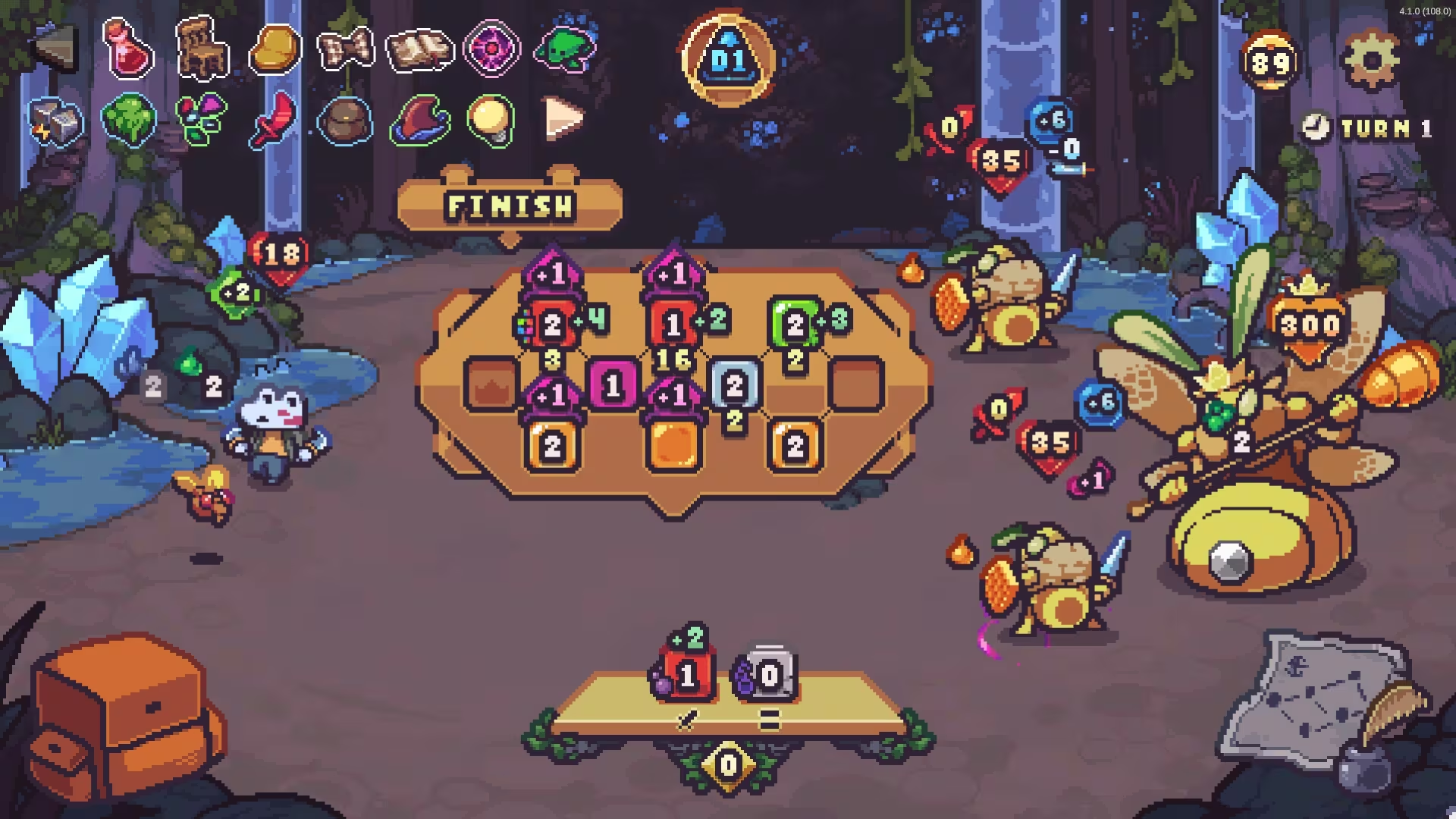
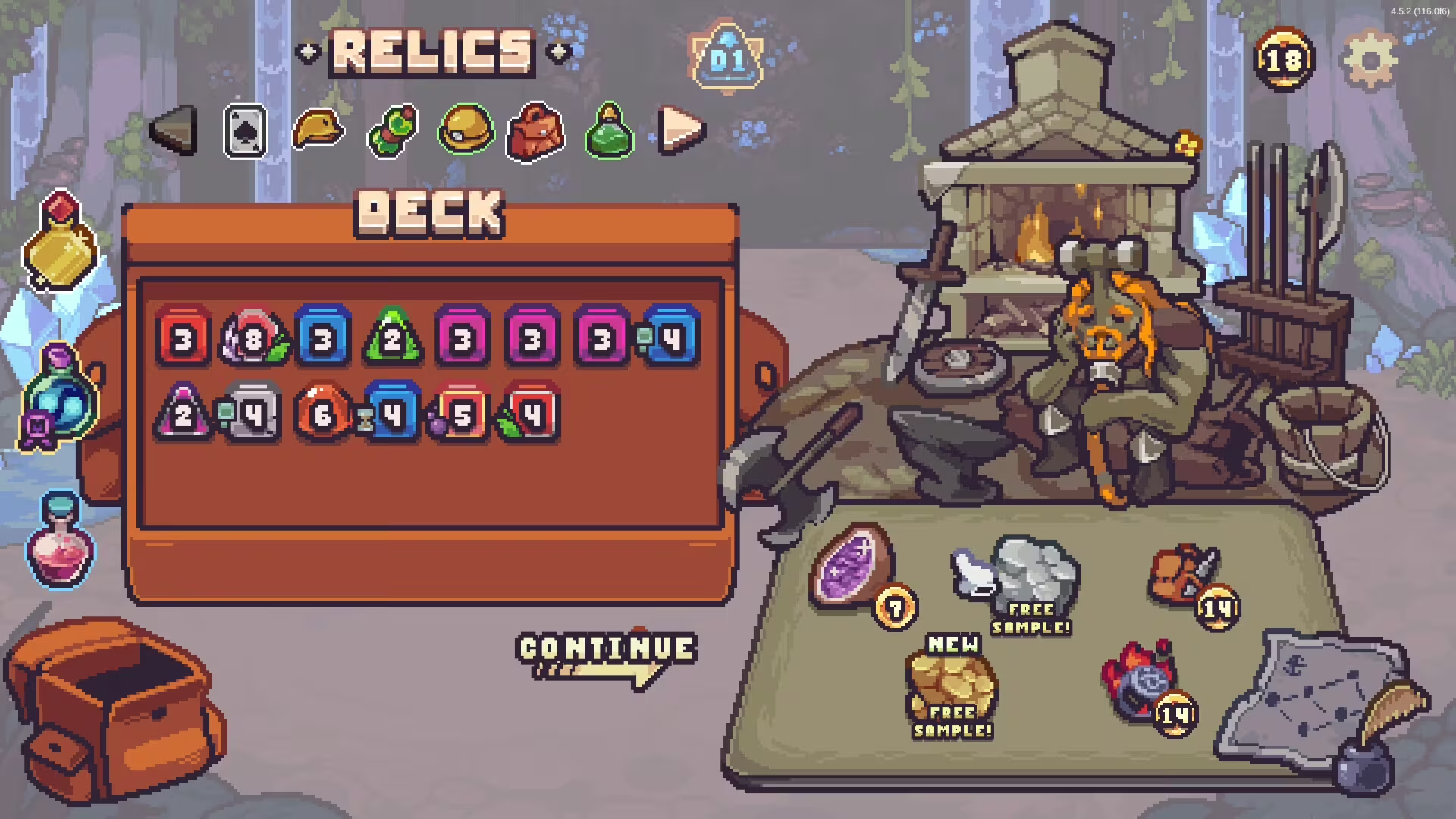
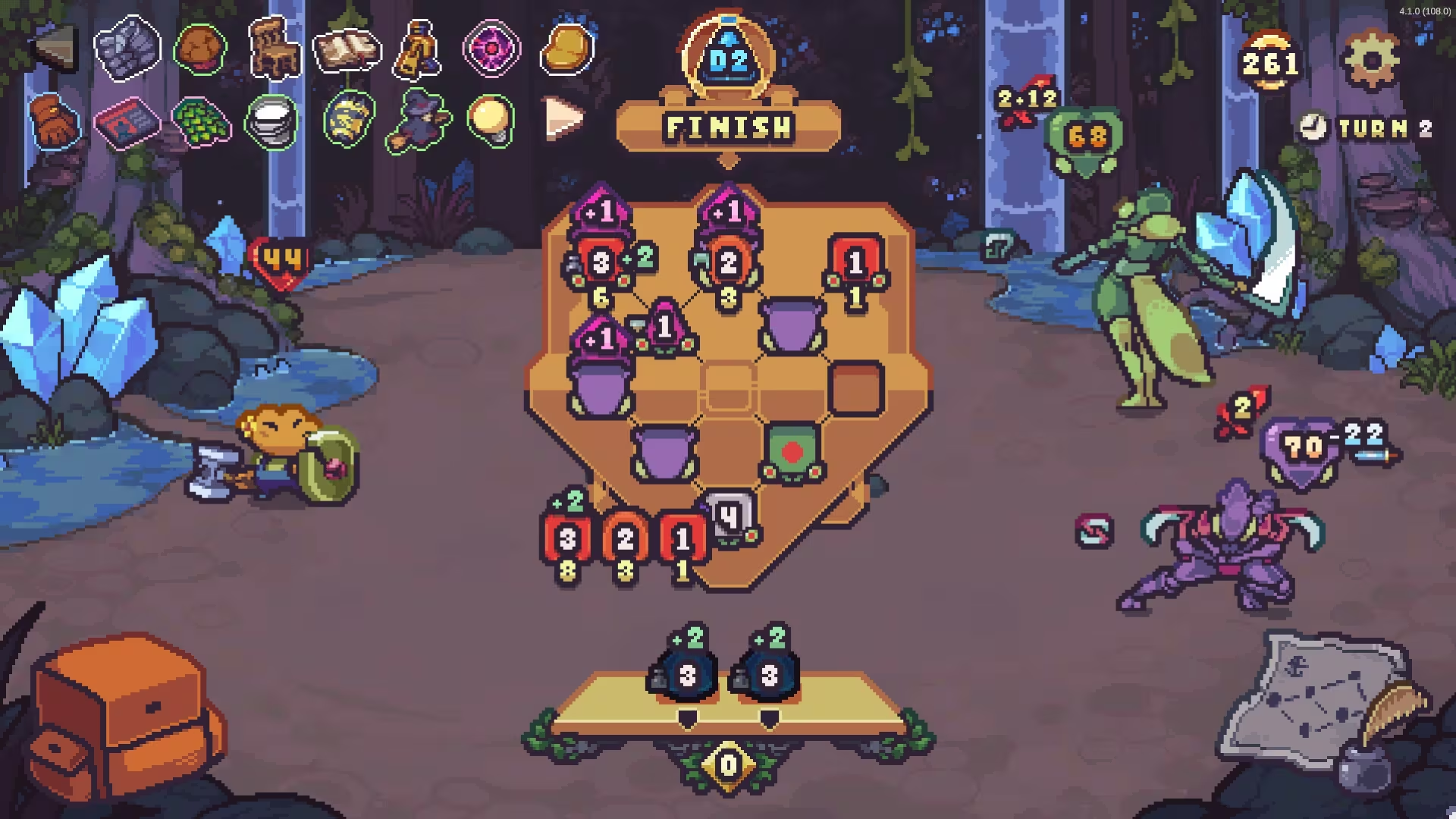
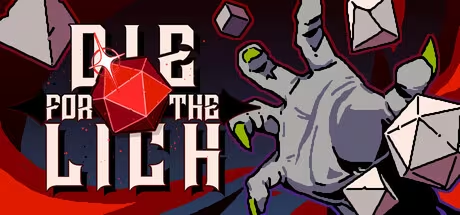
Fight your way through a mysterious dungeon in this deck-building, turn-based roguelike game where you don't use cards, but dice! Deal with enemies by combining powerful dice on your board, boost their effects with magical relics, and risk it all hoping for a good roll on unexpected encounters.

Global score

92/100

Genres

Indie, Role-playing (RPG), Strategy, Early Access, Card & Board Game

Pros

  • Innovative dice placement and deck building mechanics
  • Engaging strategic depth and combos
  • Charming pixel art and music
  • Good replayability and progression
  • Active developer support and roadmap

Cons

  • Some repetitiveness and limited enemy variety
  • Long run times and occasional slow pacing
  • Ui clarity issues especially late game
  • Early access bugs and balance concerns
  • Lack of multiplayer or social features

Motivations

  • Autonomy
    4

    "Players have dramatic freedom in deck building and strategic decisions, including dice placement and upgrades, with multiple viable approaches."

  • Competence
    4

    "The game offers a high skill ceiling with strategic dice placement, combo building, and overcoming challenging enemies and bosses."

  • Competition
    -3

    "Focus is primarily on personal progression and self-set goals; no mention of ranked modes or direct player-vs-player competition."

  • Continuation
    3

    "Many players report addictive gameplay and desire to keep playing despite some repetitiveness and early access limitations."

  • Cooperation
    -5

    "Single-player roguelike deckbuilder with no cooperative or multiplayer elements."

  • Creativity
    4

    "Strong emphasis on creative deck/dice building, upgrading, and strategic placement with many relics and dice modifiers."

  • Domination
    -5

    "No evidence of exerting control or superiority over others; gameplay is solo and focused on personal mastery."

  • Escapism
    4

    "Players use the game as a fun, engaging distraction with charming art and music, providing stress relief and immersion."

  • Expectation
    -4

    "Players engage voluntarily out of intrinsic interest and enjoyment; no indications of obligation or external pressure."

  • Experimenting
    4

    "Encourages trying new dice combos, builds, relic synergies, and strategic approaches to solve combat puzzles."

  • Exploration
    1

    "Some exploration of different routes and enemy encounters, but map paths are somewhat linear and repetitive."

  • Expression
    2

    "Players customize their dice builds and relic choices, though no avatar or cosmetic customization mentioned."

  • Fantasy
    3

    "Features imaginative frog characters, fantasy enemies, and roguelike dungeon setting with fictional lore."

  • Fellowship
    -4

    "Minimal social connection; mostly solo play with limited community interaction beyond feedback and support."

  • Growth
    4

    "Players develop strategic skills, learn enemy patterns, and improve deck-building knowledge over time."

  • Health
    -5

    "Typical sedentary gameplay with no physical activity or health-related features."

  • Idle
    -4

    "Requires focused attention and strategic thinking; runs can be long and demanding."

  • Intimacy
    -5

    "No evidence of forming close relationships or emotional sharing within the game."

  • Leadership
    -5

    "No leadership or group management roles; purely individual gameplay."

  • Progression
    4

    "Strong progression through acquiring relics, upgrading dice, unlocking characters, and advancing through difficulties."

  • Relaxation
    2

    "While challenging, the game provides flow and catharsis through satisfying combos and music, though some tension exists."

  • Sensation
    3

    "Enjoyable pixel art, animations, and catchy music provide sensory stimulation and emotional fun."

  • Status
    -4

    "Achievements and unlocks exist but social recognition or popularity is not a core motivator."

  • Story
    1

    "Some narrative elements and lore hinted but minimal story immersion currently; mostly gameplay focused."

  • Strategy
    5

    "Core gameplay revolves around complex mental challenge, planning, and problem solving with dice and relic synergies."

  • Thrill
    3

    "Players experience suspense and tension from RNG and challenging combat, with relief upon success."

  • Value
    4

    "Players perceive good value for price with deep gameplay, replayability, and ongoing developer support."

  • Violence
    2

    "Combat involves attacking enemies and bosses, but with a stylized, non-gratuitous approach."

  • Survival
    3

    "Players must manage resources and avoid defeat through strategic defense and health management."

Similar games

    Last update: 06/03/2026