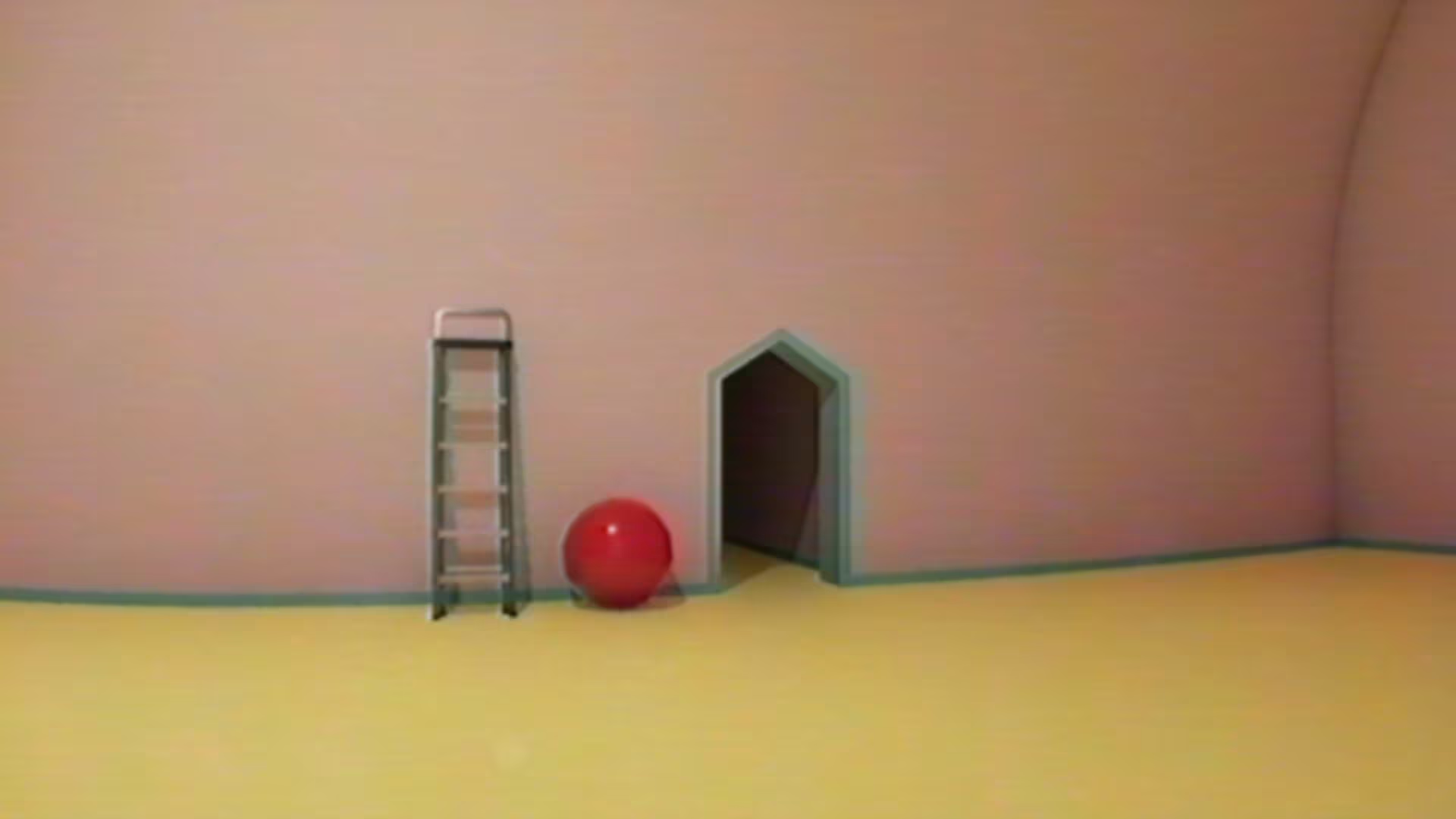
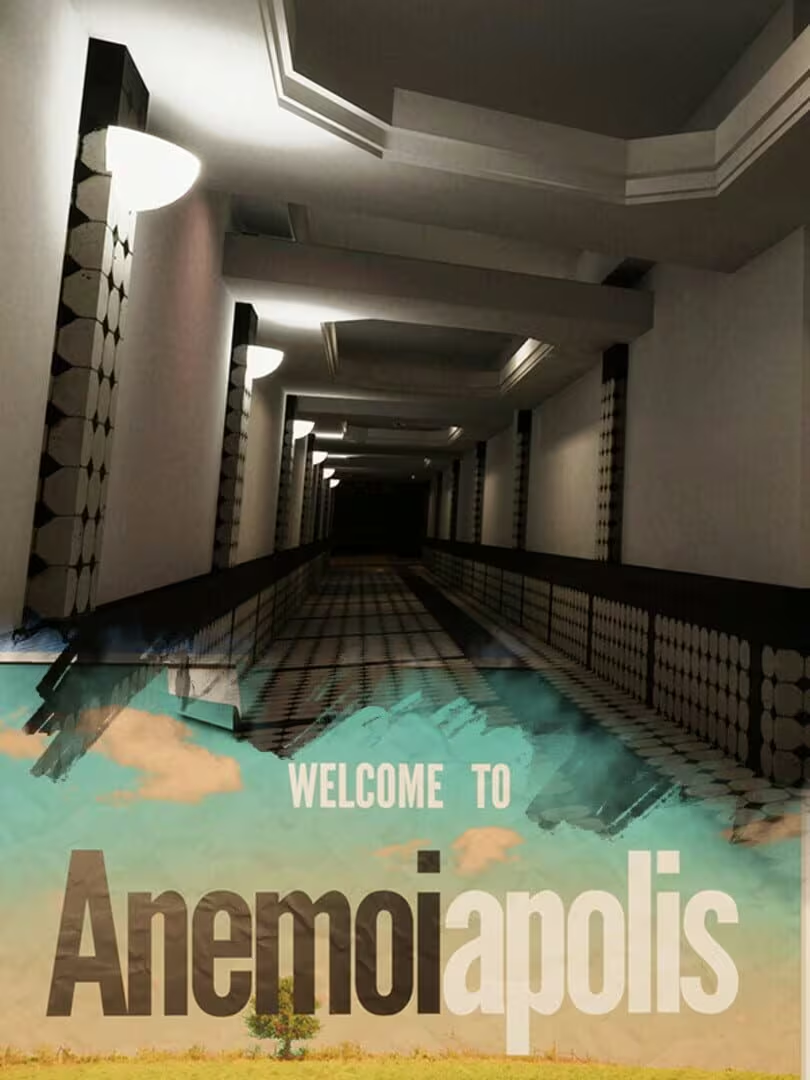
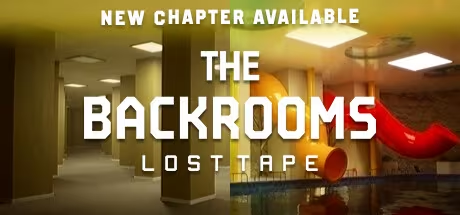
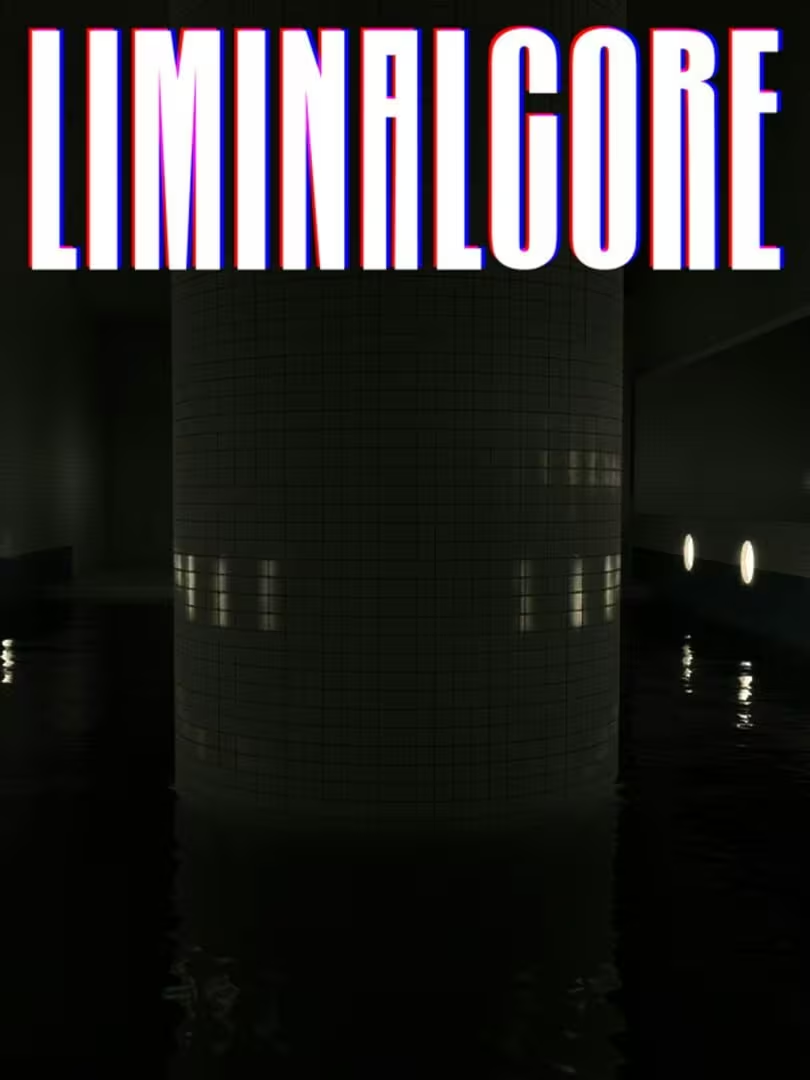
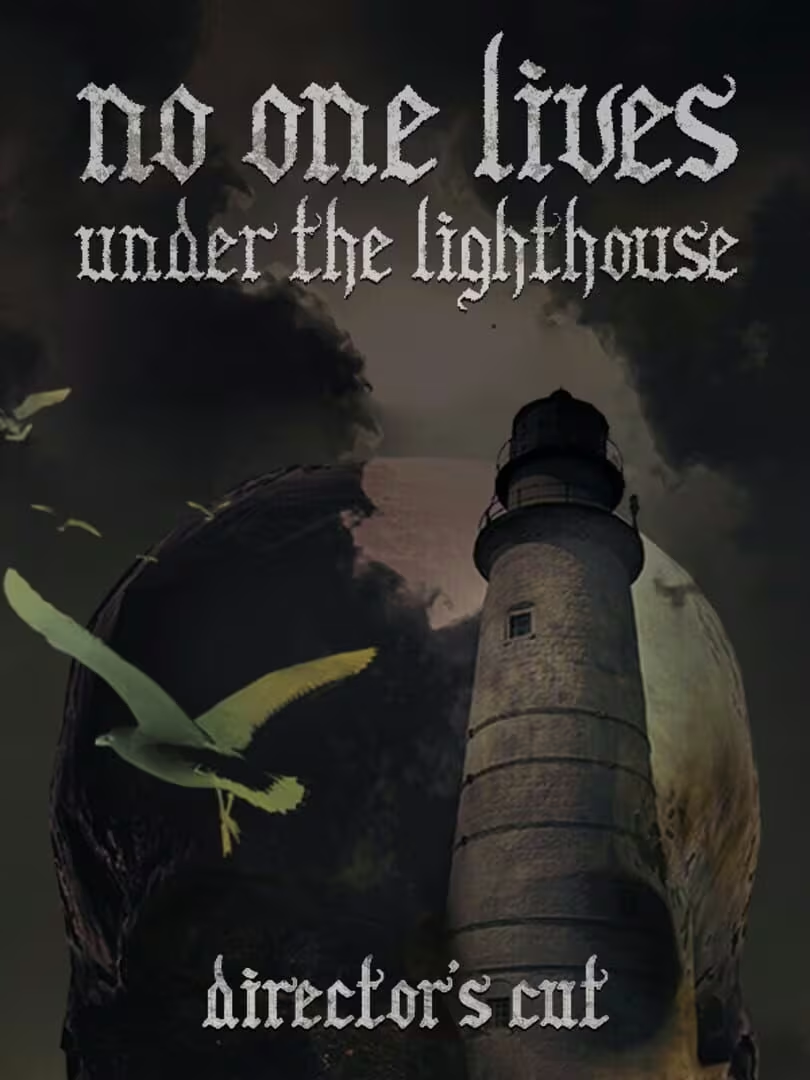
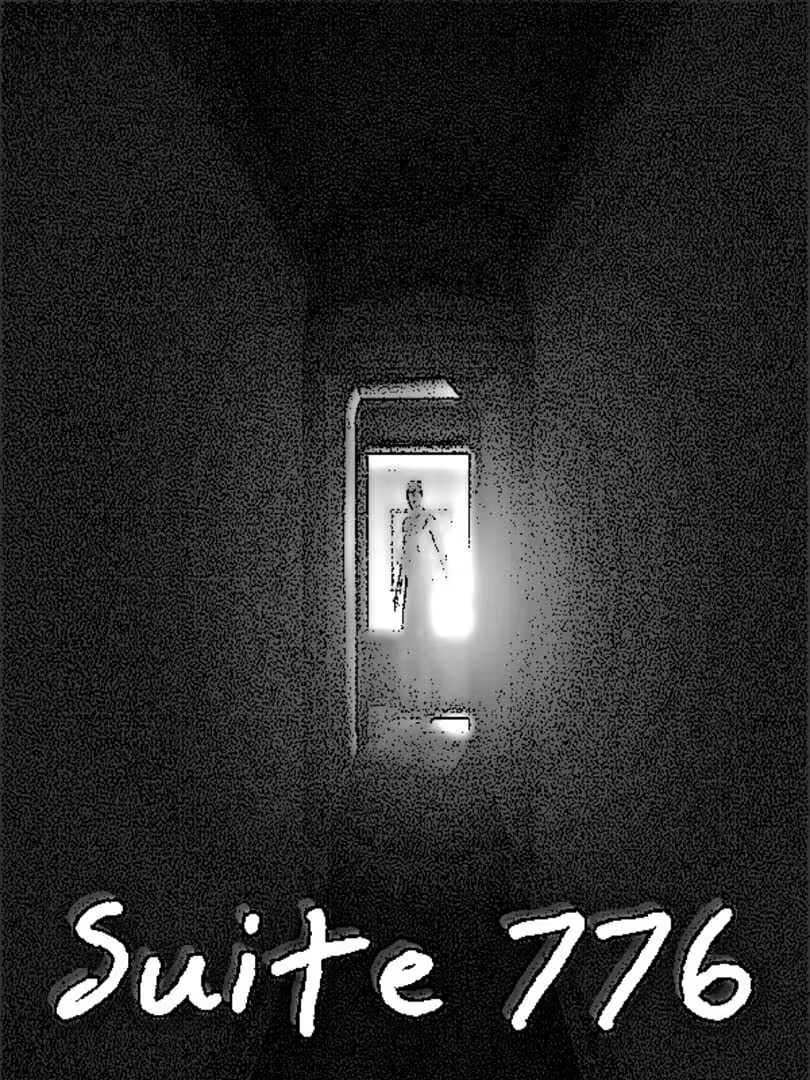
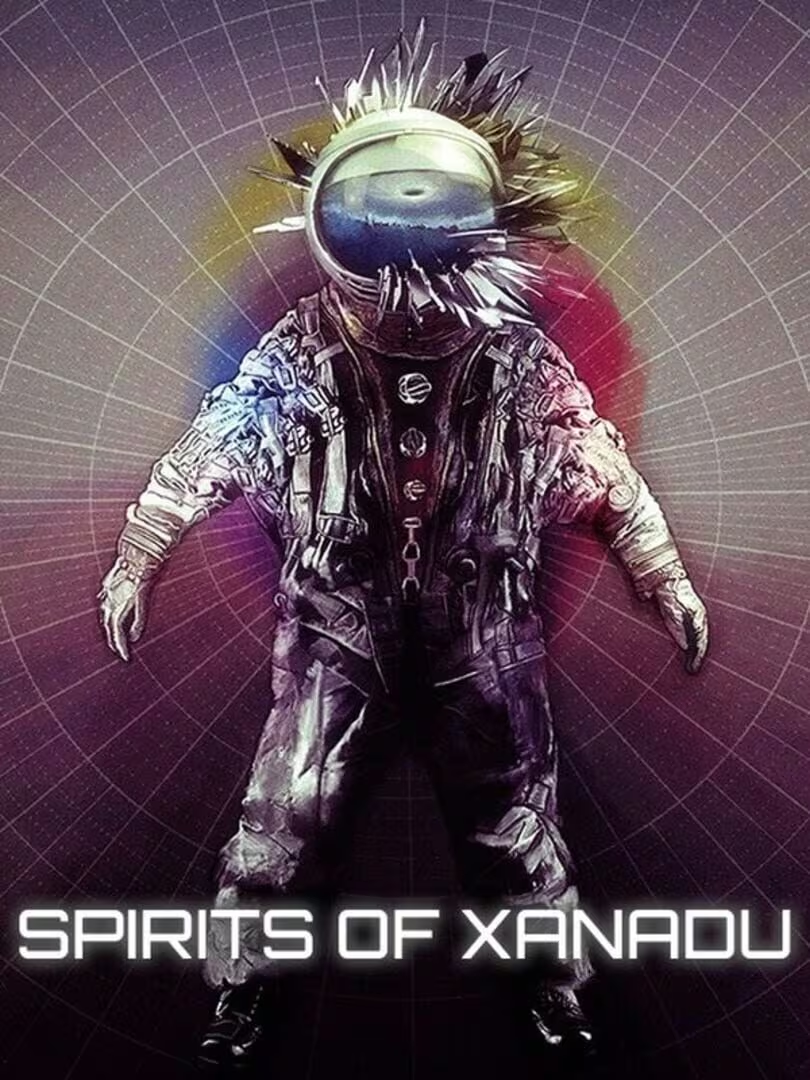
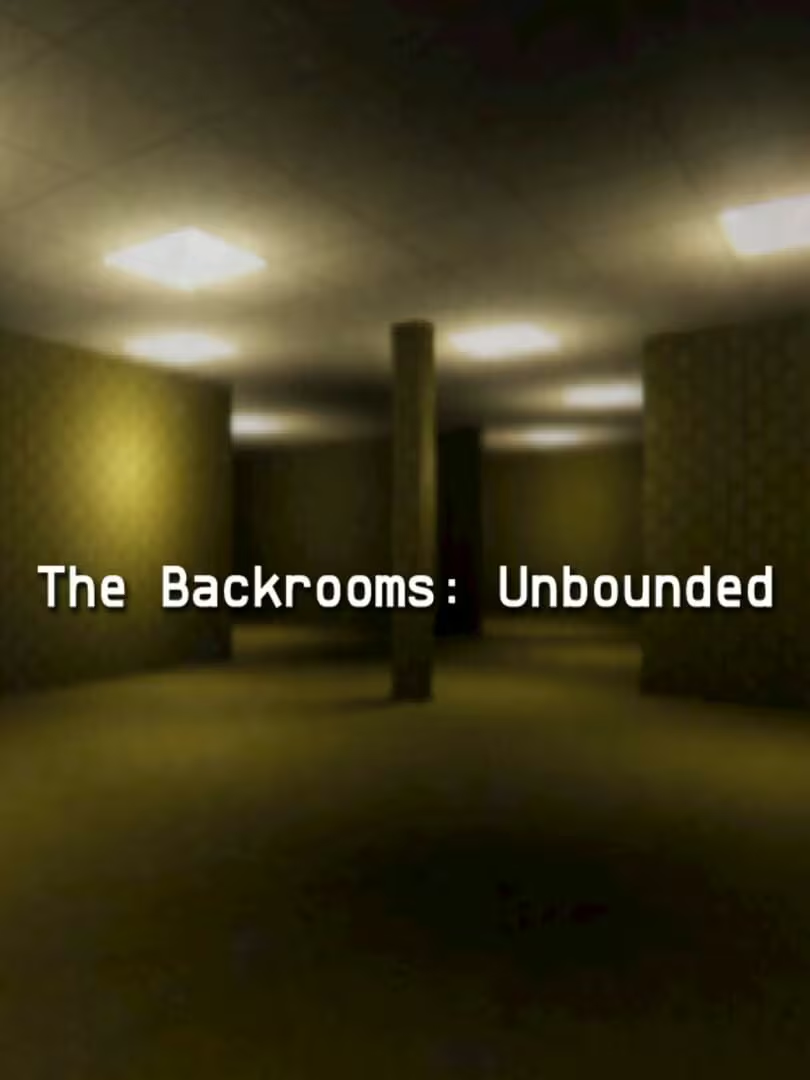
Dreamcore Thumbnail

Dreamcore similar games & best alternatives

Dreamcore

PC (Microsoft Windows), Mac, Linux • 2025

Related articles

Quick resume

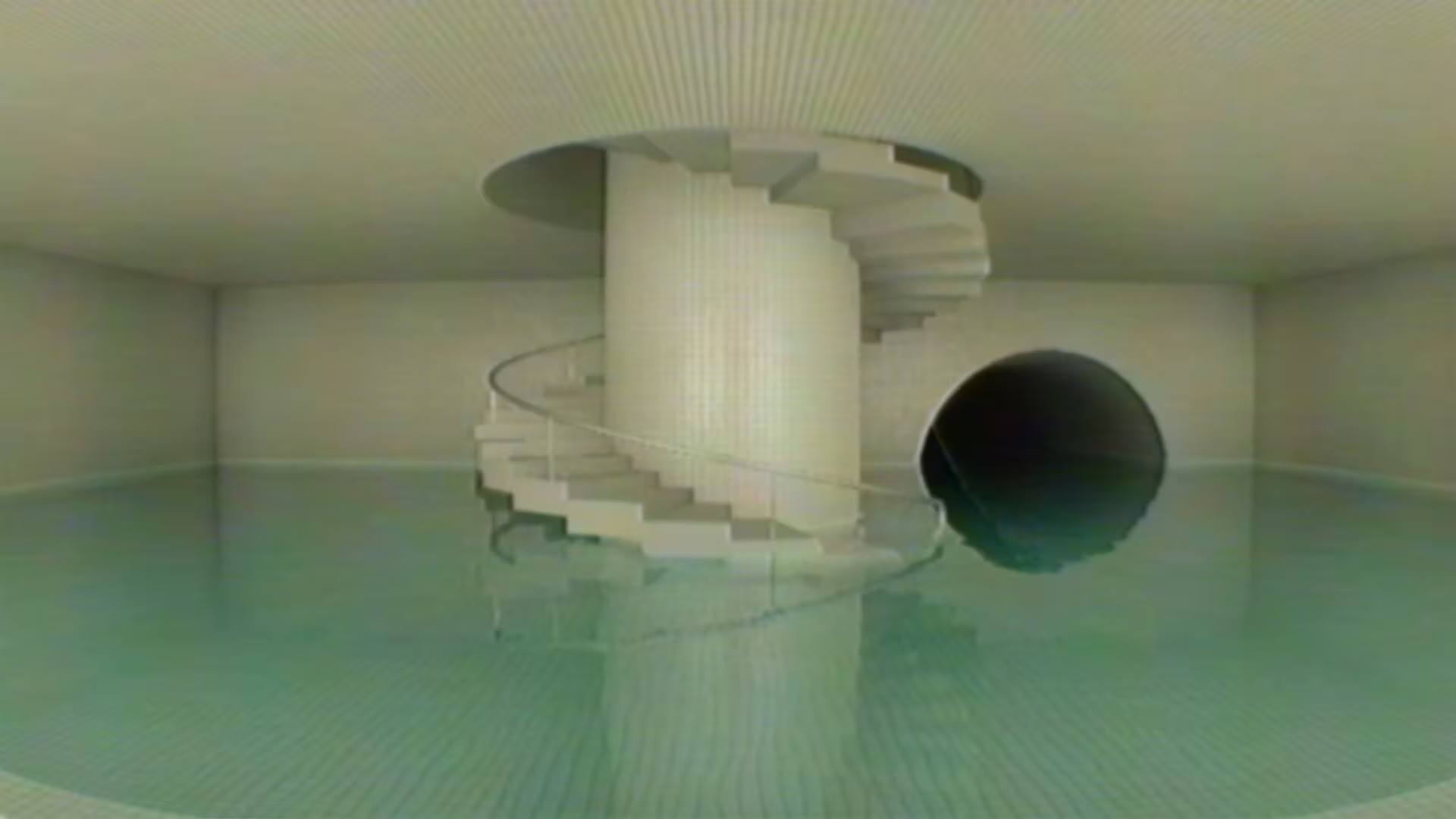
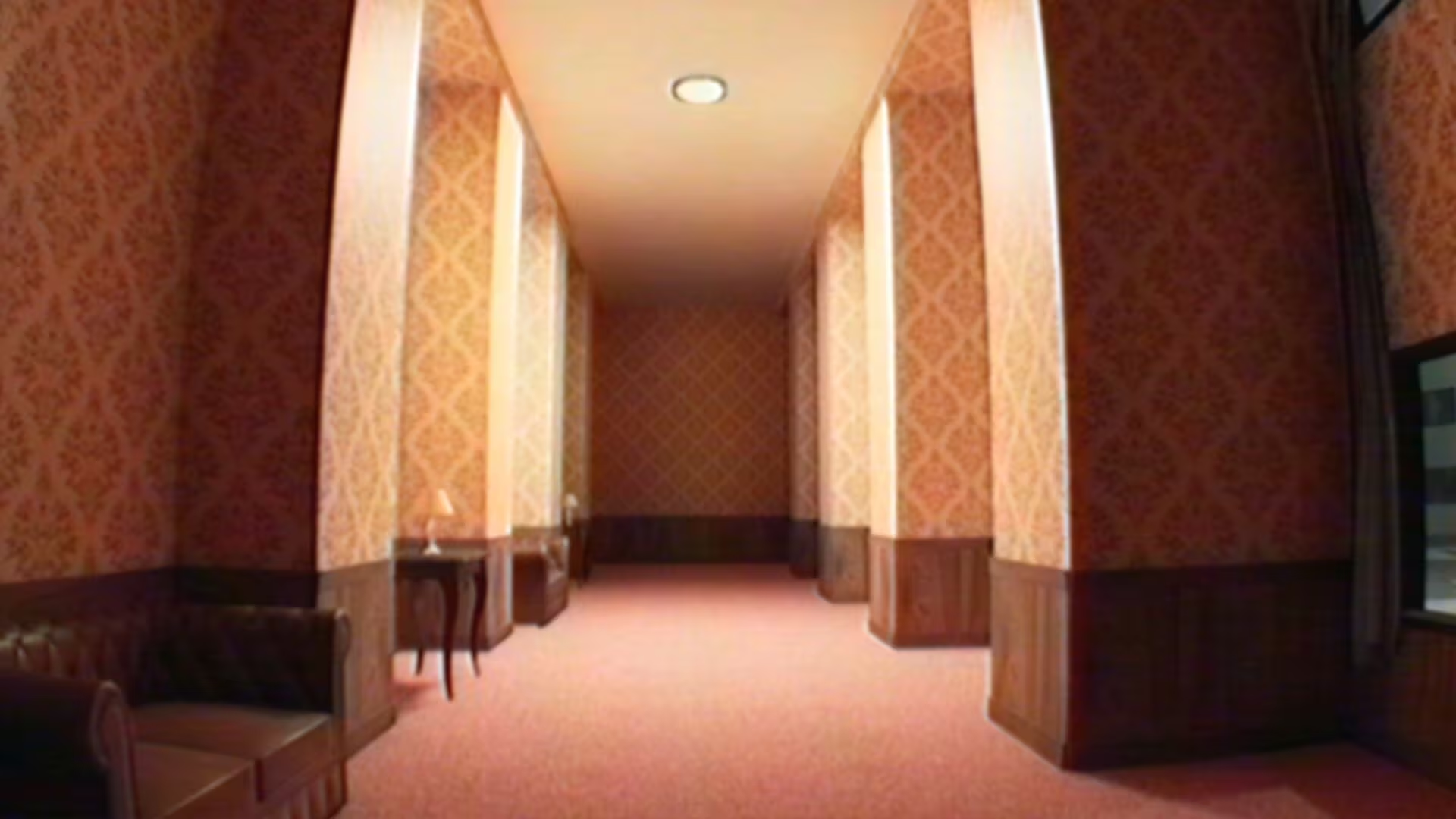
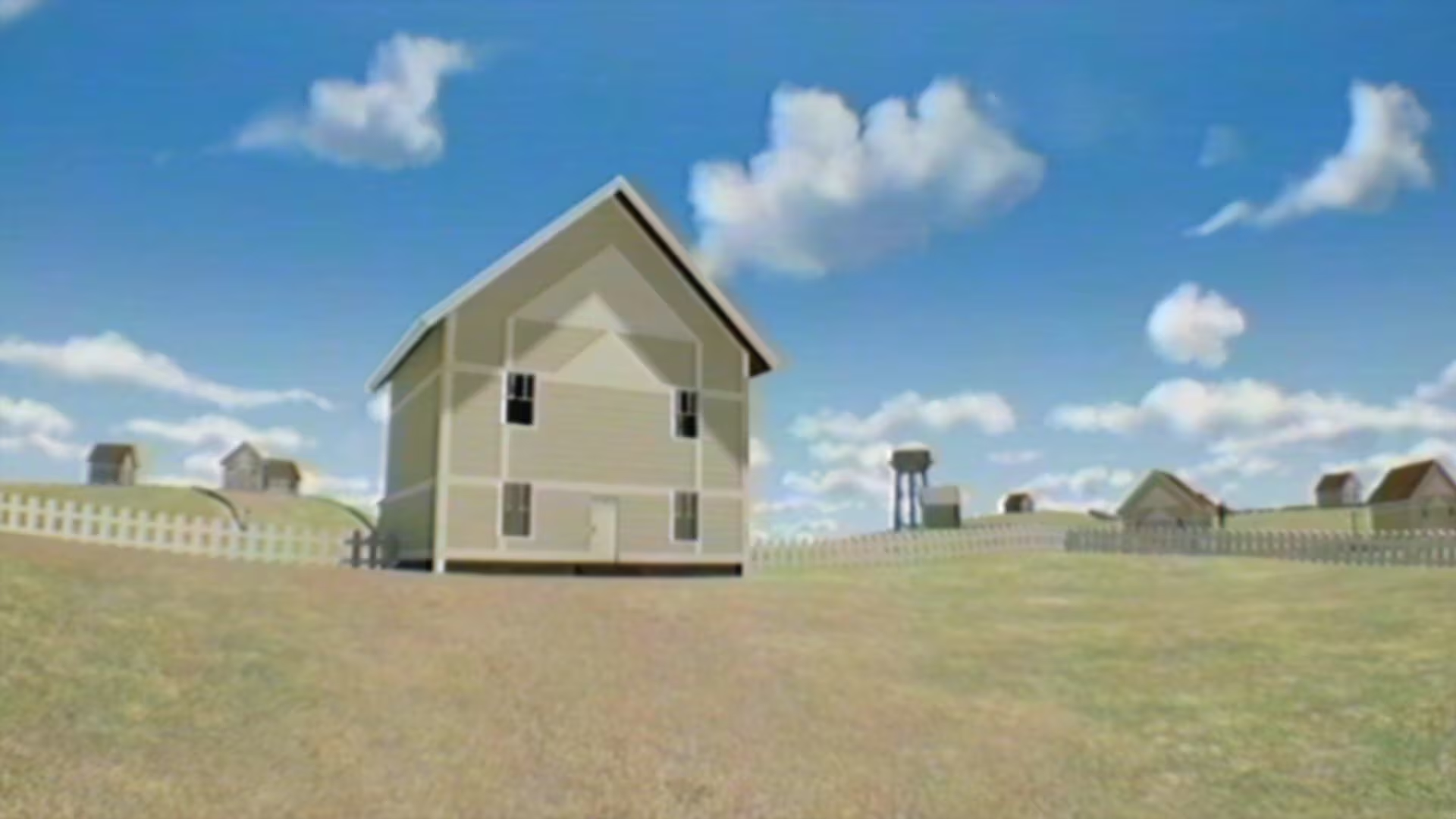
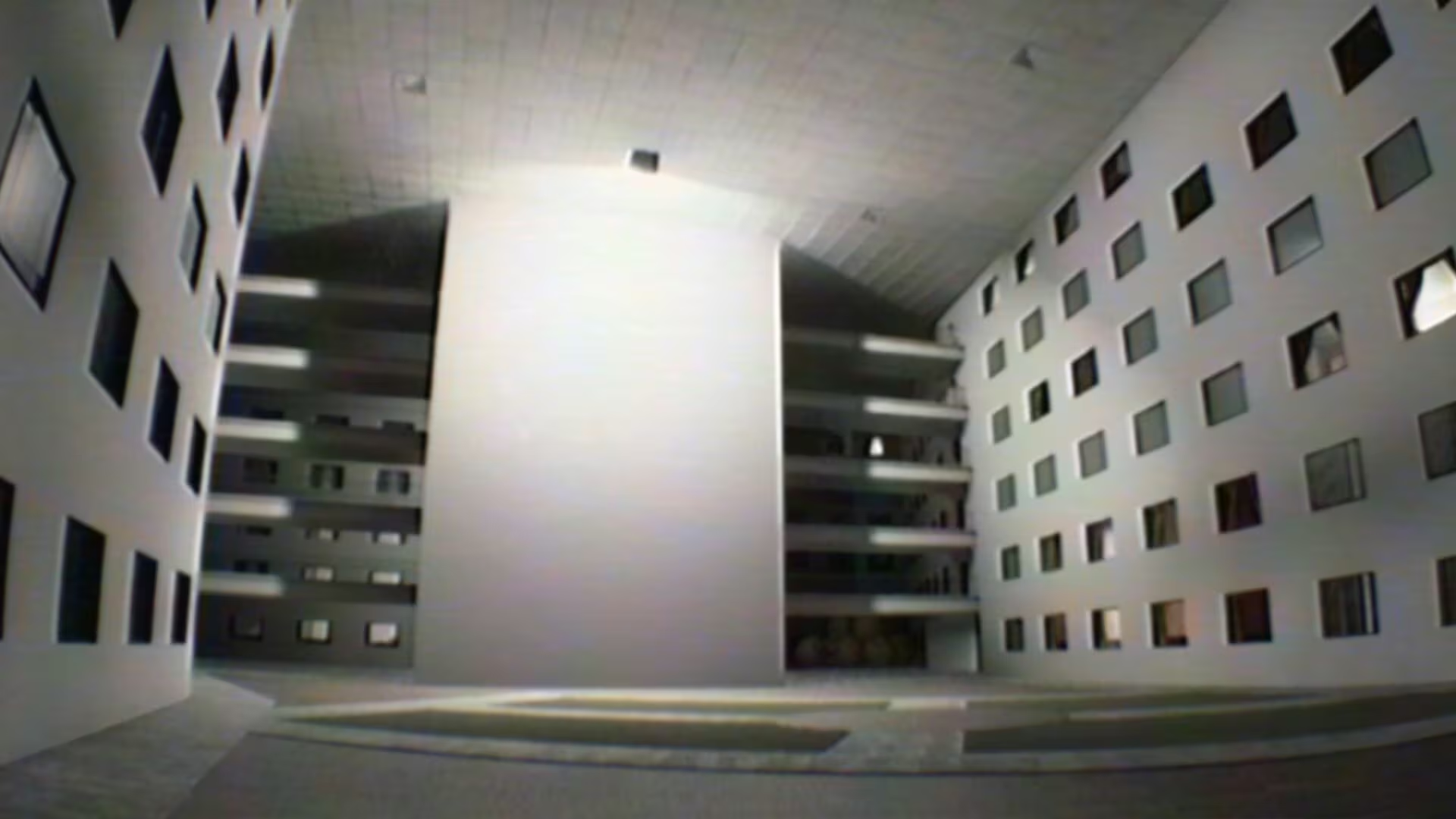
Step into the surreal with Dreamcore, a body-cam styled psychological horror game that plunges you into the eerie beauty of "liminal spaces." Unravel the mysteries of Dreamcore’s non-linear worlds and uncover its hidden secrets. Can you discover what lies beyond the edge of reality?

Global score

89/100

Genres

Adventure, Indie, Simulator

Similar games

    Pros

    • Immersive and atmospheric liminal space experience
    • Large, detailed maze-like levels
    • No monsters or jump scares
    • Challenging navigation and puzzle elements
    • Ongoing free content updates planned

    Cons

    • Can be repetitive and monotonous for some
    • Lack of guidance can cause frustration
    • Some visual effects (vhs filter) may cause discomfort
    • No multiplayer or social features
    • Limited narrative and progression mechanics

    Analysis

    A very typical example of its motivational profile. Motivations that often define this kind of title include Survival, Violence, Fellowship, Expression. Here, the score leans higher than usual among comparable games on Thrill, Exploration. It leans lower than usual among comparable games on Expression.

    How to use the graph
    Similar games map

    Each dot is a game. They are arranged from the same motivation profile as in the “Motivations” section below. Closer dots usually mean more similar reasons to play (exploration, competition, relaxation, etc.)—not that one game is “better” than another.

    • Larger dot with a light outline: the game you are viewing.
    • Colour: groups of games with comparable motivation patterns (statistical clusters).
    • Hover a dot to see the game name; click to open its page.
    • Scroll or double-click the chart to zoom out and see more games.

    Why don’t the axes read like a score? This view uses t-SNE: it only keeps who is close to whom. The scales are not “good to bad” or hours played—they separate groups on the map. Read distance between dots, not the axis numbers.

    Motivations

    • Autonomy
      4

      "Players freely explore vast maze-like levels with minimal hand-holding or forced direction, allowing personal navigation and decision-making."

    • Competence
      3

      "Players engage in challenging navigation and spatial puzzle solving, requiring memory and attention to detail to progress."

    • Competition
      -5

      "No competitive elements or player comparison; focus is on solitary exploration without rankings or contests."

    • Continuation
      3

      "Many players report long sessions and repeated returns to explore large levels and discover secrets."

    • Cooperation
      -5

      "Gameplay is primarily solo exploration with no multiplayer or cooperative mechanics."

    • Creativity
      2

      "Players create mental maps and strategies to navigate complex mazes, but no direct building or customization."

    • Domination
      -5

      "No social dominance or power dynamics; interactions are absent or minimal and respectful."

    • Escapism
      4

      "Players use the game to immerse in surreal, dreamlike liminal spaces, escaping real life through atmospheric exploration."

    • Expectation
      -4

      "Players engage voluntarily for intrinsic interest in liminal spaces and exploration, not out of obligation."

    • Experimenting
      3

      "Players explore and discover new areas and secrets, experimenting with navigation and puzzle approaches."

    • Exploration
      5

      "Core gameplay is discovering vast, maze-like environments with many hidden areas and secrets."

    • Expression
      -5

      "No character or environment customization; players experience preset environments as designed."

    • Fantasy
      3

      "The game presents surreal, dreamlike, and uncanny environments evoking imaginative psychological horror."

    • Fellowship
      -5

      "Minimal social interaction; primarily a solitary experience without community features."

    • Growth
      3

      "Players develop spatial reasoning and puzzle-solving skills through challenging maze navigation."

    • Health
      -5

      "Sedentary gameplay typical of walking simulators; no physical activity or health-related mechanics."

    • Idle
      -3

      "Requires sustained attention and focus to navigate complex mazes; not a casual or background game."

    • Intimacy
      -5

      "No close social relationships or emotional sharing; experience is individual and introspective."

    • Leadership
      -5

      "No leadership or group management roles; gameplay is solitary without social hierarchy."

    • Progression
      2

      "Players progress by finding keys and unlocking new areas, but no item collection or upgrades."

    • Relaxation
      2

      "Atmosphere is eerie and unsettling but also calming for some; balance of tension and flow."

    • Sensation
      3

      "Strong sensory stimulation through immersive visuals, sound design, and atmospheric effects."

    • Status
      -5

      "No social recognition or status systems; achievements are personal and not publicly ranked."

    • Story
      2

      "Some lore and environmental storytelling present, but narrative is minimal and subtle."

    • Strategy
      3

      "Requires mental challenge in planning routes and solving spatial puzzles within maze environments."

    • Thrill
      2

      "Mild suspense and psychological unease from atmosphere and feeling of being lost, no intense thrills."

    • Value
      3

      "Players feel they receive good value from large, detailed levels and ongoing free content updates."

    • Violence
      -5

      "No combat or destructive gameplay; focus is on exploration and atmosphere."

    • Survival
      -5

      "No survival mechanics or threats; stable environment without danger or resource management."

    Last update: 29/04/2026