A Place, Forbidden Thumbnail

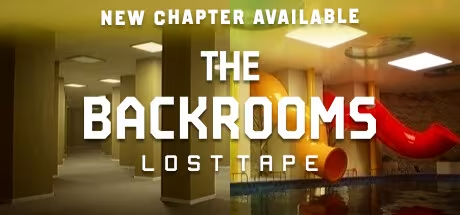
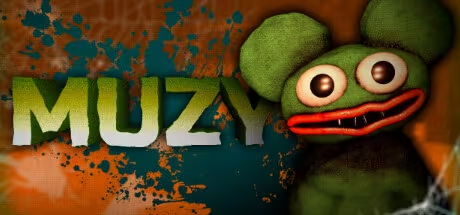
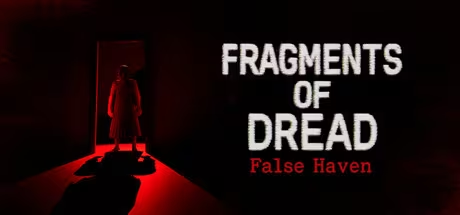
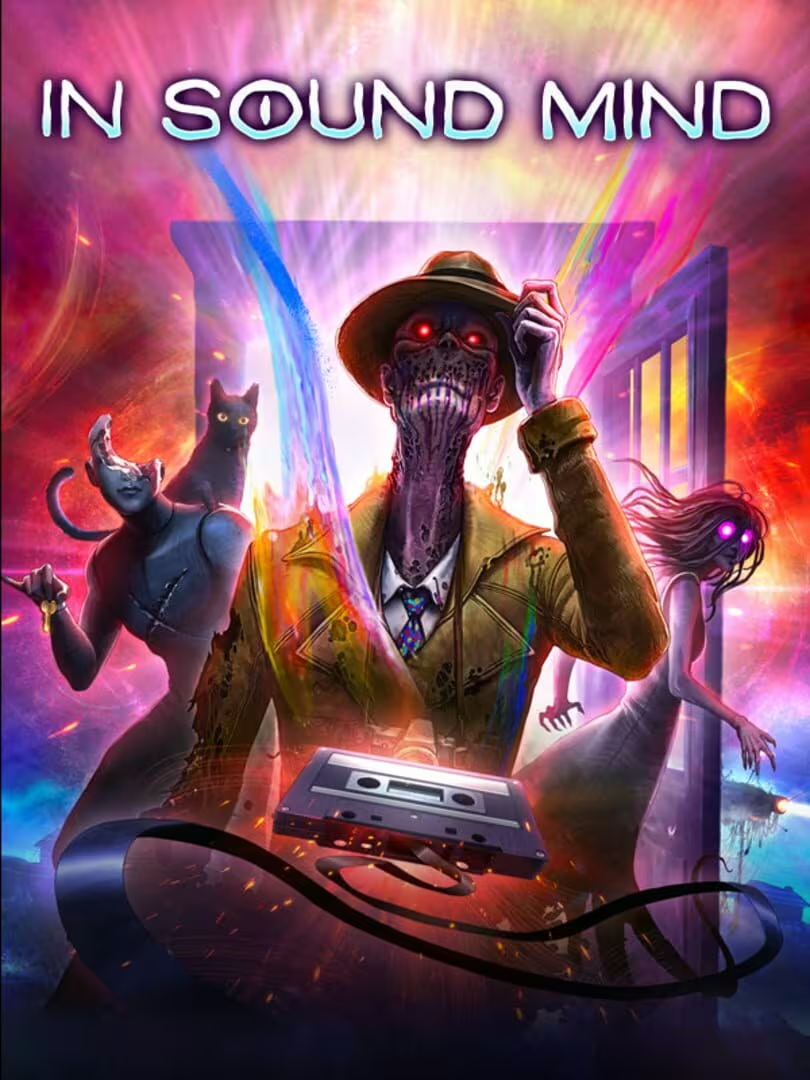
A Place, Forbidden similar games & best alternatives
A Place, Forbidden

PC (Microsoft Windows) • 2020

Related articles

Quick resume

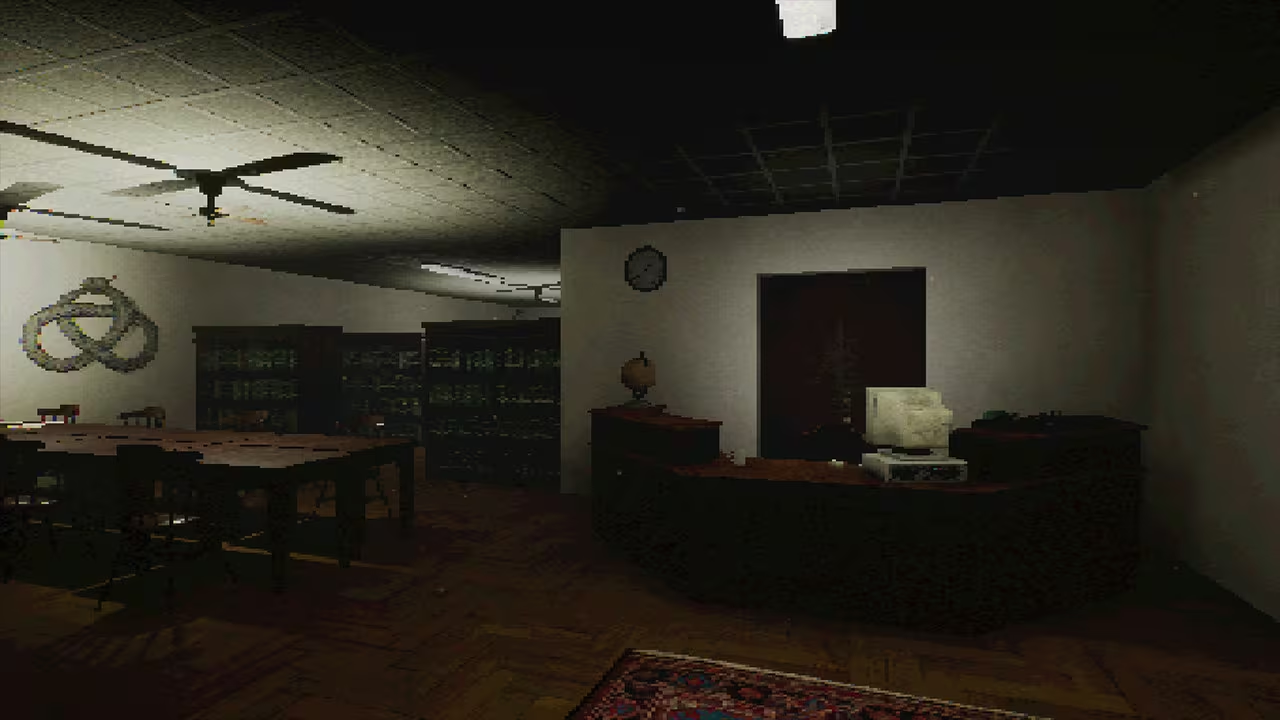
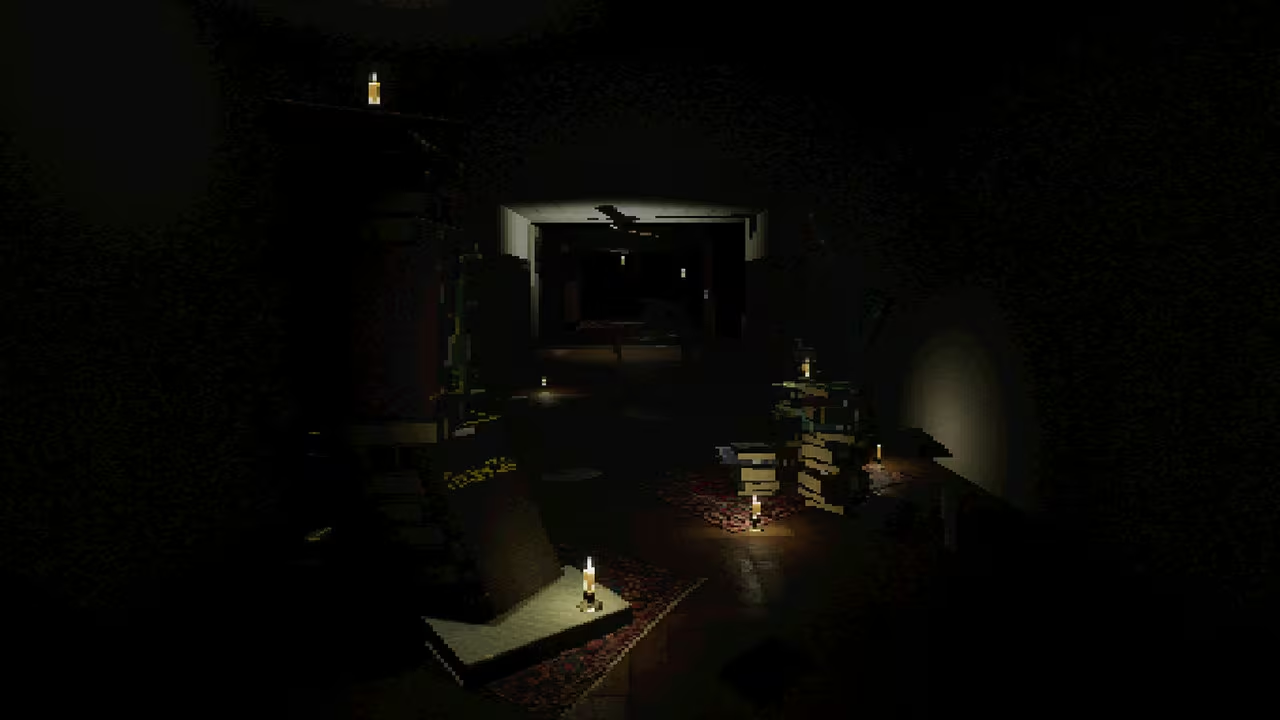
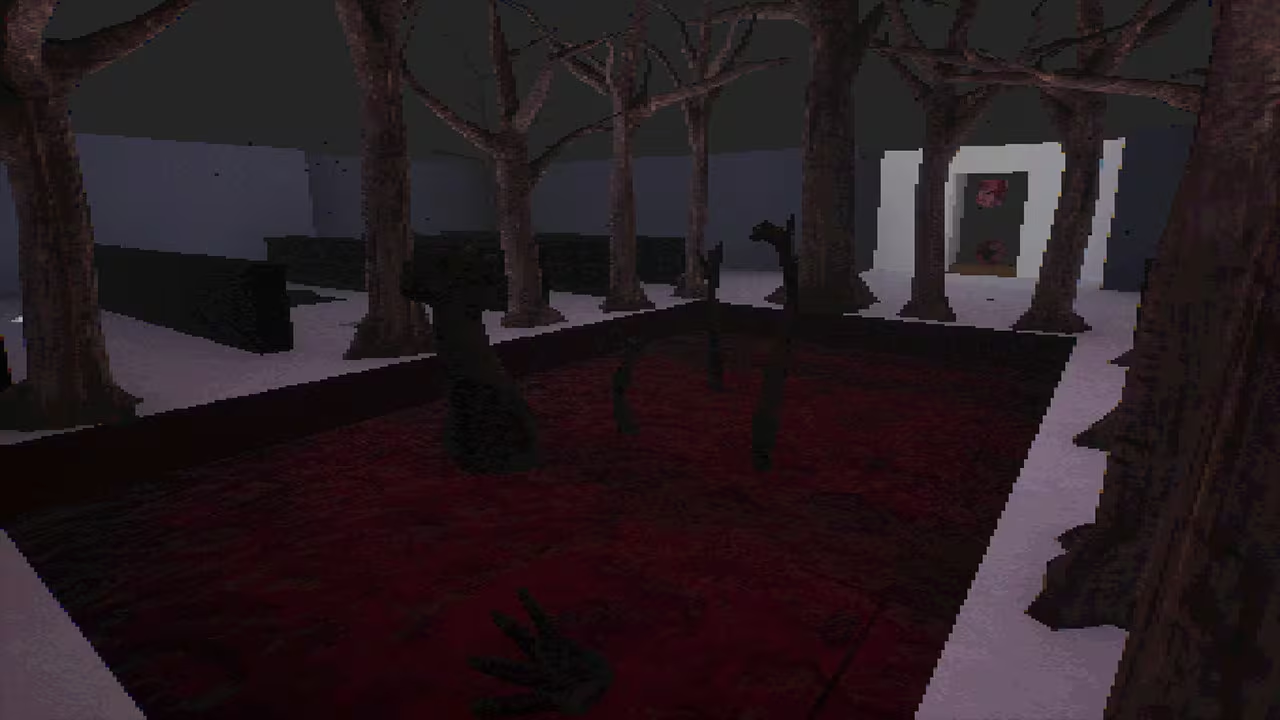
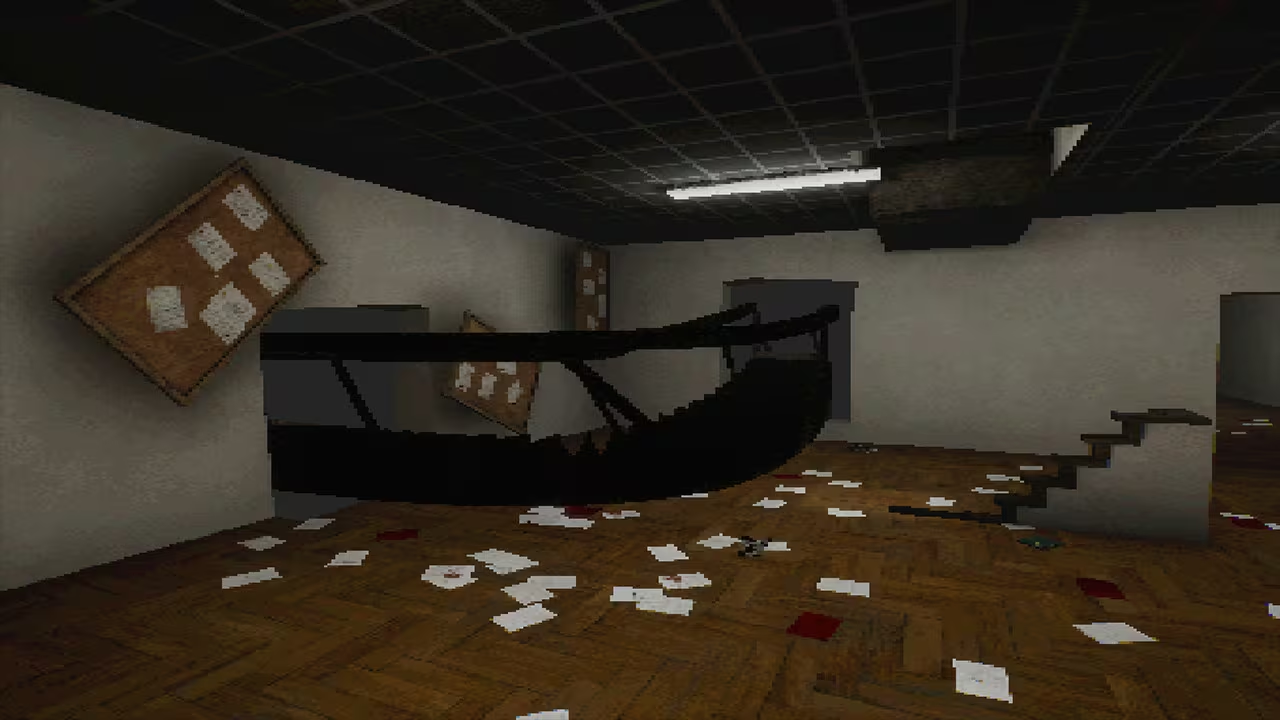
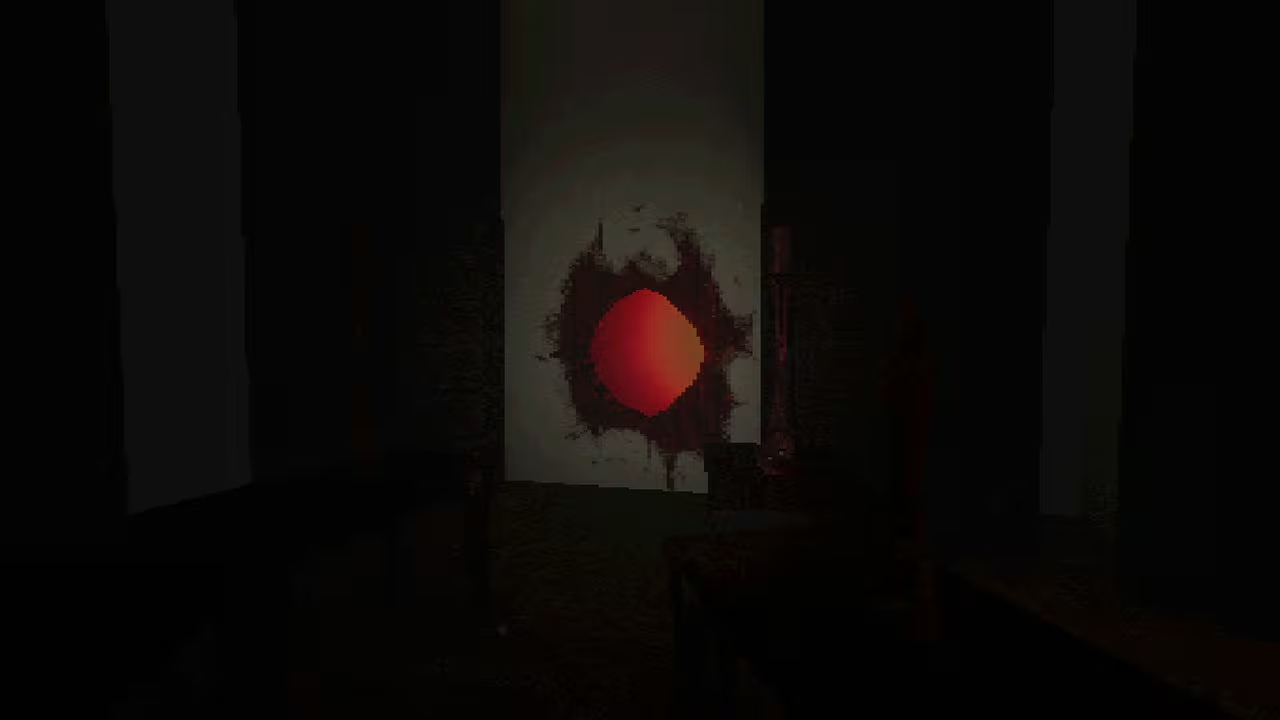
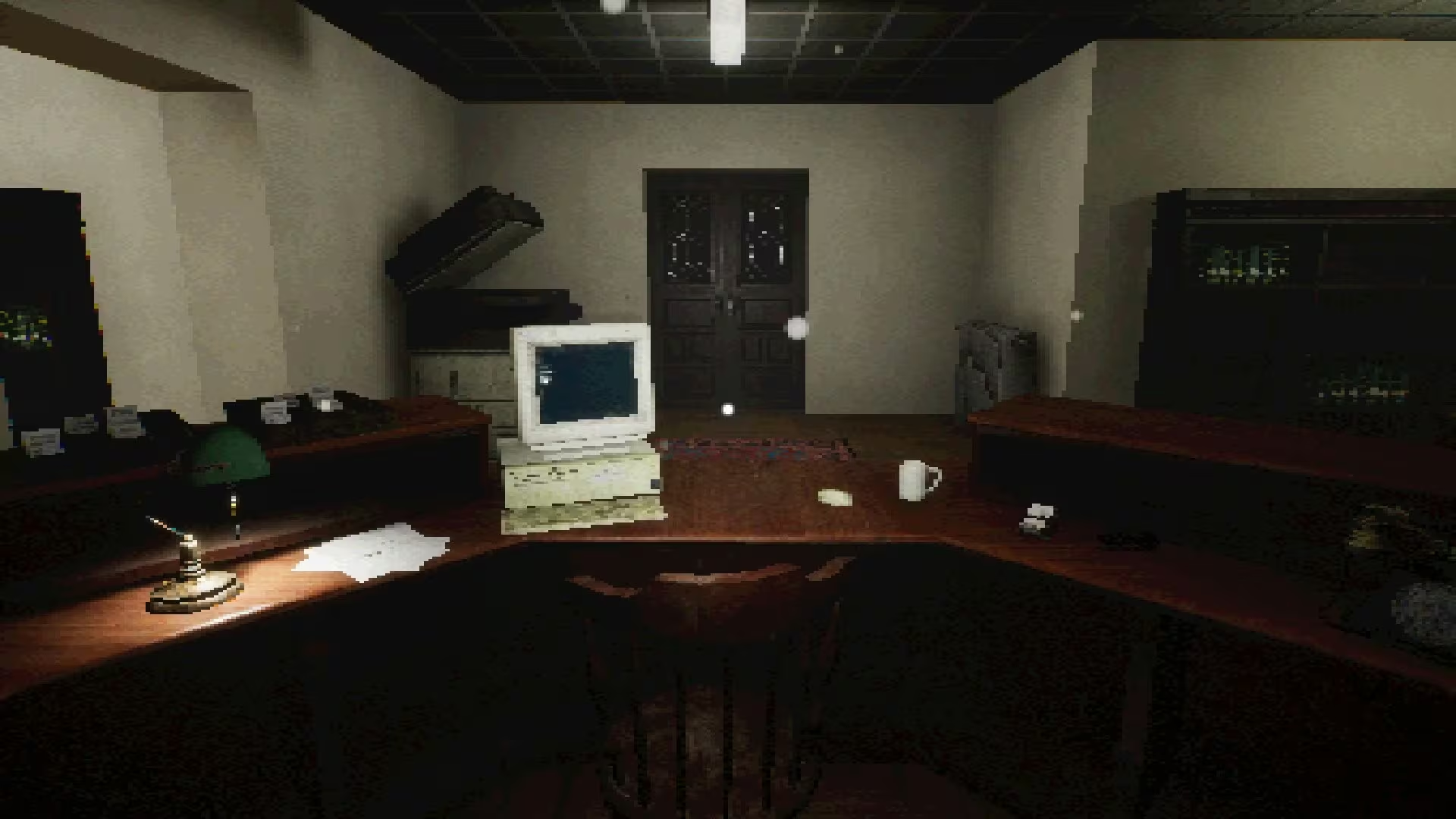
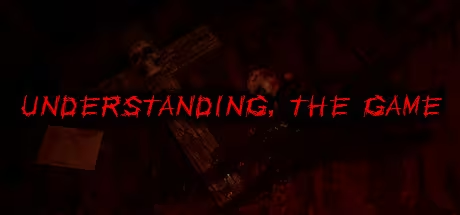
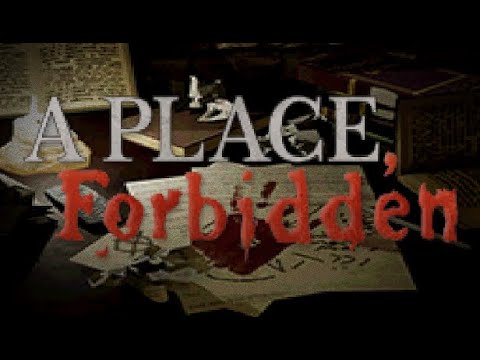
A Place, Forbidden is a first-person, lo-fi horror-puzzle game set in the Library of Ouroboros, a seemingly innocuous library that, rumor has it, contains knowledge not meant for the eyes of mortal man. We hope you enjoy your visit.

Global score

85/100

Genres

Adventure, Casual, Free To Play, Indie, Puzzle

Similar games

    Pros

    • Immersive lovecraftian atmosphere
    • Challenging and logical puzzles
    • Well-written narrative and lore
    • Free to play with substantial content
    • Unique retro low-poly visual style

    Cons

    • Lack of save slots frustrates replay
    • Some puzzles can be obtuse or vague
    • Slow movement and controls
    • Minor technical issues and optimization
    • No multiplayer or social features

    Analysis

    A very typical example of its motivational profile. Motivations that often define this kind of title include Survival, Violence, Fellowship, Expression. Here, the score leans higher than usual among comparable games on Thrill, Value. It leans lower than usual among comparable games on Expression.

    How to use the graph
    Similar games map

    Each dot is a game. They are arranged from the same motivation profile as in the “Motivations” section below. Closer dots usually mean more similar reasons to play (exploration, competition, relaxation, etc.)—not that one game is “better” than another.

    • Larger dot with a light outline: the game you are viewing.
    • Colour: groups of games with comparable motivation patterns (statistical clusters).
    • Hover a dot to see the game name; click to open its page.
    • Scroll or double-click the chart to zoom out and see more games.

    Why don’t the axes read like a score? This view uses t-SNE: it only keeps who is close to whom. The scales are not “good to bad” or hours played—they separate groups on the map. Read distance between dots, not the axis numbers.

    Motivations

    • Autonomy
      4

      "Players explore and solve puzzles at their own pace with freedom to investigate the environment and read lore, indicating high autonomy."

    • Competence
      3

      "Puzzles require critical thinking and note-taking, providing a moderate challenge and sense of skill mastery."

    • Competition
      -5

      "No evidence of competitive elements; focus is on personal exploration and puzzle solving."

    • Continuation
      2

      "Some players replay to discover alternate endings and collectables, but overall short playtime and limited replay value."

    • Cooperation
      -5

      "Single-player experience with no multiplayer or cooperative gameplay."

    • Creativity
      2

      "Players engage in puzzle solving and interpretation of lore, but no creation or modification of game elements."

    • Domination
      -5

      "No social or power dynamics; experience is solitary and non-competitive."

    • Escapism
      4

      "Strong atmospheric horror and immersive storytelling provide an escape from reality."

    • Expectation
      -4

      "Players engage voluntarily out of interest and intrinsic motivation; no obligation or external pressure."

    • Experimenting
      3

      "Exploration of changing environments and puzzle experimentation encourages trying new approaches."

    • Exploration
      4

      "Game emphasizes discovering new rooms, secrets, and lore in a shifting library environment."

    • Expression
      -5

      "No character customization or player expression features."

    • Fantasy
      4

      "Strong Lovecraftian and cosmic horror themes create an imaginative, surreal experience."

    • Fellowship
      -5

      "No social or community features; solitary gameplay."

    • Growth
      3

      "Players develop problem-solving skills and uncover story elements through reading and puzzle solving."

    • Health
      -5

      "Sedentary gameplay with no physical activity involved."

    • Idle
      -3

      "Requires sustained attention to puzzles and exploration; not a casual or background game."

    • Intimacy
      -5

      "No social or emotional connections formed within gameplay."

    • Leadership
      -5

      "No leadership or group management elements present."

    • Progression
      3

      "Progression through unlocking new areas, solving puzzles, and collecting lore items."

    • Relaxation
      2

      "Atmosphere is tense and eerie but lacks jump scares; some players find it immersive and calming."

    • Sensation
      3

      "Visual and audio design create a distinctive, unsettling sensory experience."

    • Status
      -5

      "No social recognition or status systems."

    • Story
      4

      "Narrative is delivered through environmental storytelling, books, and notes, engaging players in lore."

    • Strategy
      3

      "Puzzles require logical thinking and planning to solve."

    • Thrill
      2

      "Atmospheric tension builds unease and dread without jump scares or high risk."

    • Value
      5

      "Highly praised for being a free, well-crafted game with substantial content and replayability."

    • Violence
      -5

      "No combat or destructive gameplay; focus on exploration and puzzle solving."

    • Survival
      -5

      "No survival mechanics or threats to avoid; stable environment despite eerie atmosphere."

    Last update: 29/04/2026