Spirits of Xanadu Thumbnail

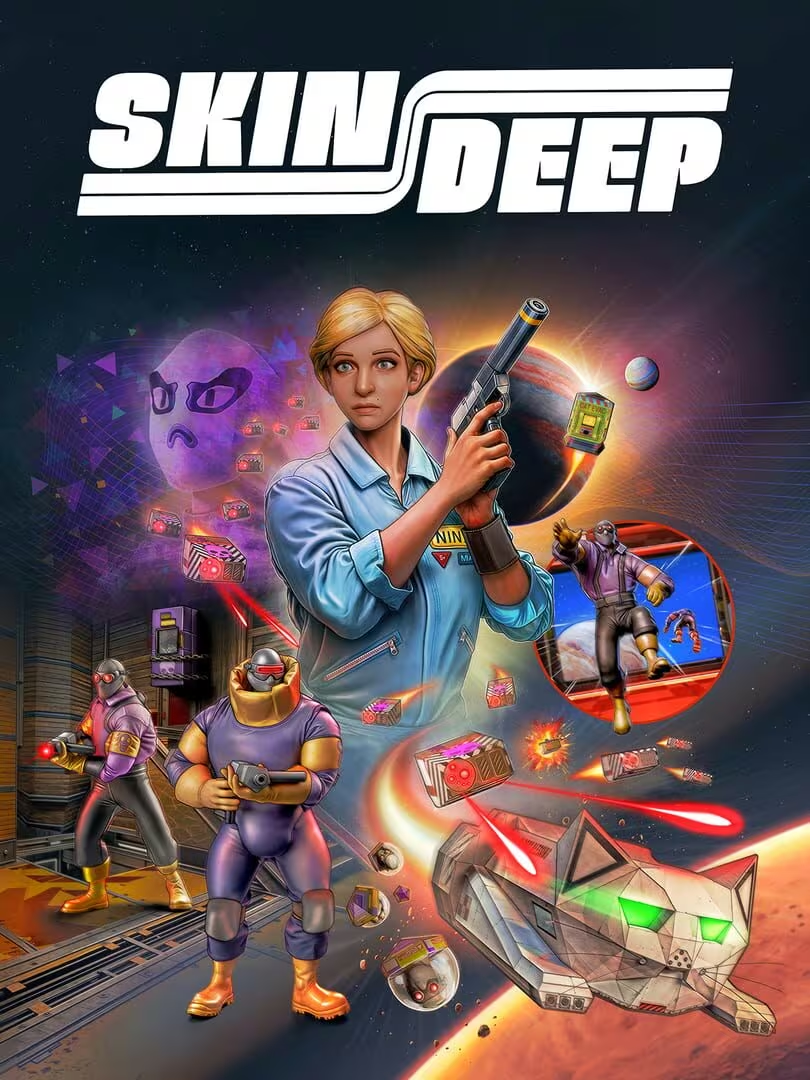
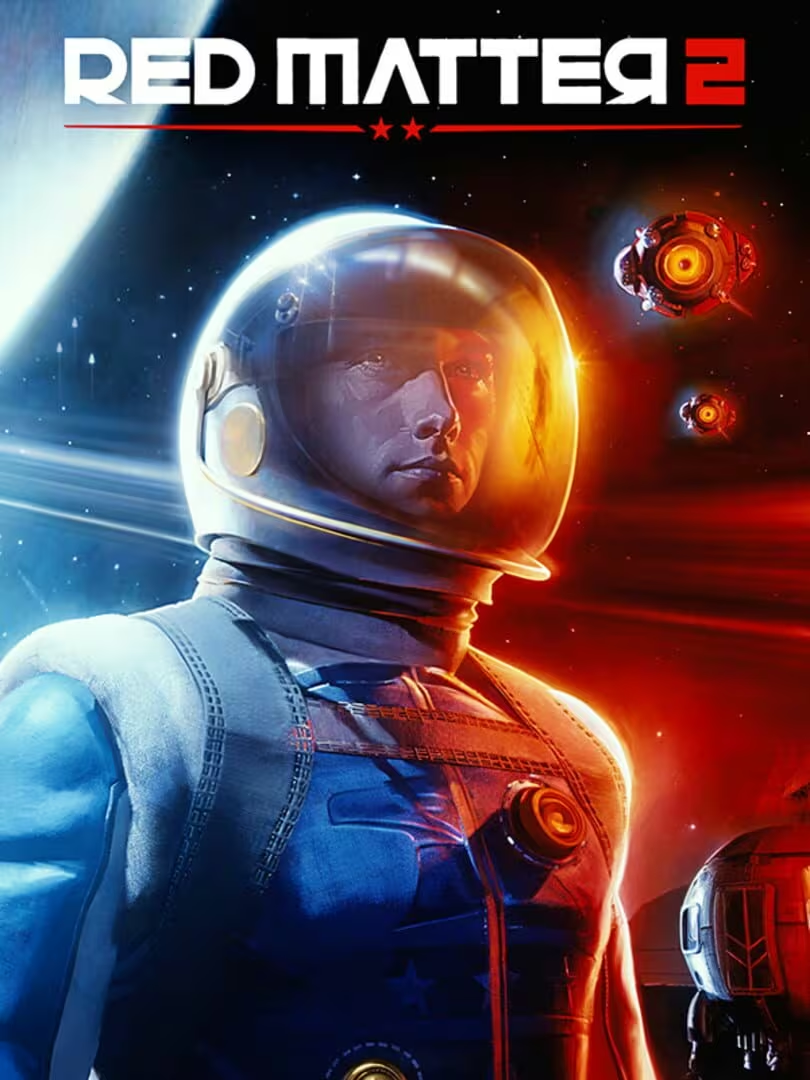
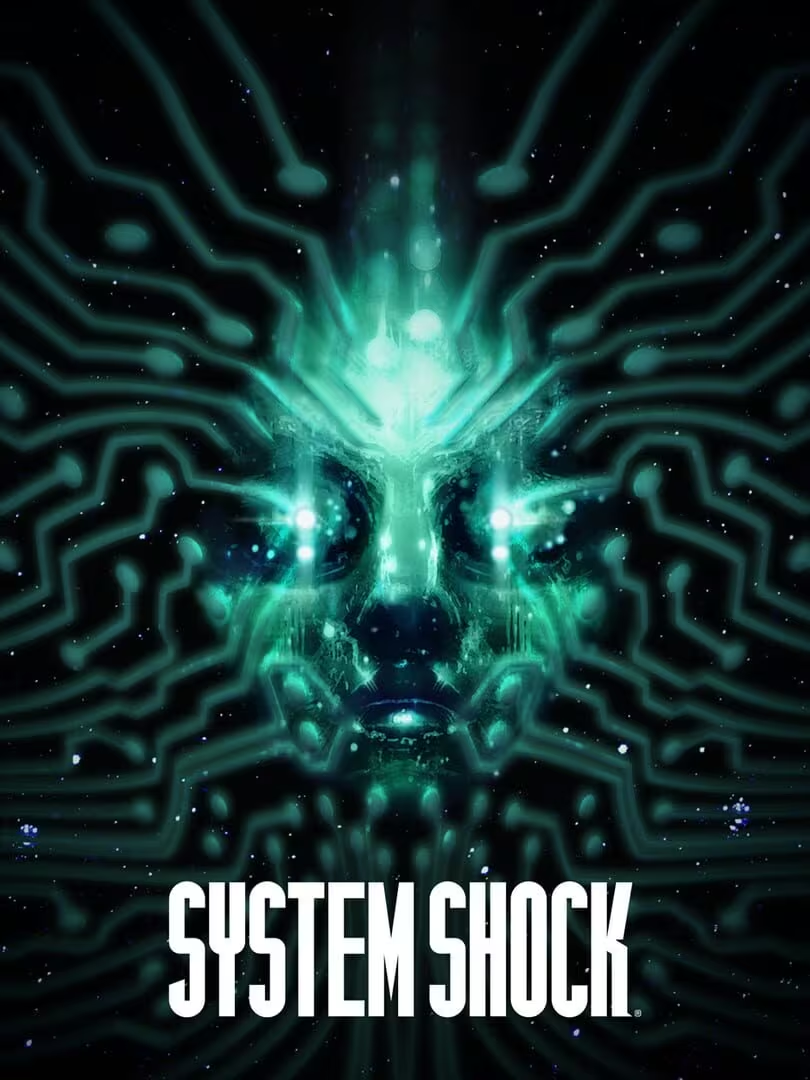
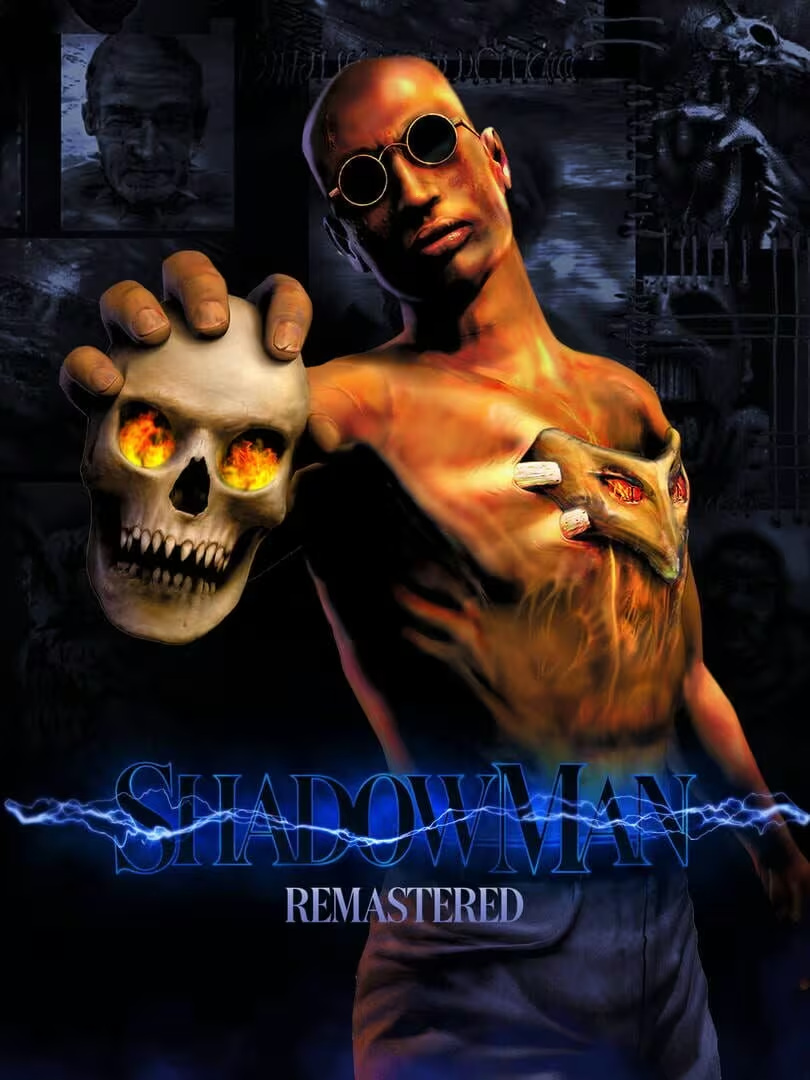
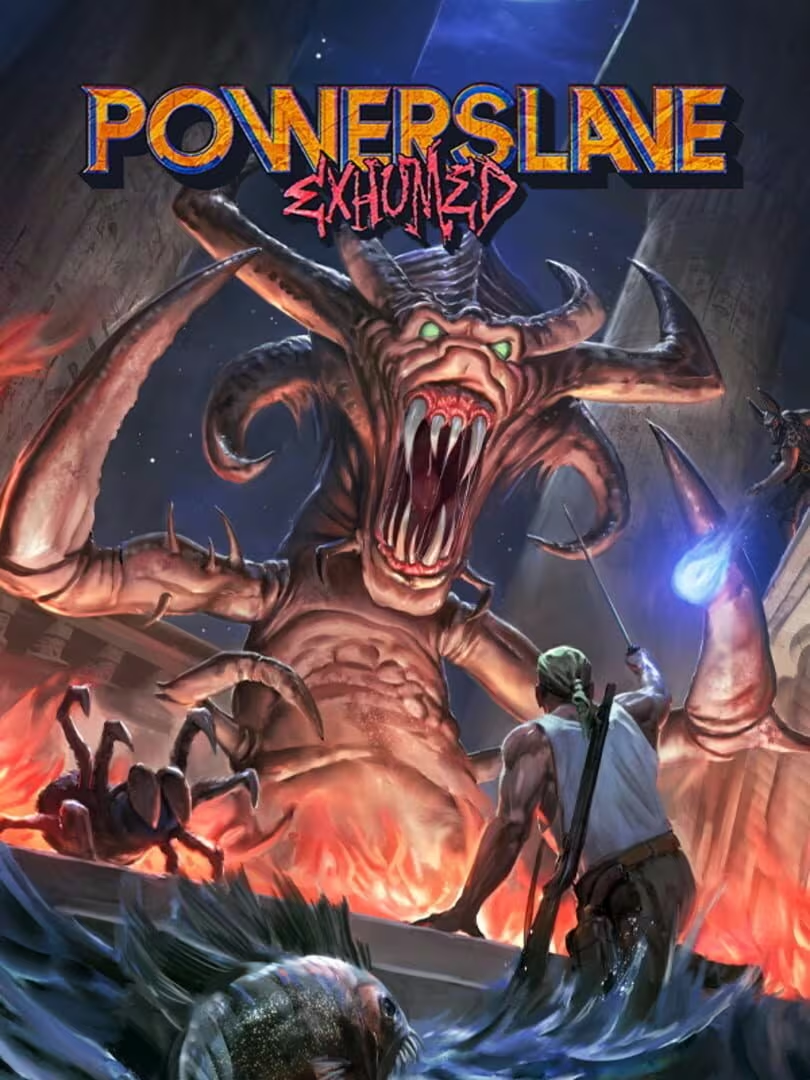
Spirits of Xanadu similar games & best alternatives

Spirits of Xanadu

PC (Microsoft Windows), Nintendo Switch, Mac, Linux • 2015

Related articles

Quick resume

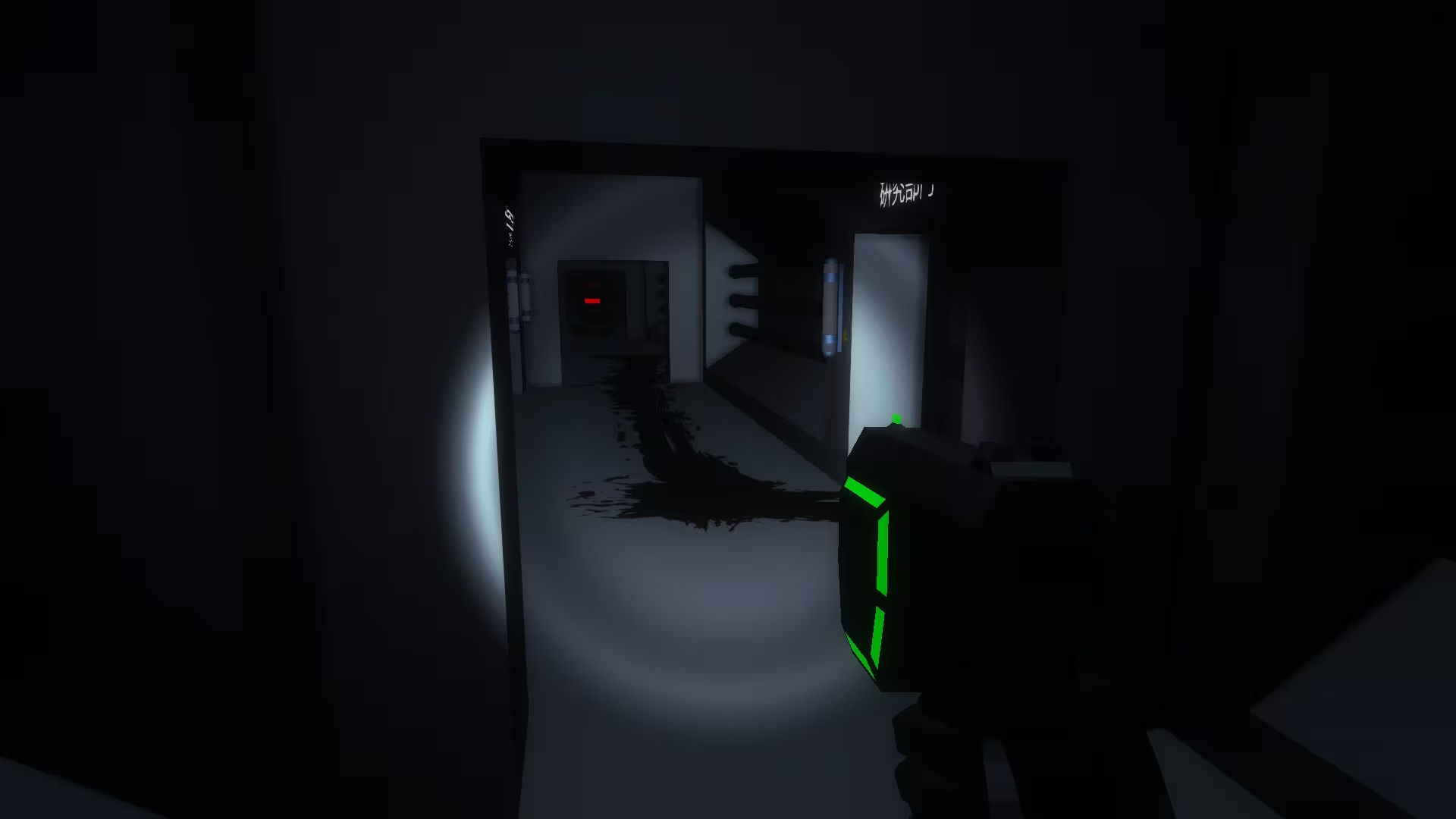
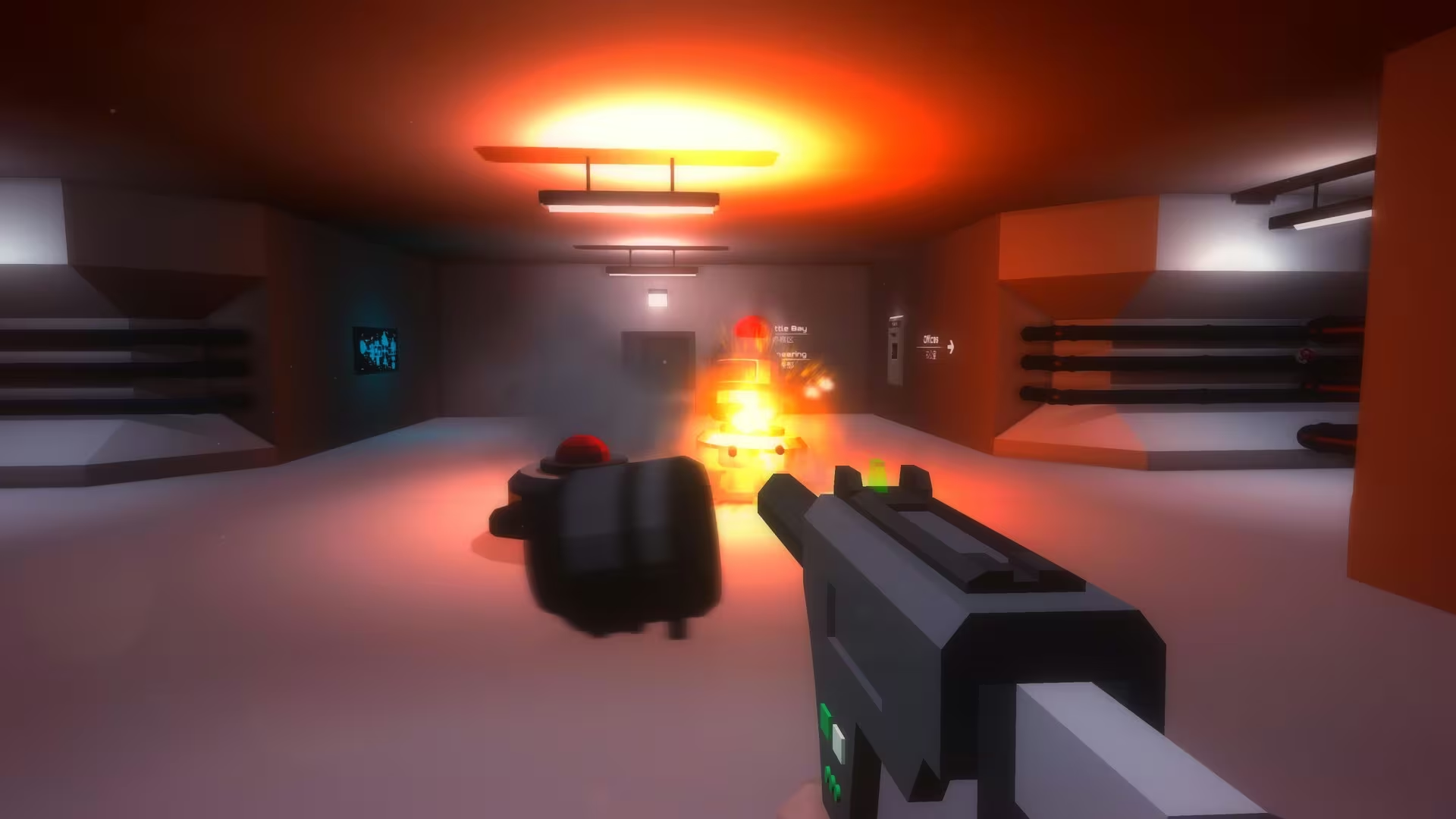
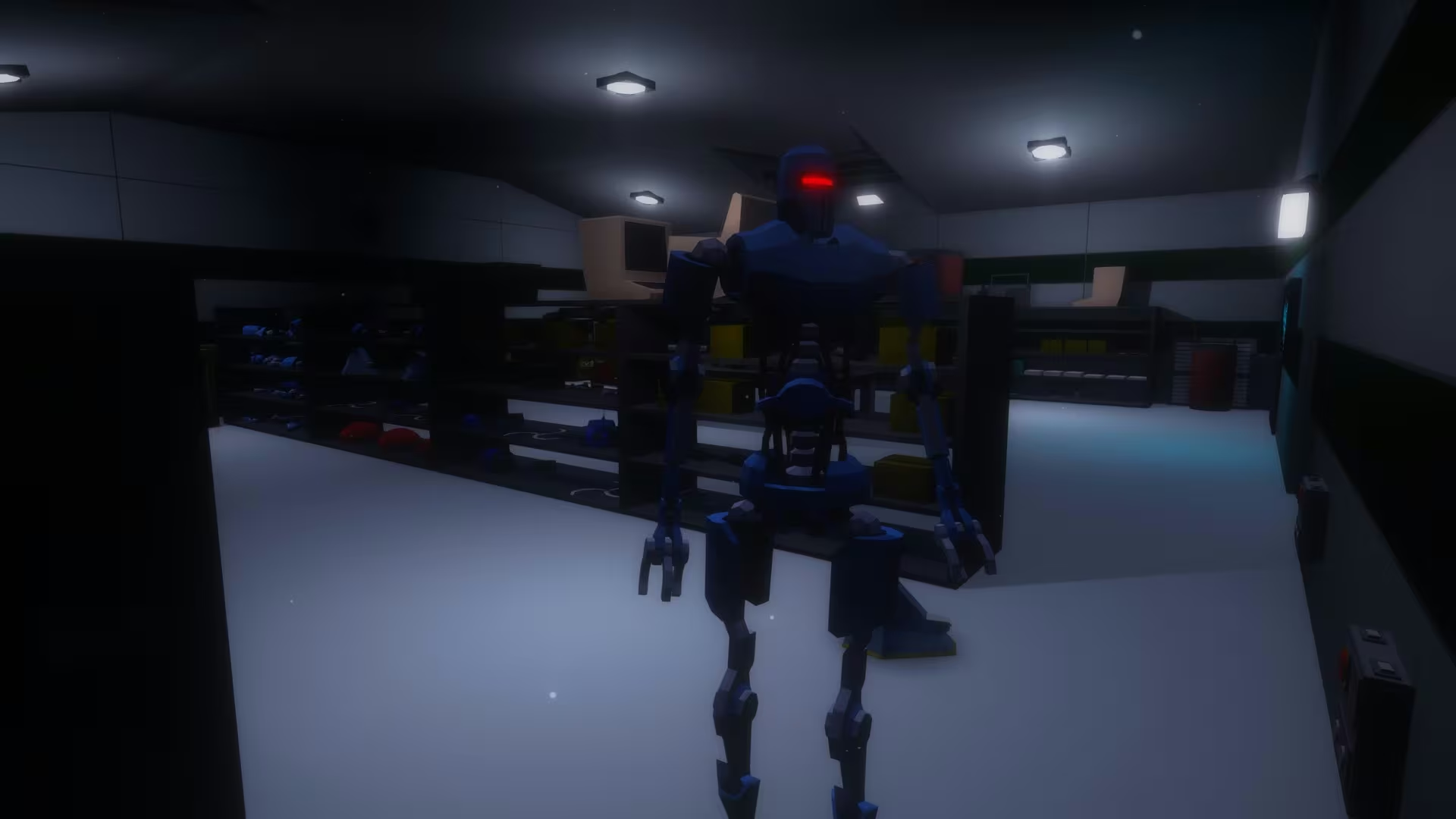
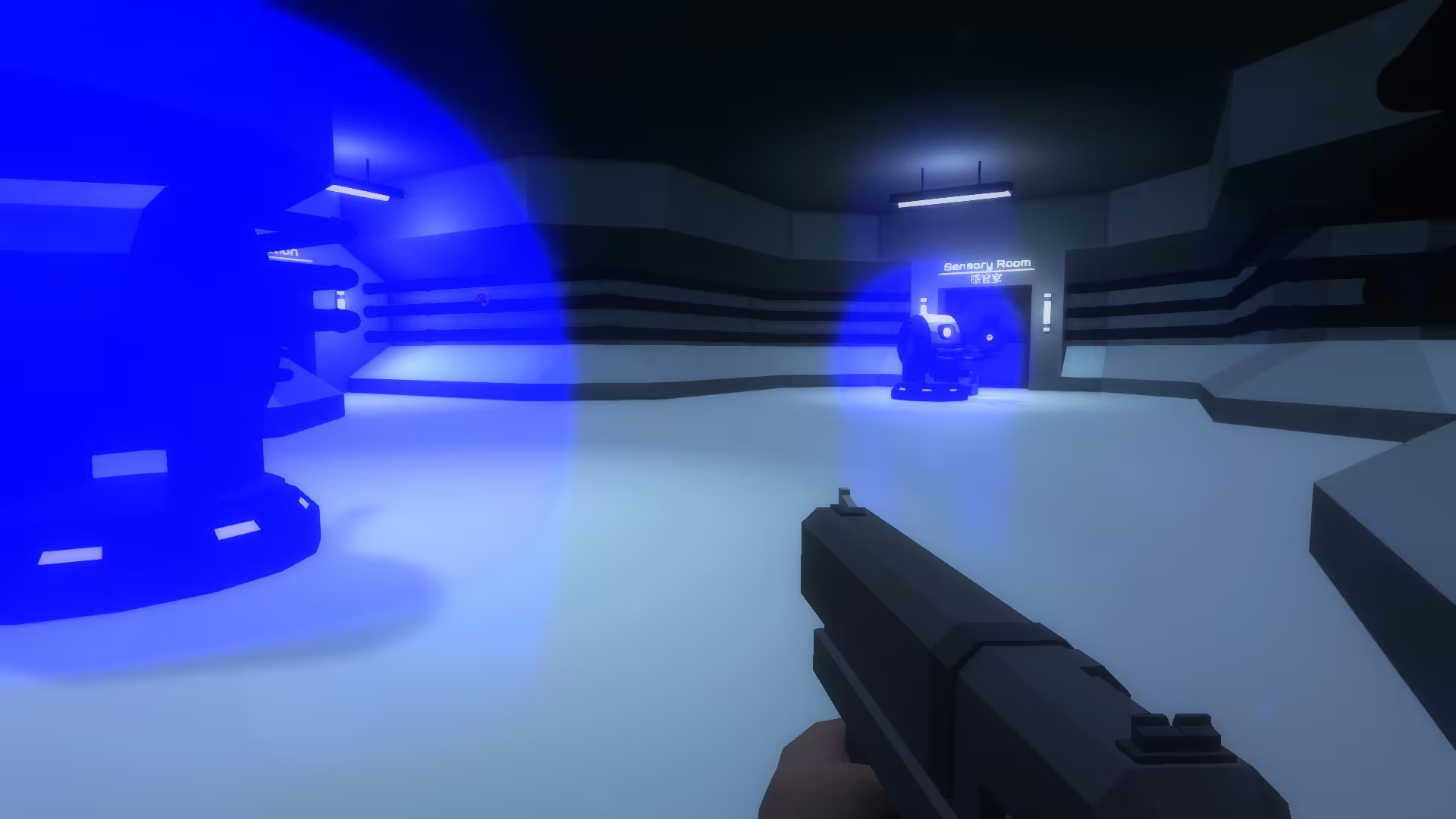
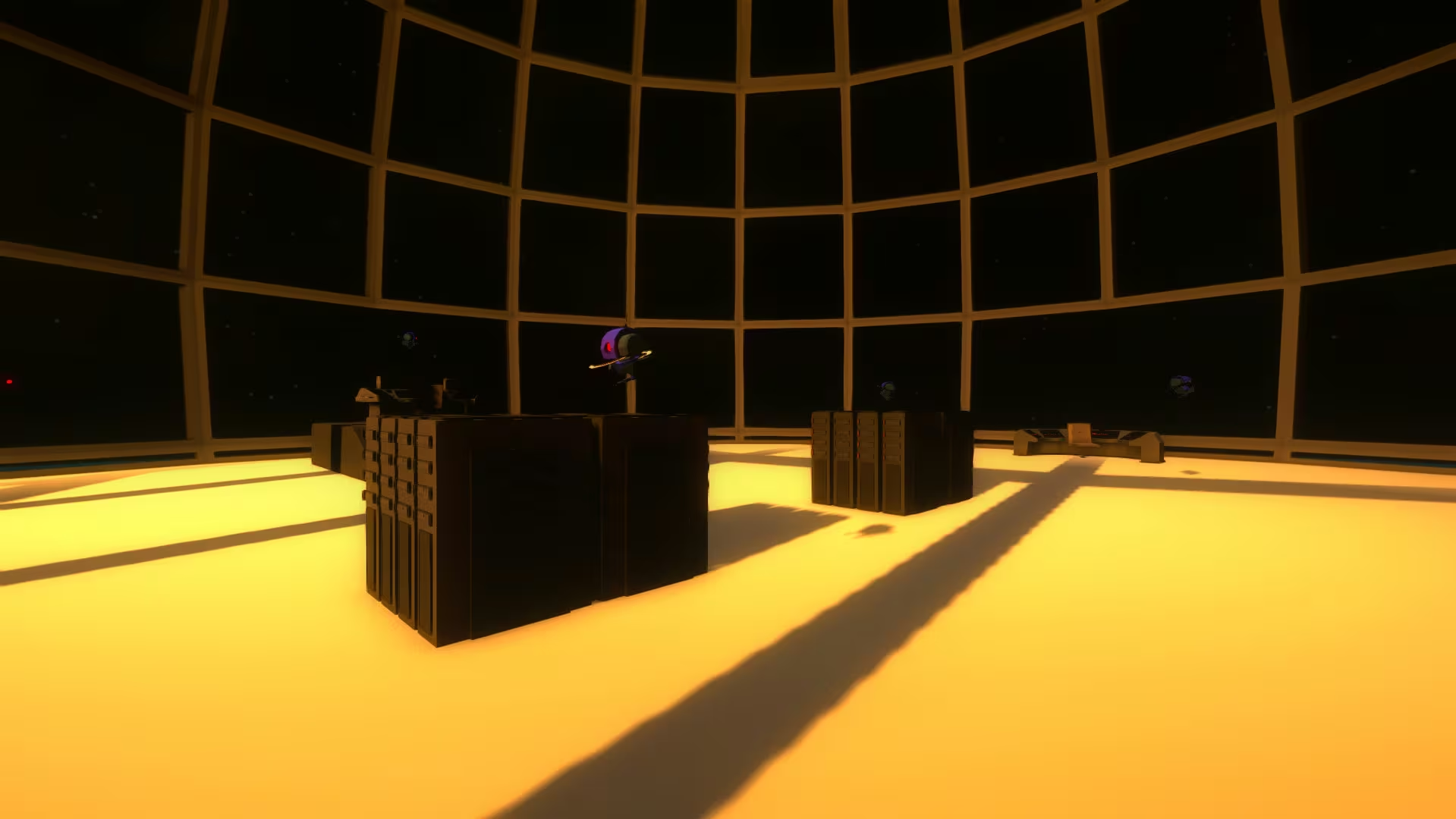
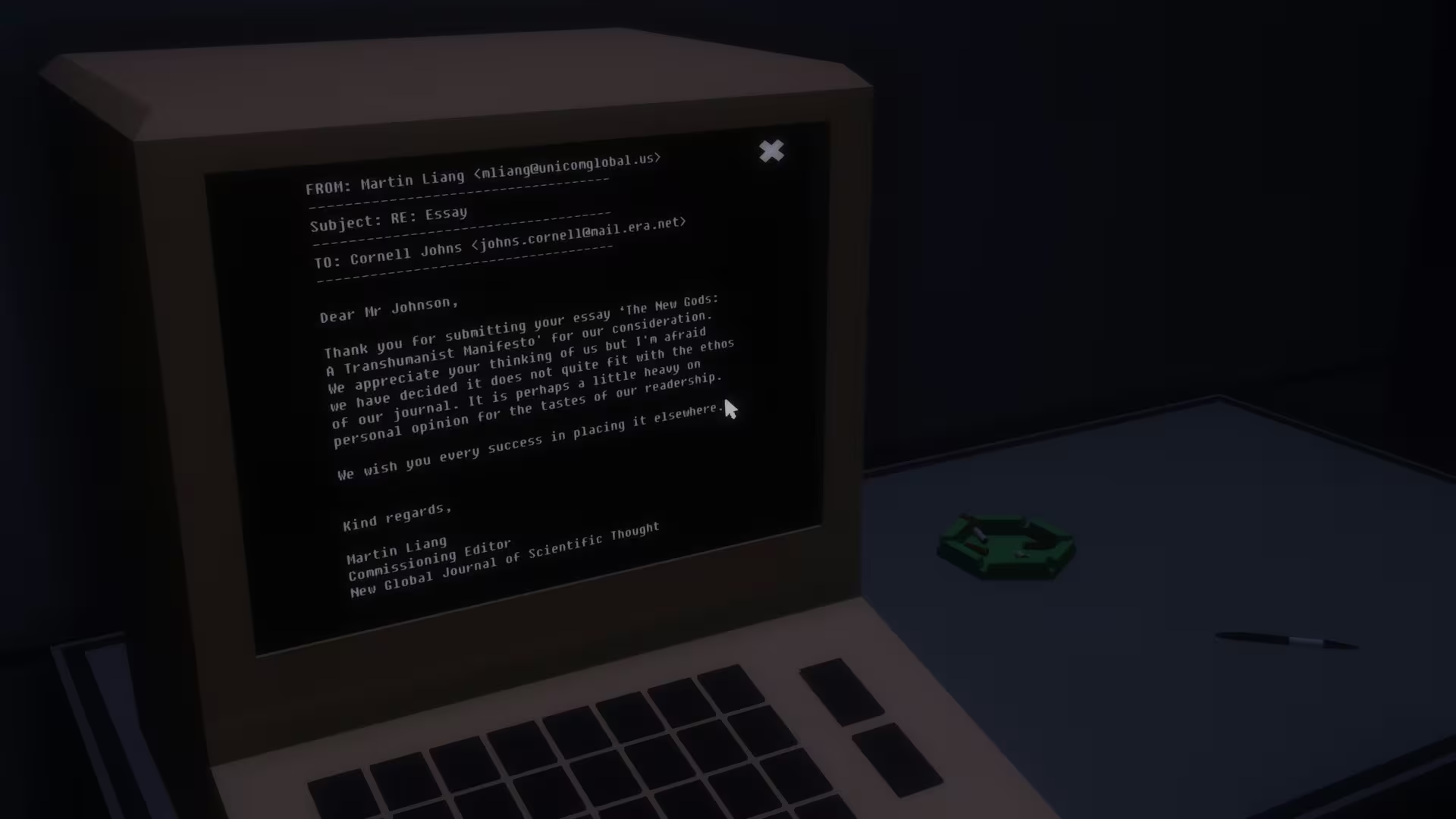
At the farthest edge of the explored universe, the research ship Xanadu slumbers in orbit around a mysterious planet. Her systems remain active but there has been no message from her crew for months. Now a lone operative has been sent to wake the Xanadu and bring her home to Earth.

Global score

79/100

Genres

Action, Adventure, Indie, Shooter, Arcade

Similar games

    Pros

    • Strong atmosphere and immersive storytelling
    • Engaging exploration and puzzle solving
    • Multiple endings and replay value
    • Well-written audio logs and voice acting
    • Freedom of player choice and autonomy

    Cons

    • Short game length
    • Simple and limited combat
    • Minimal graphics and visual polish
    • Enemy respawning can be frustrating
    • Lack of hand-holding may confuse some players

    Analysis

    A very typical example of its motivational profile. Motivations that often define this kind of title include Expression, Fellowship, Cooperation, Competition. Here, the score leans higher than usual among comparable games on Exploration, Story. It leans lower than usual among comparable games on Expression.

    How to use the graph
    Similar games map

    Each dot is a game. They are arranged from the same motivation profile as in the “Motivations” section below. Closer dots usually mean more similar reasons to play (exploration, competition, relaxation, etc.)—not that one game is “better” than another.

    • Larger dot with a light outline: the game you are viewing.
    • Colour: groups of games with comparable motivation patterns (statistical clusters).
    • Hover a dot to see the game name; click to open its page.
    • Scroll or double-click the chart to zoom out and see more games.

    Why don’t the axes read like a score? This view uses t-SNE: it only keeps who is close to whom. The scales are not “good to bad” or hours played—they separate groups on the map. Read distance between dots, not the axis numbers.

    Motivations

    • Autonomy
      4

      "Players have freedom to explore the ship at their own pace, solve puzzles independently, and make choices affecting multiple endings without hand-holding."

    • Competence
      3

      "Puzzles require problem-solving and attention to detail; combat is simple but requires some skill; feedback is present through exploration and puzzle solving."

    • Competition
      -4

      "Focus is on personal exploration and story discovery; no evidence of competitive modes or leaderboards."

    • Continuation
      2

      "Players enjoy multiple playthroughs to discover different endings and secrets, though the game is short and some find replaying tedious."

    • Cooperation
      -5

      "Single-player experience with no multiplayer or cooperative elements."

    • Creativity
      2

      "Players engage in puzzle solving and exploration, but limited character or environment customization."

    • Domination
      -5

      "No evidence of exerting control or superiority over others; interactions are single-player and narrative-focused."

    • Escapism
      4

      "Strong atmospheric immersion and narrative encourage escape from reality into a sci-fi mystery environment."

    • Expectation
      -4

      "Players engage voluntarily out of interest and curiosity; no indication of obligation or external pressure."

    • Experimenting
      3

      "Encourages exploration and puzzle experimentation to uncover secrets and multiple endings."

    • Exploration
      5

      "Core gameplay revolves around discovering new areas, secrets, audio logs, and piecing together story elements."

    • Expression
      -4

      "No character customization or avatar personalization; presentation is standardized."

    • Fantasy
      4

      "Set in an alternate 1980s sci-fi universe with space exploration, robots, and mysterious events, providing imaginative fiction."

    • Fellowship
      -5

      "Single-player game with minimal social connection or community involvement."

    • Growth
      3

      "Players learn puzzle solutions, story details, and navigation of the ship; some skill development in exploration and problem solving."

    • Health
      -5

      "No physical activity or health-related gameplay elements; sedentary play."

    • Idle
      -3

      "Requires focused attention to exploration, puzzles, and combat; not designed for background or idle play."

    • Intimacy
      -5

      "No social or emotional relationship building; solitary experience."

    • Leadership
      -5

      "No leadership or group management roles; single-player narrative."

    • Progression
      3

      "Players collect items, solve puzzles, and unlock multiple endings, showing progression through story and exploration."

    • Relaxation
      2

      "Atmospheric and immersive but with moments of tension and suspense; some players find it relaxing, others find it tense."

    • Sensation
      3

      "Sound design and lighting create sensory immersion; visuals are minimalistic but effective for mood."

    • Status
      -5

      "No social recognition or popularity mechanics; individual-focused experience."

    • Story
      5

      "Strong narrative immersion through audio logs, notes, and environmental storytelling; story is central to the experience."

    • Strategy
      3

      "Requires logical thinking and puzzle solving; combat and exploration involve planning and problem solving."

    • Thrill
      3

      "Creates suspense and tension through atmosphere and occasional enemy encounters; not reliant on jump scares."

    • Value
      2

      "Generally perceived as good value for price, especially on sale; short length noted but quality appreciated."

    • Violence
      1

      "Combat involves shooting hostile robots; violence is present but not graphic or central to gameplay."

    • Survival
      2

      "Players must avoid threats and manage limited combat encounters; survival elements are light but present."

    Last update: 29/04/2026