Imperium Romanum Gold Edition Thumbnail

Imperium Romanum Gold Edition similar games & best alternatives

Imperium Romanum Gold Edition

PC (Microsoft Windows) • 2008

Related articles

Quick resume

Global score

85/100

Genres

Simulator, Strategy

Similar games

    Pros

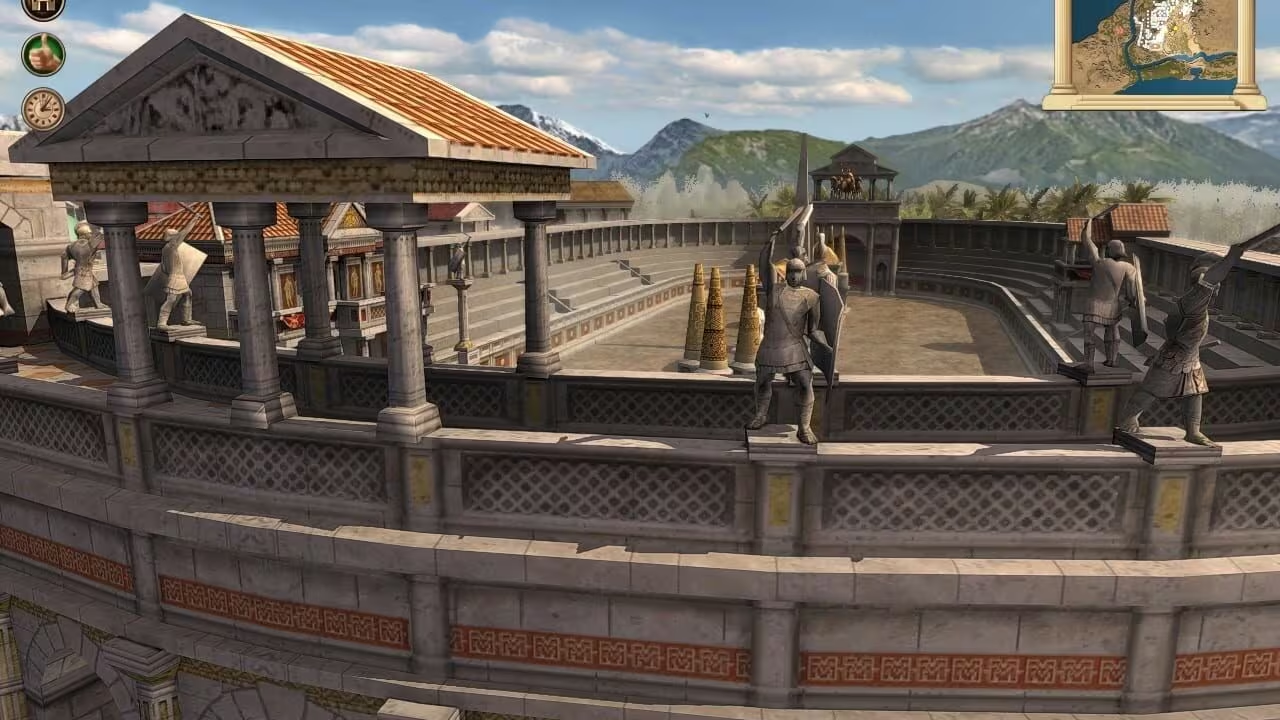
    • Historical roman city-building setting
    • Relaxing and accessible gameplay
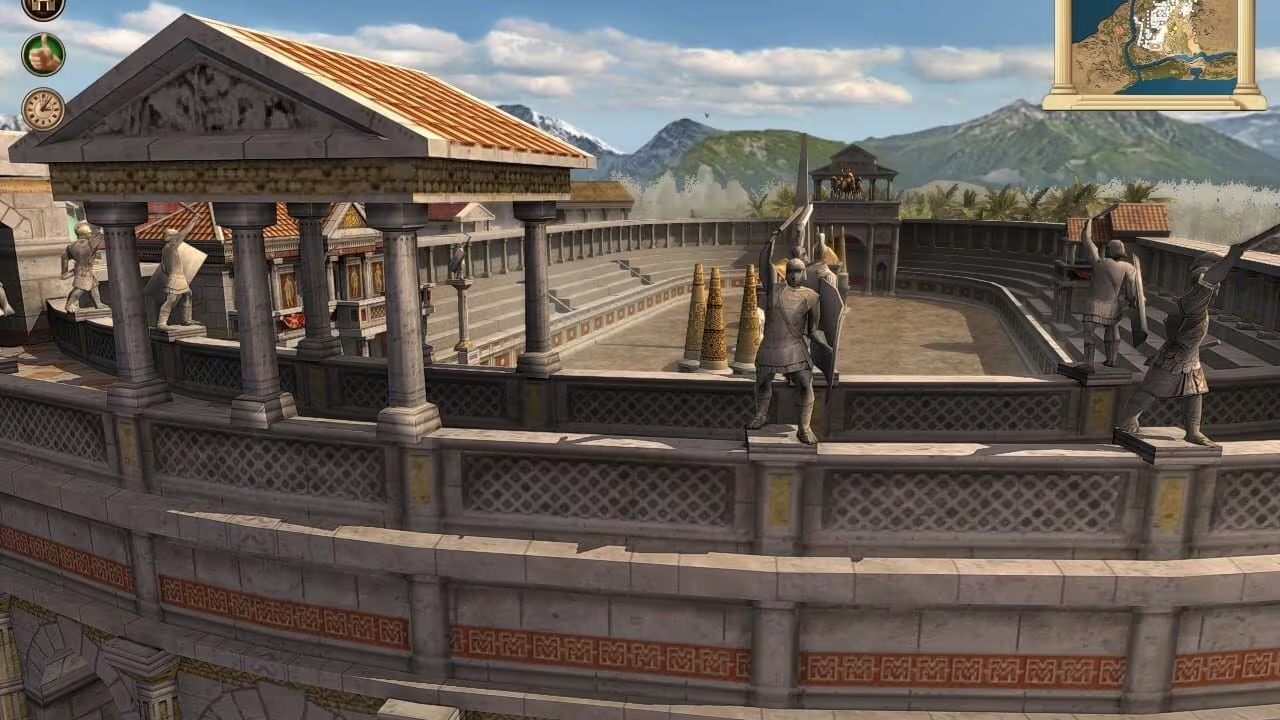
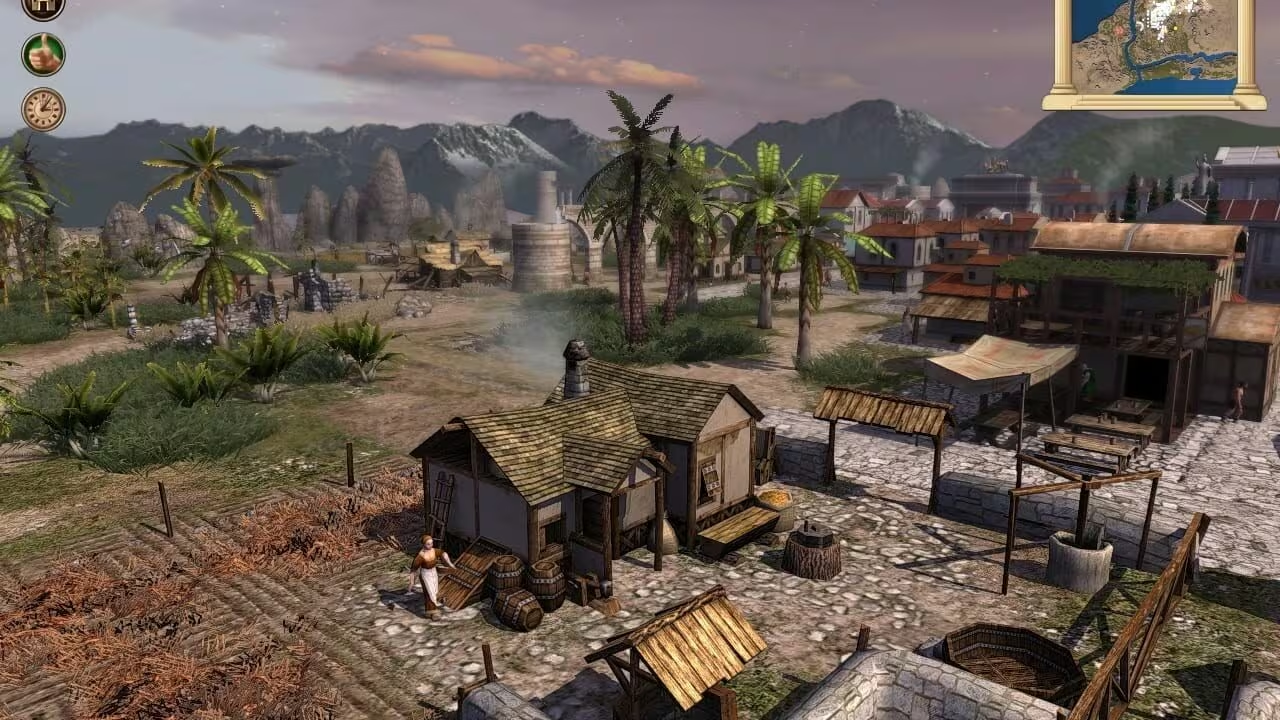
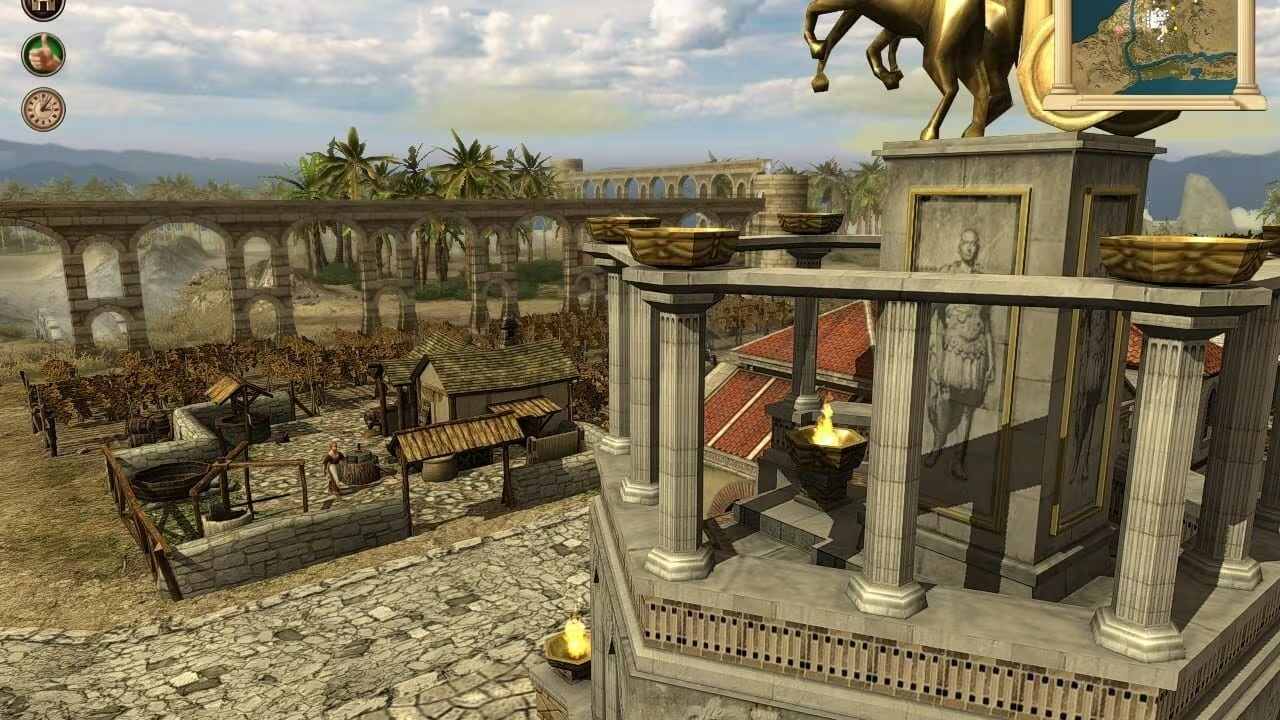
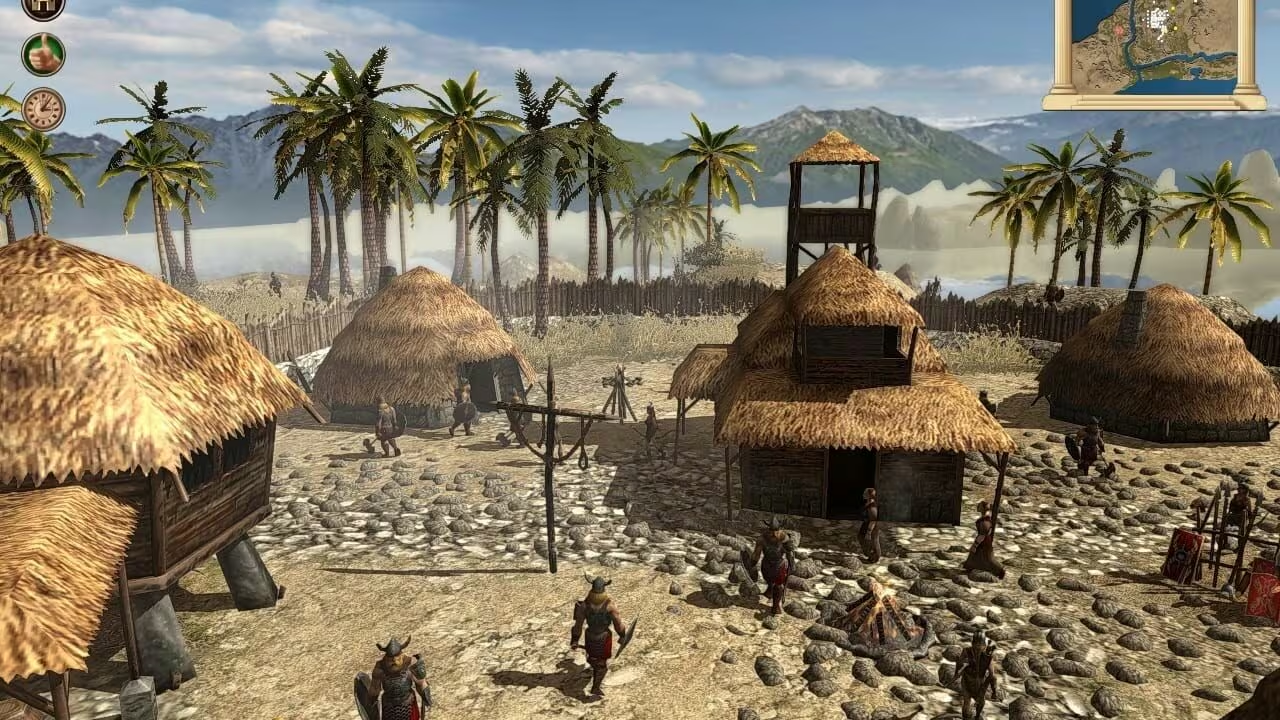
    • Detailed graphics and animations
    • Varied scenarios and campaigns
    • Good value for price

    Cons

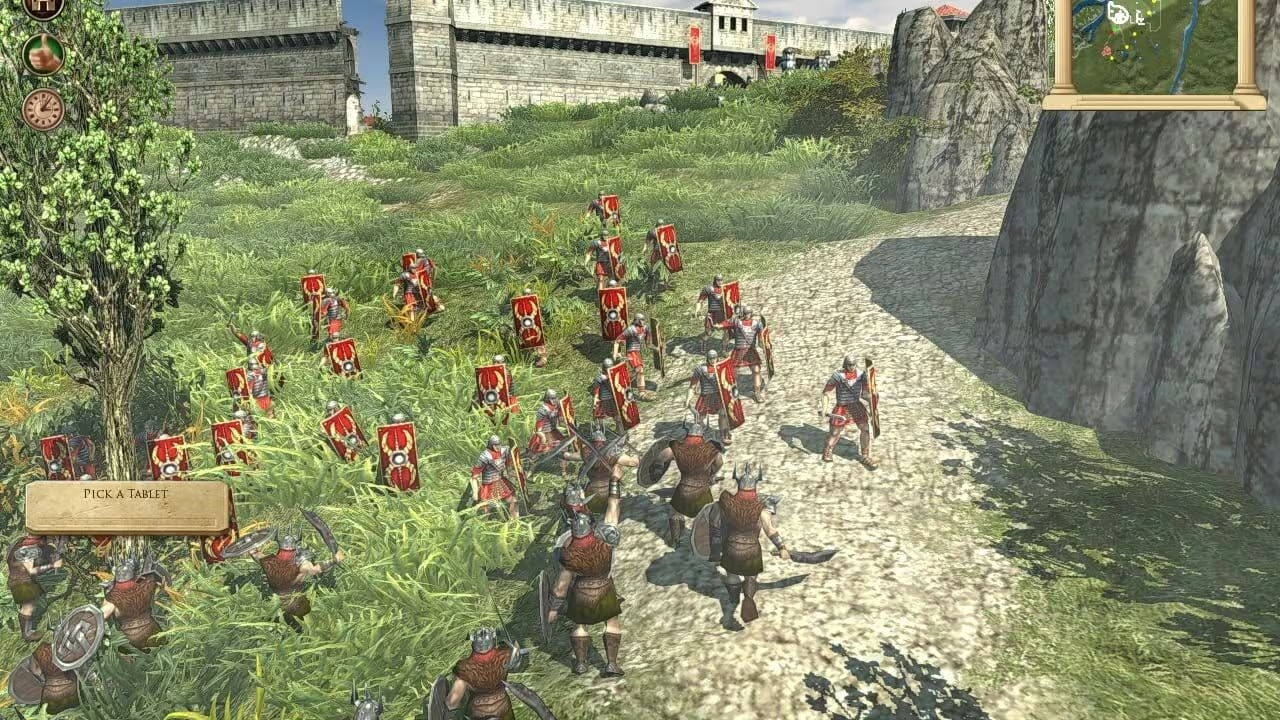
    • Simplistic and limited combat system
    • Some repetitive gameplay elements
    • Lack of multiplayer or social features
    • Interface and controls can be unintuitive
    • No official localization in some languages

    Analysis

    A very typical example of its motivational profile. Motivations that often define this kind of title include Fantasy, Violence, Story, Thrill. Here, the score leans higher than usual among comparable games on Story, Leadership, Survival.

    How to use the graph
    Similar games map

    Each dot is a game. They are arranged from the same motivation profile as in the “Motivations” section below. Closer dots usually mean more similar reasons to play (exploration, competition, relaxation, etc.)—not that one game is “better” than another.

    • Larger dot with a light outline: the game you are viewing.
    • Colour: groups of games with comparable motivation patterns (statistical clusters).
    • Hover a dot to see the game name; click to open its page.
    • Scroll or double-click the chart to zoom out and see more games.

    Why don’t the axes read like a score? This view uses t-SNE: it only keeps who is close to whom. The scales are not “good to bad” or hours played—they separate groups on the map. Read distance between dots, not the axis numbers.

    Motivations

    • Autonomy
      4

      "Players have freedom to build and manage cities with various strategies and choices, including economic and military decisions."

    • Competence
      3

      "Game offers challenges in city planning, resource management, and scenario objectives, requiring skill and learning."

    • Competition
      -3

      "Focus is on personal city-building and scenario completion rather than direct competition or leaderboards."

    • Continuation
      3

      "Many players return to the game repeatedly over years, enjoying long sessions and replaying scenarios."

    • Cooperation
      -5

      "Single-player city builder with no multiplayer or cooperative gameplay elements."

    • Creativity
      3

      "Players can design and expand cities with many building types and layouts, allowing creative expression."

    • Domination
      -4

      "Military aspect is limited and not focused on exerting control over others; gameplay is balanced and non-toxic."

    • Escapism
      4

      "Players use the game as a relaxing escape into ancient Roman city-building and management."

    • Expectation
      -4

      "Players engage voluntarily out of interest and enjoyment, not due to obligation or pressure."

    • Experimenting
      3

      "Players try different city layouts, resource strategies, and scenario approaches to optimize gameplay."

    • Exploration
      2

      "Varied maps and scenarios encourage discovering new challenges and environments within the Roman Empire."

    • Expression
      2

      "Customization is limited to city design and building placement rather than avatar or cosmetic personalization."

    • Fantasy
      -3

      "Game focuses on historically inspired realistic Roman city-building rather than imaginative or mythical elements."

    • Fellowship
      -5

      "No social or community features; gameplay is entirely single-player and individual."

    • Growth
      3

      "Players learn and improve city management skills and strategies through gameplay and scenario progression."

    • Health
      -5

      "Standard sedentary gameplay with no physical activity or health-related mechanics."

    • Idle
      -3

      "Requires active management and attention to resources and city growth; not a passive or idle game."

    • Intimacy
      -5

      "No social or emotional relationship building; interactions are limited to game mechanics."

    • Leadership
      2

      "Player acts as city governor managing resources and citizens, but no leadership over other players."

    • Progression
      4

      "Players accumulate buildings, resources, and upgrades to grow their cities and complete objectives."

    • Relaxation
      3

      "Generally a relaxing city-building experience with manageable challenges and soothing gameplay."

    • Sensation
      1

      "Visuals and sound are pleasant but not highly stimulating; focus is on management rather than sensory thrills."

    • Status
      -4

      "No social recognition or ranking systems; achievements are mostly personal and in-game."

    • Story
      3

      "Campaigns and scenarios include historical context and narrative elements enriching gameplay."

    • Strategy
      3

      "Requires planning and problem solving in resource management, city layout, and scenario goals."

    • Thrill
      -2

      "Gameplay is low risk and steady paced, with limited suspense or high tension moments."

    • Value
      4

      "Players report good value for money with extensive content and replayability for a low price."

    • Violence
      -3

      "Combat is minimal and simplistic; focus is on constructive city-building rather than destruction."

    • Survival
      1

      "Some survival elements in defending city from barbarians and managing resources, but generally stable."

    Last update: 29/04/2026