Roman Triumph: Survival City Builder similar games & best alternatives
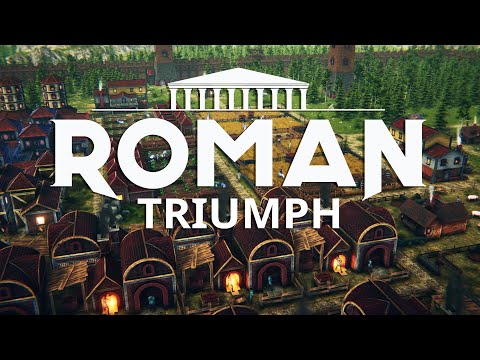
Roman Triumph: Survival City Builder
2025
Related articles
Quick resume
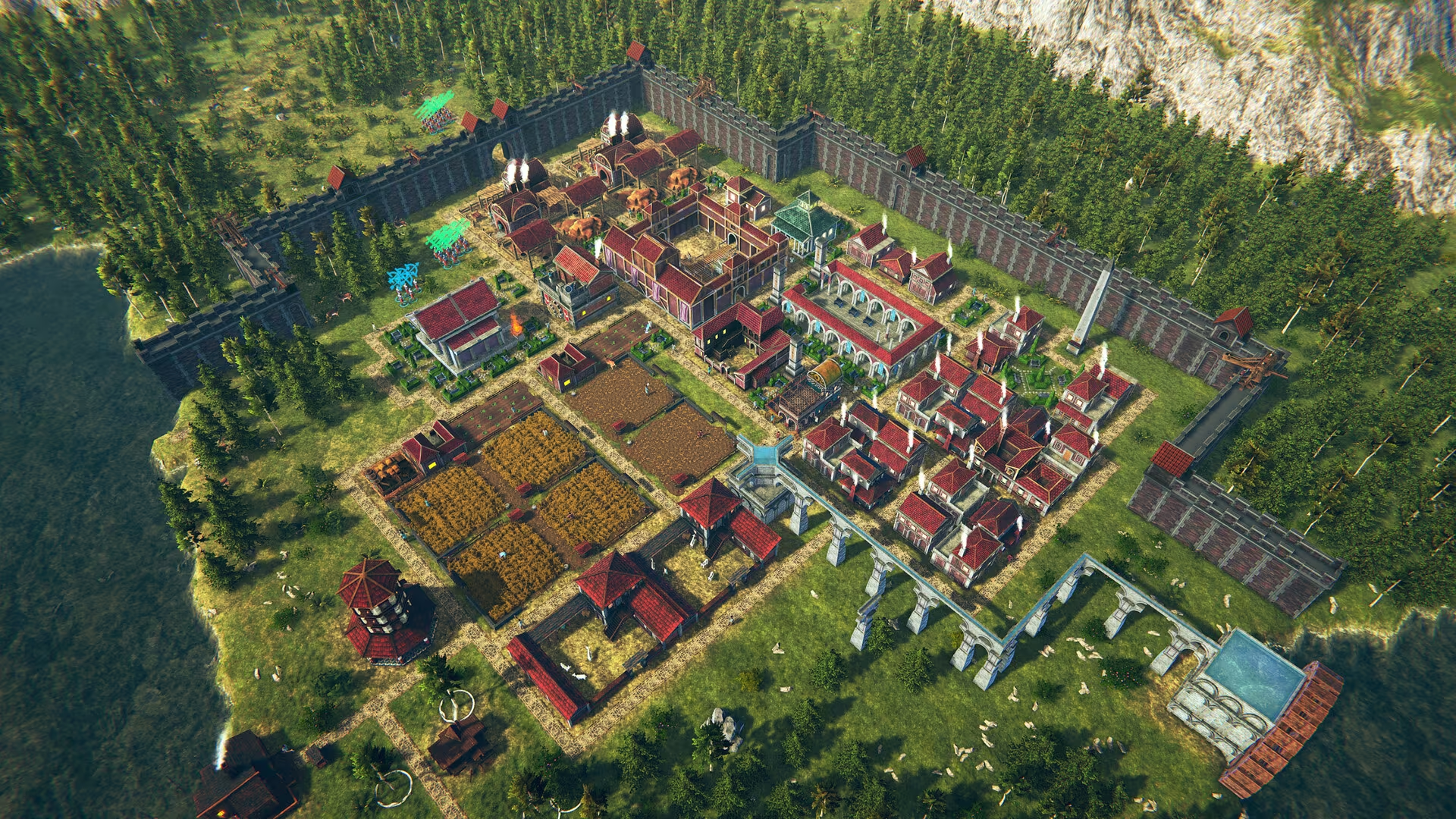
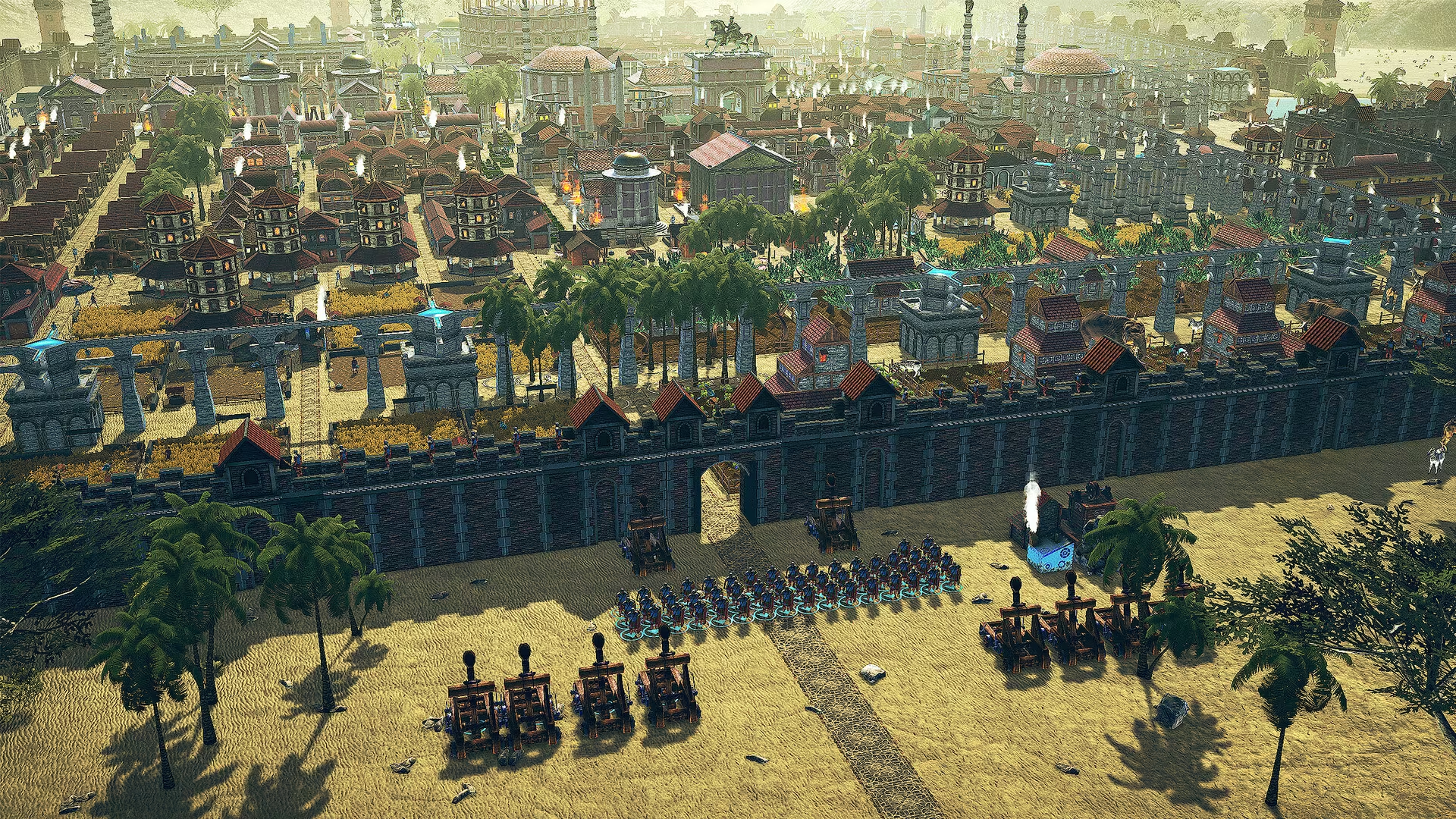
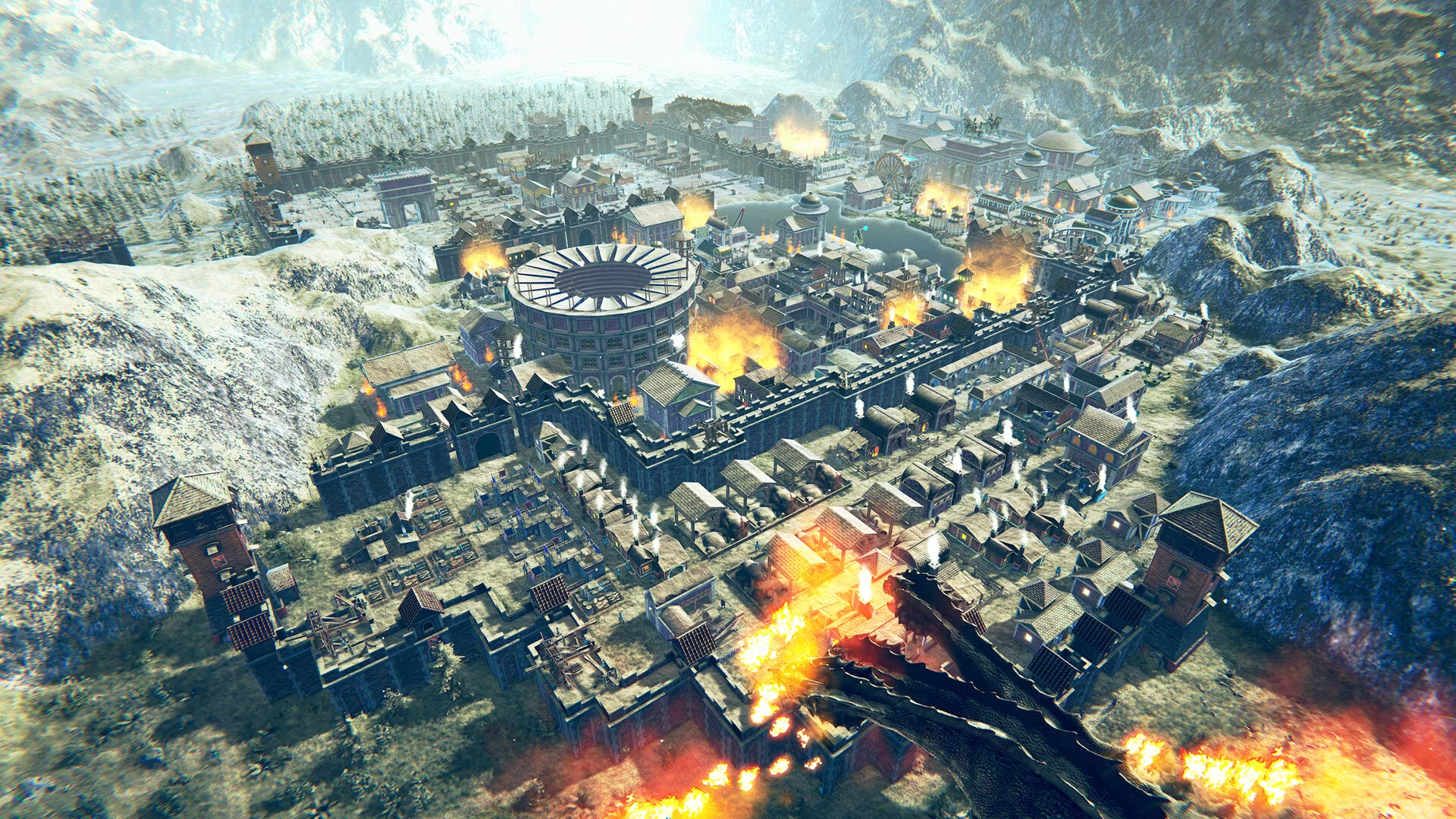
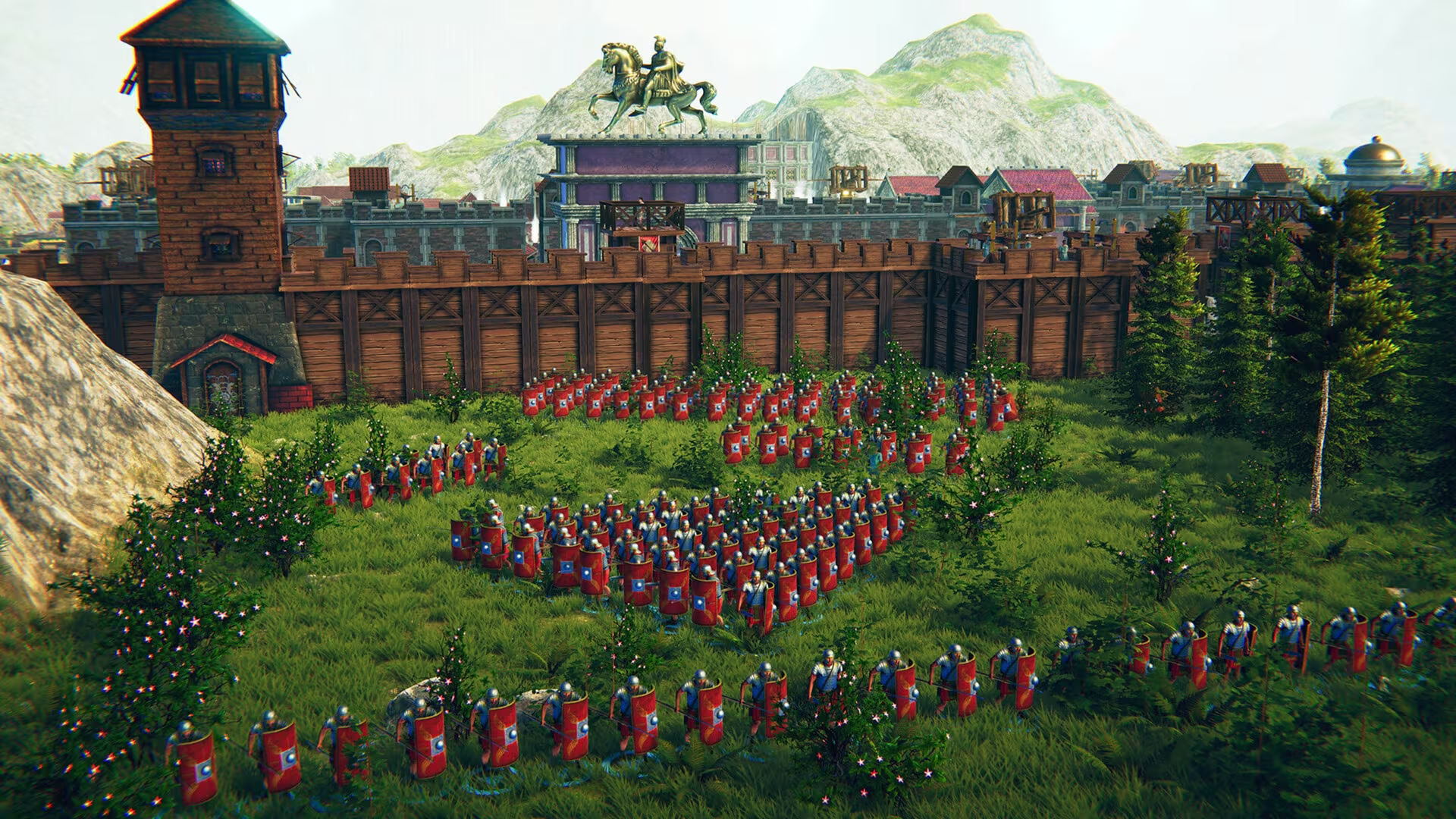
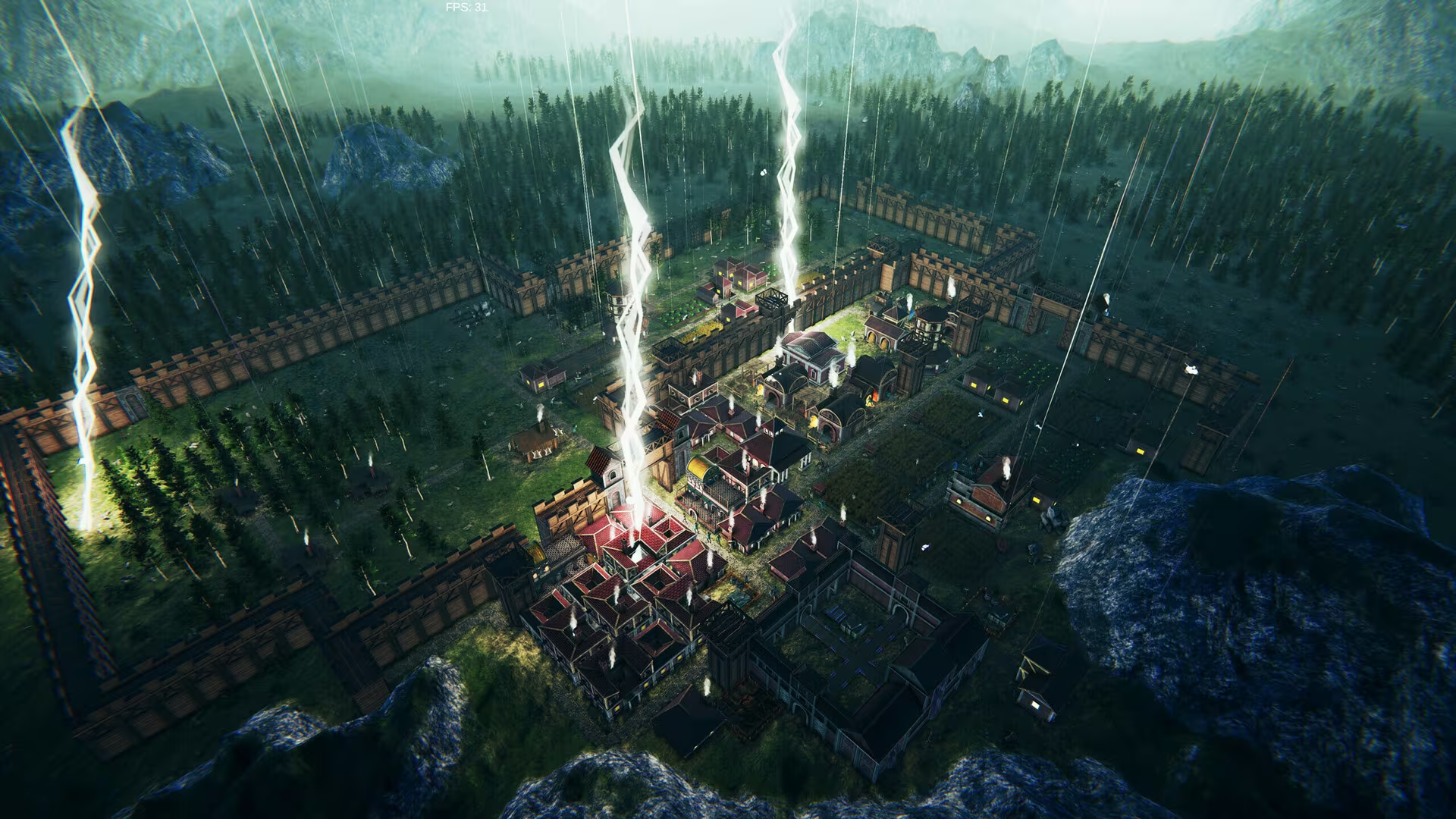
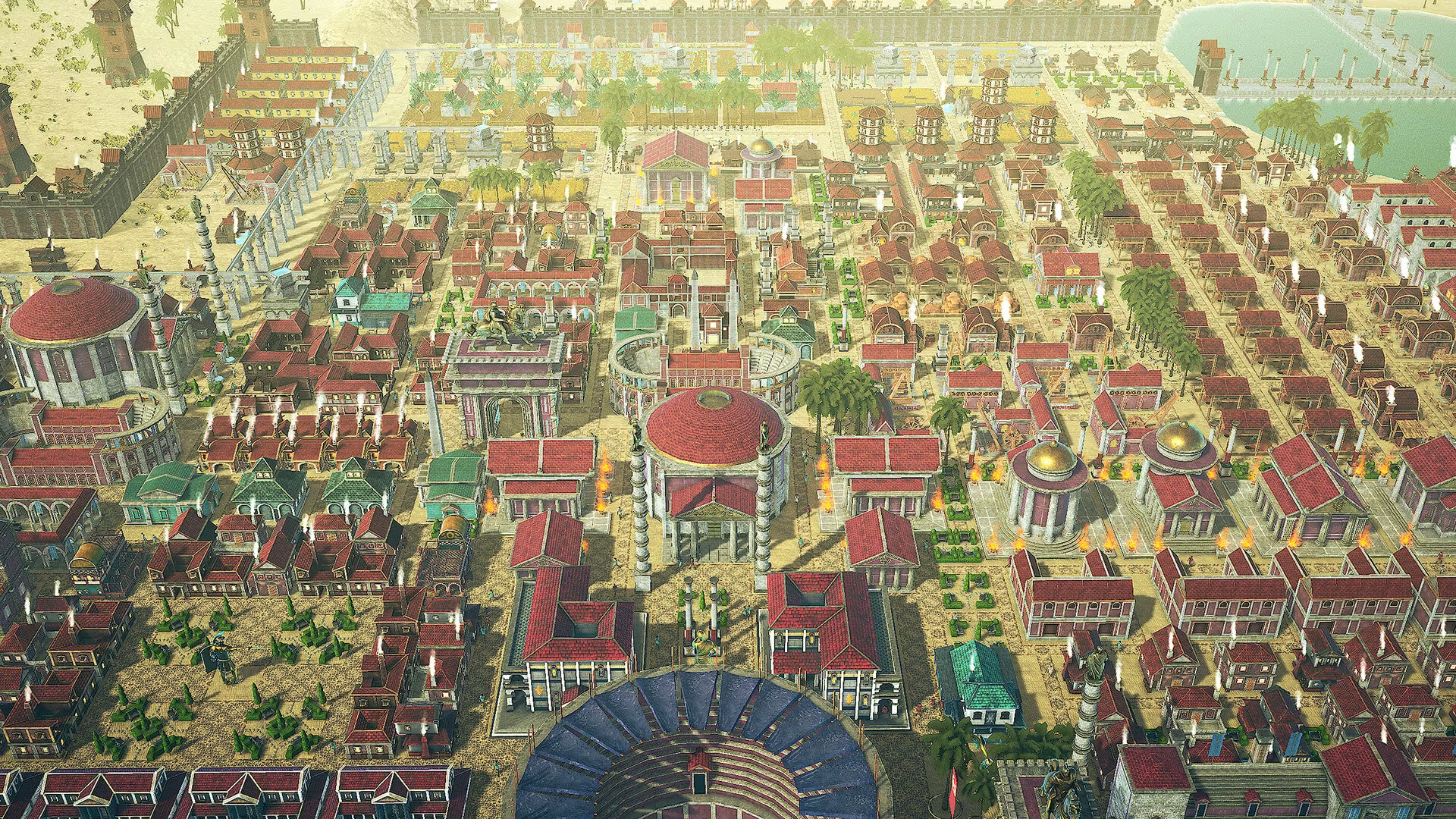
At the northern fringes of the empire, a new Roman city is born! Manage and grow your city, please the gods, and survive against barbarians and mythological threats to achieve Roman Triumph!
Global score
85/100
Genres
Indie, Simulator, Strategy
Similar games
Pros
- Deep and engaging city building and resource management
- Unique blend of roman history and mythology
- Procedurally generated maps for replayability
- Active solo developer with frequent updates
- Well balanced difficulty and pacing
Cons
- Graphics and ui could be improved
- Performance issues with large cities
- Limited combat depth and unit control
- Lack of multiplayer or social features
- Some repetitive gameplay elements in late game
Analysis
A very typical example of its motivational profile. Motivations that often define this kind of title include Leadership, Survival, Violence, Strategy. It leans lower than usual among comparable games on Cooperation, Fellowship, Status.
How to use the graph
Similar games map
Each dot is a game. They are arranged from the same motivation profile as in the “Motivations” section below. Closer dots usually mean more similar reasons to play (exploration, competition, relaxation, etc.)—not that one game is “better” than another.
- Larger dot with a light outline: the game you are viewing.
- Colour: groups of games with comparable motivation patterns (statistical clusters).
- Hover a dot to see the game name; click to open its page.
- Scroll or double-click the chart to zoom out and see more games.
Why don’t the axes read like a score? This view uses t-SNE: it only keeps who is close to whom. The scales are not “good to bad” or hours played—they separate groups on the map. Read distance between dots, not the axis numbers.
Motivations
-
Autonomy4
"Players have freedom to build their city layout, assign worker priorities, and choose difficulty settings including disabling enemies or mythological creatures."
-
Competence4
"Game offers meaningful challenges in resource management, city defense, and balancing multiple systems with feedback on success and failure."
-
Competition-4
"Focus is on individual city building and survival without player-vs-player or leaderboard competition."
-
Continuation4
"Many users report long play sessions, replayability due to procedural maps, and addictive gameplay loops."
-
Cooperation-5
"Single player experience with no multiplayer or cooperative gameplay elements."
-
Creativity3
"Players can design city layouts, manage production chains, and customize defenses, though within a Roman historical framework."
-
Domination-5
"No evidence of exerting control over other players; interactions are with AI enemies only."
-
Escapism4
"Players use the game to immerse in a Roman city building fantasy and escape real life through strategic management and survival."
-
Expectation-4
"Players engage voluntarily out of interest and enjoyment, with no indication of obligation or external pressure."
-
Experimenting3
"Players experiment with different city layouts, resource management strategies, and combat preparations."
-
Exploration2
"Procedurally generated maps offer some novelty, but exploration is limited to city building and defense rather than open world discovery."
-
Expression2
"Some self-expression through city design and building placement, but limited cosmetic customization."
-
Fantasy3
"Includes mythological creatures and gods, blending historical Roman setting with fantasy elements."
-
Fellowship-5
"No social or community gameplay; strictly single player."
-
Growth4
"Players learn and improve city management, resource balancing, and combat tactics over time."
-
Health-5
"Typical sedentary gameplay with no physical activity components."
-
Idle-3
"Requires active management and attention; some users note need for continuous focus especially in larger cities."
-
Intimacy-5
"No evidence of close social relationships or emotional sharing within gameplay."
-
Leadership3
"Players lead their city and army, making strategic decisions and managing resources."
-
Progression4
"Players accumulate resources, unlock buildings and technologies, and grow their city and military power."
-
Relaxation2
"Some players find the pacing relaxing, but survival and combat elements create tension and challenge."
-
Sensation2
"Visuals and sound provide moderate sensory stimulation; some complaints about graphics quality but overall engaging."
-
Status-5
"No social recognition or status systems present."
-
Story2
"Historical Roman theme and mythological elements provide context, but no deep narrative or character interaction."
-
Strategy4
"Strong emphasis on strategic planning in resource management, city layout, and defense against waves of enemies."
-
Thrill3
"Combat and survival waves create suspense and tension, especially when facing mythological creatures."
-
Value4
"Players perceive good value for price with substantial content and replayability despite early access status."
-
Violence2
"Combat involves defending city and fighting enemies including mythological beasts, but not excessively violent or gory."
-
Survival4
"Core gameplay revolves around managing threats, resource scarcity, and defending against attacks to keep city alive."
Last update: 29/04/2026