Just Act Natural Thumbnail

Just Act Natural similar games & best alternatives

Just Act Natural

PC (Microsoft Windows), Mac • 2022

Related articles

Quick resume

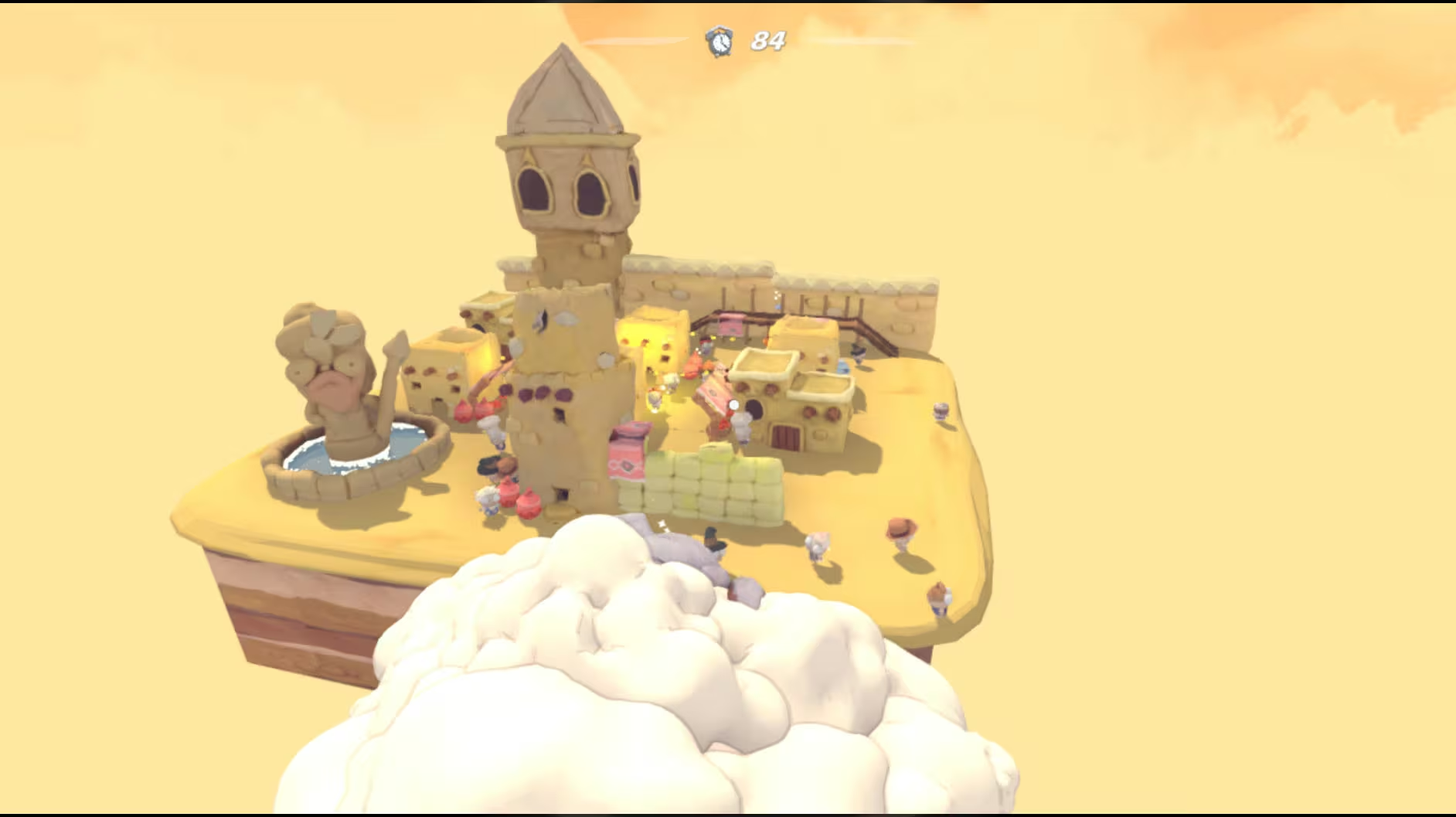
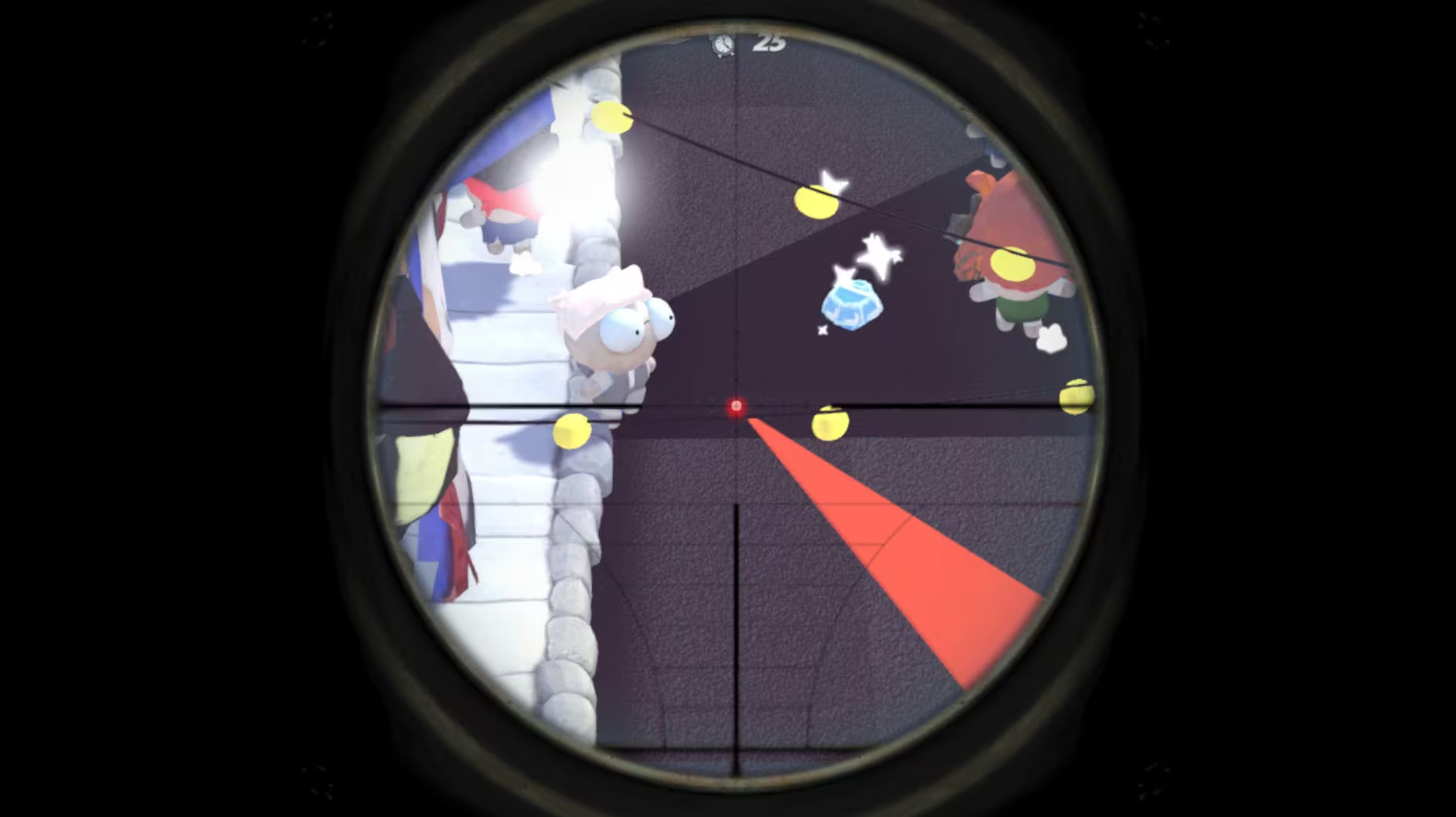
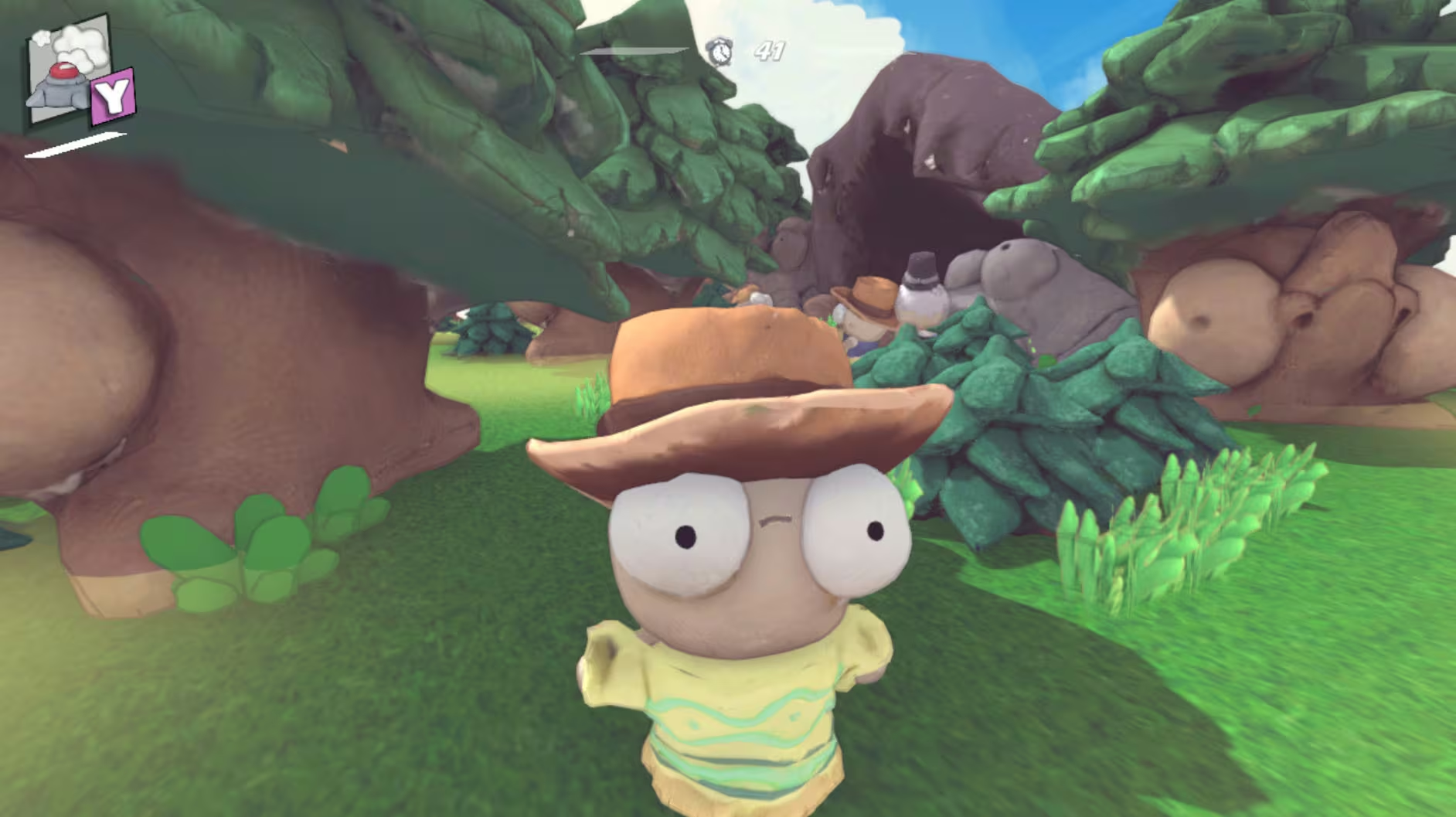
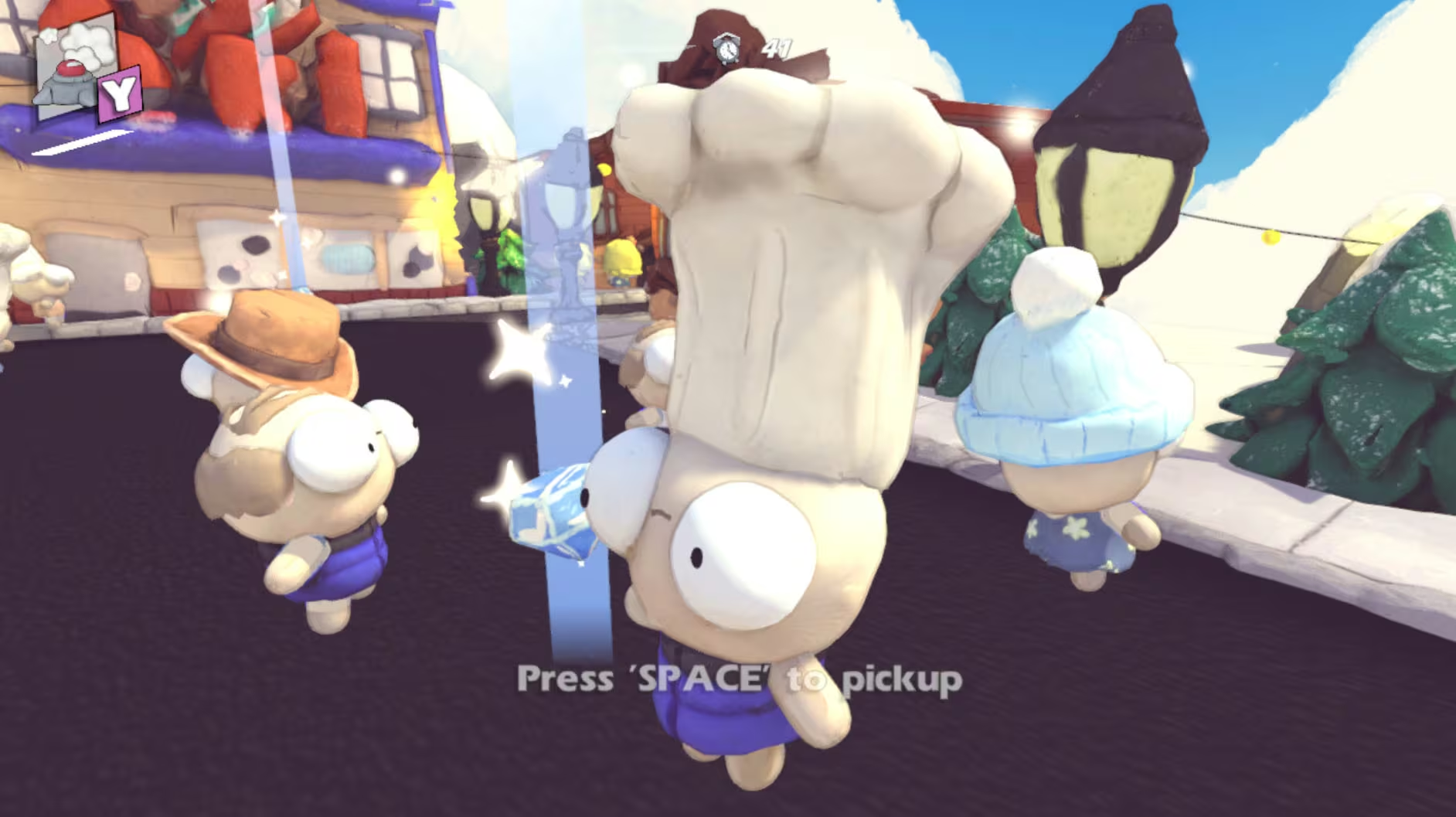
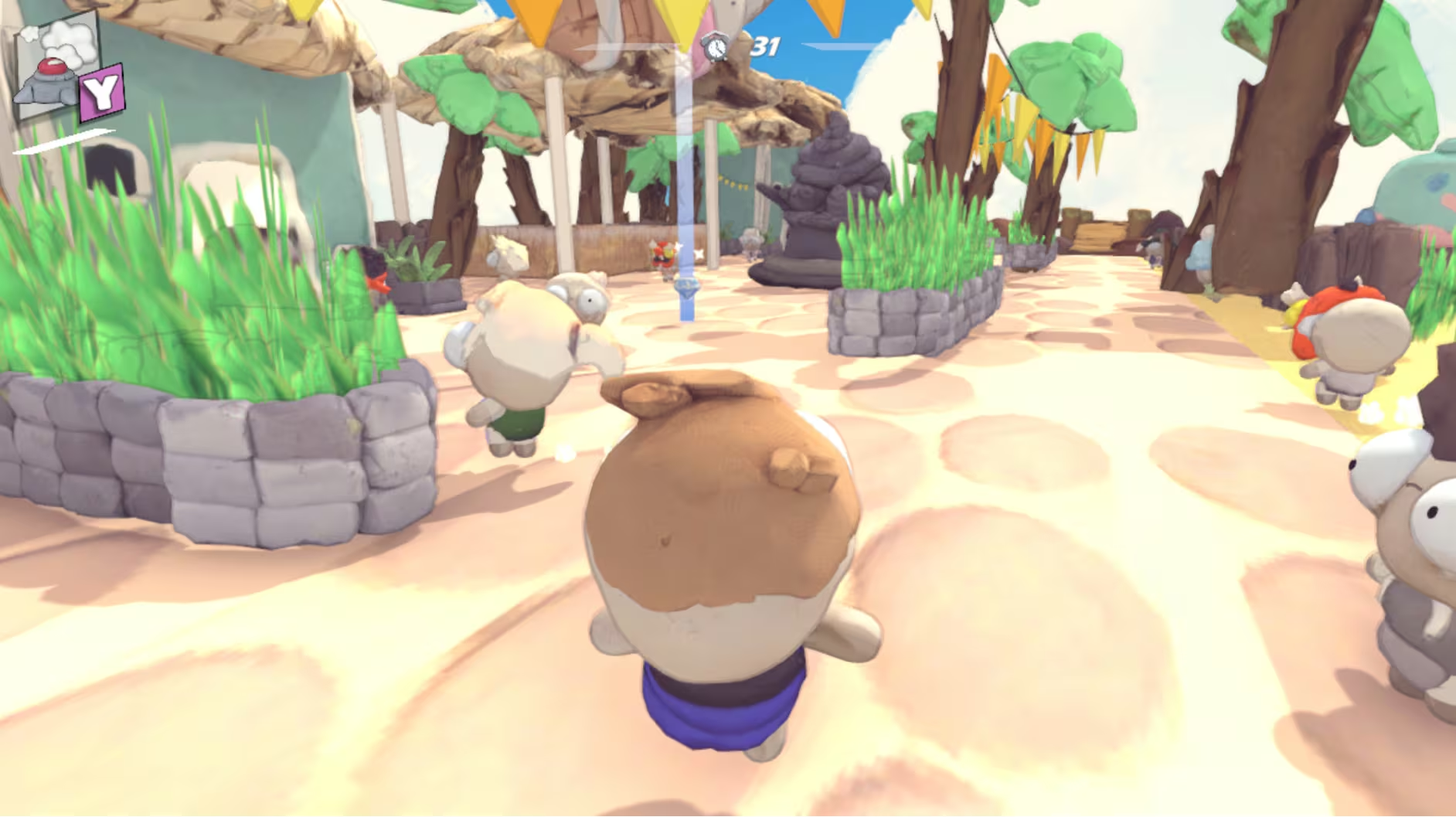
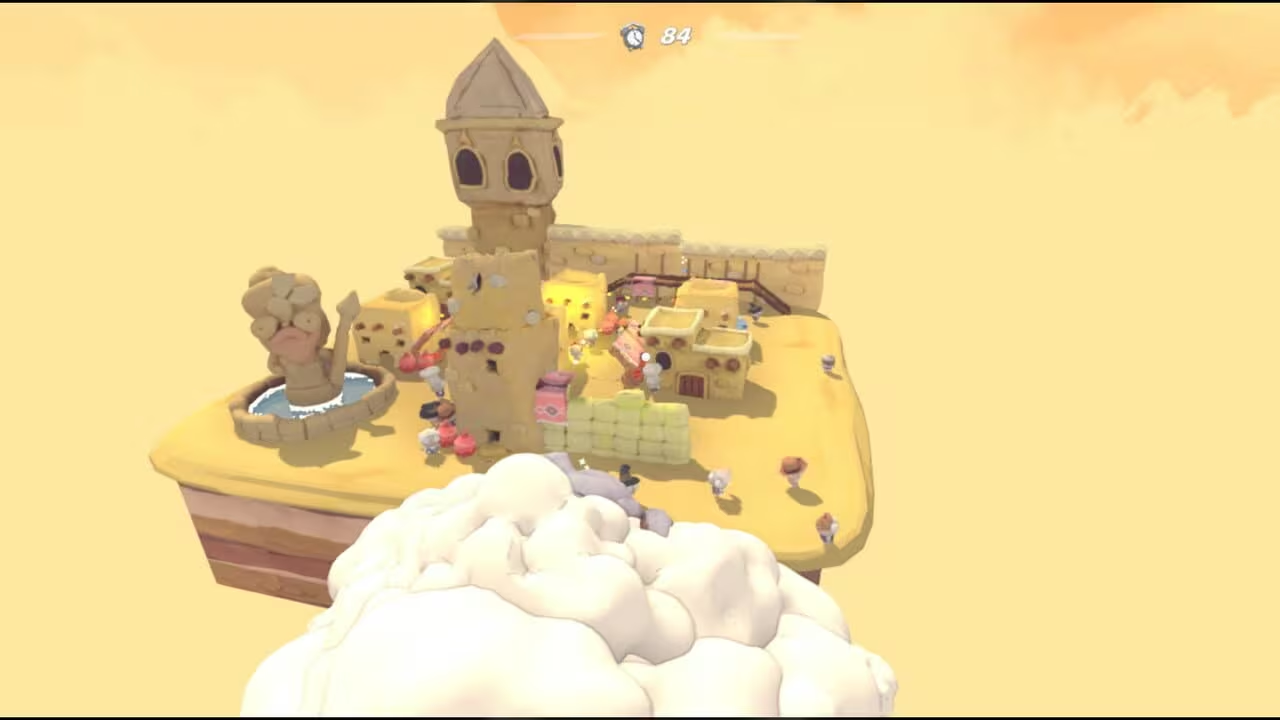
Just Act Natural is a hand-crafted online party game where players must hide among NPC characters to avoid detection from the seeker. Compete against your friends in a variety of game modes over a course of different rounds to be crowned the winner!

Global score

88/100

Genres

Action, Casual, Indie, Free To Play, Arcade, Tactical

Similar games

    Pros

    • Fun and unique claymation art style
    • Engaging social deduction gameplay
    • Free to play with affordable premium
    • Great multiplayer experience with friends
    • Frequent updates and developer support

    Cons

    • Small and unstable player base
    • Limited game modes in free version
    • Some bugs and glitches reported
    • Can become repetitive after extended play
    • Matchmaking and public lobbies can be sparse

    Analysis

    A very typical example of its motivational profile. Motivations that often define this kind of title include Competition, Fellowship, Domination, Status. Here, the score leans higher than usual among comparable games on Intimacy. It leans lower than usual among comparable games on Story, Progression.

    How to use the graph
    Similar games map

    Each dot is a game. They are arranged from the same motivation profile as in the “Motivations” section below. Closer dots usually mean more similar reasons to play (exploration, competition, relaxation, etc.)—not that one game is “better” than another.

    • Larger dot with a light outline: the game you are viewing.
    • Colour: groups of games with comparable motivation patterns (statistical clusters).
    • Hover a dot to see the game name; click to open its page.
    • Scroll or double-click the chart to zoom out and see more games.

    Why don’t the axes read like a score? This view uses t-SNE: it only keeps who is close to whom. The scales are not “good to bad” or hours played—they separate groups on the map. Read distance between dots, not the axis numbers.

    Motivations

    • Autonomy
      4

      "Players have freedom to choose different game modes, strategies, and ways to blend in or act natural, showing control over their actions."

    • Competence
      3

      "Game involves skillful hiding, deception, and observation; players report learning curve and skill development."

    • Competition
      4

      "Competitive multiplayer with scoring, leaderboards, and player vs player modes encourage comparison and rivalry."

    • Continuation
      2

      "Players enjoy repeated sessions with friends but some mention limited modes and eventual boredom."

    • Cooperation
      3

      "Game modes encourage working with friends in teams or groups to achieve objectives and outsmart opponents."

    • Creativity
      2

      "Customization options and different play styles allow some creativity, though within preset game modes."

    • Domination
      2

      "Some players enjoy exerting power over others by hunting or outsmarting them, but interactions remain mostly balanced and playful."

    • Escapism
      4

      "Players use the game as a fun distraction and stress relief, escaping real-life problems through social play."

    • Expectation
      -4

      "Players engage voluntarily for fun and social reasons, not out of obligation or pressure."

    • Experimenting
      3

      "Players try different game modes, strategies, and ways to blend in or deceive, showing exploration of mechanics."

    • Exploration
      1

      "Some discovery of maps and game mode nuances, but mostly familiar environments and repeated play."

    • Expression
      3

      "Customization of avatars and cosmetic items allows personal expression within the game."

    • Fantasy
      1

      "Game has a playful, imaginative claymation style but gameplay is grounded in social deduction and realistic player behavior."

    • Fellowship
      4

      "Strong emphasis on playing with friends and community; social interaction is a core part of the experience."

    • Growth
      3

      "Players develop skills in deception, observation, and strategy over time."

    • Health
      -5

      "Sedentary gameplay with no physical activity involved."

    • Idle
      -3

      "Requires active attention and engagement during matches; not suited for passive or background play."

    • Intimacy
      2

      "Social play with friends fosters some emotional connection and shared experiences."

    • Leadership
      1

      "Some players take lead roles in coordinating or strategizing, but mostly balanced multiplayer roles."

    • Progression
      2

      "Players accumulate cosmetics, experience points, and unlock game modes, showing some progression."

    • Relaxation
      2

      "Game provides casual fun and stress relief, though some modes can be tense or competitive."

    • Sensation
      2

      "Visual charm and humorous animations provide sensory enjoyment, though not intense stimulation."

    • Status
      2

      "Leaderboards and scoring provide recognition within the community."

    • Story
      -5

      "No narrative or story elements; gameplay is context-free and focused on social deduction."

    • Strategy
      4

      "Requires mental challenge, planning, deception, and problem solving to succeed."

    • Thrill
      3

      "Tension and suspense arise from being hunted or trying to identify others, creating excitement."

    • Value
      4

      "Free to play with optional premium; players feel good value for time and money spent."

    • Violence
      3

      "Includes combat elements like shooting and elimination, though in a playful, non-gratuitous style."

    • Survival
      3

      "Players try to avoid detection and elimination, managing risk and threats."

    Last update: 29/04/2026