La-Mulana 2 Thumbnail

La-Mulana 2 similar games & best alternatives

La-Mulana 2

PC (Microsoft Windows), Mac, Xbox One, PlayStation 4, Nintendo Switch • 2018

Related articles

Quick resume

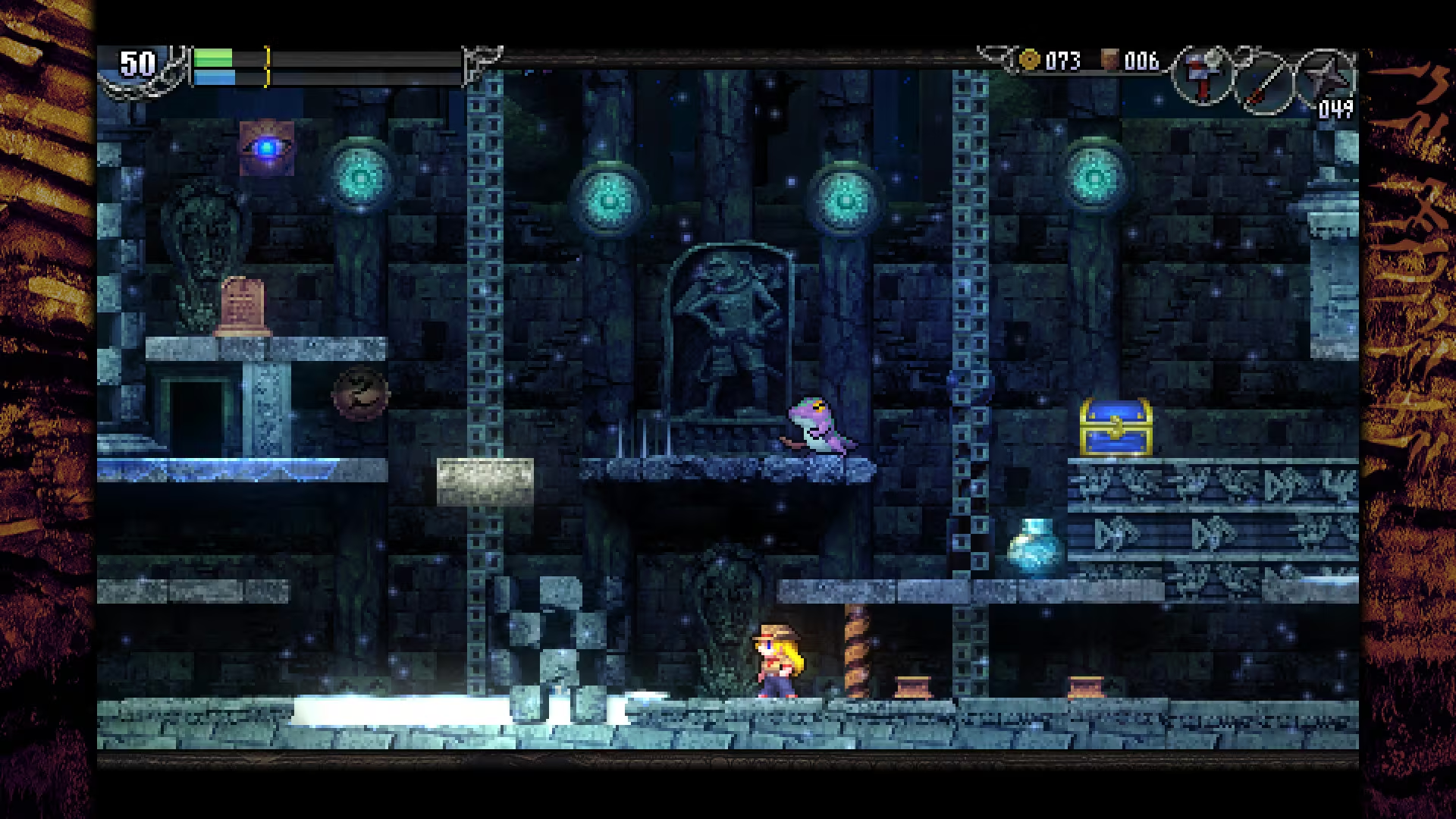
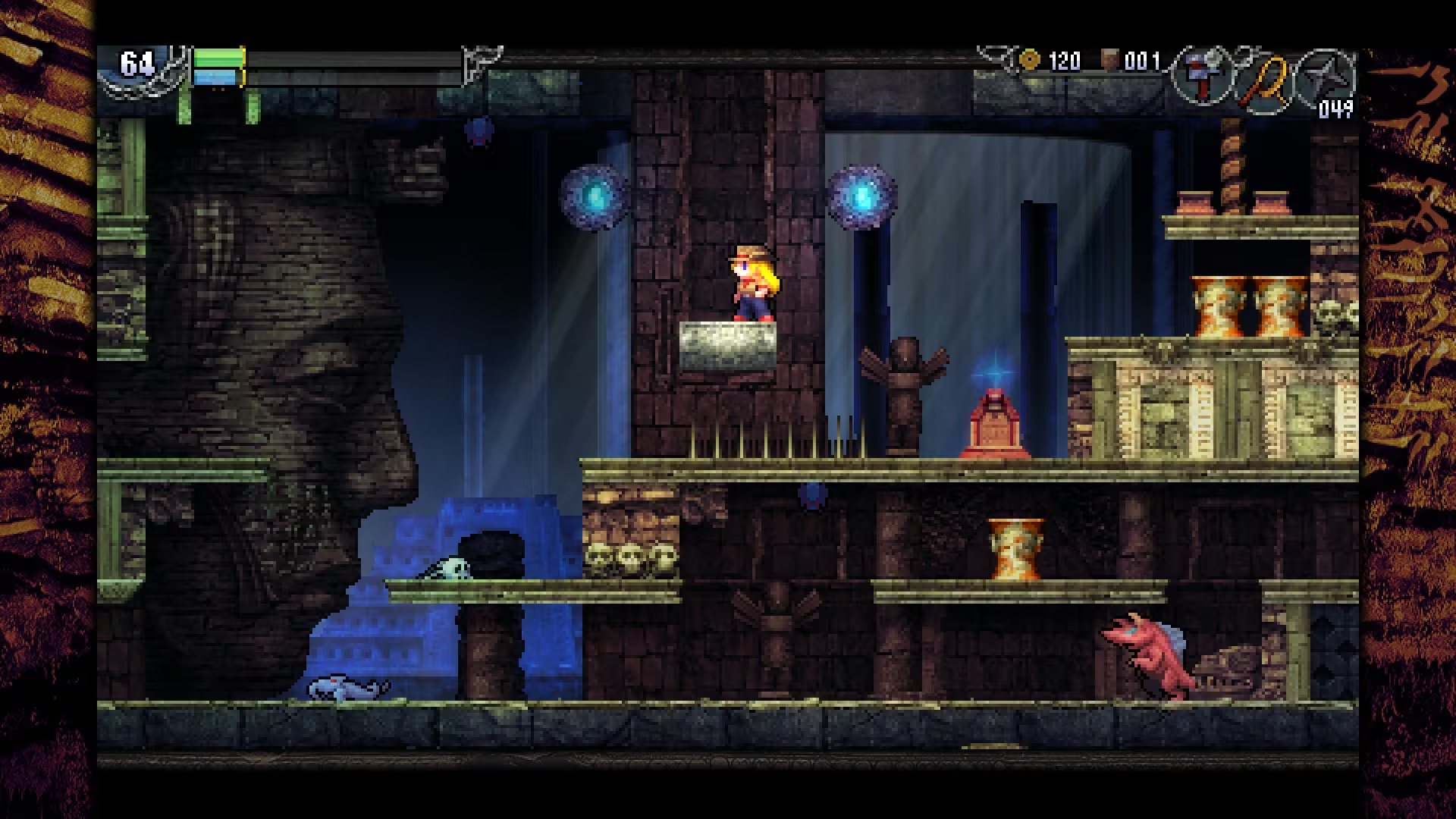
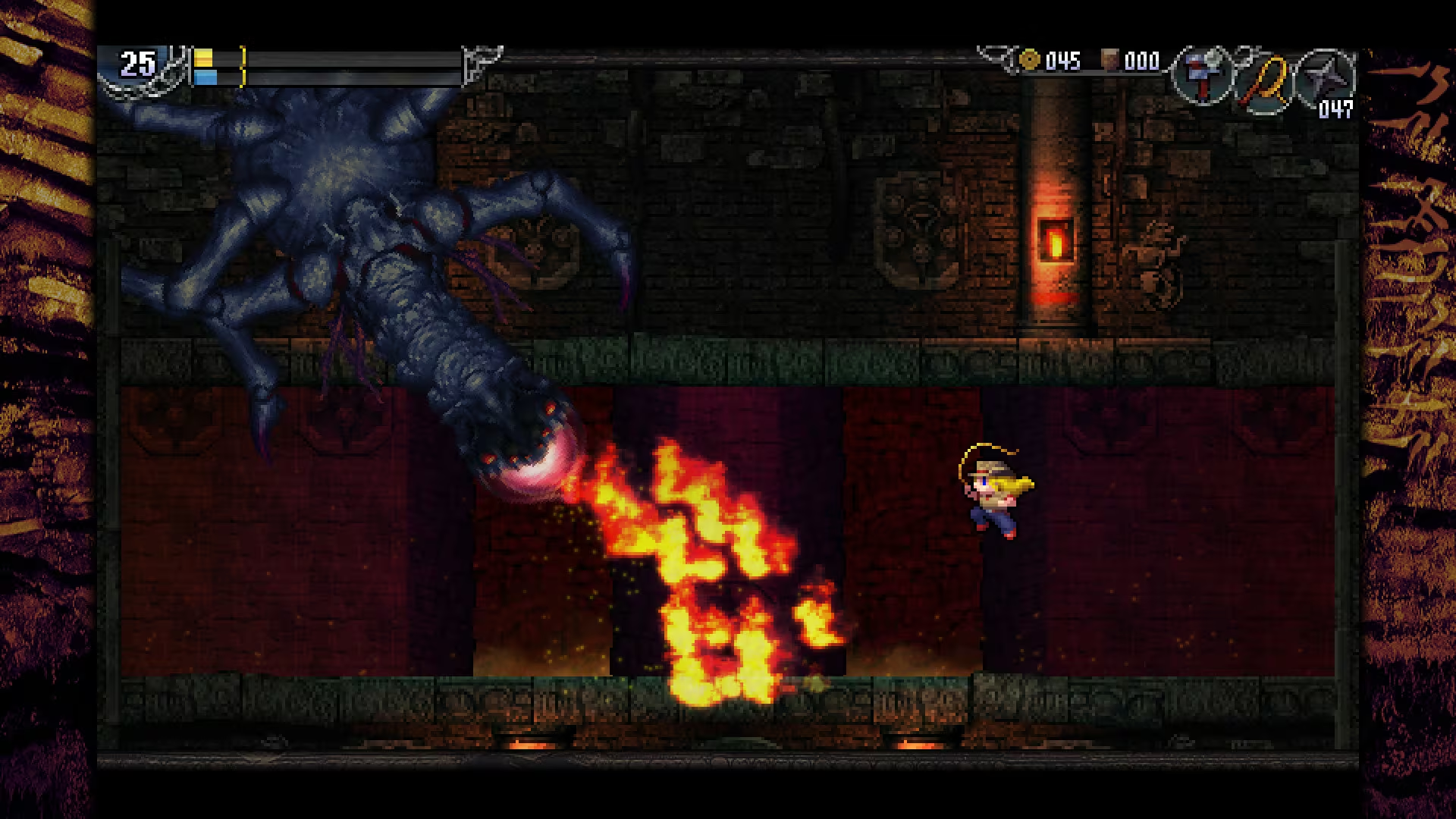
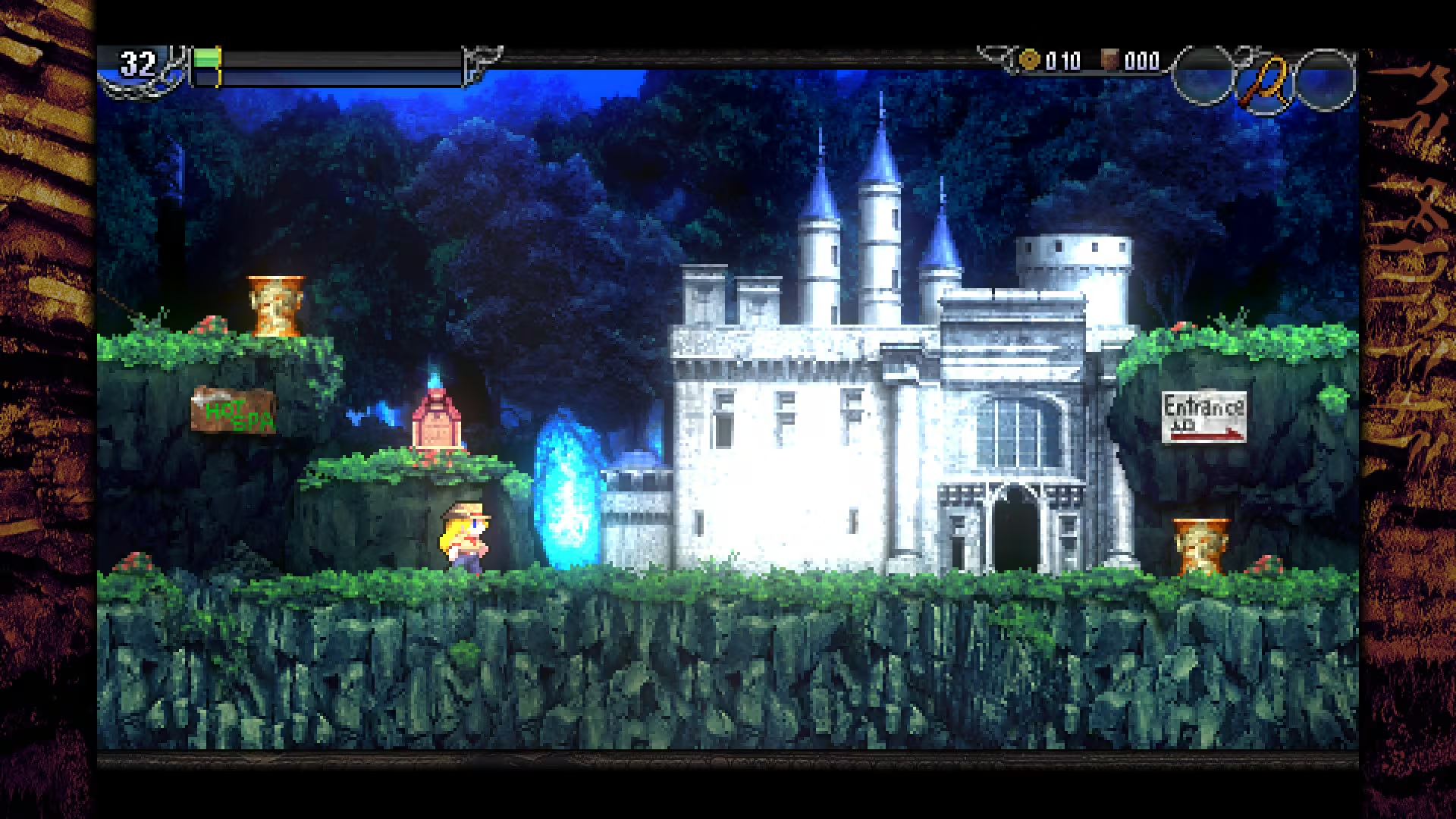
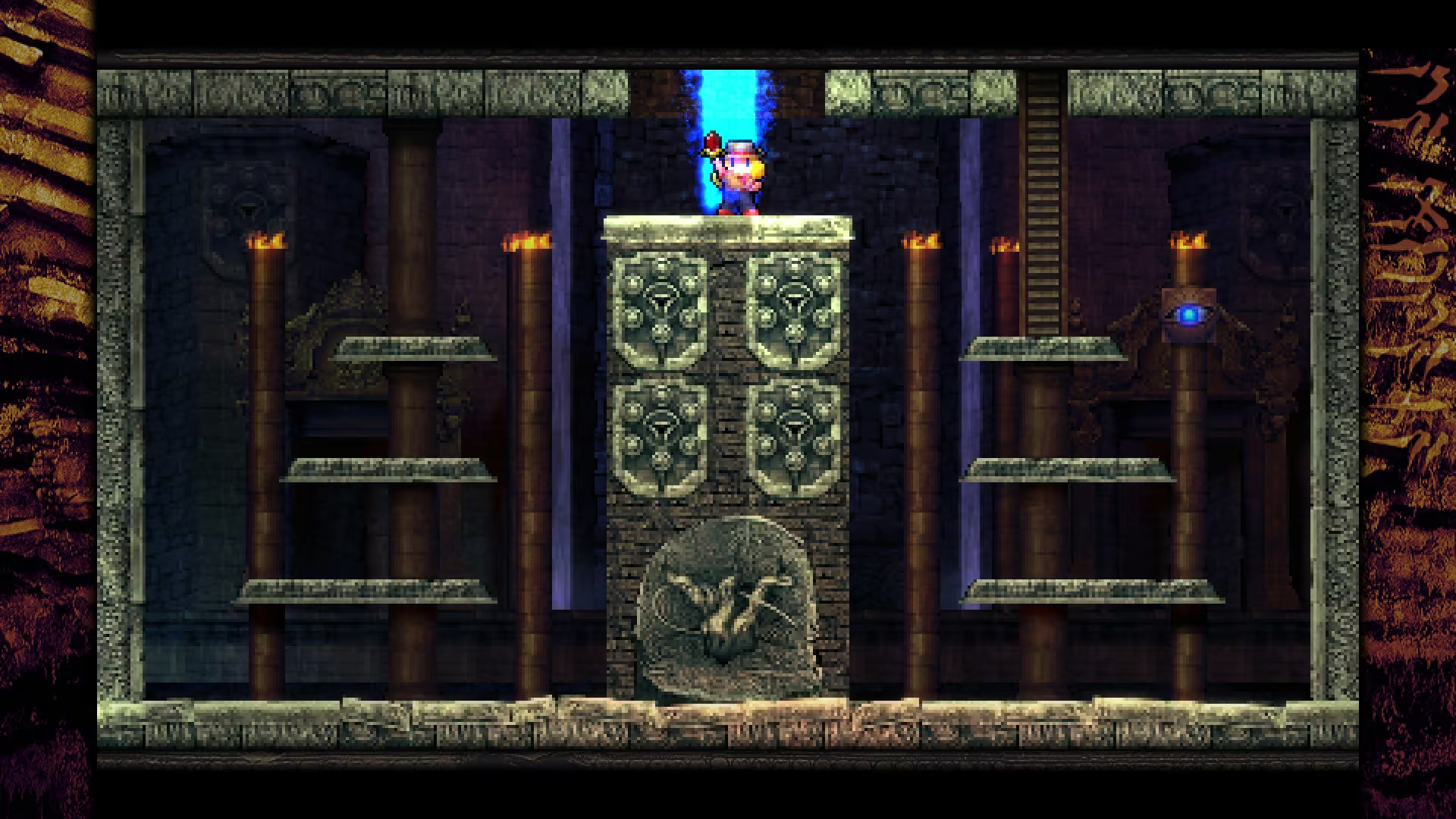
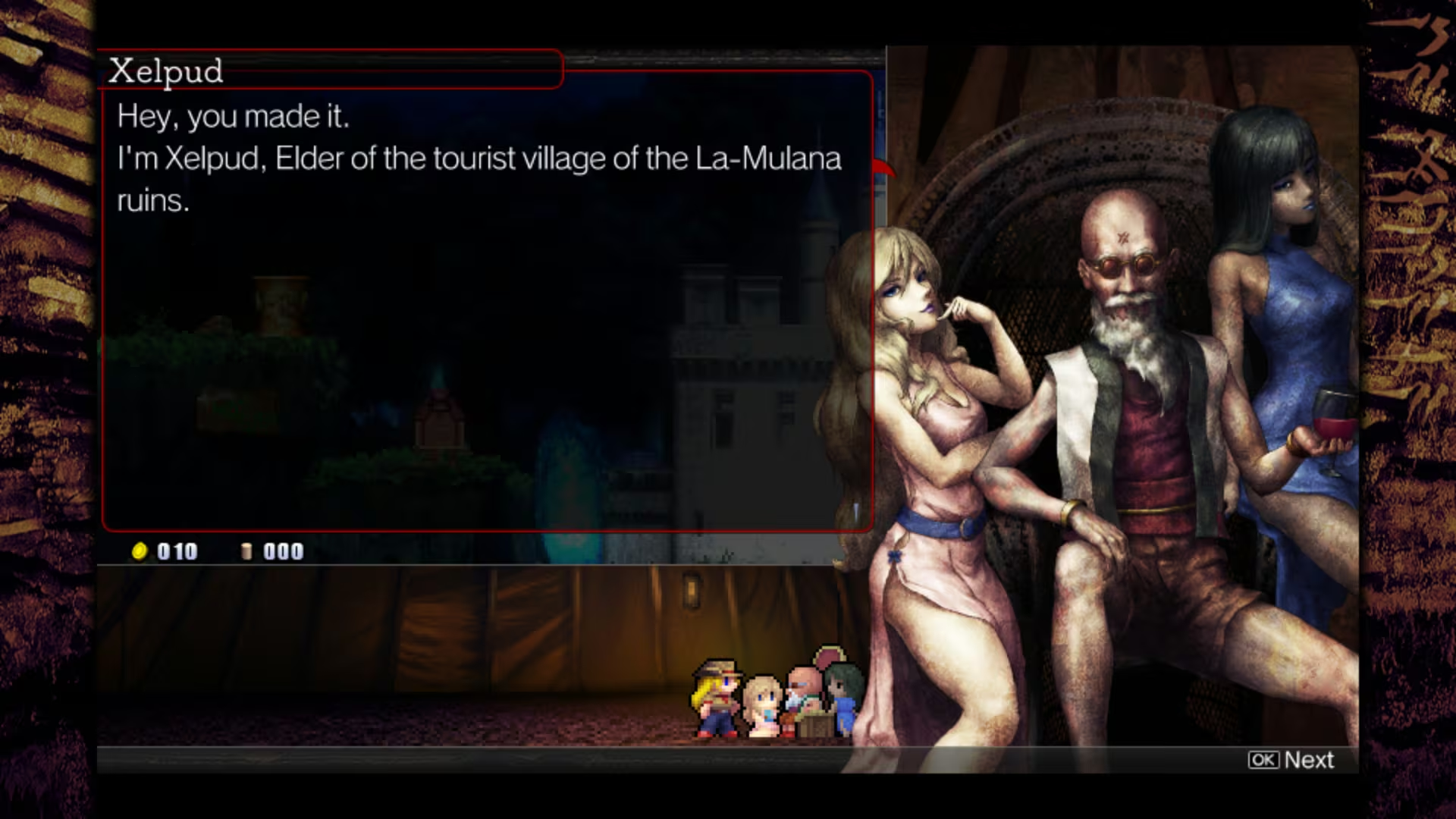
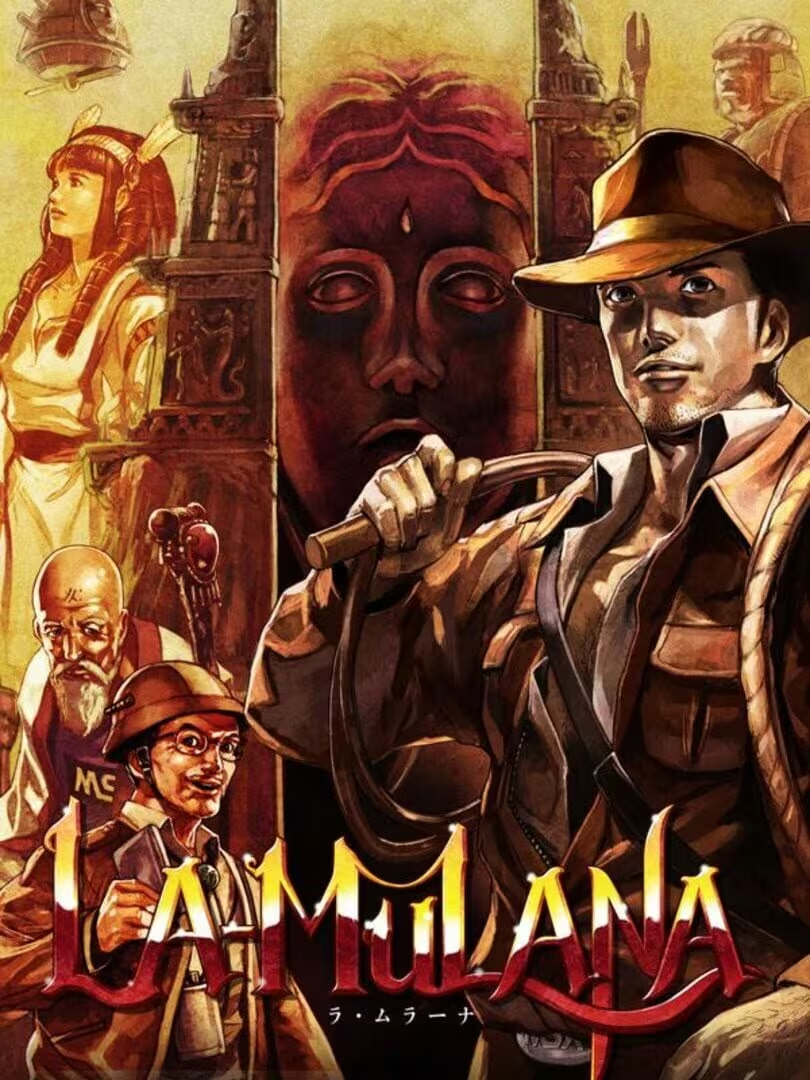
The long-awaited sequel to La-Mulana, La-Mulana 2 follows Lumisa Kosugi as she explores the ancient ruins of La-Mulana. Desperate to find the cause of the recent slew of monsters appearing from the ruins, Lumisa discovers the "other" La-Mulana: the ruins known as Eg-Lana.

Global score

85/100

Genres

Action, Adventure, Indie, Platform, Puzzle

Similar games

    Pros

    • Deep and rewarding puzzles
    • Nonlinear exploration
    • Challenging platforming and combat
    • Rich lore and atmosphere
    • Long playtime with replayability

    Cons

    • Steep difficulty curve
    • Some obtuse puzzles requiring note-taking
    • Occasional bugs and softlocks
    • Lack of quality-of-life features for note management
    • Some uneven boss design

    Analysis

    Broadly representative of its motivational profile, with a few distinct shifts. Motivations that often define this kind of title include Relaxation, Survival, Violence, Fellowship. Here, the score leans higher than usual among comparable games on Exploration, Story. It leans lower than usual among comparable games on Expression.

    How to use the graph
    Similar games map

    Each dot is a game. They are arranged from the same motivation profile as in the “Motivations” section below. Closer dots usually mean more similar reasons to play (exploration, competition, relaxation, etc.)—not that one game is “better” than another.

    • Larger dot with a light outline: the game you are viewing.
    • Colour: groups of games with comparable motivation patterns (statistical clusters).
    • Hover a dot to see the game name; click to open its page.
    • Scroll or double-click the chart to zoom out and see more games.

    Why don’t the axes read like a score? This view uses t-SNE: it only keeps who is close to whom. The scales are not “good to bad” or hours played—they separate groups on the map. Read distance between dots, not the axis numbers.

    Motivations

    • Autonomy
      4

      "Players have freedom to explore the ruins in nonlinear ways and solve puzzles with minimal handholding."

    • Competence
      5

      "High skill ceiling with challenging platforming, combat, and complex puzzles requiring note-taking and logical reasoning."

    • Competition
      -4

      "Focus is on personal puzzle solving and exploration rather than competing against others."

    • Continuation
      5

      "Players report long playtimes, repeated returns after breaks, and strong attachment to the game."

    • Cooperation
      -5

      "Single-player experience focused on individual puzzle solving and exploration."

    • Creativity
      4

      "Players create their own notes, maps, and strategies to solve puzzles; game encourages creative problem solving."

    • Domination
      -5

      "No evidence of exerting control or superiority over others; cooperative or social dominance not present."

    • Escapism
      4

      "Players immerse themselves in a mysterious ruin exploration and puzzle-solving experience, escaping real life."

    • Expectation
      -4

      "Players engage voluntarily out of intrinsic interest and curiosity, despite difficulty and frustration."

    • Experimenting
      4

      "Game encourages trying new puzzle solutions, exploring different areas, and testing mechanics."

    • Exploration
      5

      "Strong emphasis on discovering new areas, secrets, and piecing together clues across a large interconnected world."

    • Expression
      -3

      "Limited character customization; focus is on gameplay and puzzle solving rather than avatar personalization."

    • Fantasy
      4

      "Game features mythological themes, ancient ruins, and fantastical elements."

    • Fellowship
      -4

      "Minimal social interaction; primarily a solitary experience."

    • Growth
      5

      "Players develop skills in puzzle solving, note-taking, and platforming through challenging gameplay."

    • Health
      -4

      "Sedentary gameplay with no physical activity; some frustration reported but no rehab or exercise elements."

    • Idle
      -4

      "Requires constant attention and focus due to difficulty and puzzle complexity."

    • Intimacy
      -5

      "No evidence of close social relationships or emotional sharing; solitary play."

    • Leadership
      -5

      "No leadership or group management roles; single-player experience."

    • Progression
      4

      "Players collect items, weapons, and upgrades to progress through puzzles and areas."

    • Relaxation
      -4

      "Game induces frustration and tension due to difficulty and trial-and-error gameplay."

    • Sensation
      3

      "Enjoyable pixel art, music, and atmospheric design provide sensory stimulation."

    • Status
      -4

      "Achievements and progress are personal; no social recognition or leaderboards."

    • Story
      4

      "Narrative immersion through lore, NPCs, and interconnected mythologies."

    • Strategy
      5

      "Heavy emphasis on mental challenge, logical reasoning, and planning to solve puzzles."

    • Thrill
      3

      "Suspense from traps, boss fights, and puzzle solving creates tension and excitement."

    • Value
      4

      "Players report high value for time invested due to extensive content and replayability."

    • Violence
      2

      "Combat and boss fights involve defeating enemies, but violence is not gratuitous or central."

    • Survival
      3

      "Players must avoid death traps and manage health to survive challenging environments."

    Last update: 29/04/2026