Magic Research Thumbnail

Magic Research similar games & best alternatives

Magic Research

PC (Microsoft Windows), iOS, Android • 2023

Related articles

Quick resume

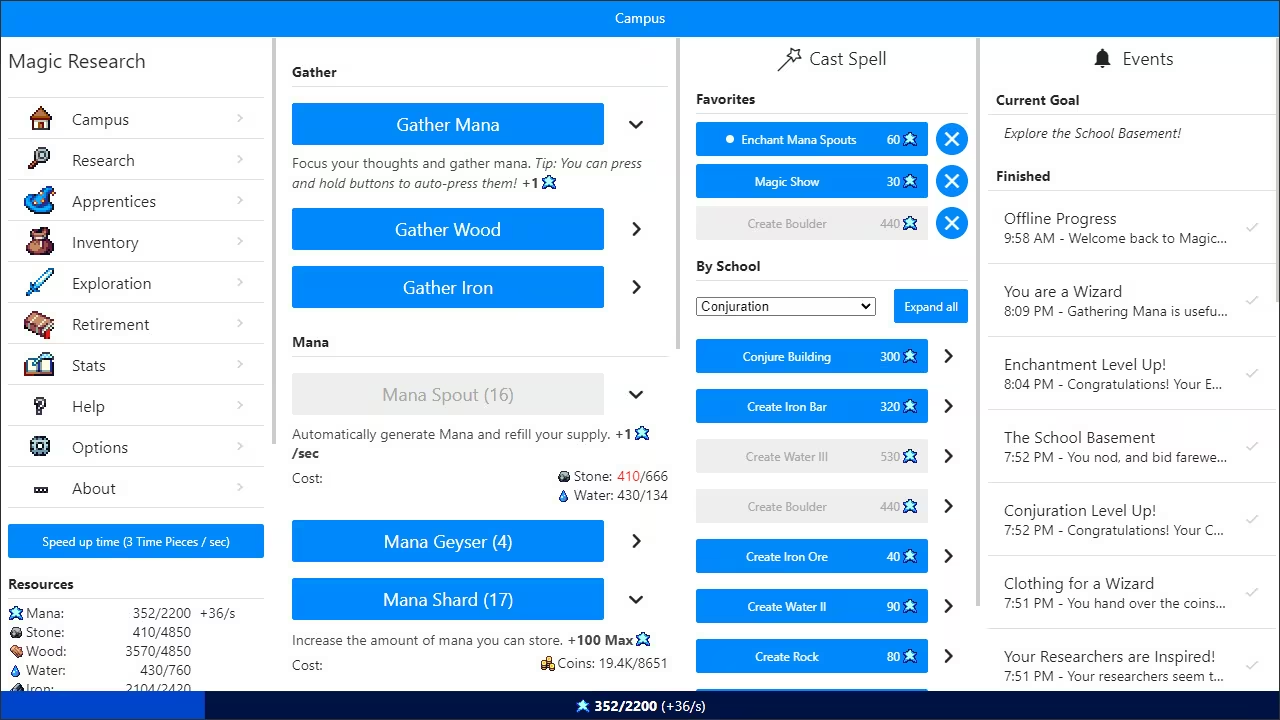
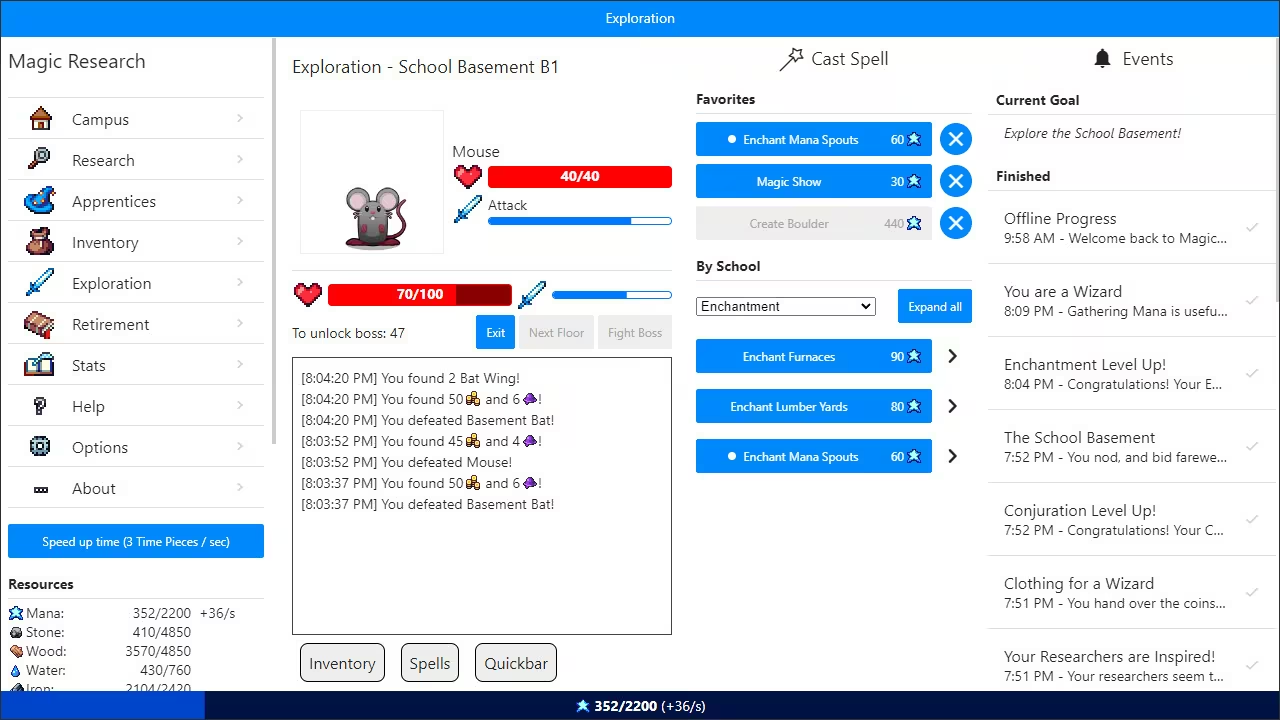
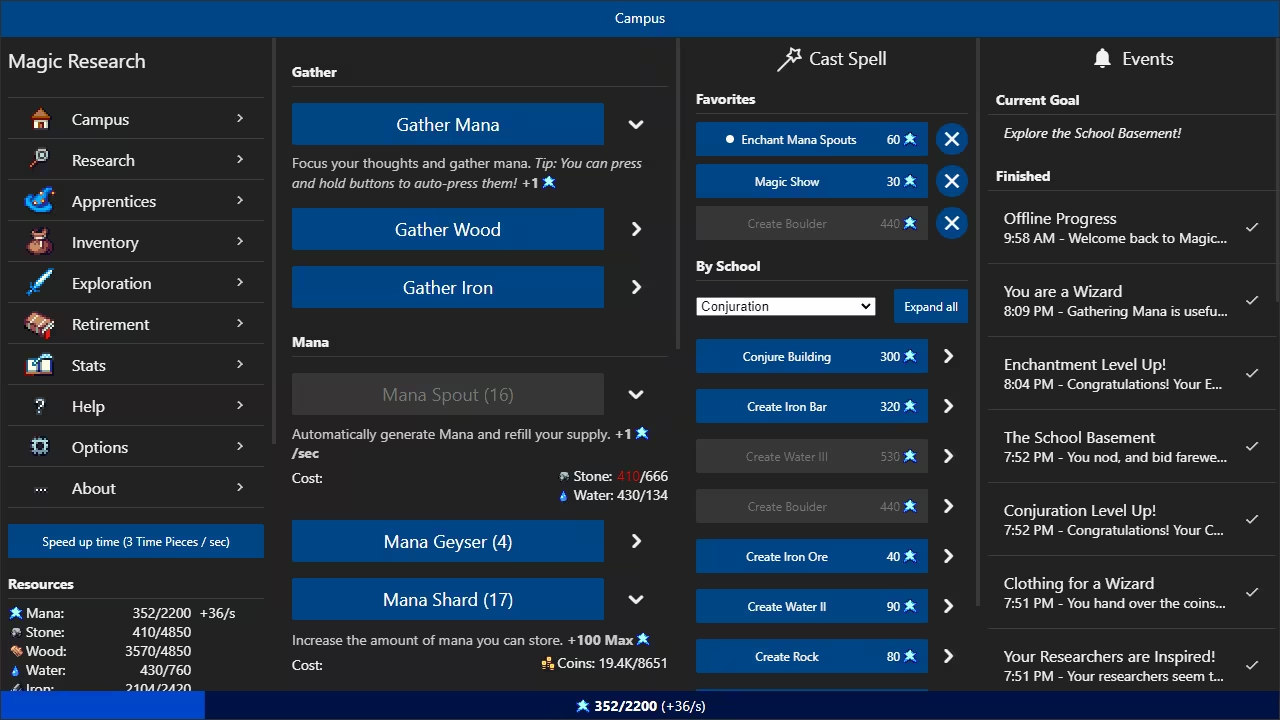
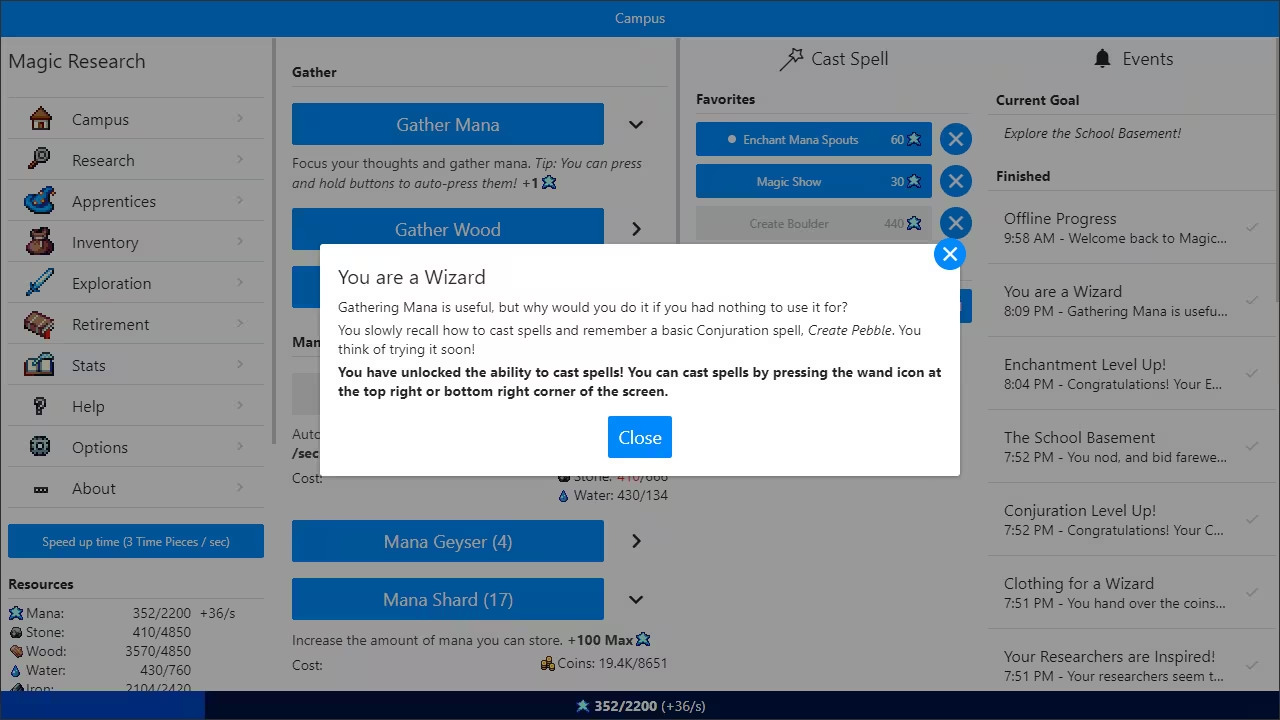
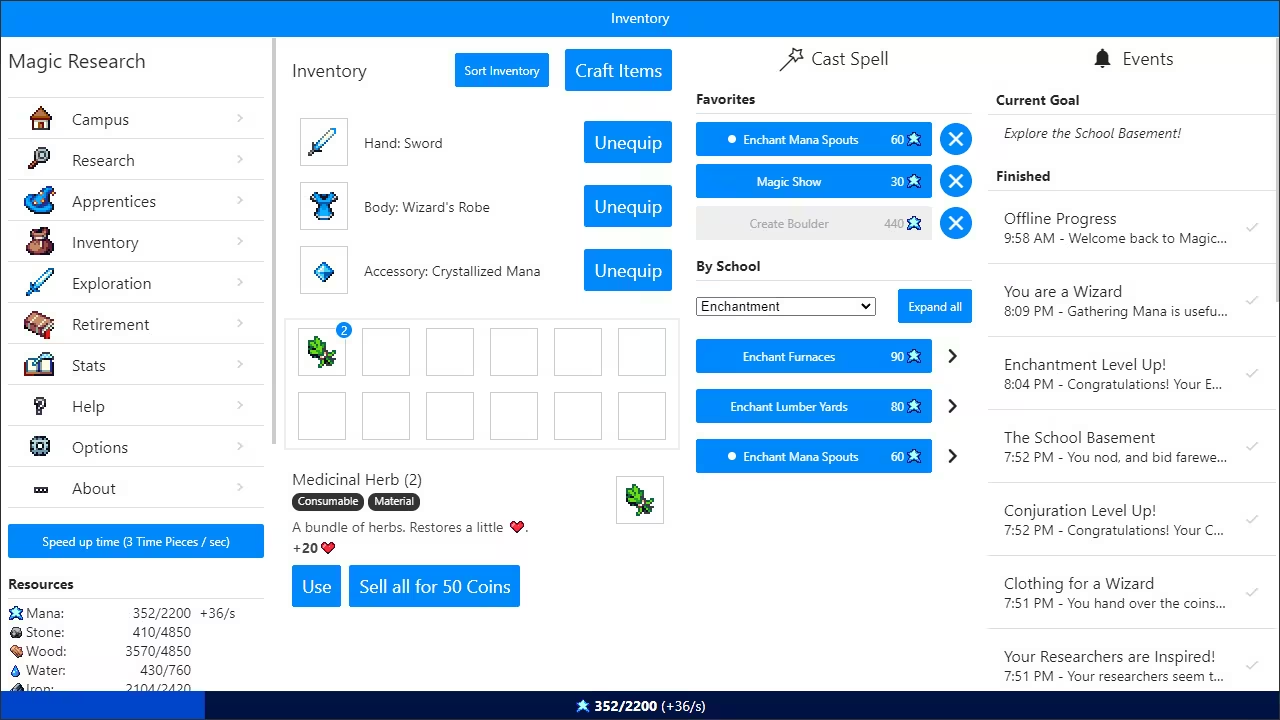
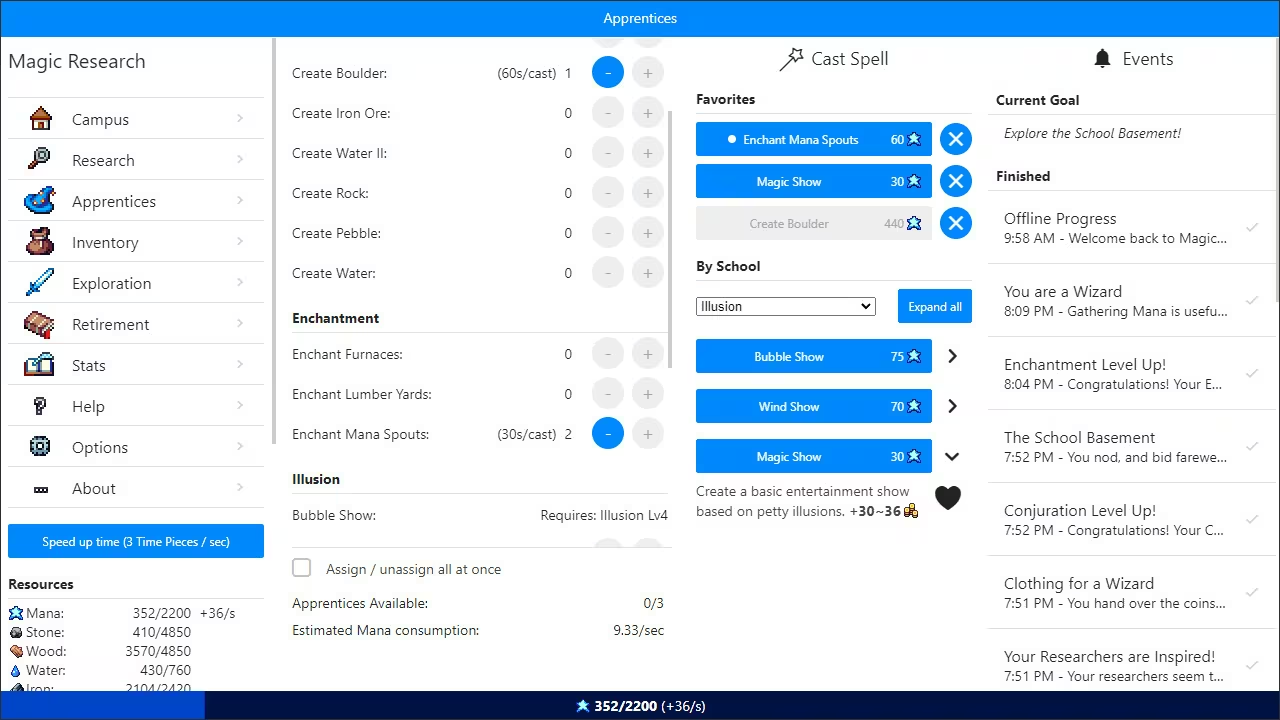
Magic Research is a text-based incremental game about Magic. You are the headmaster of a newly-created institution of Magic. Will you be able to lead your school to win the prestigious Tournament of Magic?

Global score

91/100

Genres

Adventure, Casual, Simulator

Similar games

    Pros

    • Deep and strategic incremental gameplay
    • Engaging storylines and progression
    • No microtransactions
    • Well-balanced challenge and pacing
    • Responsive and caring developer

    Cons

    • Ui and quality of life could be improved
    • Early game slow pacing
    • Some grind and micromanagement required
    • Minimal graphics and sound
    • Occasional opaque mechanics and progression gates

    Analysis

    Less representative of its motivational profile, with noticeable differences. Motivations that often define this kind of title include Fellowship, Cooperation, Leadership, Violence. Here, the score leans higher than usual among comparable games on Cooperation, Fellowship. It leans lower than usual among comparable games on Sensation.

    How to use the graph
    Similar games map

    Each dot is a game. They are arranged from the same motivation profile as in the “Motivations” section below. Closer dots usually mean more similar reasons to play (exploration, competition, relaxation, etc.)—not that one game is “better” than another.

    • Larger dot with a light outline: the game you are viewing.
    • Colour: groups of games with comparable motivation patterns (statistical clusters).
    • Hover a dot to see the game name; click to open its page.
    • Scroll or double-click the chart to zoom out and see more games.

    Why don’t the axes read like a score? This view uses t-SNE: it only keeps who is close to whom. The scales are not “good to bad” or hours played—they separate groups on the map. Read distance between dots, not the axis numbers.

    Motivations

    • Autonomy
      4

      "Players have significant control over their actions, including choosing spells, managing apprentices, and deciding when to retire and reset progress."

    • Competence
      4

      "The game involves overcoming challenging bosses, strategic resource management, and skillful combat requiring player input and decision-making."

    • Competition
      -3

      "Focus is primarily on personal progression and self-set goals; multiplayer and competitive elements exist but are minor compared to solo play."

    • Continuation
      4

      "Players report long playtimes, habitual engagement, and repeated runs with prestige mechanics encouraging continued play."

    • Cooperation
      1

      "Some multiplayer and cooperative features mentioned, but the core experience is largely single-player focused."

    • Creativity
      3

      "Players experiment with different spell builds, apprentices, and strategies to optimize progression and combat."

    • Domination
      -4

      "Interactions are balanced and respectful; no evidence of exerting control or superiority over others."

    • Escapism
      4

      "Players use the game as a relaxing distraction and immersive fantasy experience."

    • Expectation
      -4

      "Engagement is driven by intrinsic interest and personal desire rather than obligation or external pressure."

    • Experimenting
      4

      "The game encourages trying new builds, unlocking new mechanics, and exploring different strategies."

    • Exploration
      4

      "Exploration of new areas, bosses, and storylines is a core gameplay element."

    • Expression
      2

      "Some customization through spell and apprentice management, though limited cosmetic personalization."

    • Fantasy
      5

      "Strong fantasy theme with magic, spellcasting, and a magical academy setting."

    • Fellowship
      -2

      "Mostly a solo experience with limited social or community interaction."

    • Growth
      5

      "Emphasis on learning, skill acquisition, and personal development through progression and strategy."

    • Health
      -5

      "No physical activity involved; typical sedentary gameplay."

    • Idle
      -2

      "Requires regular player attention and active management; not purely idle."

    • Intimacy
      -5

      "No evidence of close social relationships or emotional sharing."

    • Leadership
      Insufficient data
    • Progression
      5

      "Strong focus on accumulating upgrades, items, and unlocking new content through repeated runs."

    • Relaxation
      3

      "Many players find the game relaxing and enjoyable, though some tension exists in boss fights."

    • Sensation
      1

      "Minimal sensory stimulation due to simple graphics and sound; some enjoyment from satisfying progression."

    • Status
      -3

      "Progress is mostly personal and not socially evaluated or ranked."

    • Story
      4

      "Narrative and storylines are important and motivate player progression."

    • Strategy
      5

      "High emphasis on strategic planning, resource management, and tactical combat."

    • Thrill
      2

      "Some suspense and challenge in boss fights, but overall a controlled experience."

    • Value
      5

      "Players report excellent value for money with many hours of engaging content."

    • Violence
      2

      "Combat and defeating monsters are core mechanics, but violence is stylized and fantasy-based."

    • Survival
      3

      "Players must overcome threats and manage resources to progress through bosses and challenges."

    Last update: 29/04/2026