Tech Support: Error Unknown Thumbnail

Tech Support: Error Unknown similar games & best alternatives
Tech Support: Error Unknown

PC (Microsoft Windows), Mac, Linux • 2019

Related articles

Quick resume

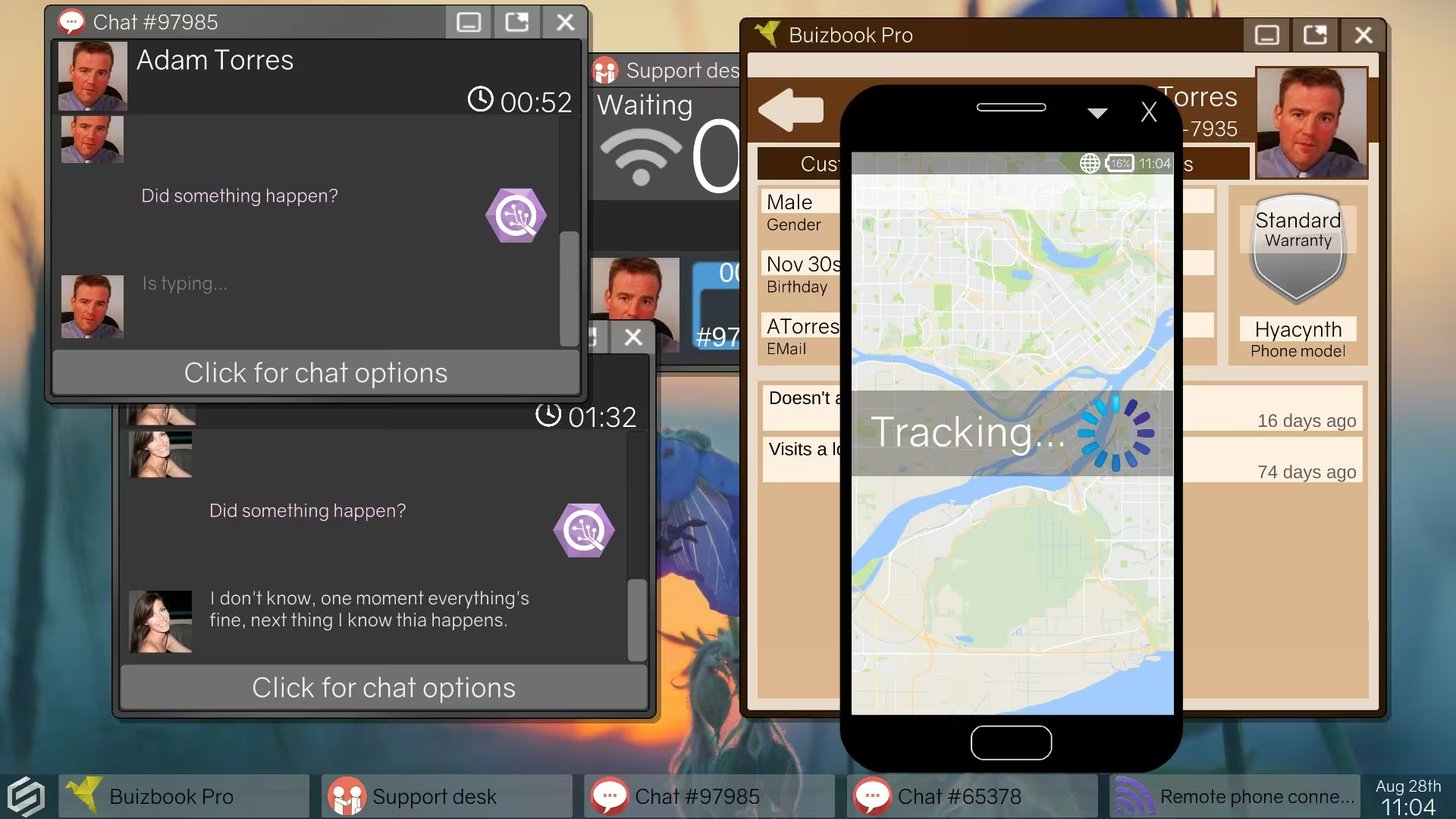
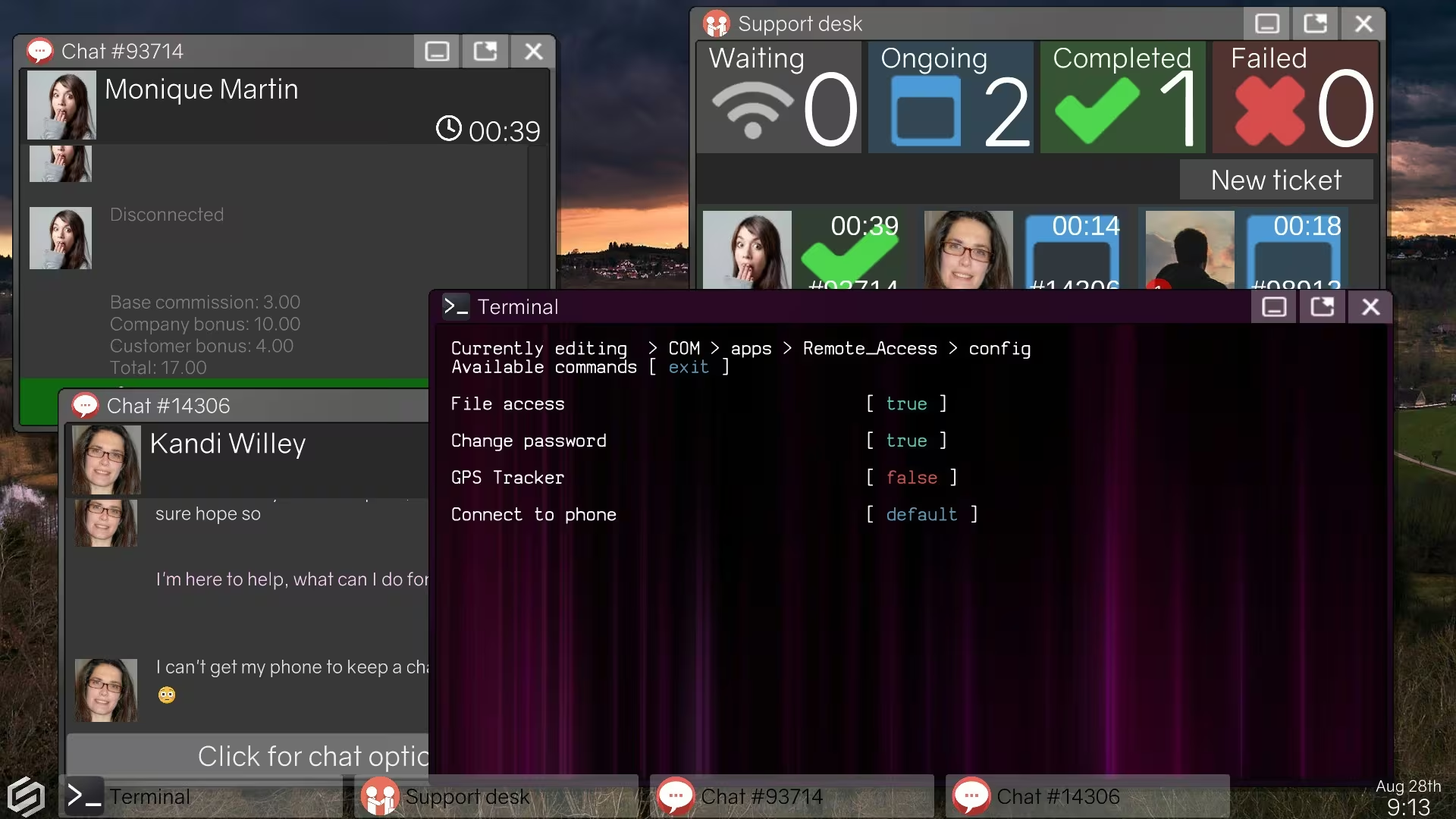
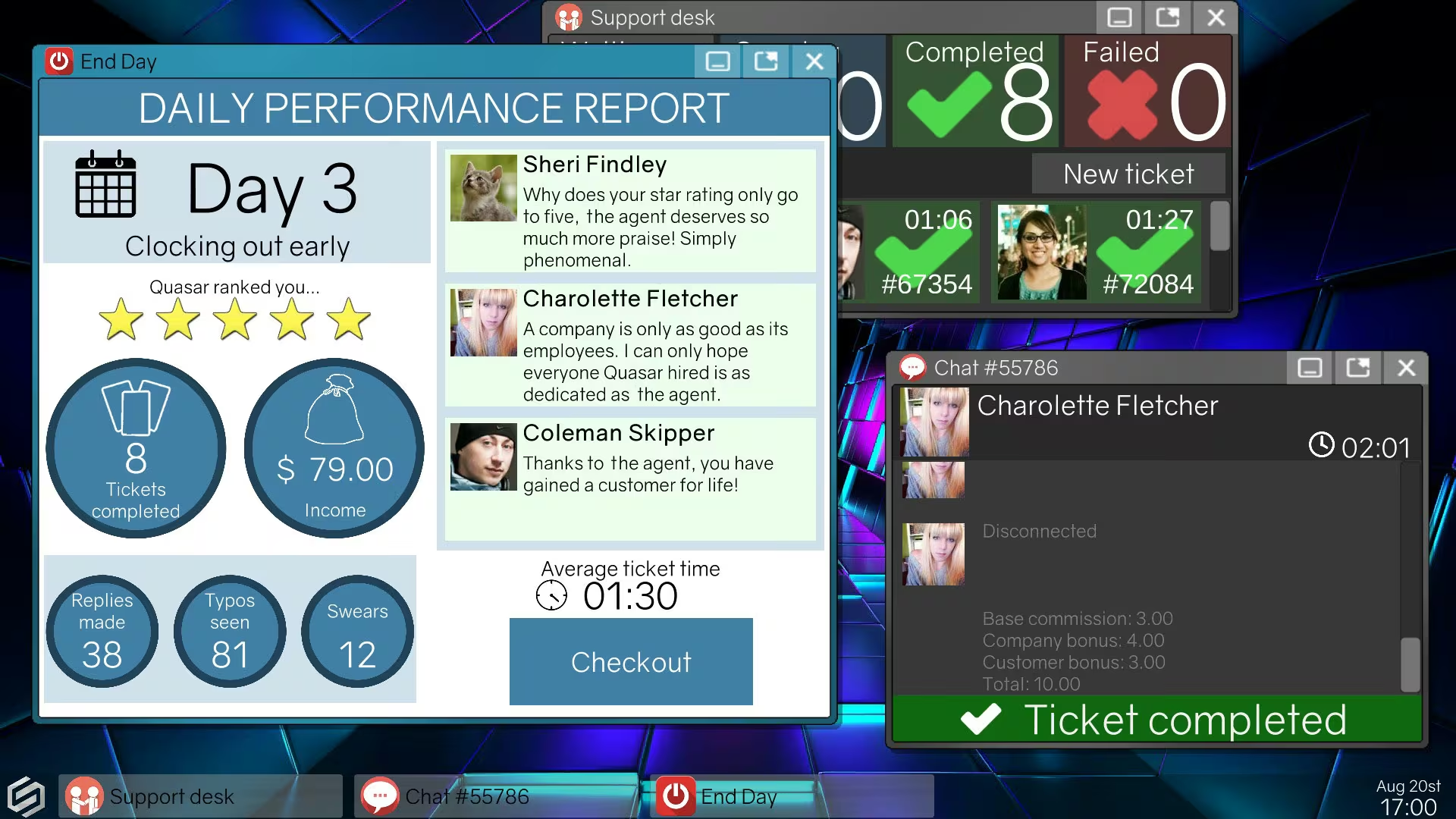
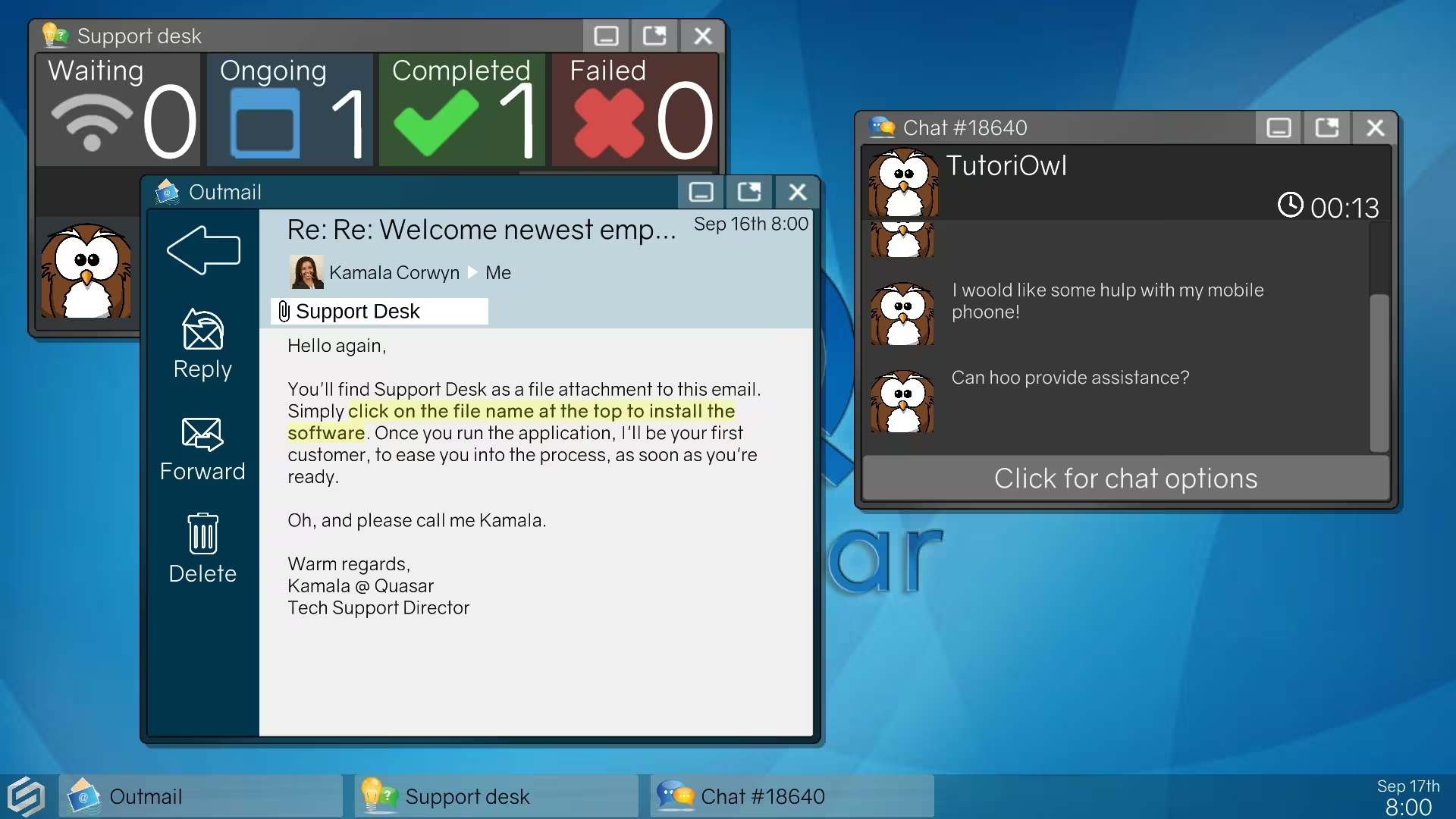
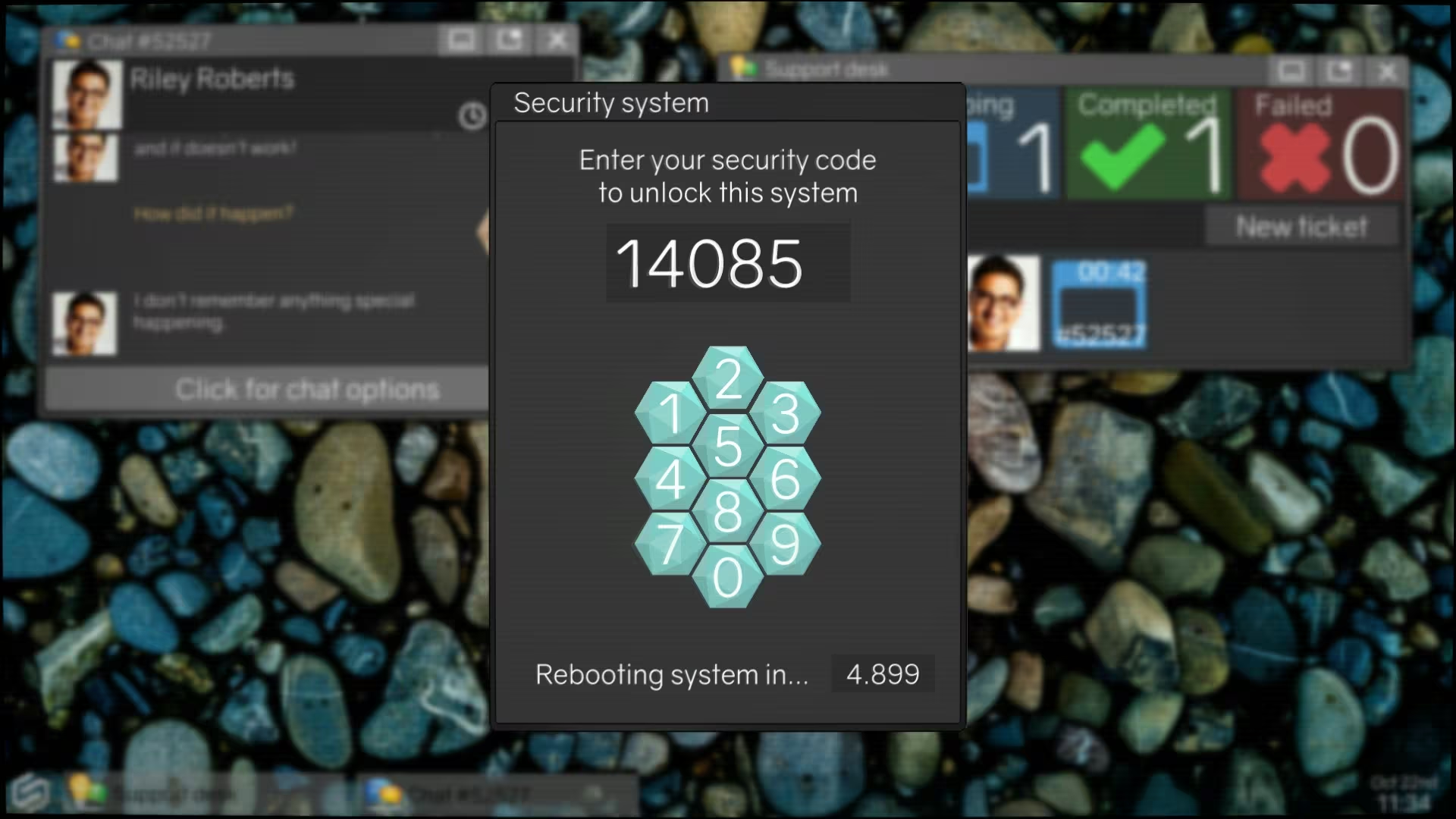
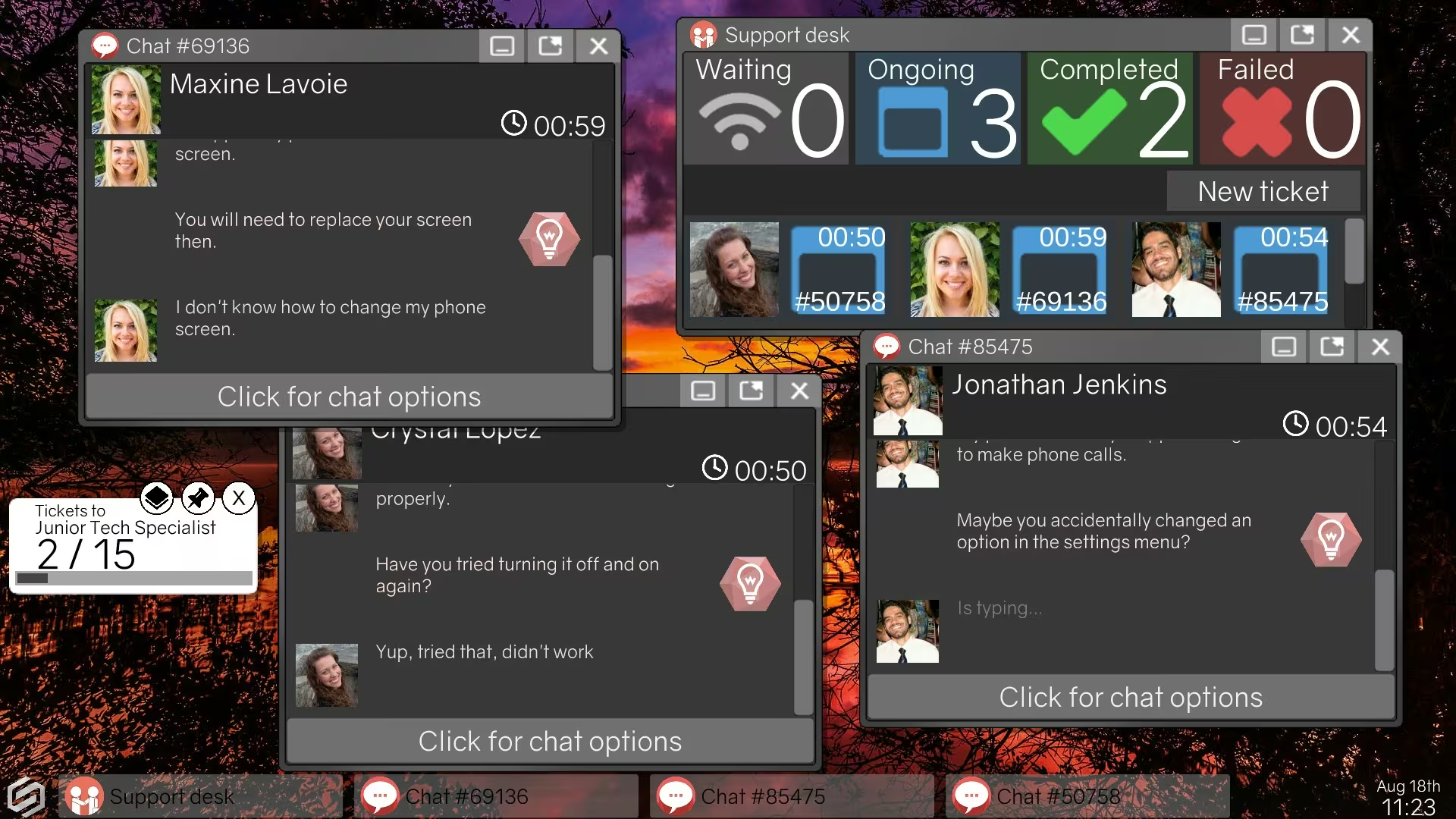
Things are not what they seem at your new tech support specialist job. While resolving customer issues, you soon find yourself in the middle of a conspiracy. Will you side with your employer, join a rogue hacktivist group bent on destroying them, assist the police or stand alone?

Global score

74/100

Genres

Adventure, Casual, Indie, Simulator

Similar games

    Pros

    • Realistic and immersive tech support simulation
    • Engaging branching story with multiple endings
    • Challenging multitasking gameplay
    • Good value especially on sale
    • Relatable for players with tech support experience

    Cons

    • Repetitive customer interactions
    • Some bugs and inconsistent feedback
    • Short overall game length
    • Limited dialogue depth and customization
    • Occasional unclear instructions and ui issues

    Analysis

    Broadly representative of its motivational profile, with a few distinct shifts. Motivations that often define this kind of title include Fantasy, Violence, Story, Thrill. Here, the score leans higher than usual among comparable games on Story, Survival. It leans lower than usual among comparable games on Expression.

    How to use the graph
    Similar games map

    Each dot is a game. They are arranged from the same motivation profile as in the “Motivations” section below. Closer dots usually mean more similar reasons to play (exploration, competition, relaxation, etc.)—not that one game is “better” than another.

    • Larger dot with a light outline: the game you are viewing.
    • Colour: groups of games with comparable motivation patterns (statistical clusters).
    • Hover a dot to see the game name; click to open its page.
    • Scroll or double-click the chart to zoom out and see more games.

    Why don’t the axes read like a score? This view uses t-SNE: it only keeps who is close to whom. The scales are not “good to bad” or hours played—they separate groups on the map. Read distance between dots, not the axis numbers.

    Motivations

    • Autonomy
      3

      "Players make meaningful choices affecting story branches and gameplay style, but within a constrained tech support simulation framework."

    • Competence
      4

      "Game challenges players with multitasking, problem solving, and skillful management of multiple support tickets with feedback on performance."

    • Competition
      -3

      "Focus is on individual progress and story exploration rather than direct competition or leaderboards."

    • Continuation
      4

      "Multiple endings and branching storylines encourage replay and extended play sessions."

    • Cooperation
      -4

      "Gameplay centers on solo tasks and personal decision making with limited social or cooperative elements."

    • Creativity
      2

      "Players can choose different dialogue options and story paths, but gameplay actions follow preset menus and scripted interactions."

    • Domination
      -4

      "Interactions are balanced and do not emphasize exerting power or superiority over others."

    • Escapism
      4

      "Players use the game as a distraction and immersive experience away from real life, often relating to real-world tech support frustrations."

    • Expectation
      -4

      "Players engage voluntarily out of personal interest and curiosity rather than obligation or external pressure."

    • Experimenting
      3

      "Multiple story branches and endings encourage trying different approaches and exploring game mechanics."

    • Exploration
      2

      "Exploration is mostly narrative-driven with discovery of story elements and outcomes rather than physical world exploration."

    • Expression
      -3

      "Limited customization or personalization; players mainly use predefined UI and character options."

    • Fantasy
      -2

      "Game is grounded in realistic tech support scenarios with some fictional conspiracy elements."

    • Fellowship
      -4

      "Minimal social interaction or community feeling; gameplay is largely solitary."

    • Growth
      3

      "Players develop skills in multitasking, problem solving, and understanding story consequences."

    • Health
      -5

      "Sedentary gameplay with no physical activity elements."

    • Idle
      -3

      "Requires focused attention and multitasking; not suited for passive or background play."

    • Intimacy
      -4

      "Interactions are transactional and scripted with limited emotional depth or close relationships."

    • Leadership
      -4

      "Players follow scripted roles without leading or managing others."

    • Progression
      3

      "Players earn money and unlock upgrades, progressing through story and gameplay tiers."

    • Relaxation
      2

      "Some players find the gameplay cathartic and immersive, though multitasking can cause stress."

    • Sensation
      1

      "Visuals and audio are decent but not highly stimulating; focus is on gameplay and story."

    • Status
      -4

      "No social recognition or status systems; achievements exist but are personal."

    • Story
      4

      "Strong narrative focus with multiple endings and character interactions driving engagement."

    • Strategy
      3

      "Players must plan multitasking and decision making to manage tickets and story outcomes."

    • Thrill
      1

      "Some suspense from story developments and multitasking challenges, but overall low risk."

    • Value
      3

      "Generally regarded as good value for price, especially on sale, with replayability from multiple endings."

    • Violence
      -5

      "No combat or destructive gameplay; focus on constructive problem solving."

    • Survival
      2

      "Players must avoid failure to keep job and progress, managing resources like time and attention."

    Last update: 29/04/2026