Magic Research 2 Thumbnail

Magic Research 2 similar games & best alternatives
Magic Research 2

PC (Microsoft Windows), iOS, Android • 2024

Related articles

Quick resume

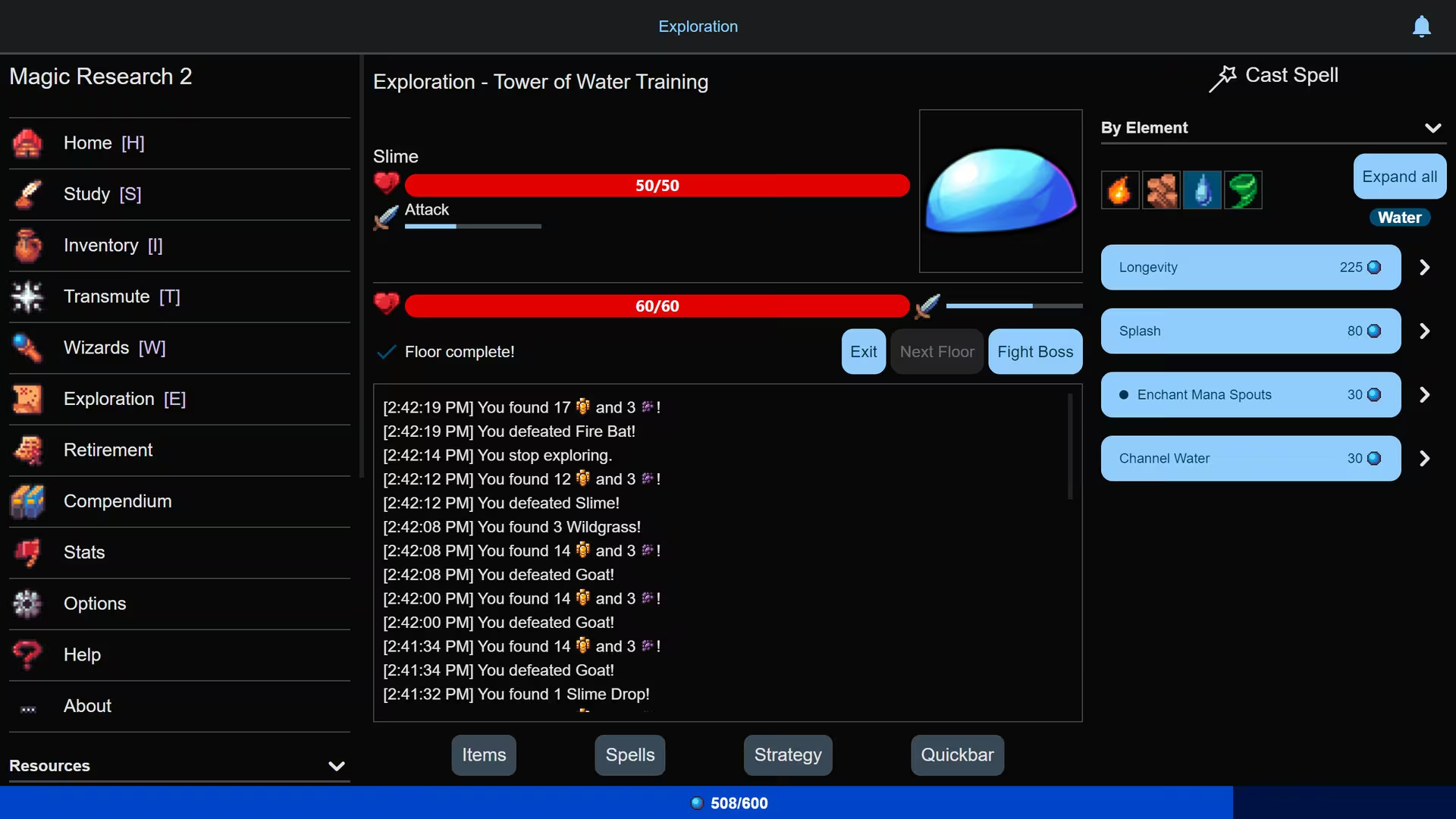
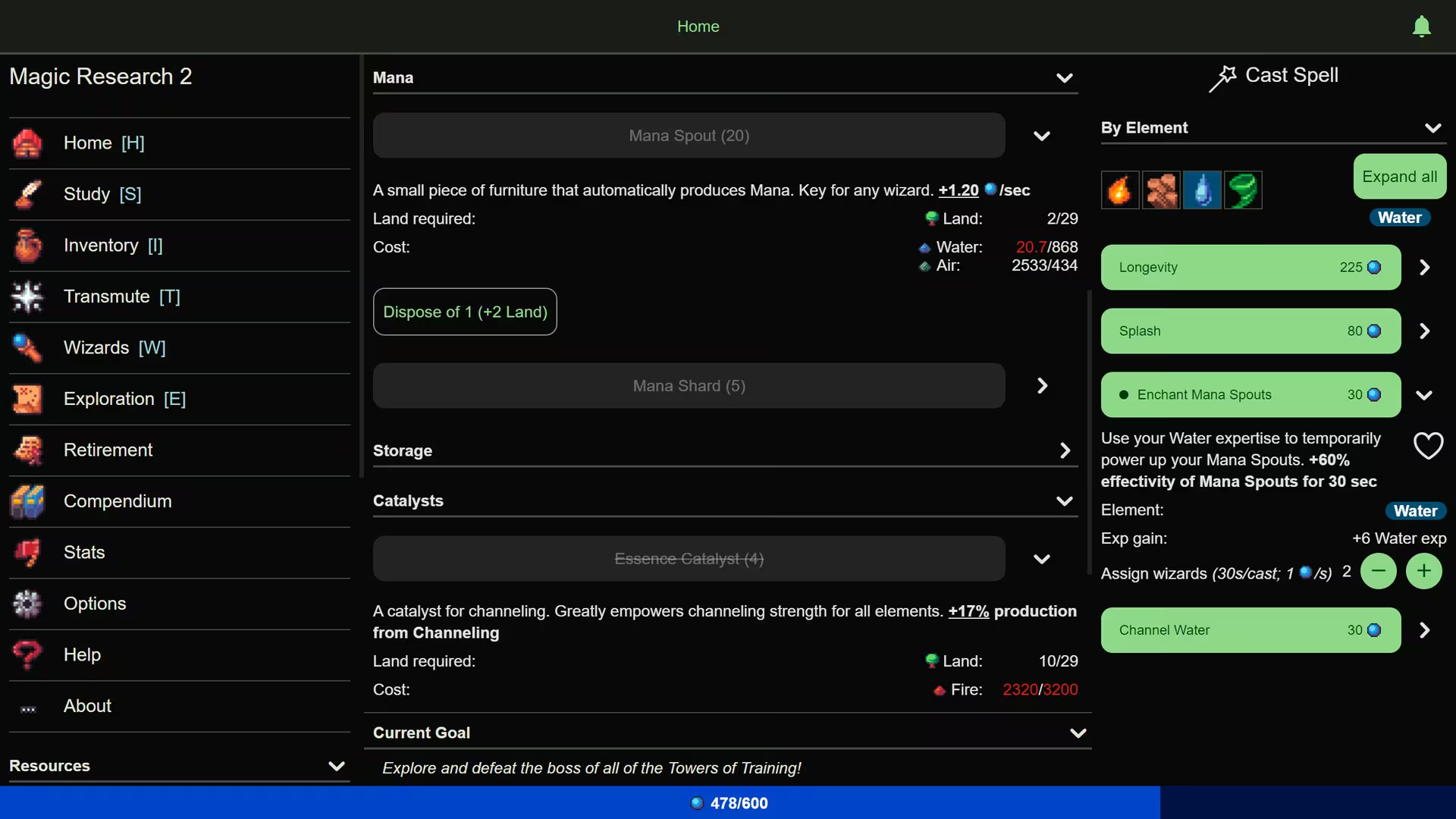
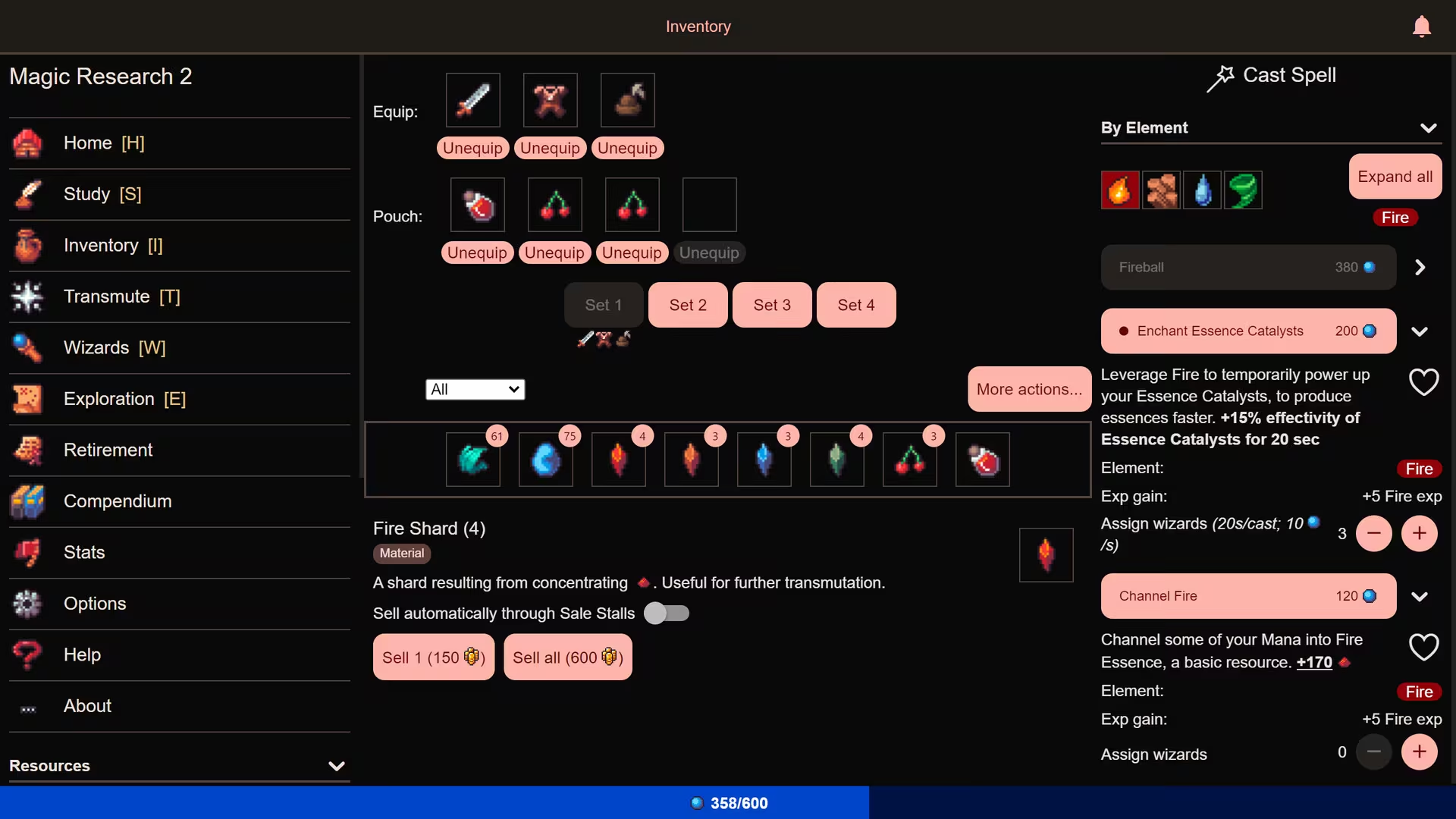
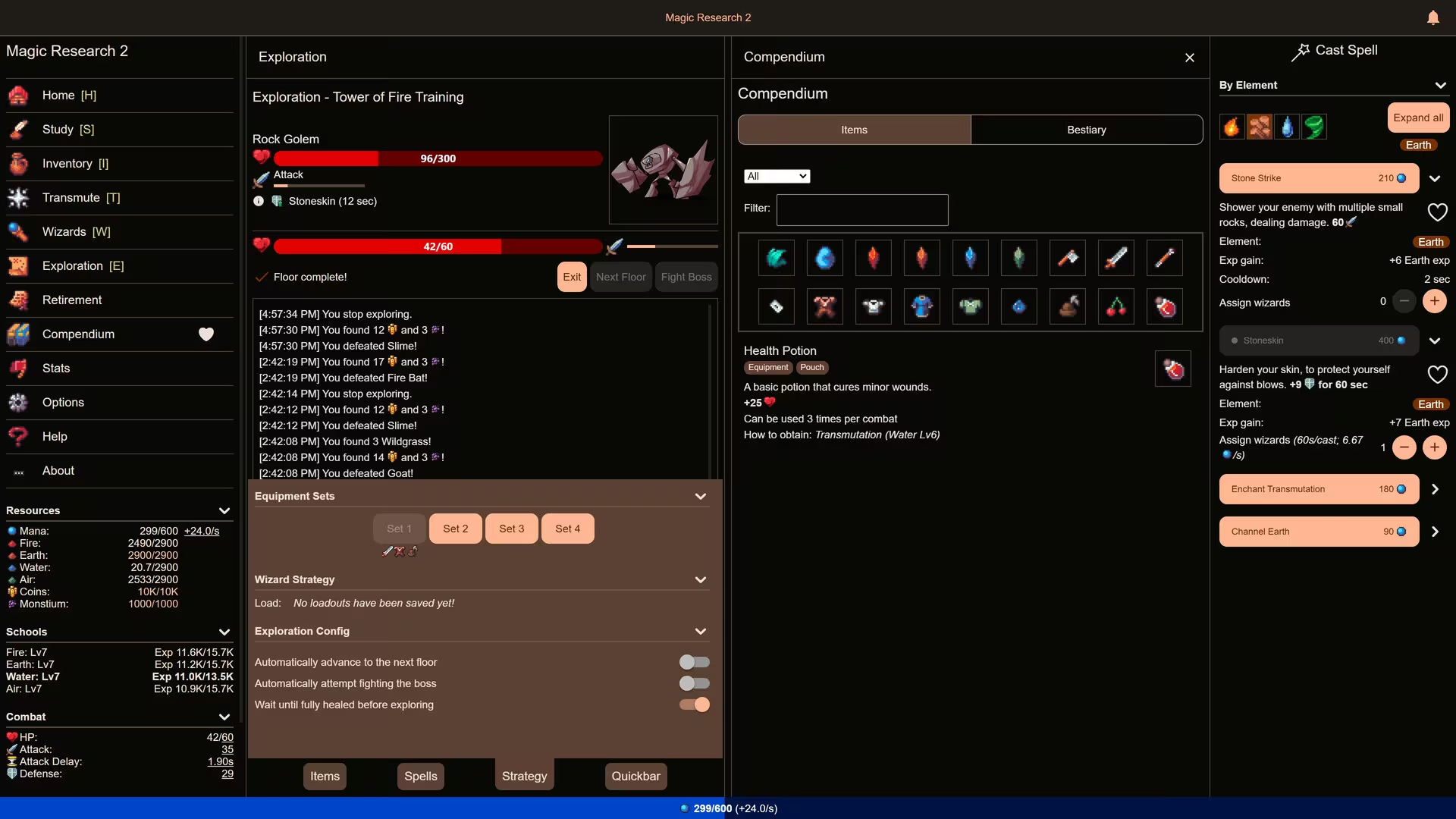
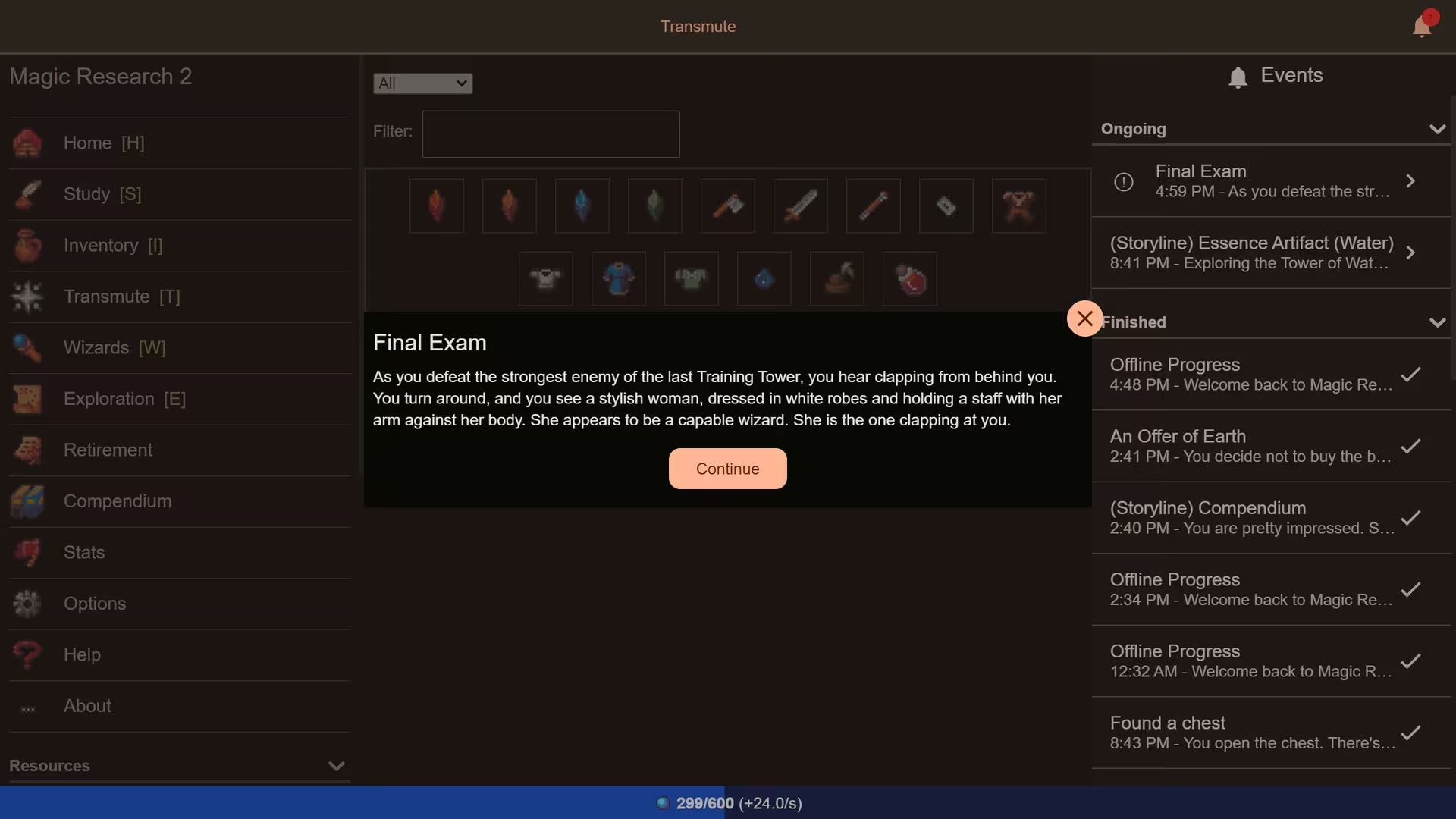
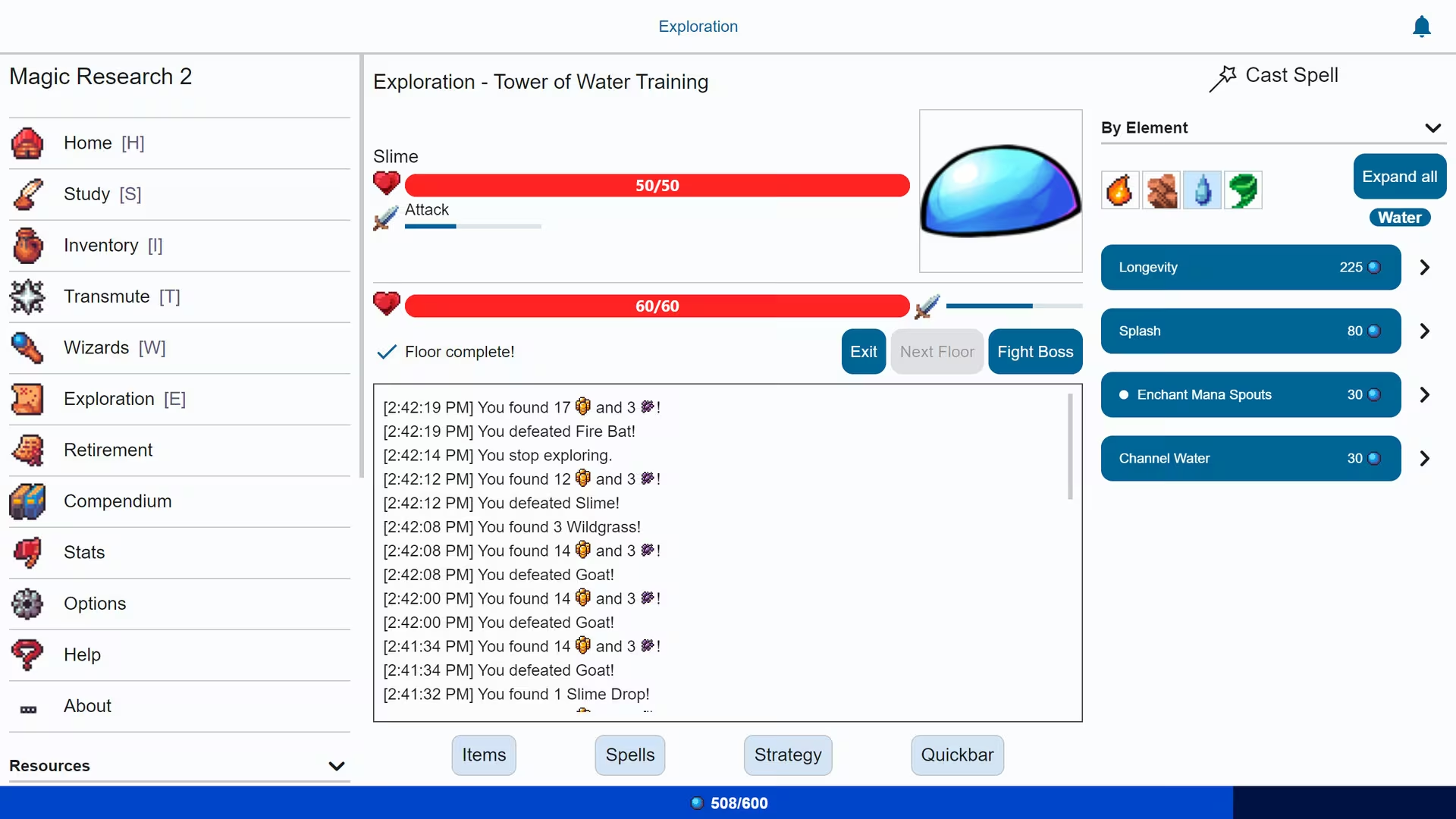
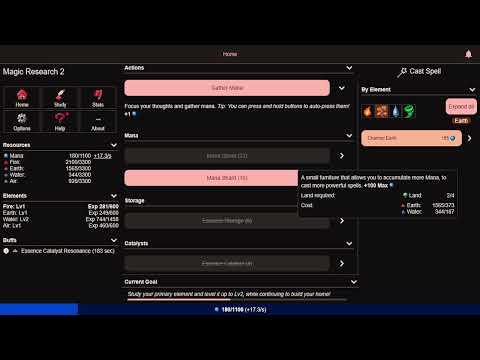
Welcome to Magic Research 2, an incremental RPG from the creator of Magic Research. Learn countless spells, face powerful foes, and command a team of Wizards who can cast spells for you as you journey to find or create the Philosopher's Stone.

Global score

93/100

Genres

Indie, Role-playing (RPG), Simulator

Similar games

    Pros

    • Deep and engaging gameplay
    • Well-balanced progression
    • Meaningful choices and customization
    • No microtransactions or ads
    • Active developer support and updates

    Cons

    • Some grind and slow progression in mid/late game
    • Ui can be clunky and overwhelming late game
    • Storyline could be expanded with more player choice
    • Some rng elements frustrating without guides
    • Combat can be demanding for an idle game

    Analysis

    Less representative of its motivational profile, with noticeable differences. Motivations that often define this kind of title include Fellowship, Cooperation, Leadership, Violence. Here, the score leans higher than usual among comparable games on Strategy, Story, Continuation.

    How to use the graph
    Similar games map

    Each dot is a game. They are arranged from the same motivation profile as in the “Motivations” section below. Closer dots usually mean more similar reasons to play (exploration, competition, relaxation, etc.)—not that one game is “better” than another.

    • Larger dot with a light outline: the game you are viewing.
    • Colour: groups of games with comparable motivation patterns (statistical clusters).
    • Hover a dot to see the game name; click to open its page.
    • Scroll or double-click the chart to zoom out and see more games.

    Why don’t the axes read like a score? This view uses t-SNE: it only keeps who is close to whom. The scales are not “good to bad” or hours played—they separate groups on the map. Read distance between dots, not the axis numbers.

    Motivations

    • Autonomy
      4

      "Players have freedom to choose elements, builds, and strategies; multiple paths and active management encouraged."

    • Competence
      4

      "Requires skillful resource management, strategic planning, and combat tactics; feedback through progression and boss fights."

    • Competition
      -4

      "Single player focus with no leaderboards or direct player comparison; play at own pace."

    • Continuation
      5

      "Highly engaging with long playtimes, NG+ and retirement systems encourage habitual play and replayability."

    • Cooperation
      -5

      "Entirely single player experience with no multiplayer or cooperative elements."

    • Creativity
      4

      "Players customize builds, spells, equipment, and strategies; multiple viable approaches to challenges."

    • Domination
      -5

      "No evidence of exerting control over others; gameplay is solo and self-directed."

    • Escapism
      4

      "Players use the game as a distraction and immersive fantasy experience, enjoying story and mechanics."

    • Expectation
      -5

      "Players engage voluntarily out of intrinsic interest and enjoyment; no pressure or obligation."

    • Experimenting
      5

      "Strong emphasis on trying new builds, strategies, and synergies; experimentation rewarded."

    • Exploration
      3

      "Players discover new storylines, events, and game mechanics progressively, though within a defined world."

    • Expression
      3

      "Customization of character builds and equipment allows for personal expression within game systems."

    • Fantasy
      5

      "Strong fantasy theme with magic, spells, and an imaginative story world."

    • Fellowship
      -5

      "No social or community gameplay elements; solo experience."

    • Growth
      5

      "Players learn mechanics, optimize builds, and improve skills over long play sessions."

    • Health
      -5

      "Sedentary gameplay typical of idle games; no physical activity involved."

    • Idle
      -3

      "Requires frequent active management and attention; idle mechanics exist but are limited."

    • Intimacy
      -5

      "No social or emotional relationship building; purely individual gameplay."

    • Leadership
      -5

      "No leadership or group management roles; player controls only own progress."

    • Progression
      5

      "Strong progression through leveling, upgrades, equipment, and story completion."

    • Relaxation
      3

      "Generally relaxing with flow state possible, though some tension in boss fights and challenges."

    • Sensation
      2

      "Text-based with minimal sensory stimulation; enjoyment comes from mechanics and story rather than audiovisuals."

    • Status
      -5

      "No social recognition or visibility; achievements are personal."

    • Story
      4

      "Engaging narrative with lore and events that motivate progression."

    • Strategy
      5

      "Requires planning, problem solving, and tactical decision making in combat and resource management."

    • Thrill
      2

      "Some suspense in boss fights and challenges, but overall controlled and steady gameplay."

    • Value
      5

      "Highly praised for content volume and quality relative to price; good return on time invested."

    • Violence
      1

      "Combat is present but stylized and not graphic; focus on magical battles rather than destruction."

    • Survival
      3

      "Players must overcome threats and manage resources to progress, especially in boss fights."

    Last update: 29/04/2026