Monkey Island™ 2 Special Edition: LeChuck’s Revenge™ similar games & best alternatives
Should you play it?
Wannabe pirate Guybrush Threepwood, and the now zombie pirate LeChuck, return in what has long been considered one of the greatest LucasArts adventure games of all time.
What works
- Timeless humor and story
- Challenging and clever puzzles
- Option to switch between classic and remastered graphics
- Voice acting and developer commentary
- Nostalgic and immersive pirate fantasy
Things to keep in mind
- Some puzzles are illogical or obtuse
- Backtracking can be tedious
- Lack of multiplayer or social features
- Some bugs reported in gameplay
- Ending is controversial or confusing
What to play next
Similar games, hidden gems, and fresh directions from this game.
Top picks
Games that feel the closest overall
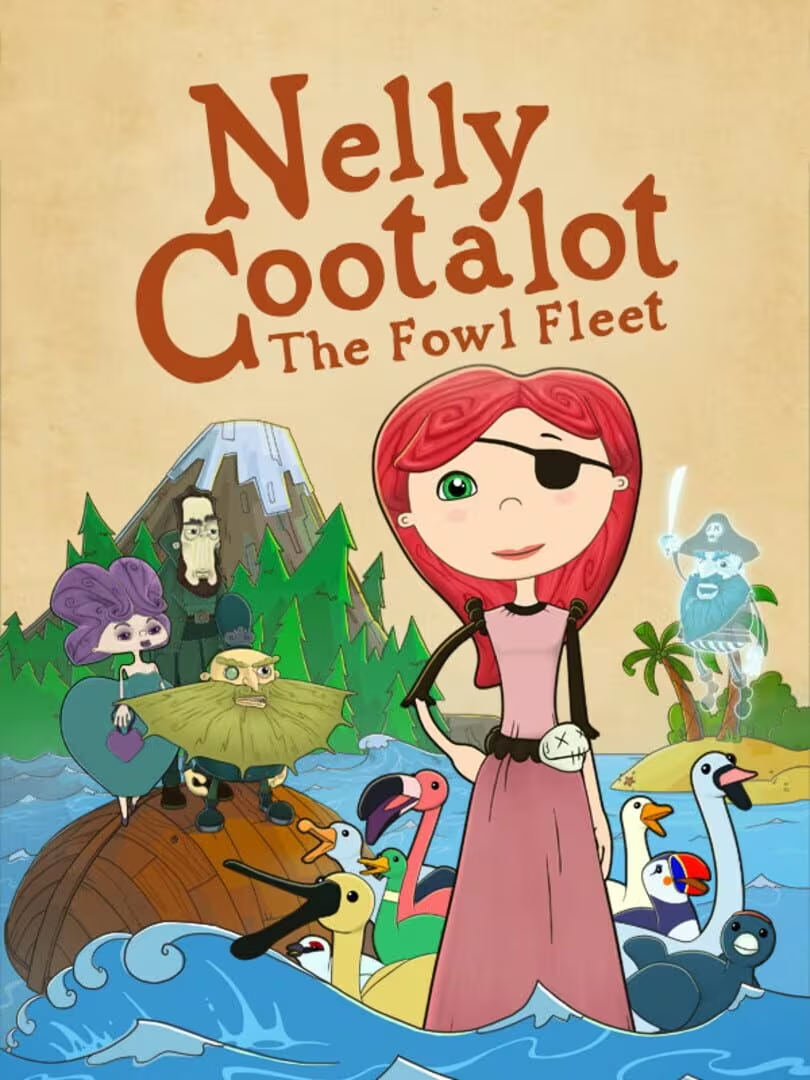
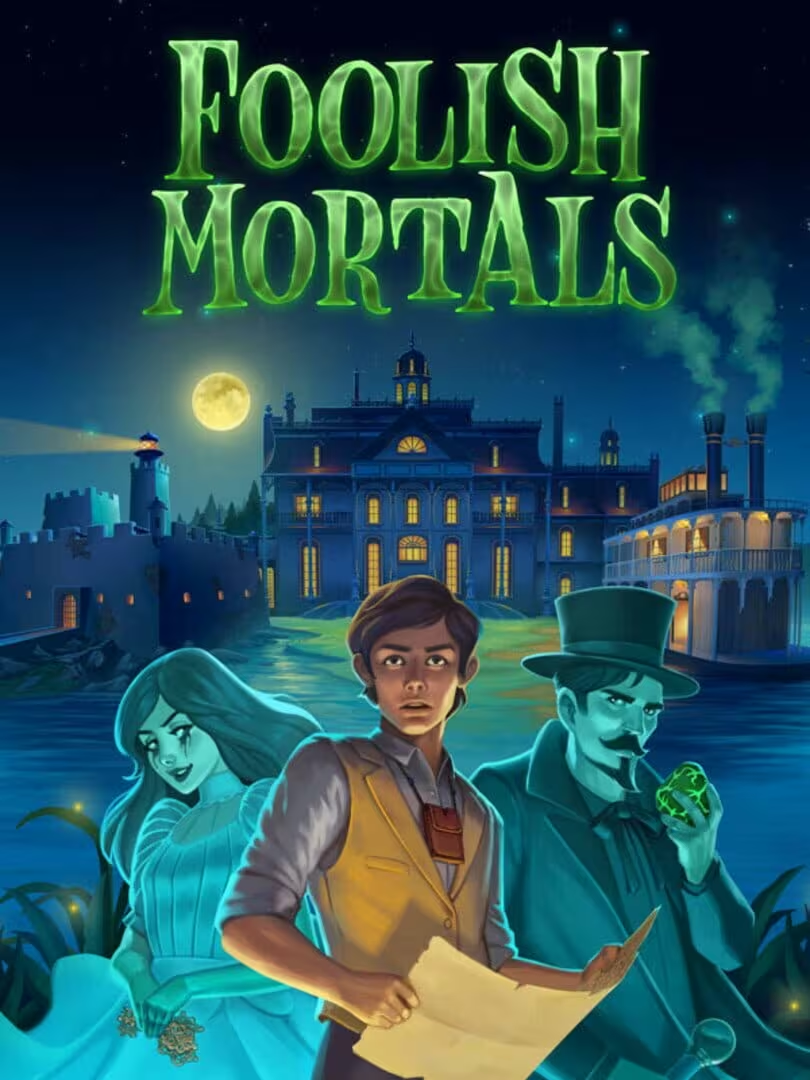
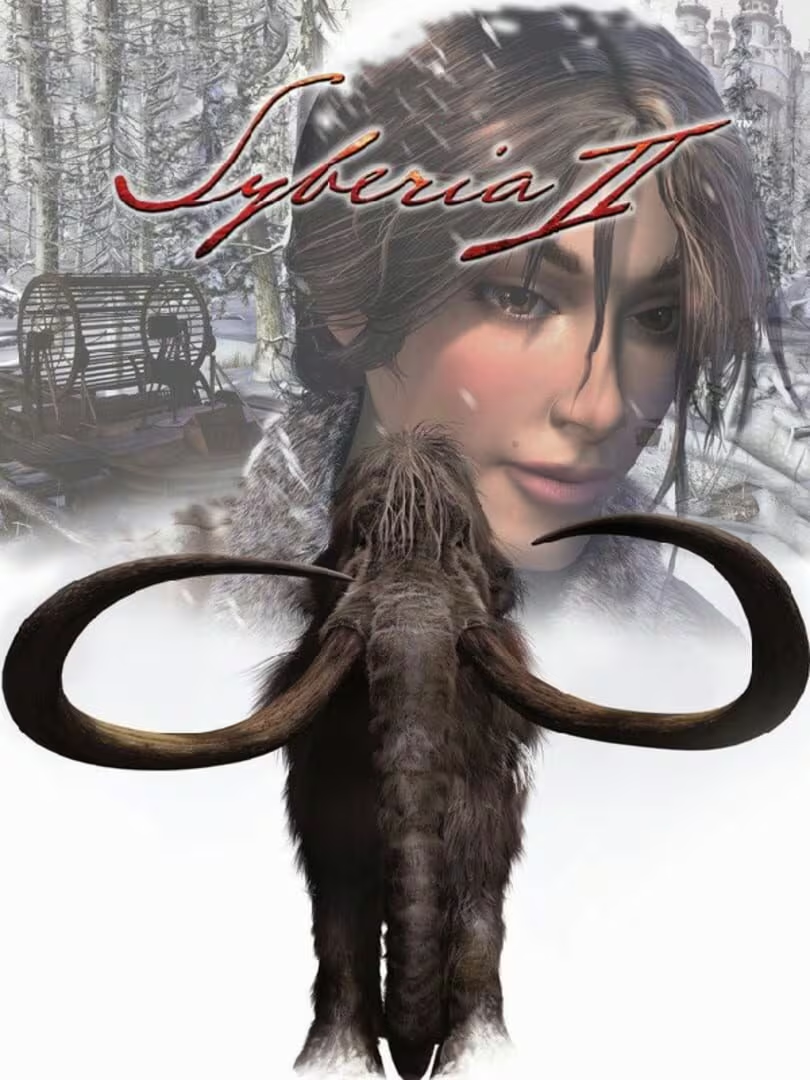
Hidden Gems
Less popular games with surprisingly high similarity
If you liked…
Recommendations by what you enjoyed most
Similarity map
Explore nearby similar games and see why they’re close.
Monkey Island™ 2 Special Edition: LeChuck’s Revenge™: A very typical example of its motivational profile. Motivations that often define this kind of title include Survival, Violence, Competition, Thrill. Here, the score leans higher than usual among comparable games on Strategy. It leans lower than usual among comparable games on Expression, Intimacy.
Why this game works
A motivational profile of the game, with the closest similar game for each player motivation.
-
Autonomy
Game with the same Autonomy vibe
4"Players have freedom to explore islands, solve puzzles in multiple ways, and choose dialogue options, reflecting control over their actions."
 Return to Monkey Island
"Players freely explore multiple islands, solve puzzles with various approaches, and choose dialogue options, reflecting high player control and decision-making."
-
Competence
Game with the same Competence vibe
3"The game involves solving puzzles that require logical thinking and attention to detail, though some puzzles are considered obtuse and frustrating."
 Scratches - Director's Cut
"The game features challenging and complex puzzles that require logical thinking and skill, though some puzzles are noted as obtuse or illogical."
-
Competition
Game with the same Competition vibe
-4"Focus is on individual puzzle solving and exploration without competitive or ranked elements."
 Antichamber
"Focus is on single-player exploration and puzzle solving without competitive or ranked elements."
-
Continuation
Game with the same Continuation vibe
4"Players report long playtimes, replayability, and habitual engagement with the game."
 BioGun
"Players report long playtimes, multiple replays, and habitual engagement with the game and series."
-
Cooperation
Game with the same Cooperation vibe
-5"The game is a single-player point-and-click adventure with no multiplayer or cooperative gameplay."
 Paradigm
"The game is a single-player point-and-click adventure with no cooperative multiplayer or teamwork elements."
-
Creativity
Game with the same Creativity vibe
3"Players combine items and experiment with inventory to solve puzzles, encouraging creative problem solving."
 Runaway, A Road Adventure
"Players creatively combine inventory items and experiment with interactions to solve puzzles, though within a fixed narrative and environment."
-
Domination
Game with the same Domination vibe
-5"No evidence of exerting control or superiority over others; gameplay is individual and narrative-driven."
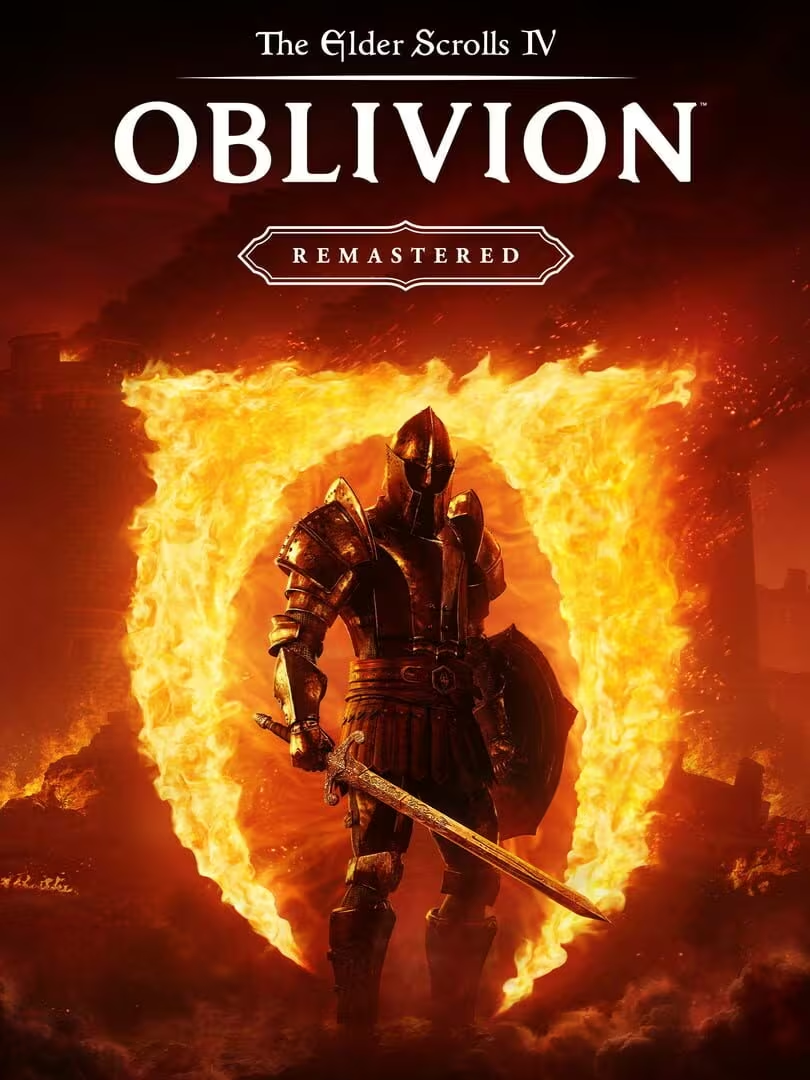 The Elder Scrolls IV: Oblivion Remastered
"No evidence of exerting control or superiority over others; gameplay is individual and narrative-driven."
-
Escapism
Game with the same Escapism vibe
5"Strong escapism through immersive story, humor, and fantasy pirate world."
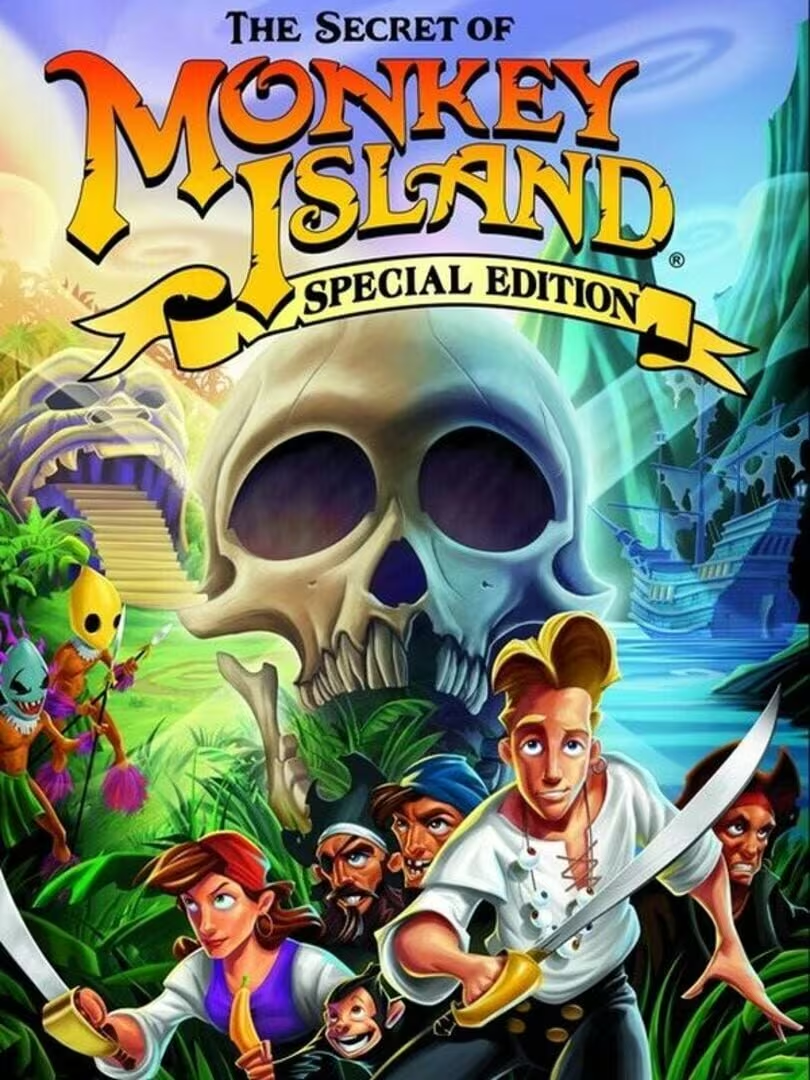 The Secret of Monkey Island: Special Edition
"Strong escapism through immersive story, humor, and exploration of a fantastical pirate world."
-
Expectation
Game with the same Expectation vibe
-4"Players engage voluntarily out of personal interest and nostalgia, with no obligation or external pressure."
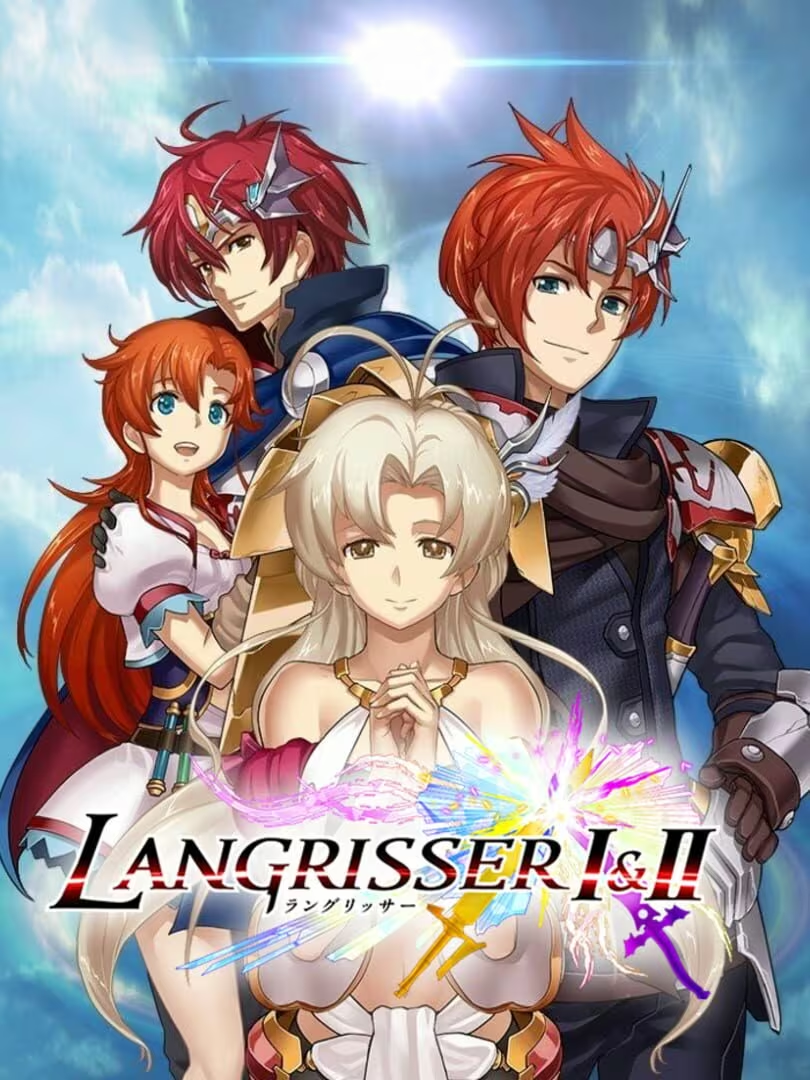 Langrisser I & II
"Players engage voluntarily out of personal interest and nostalgia, with no obligation or external pressure."
-
Experimenting
Game with the same Experimenting vibe
3"Players try different puzzle solutions and explore environments, experimenting with mechanics and clues."
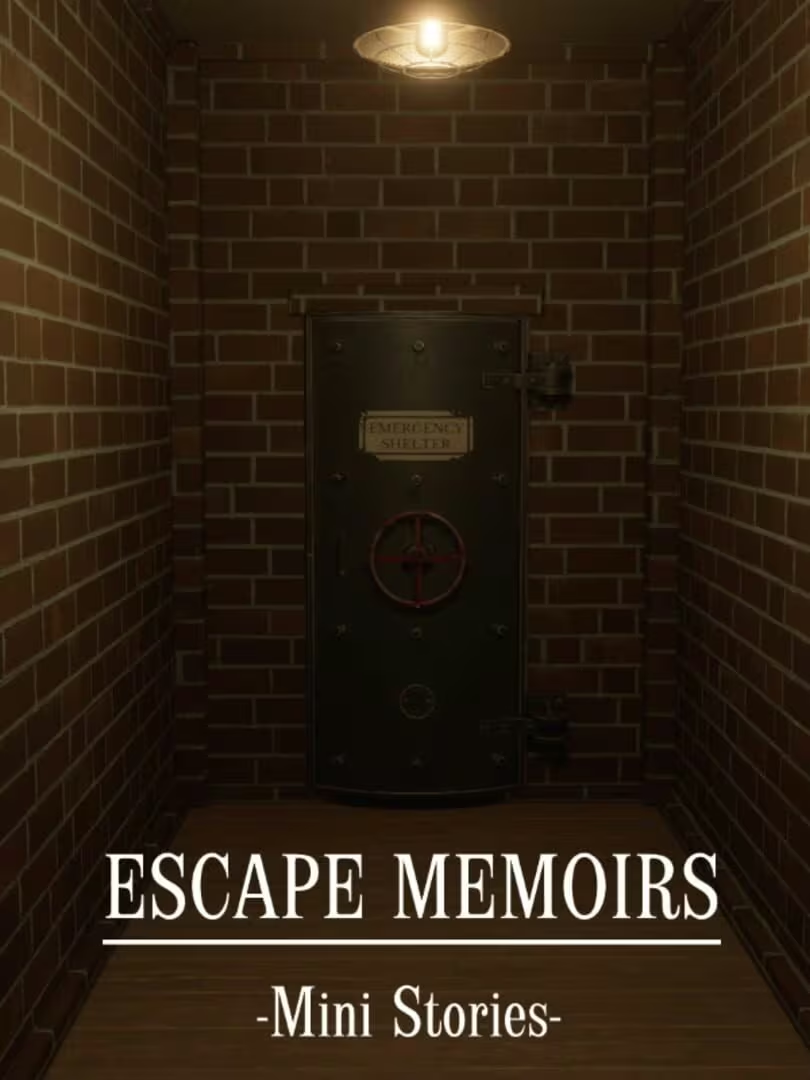 Escape Memoirs: Mini Stories
"Players explore different puzzle solutions and dialogue options, experimenting within the game’s mechanics."
-
Exploration
Game with the same Exploration vibe
4"The game features multiple islands and open-world style exploration with discovery of secrets, quests, and items."
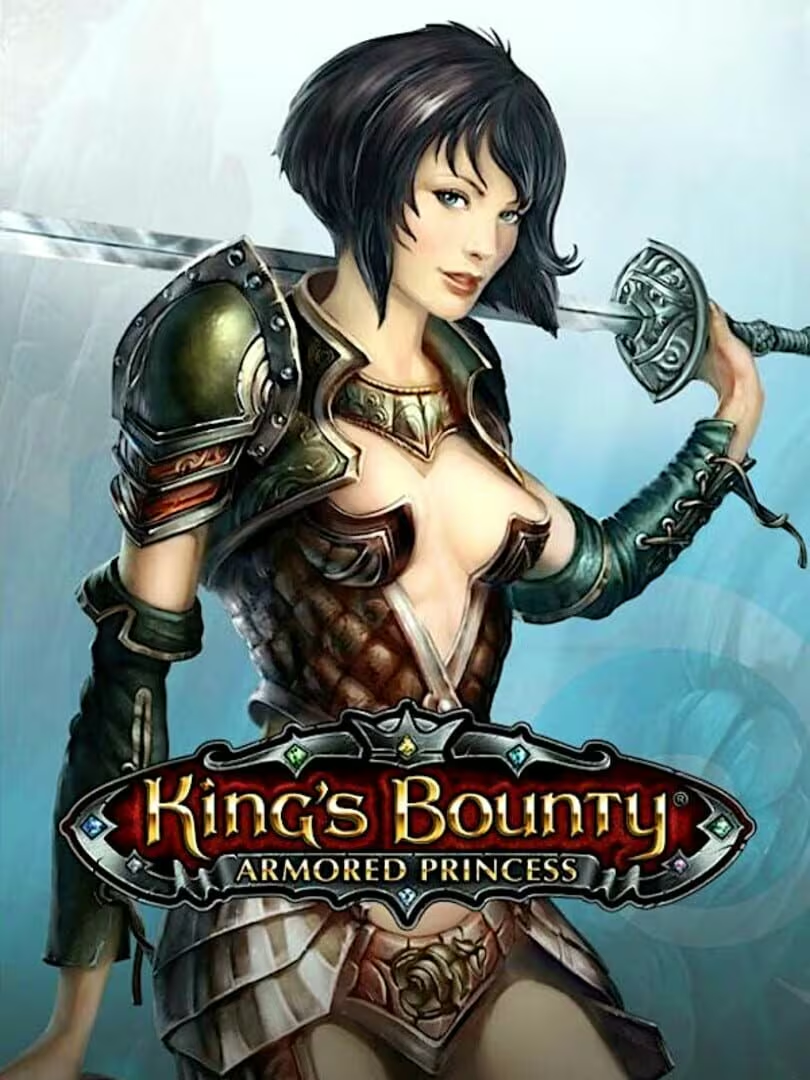 King's Bounty: Armored Princess
"The game encourages discovery of multiple islands, secrets, and hidden items as part of the adventure."
-
Expression
Game with the same Expression vibe
-3"Limited customization; players experience a fixed protagonist and environment with no avatar personalization."
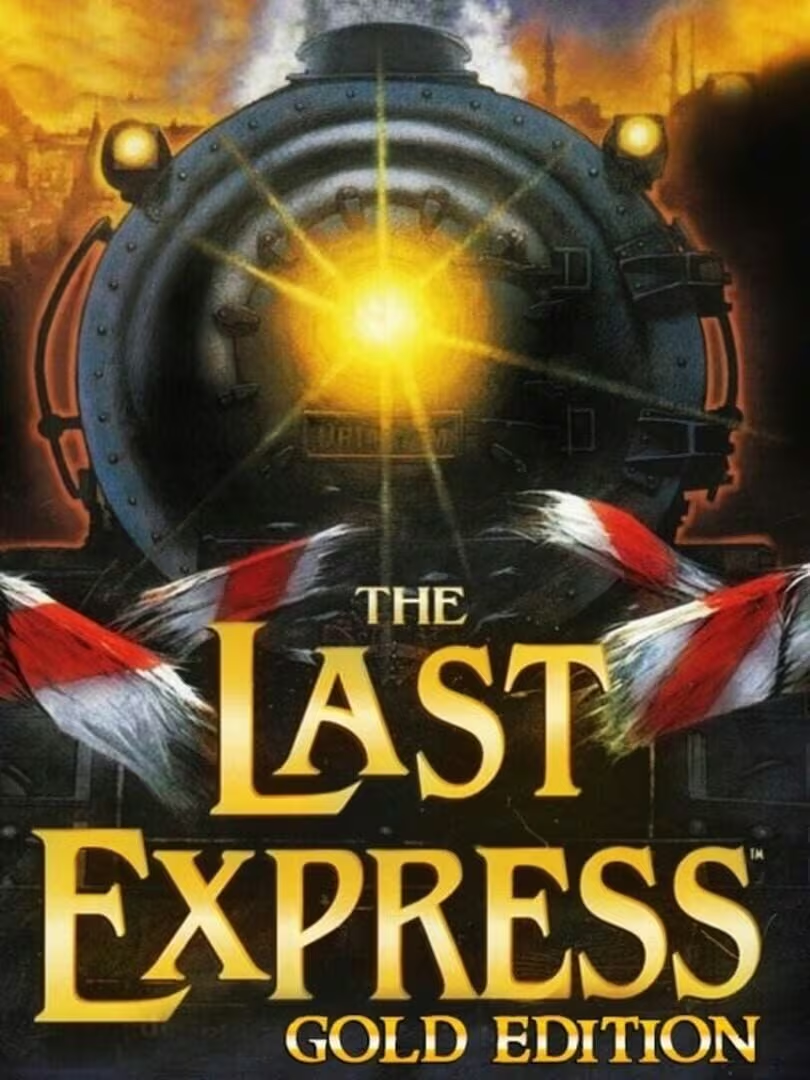 The Last Express Gold Edition
"Limited customization; players experience a fixed protagonist and environment with no avatar personalization."
-
Fantasy
Game with the same Fantasy vibe
5"Strong fantasy elements with pirates, curses, voodoo, and cartoonish, imaginative settings."
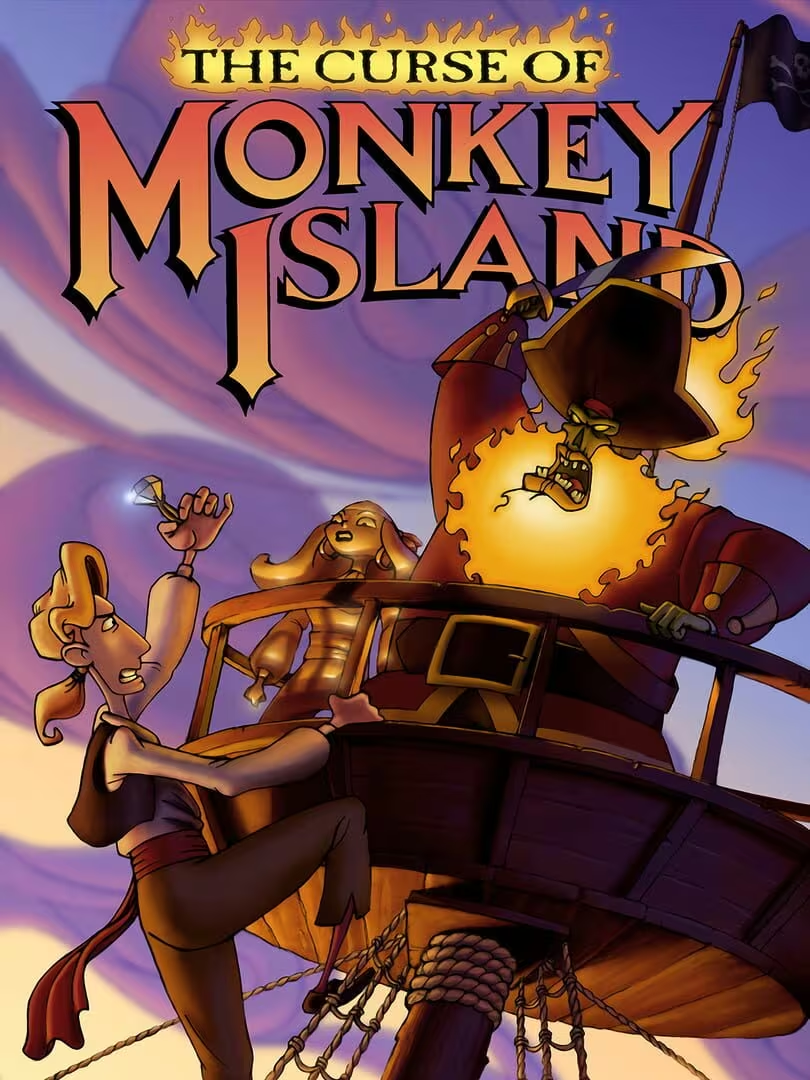 The Curse of Monkey Island
"Strong fantasy elements with pirate lore, voodoo magic, undead pirates, and humorous fictional scenarios."
-
Fellowship
Game with the same Fellowship vibe
-4"Primarily a solo experience with minimal social interaction or community involvement."
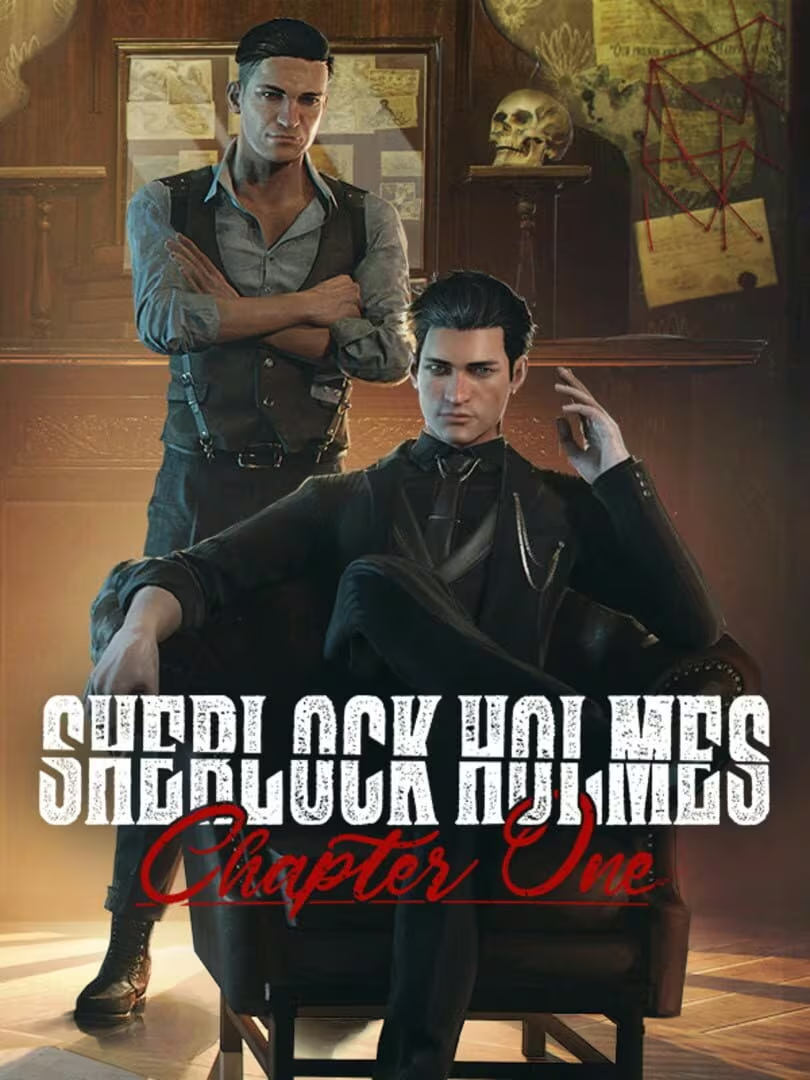 Sherlock Holmes Chapter One
"Primarily a solo experience with minimal social interaction or community involvement."
-
Growth
Game with the same Growth vibe
3"Players develop problem-solving skills and learn puzzle mechanics through gameplay."
 The Escaper
"Players develop problem-solving skills and learn puzzle solutions, though gameplay is largely scripted."
-
Health
Game with the same Health vibe
-5"Typical sedentary gameplay with no physical activity or health-related features."
 Squirreltopia
"Typical sedentary gameplay with no physical activity or health-related features."
-
Idle
Game with the same Idle vibe
-3"Requires focused attention to solve puzzles and progress; not suitable for passive or background play."
 9 Clues 2: The Ward
"Requires focused attention to solve puzzles and progress; not suited for passive or background play."
-
Intimacy
Game with the same Intimacy vibe
-4"Character interactions exist but are scripted and limited; no deep emotional or social connections."
 The Horror at Highrook
"Limited social or emotional connections; interactions are scripted and with fictional characters."
-
Leadership
Game with the same Leadership vibe
-5"No leadership or group management elements; single-player narrative focus."
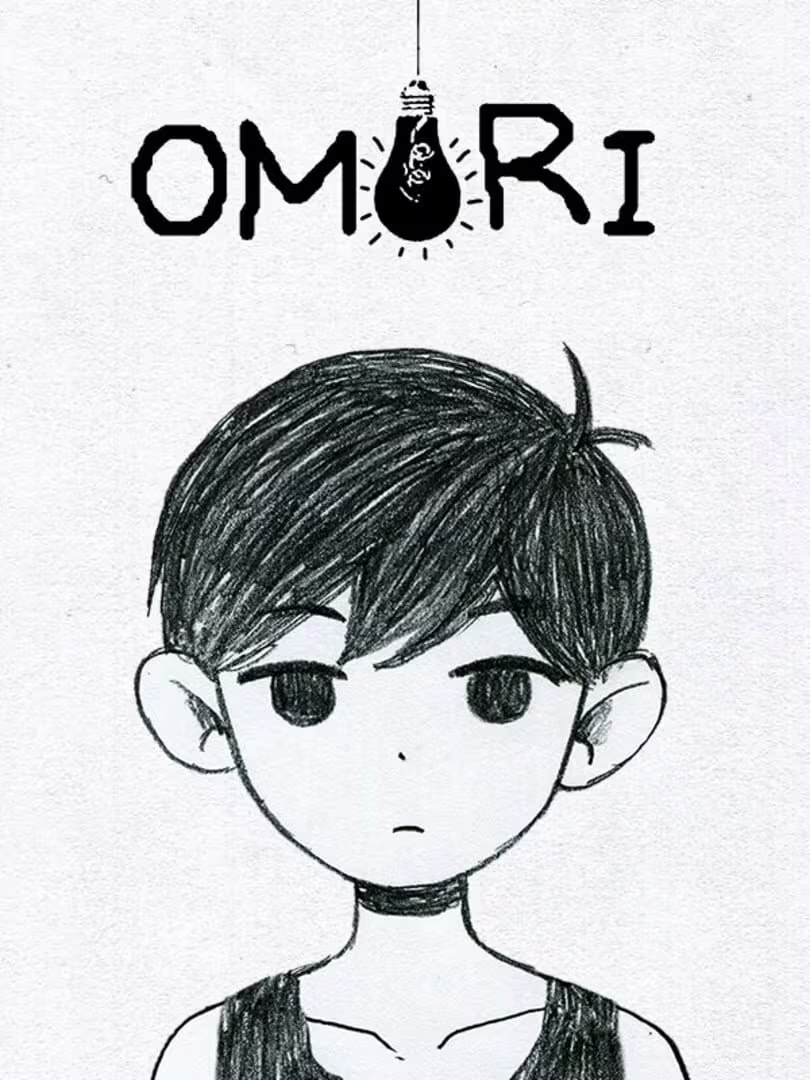 OMORI
OMORI
"No leadership or group management elements; single-player narrative focus."
-
Progression
Game with the same Progression vibe
3"Progression through collecting items, solving puzzles, and unlocking new areas."
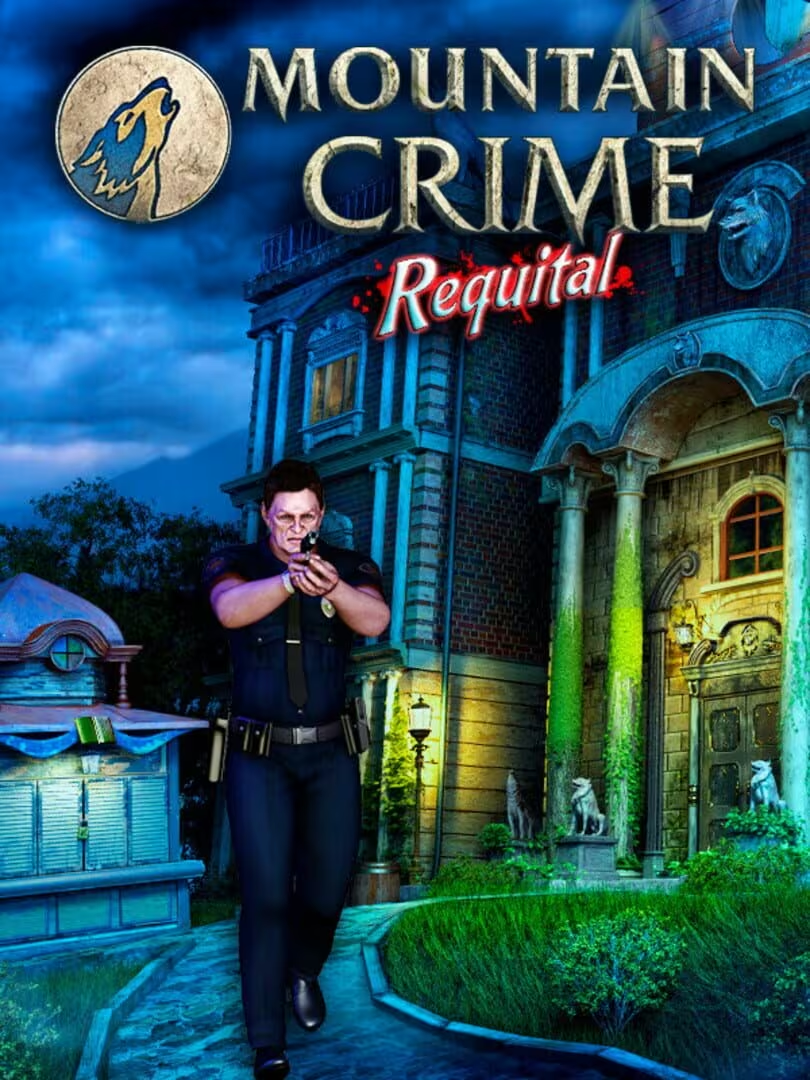 Mountain Crime: Requital
"Progression through collecting items, unlocking new areas, and solving puzzles."
-
Relaxation
Game with the same Relaxation vibe
3"Generally relaxing and lighthearted with a casual pace, though some puzzles can be challenging."
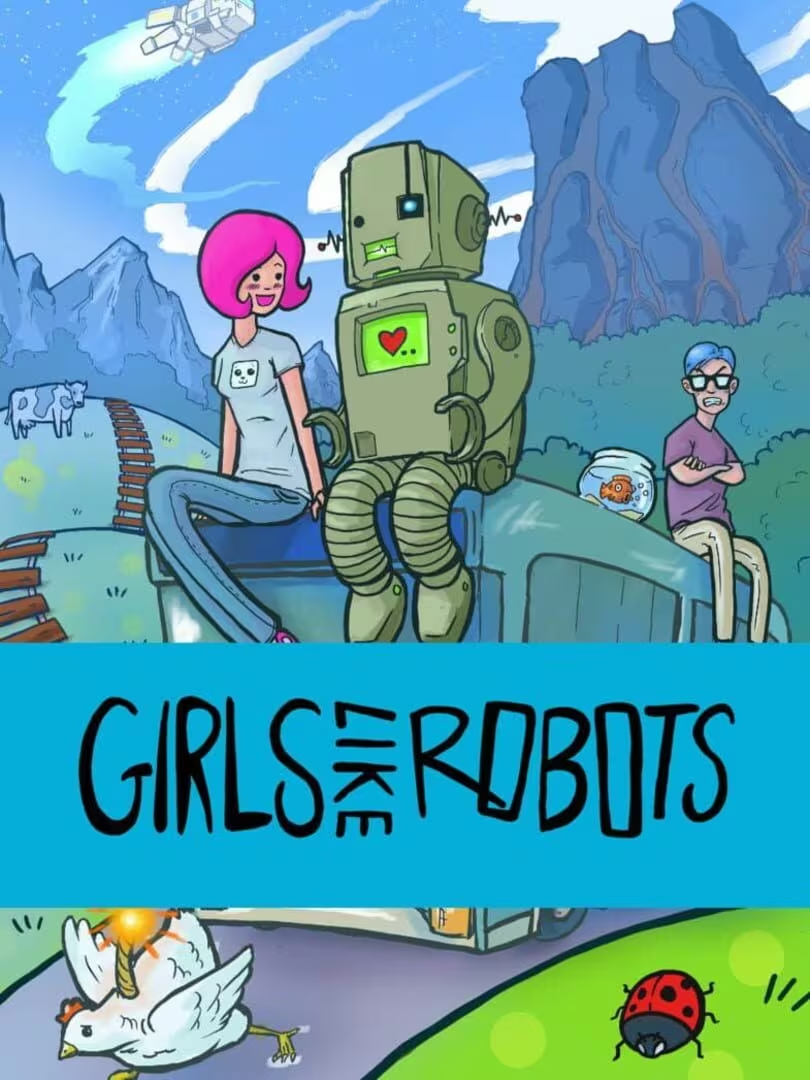 Girls Like Robots
"Generally a relaxed pace with humor and flow, though some puzzles cause frustration and tension."
-
Sensation
Game with the same Sensation vibe
3"Enjoyable audiovisual presentation with updated graphics, voice acting, and music enhancing sensory experience."
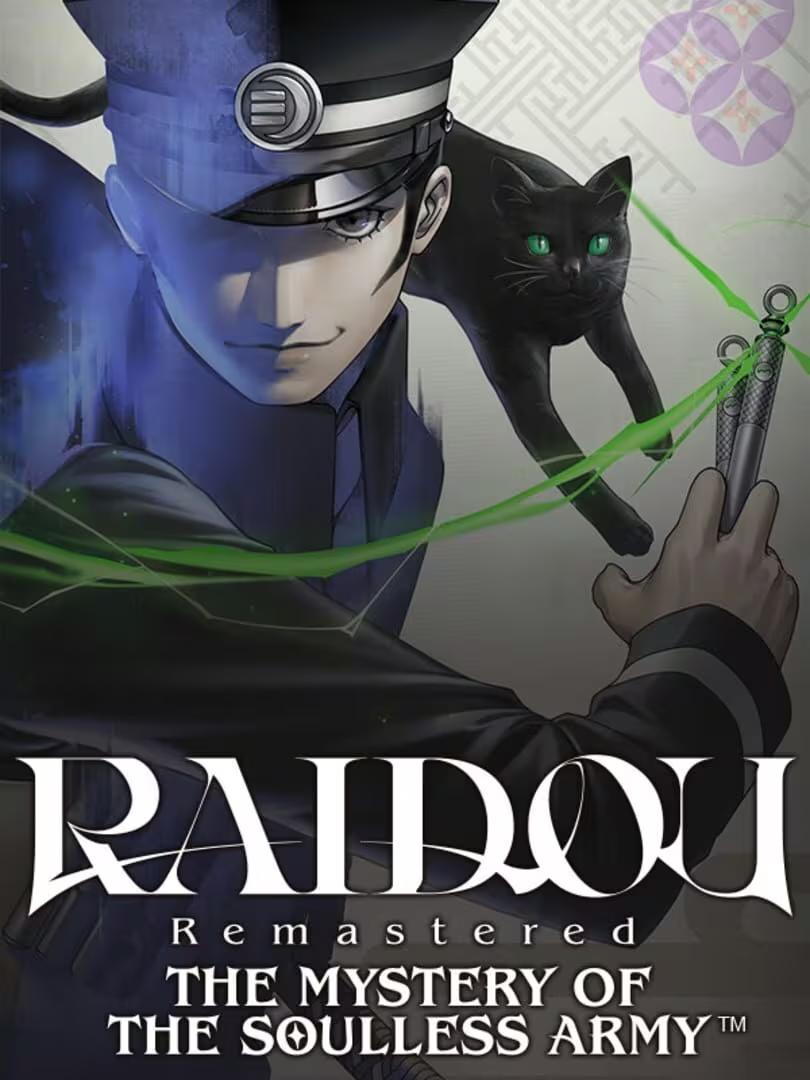 RAIDOU Remastered: The Mystery of the Soulless Army
"Enjoyable audiovisual presentation with remastered graphics, music, and voice acting providing sensory stimulation."
-
Status
Game with the same Status vibe
-4"No social status or recognition mechanics; focus is on personal experience."
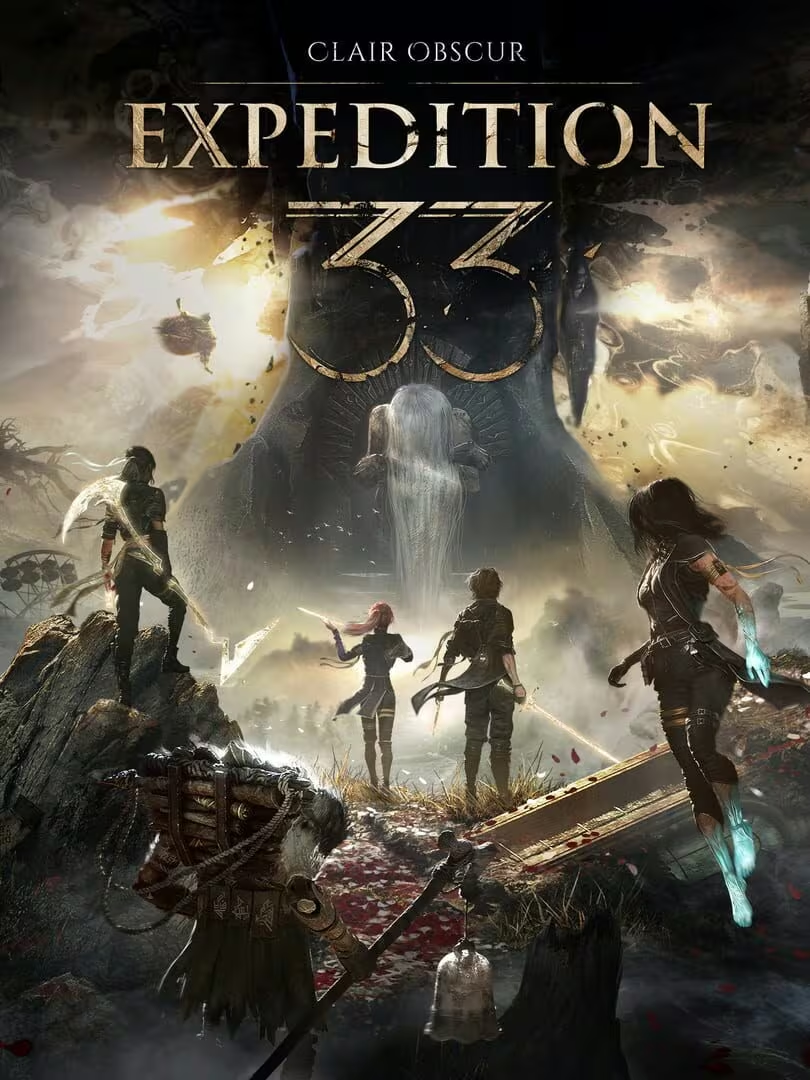 Clair Obscur: Expedition 33
"No social status or recognition mechanics; focus is on personal experience."
-
Story
Game with the same Story vibe
5"Strong narrative immersion with continuous plot, character development, and humor."
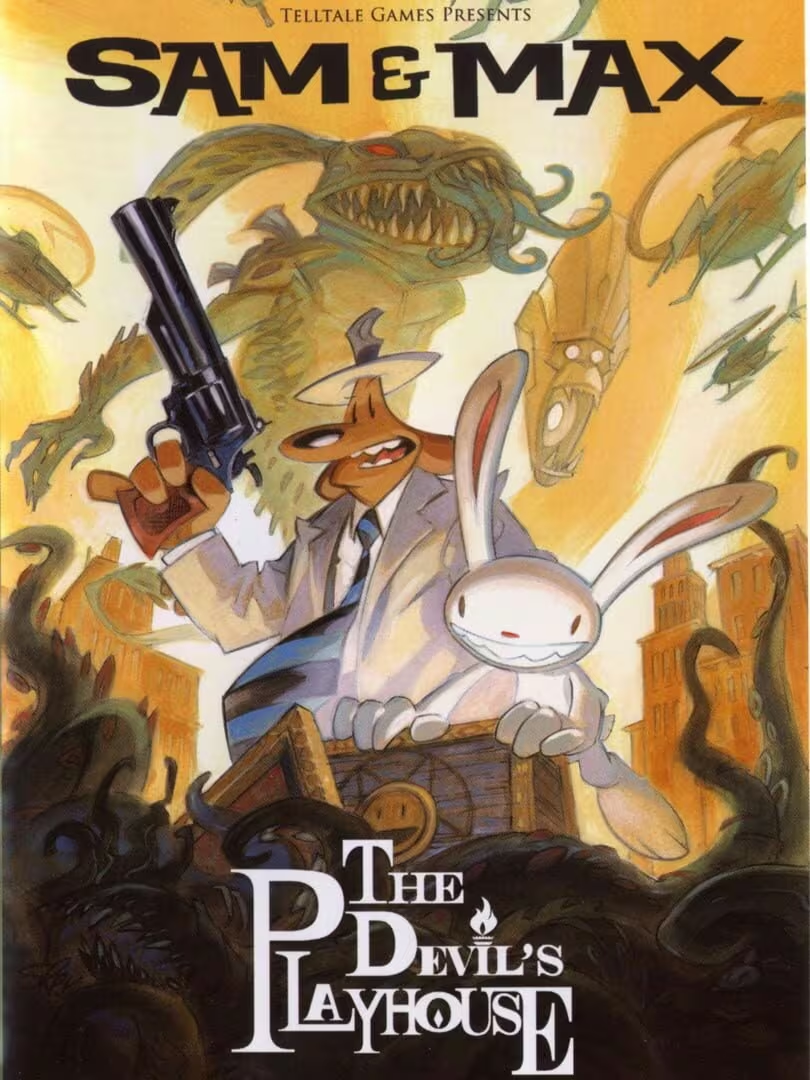 Sam & Max: The Devil’s Playhouse
"Strong narrative immersion with engaging characters, humor, and a continuous plot."
-
Strategy
Game with the same Strategy vibe
3"Requires logical thinking, clue gathering, and puzzle solving, though gameplay is mostly linear and guided."
 Nancy Drew®: Warnings at Waverly Academy
"Requires logical thinking and planning to solve puzzles, though gameplay is linear and scripted."
-
Thrill
Game with the same Thrill vibe
1"Some suspense in puzzle solving, but mostly controlled and predictable gameplay."
 Bad Rats: the Rats' Revenge
"Some suspense in puzzle solving and story, but overall controlled and predictable gameplay."
-
Value
Game with the same Value vibe
4"High perceived value due to remaster quality, bonus content, and nostalgic appeal."
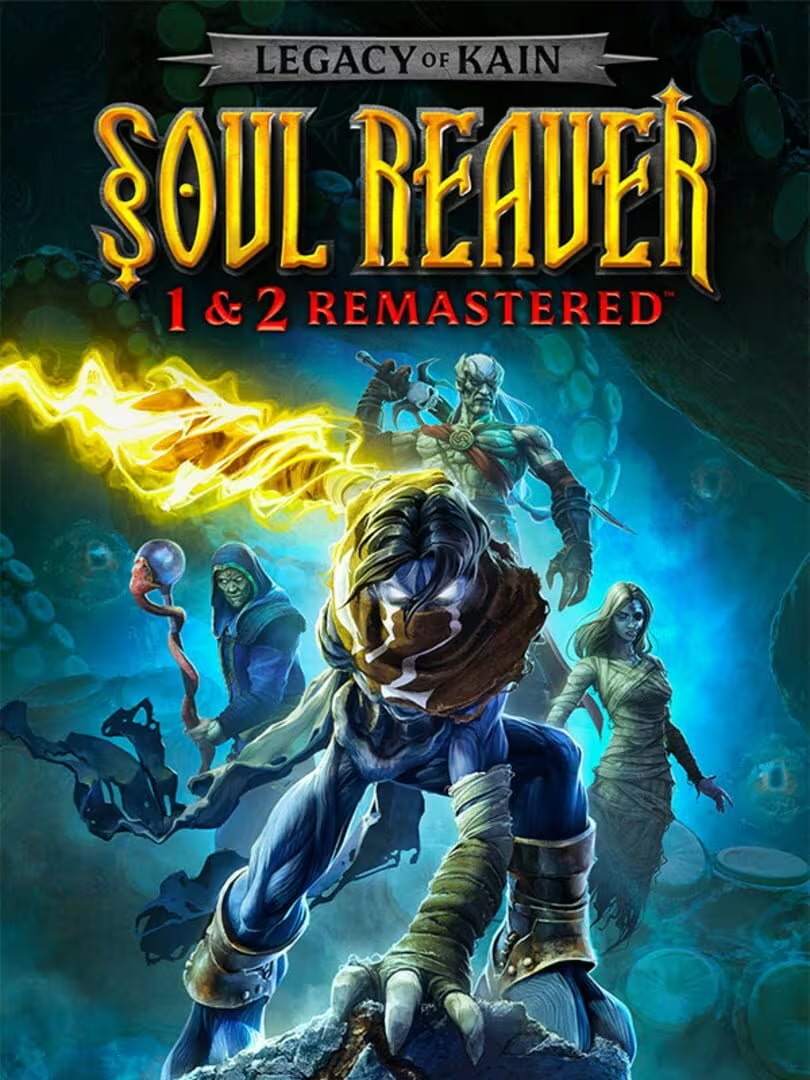 Legacy of Kain™ Soul Reaver 1&2 Remastered
"High perceived value due to nostalgia, humor, length, and quality of remaster."
-
Violence
Game with the same Violence vibe
-4"Minimal violence; focus on puzzle solving and exploration rather than combat or destruction."
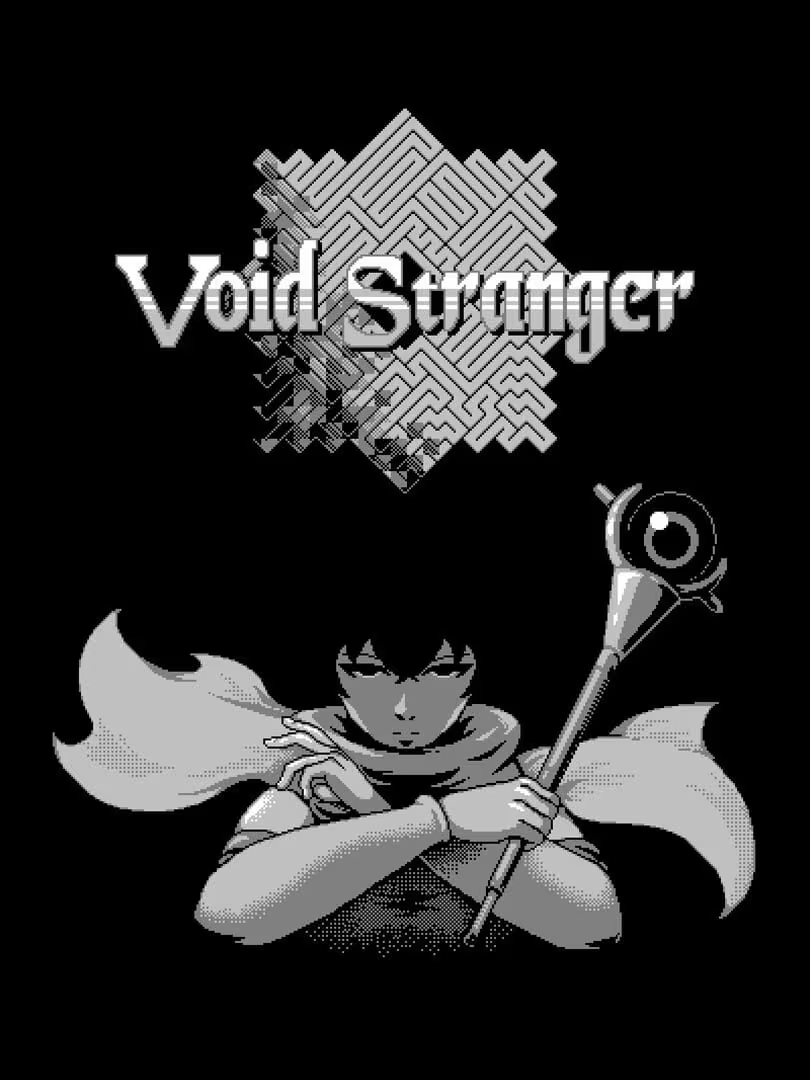 Void Stranger
"Minimal violence; focus on puzzle solving and exploration rather than combat or destruction."
-
Survival
Game with the same Survival vibe
-4"No survival mechanics or threat avoidance; stable and safe game environment."
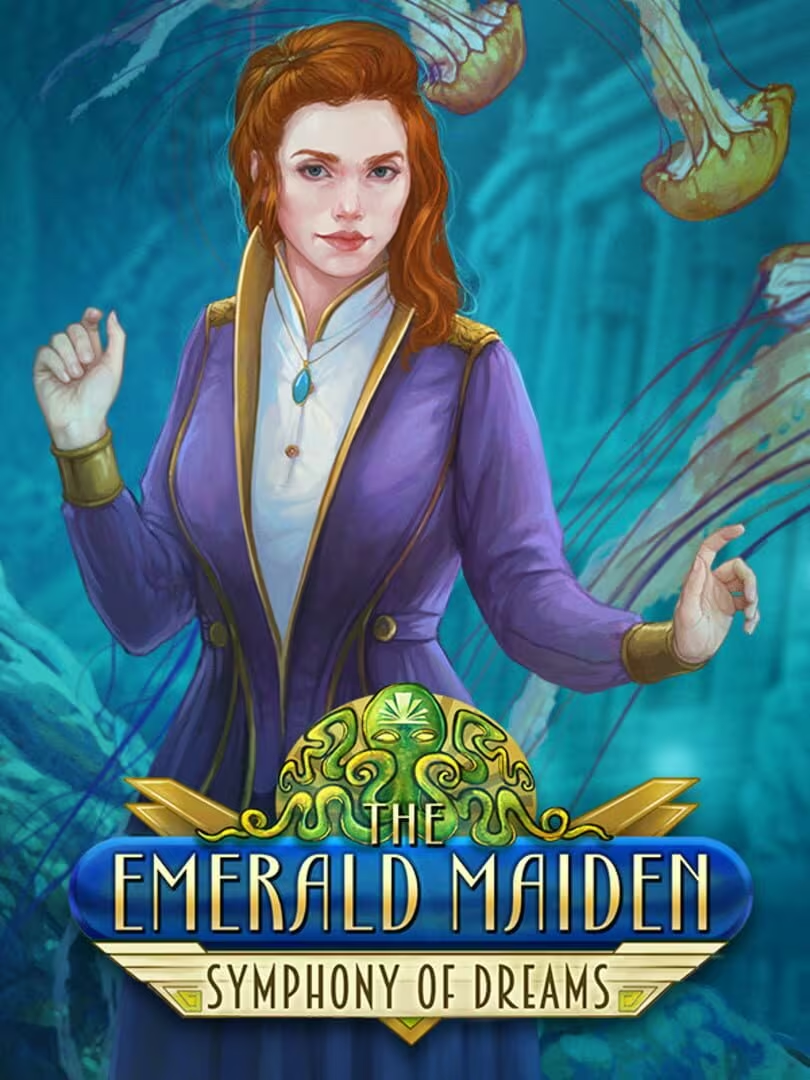 The Emerald Maiden: Symphony of Dreams
"No survival mechanics or threat avoidance; stable and safe game environment."
Last update: 01/06/2026