Plasma Thumbnail

Plasma similar games & best alternatives
Plasma

PC (Microsoft Windows) • 2023

Related articles

Quick resume

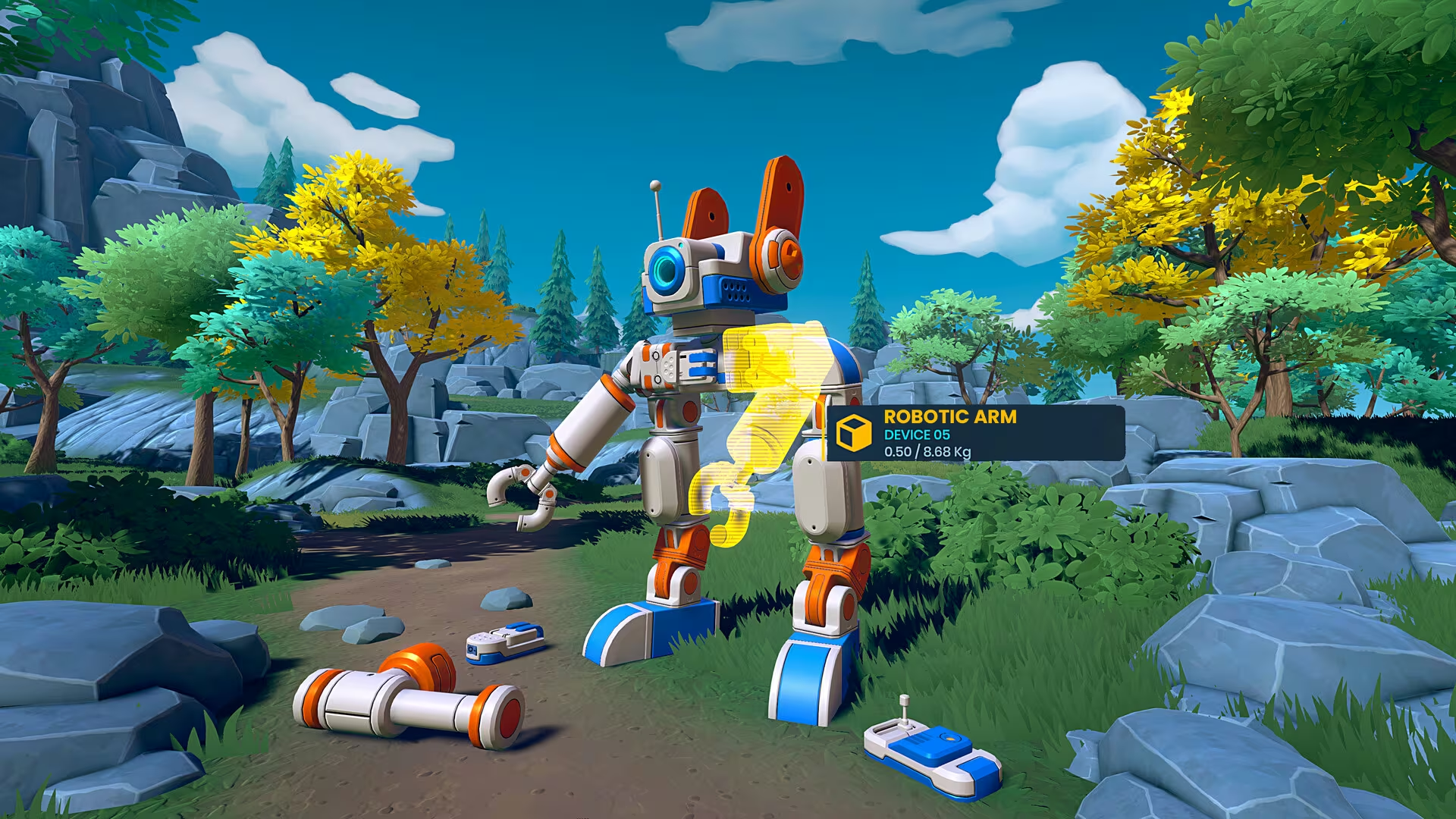
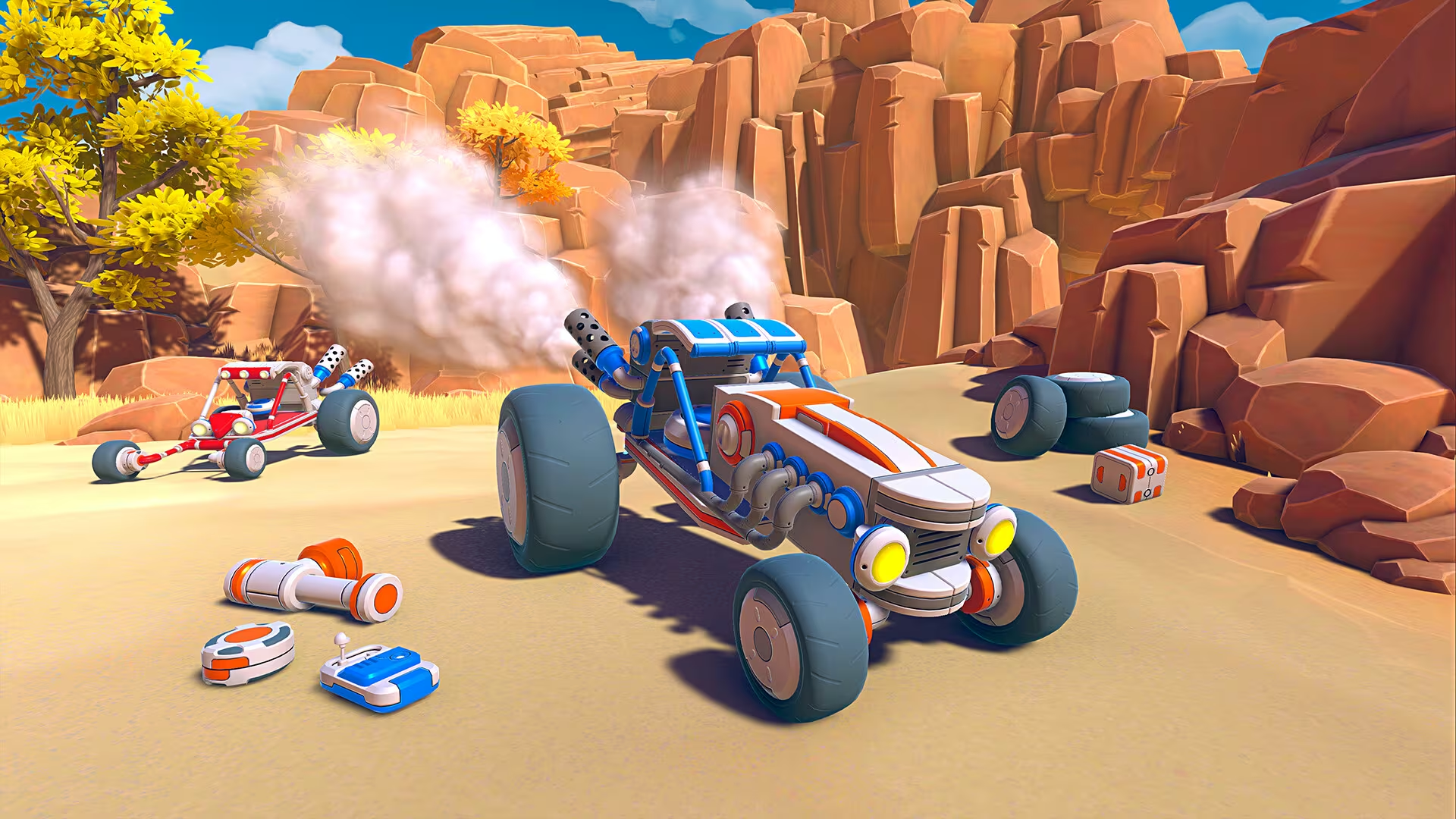
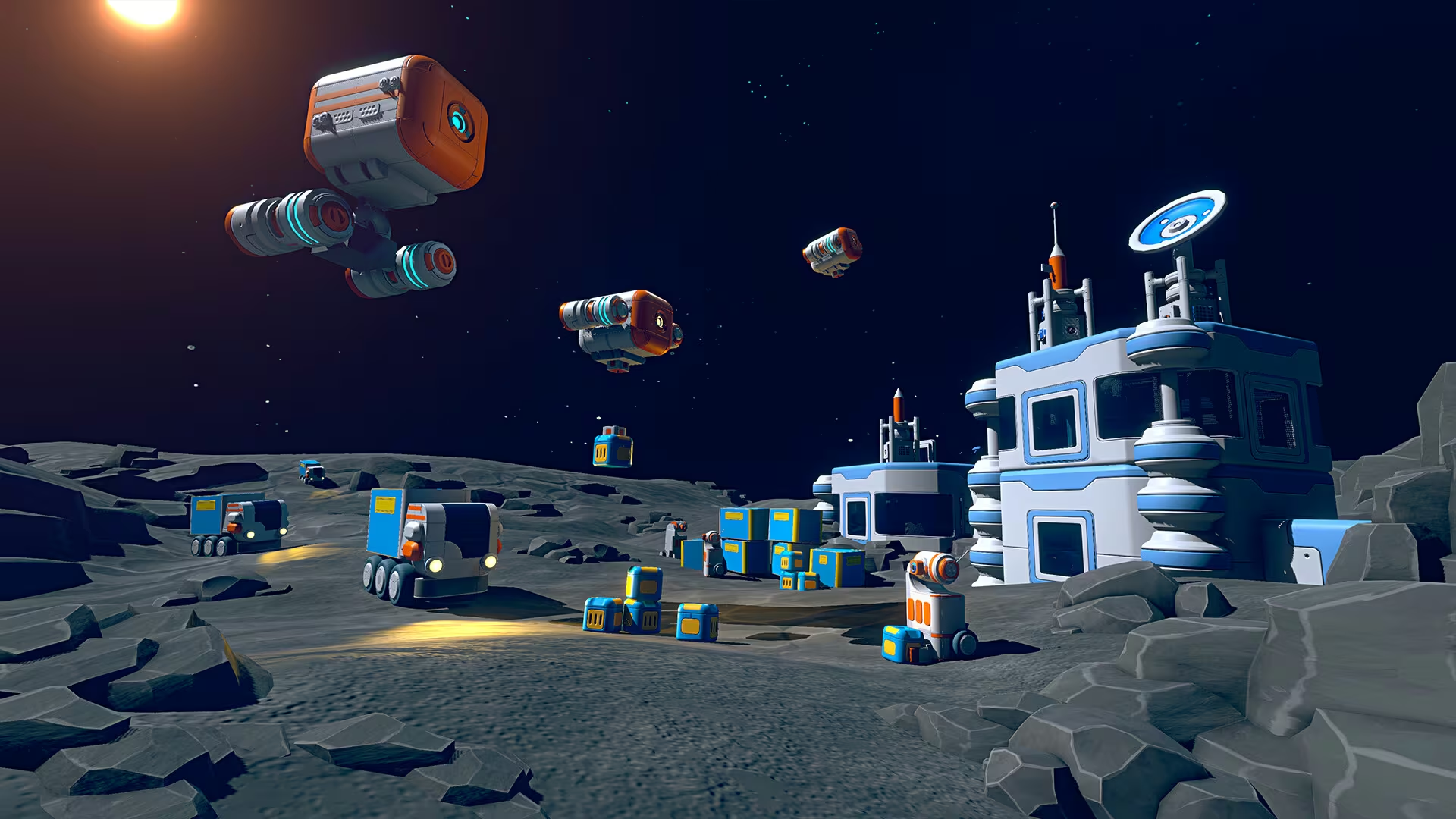
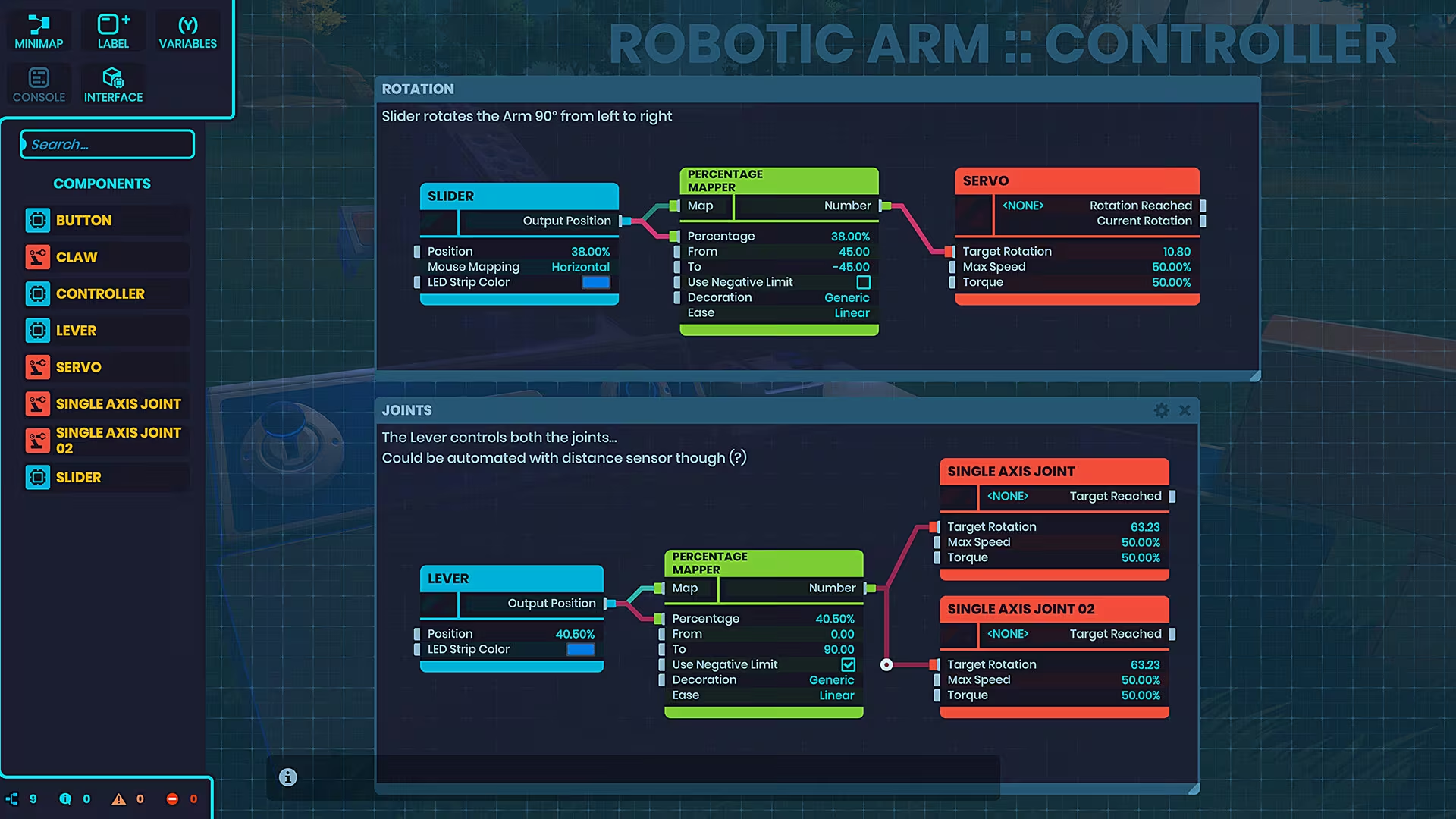
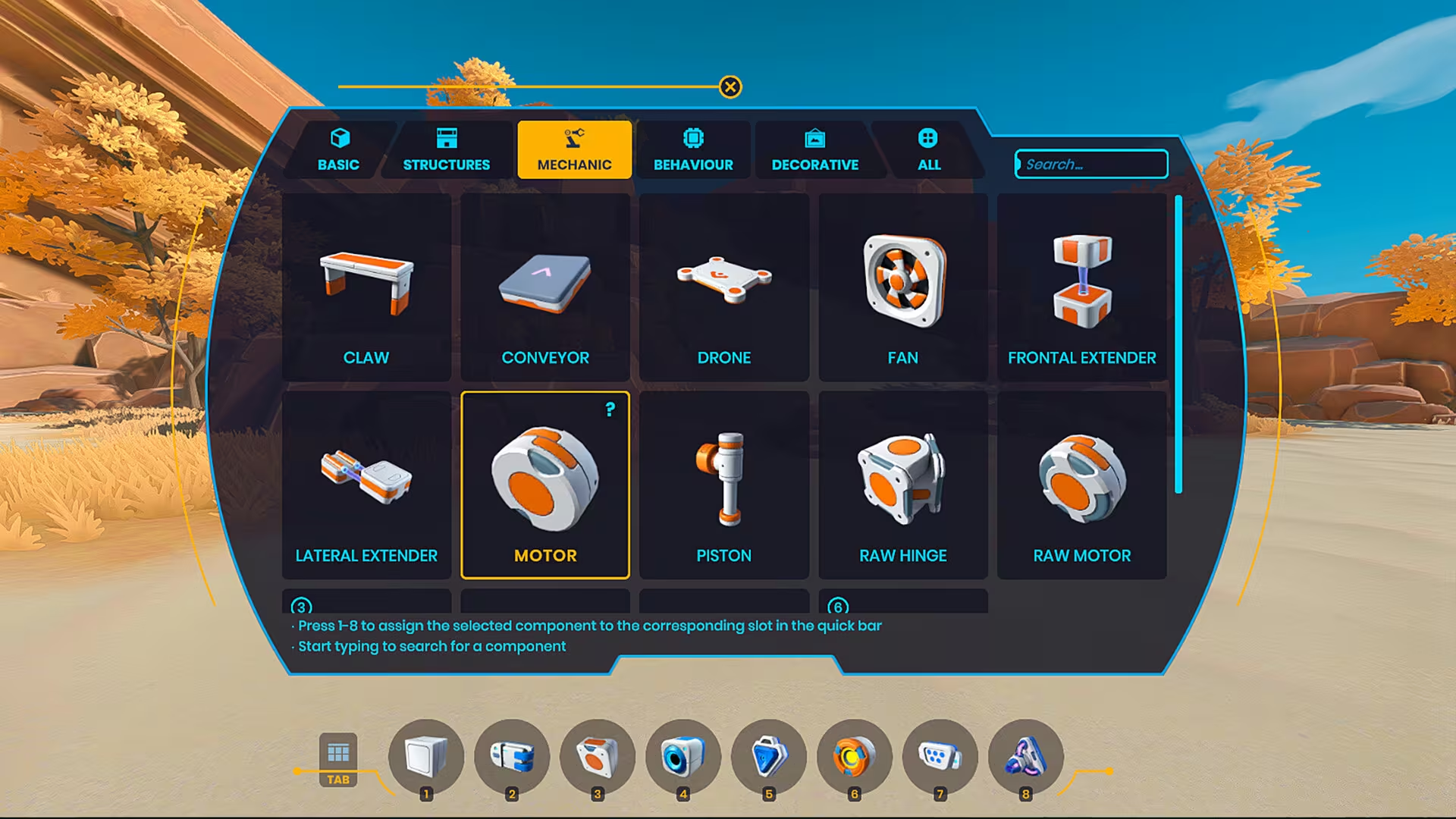
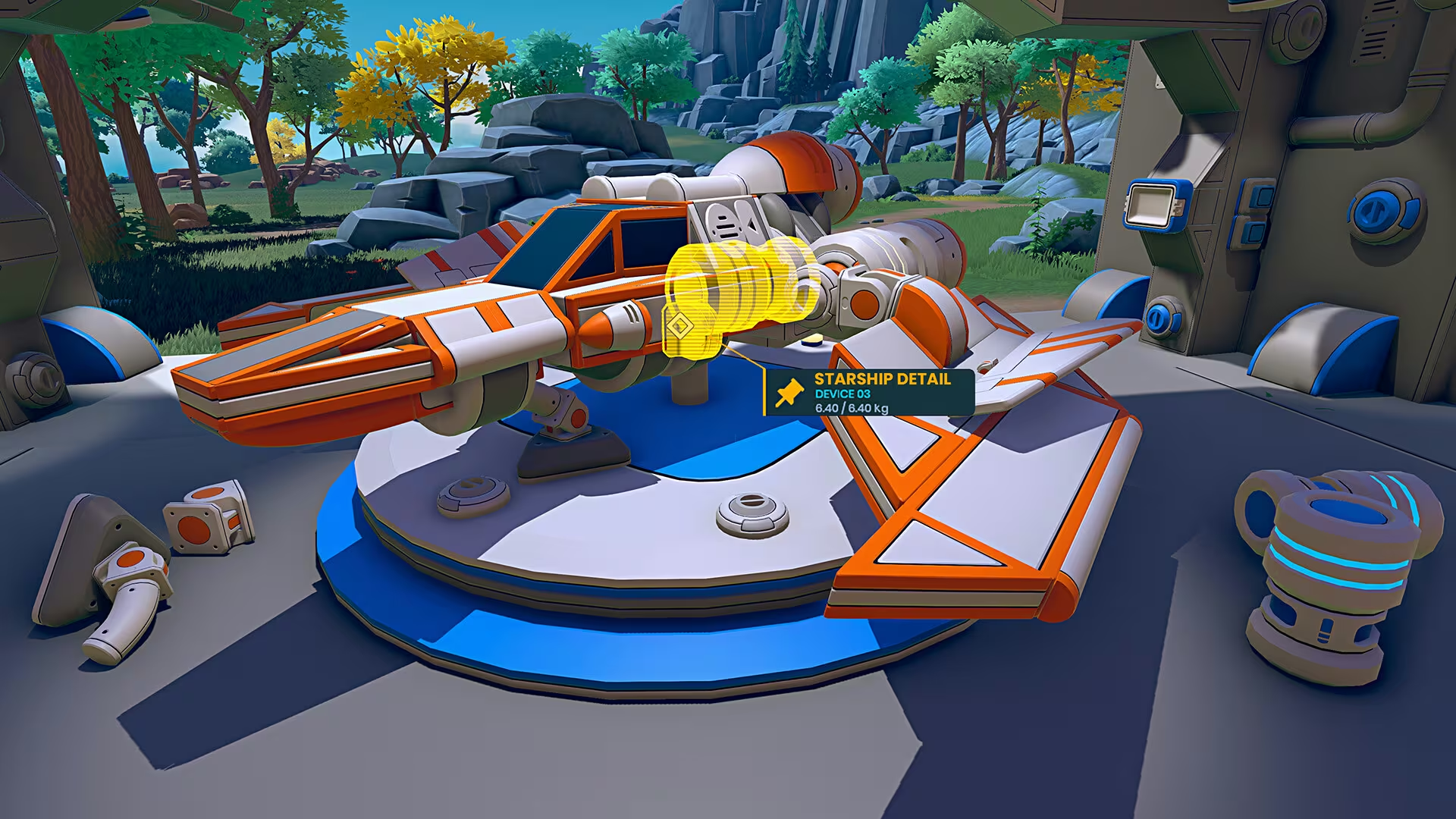
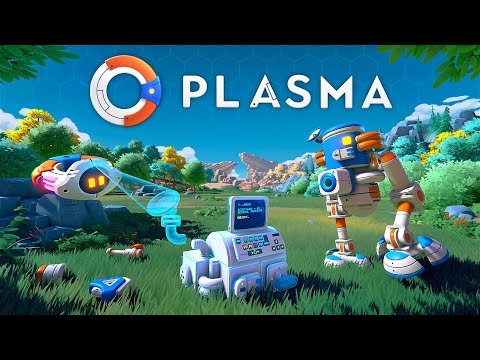
Plasma is a pure engineering sandbox. Use advanced visual programming and robotics tools to create anything you can imagine.

Global score

90/100

Genres

Indie, Simulator, Free To Play

Similar games

    Pros

    • Extensive creative freedom and building tools
    • Robust visual programming system
    • Relaxing and intellectually stimulating gameplay
    • Active and supportive community
    • Good value especially as free-to-play

    Cons

    • Lack of multiplayer and cooperative modes
    • No structured challenges or progression
    • Steep learning curve for beginners
    • Performance issues on some hardware
    • Development currently on indefinite hiatus

    Analysis

    Broadly representative of its motivational profile, with a few distinct shifts. Motivations that often define this kind of title include Fantasy, Violence, Story, Thrill. Here, the score leans higher than usual among comparable games on Expression. It leans lower than usual among comparable games on Survival, Story.

    How to use the graph
    Similar games map

    Each dot is a game. They are arranged from the same motivation profile as in the “Motivations” section below. Closer dots usually mean more similar reasons to play (exploration, competition, relaxation, etc.)—not that one game is “better” than another.

    • Larger dot with a light outline: the game you are viewing.
    • Colour: groups of games with comparable motivation patterns (statistical clusters).
    • Hover a dot to see the game name; click to open its page.
    • Scroll or double-click the chart to zoom out and see more games.

    Why don’t the axes read like a score? This view uses t-SNE: it only keeps who is close to whom. The scales are not “good to bad” or hours played—they separate groups on the map. Read distance between dots, not the axis numbers.

    Motivations

    • Autonomy
      5

      "Players have full freedom to create and build their own devices, set their own goals, and experiment without preset objectives or constraints."

    • Competence
      4

      "The game offers complex programming and engineering challenges that require skill and learning, though lacks structured levels or challenges."

    • Competition
      -3

      "Focus is on personal creativity and self-set goals; no evidence of competitive modes or leaderboards."

    • Continuation
      2

      "Some players report long playtimes and habitual engagement, but others mention playing in bursts; overall moderate continuation."

    • Cooperation
      -2

      "No multiplayer currently; some desire for cooperative play exists but game is primarily single-player sandbox."

    • Creativity
      5

      "Core motivation is creative building and programming of custom machines and devices with extensive freedom."

    • Domination
      -5

      "No evidence of exerting control over others; interactions are individual and cooperative dominance is absent."

    • Escapism
      3

      "Players use the game as a relaxing creative outlet and distraction, though some also appreciate its educational value."

    • Expectation
      -4

      "Engagement is driven by intrinsic interest and personal desire rather than obligation or external pressure."

    • Experimenting
      5

      "Strong emphasis on exploring mechanics, tinkering with programming, and testing new creations."

    • Exploration
      -1

      "Limited world exploration; focus is on building and programming rather than discovering new areas."

    • Expression
      4

      "Players customize and personalize creations extensively, expressing themselves through design and programming."

    • Fantasy
      -2

      "Game is grounded in engineering and programming realism rather than imaginative fiction or roleplay."

    • Fellowship
      -3

      "Minimal social connection; community exists but gameplay is primarily solo without strong group identity."

    • Growth
      4

      "Players learn programming, engineering, and problem-solving skills through experimentation and creation."

    • Health
      -5

      "Sedentary gameplay with no physical activity or health-related features."

    • Idle
      -3

      "Requires focused attention and active engagement rather than passive or background play."

    • Intimacy
      -4

      "No evidence of close social relationships forming through gameplay; interactions are surface-level or absent."

    • Leadership
      -5

      "No leadership or authoritative roles; gameplay is individual and self-directed."

    • Progression
      1

      "No structured progression or item accumulation; players create and improve their own devices but no formal upgrades."

    • Relaxation
      3

      "Many players find the game relaxing and enjoyable, balancing challenge with creative flow."

    • Sensation
      1

      "Visuals and audio are pleasant but not highly stimulating; focus is on intellectual engagement."

    • Status
      -3

      "Limited social recognition or status systems; achievements are personal or community-shared but not competitive."

    • Story
      -5

      "No narrative or story elements; gameplay is context-free sandbox creation."

    • Strategy
      3

      "Players engage in problem-solving and logical planning through programming and engineering."

    • Thrill
      -4

      "Gameplay lacks suspense or risk; experience is controlled and predictable."

    • Value
      3

      "Players perceive good value especially given the price and now free availability; some regret initial purchase but appreciate content."

    • Violence
      -5

      "No combat or destructive gameplay; focus is on constructive building and programming."

    • Survival
      -5

      "No survival mechanics or threats; stable sandbox environment."

    Last update: 29/04/2026