Quest of Dungeons Thumbnail

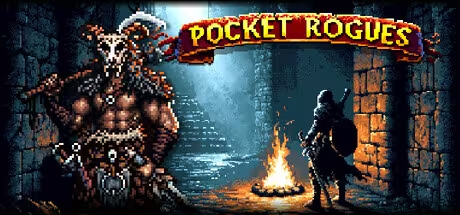
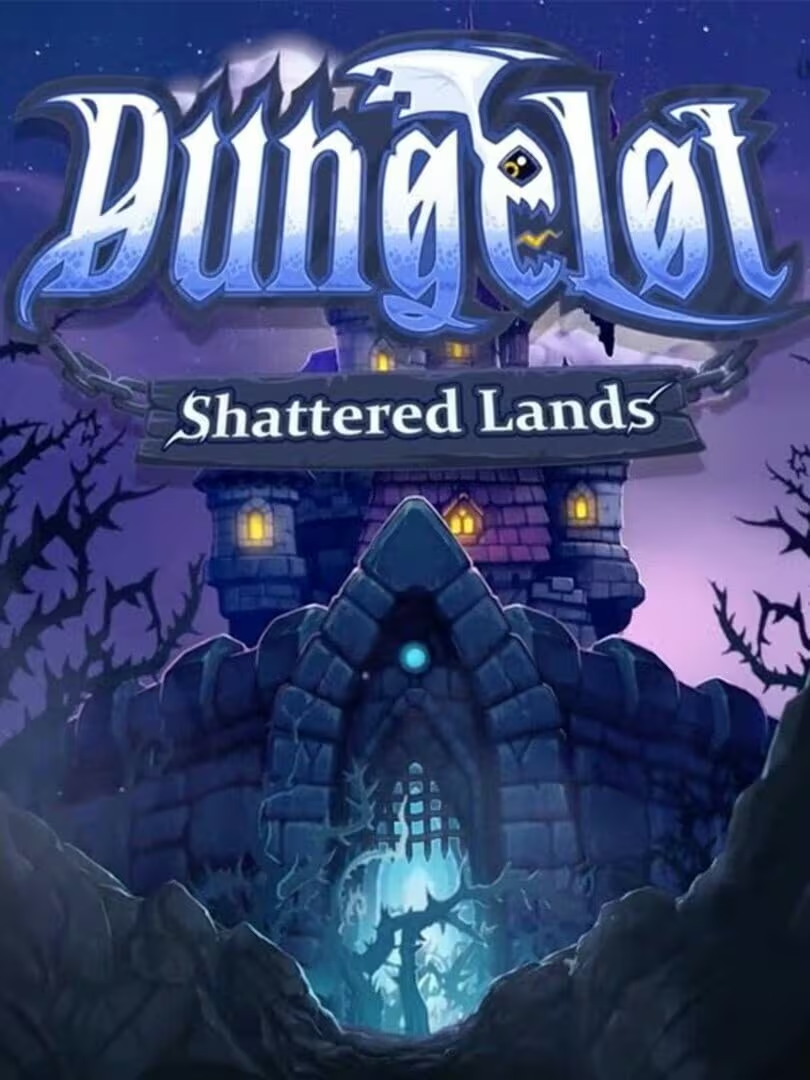
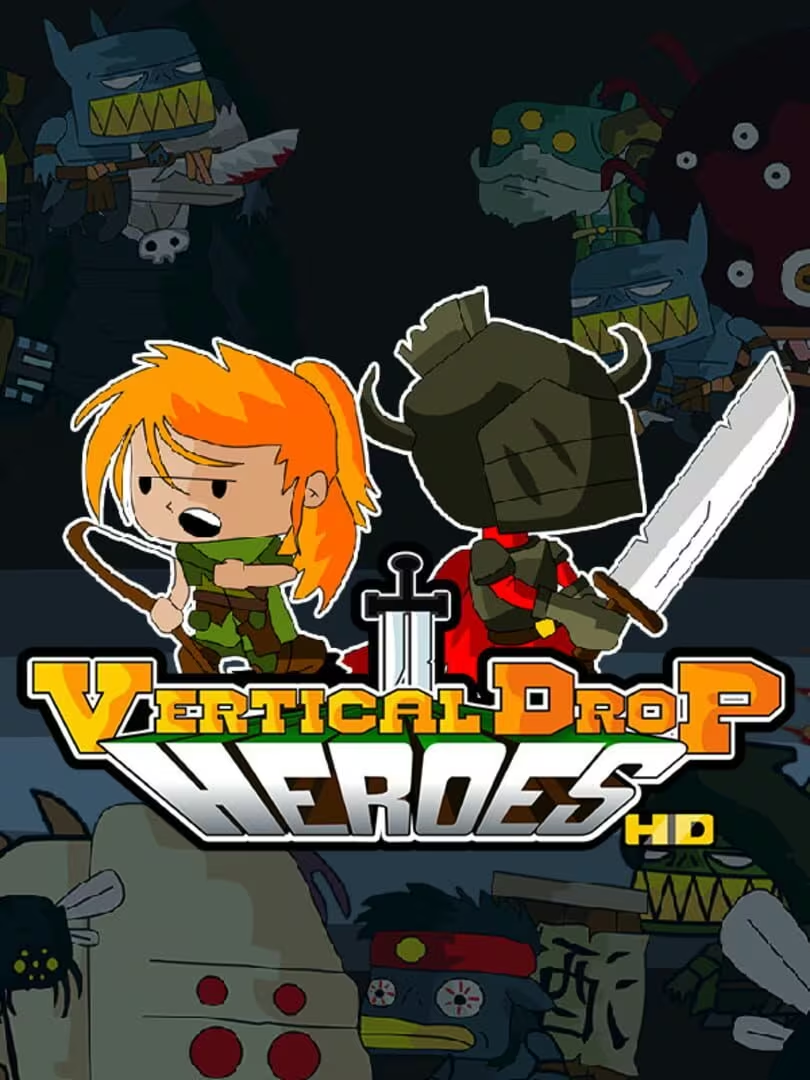
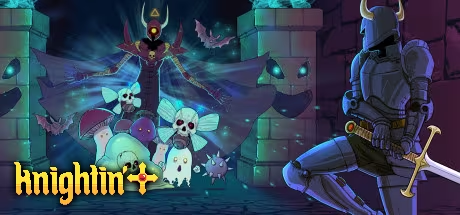
Quest of Dungeons similar games & best alternatives
Quest of Dungeons

PC (Microsoft Windows) • 2014

Related articles

Quick resume

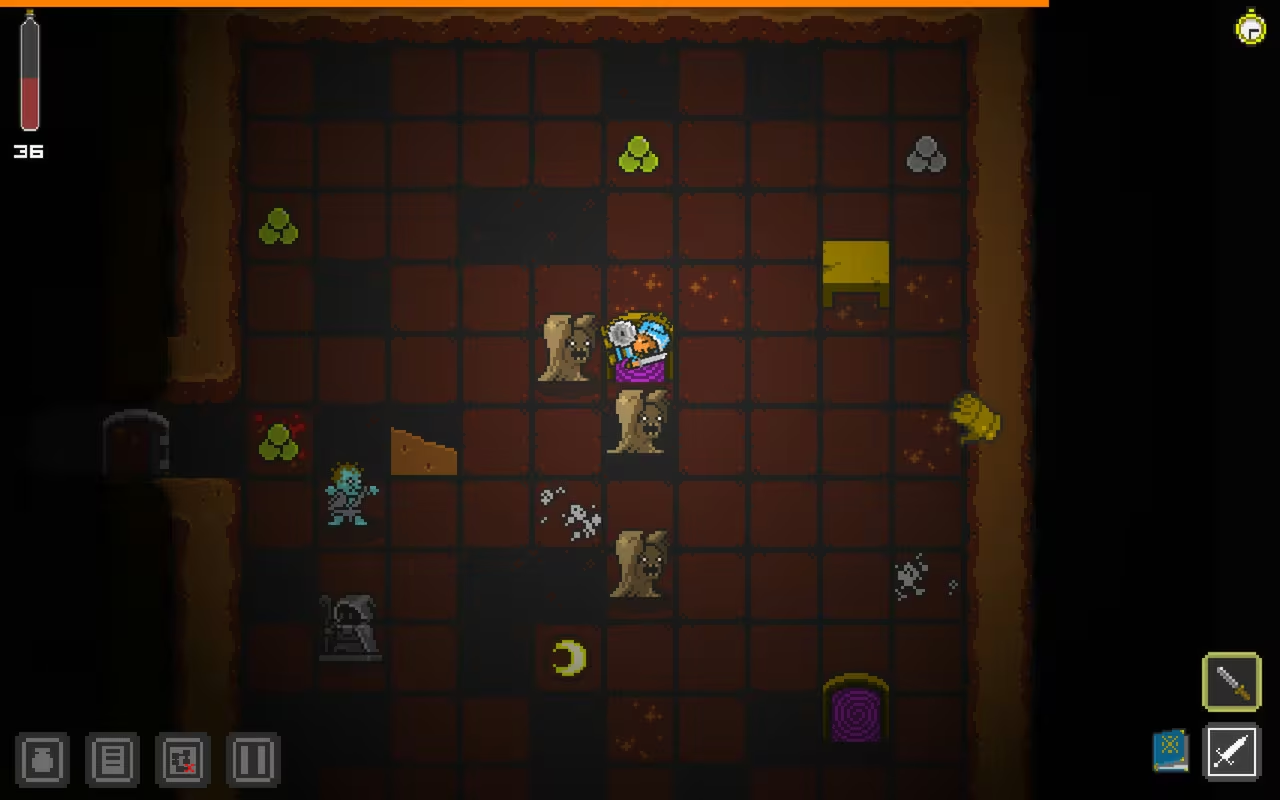
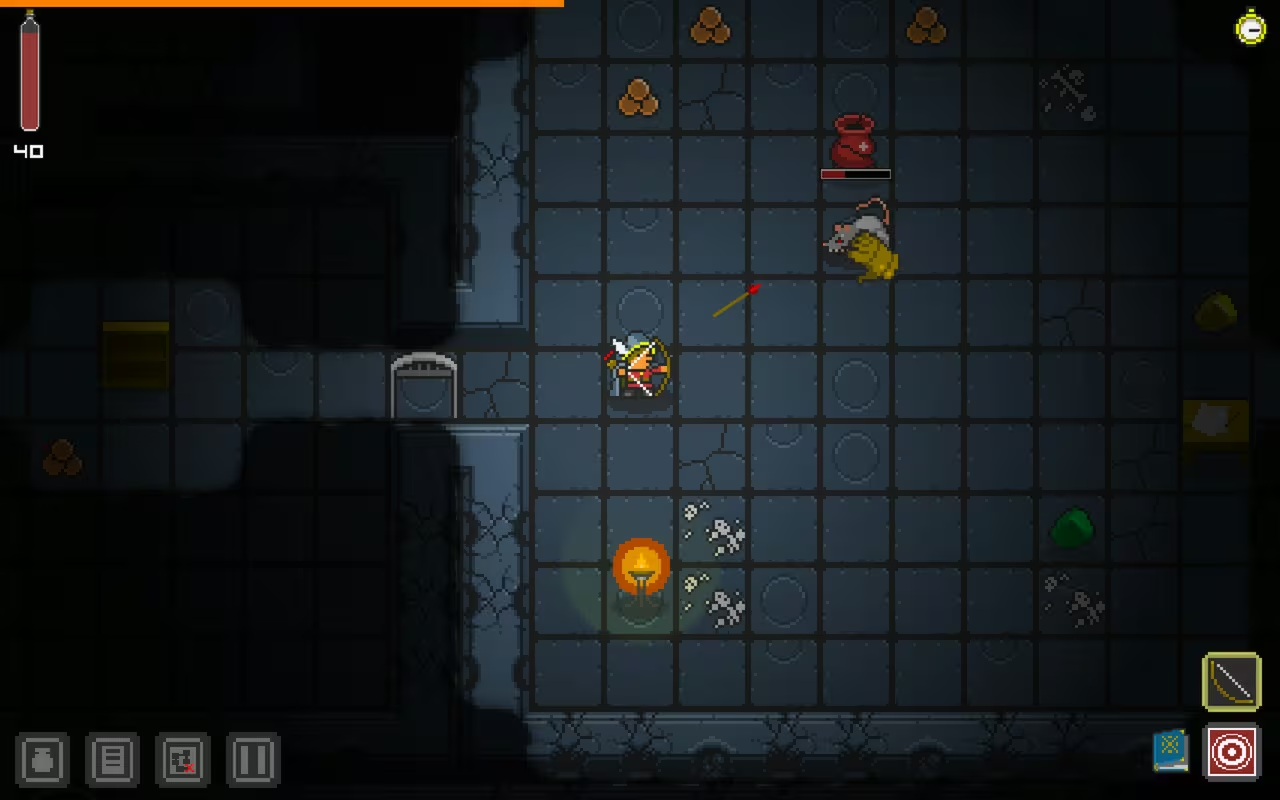
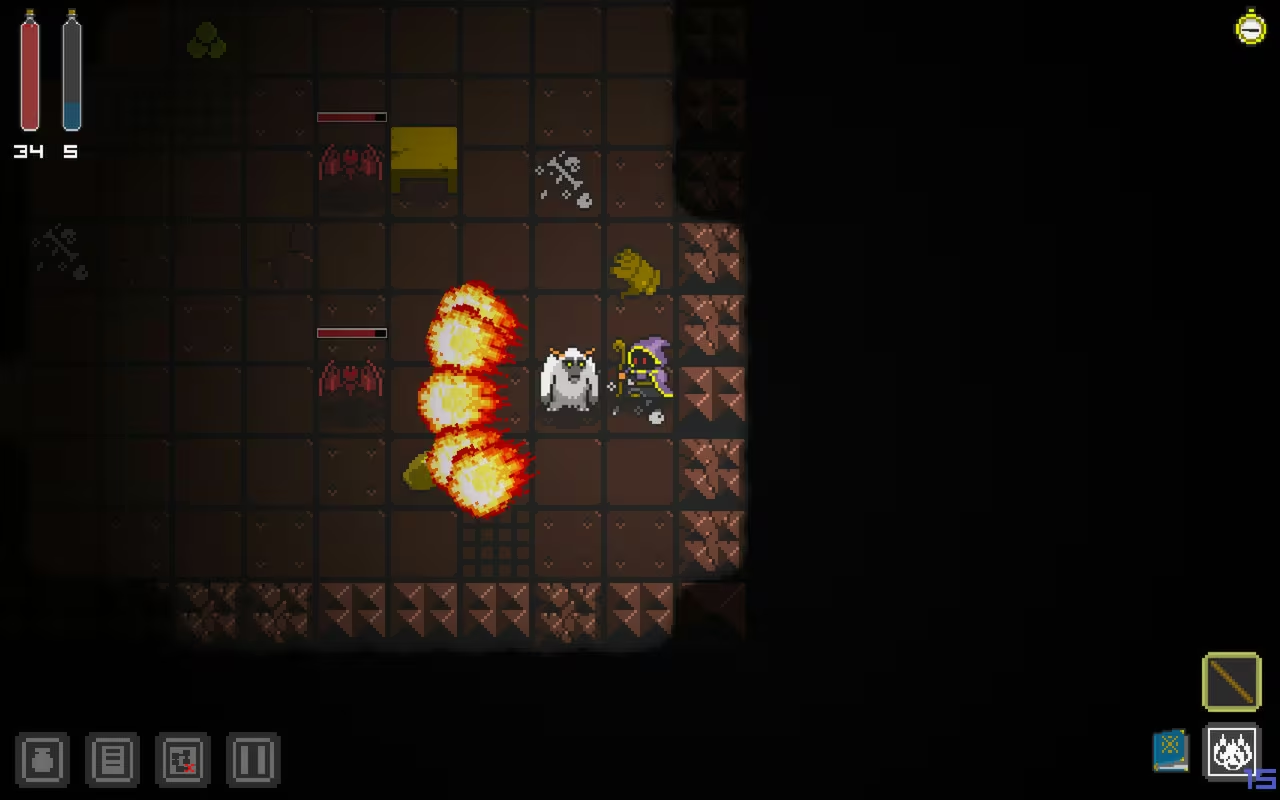
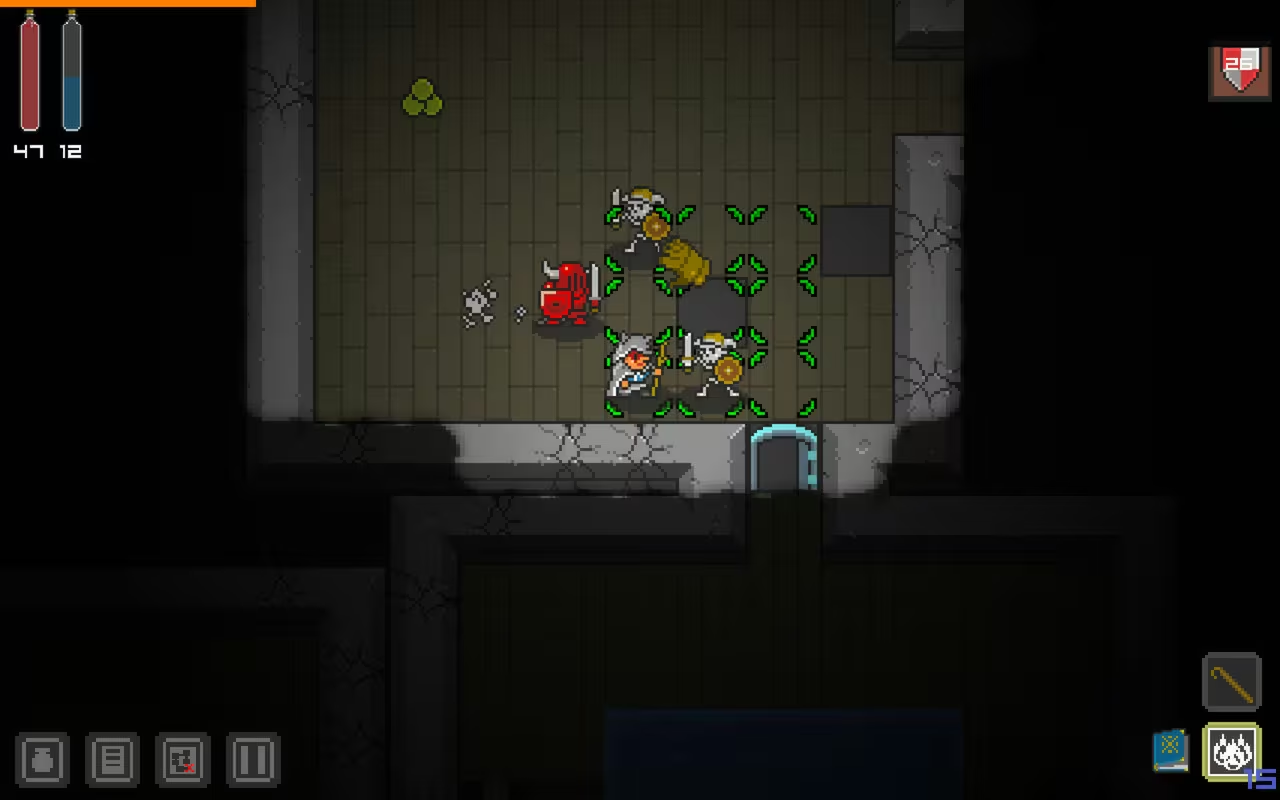
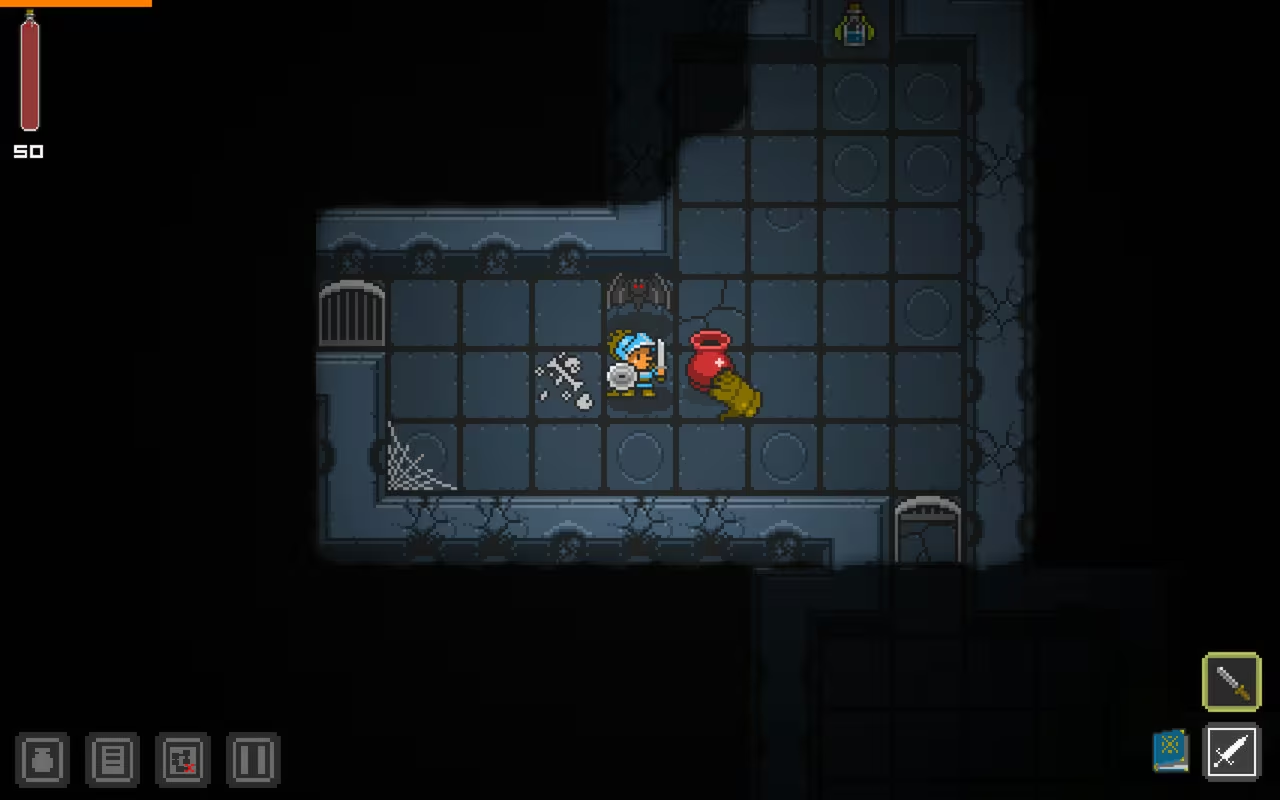
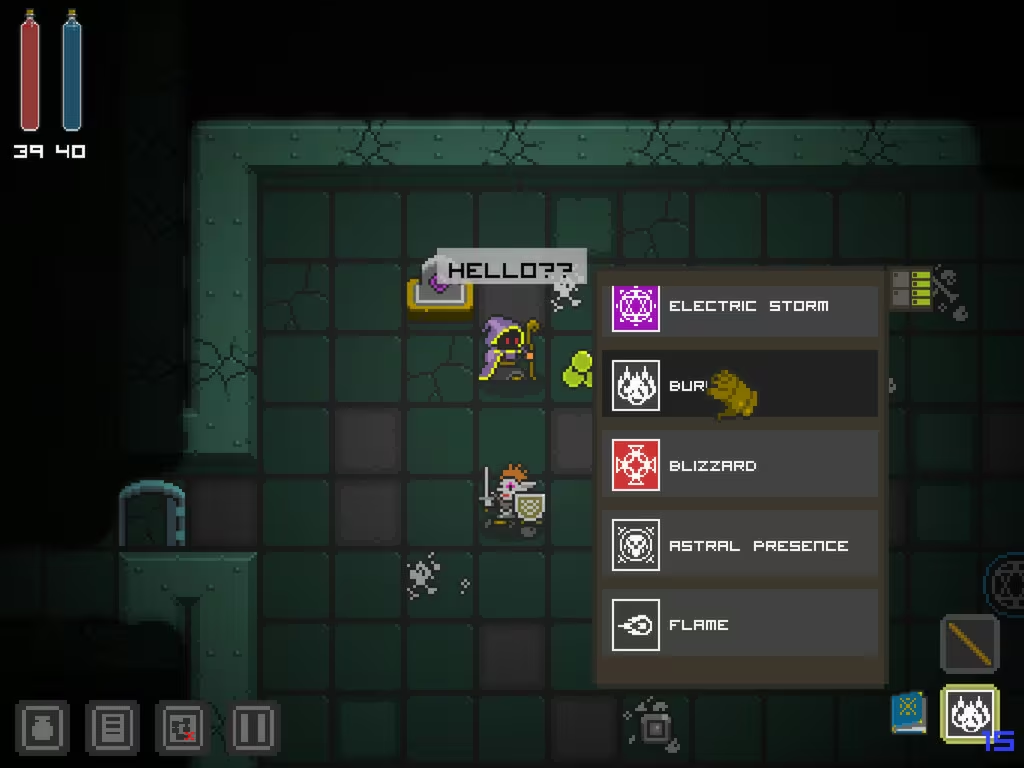
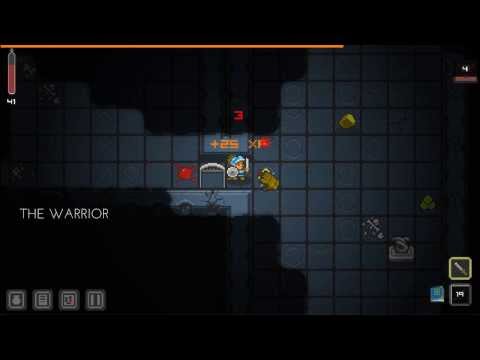
Quest of Dungeons is a turn based dungeon crawler game featuring a good old 16-bit retro artistic look. By playing as either a Warrior, Wizard, Assassin or Shaman you have to traverse dungeons, defeat enemies and loot everything you can in order to survive.

Global score

76/100

Genres

Adventure, Indie, Role-playing (RPG)

Similar games

    Pros

    • Simple and accessible roguelike gameplay
    • Randomly generated dungeons with replay value
    • Humorous and nostalgic tone
    • Multiple character classes with distinct playstyles
    • Affordable price point

    Cons

    • Lack of multiplayer or social features
    • Some class and difficulty imbalances
    • Limited depth and content for experienced roguelike players
    • Permadeath can frustrate some players
    • Short overall game length

    Analysis

    Broadly representative of its motivational profile, with a few distinct shifts. Motivations that often define this kind of title include Fellowship, Cooperation, Leadership, Violence. Here, the score leans higher than usual among comparable games on Competition, Status. It leans lower than usual among comparable games on Creativity.

    How to use the graph
    Similar games map

    Each dot is a game. They are arranged from the same motivation profile as in the “Motivations” section below. Closer dots usually mean more similar reasons to play (exploration, competition, relaxation, etc.)—not that one game is “better” than another.

    • Larger dot with a light outline: the game you are viewing.
    • Colour: groups of games with comparable motivation patterns (statistical clusters).
    • Hover a dot to see the game name; click to open its page.
    • Scroll or double-click the chart to zoom out and see more games.

    Why don’t the axes read like a score? This view uses t-SNE: it only keeps who is close to whom. The scales are not “good to bad” or hours played—they separate groups on the map. Read distance between dots, not the axis numbers.

    Motivations

    • Autonomy
      4

      "Players choose from multiple classes and freely explore randomly generated dungeons with turn-based movement and combat, allowing personal decision-making."

    • Competence
      3

      "Players feel effective by learning skills, managing inventory, and overcoming bosses, though some find the game easy and predictable after mastery."

    • Competition
      1

      "Leaderboards exist and players can compare scores, but most play is single-player without heavy emphasis on competing against others."

    • Continuation
      4

      "High replay value with permadeath and randomized dungeons encourages repeated play sessions and habitual engagement."

    • Cooperation
      -5

      "Single-player only with no multiplayer or cooperative features."

    • Creativity
      1

      "Some customization via equipment and skill choices, but gameplay follows established roguelike structures with limited creative modification."

    • Domination
      -5

      "No evidence of exerting control over others; interactions are solo and balanced."

    • Escapism
      4

      "Players use the game as a casual, relaxing distraction with nostalgic and humorous elements to escape real life."

    • Expectation
      -4

      "Players engage voluntarily for fun and challenge, with no obligation or external pressure to play."

    • Experimenting
      3

      "Randomized dungeons and multiple classes encourage trying new strategies and exploring different playstyles."

    • Exploration
      3

      "Players explore procedurally generated dungeon floors with some secrets and quests, though environments are somewhat repetitive."

    • Expression
      1

      "Limited character expression through class choice and equipment, but no deep avatar customization."

    • Fantasy
      4

      "Strong fantasy setting with magic, monsters, and roguelike dungeon crawling."

    • Fellowship
      -5

      "No social or community features; purely single-player experience."

    • Growth
      3

      "Players learn game mechanics, improve skills, and develop strategies over repeated playthroughs."

    • Health
      -5

      "Sedentary gameplay with no physical activity involved."

    • Idle
      -4

      "Requires focused attention and strategic planning; not a casual idle game."

    • Intimacy
      -5

      "No close social interactions or relationship building."

    • Leadership
      -5

      "No leadership or group management elements."

    • Progression
      4

      "Players accumulate items, gold, and skills to progress through dungeon levels and defeat bosses."

    • Relaxation
      3

      "Offers a balance of challenge and flow with humorous and nostalgic tone, suitable for casual play."

    • Sensation
      2

      "Simple pixel graphics and retro music provide moderate sensory stimulation and emotional enjoyment."

    • Status
      0

      "Some leaderboard presence but minimal social recognition or status emphasis."

    • Story
      1

      "Basic narrative with humorous elements; story is minimal and secondary to gameplay."

    • Strategy
      3

      "Turn-based combat and resource management require tactical thinking and planning."

    • Thrill
      3

      "Permadeath and boss encounters create suspense and tension, though overall difficulty is moderate."

    • Value
      4

      "Affordable price with good replay value and satisfying gameplay for the cost."

    • Violence
      3

      "Combat-focused gameplay involving defeating monsters and bosses."

    • Survival
      3

      "Players manage health, mana, and resources to survive dungeon threats and progress."

    Last update: 29/04/2026