Monsters' Den: Book of Dread Thumbnail

Monsters' Den: Book of Dread similar games & best alternatives

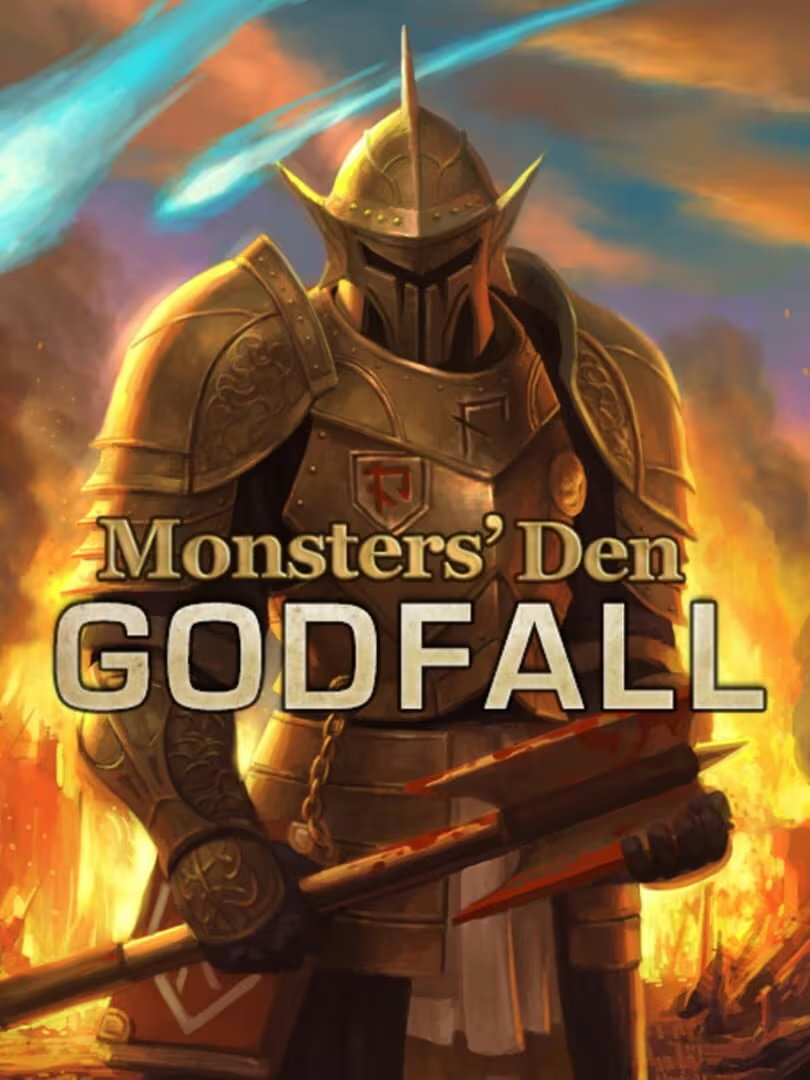
Monsters' Den: Book of Dread

PC (Microsoft Windows), Web browser • 2016

Related articles

Quick resume

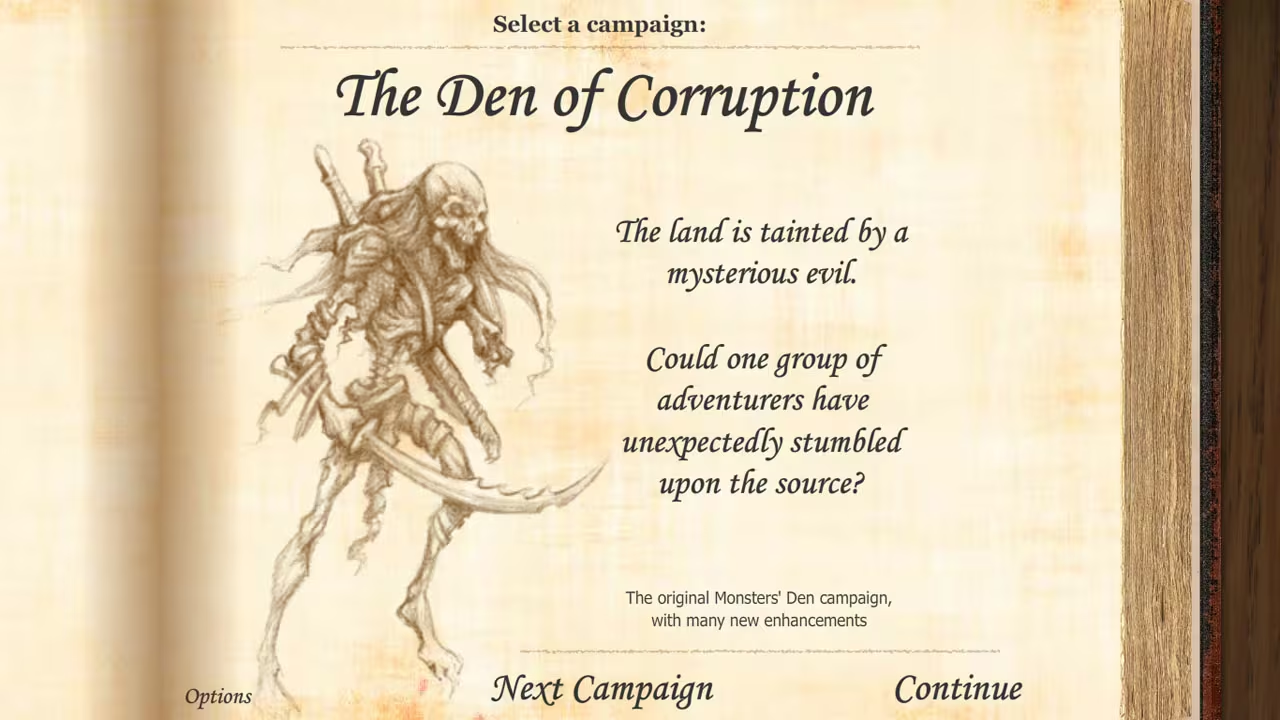
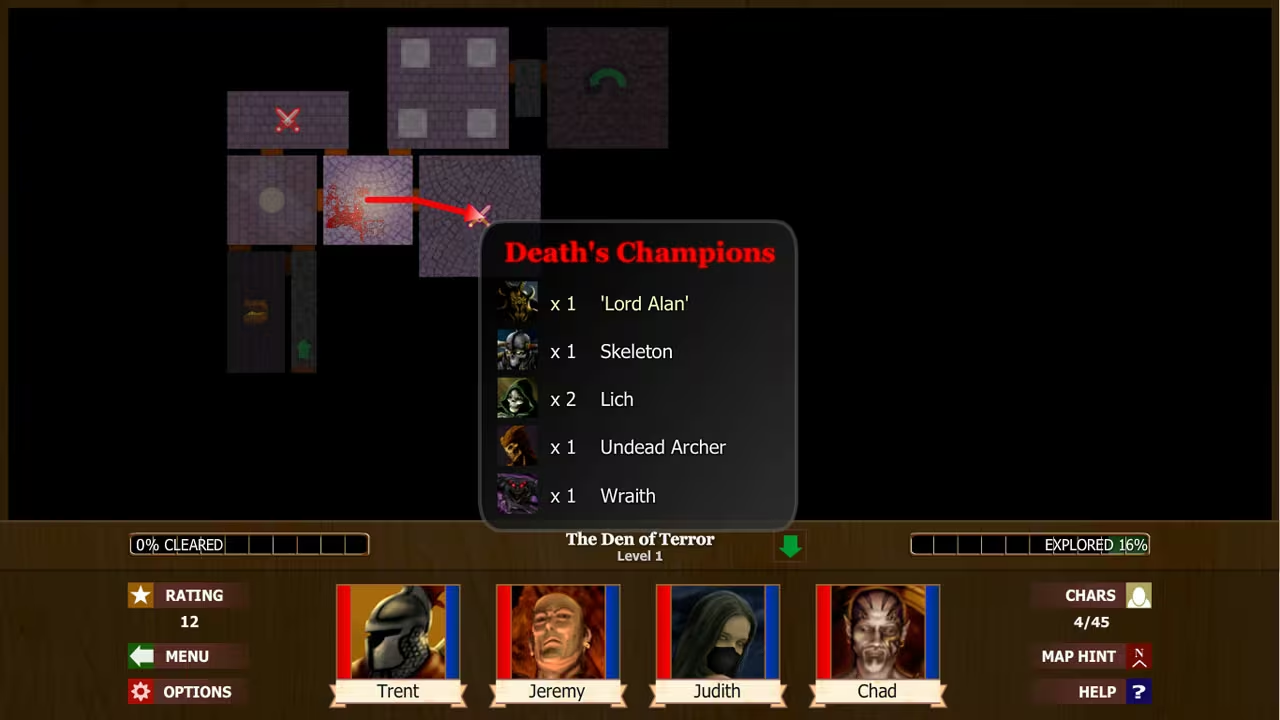
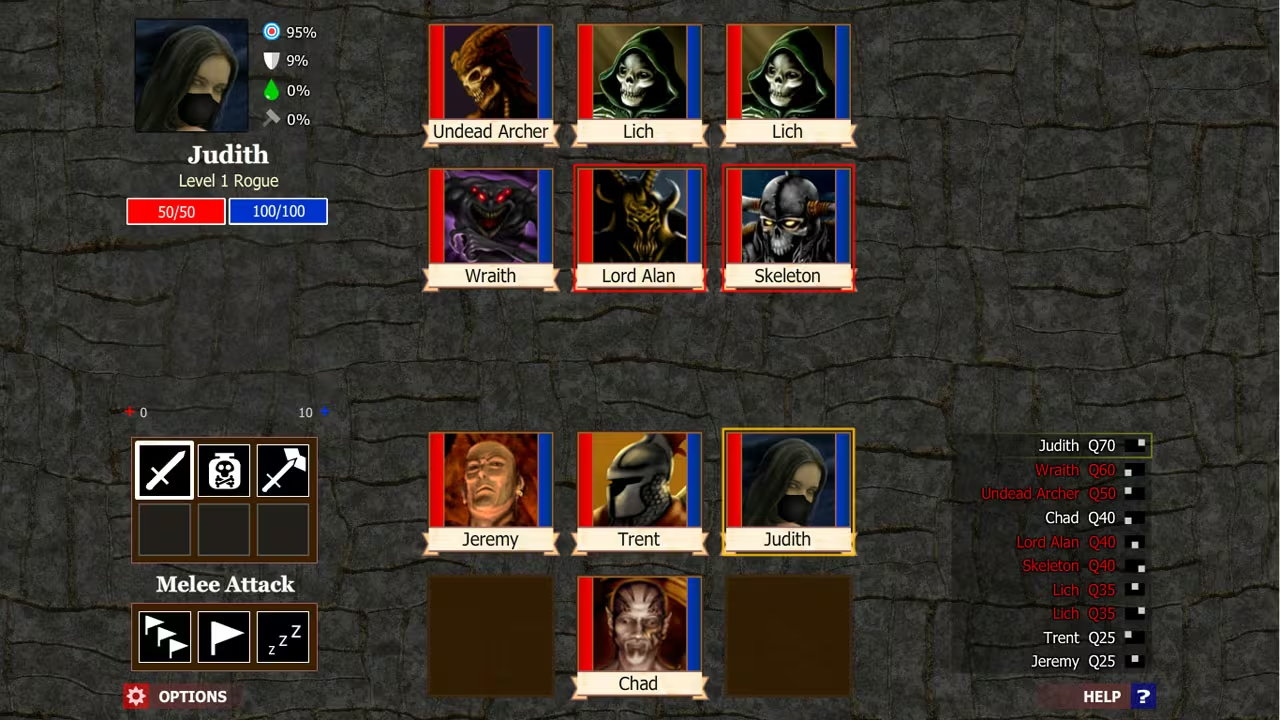
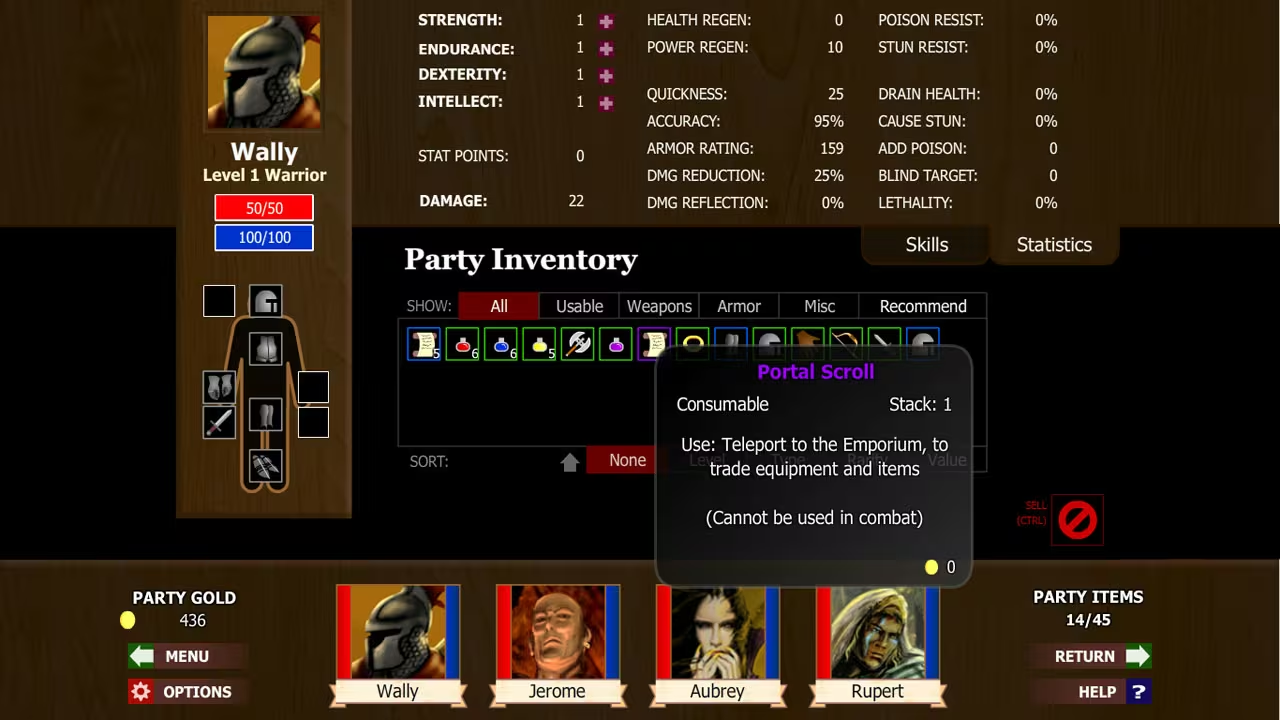
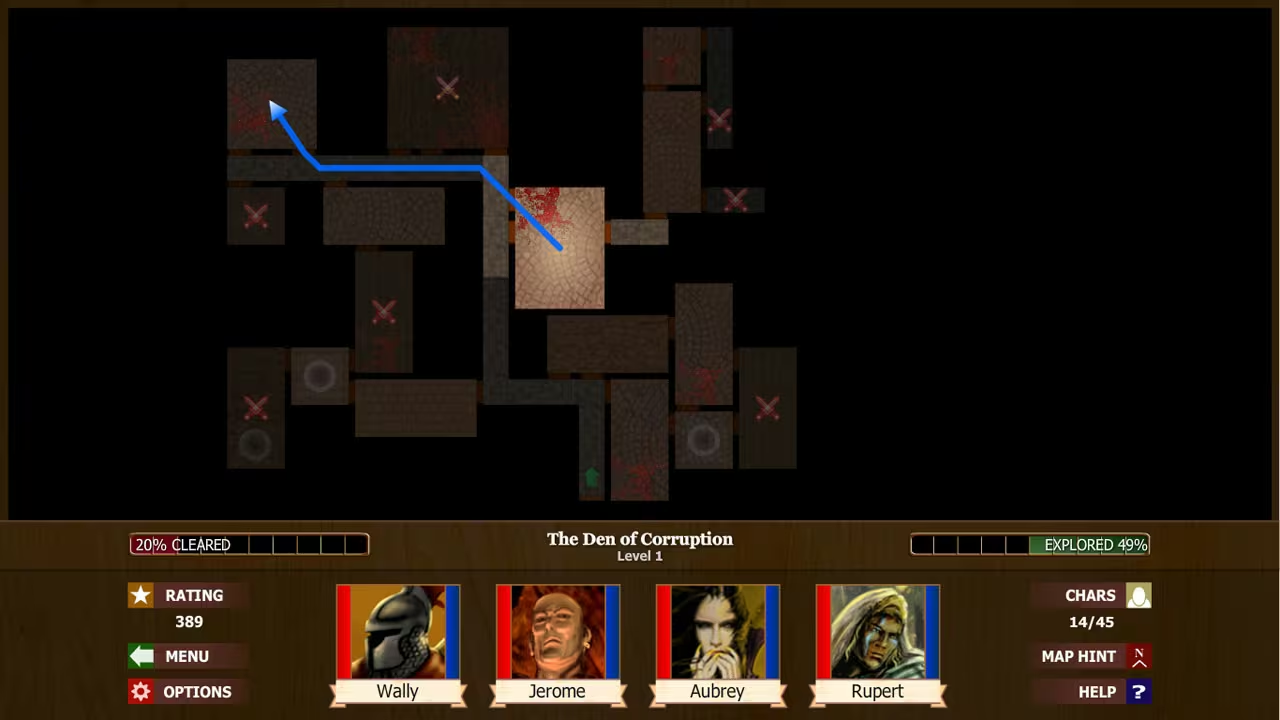
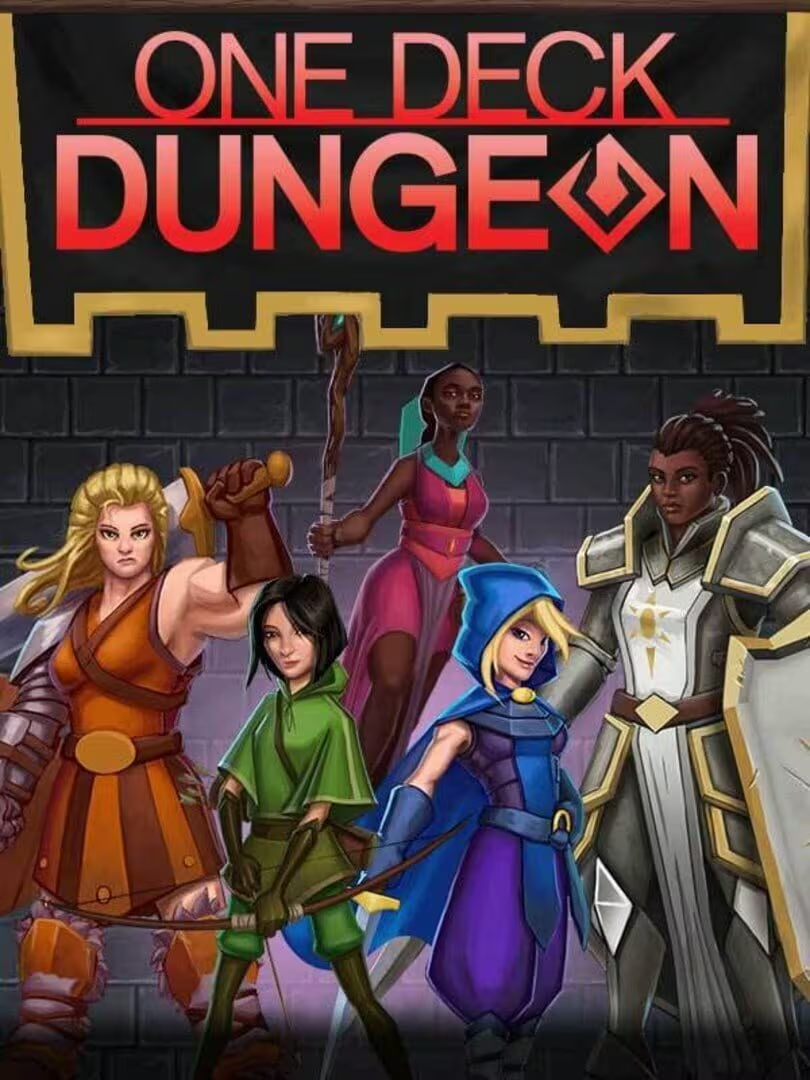
Enter the Monsters' Den, a place of endless adventure, battle and reward! Lead your party of four heroes through each level of the ever-changing dungeon, fighting in turn-based battles and hunting for that elusive rare loot. The web-game classic comes to Steam!

Global score

93/100

Genres

Casual, Indie, Role-playing (RPG), Strategy

Similar games

    Pros

    • High replayability and endless dungeon mode
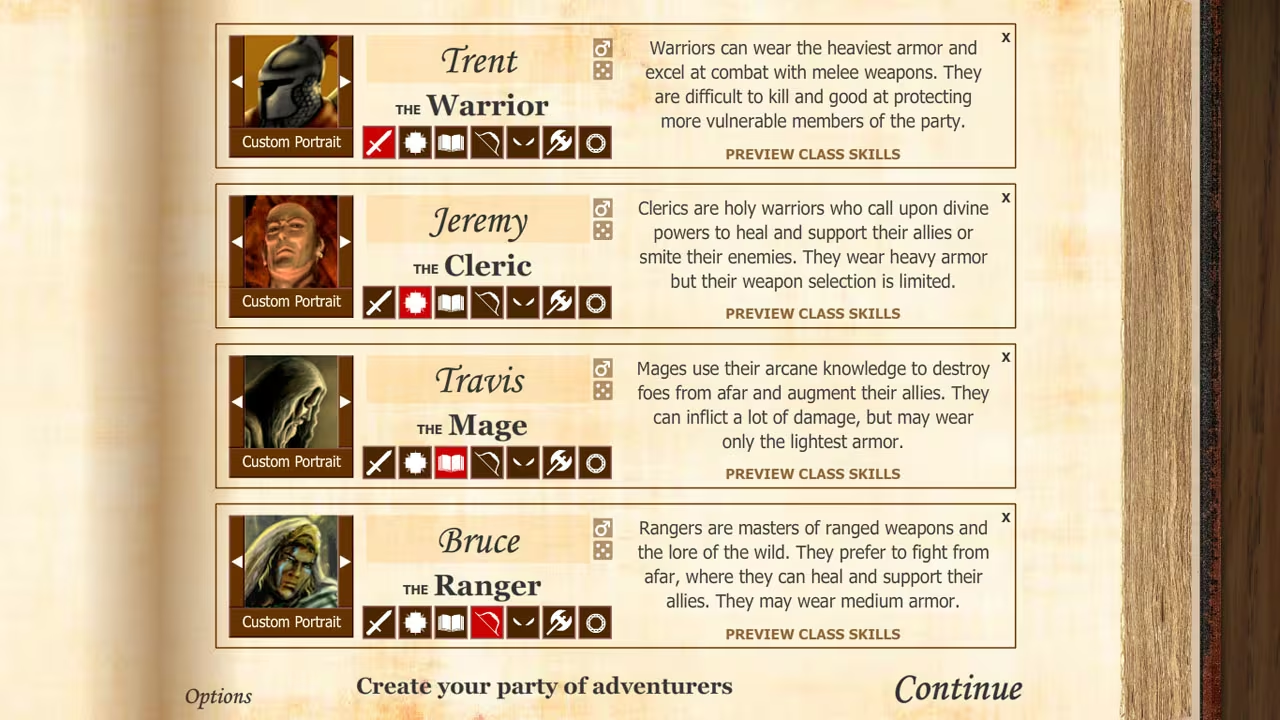
    • Deep party customization and skill synergies
    • Nostalgic classic dungeon crawler gameplay
    • Relaxing and accessible turn-based combat
    • Ability to customize character portraits

    Cons

    • Minimal story and narrative depth
    • Repetitive visuals and environments
    • Some ui and inventory management issues
    • Lack of multiplayer or social features
    • Limited new content beyond original flash game

    Analysis

    A very typical example of its motivational profile. Motivations that often define this kind of title include Leadership, Survival, Violence, Strategy. Here, the score leans higher than usual among comparable games on Relaxation. It leans lower than usual among comparable games on Story, Intimacy.

    How to use the graph
    Similar games map

    Each dot is a game. They are arranged from the same motivation profile as in the “Motivations” section below. Closer dots usually mean more similar reasons to play (exploration, competition, relaxation, etc.)—not that one game is “better” than another.

    • Larger dot with a light outline: the game you are viewing.
    • Colour: groups of games with comparable motivation patterns (statistical clusters).
    • Hover a dot to see the game name; click to open its page.
    • Scroll or double-click the chart to zoom out and see more games.

    Why don’t the axes read like a score? This view uses t-SNE: it only keeps who is close to whom. The scales are not “good to bad” or hours played—they separate groups on the map. Read distance between dots, not the axis numbers.

    Motivations

    • Autonomy
      4

      "Players can freely create and customize their party, choose skills, equipment, and strategies, allowing significant control over gameplay decisions."

    • Competence
      3

      "The game offers challenging turn-based combat and strategic party management that requires skill and planning, though some find it repetitive over time."

    • Competition
      -3

      "Focus is on personal progression and party optimization; no integrated leaderboards or ranked modes, and multiplayer competition is absent."

    • Continuation
      4

      "Many players report long play sessions and habitual return to the game due to its replayability and endless dungeon mode."

    • Cooperation
      -4

      "Gameplay centers on managing a solo party of characters; no multiplayer or cooperative gameplay elements."

    • Creativity
      4

      "Players experiment with multiple classes, skill builds, and party synergies; also can customize character portraits."

    • Domination
      -4

      "Interactions are single-player focused with no social dominance or power dynamics over others."

    • Escapism
      4

      "Players use the game as a relaxing, casual dungeon crawler to escape daily life and enjoy fantasy combat."

    • Expectation
      -4

      "Players engage voluntarily out of personal interest and nostalgia, not due to obligation or external pressure."

    • Experimenting
      4

      "Strong emphasis on trying different party compositions, skill combinations, and strategies to find effective synergies."

    • Exploration
      3

      "Players explore randomly generated dungeon floors, uncovering loot and encountering enemies, though environments are simple and repetitive."

    • Expression
      3

      "Allows customization of character portraits and party composition, enabling some degree of self-expression."

    • Fantasy
      4

      "Set in a fantasy medieval world with RPG classes, magic, monsters, and dungeon crawling."

    • Fellowship
      -4

      "No social or community features; gameplay is solitary with focus on individual party management."

    • Growth
      4

      "Players develop their party by leveling up, acquiring loot, and improving skills, fostering a sense of progression and mastery."

    • Health
      -4

      "Typical sedentary gameplay with no physical activity or health-related features."

    • Idle
      -3

      "Requires player attention and strategic decision-making; not designed for idle or background play."

    • Intimacy
      -5

      "No social interactions or relationship-building; entirely single-player experience."

    • Leadership
      3

      "Players lead and manage a party of four characters, making tactical decisions and directing their actions."

    • Progression
      5

      "Strong focus on accumulating loot, leveling characters, and upgrading equipment throughout dungeon exploration."

    • Relaxation
      3

      "Gameplay is described as relaxing and suitable for casual sessions, balancing challenge and ease."

    • Sensation
      2

      "Visuals and sounds are minimalistic but satisfying; not highly stimulating but pleasant for fans of classic style."

    • Status
      -4

      "No social recognition or ranking systems; achievements exist but are personal rather than public."

    • Story
      0

      "Minimal narrative with light story elements; focus is on gameplay rather than immersive storytelling."

    • Strategy
      4

      "Turn-based combat and party composition require tactical planning and problem solving."

    • Thrill
      2

      "Some suspense in combat and boss fights, but overall gameplay is steady and predictable."

    • Value
      3

      "Players feel the game offers good value for its low price, especially for fans of dungeon crawlers and nostalgia."

    • Violence
      3

      "Combat involves defeating monsters and bosses; violence is central but stylized and fantasy-based."

    • Survival
      2

      "Some survival elements in managing party health and resources, especially in survival mode, but overall low risk due to scaling."

    Last update: 29/04/2026