R.E.P.O. Thumbnail

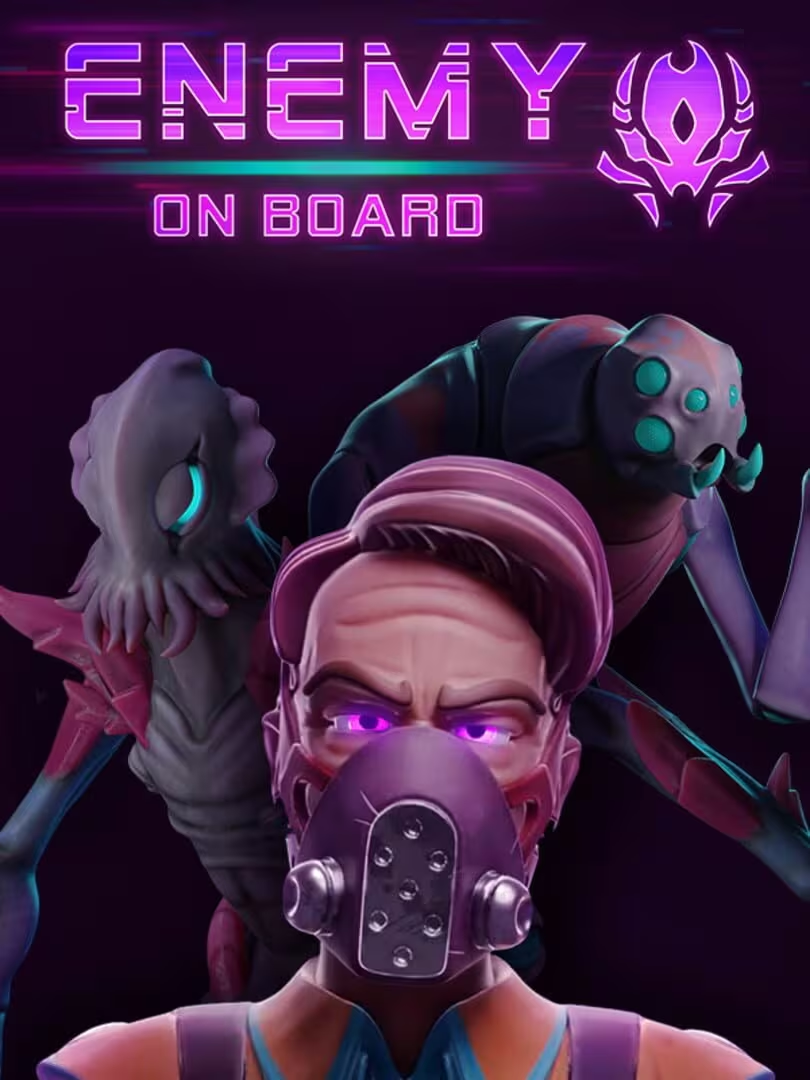
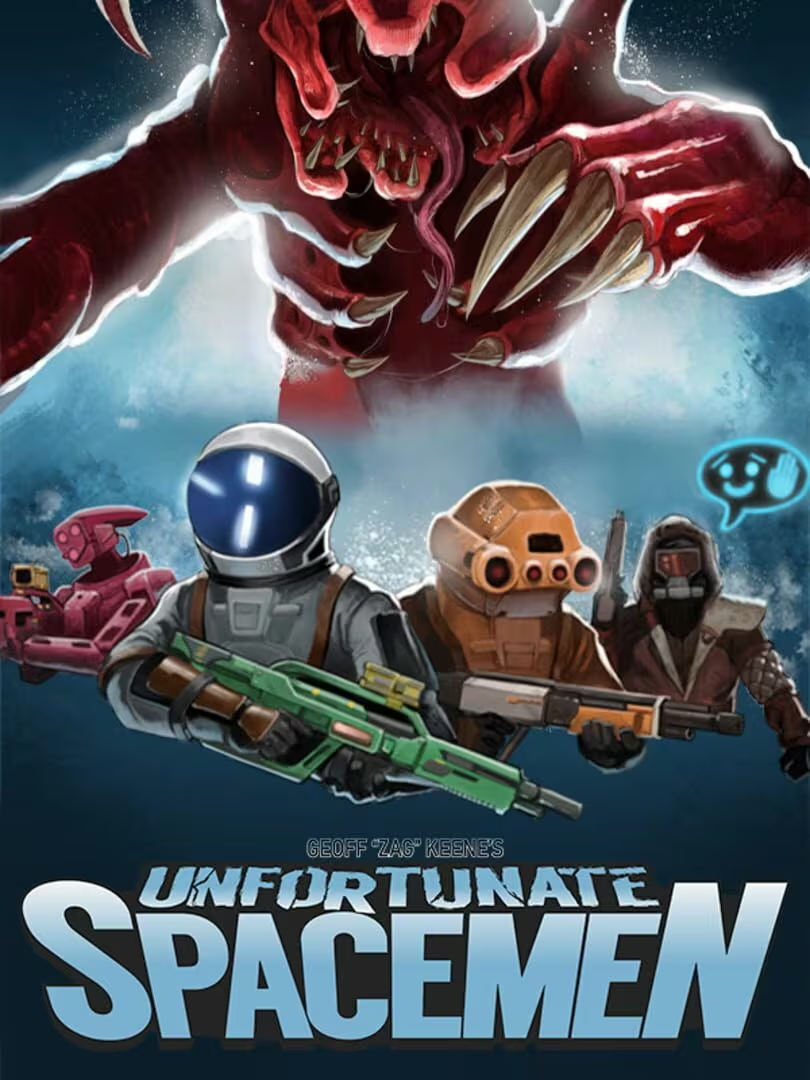
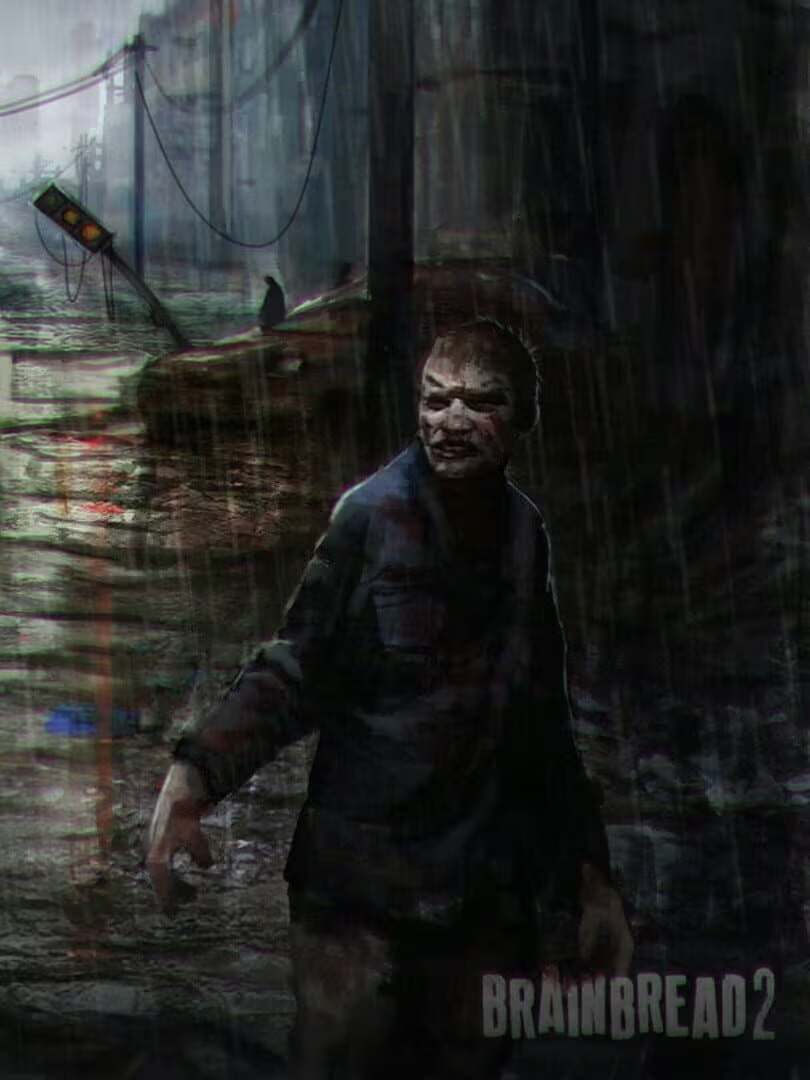
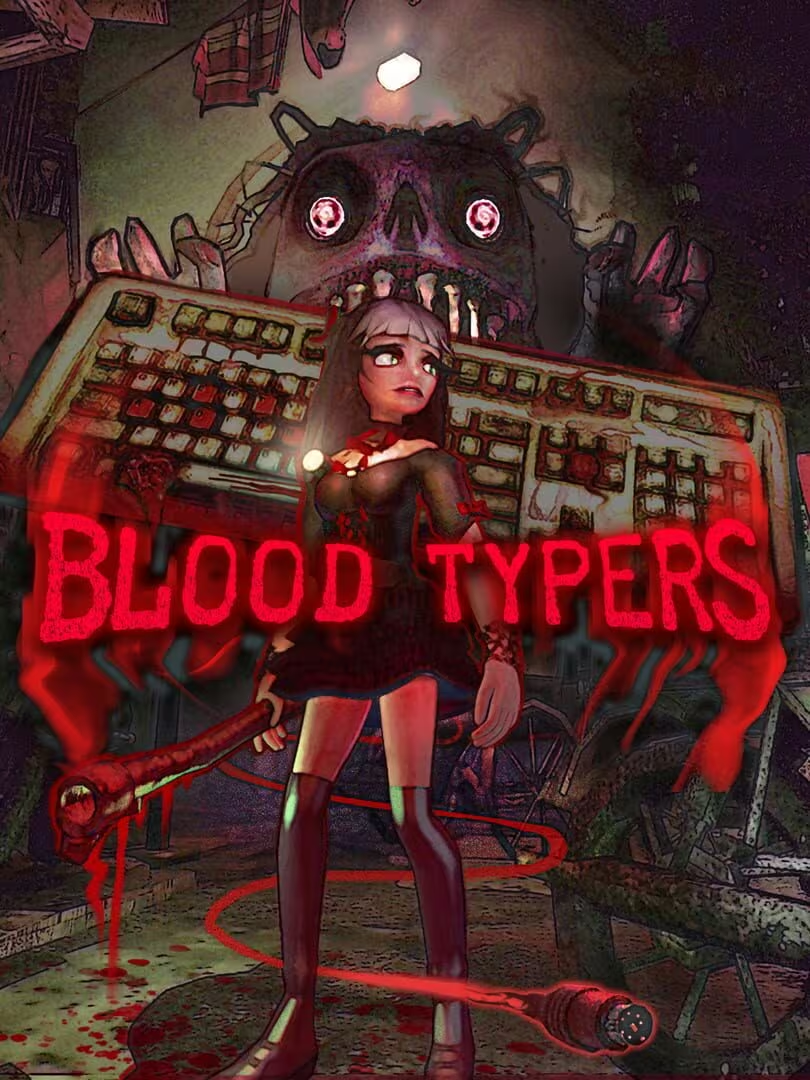
R.E.P.O. similar games & best alternatives

R.E.P.O.

PC (Microsoft Windows) • 2025

Related articles

Quick resume

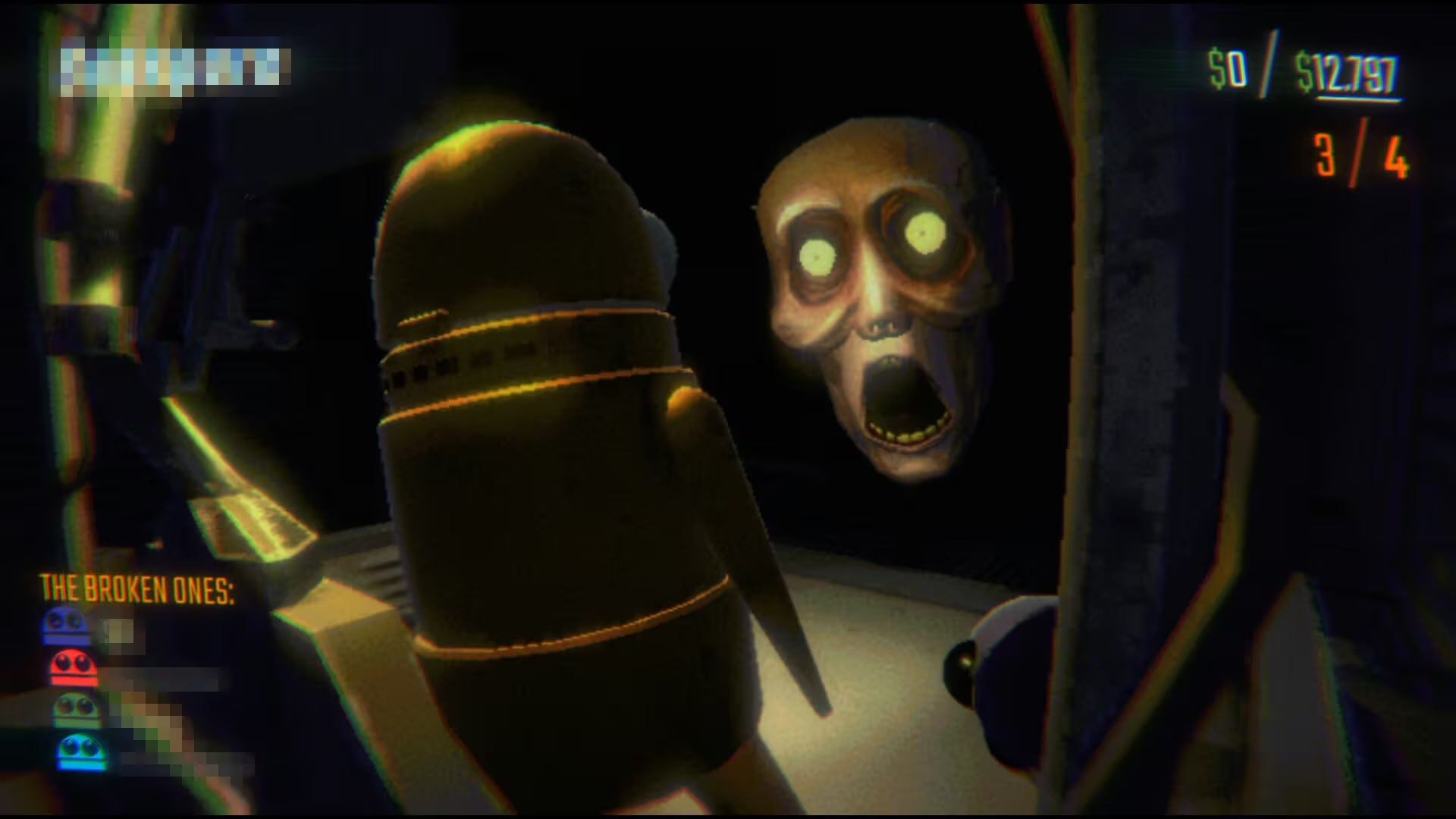
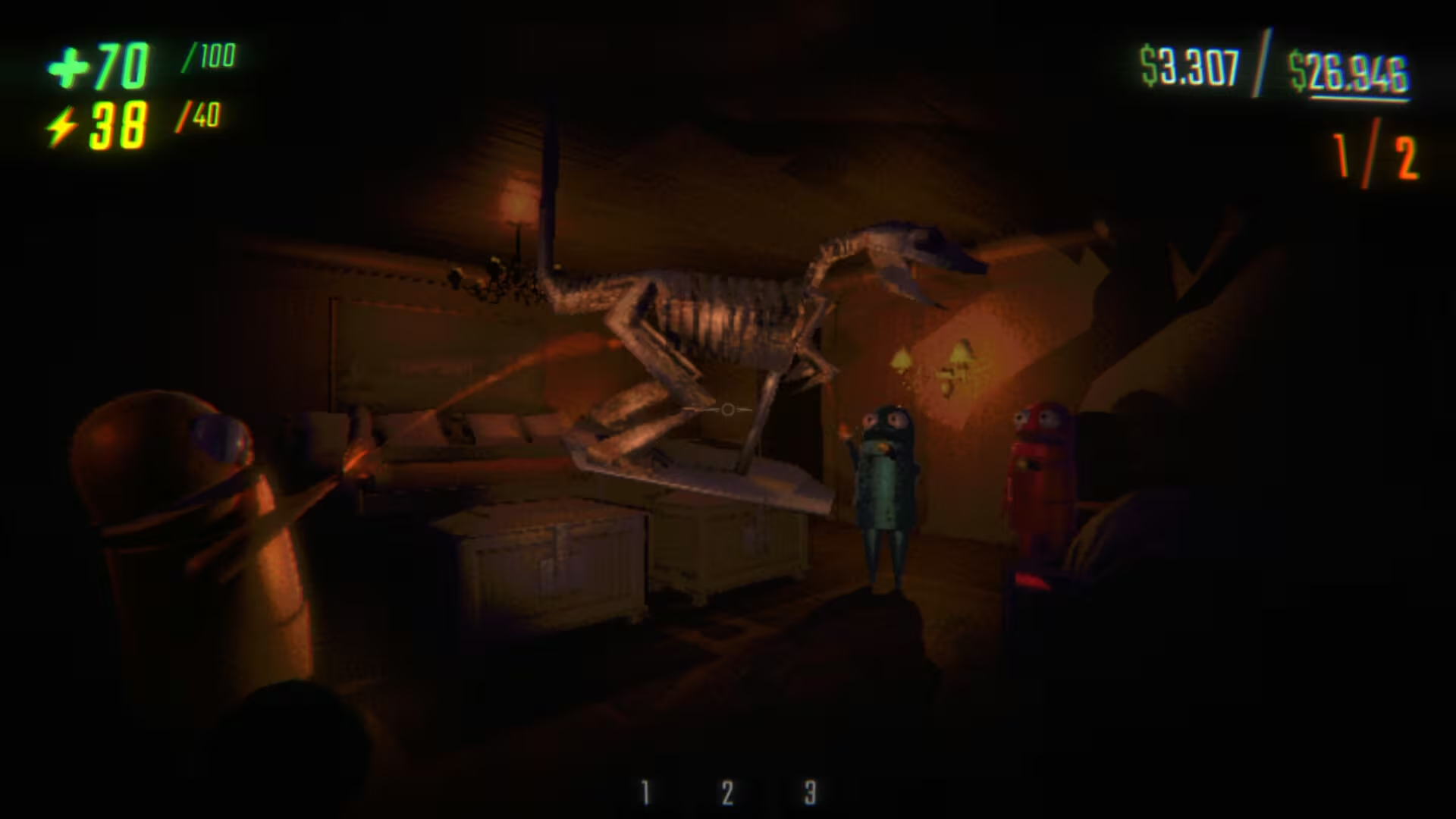
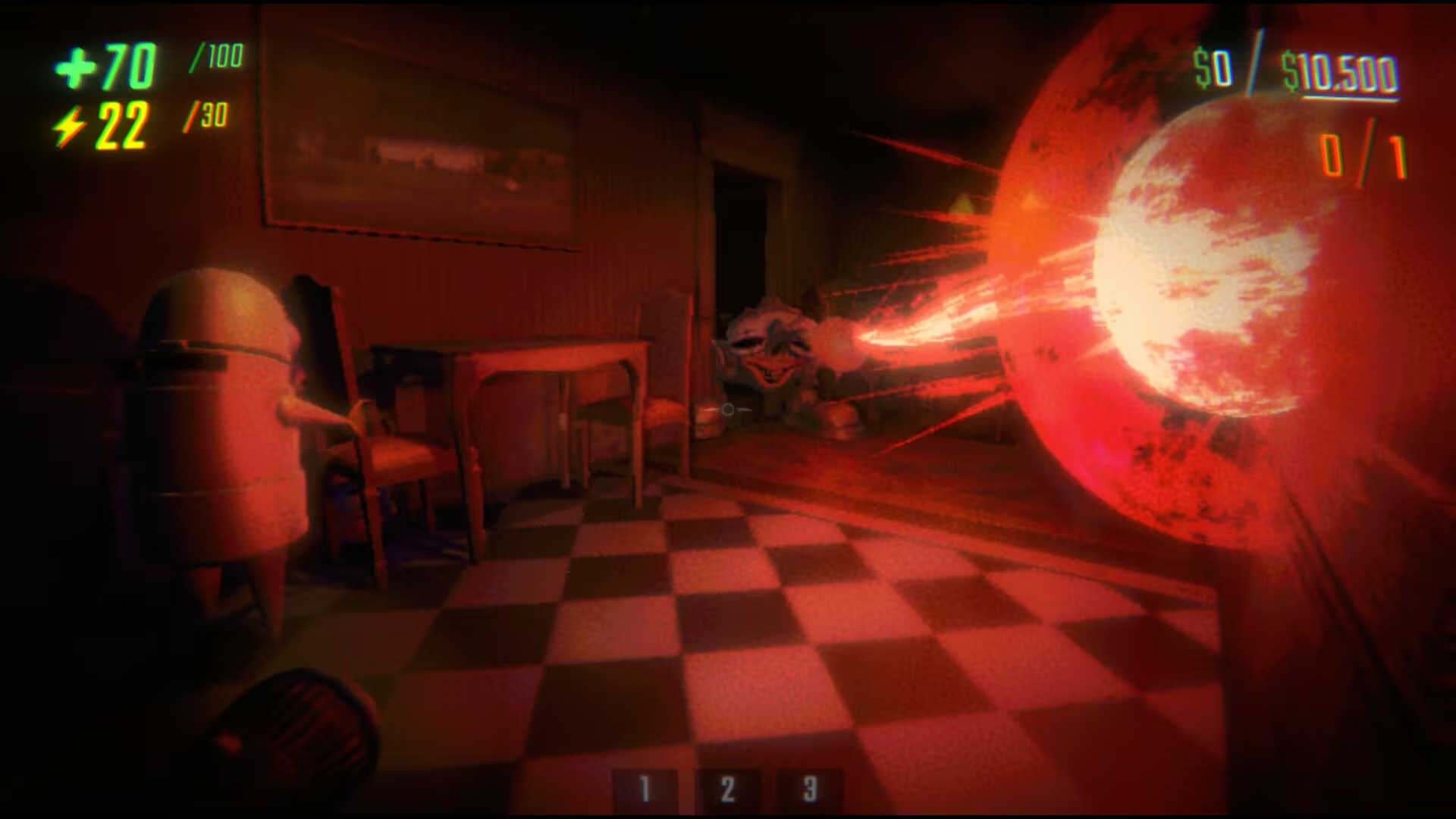
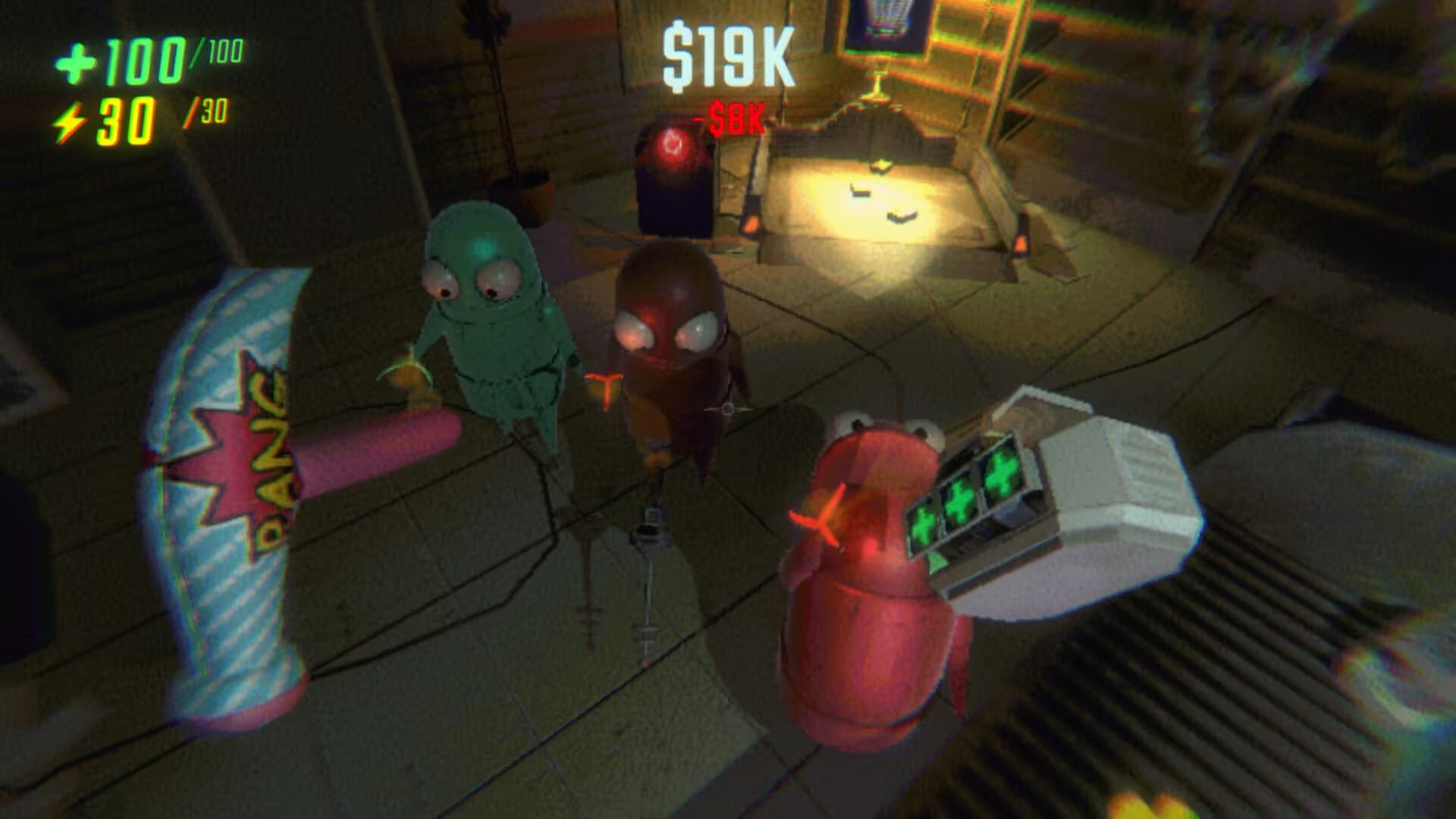
An online co-op horror game with up to 6 players. Locate valuable, fully physics-based objects and handle them with care as you retrieve and extract to satisfy your creator's desires.

Global score

96/100

Genres

Action, Early Access, Strategy, Indie

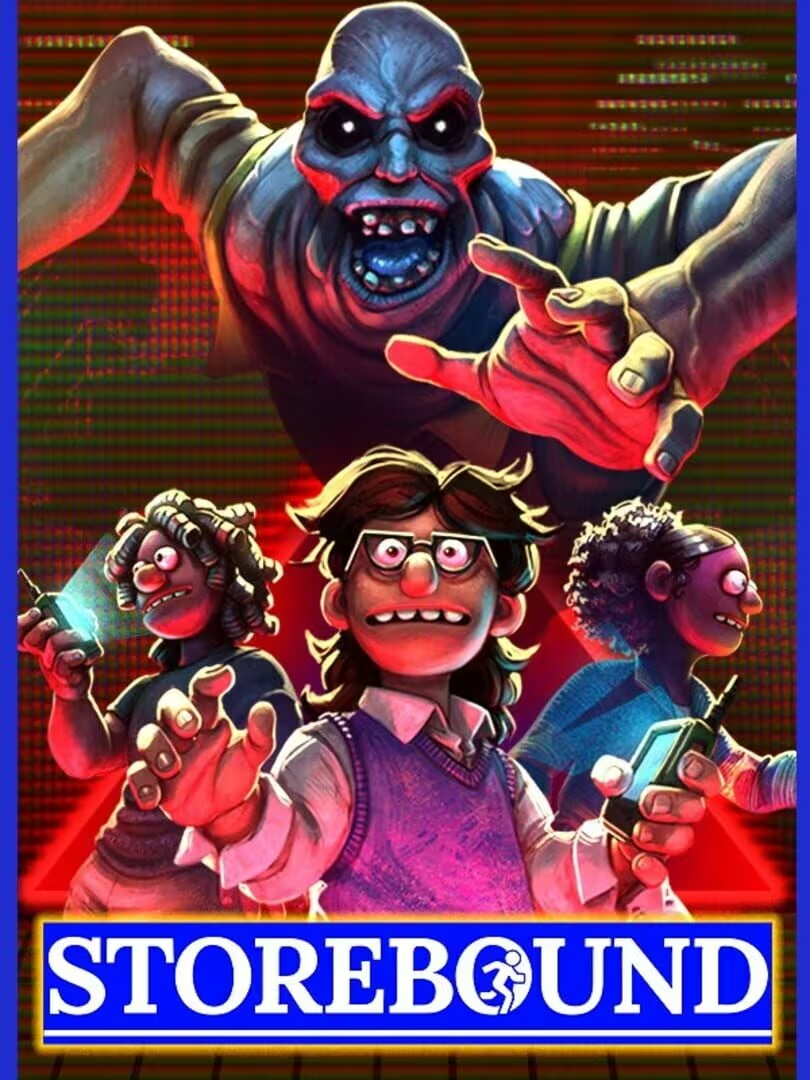
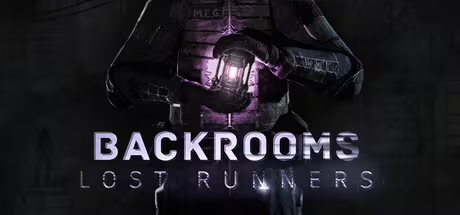
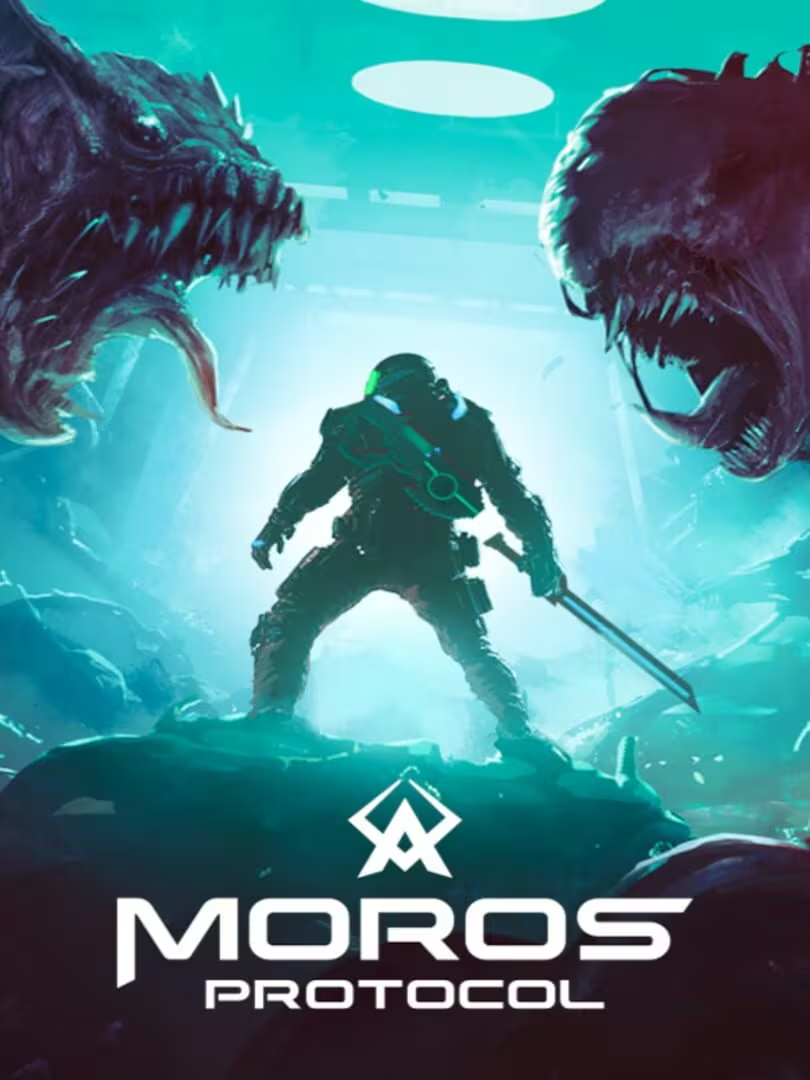
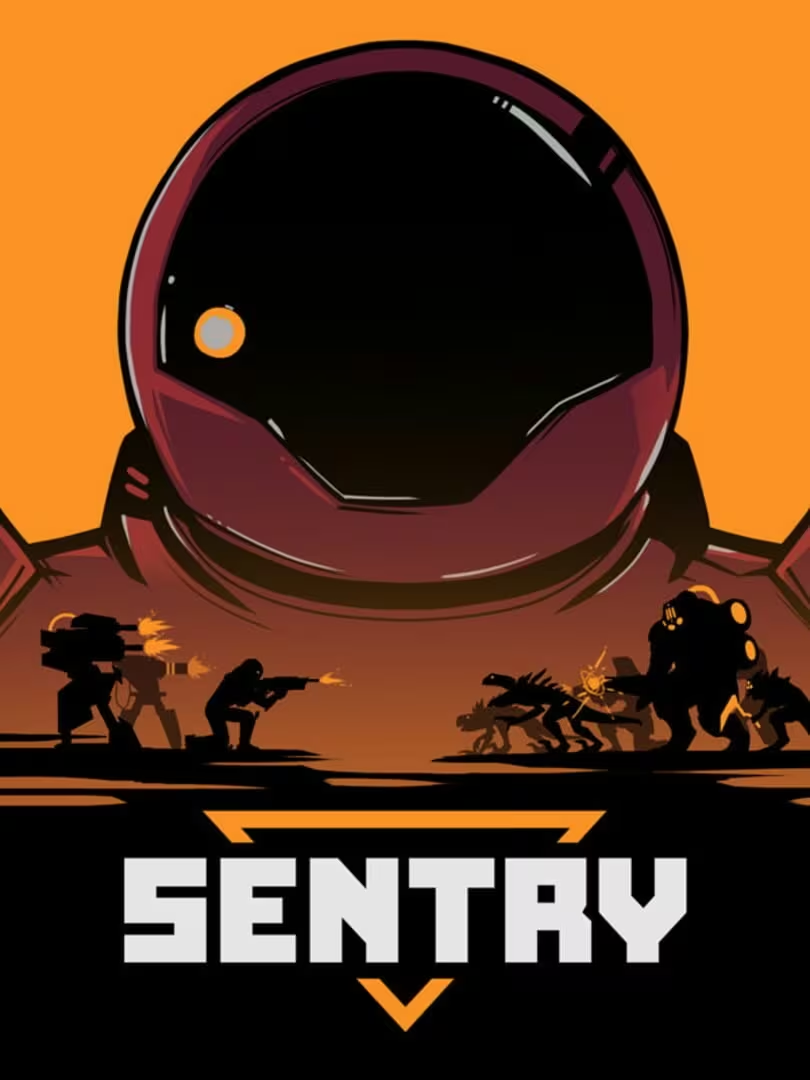
Similar games

    Pros

    • Highly enjoyable cooperative gameplay
    • Strong community and social bonding
    • Engaging mix of horror and humor
    • Active developer communication and updates
    • Good value for price with replayability

    Cons

    • Limited map variety and content at early access
    • Matchmaking issues for solo players
    • Some technical bugs and server instability
    • Steep learning curve for new players
    • Repetitive elements over long play sessions

    Analysis

    A very typical example of its motivational profile. Motivations that often define this kind of title include Cooperation, Fellowship, Intimacy, Leadership. Here, the score leans higher than usual among comparable games on Intimacy, Fellowship. It leans lower than usual among comparable games on Relaxation.

    How to use the graph
    Similar games map

    Each dot is a game. They are arranged from the same motivation profile as in the “Motivations” section below. Closer dots usually mean more similar reasons to play (exploration, competition, relaxation, etc.)—not that one game is “better” than another.

    • Larger dot with a light outline: the game you are viewing.
    • Colour: groups of games with comparable motivation patterns (statistical clusters).
    • Hover a dot to see the game name; click to open its page.
    • Scroll or double-click the chart to zoom out and see more games.

    Why don’t the axes read like a score? This view uses t-SNE: it only keeps who is close to whom. The scales are not “good to bad” or hours played—they separate groups on the map. Read distance between dots, not the axis numbers.

    Motivations

    • Autonomy
      4

      "Players have freedom in movement, combat style, and strategic decisions during missions, with emergent gameplay and player-driven chaos."

    • Competence
      3

      "The game offers skill-based combat, tactical decision-making, and progression through upgrades, though some randomness adds unpredictability."

    • Competition
      -3

      "Focus is on cooperative play and personal/team progress rather than direct competition or leaderboards."

    • Continuation
      4

      "Players report habitual play, long sessions, and strong attachment due to ongoing updates and community engagement."

    • Cooperation
      5

      "Strong emphasis on teamwork, coordination, and voice proximity chat to achieve objectives and survive."

    • Creativity
      3

      "Physics-based interactions and emergent scenarios encourage creative problem solving and playful sabotage."

    • Domination
      -4

      "Interactions are mostly balanced and cooperative with friendly sabotage rather than authoritative or controlling behavior."

    • Escapism
      4

      "Players use the game as a fun distraction, stress relief, and social outlet, escaping real-life pressures."

    • Expectation
      -4

      "Engagement is driven by intrinsic interest, humor, and social fun rather than obligation or external pressure."

    • Experimenting
      3

      "Players explore different strategies, upgrades, and emergent gameplay scenarios, though some routines exist."

    • Exploration
      2

      "Procedurally generated maps and hidden secrets encourage some exploration, but limited map variety noted."

    • Expression
      2

      "Customization options and character emotes allow some self-expression, though not a core focus."

    • Fantasy
      4

      "Set in a dystopian sci-fi world with imaginative monsters and narrative, offering a strong fantasy experience."

    • Fellowship
      5

      "Strong community feeling with shared experiences, social bonding, and collaborative achievements."

    • Growth
      3

      "Players develop skills, learn mechanics, and improve teamwork, supported by progression systems."

    • Health
      -5

      "No physical activity or health-related gameplay elements; sedentary play typical."

    • Idle
      -3

      "Requires active attention and coordination; not suited for passive or background play."

    • Intimacy
      3

      "Players form close social bonds and friendships through cooperative play and shared humor."

    • Leadership
      1

      "Some emergent leadership in team coordination, but mostly equal participation and shared decision-making."

    • Progression
      4

      "Clear progression through item collection, upgrades, and meta-progression rewarding continued play."

    • Relaxation
      -2

      "Game induces tension and adrenaline with horror elements and challenging encounters, less focused on relaxation."

    • Sensation
      3

      "Engaging audiovisual style with neon cyberpunk aesthetics and dynamic sound design provide sensory stimulation."

    • Status
      -3

      "Limited social status or ranking systems; focus is on fun and cooperation rather than recognition."

    • Story
      3

      "Narrative-driven with cyber-noir themes and lore, enhancing immersion beyond isolated gameplay."

    • Strategy
      3

      "Requires tactical planning, risk management, and team coordination to succeed in missions."

    • Thrill
      4

      "High suspense and tension from horror elements, monster encounters, and risk-reward gameplay."

    • Value
      4

      "Players perceive strong value for price with frequent updates, active dev support, and replayability."

    • Violence
      2

      "Combat and destruction present but balanced with cooperative and constructive objectives."

    • Survival
      4

      "Core gameplay involves avoiding threats, managing resources, and strategic defense to survive missions."

    Last update: 29/04/2026