KLETKA Thumbnail

KLETKA similar games & best alternatives
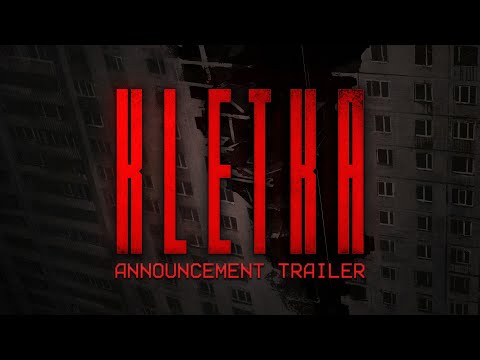
KLETKA

PC (Microsoft Windows), PlayStation 4, Xbox One, Xbox Series X|S, Nintendo Switch, PlayStation 5, Linux • 2026

Related articles

Quick resume

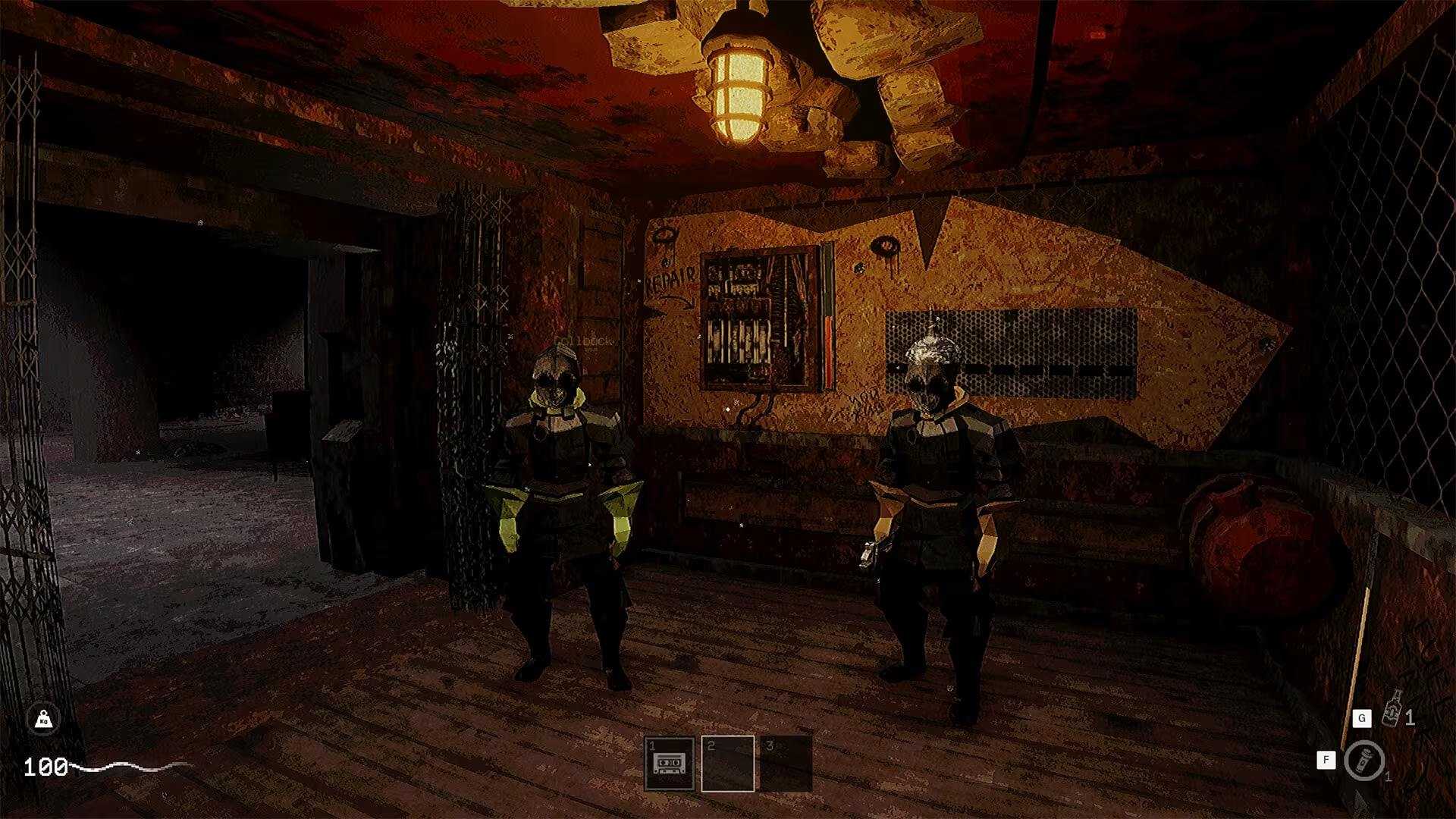
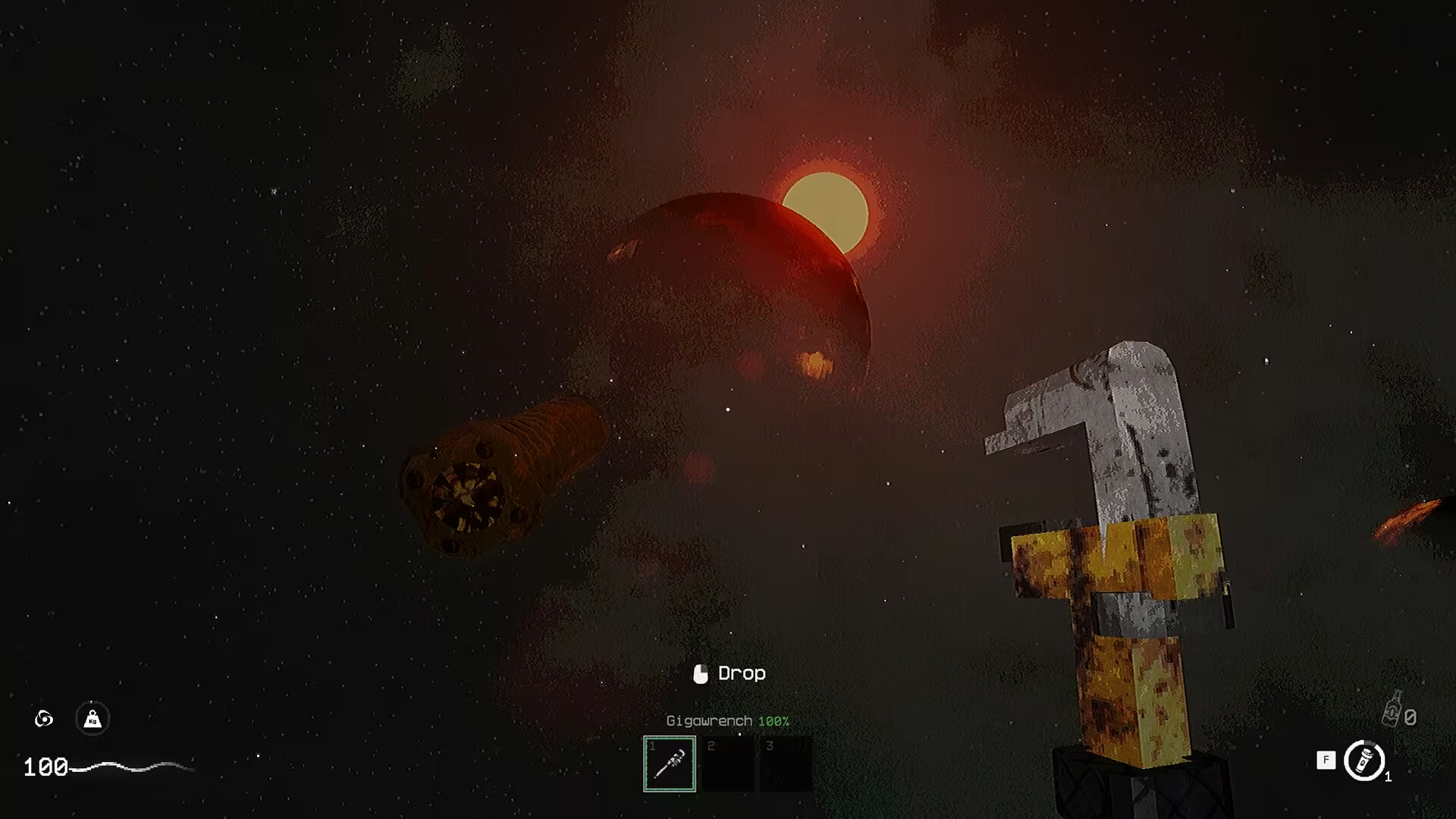
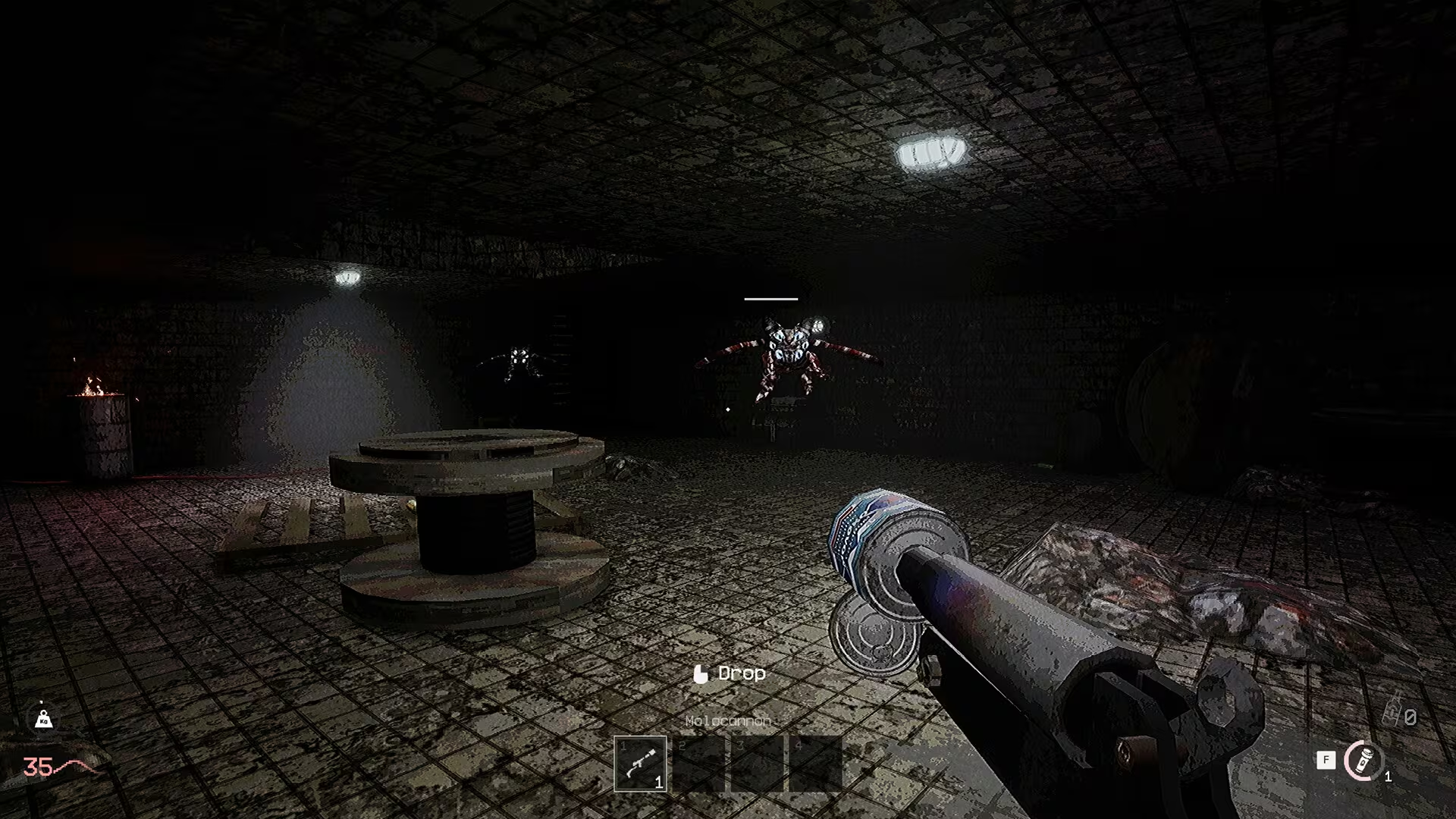
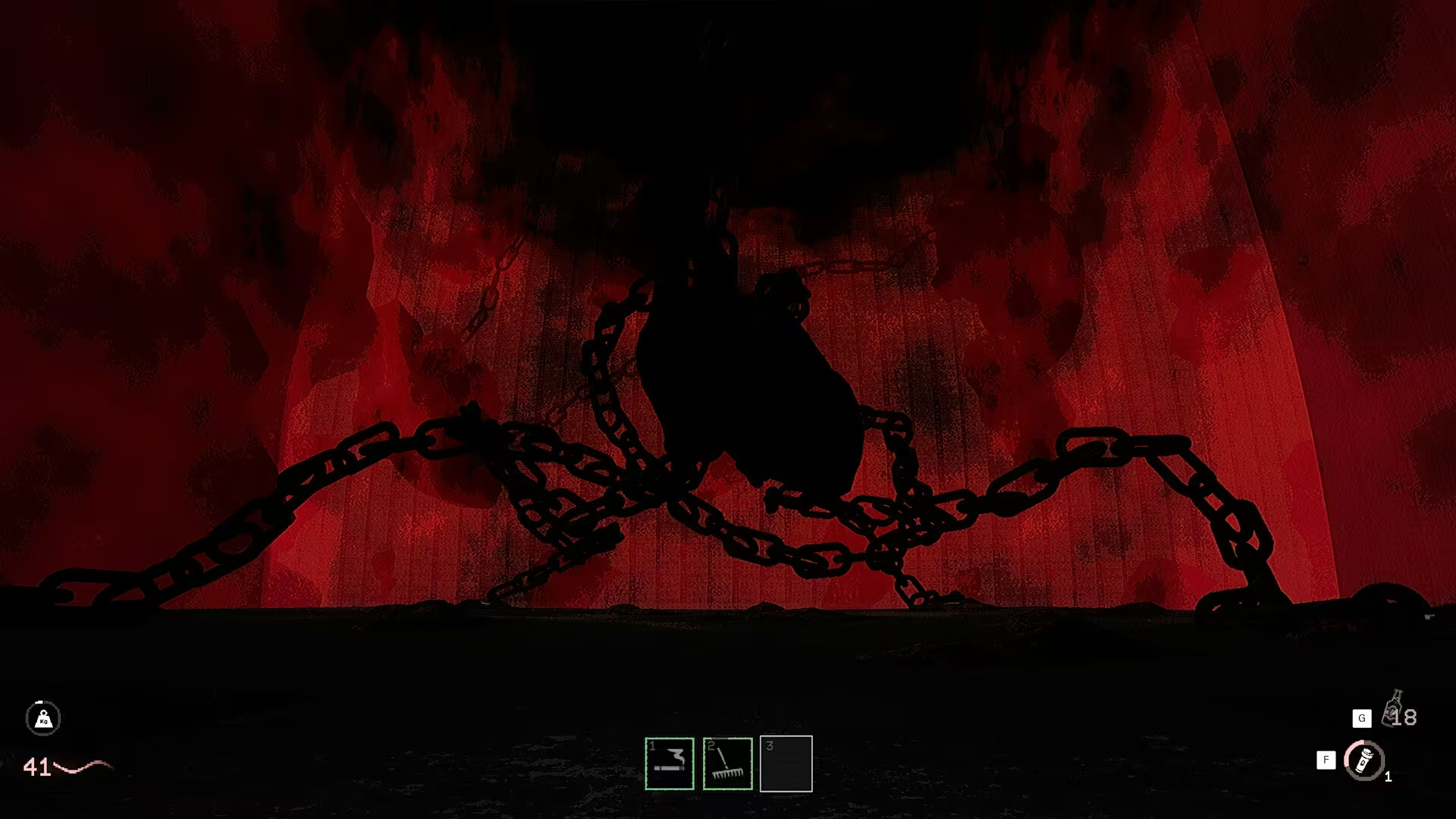
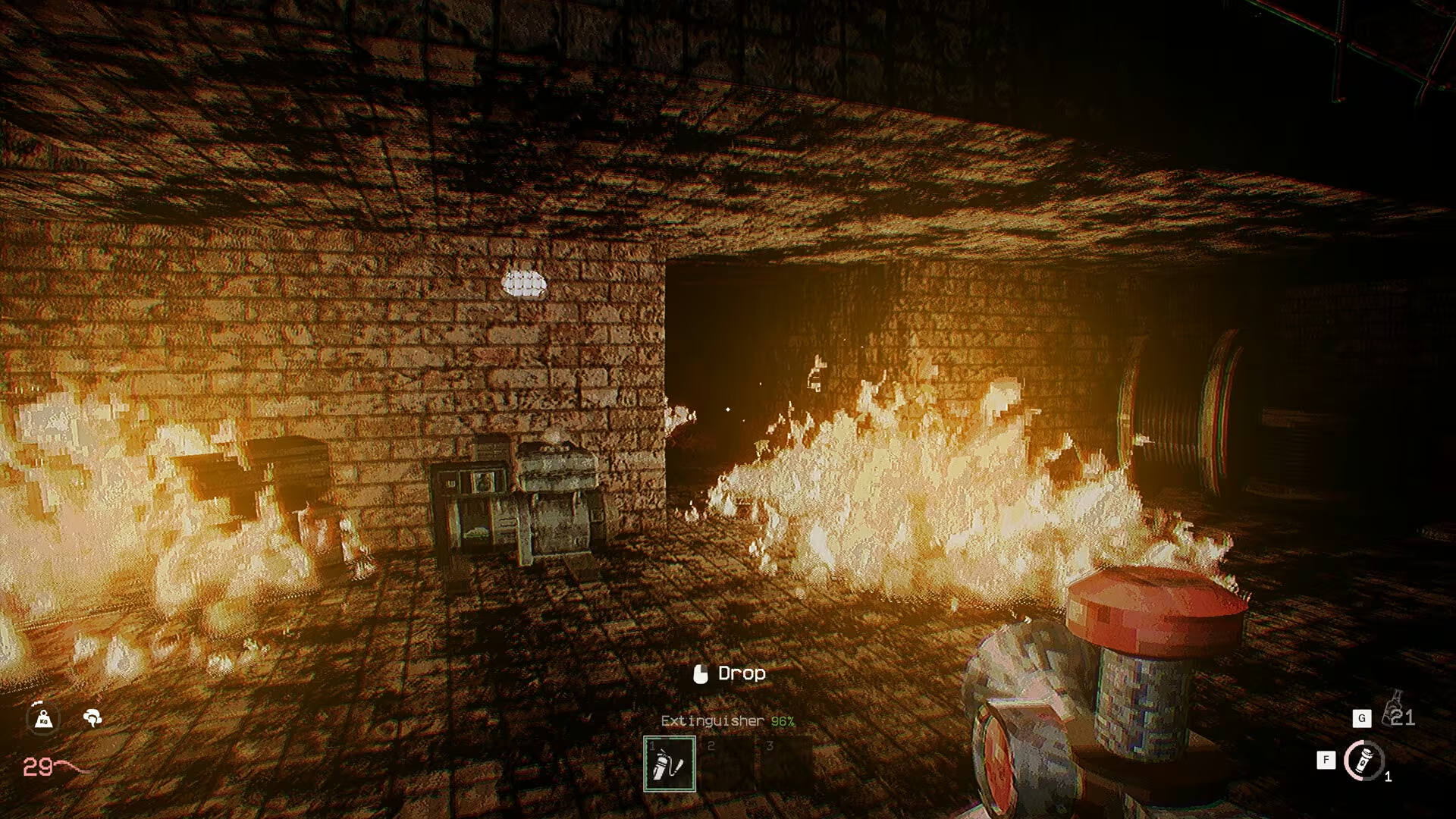
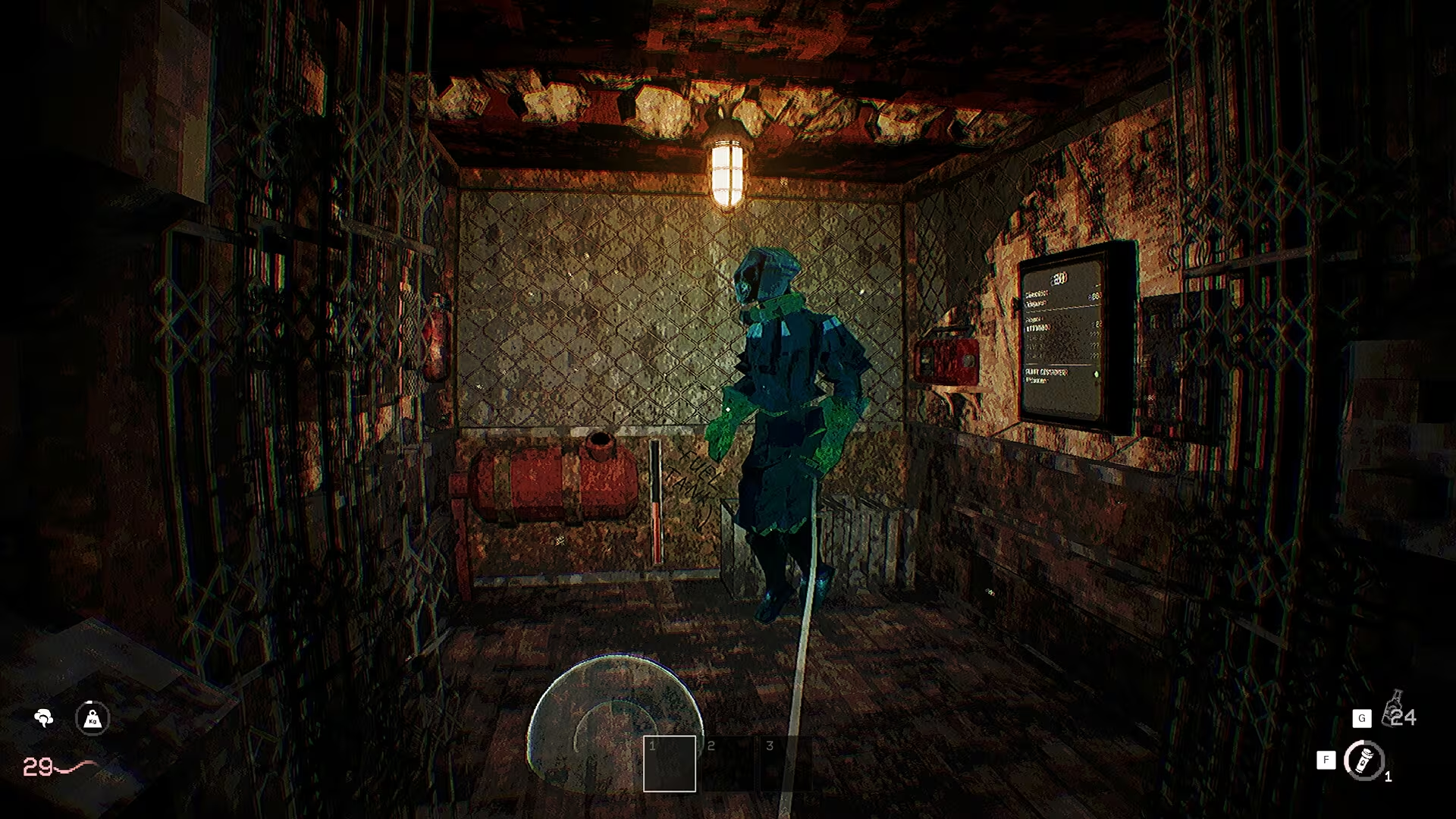
KLETKA is a co-op (up to 6 players) horror game about going down in an elevator that is trying to eat you. Feed the elevator, explore deadly floors and descend deeper.

Global score

91/100

Genres

Action, Adventure, Indie

Similar games

    Pros

    • Engaging cooperative gameplay
    • Unique atmospheric horror setting
    • Addictive progression and exploration
    • Active developer support and updates
    • Strong social and community features

    Cons

    • Some technical bugs and glitches
    • Limited enemy variety
    • Repetitive floor design
    • Revival system resource scarcity
    • Final boss encounter pacing issues

    Analysis

    A very typical example of its motivational profile. Motivations that often define this kind of title include Cooperation, Fellowship, Intimacy, Leadership. Here, the score leans higher than usual among comparable games on Survival, Intimacy. It leans lower than usual among comparable games on Relaxation.

    How to use the graph
    Similar games map

    Each dot is a game. They are arranged from the same motivation profile as in the “Motivations” section below. Closer dots usually mean more similar reasons to play (exploration, competition, relaxation, etc.)—not that one game is “better” than another.

    • Larger dot with a light outline: the game you are viewing.
    • Colour: groups of games with comparable motivation patterns (statistical clusters).
    • Hover a dot to see the game name; click to open its page.
    • Scroll or double-click the chart to zoom out and see more games.

    Why don’t the axes read like a score? This view uses t-SNE: it only keeps who is close to whom. The scales are not “good to bad” or hours played—they separate groups on the map. Read distance between dots, not the axis numbers.

    Motivations

    • Autonomy
      3

      "Players have freedom to explore floors, choose when to scavenge or skip, and manage resources; some mechanics like feeding the elevator impose constraints but overall player decisions drive gameplay."

    • Competence
      4

      "Game challenges players with survival, resource management, combat, and strategic decisions; players receive feedback through progression and overcoming hazards."

    • Competition
      -3

      "Focus is on cooperative survival and personal/team progress rather than direct competition or leaderboards."

    • Continuation
      4

      "Players report addictive gameplay loops and long play sessions, with desire to keep descending floors and replaying."

    • Cooperation
      5

      "Strong emphasis on teamwork with up to 6 players, reviving mechanics, shared objectives, and communication."

    • Creativity
      2

      "Some customization options and emergent gameplay through player interactions and strategies, but core structure is predefined."

    • Domination
      -4

      "Gameplay encourages mutual survival and cooperation rather than exerting power or dominance over others."

    • Escapism
      4

      "Players use the game as a fun, immersive escape with atmospheric horror and surreal elements."

    • Expectation
      -4

      "Players engage voluntarily for enjoyment and social experience rather than obligation or pressure."

    • Experimenting
      3

      "Players explore mechanics, learn hazards organically, and try different strategies each run."

    • Exploration
      4

      "Exploration of procedurally generated floors, secret areas, and varied environments is a core part of gameplay."

    • Expression
      2

      "Some character customization and cosmetic unlocks allow for self-expression, though limited."

    • Fantasy
      4

      "Game features surreal, horror, and imaginative elements like sentient elevators, bizarre monsters, and a dark megastructure setting."

    • Fellowship
      5

      "Strong community and social play focus, with cooperative achievements and shared experiences."

    • Growth
      3

      "Players develop skills, learn enemy patterns, and improve strategies over time."

    • Health
      -5

      "Primarily sedentary gameplay with no physical activity components."

    • Idle
      -4

      "Requires continuous attention and engagement during runs; not suited for idle or background play."

    • Intimacy
      3

      "Cooperative play fosters social bonding and close interactions among friends, though not deeply emotional."

    • Leadership
      2

      "Some players take leadership roles in coordinating team efforts, but overall balanced group participation."

    • Progression
      4

      "Players accumulate items, upgrades, and unlocks as they descend floors and complete objectives."

    • Relaxation
      -2

      "Tense atmosphere and survival pressure create sustained alertness rather than relaxation."

    • Sensation
      3

      "Atmospheric audio-visual design and surprising events provide sensory stimulation and emotional engagement."

    • Status
      -3

      "Little emphasis on social recognition or ranking; focus is on cooperative experience."

    • Story
      3

      "Narrative elements and lore are present, with references and a defined campaign mode with an ending."

    • Strategy
      4

      "Players must plan resource use, route choices, and team coordination to survive and progress."

    • Thrill
      4

      "Game generates suspense and tension through hazards, enemy encounters, and timed events."

    • Value
      4

      "Players perceive good value for price with hours of engaging content and active developer support."

    • Violence
      3

      "Combat and defeating enemies are core gameplay elements, though violence is framed within survival context."

    • Survival
      5

      "Central motivation is to avoid death, manage resources, and survive threats in a hostile environment."

    Last update: 29/04/2026