PANICORE Thumbnail

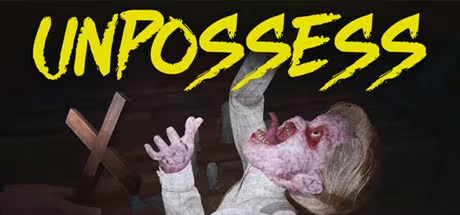
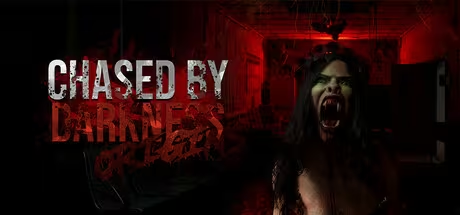
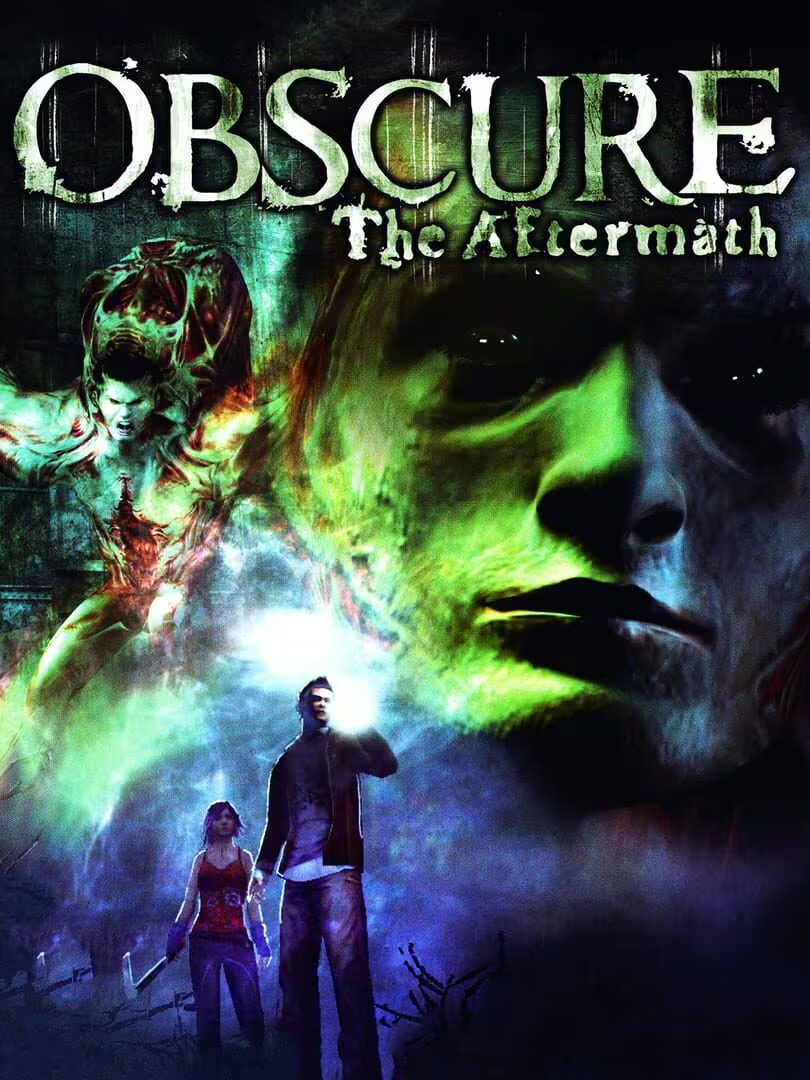
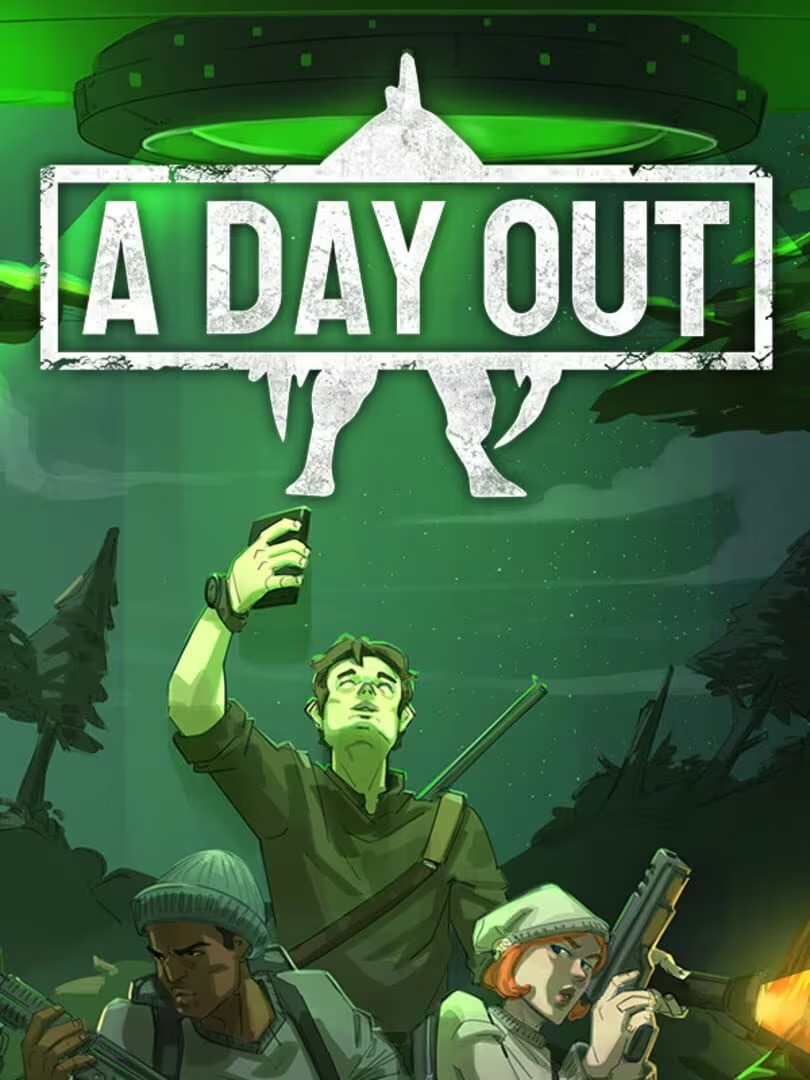
PANICORE similar games & best alternatives

PANICORE

PC (Microsoft Windows) • 2024

Related articles

Quick resume

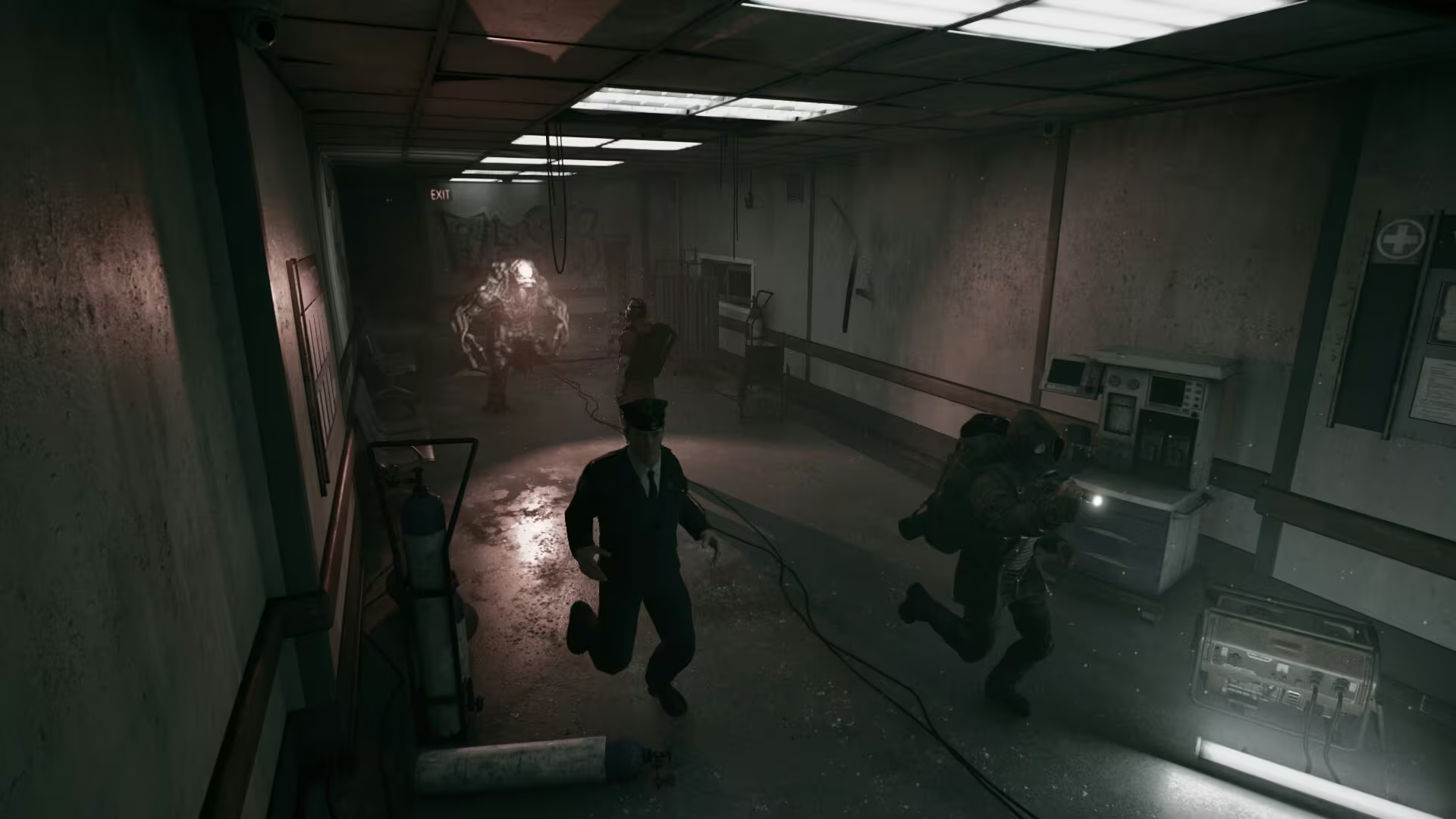
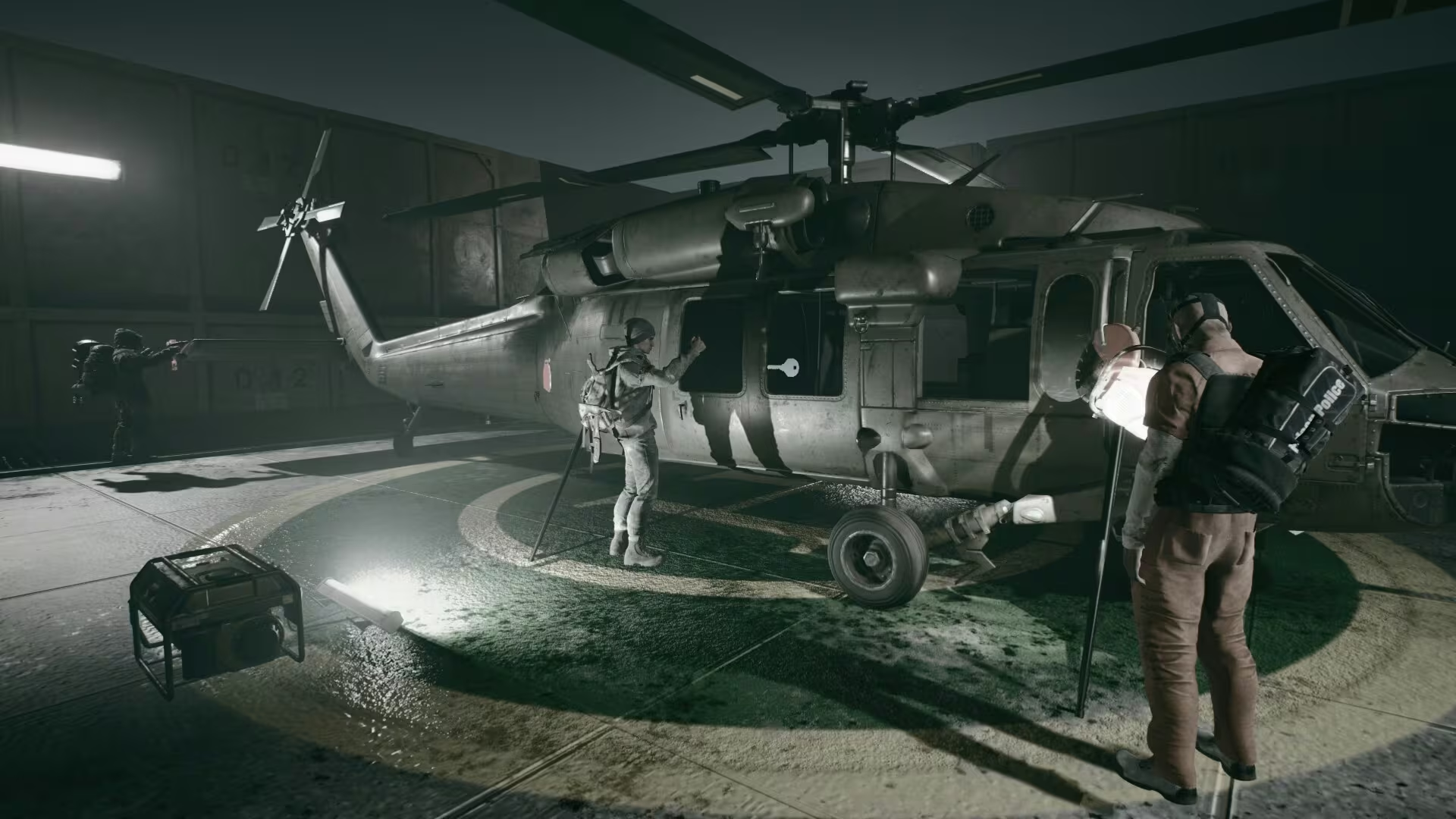
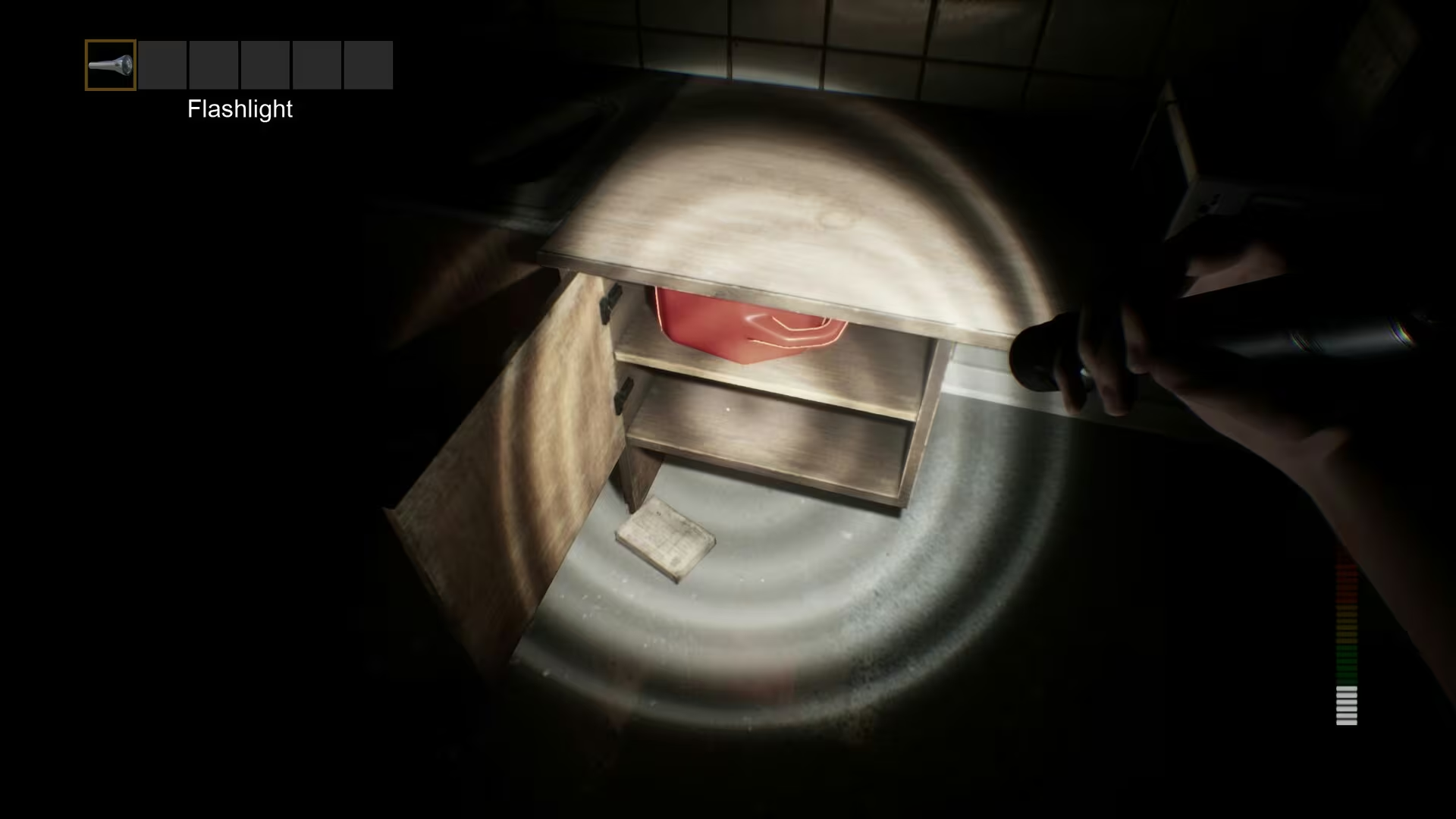
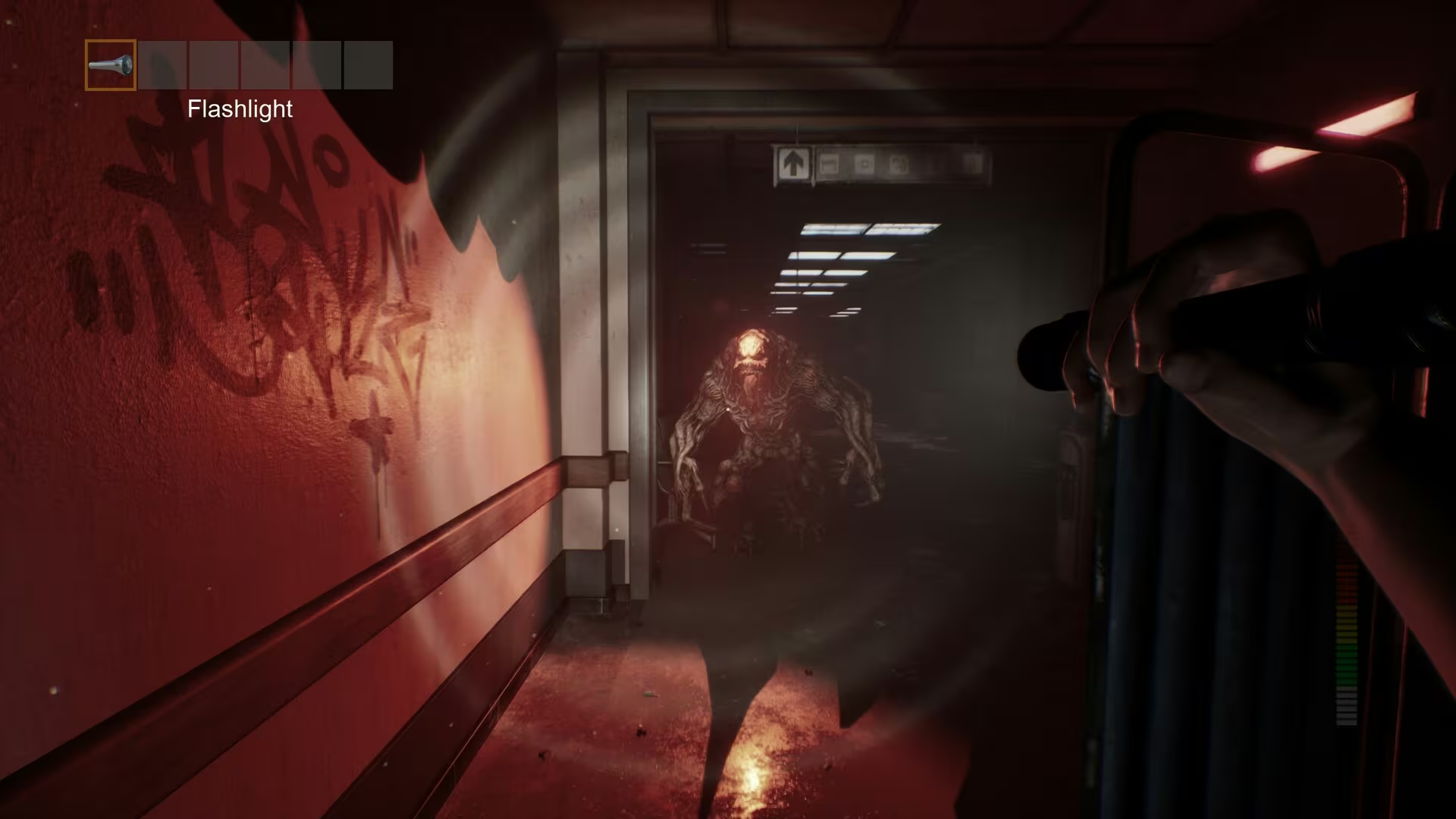
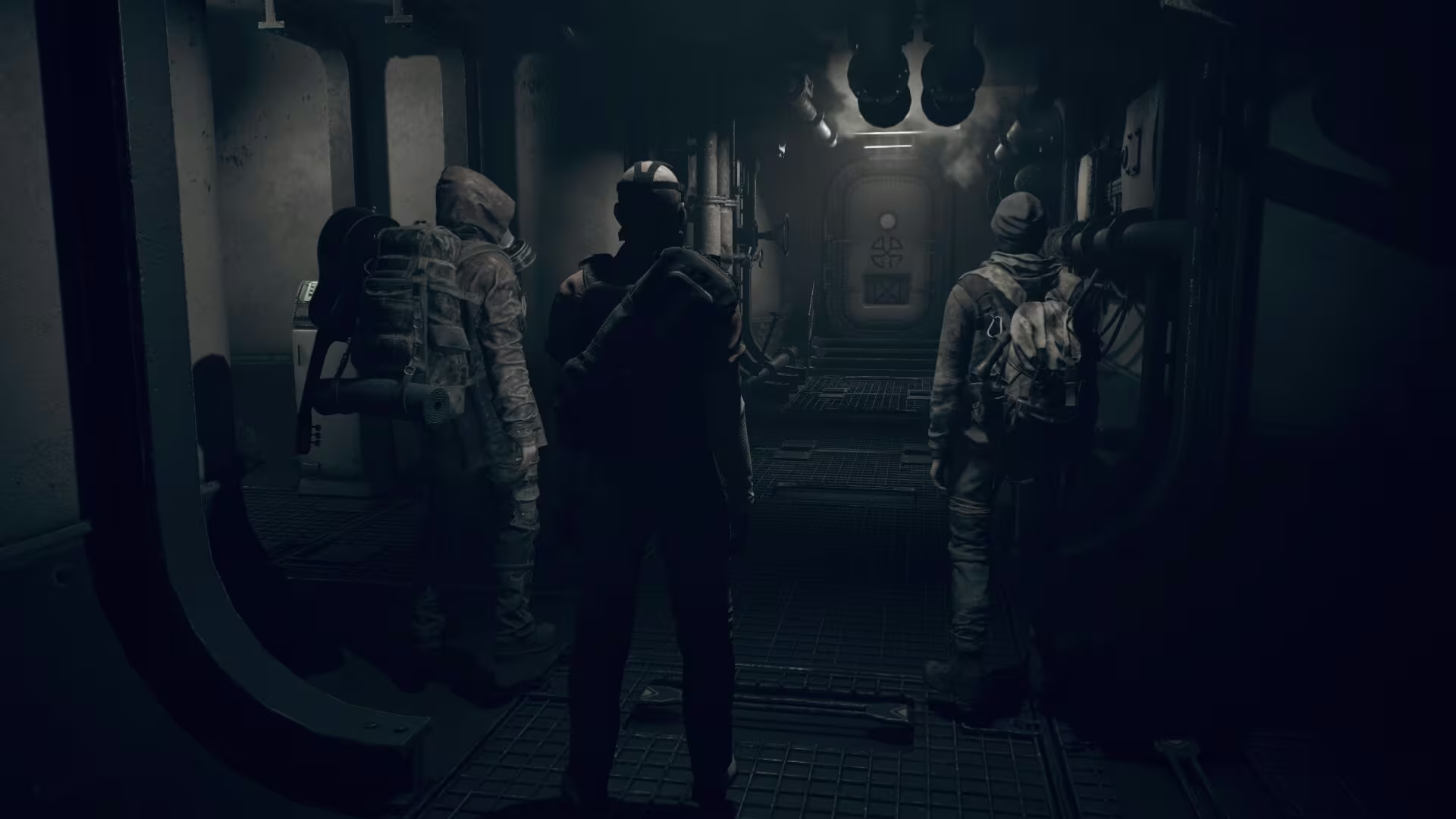
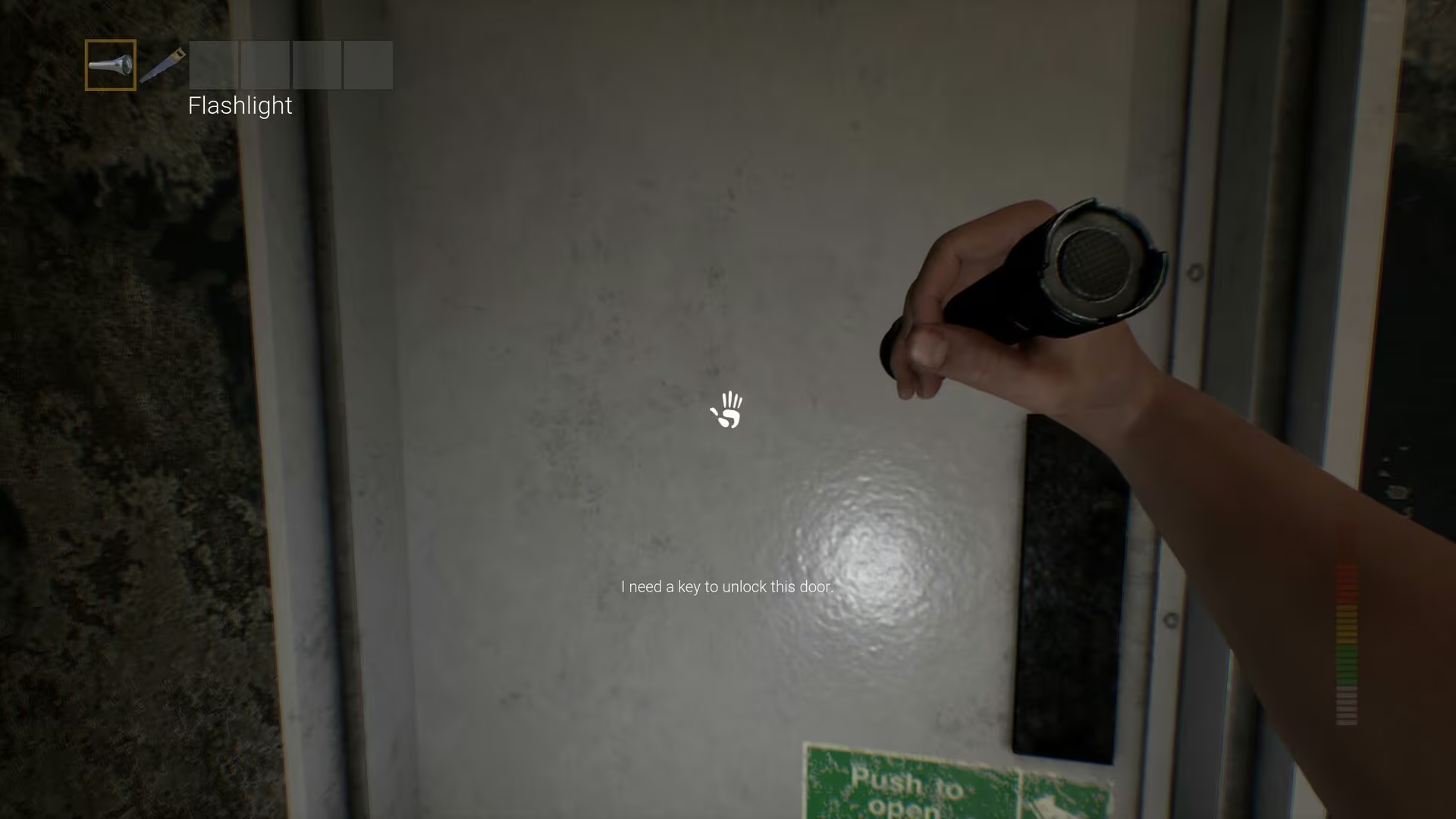
PANICORE is a survival horror game that mixes permadeath, AI monsters and a co-op experience up to 5 players (4 players in demo). Try to escape and don't get caught, but beware: they don't only hear your steps, but also your voice.

Global score

79/100

Genres

Action, Adventure, Indie

Similar games

    Pros

    • Fun and tense cooperative gameplay
    • Innovative proximity voice chat mechanic
    • Good value for price
    • Strong social and community experience
    • Atmospheric maps and sound design

    Cons

    • Limited number of maps and monsters
    • Some bugs and ai inconsistencies
    • Voice chat issues reported
    • Repetitive gameplay after extended play
    • Large maps can be confusing or tedious

    Analysis

    Broadly representative of its motivational profile, with a few distinct shifts. Motivations that often define this kind of title include Cooperation, Fellowship, Intimacy, Leadership. Here, the score leans higher than usual among comparable games on Survival. It leans lower than usual among comparable games on Relaxation, Progression.

    How to use the graph
    Similar games map

    Each dot is a game. They are arranged from the same motivation profile as in the “Motivations” section below. Closer dots usually mean more similar reasons to play (exploration, competition, relaxation, etc.)—not that one game is “better” than another.

    • Larger dot with a light outline: the game you are viewing.
    • Colour: groups of games with comparable motivation patterns (statistical clusters).
    • Hover a dot to see the game name; click to open its page.
    • Scroll or double-click the chart to zoom out and see more games.

    Why don’t the axes read like a score? This view uses t-SNE: it only keeps who is close to whom. The scales are not “good to bad” or hours played—they separate groups on the map. Read distance between dots, not the axis numbers.

    Motivations

    • Autonomy
      3

      "Players have freedom to choose strategies, explore maps, and decide how to cooperate or hide, though objectives and escape methods are preset."

    • Competence
      3

      "Game offers skill-based stealth, sound management, and puzzle solving with increasing difficulty and challenges."

    • Competition
      -3

      "Focus is on cooperative play and personal/team success rather than direct competition or leaderboards."

    • Continuation
      3

      "Players show desire to replay maps with different strategies and difficulties; some note repetitiveness but still return for fun."

    • Cooperation
      5

      "Strong emphasis on teamwork, communication, and coordinated stealth to complete objectives and escape."

    • Creativity
      2

      "Some player creativity in tactics and use of voice chat mechanics; limited map and character customization."

    • Domination
      -4

      "Interactions emphasize shared experience and cooperation; no evidence of dominance or power over others."

    • Escapism
      4

      "Players use the game as a tense, immersive horror experience to escape real-life stress and enjoy scares."

    • Expectation
      -4

      "Players engage voluntarily for fun and social experience without obligation or external pressure."

    • Experimenting
      3

      "Players experiment with different strategies, voice chat tactics, and escape routes; some desire more variety."

    • Exploration
      3

      "Maps encourage discovery of items, secrets, and multiple escape methods, though some maps are large and complex."

    • Expression
      1

      "Limited cosmetic customization and emotes allow some self-expression but not a core feature."

    • Fantasy
      4

      "Game features imaginative horror creatures and scenarios, creating a fictional, suspenseful atmosphere."

    • Fellowship
      5

      "Strong community and social bonding through cooperative multiplayer and shared scary/funny moments."

    • Growth
      2

      "Players develop skills in stealth, teamwork, and map knowledge; some learning curve noted."

    • Health
      -5

      "No physical activity involved; typical sedentary gaming experience."

    • Idle
      -3

      "Requires focused attention and active participation during gameplay; not suited for passive or background play."

    • Intimacy
      2

      "Some social interaction and bonding with friends, but limited evidence of deep emotional connections."

    • Leadership
      1

      "Some players may take informal leadership roles in coordinating team strategy, but no formal leadership mechanics."

    • Progression
      2

      "Progression through unlocking skins and achievements, though limited in scope; no major power accumulation."

    • Relaxation
      -2

      "Game is tense and anxiety-inducing, with moments of stress and suspense rather than relaxation."

    • Sensation
      3

      "Strong sensory stimulation through audio cues, scary atmosphere, and emotional excitement."

    • Status
      -3

      "Minimal social status or recognition systems; focus is on cooperative fun rather than social ranking."

    • Story
      1

      "Some lore and narrative elements exist but are minimal; story is not a major focus."

    • Strategy
      4

      "Game requires strategic planning, stealth, resource management, and team coordination."

    • Thrill
      4

      "High suspense and thrill from evading monsters and managing noise; jump scares contribute to excitement."

    • Value
      4

      "Players perceive good value for money given price, content, and multiplayer fun."

    • Violence
      2

      "Includes combat-like elements with monsters attacking players, but focus is on survival rather than gratuitous violence."

    • Survival
      5

      "Core gameplay revolves around avoiding death, managing threats, and escaping dangerous situations."

    Last update: 29/04/2026