Red Matter Thumbnail

Red Matter similar games & best alternatives
Red Matter

PC (Microsoft Windows), PlayStation VR, SteamVR, Oculus Quest, PlayStation VR2, Oculus VR, Meta Quest 2 • 2018

Related articles

Quick resume

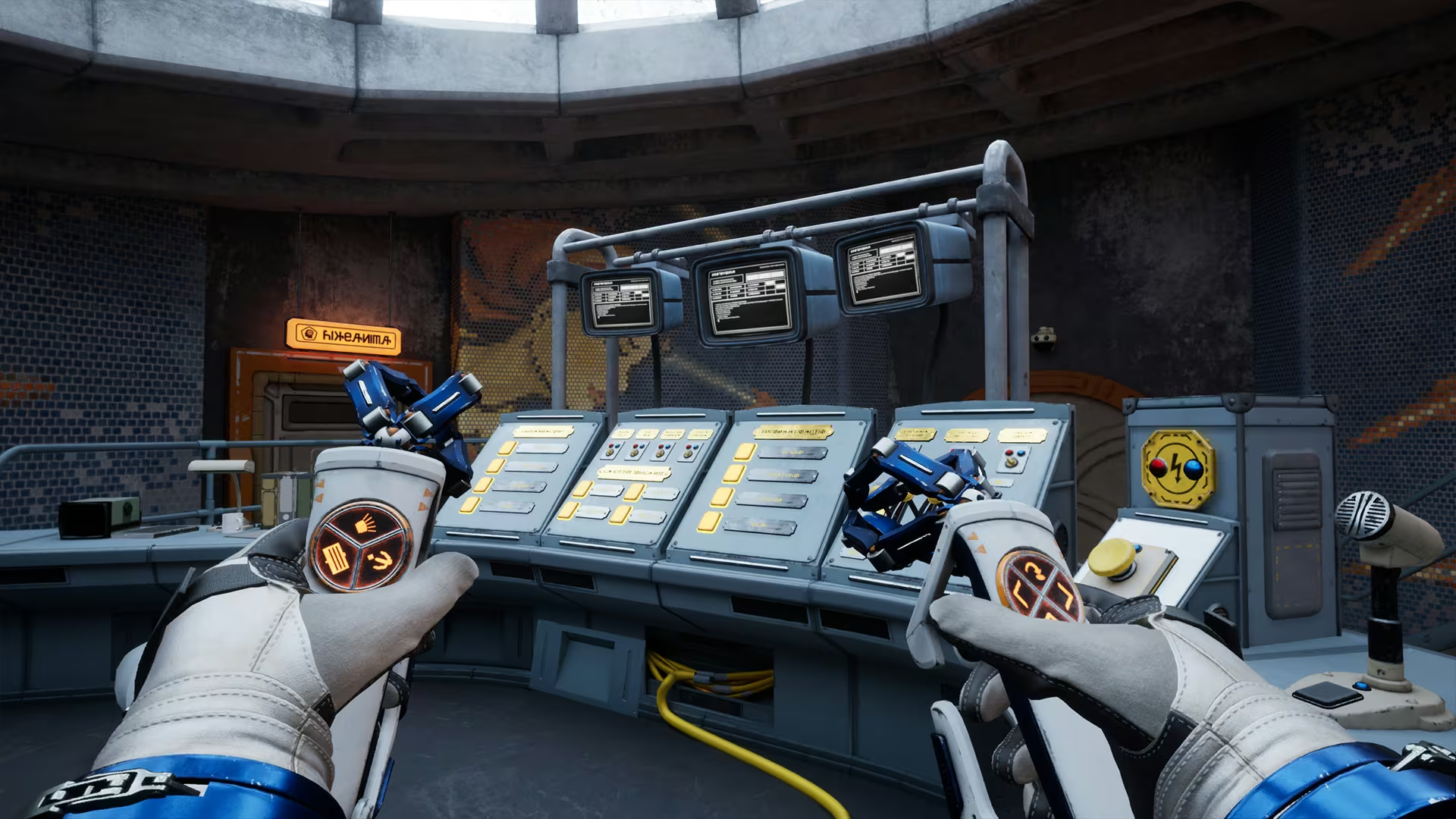
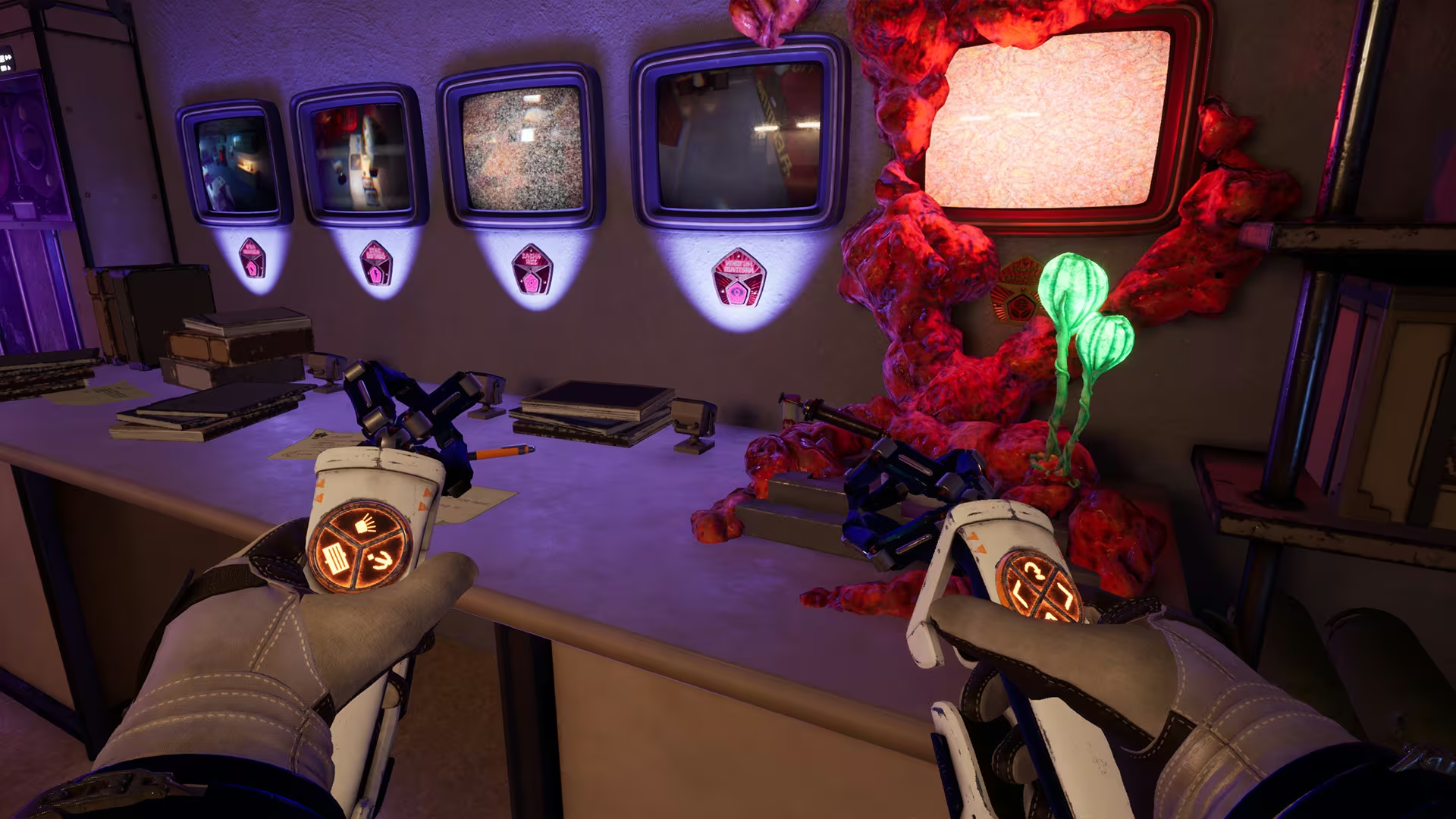
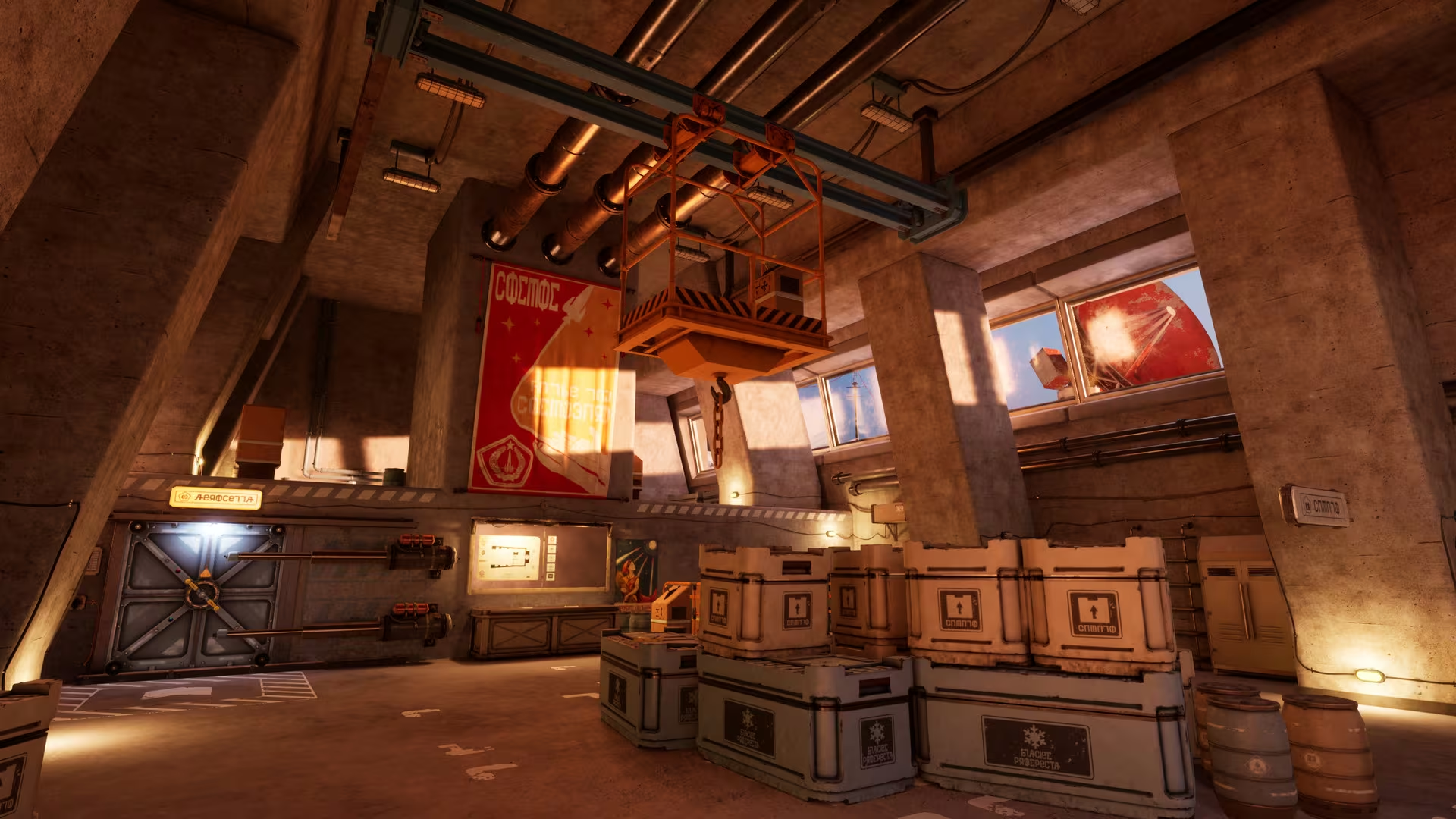
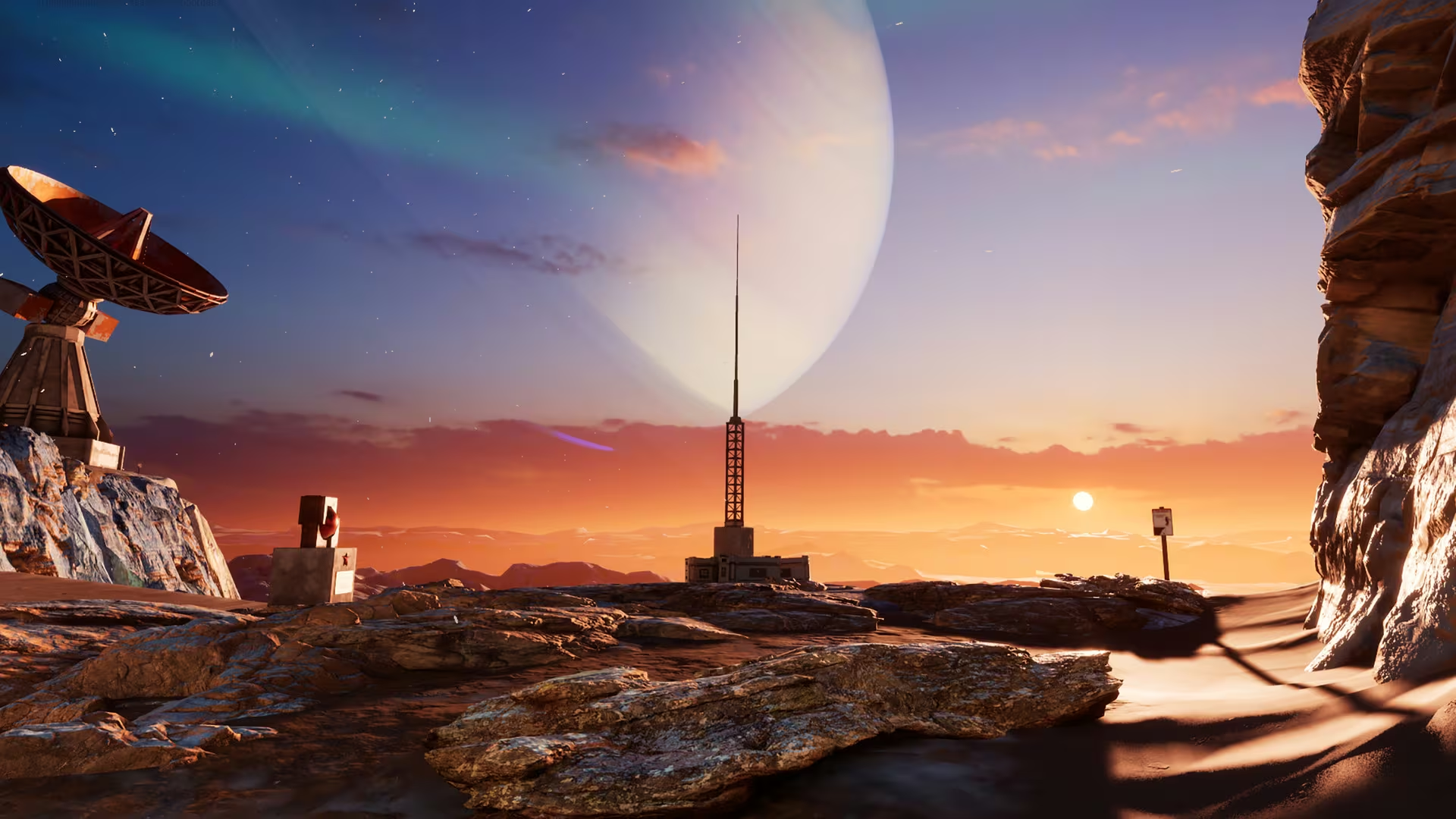
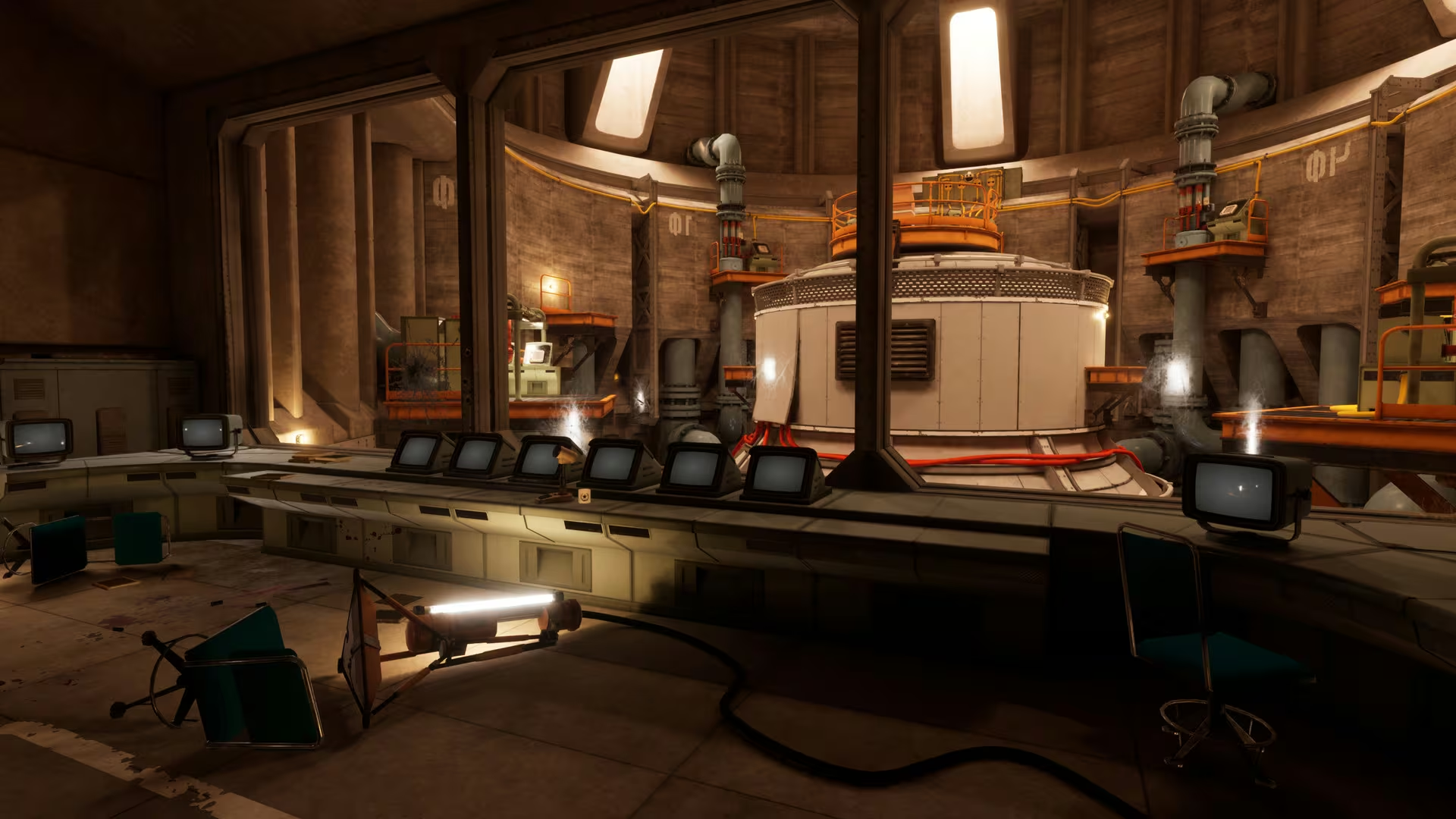
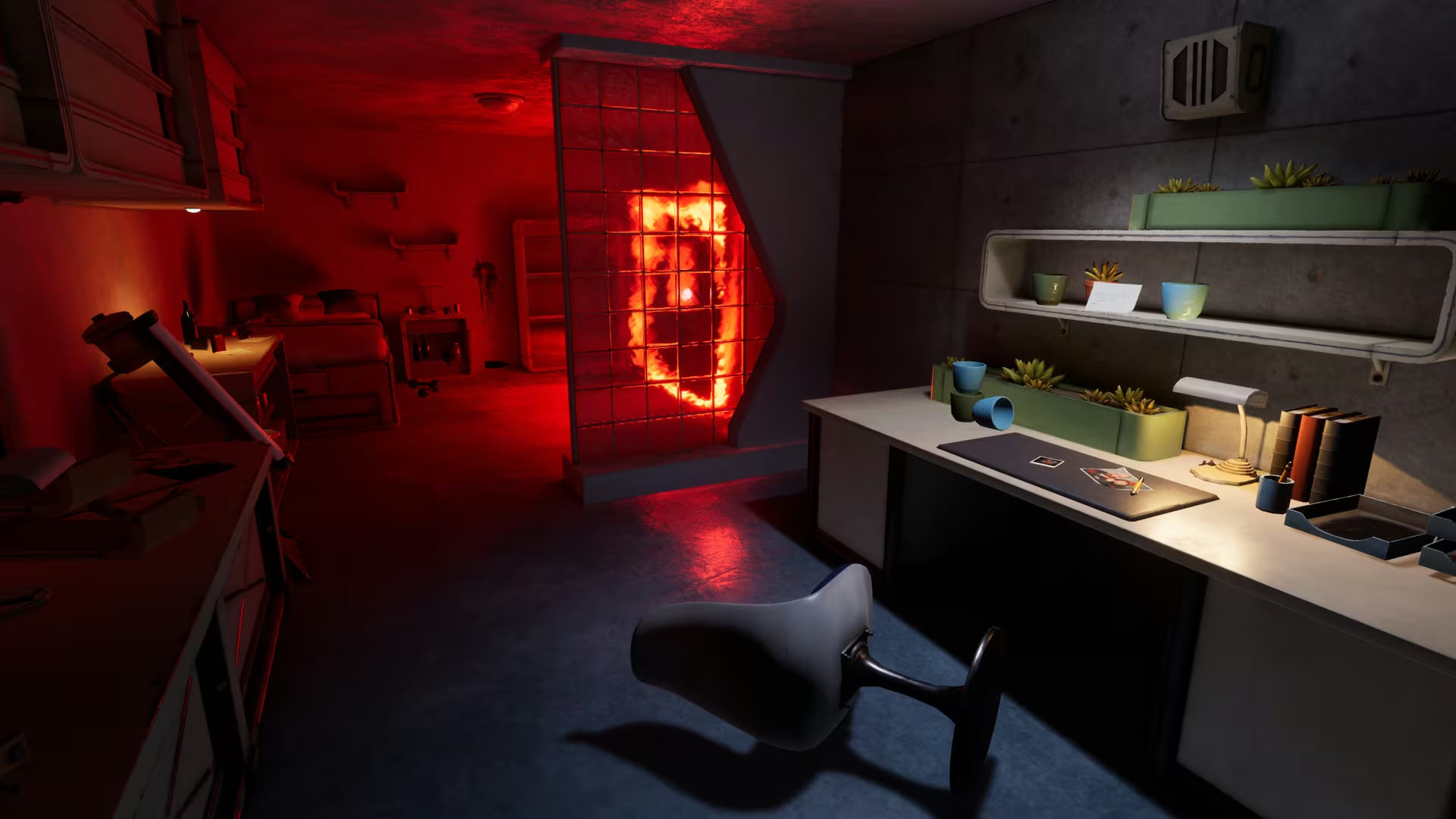
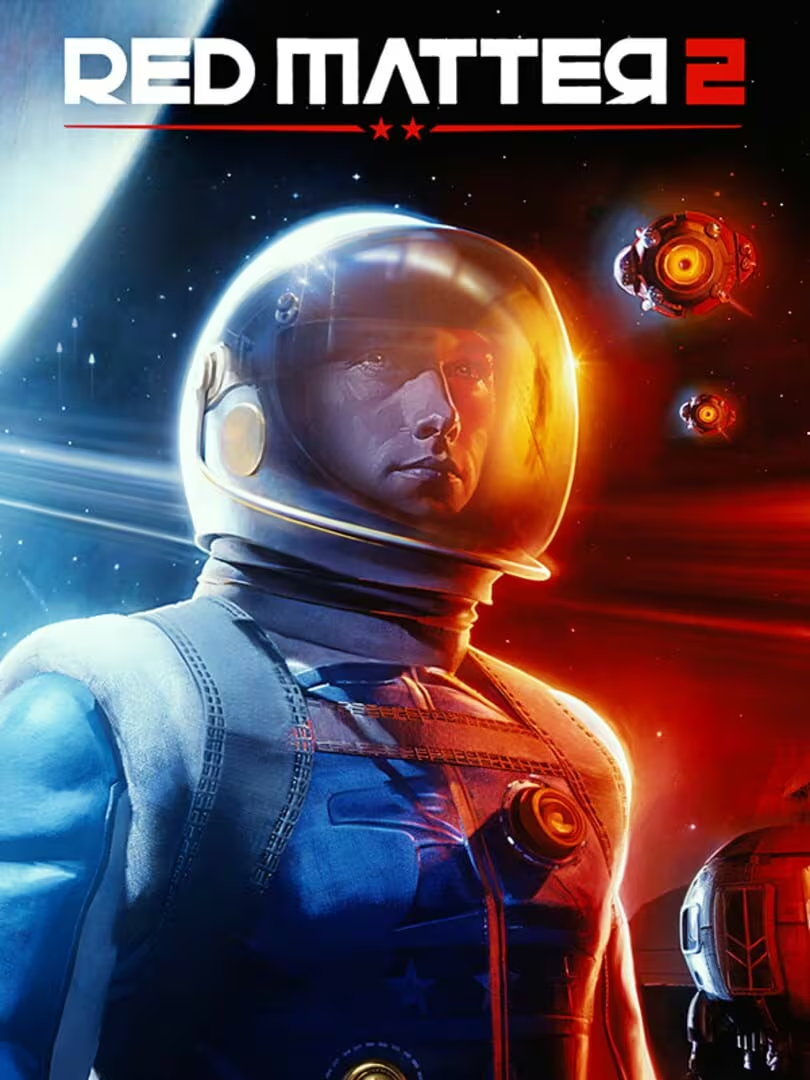
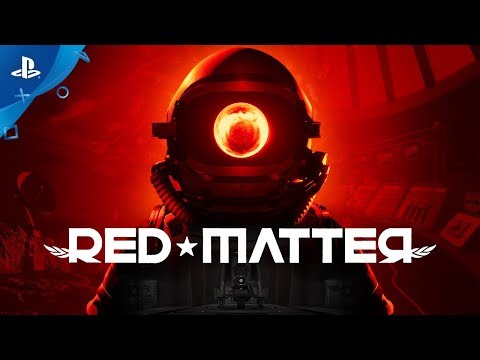
Red Matter is a story-driven VR puzzle adventure game set during a dystopian sci-fi Cold War. Take on the role of Agent Epsilon, an astronaut of the Atlantic Union dispatched to an abandoned Volgravian moon base on a faraway planet. Your mission: to investigate a shady top secret research project.

Global score

90/100

Genres

Adventure, Indie, Puzzle

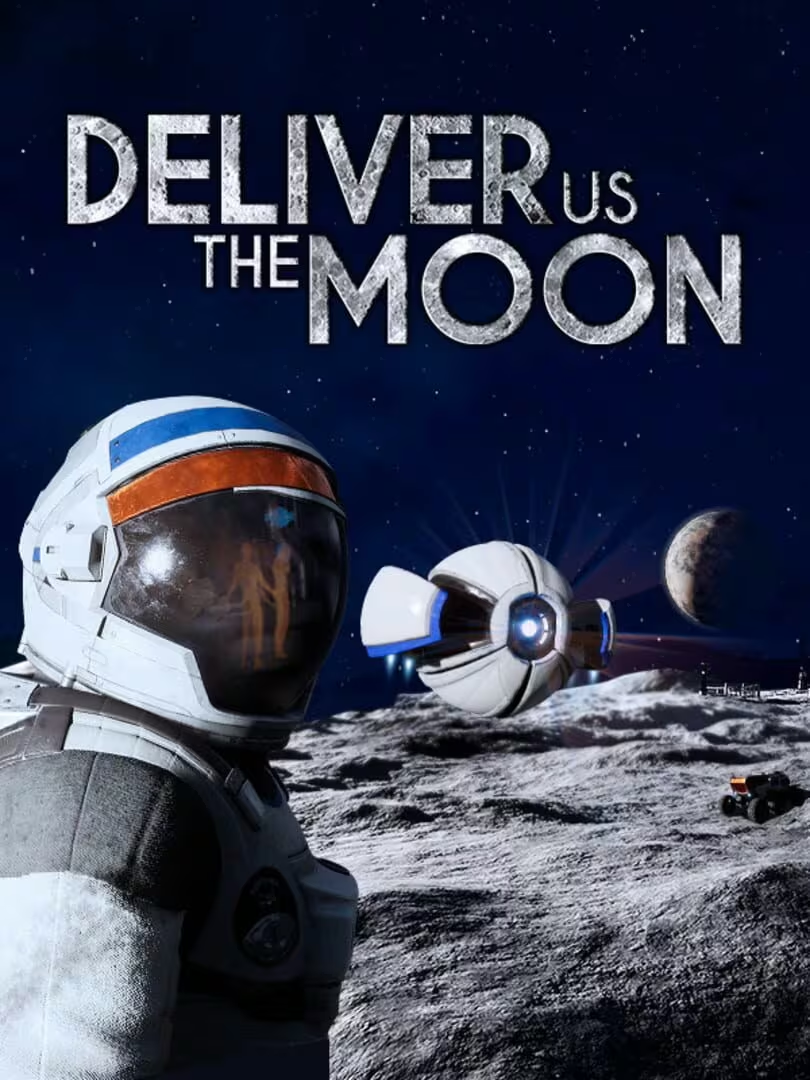
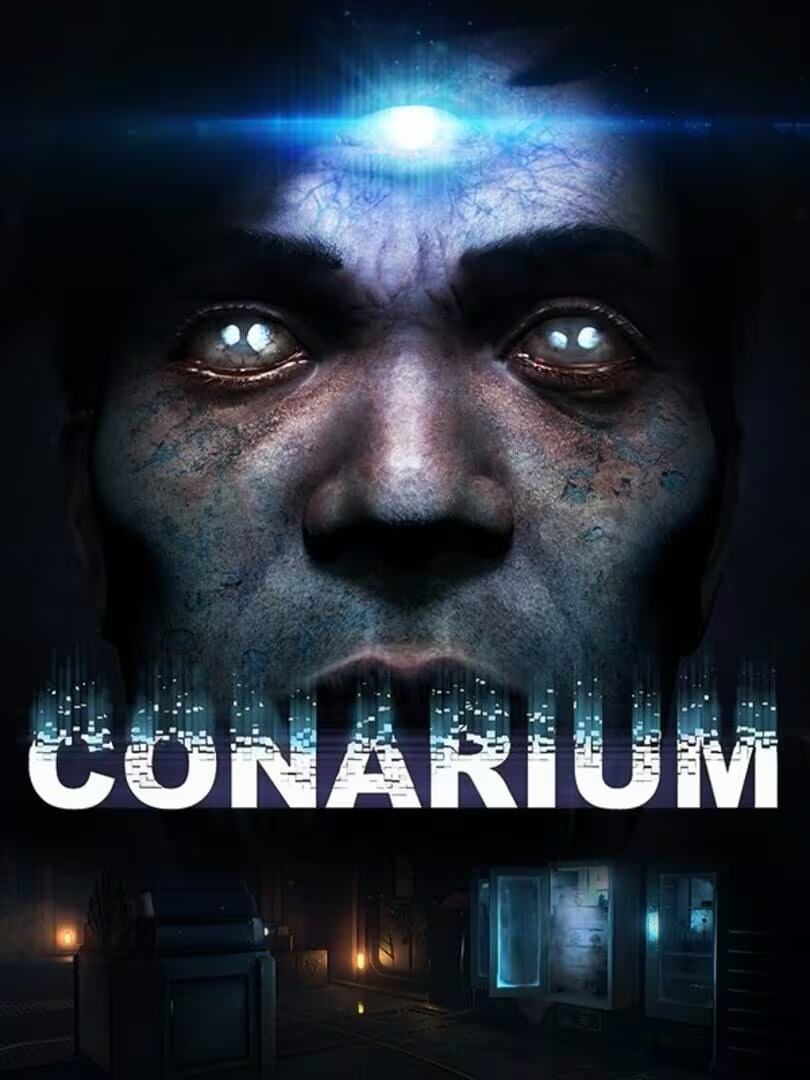
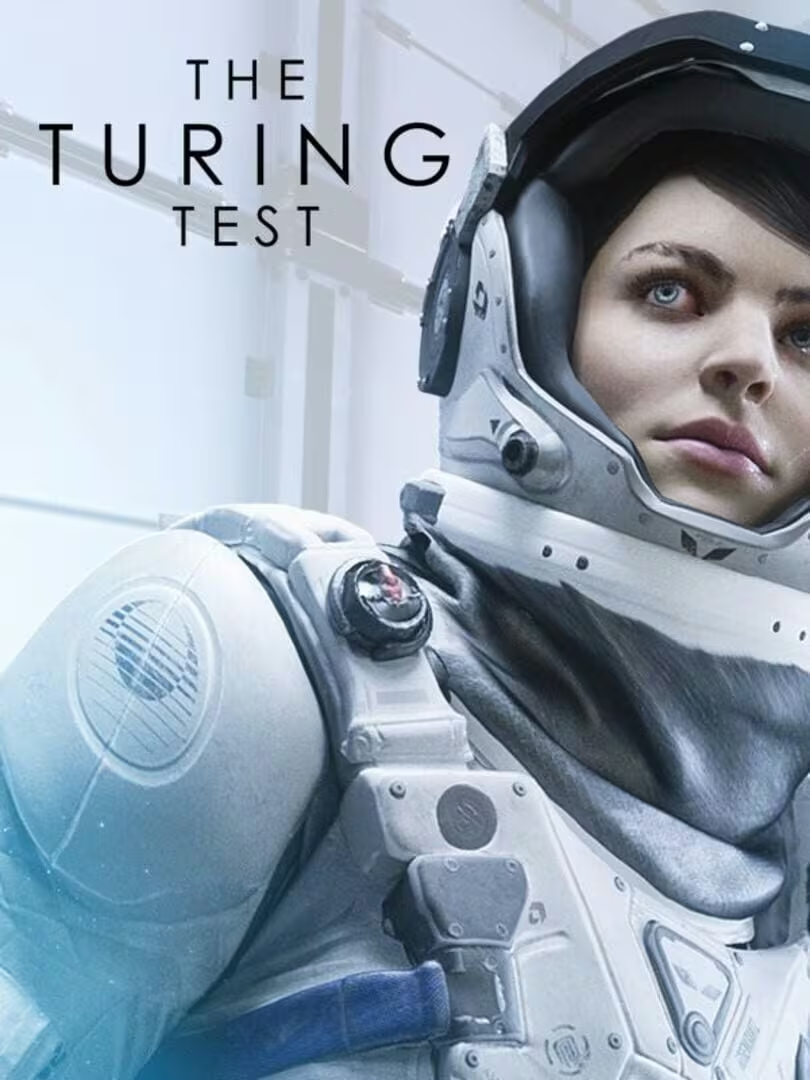
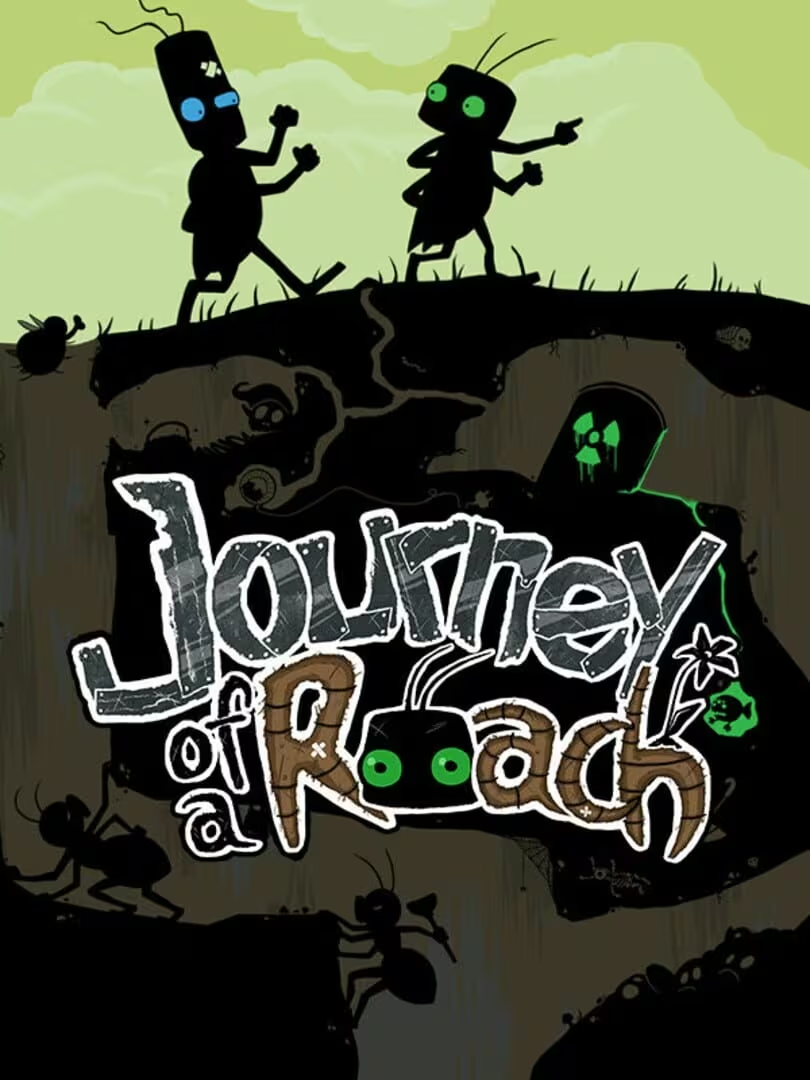
Similar games

    Pros

    • Stunning graphics and immersive vr atmosphere
    • Well-balanced and satisfying puzzles
    • Engaging sci-fi story with mystery elements
    • Smooth and intuitive vr controls
    • Polished and bug-free gameplay experience

    Cons

    • Short game length with low replayability
    • Somewhat slow and awkward locomotion
    • Story ending considered abrupt or confusing
    • Limited interactivity and linear progression
    • Price considered high for duration by some

    Analysis

    Less representative of its motivational profile, with noticeable differences. Motivations that often define this kind of title include Survival, Violence, Fellowship, Expression. Here, the score leans higher than usual among comparable games on Thrill. It leans lower than usual among comparable games on Continuation, Value.

    How to use the graph
    Similar games map

    Each dot is a game. They are arranged from the same motivation profile as in the “Motivations” section below. Closer dots usually mean more similar reasons to play (exploration, competition, relaxation, etc.)—not that one game is “better” than another.

    • Larger dot with a light outline: the game you are viewing.
    • Colour: groups of games with comparable motivation patterns (statistical clusters).
    • Hover a dot to see the game name; click to open its page.
    • Scroll or double-click the chart to zoom out and see more games.

    Why don’t the axes read like a score? This view uses t-SNE: it only keeps who is close to whom. The scales are not “good to bad” or hours played—they separate groups on the map. Read distance between dots, not the axis numbers.

    Motivations

    • Autonomy
      3

      "Players have freedom to explore environments, solve puzzles at their own pace, and choose locomotion methods (teleport, smooth walking, thruster jumps)."

    • Competence
      3

      "Puzzles provide moderate challenge requiring thinking and interaction, but are generally not too difficult or repetitive."

    • Competition
      -5

      "No competitive elements or player comparison; focus is on solo exploration and puzzle solving."

    • Continuation
      -3

      "Game is short (2-5 hours) with low replayability; players tend to finish in one or few sessions and do not return frequently."

    • Cooperation
      -5

      "Entirely single-player experience with no cooperative or multiplayer features."

    • Creativity
      2

      "Players interact with environment and solve puzzles creatively, but within a linear, fixed structure."

    • Domination
      -5

      "No social dominance or power dynamics; purely individual experience."

    • Escapism
      4

      "Immersive VR environment and atmospheric story provide strong escape from reality."

    • Expectation
      -4

      "Players engage voluntarily for intrinsic interest in puzzles, story, and VR experience."

    • Experimenting
      2

      "Some experimentation with puzzle solutions and interaction mechanics, but within a guided linear progression."

    • Exploration
      3

      "Players explore detailed environments and uncover story elements, though within a linear path."

    • Expression
      -4

      "Limited customization or self-expression; players use predefined avatars and environments."

    • Fantasy
      3

      "Set in a fictional sci-fi Cold War space station with mysterious and paranormal elements."

    • Fellowship
      -5

      "No social or community features; solo play only."

    • Growth
      3

      "Players develop puzzle-solving skills and learn story details progressively."

    • Health
      -3

      "Primarily sedentary VR gameplay with some physical movement but no exercise focus."

    • Idle
      -4

      "Requires focused attention and active engagement throughout; not a casual or background activity."

    • Intimacy
      -5

      "No social or emotional relationship building; isolated single-player experience."

    • Leadership
      -5

      "No leadership or group management elements."

    • Progression
      3

      "Linear progression through puzzles and story with some item interactions and unlocking new areas."

    • Relaxation
      3

      "Atmospheric and immersive experience with moderate tension but no high stress or horror."

    • Sensation
      4

      "High sensory stimulation through detailed visuals, lighting, sound, and VR immersion."

    • Status
      -5

      "No social status or recognition systems."

    • Story
      3

      "Narrative-driven game with voice acting and environmental storytelling, though story is somewhat short and ambiguous."

    • Strategy
      2

      "Requires logical thinking and puzzle solving, but no complex strategic planning."

    • Thrill
      2

      "Some suspenseful and eerie moments, but no intense scares or action sequences."

    • Value
      0

      "Mixed user opinions on price vs. length; generally recommended on sale due to short duration."

    • Violence
      -5

      "No combat or destructive gameplay; focus on constructive puzzle solving."

    • Survival
      -4

      "No survival or threat mechanics; safe exploration environment."

    Last update: 29/04/2026