Resident Evil Thumbnail

Resident Evil similar games & best alternatives

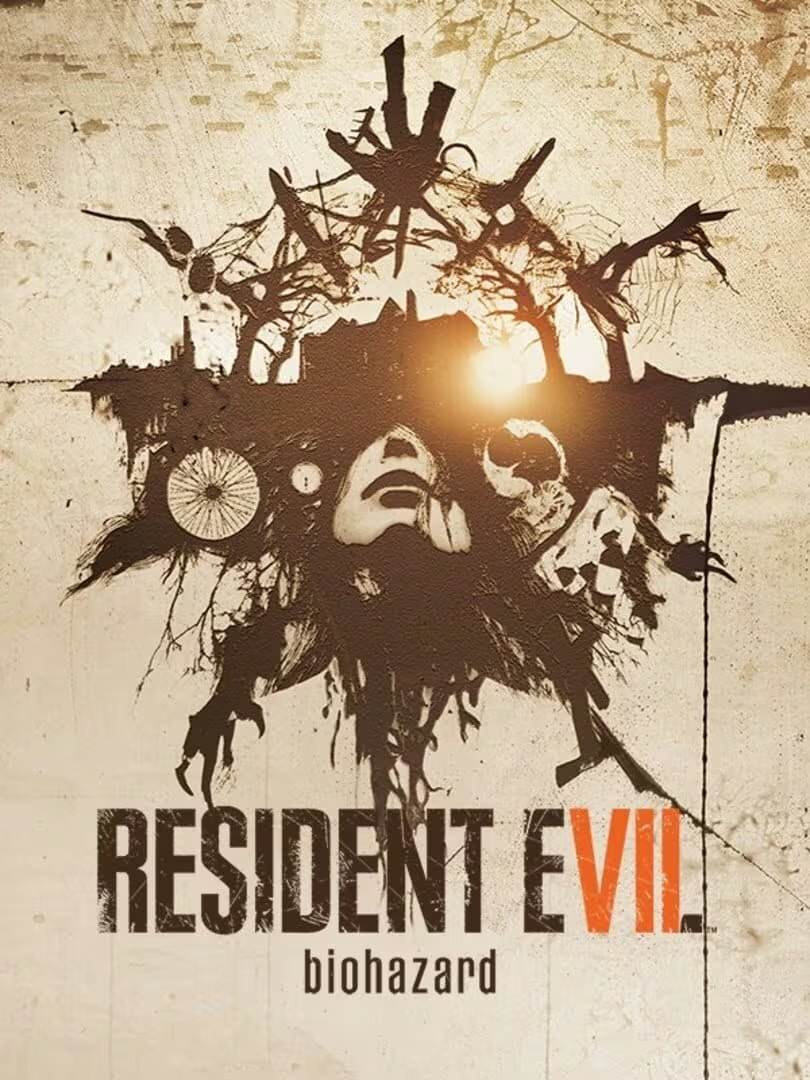
Resident Evil

PC (Microsoft Windows), Wii • 2015

Related articles

Quick resume

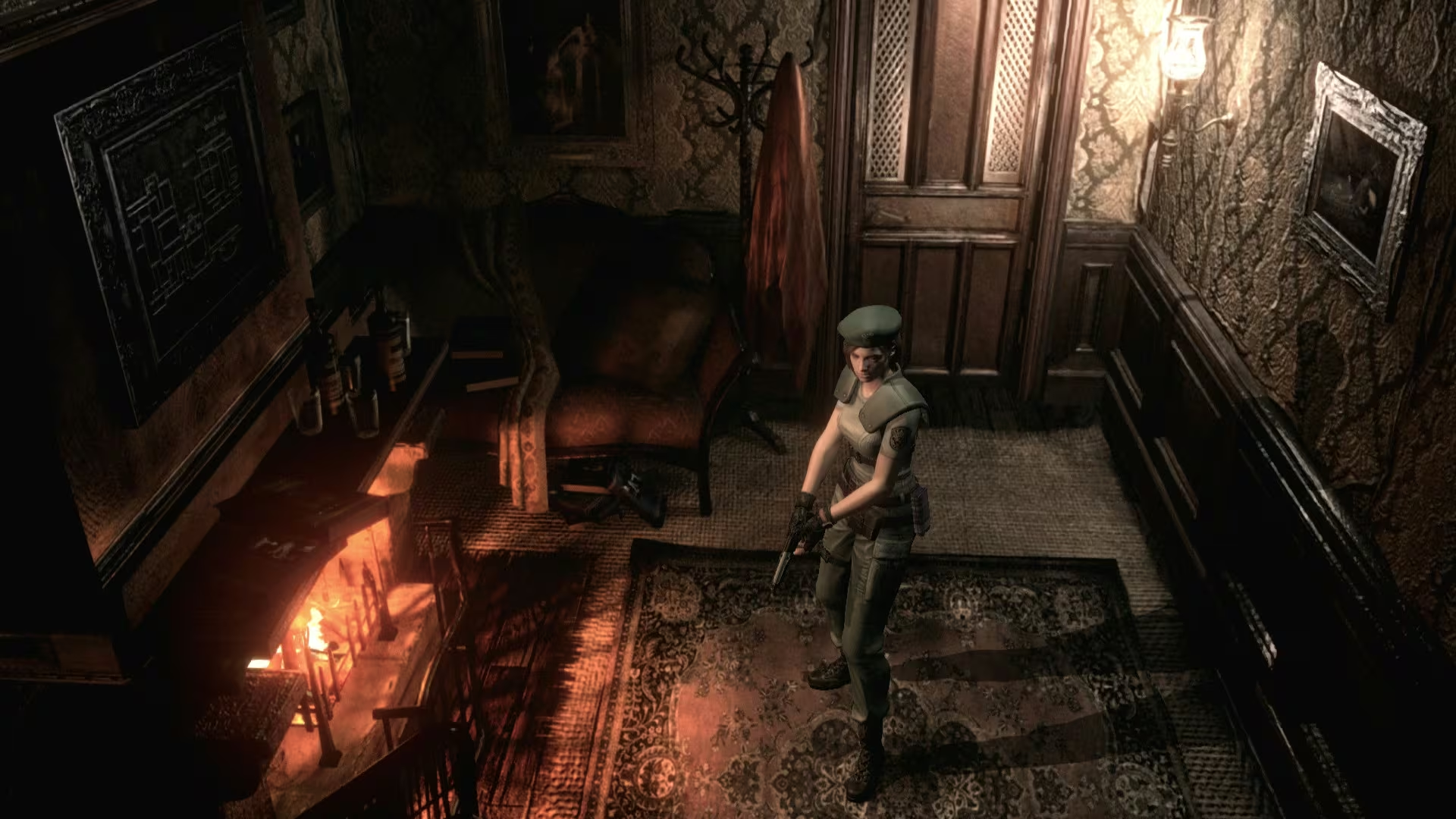
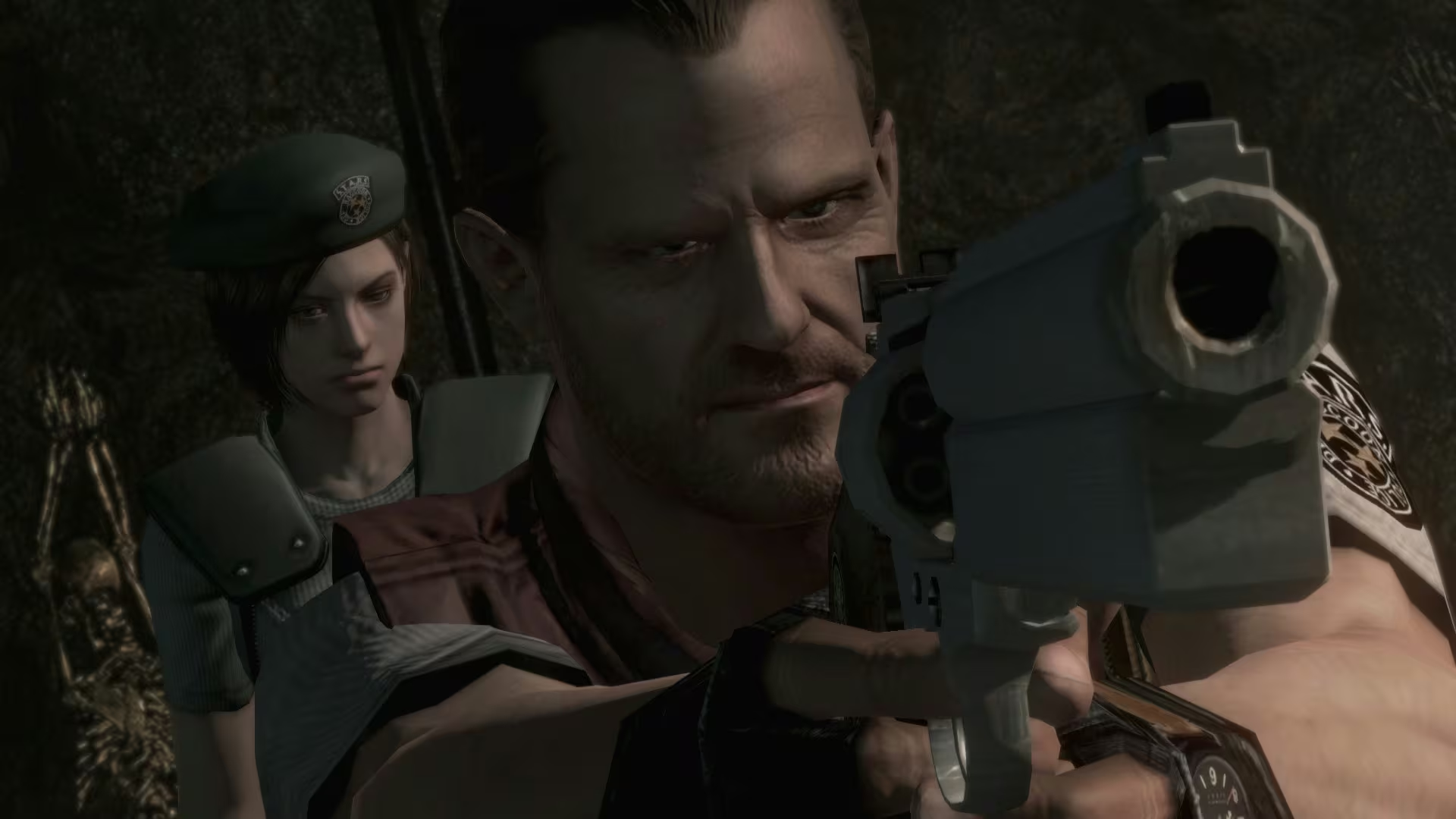
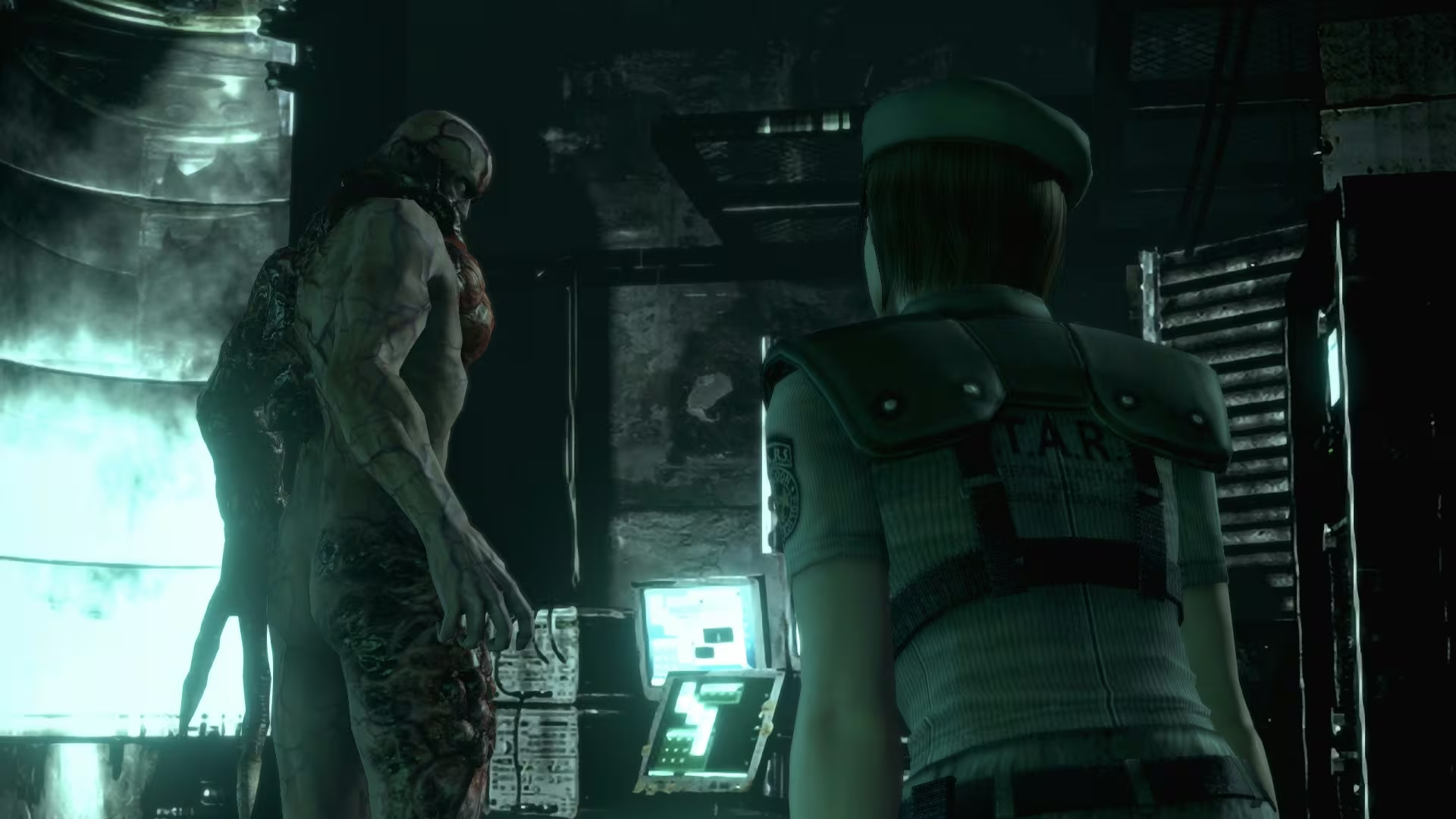
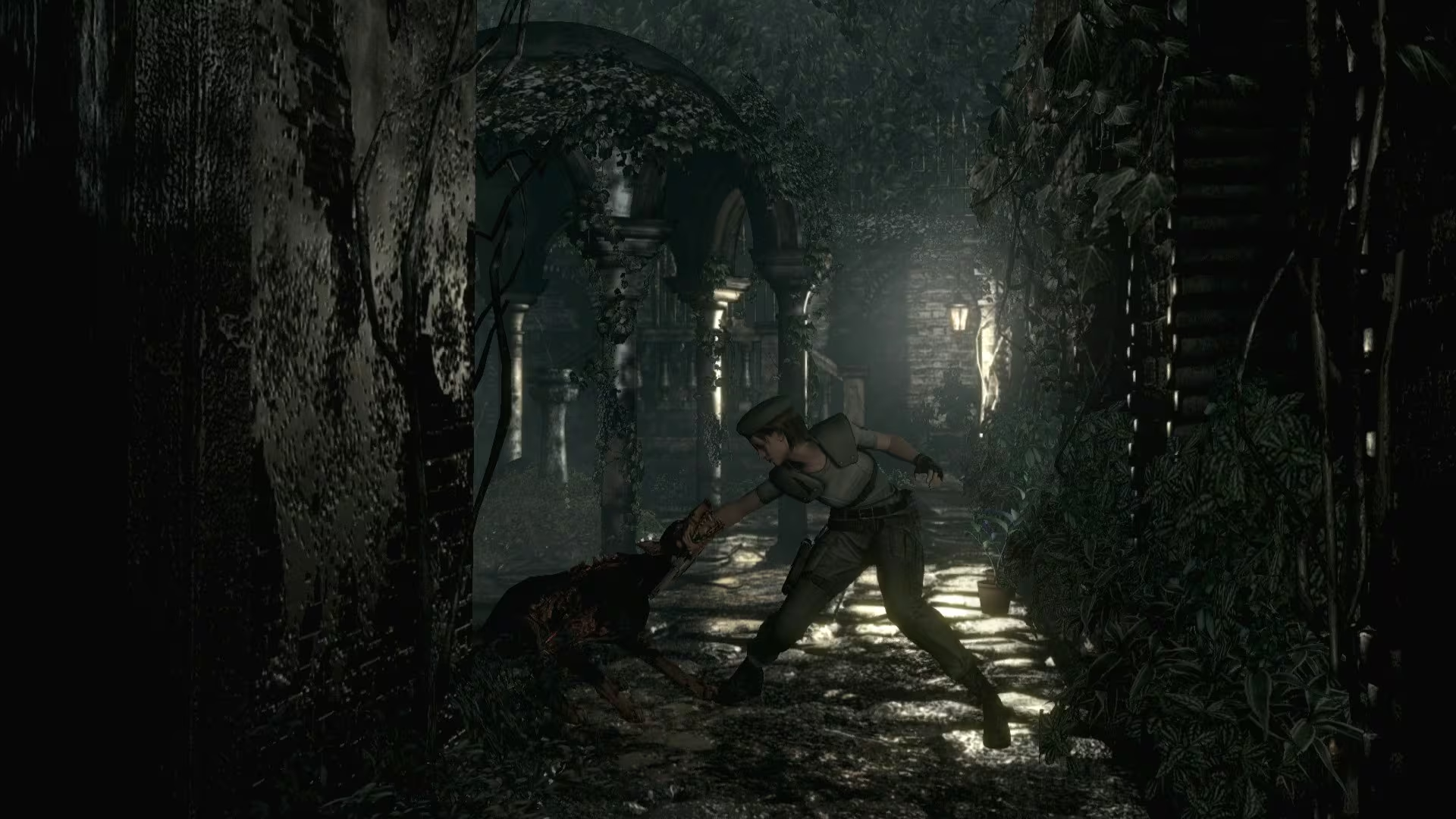
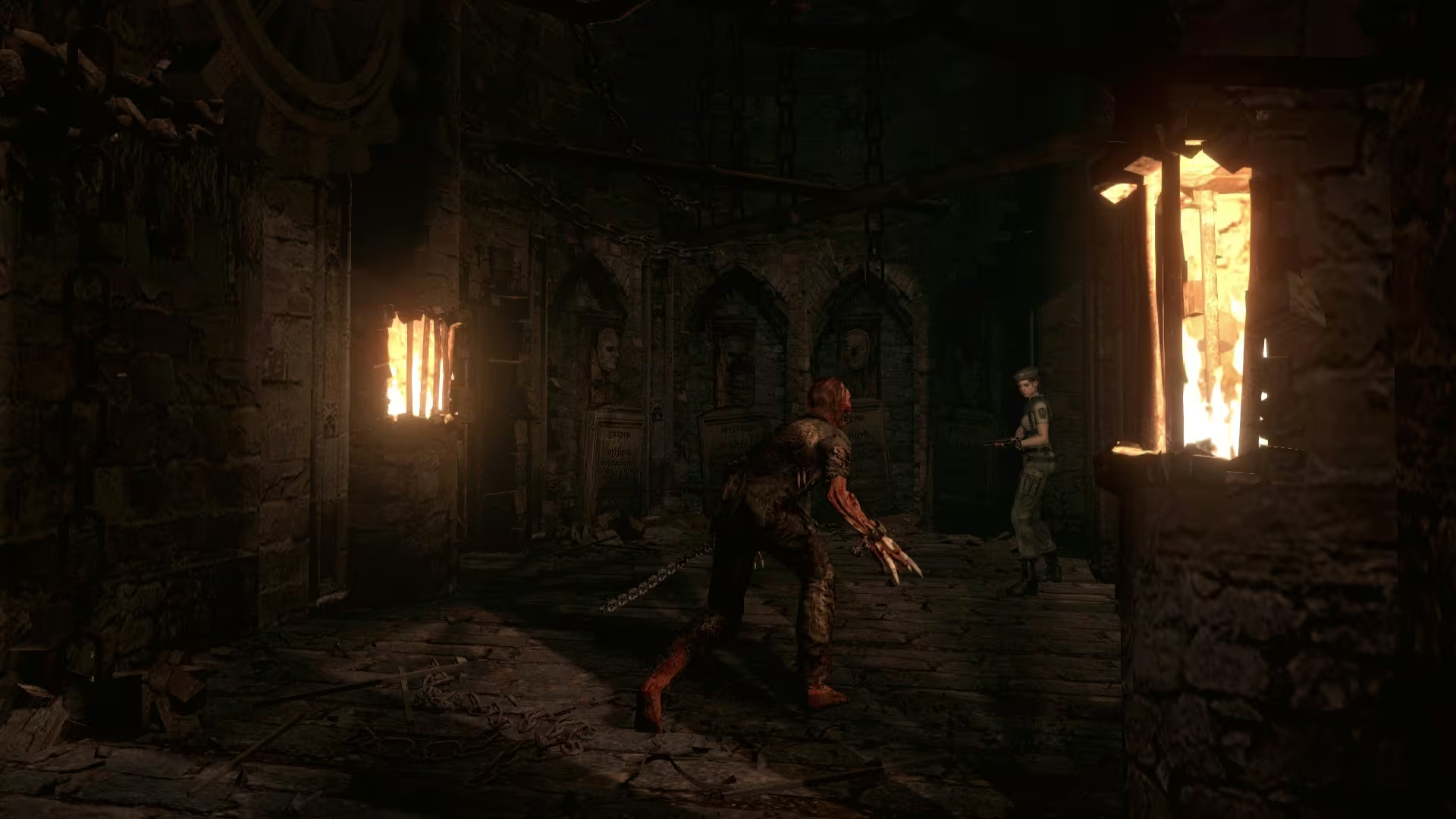
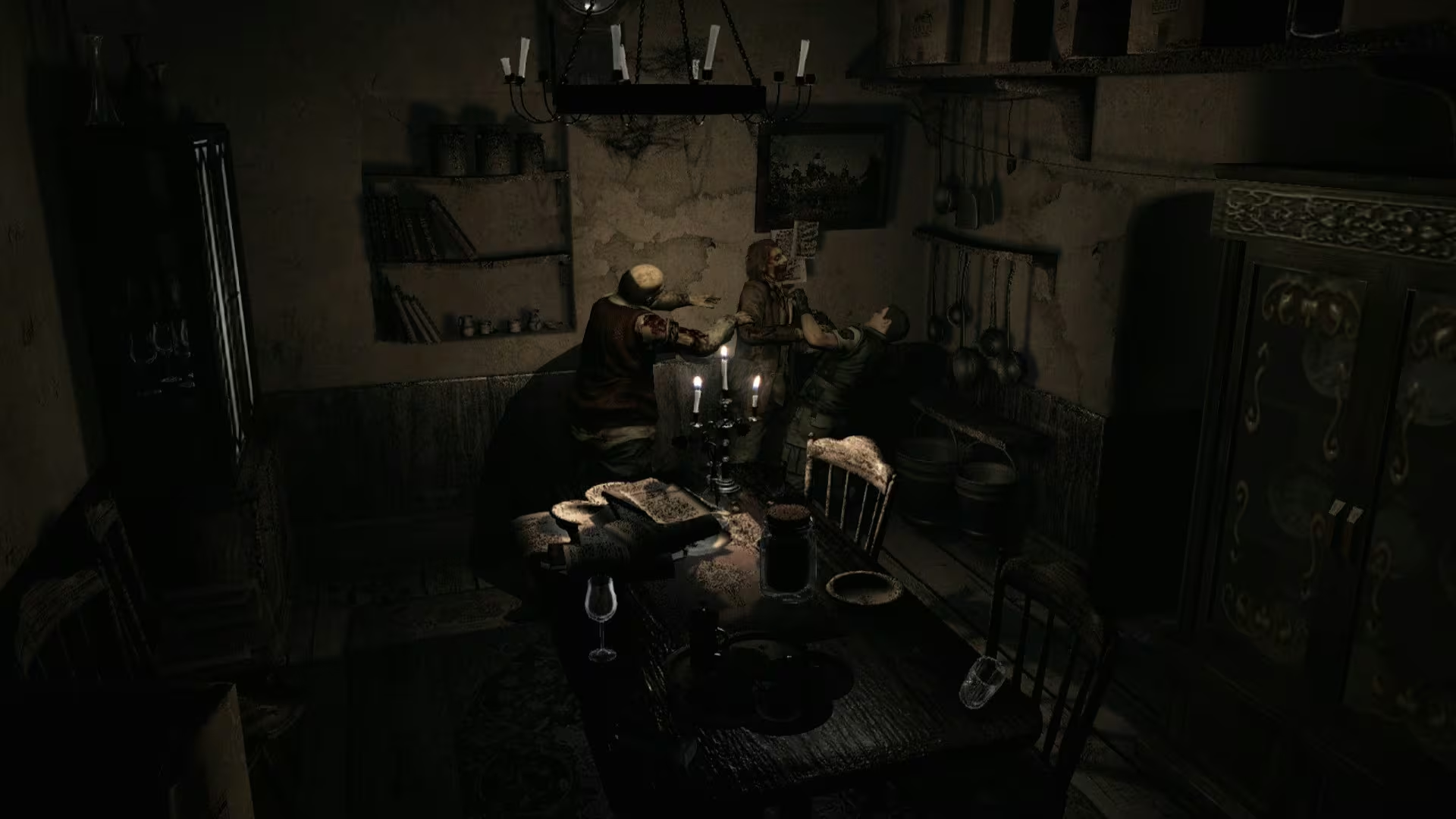
The game that defined the survival-horror genre is back! Check out the remastered HD version of Resident Evil.

Global score

92/100

Genres

Action, Adventure, Puzzle

Similar games

    Pros

    • Faithful remake with improved graphics and sound
    • Engaging survival horror atmosphere
    • Challenging puzzles and inventory management
    • Multiple characters and endings for replayability
    • Classic fixed camera angles enhance tension

    Cons

    • Fixed camera and tank controls can frustrate new players
    • Limited inventory space requires frequent backtracking
    • Some blurry backgrounds and dated cutscenes
    • Voice acting is campy and sometimes poor
    • Slow pacing and door load animations may annoy

    Analysis

    Broadly representative of its motivational profile, with a few distinct shifts. Motivations that often define this kind of title include Relaxation, Survival, Violence, Fellowship. Here, the score leans higher than usual among comparable games on Exploration, Expression. It leans lower than usual among comparable games on Status.

    How to use the graph
    Similar games map

    Each dot is a game. They are arranged from the same motivation profile as in the “Motivations” section below. Closer dots usually mean more similar reasons to play (exploration, competition, relaxation, etc.)—not that one game is “better” than another.

    • Larger dot with a light outline: the game you are viewing.
    • Colour: groups of games with comparable motivation patterns (statistical clusters).
    • Hover a dot to see the game name; click to open its page.
    • Scroll or double-click the chart to zoom out and see more games.

    Why don’t the axes read like a score? This view uses t-SNE: it only keeps who is close to whom. The scales are not “good to bad” or hours played—they separate groups on the map. Read distance between dots, not the axis numbers.

    Motivations

    • Autonomy
      3

      "Players have freedom to explore the mansion and solve puzzles at their own pace, but progression is gated by item and key acquisition, so some routine backtracking is required."

    • Competence
      4

      "The game challenges players with difficult puzzles, resource management, and survival mechanics requiring skillful planning and execution."

    • Competition
      -4

      "Focus is on solo play and personal survival without competitive or ranked multiplayer elements."

    • Continuation
      4

      "Many players report long play sessions, multiple playthroughs for different characters and endings, and high replay value."

    • Cooperation
      -5

      "Entirely single-player experience with no cooperative gameplay."

    • Creativity
      2

      "Players creatively manage inventory and approach puzzles and combat in different ways, but within a fixed game structure."

    • Domination
      -5

      "No evidence of player domination or power over others; gameplay is individual and survival-focused."

    • Escapism
      4

      "Strong immersion in a tense horror atmosphere provides escape from reality and stress relief."

    • Expectation
      -4

      "Players engage voluntarily out of interest and nostalgia, not out of obligation or pressure."

    • Experimenting
      3

      "Players experiment with different strategies for inventory management, puzzle solving, and combat approaches."

    • Exploration
      5

      "Core gameplay involves exploring a large mansion with many secrets, puzzles, and hidden items."

    • Expression
      2

      "Some character costume customization is available, allowing limited self-expression."

    • Fantasy
      4

      "Players experience a fictional horror story with zombies, mutants, and supernatural elements."

    • Fellowship
      -5

      "No social or community features; strictly single-player."

    • Growth
      4

      "Players learn and improve puzzle solving, map navigation, and survival skills through repeated play."

    • Health
      -4

      "Sedentary gameplay with no physical activity involved."

    • Idle
      -4

      "Requires focused attention and continuous engagement; not suitable for casual or background play."

    • Intimacy
      -5

      "No social or emotional relationship building; solitary experience."

    • Leadership
      -5

      "No leadership or group management roles present."

    • Progression
      5

      "Players accumulate weapons, keys, and upgrades while unlocking new areas and story content."

    • Relaxation
      -3

      "Tense atmosphere and survival pressure create sustained tension rather than relaxation."

    • Sensation
      4

      "Strong sensory stimulation through atmospheric visuals, sound design, and jump scares."

    • Status
      -5

      "No social recognition or status systems; individual-focused gameplay."

    • Story
      4

      "Engaging narrative with multiple endings, character perspectives, and lore exploration."

    • Strategy
      5

      "Requires strategic planning in inventory management, puzzle solving, and combat tactics."

    • Thrill
      5

      "High suspense and horror elements create thrilling and tense gameplay moments."

    • Value
      4

      "Offers many hours of gameplay, replayability, and content for the price."

    • Violence
      4

      "Combat against zombies and monsters is a core gameplay element involving shooting and destruction."

    • Survival
      5

      "Central theme is survival against limited resources, managing threats, and avoiding death."

    Last update: 29/04/2026