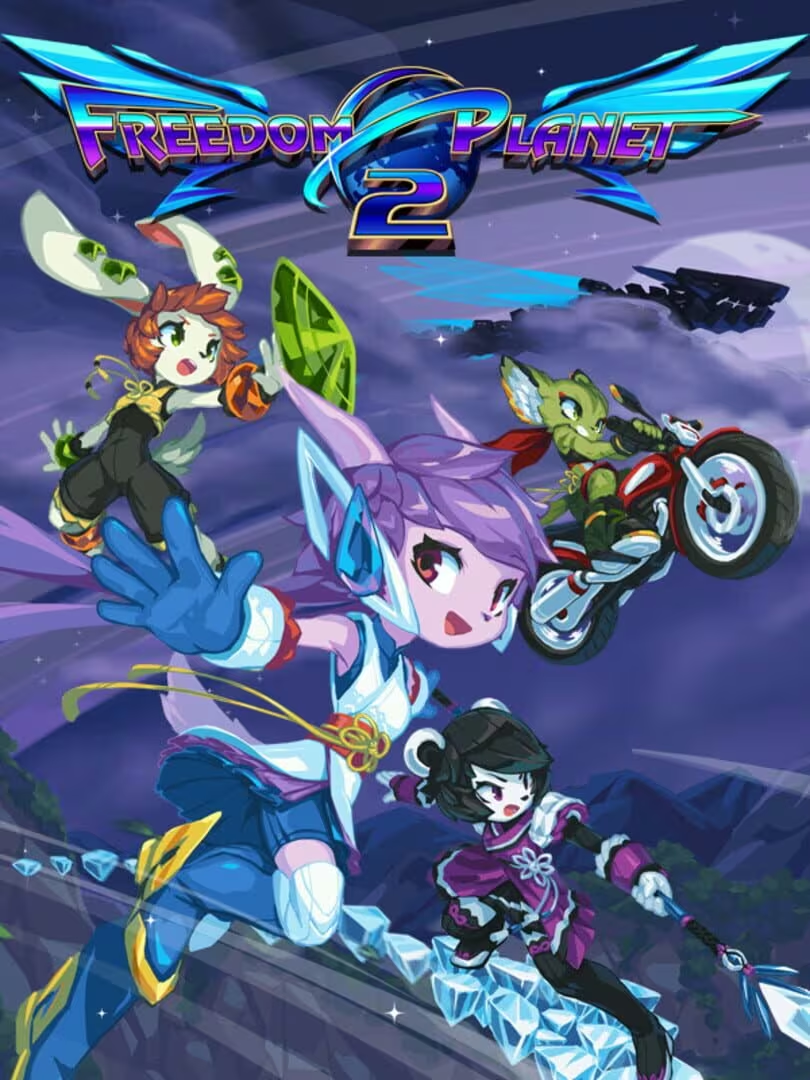
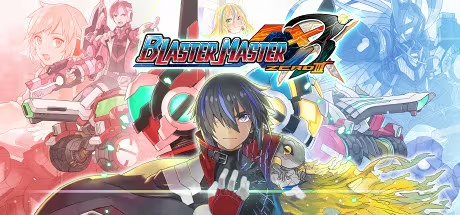
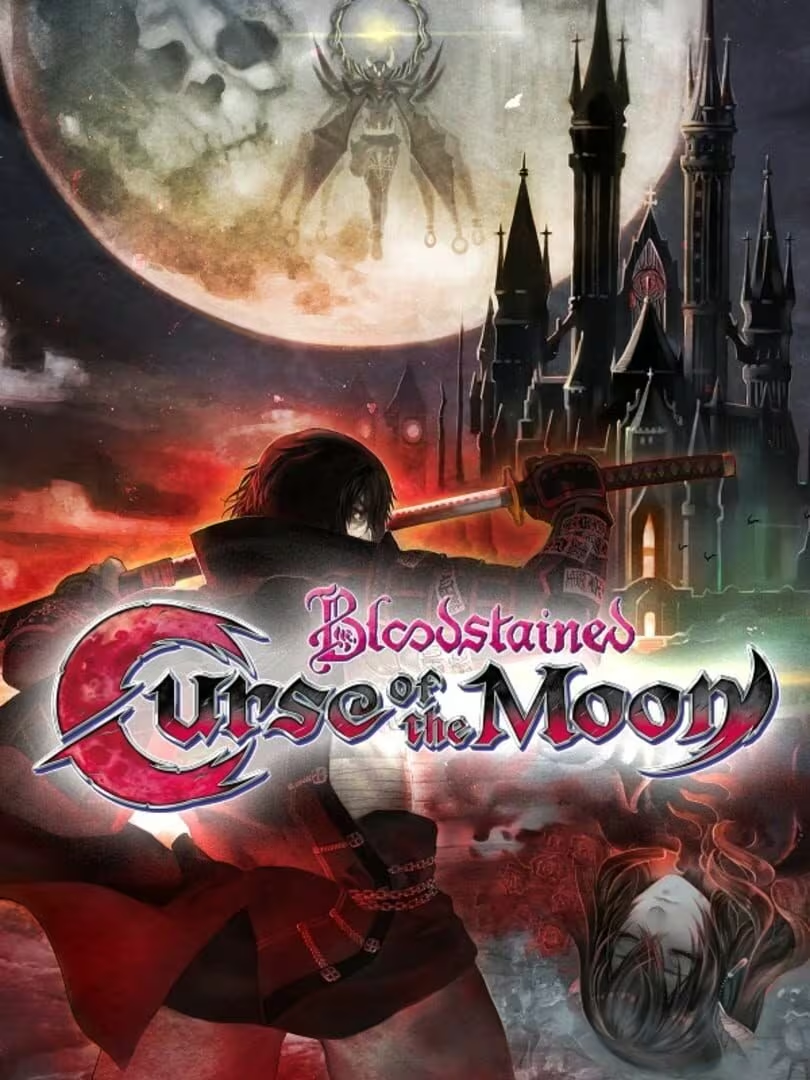
A Robot Named Fight! similar games & best alternatives
A Robot Named Fight!
2017
Related articles
Quick resume
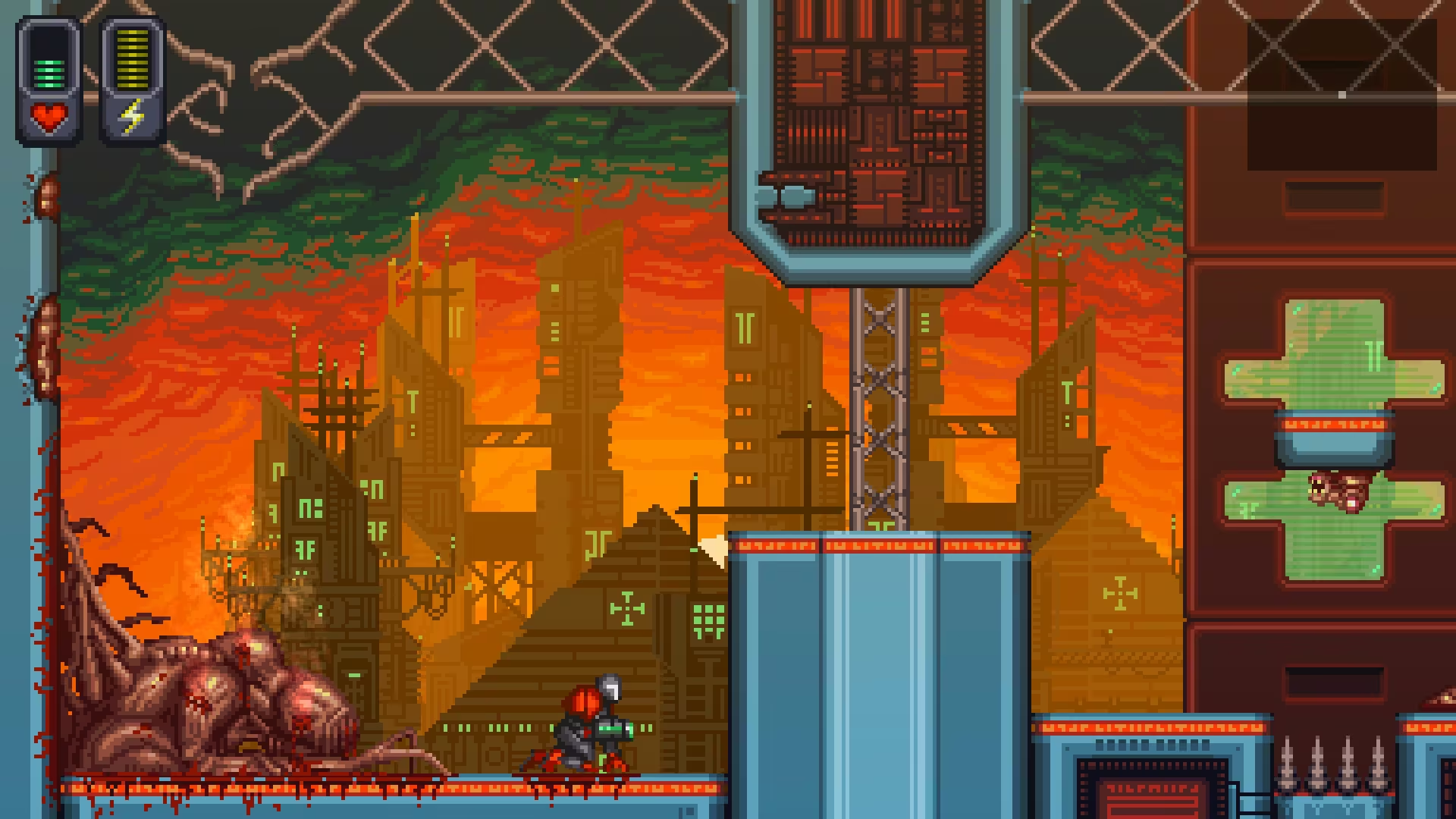
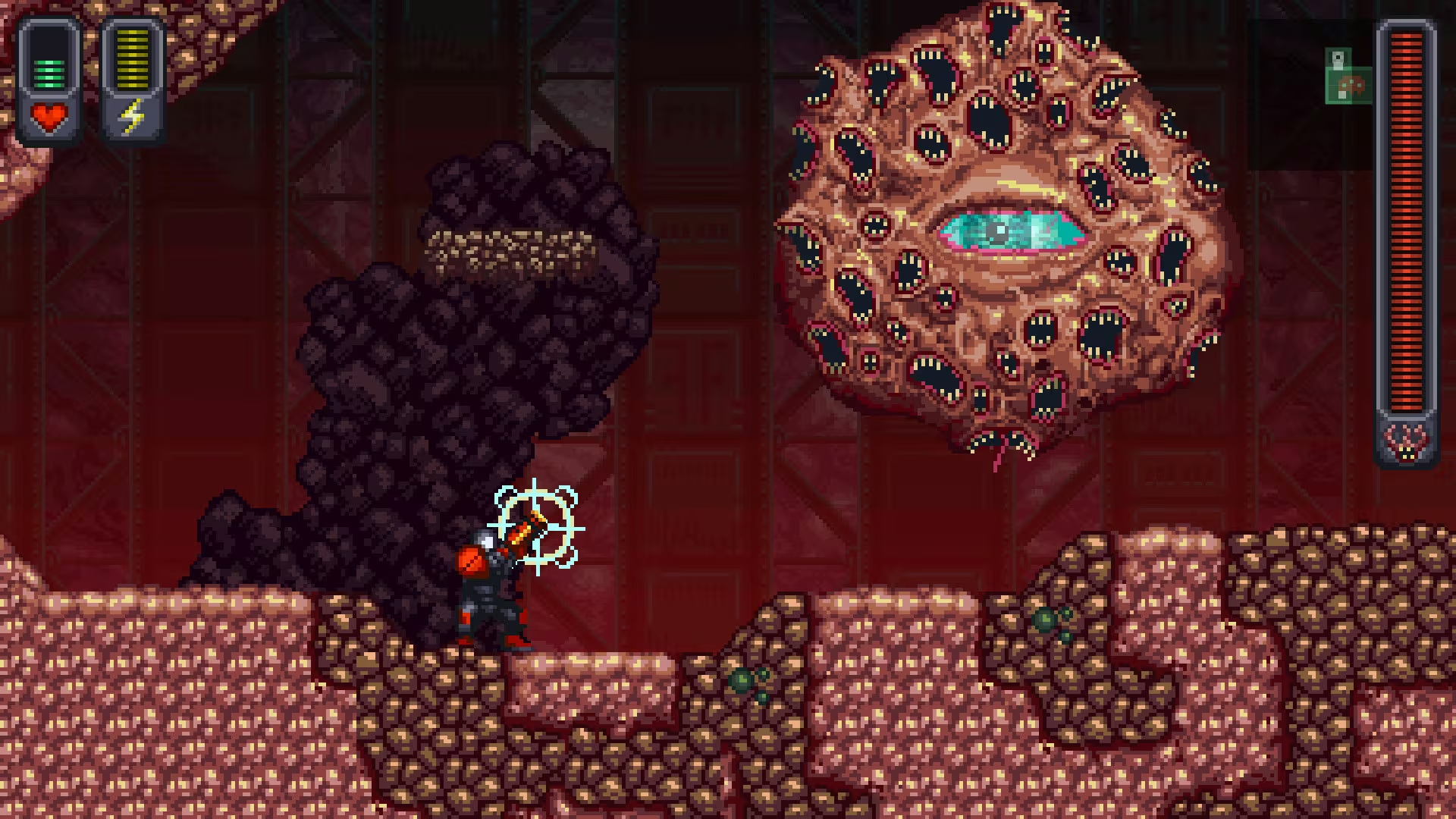
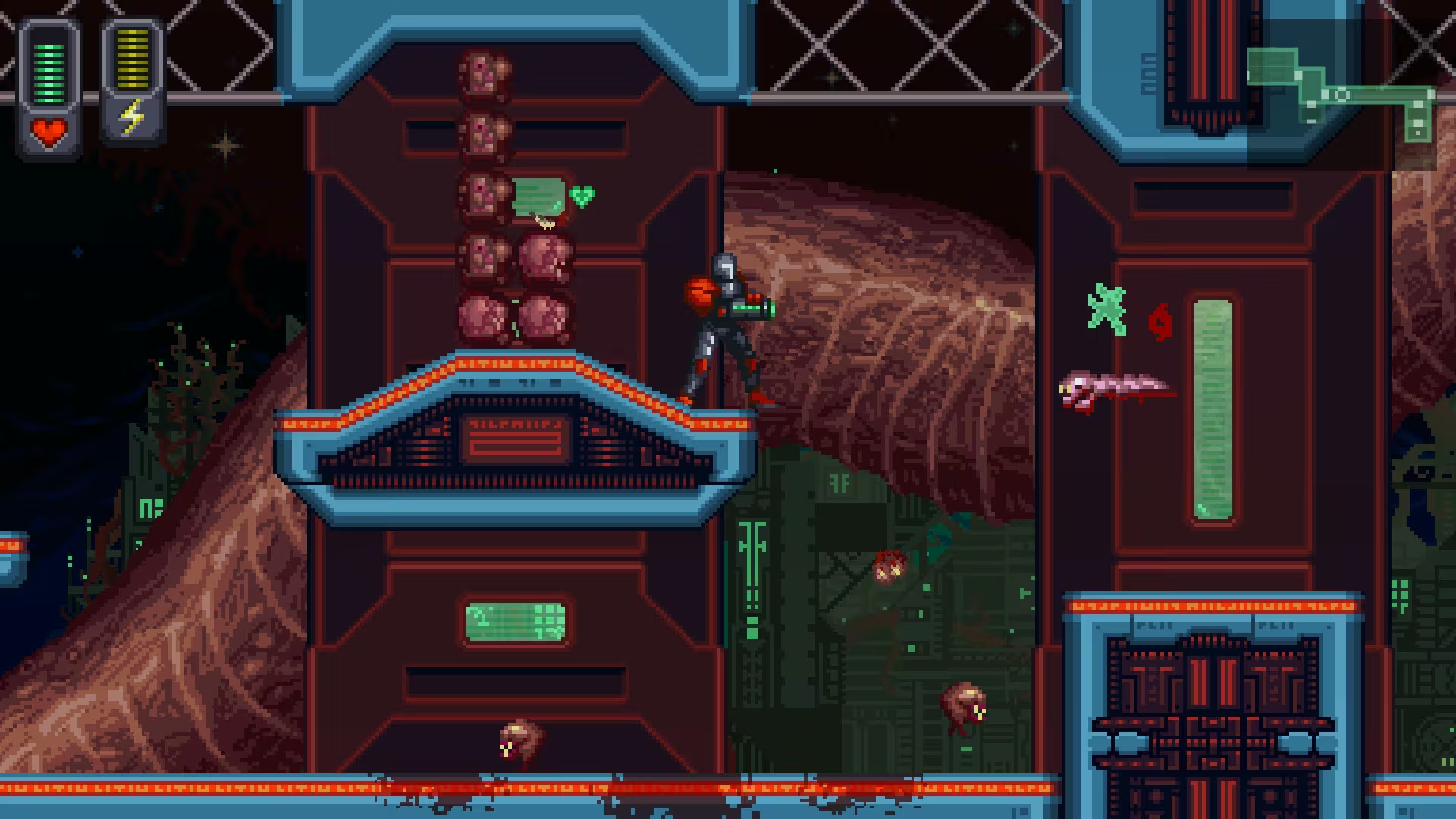
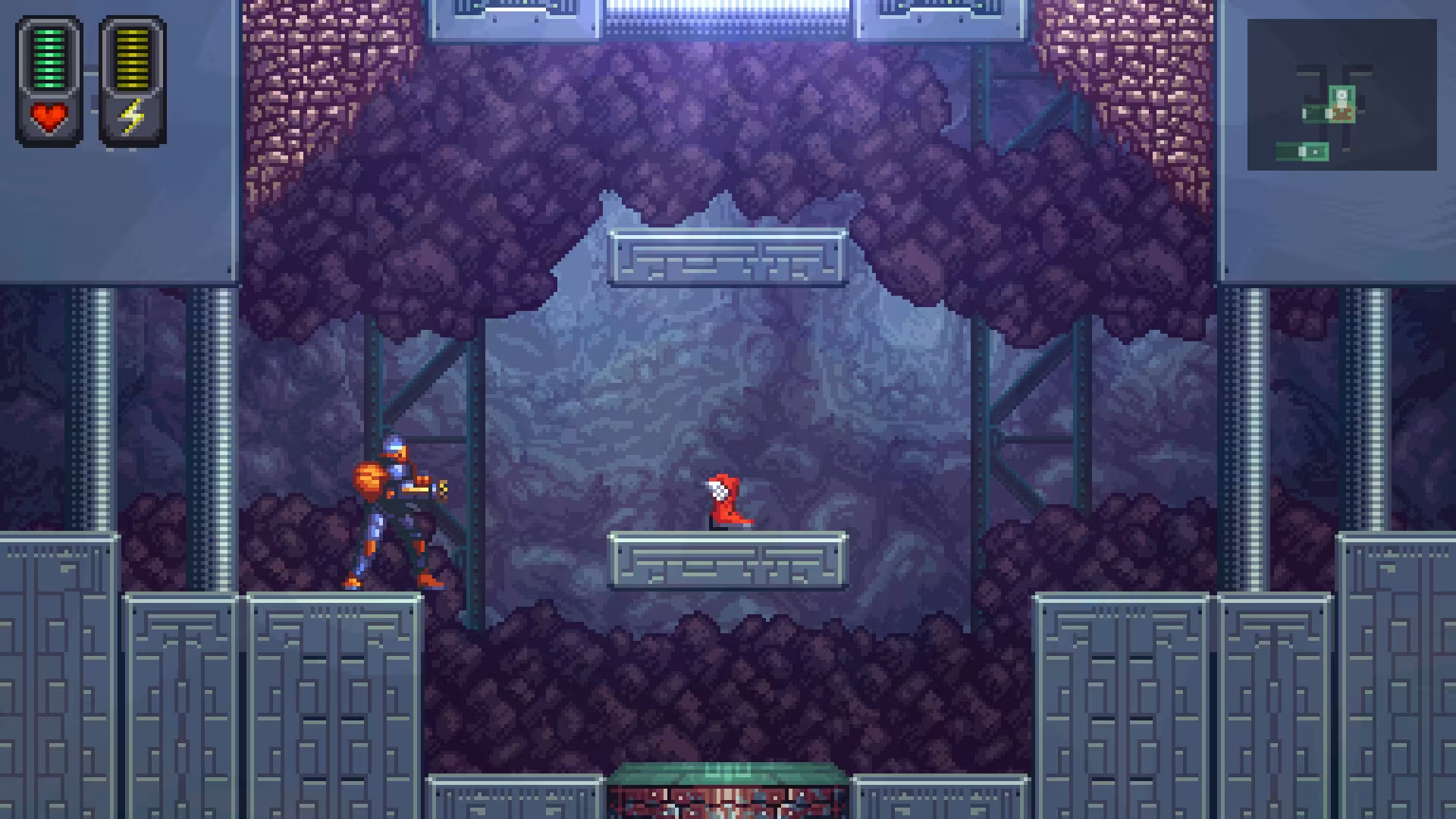
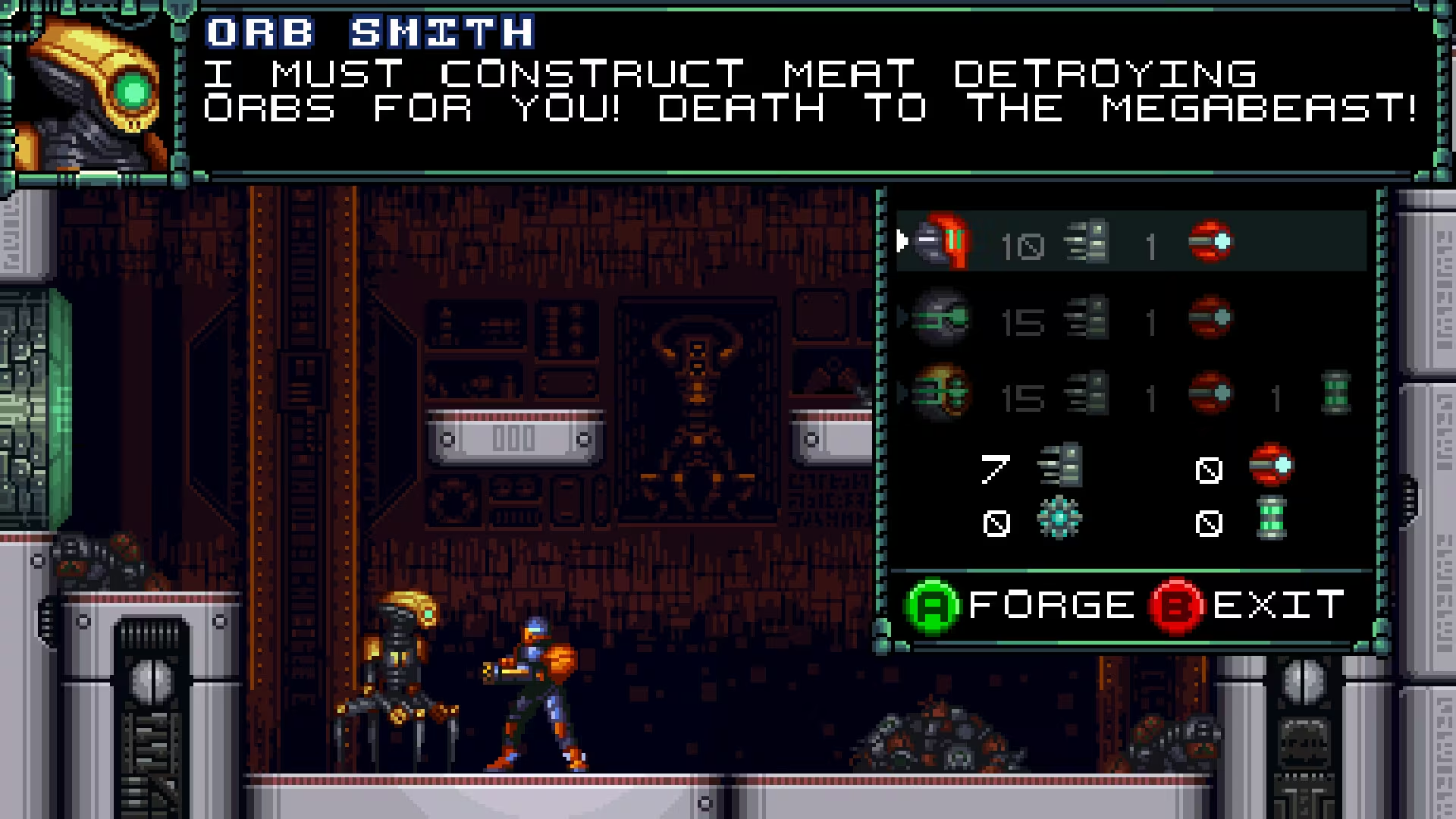
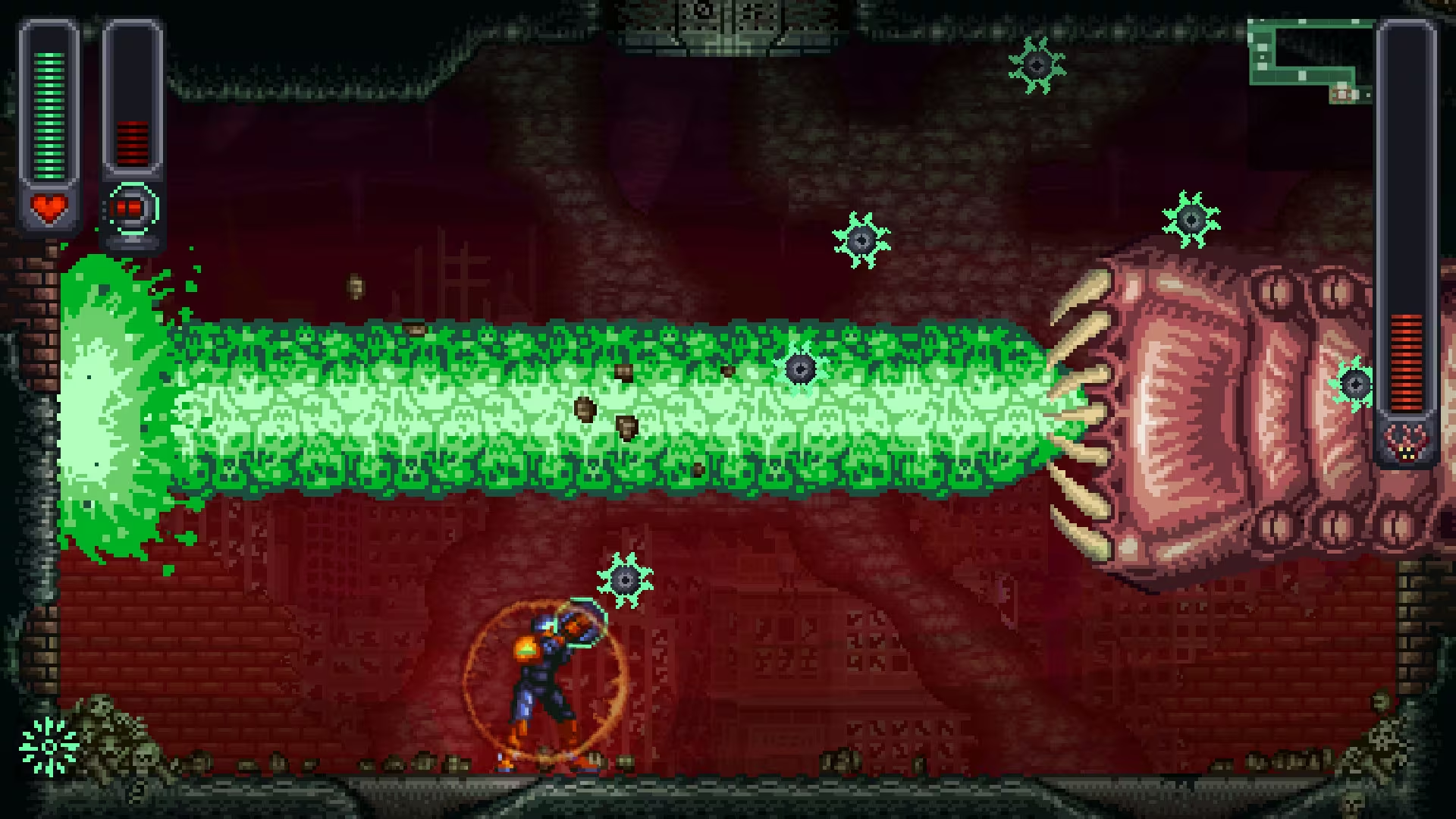
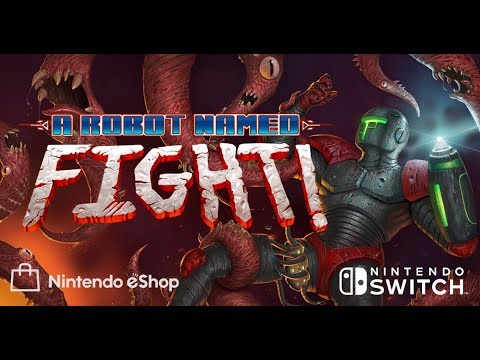
A Robot Named Fight is a Metroidvania roguelike focused on exploration and item collection. Explore a different, procedurally-generated labyrinth each time you play and discover randomized power-ups to traverse obstacles, find secrets and explode meat beasts.
Global score
88/100
Genres
Action, Indie, Adventure, Platform, Shooter
Similar games
Pros
- Faithful metroidvania gameplay with roguelike elements
- High replayability with randomized maps and items
- Tight controls and satisfying combat
- Engaging pixel art and atmospheric music
- Active developer support and updates
Cons
- Some repetitiveness in procedural map layouts
- Boss difficulty sometimes unbalanced
- Limited story and character customization
- Local multiplayer only
- Can cause physical discomfort during long sessions
Analysis
Broadly representative of its motivational profile, with a few distinct shifts. Motivations that often define this kind of title include Fellowship, Cooperation, Leadership, Violence. Here, the score leans higher than usual among comparable games on Cooperation, Violence. It leans lower than usual among comparable games on Expression.
How to use the graph
Similar games map
Each dot is a game. They are arranged from the same motivation profile as in the “Motivations” section below. Closer dots usually mean more similar reasons to play (exploration, competition, relaxation, etc.)—not that one game is “better” than another.
- Larger dot with a light outline: the game you are viewing.
- Colour: groups of games with comparable motivation patterns (statistical clusters).
- Hover a dot to see the game name; click to open its page.
- Scroll or double-click the chart to zoom out and see more games.
Why don’t the axes read like a score? This view uses t-SNE: it only keeps who is close to whom. The scales are not “good to bad” or hours played—they separate groups on the map. Read distance between dots, not the axis numbers.
Motivations
-
Autonomy4
"Players have freedom to explore procedurally generated maps with different item combinations each run, enabling varied playstyles and decisions."
-
Competence3
"Game offers skill-based platforming and combat challenges with boss fights and item synergies, though difficulty is moderate and accessible."
-
Competition-2
"Focus is primarily on individual runs and personal progression; some multiplayer modes exist but are local and secondary."
-
Continuation4
"High replayability with frequent play sessions encouraged by randomized runs, unlocks, and short run length."
-
Cooperation1
"Local co-op mode available where second player controls an orb, but main gameplay is solo exploration and combat."
-
Creativity3
"Players experience varied item combinations and procedural map layouts, creating unique runs and strategies."
-
Domination-3
"Interactions emphasize balanced gameplay and progression rather than exerting superiority or control over others."
-
Escapism4
"Players use the game as a stress-relieving, immersive experience with engaging exploration and combat."
-
Expectation-4
"Engagement is driven by intrinsic motivation and enjoyment rather than obligation or external pressure."
-
Experimenting4
"Encourages trying new item combinations, exploring different map layouts, and discovering varied boss encounters."
-
Exploration4
"Core gameplay involves discovering new areas, backtracking with new abilities, and uncovering secrets in procedurally generated maps."
-
Expression-2
"Limited character customization; focus is on gameplay and item variety rather than avatar personalization."
-
Fantasy4
"Strong sci-fi and horror fantasy themes with imaginative robot and flesh monster designs."
-
Fellowship-3
"Primarily a solo experience with minimal social interaction; community engagement mostly outside gameplay."
-
Growth4
"Players develop skills and knowledge over runs, unlocking new items and improving mastery of mechanics."
-
Health-4
"Requires extended sedentary play sessions with some reports of physical discomfort from long play."
-
Idle-4
"Requires focused attention and continuous engagement during runs; not suited for passive or background play."
-
Intimacy-4
"Minimal social or emotional connection within gameplay; interactions are surface-level or absent."
-
Leadership-4
"No leadership or management roles; gameplay is individual or cooperative without hierarchical dynamics."
-
Progression5
"Strong emphasis on accumulating items, upgrades, and achievements that unlock content for future runs."
-
Relaxation2
"Balanced challenge and flow with moments of tension and relief; generally engaging without excessive stress."
-
Sensation3
"Enjoyable pixel art, sound design, and atmospheric music provide stimulating sensory experience."
-
Status-3
"Achievements and unlocks exist but social recognition or popularity is not a primary focus."
-
Story2
"Narrative is minimal but present, with lore revealed through multiple endings and environmental storytelling."
-
Strategy3
"Players plan item usage, route choices, and combat tactics to overcome randomized challenges."
-
Thrill3
"Permadeath and randomized elements create suspense and excitement during runs."
-
Value4
"Players perceive strong value for time and money due to replayability and content updates."
-
Violence4
"Combat against grotesque flesh monsters and bosses is a core enjoyable element."
-
Survival3
"Players must avoid death and manage resources to progress through challenging environments."
Last update: 29/04/2026