Return to Shironagasu Island Thumbnail

Return to Shironagasu Island similar games & best alternatives
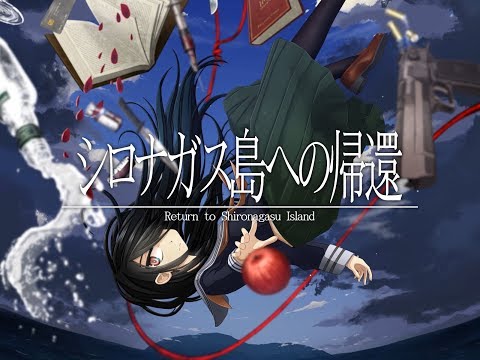
Return to Shironagasu Island

PC (Microsoft Windows), Nintendo Switch • 2020

Related articles

Quick resume

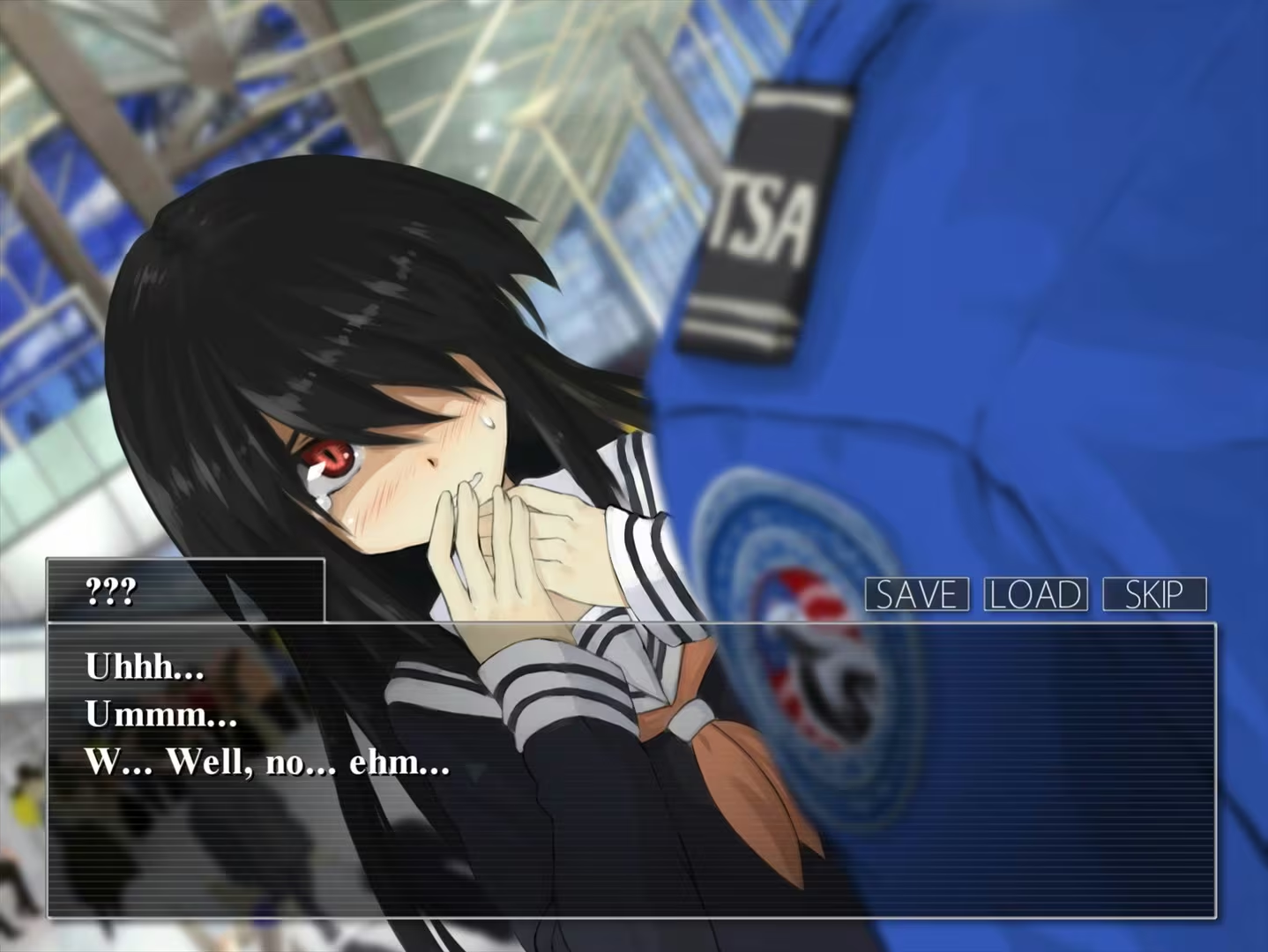
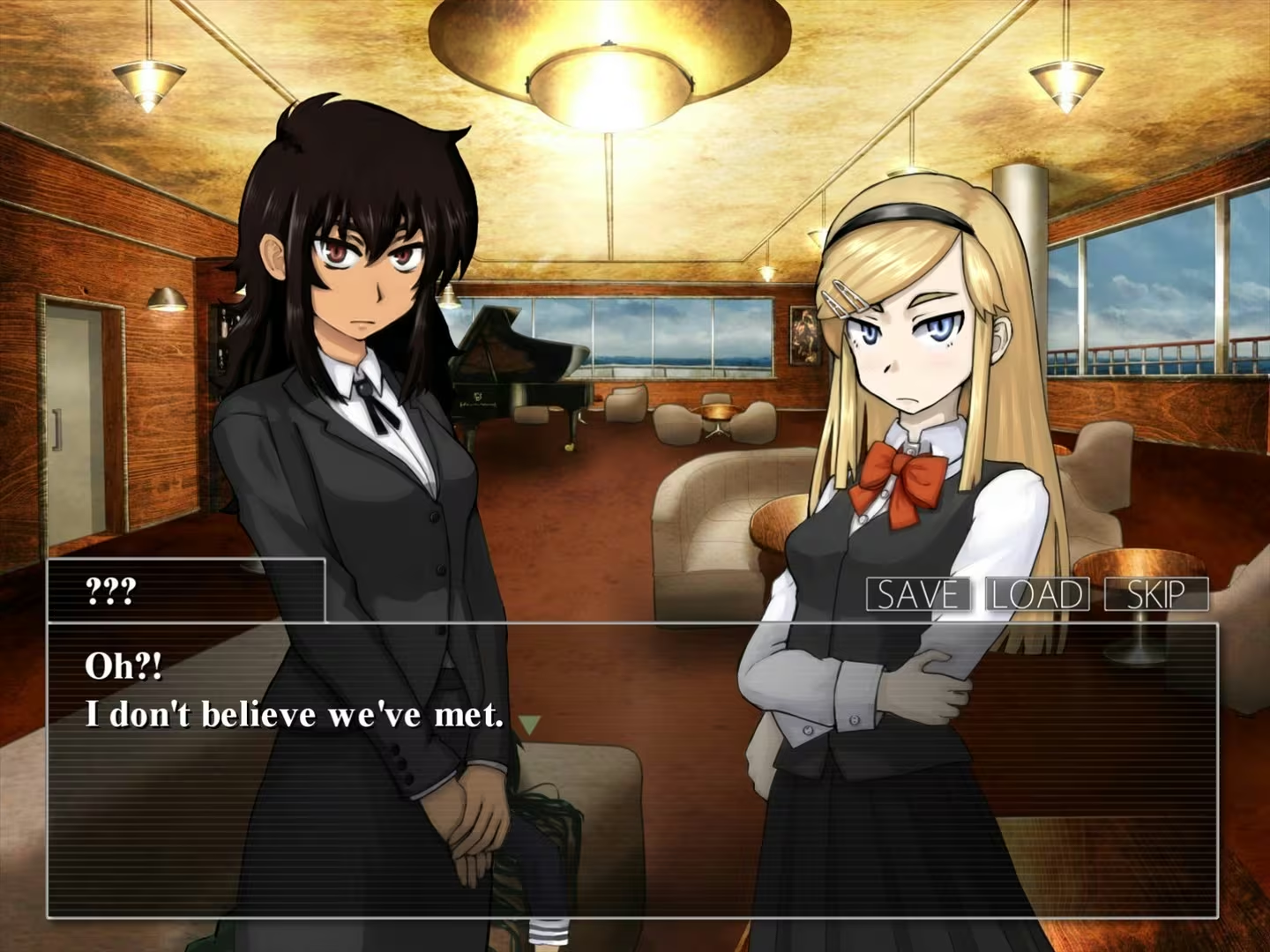
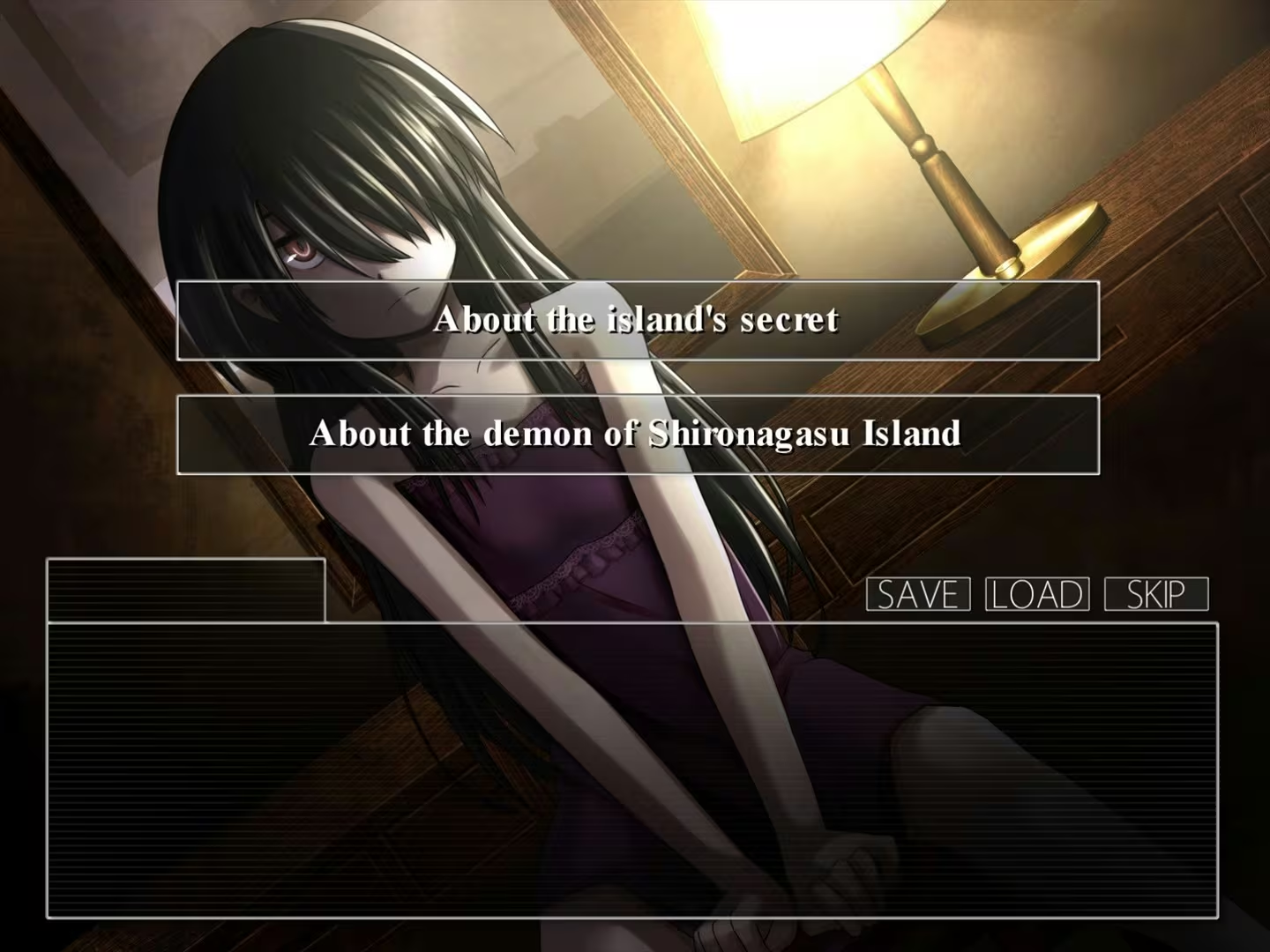
A mystery adventure game and visual novel set on solitary Shironagasu Island. Discover its secrets, solve its mysteries, and escape from the ominous island!

Global score

94/100

Genres

Adventure, Visual Novel, Indie

Similar games

    Pros

    • Engaging mystery story with strong pacing
    • Interesting and likable characters
    • Good soundtrack and atmosphere
    • Multiple endings and replay value
    • Affordable price with substantial content

    Cons

    • Repetitive and unintuitive point-and-click mechanics
    • Rough english translation
    • Some fanservice and inappropriate content
    • Ending and extra story divisive among players
    • Lack of voice acting in english version

    Analysis

    A very typical example of its motivational profile. Motivations that often define this kind of title include Expression, Fellowship, Cooperation, Competition. Here, the score leans higher than usual among comparable games on Intimacy, Expression, Value.

    How to use the graph
    Similar games map

    Each dot is a game. They are arranged from the same motivation profile as in the “Motivations” section below. Closer dots usually mean more similar reasons to play (exploration, competition, relaxation, etc.)—not that one game is “better” than another.

    • Larger dot with a light outline: the game you are viewing.
    • Colour: groups of games with comparable motivation patterns (statistical clusters).
    • Hover a dot to see the game name; click to open its page.
    • Scroll or double-click the chart to zoom out and see more games.

    Why don’t the axes read like a score? This view uses t-SNE: it only keeps who is close to whom. The scales are not “good to bad” or hours played—they separate groups on the map. Read distance between dots, not the axis numbers.

    Motivations

    • Autonomy
      3

      "Players make choices affecting story routes and endings, with some timed events adding pressure, indicating moderate player control over actions."

    • Competence
      2

      "Engages players in detective work and timed puzzles requiring attention and decision-making, but gameplay is mostly reading with some repetitive clicking."

    • Competition
      -5

      "No evidence of competitive elements; focus is on personal story experience and mystery solving."

    • Continuation
      3

      "Players report being hooked by the story and characters, with some playing through multiple endings and extra content."

    • Cooperation
      -5

      "Single-player visual novel experience with no multiplayer or cooperative gameplay."

    • Creativity
      2

      "Includes point-and-click investigation and puzzles, plus multiple endings, allowing some creative problem solving within a structured narrative."

    • Domination
      -5

      "No social dominance or power dynamics over others; interactions are narrative-driven and equal."

    • Escapism
      4

      "Players use the game to immerse in a suspenseful, horror-mystery narrative, providing distraction and emotional engagement."

    • Expectation
      -4

      "Players engage voluntarily for intrinsic interest in mystery and story; no indications of obligation or pressure."

    • Experimenting
      2

      "Multiple choices and endings encourage trying different routes, though gameplay mechanics are somewhat repetitive."

    • Exploration
      1

      "Some exploration through point-and-click investigation of environments, but mostly linear narrative progression."

    • Expression
      1

      "Limited character customization, but some player expression through choices affecting story outcomes."

    • Fantasy
      3

      "Mixes realistic detective mystery with sci-fi and horror elements, including supernatural and improbable events."

    • Fellowship
      -4

      "Primarily a solo experience with minimal social interaction or community involvement."

    • Growth
      2

      "Players develop understanding of the mystery and improve decision-making skills through multiple playthroughs."

    • Health
      -5

      "Sedentary gameplay typical of visual novels with no physical activity elements."

    • Idle
      -3

      "Requires focused reading and interaction; not designed for passive or background play."

    • Intimacy
      1

      "Some emotional engagement with characters and their relationships, but limited to narrative context."

    • Leadership
      -5

      "No leadership or group management roles; single-player narrative focus."

    • Progression
      3

      "Story progression through unlocking new plot points, endings, and achievements; some character development."

    • Relaxation
      1

      "Generally balanced pacing with moments of tension and relief; some players find it engaging rather than relaxing."

    • Sensation
      2

      "Soundtrack and atmosphere provide sensory stimulation; jump scares add emotional excitement."

    • Status
      -5

      "No social status or recognition mechanics present."

    • Story
      5

      "Strong narrative focus with engaging mystery, character development, and multiple endings."

    • Strategy
      2

      "Requires logical thinking and deduction to solve mysteries and make correct choices."

    • Thrill
      3

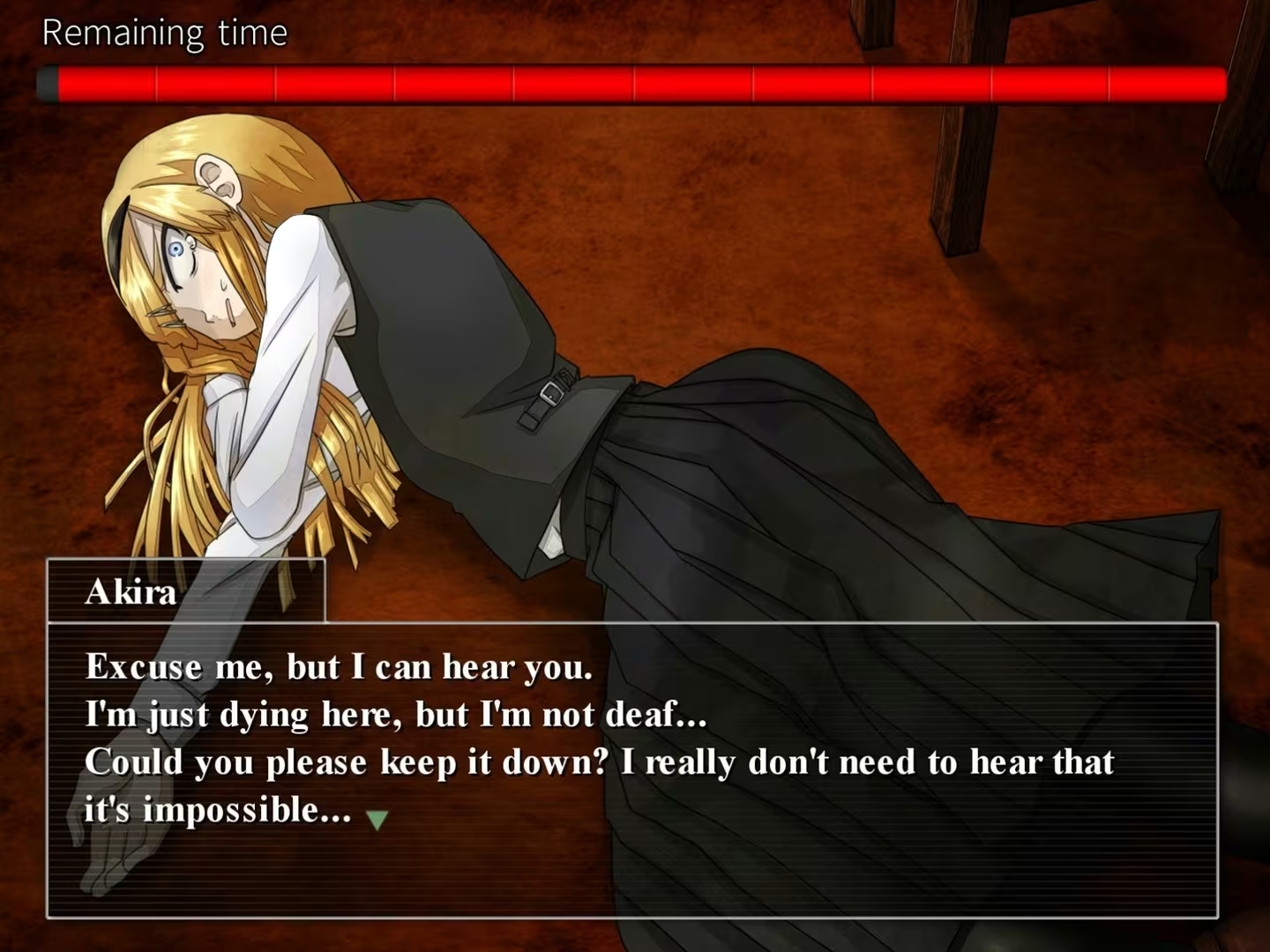
      "Includes suspense, horror elements, jump scares, and timed challenges that create tension and excitement."

    • Value
      4

      "Players report high satisfaction with content and price; considered a good return on investment."

    • Violence
      3

      "Contains graphic descriptions of murder and horror elements; combat is narrative rather than interactive."

    • Survival
      2

      "Timed events and bad endings create a sense of threat and need to avoid failure."

    Last update: 29/04/2026